NASA
Every Cosmic Herald story on NASA — missions, launches, discoveries, and the business of space, newest first.
-
Commercial
Rocket Launch Vehicles Compared: Payload, Cost, and Reusability in 2026
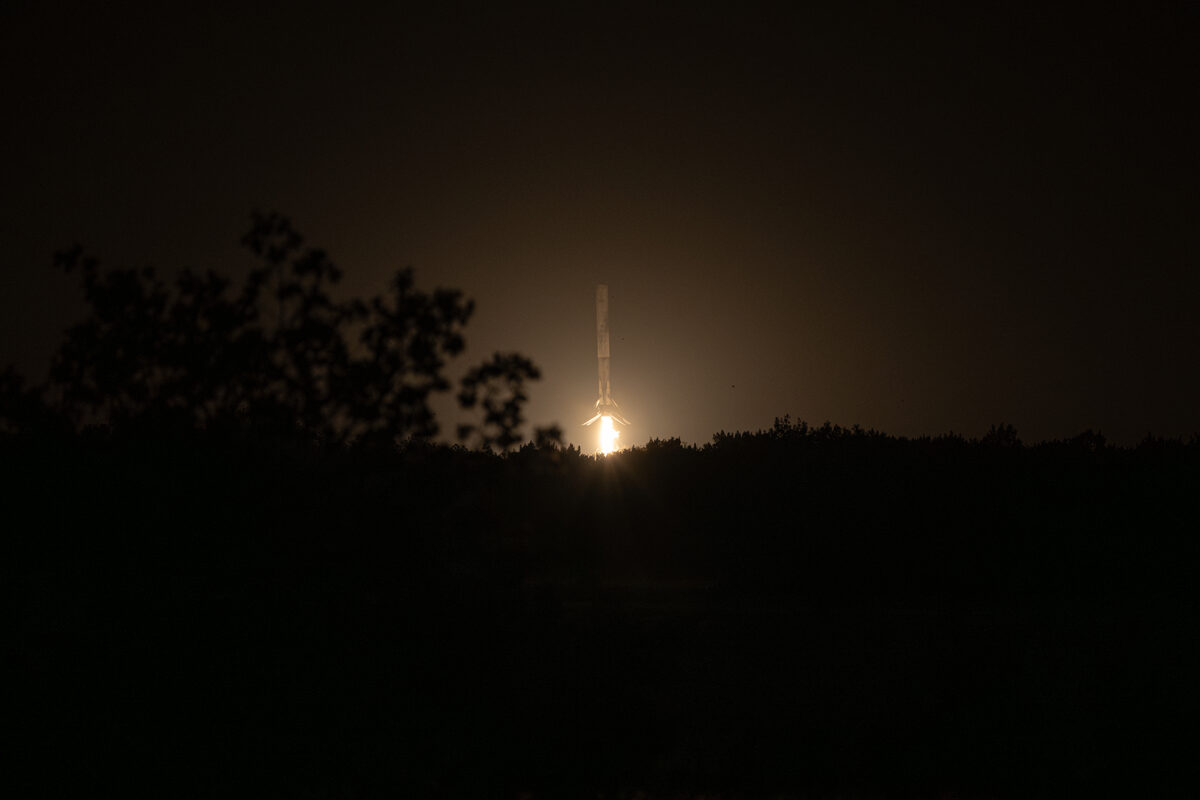
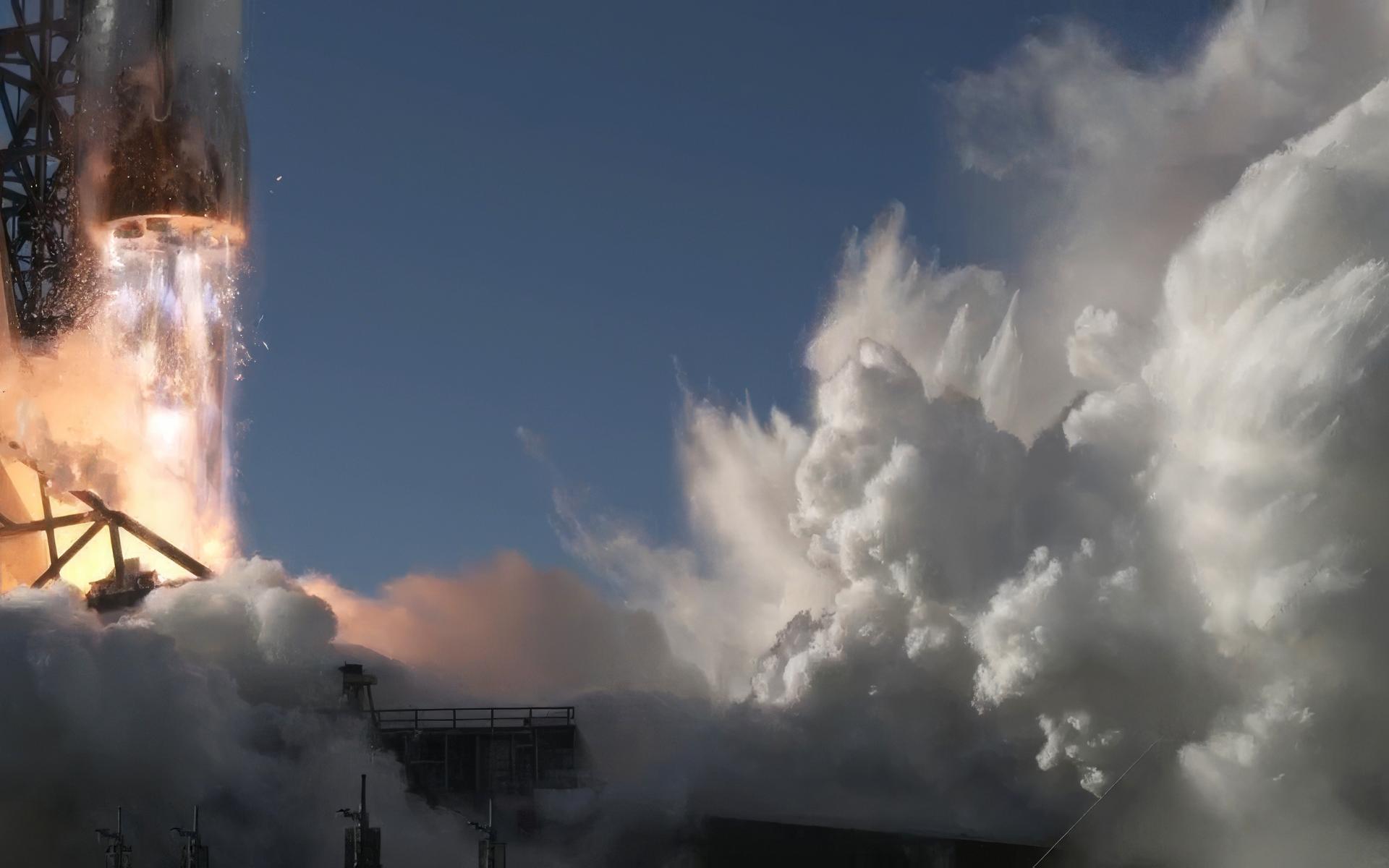
Falcon 9, Falcon Heavy, Starship, New Glenn, Vulcan Centaur, Neutron, Ariane 6, and six more launch vehicles compared on payload, cost per launch, and reusability, including China's Long March 10B, which on July 10 became just the third rocket in history to catch its own booster.
-
Commercial
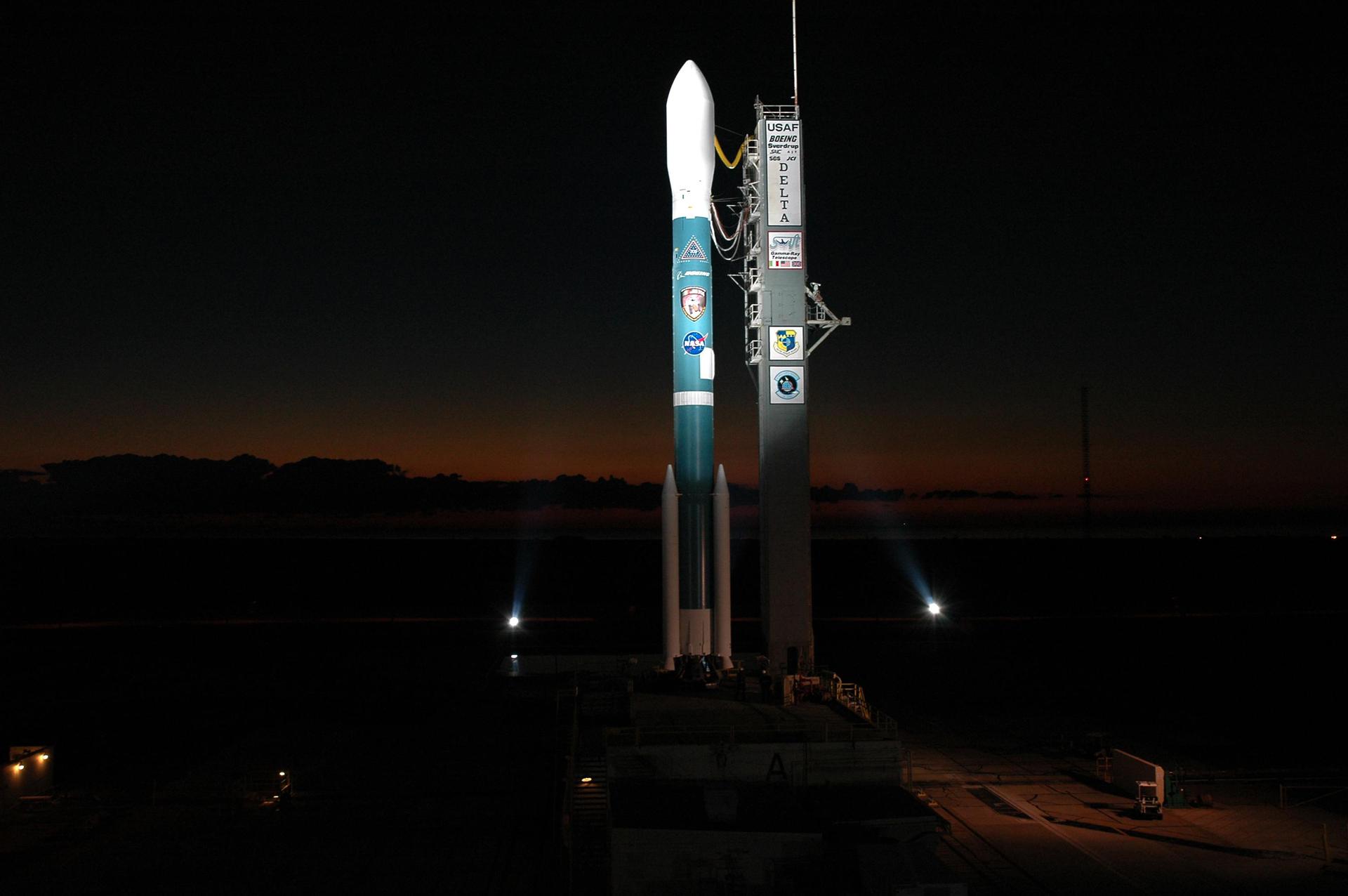
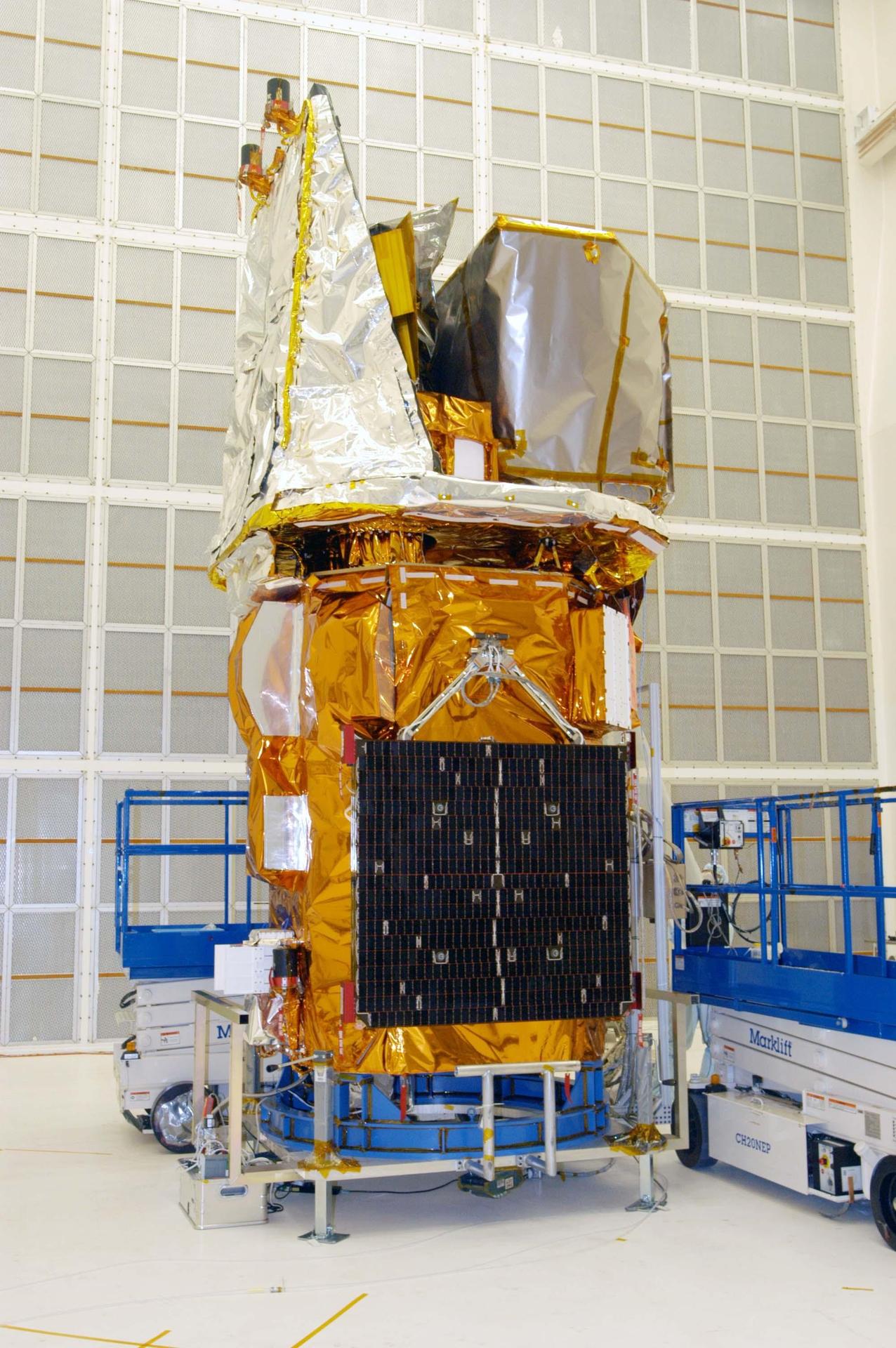
Katalyst's LINK Spacecraft Begins Checkouts Ahead of Historic Rescue Docking With NASA's Swift Observatory
Katalyst's LINK servicer is testing its xenon thrusters in orbit ahead of an unprecedented docking attempt meant to save NASA's decaying Swift Observatory from reentry.
-
Commercial
A Rocket Engine With No Moving Turbopumps Just Landed $91 Million
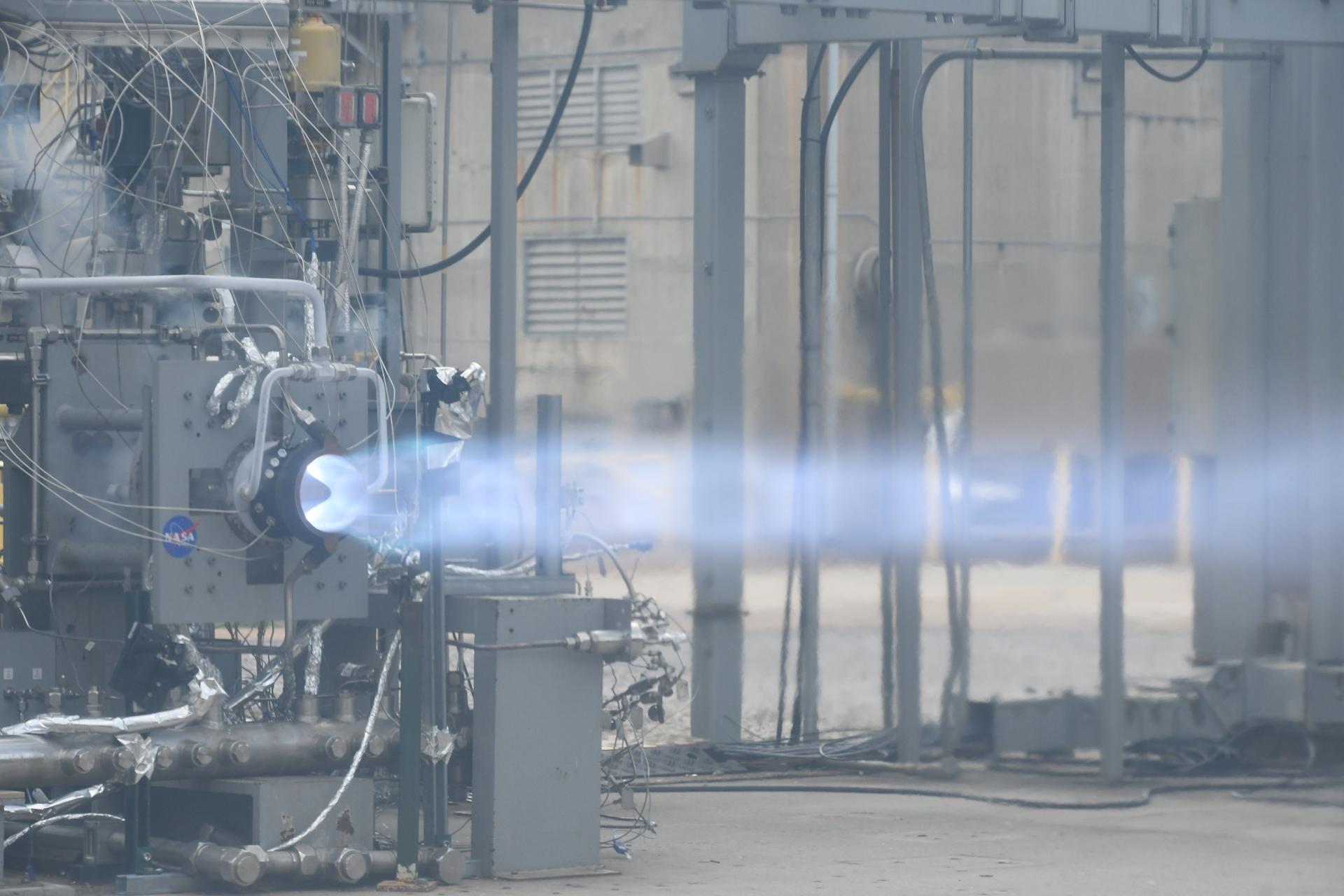
Houston's Venus Aerospace raised a $91 million Series B on July 8, 2026, to scale its rotating detonation rocket engine from prototype toward production, with NASA Marshall already testing the same architecture.
-
Commercial
A German Space Capsule Startup Just Planted Its Flag Next to NASA Johnson — With a Full-Scale Nyx Crew Mockup
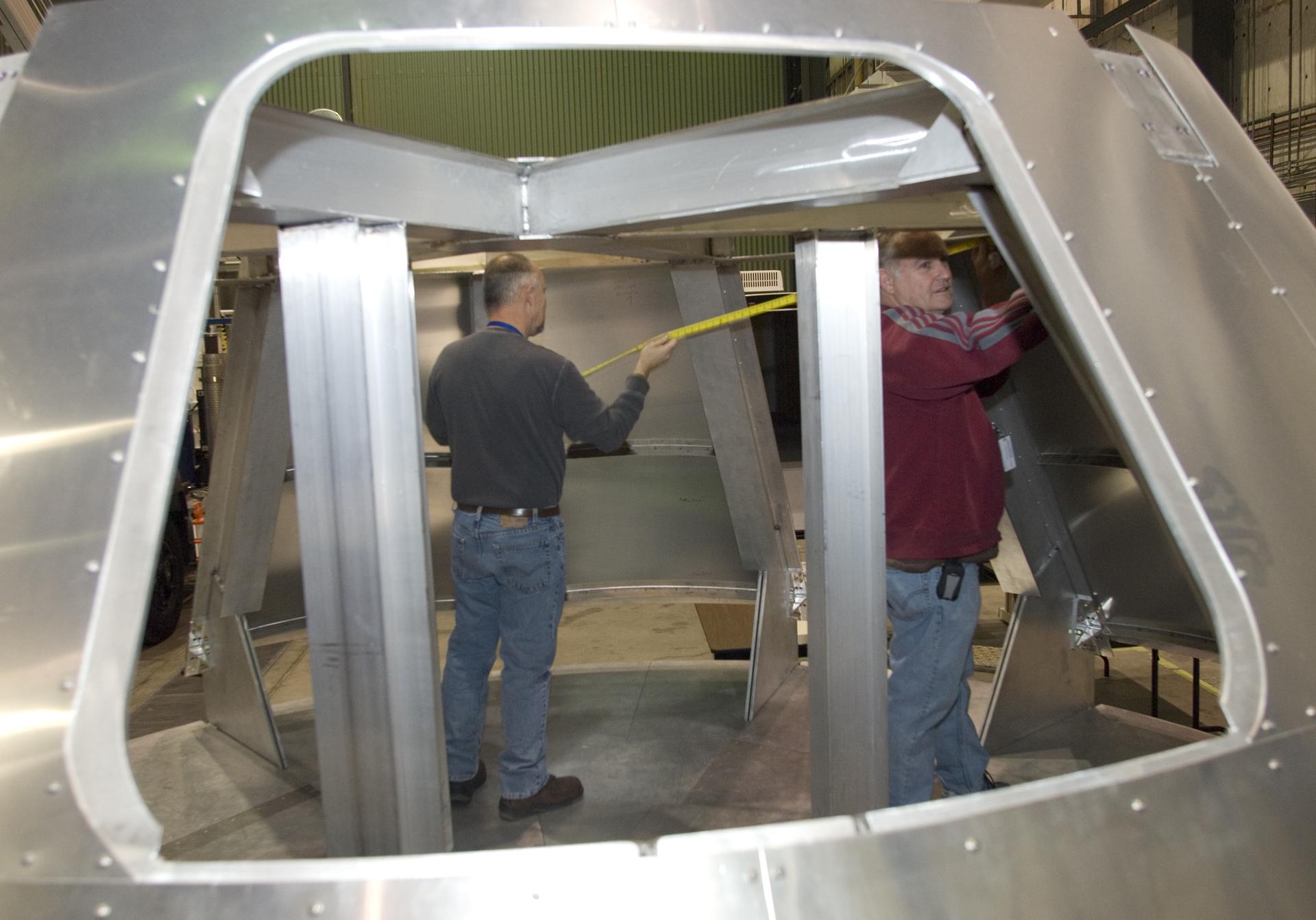
The Exploration Company opened a Houston lab with a full-scale Nyx Crew mockup and formed TEC Federal to chase U.S. government contracts, backed by ESA's LEO Cargo Return funding.
-
Commercial
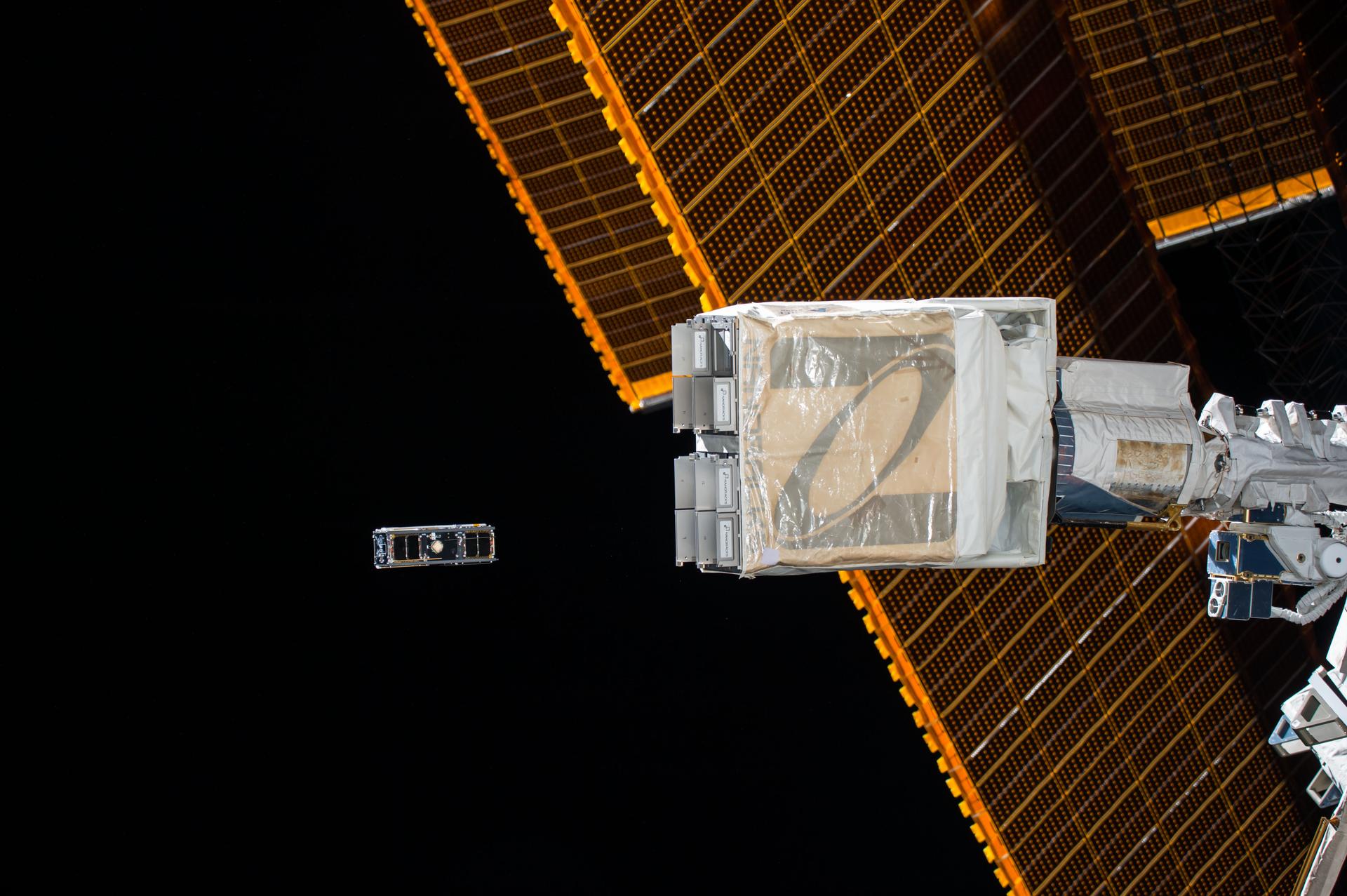
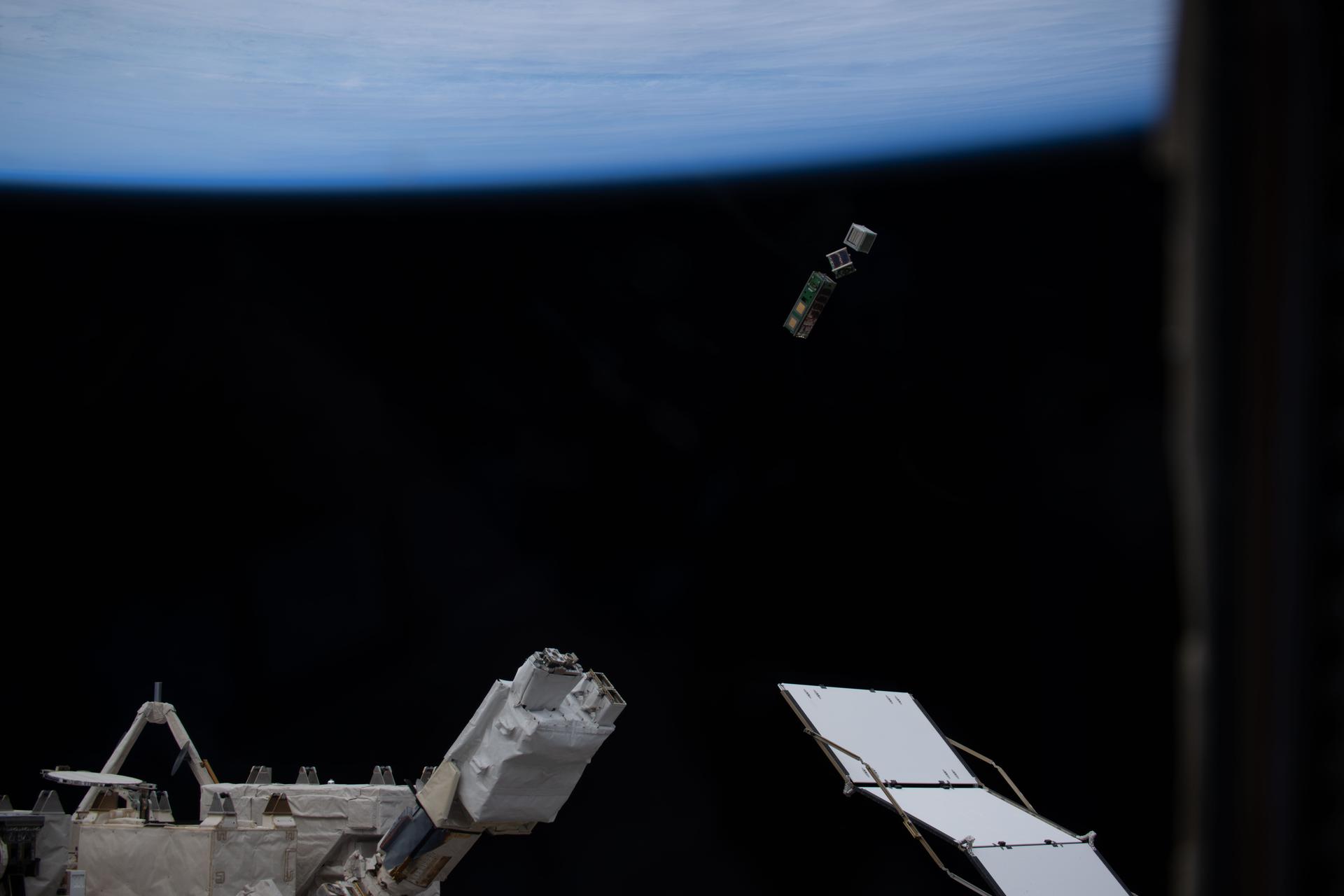
Transporter-17: How Two Student-Built CubeSats Hitched a Ride Among 81 Satellites
SpaceX's Transporter-17 rideshare launched 81 satellites from Vandenberg on July 7, including two NASA-linked CubeSats — GRITSS and MAVERIC — built to sharpen ground-station geodesy and test magnetic navigation.
-
Commercial
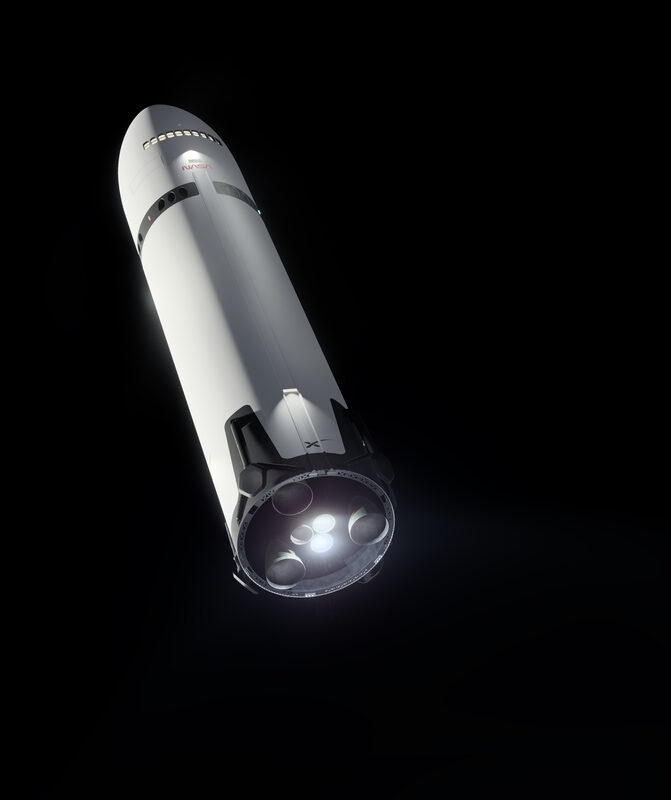
ispace Buys a Ride on Starship, Betting on SpaceX to Cut the Cost of Reaching the Moon
Japan's ispace has purchased 500 kg of Starship cargo capacity for $50 million, launching a new shared-ride lunar delivery service alongside its own Ultra lander program.
-
Commercial
The World's First Commercial Nuclear-Powered Satellite Just Reached Orbit
Miami-based City Labs flew its tritium-powered BOHR CubeSat on SpaceX's Transporter-17, becoming the first commercial mission to clear the FAA's NSPM-20 nuclear-launch pathway with Sandia's safety sign-off.
-
Commercial
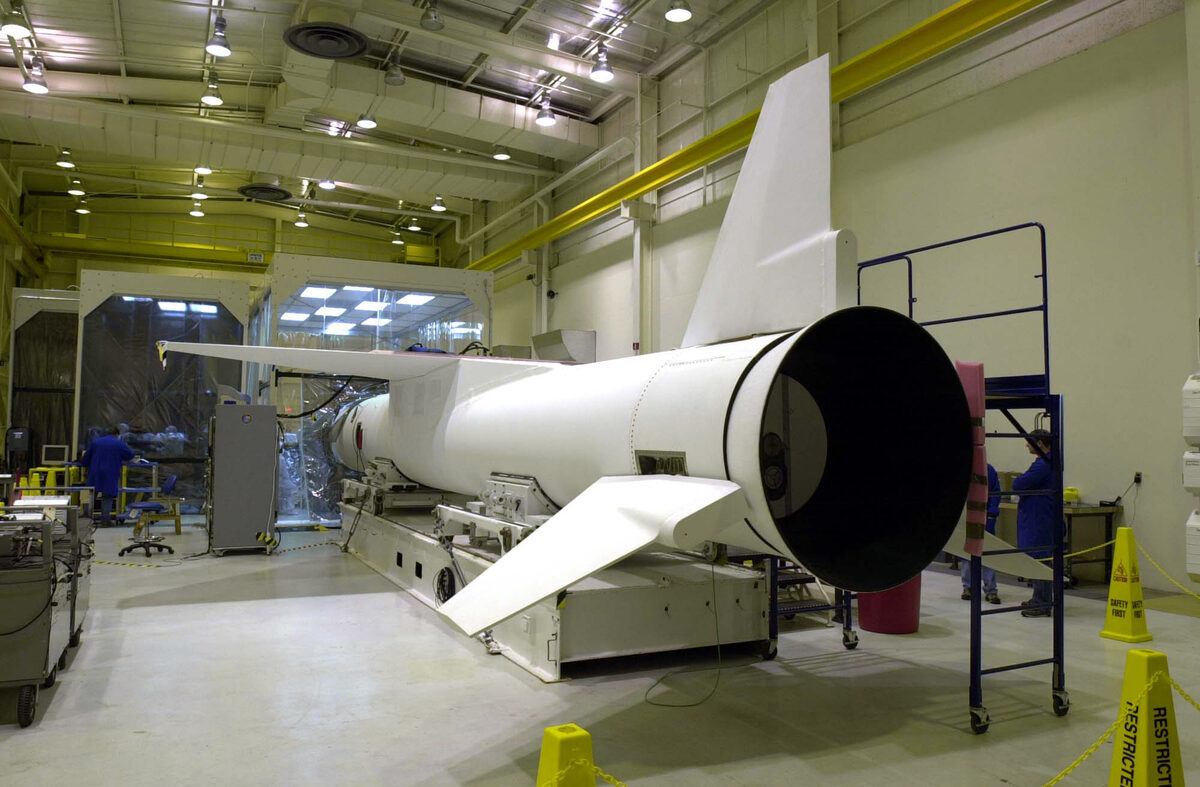
A Rocket That's Flown Since 1990 Just Launched a Rescue Mission for a Dying NASA Telescope
A commercial spacecraft launched on what may be the last-ever Pegasus rocket to grapple NASA's decaying Swift Observatory and shove it into a safer orbit — a servicing job built and flown in just 10 months.
-
Commercial
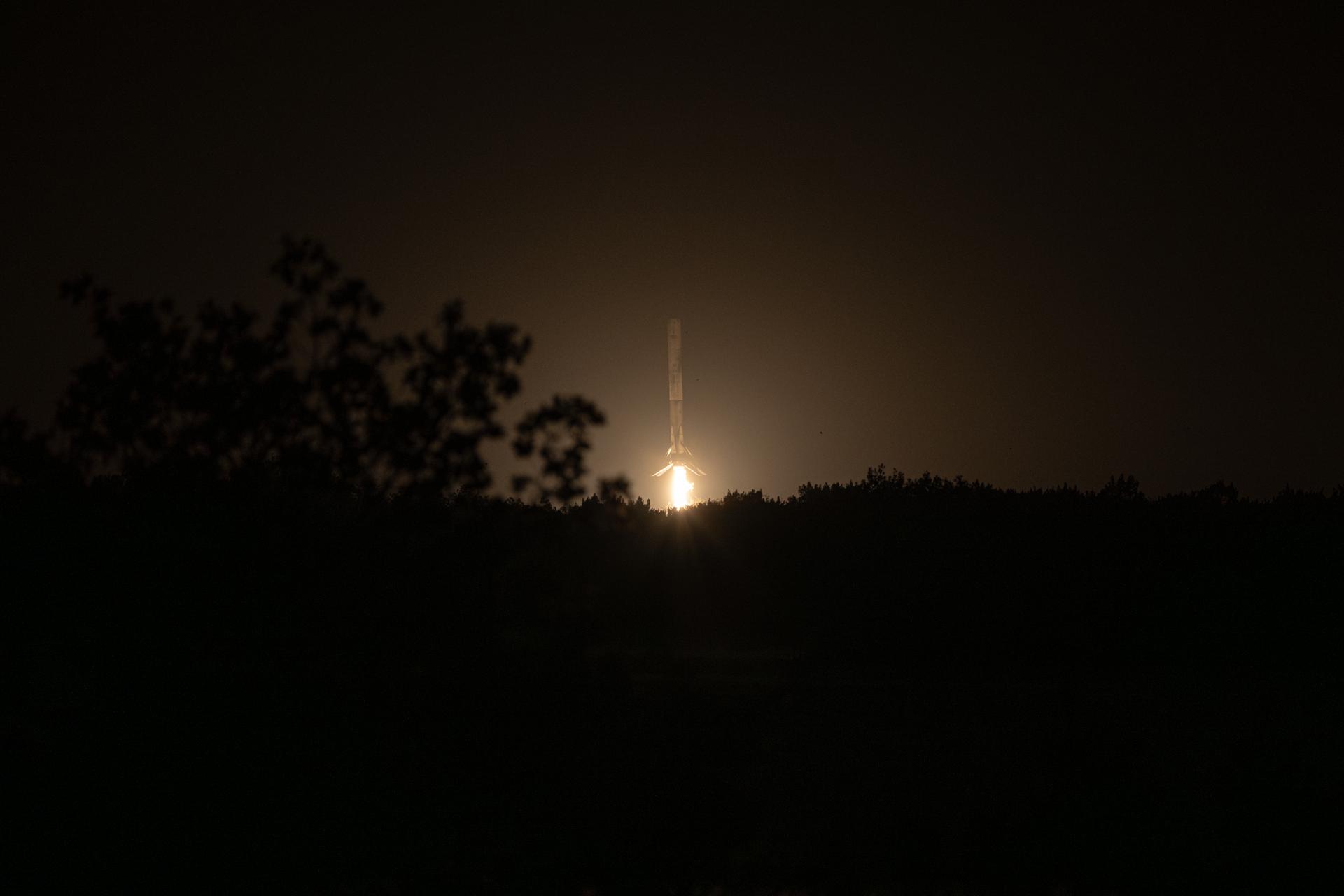
The Ultimate Egg-Drop Challenge: A Startup Rides SpaceX's Falcon 9 Boosters to Test Manufacturing Chips in Space
Besxar Space Industries flew two reusable test pods on a Falcon 9 booster's suborbital round trip on July 5, betting that surviving launch vibration and reentry heat is the first step toward manufacturing semiconductors in orbit.
-
Commercial
NASA's $30 Million Gambit to Save the Falling Swift Observatory
A commercial spacecraft built in nine months just launched to catch a decaying NASA telescope before it burns up — the first attempt ever to dock with a government satellite never designed for servicing.
-
Commercial
Blue Origin Charts a New Path Back to Flight for New Glenn After Pad Explosion
After late-May explosion destroyed a New Glenn being readied to fly NASA's Blue Moon 'Endurance' lander, Blue Origin says it won't rebuild the ruined pad as-is — instead adopting a hybrid horizontal-vertical integration concept at LC-36A and aiming to fly again in 2026.
-
Commercial
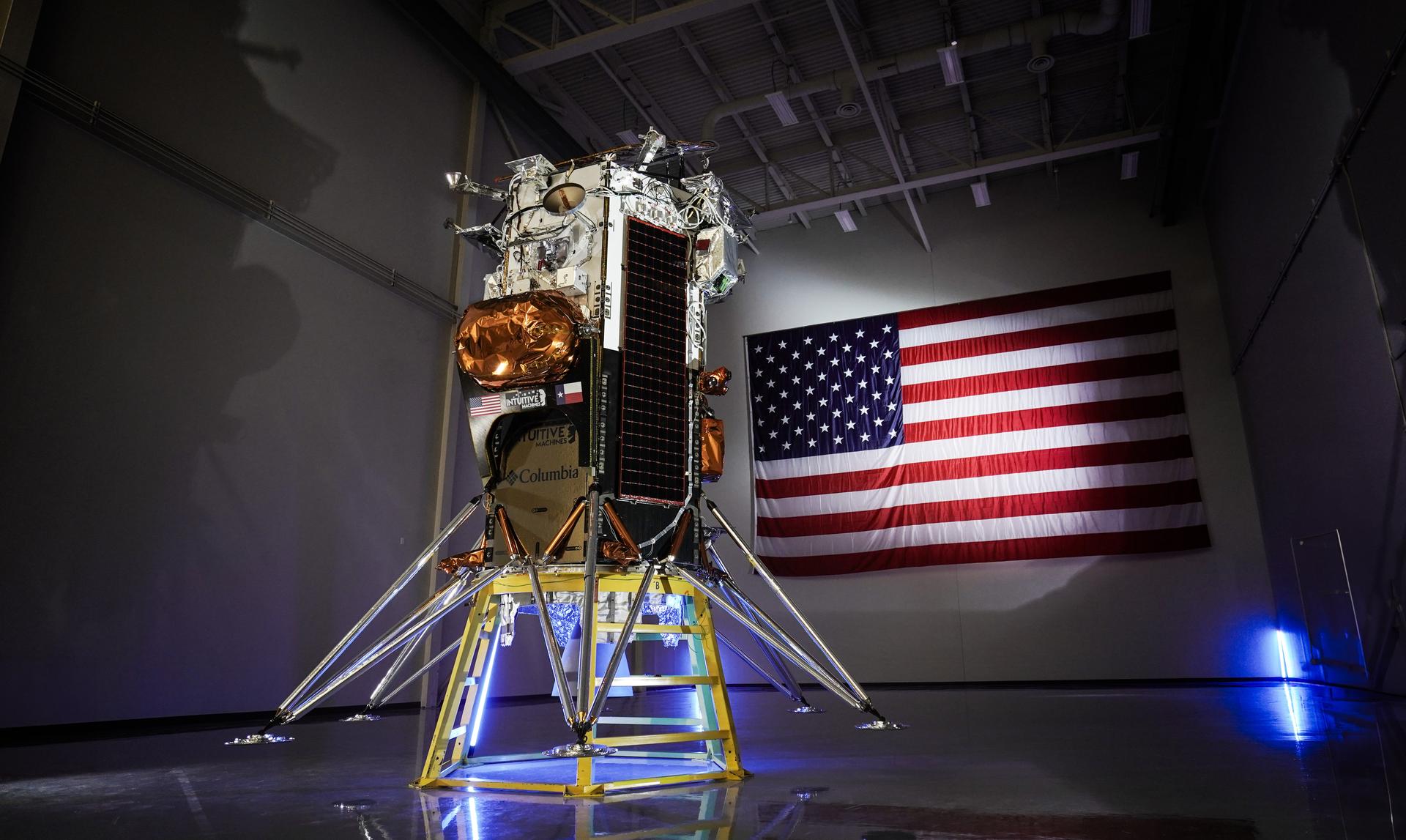
NASA Buys Four More Moon Landings: Astrobotic, Firefly and Intuitive Machines Split ~$590M in CLPS Orders
NASA awarded four CLPS task orders worth roughly $590M to Astrobotic, Firefly and Intuitive Machines to land four robotic missions on the Moon in late 2028, each carrying three payloads including the SCALPSS plume-imaging cameras.