Albania Becomes 73rd Nation to Sign the Artemis Accords
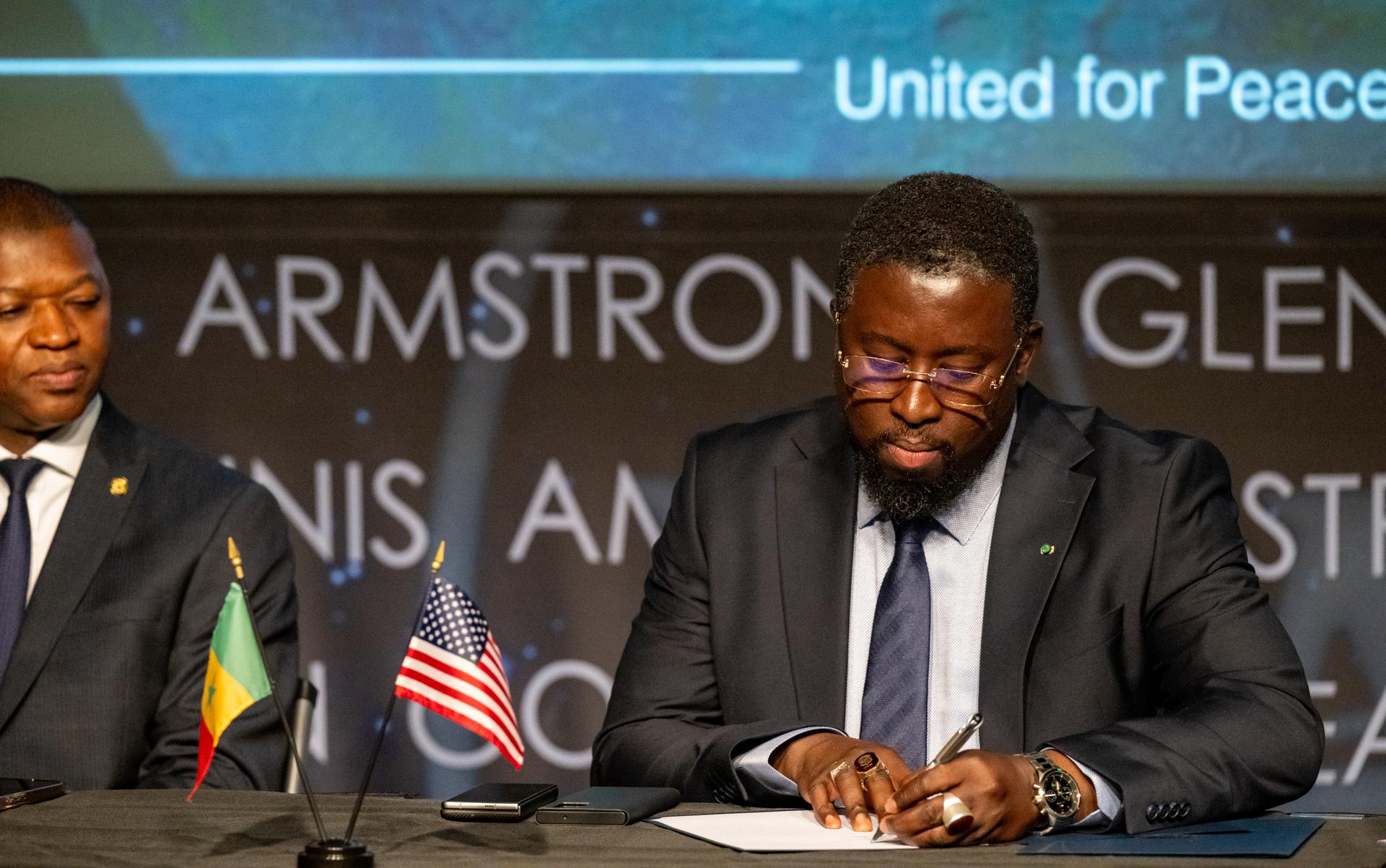
Albania signed the Artemis Accords at NASA Headquarters on September 21, 2026, becoming the 73rd nation to join the U.S.-led framework for peaceful, transparent space exploration.
Space and astronomy news for the curious, free by email.
Albania signed the Artemis Accords at NASA Headquarters on September 21, 2026, becoming the 73rd nation to join the U.S.-led framework for peaceful, transparent space exploration.
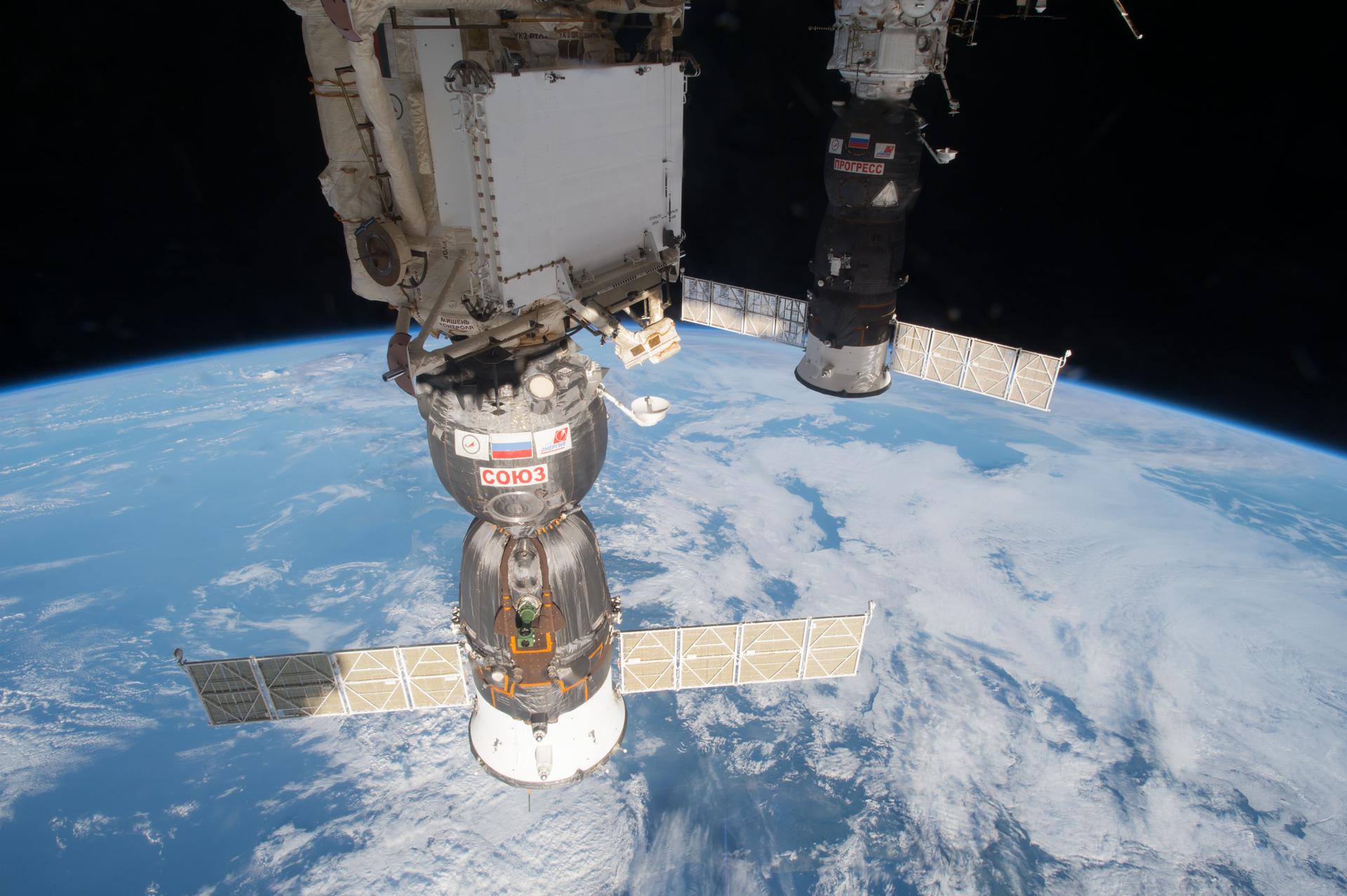
Russia's Progress 96 cargo ship reached the ISS on September 19 after an undisclosed Soyuz third-stage fault forced a hangar rollback and a rare three-day rendezvous.
NASA has booked SpaceX to fly StarBurst, a roughly 300 kg gamma-ray satellite built to catch the first flash of merging neutron stars, on a Falcon 9 Bandwagon rideshare no earlier than 2028.
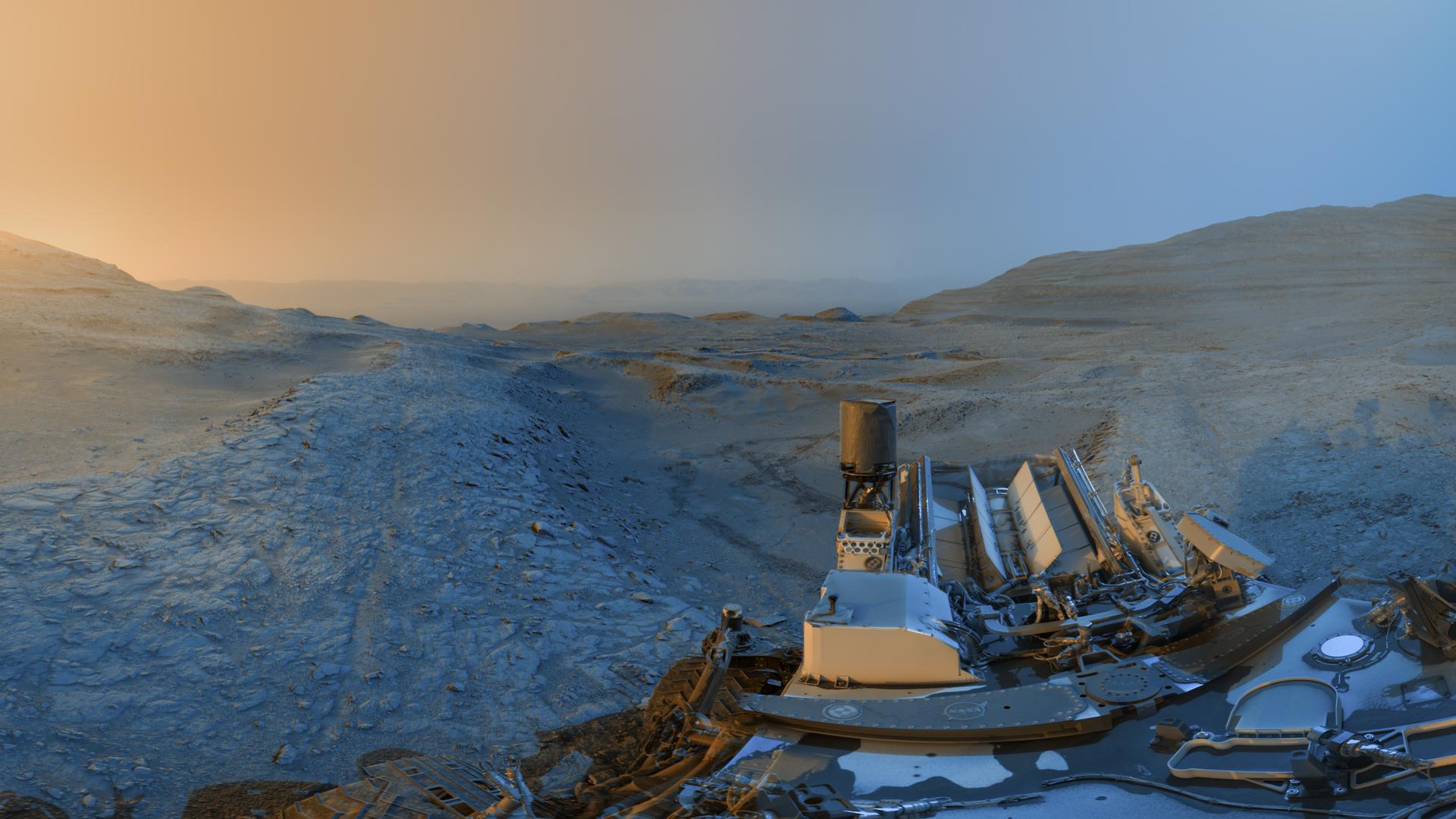
NASA's Curiosity rover hit its 5,000th Martian day on Aug. 30, 2026, and the team marked it with a blue-and-yellow composite panorama shot from a Mount Sharp ridge nicknamed 'Chocolatal.'
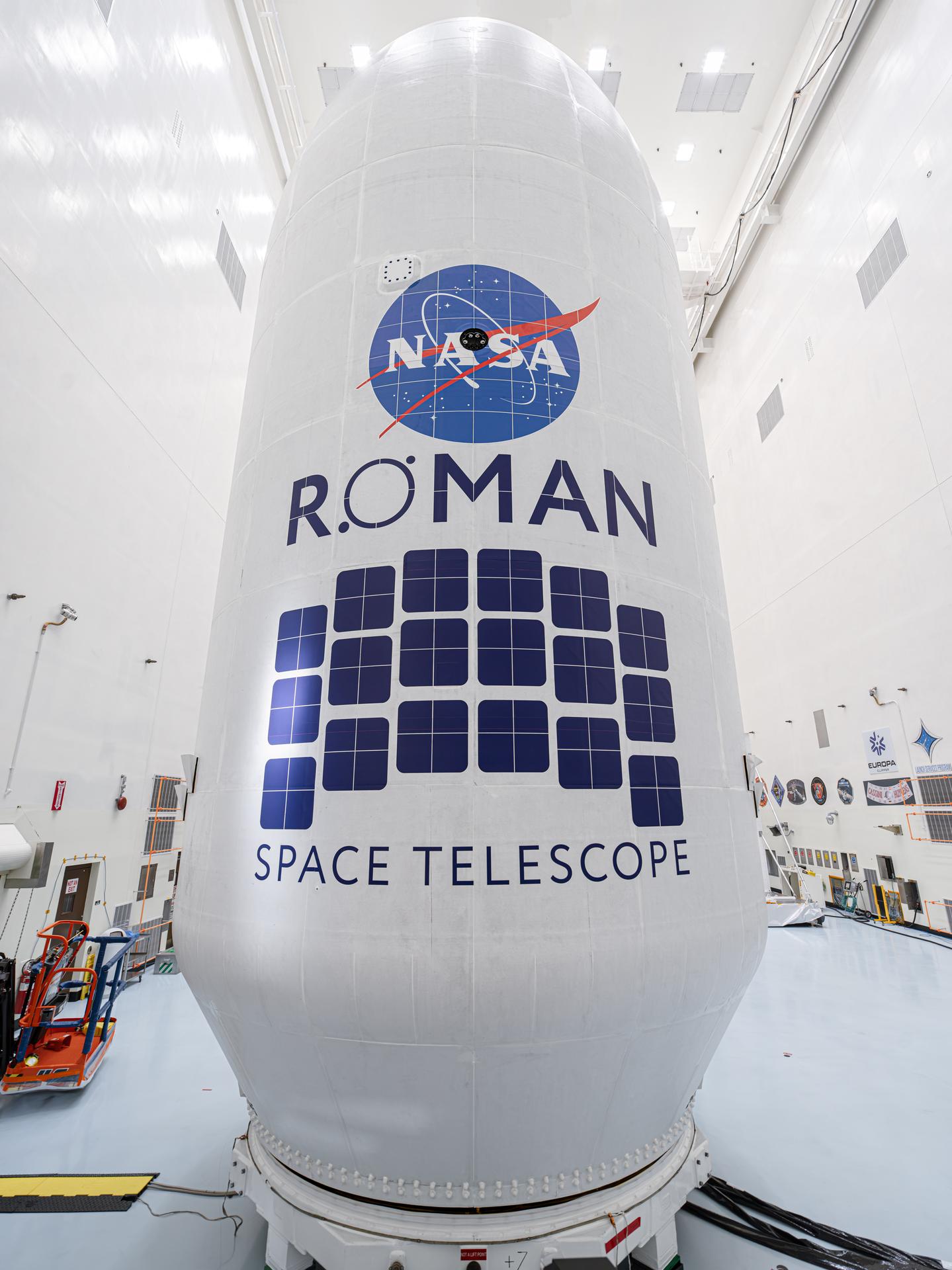
NASA has powered on the Roman Space Telescope's 300-megapixel Wide Field Instrument and begun checkout of its planet-hunting Coronagraph, with first science images still roughly a year away.
NASA and IBM released a free, open-source AI foundation model trained on roughly 2 million lunar image tiles so scientists can fine-tune it for crater mapping, ice prospecting, and geologic dating ahead of Artemis surface missions.
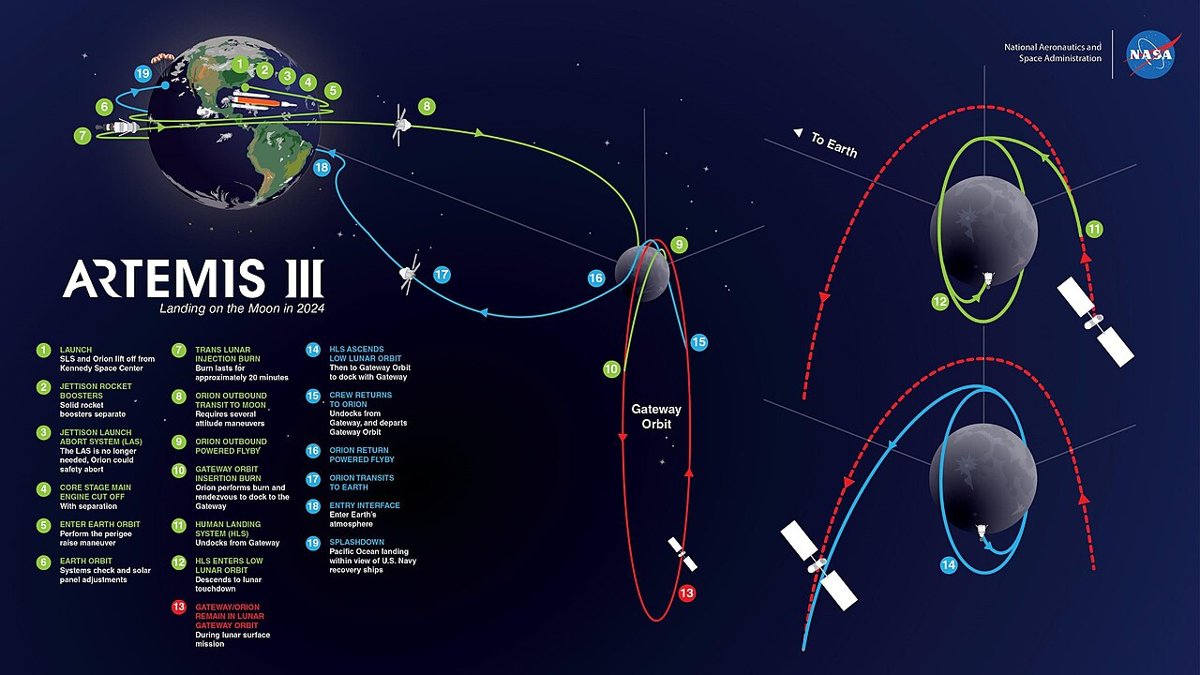
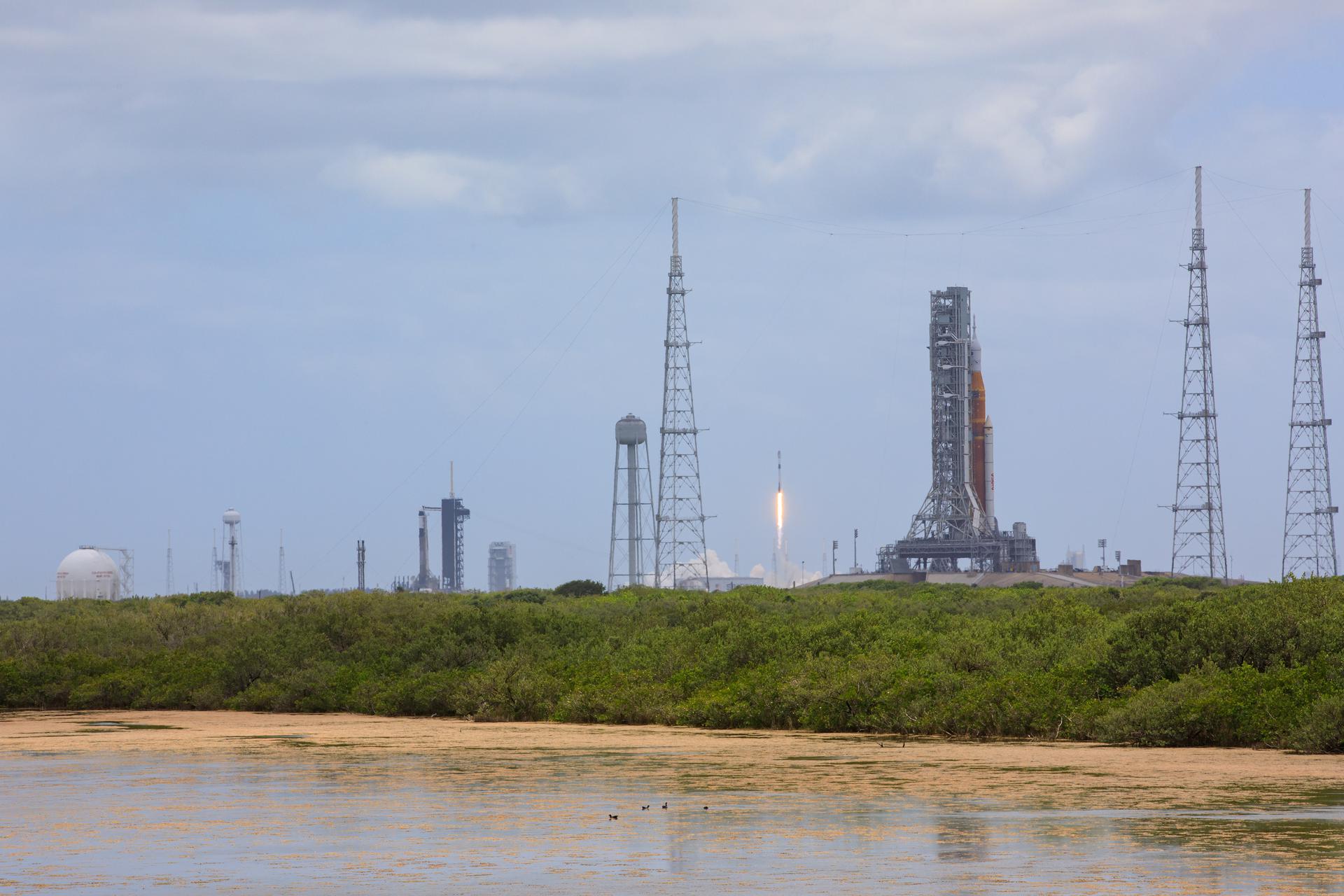
Technicians at Kennedy Space Center have finished installing all four RS-25 engines on the SLS core stage for Artemis III — hardware that flew shuttle missions carrying John Glenn and other astronauts decades ago.
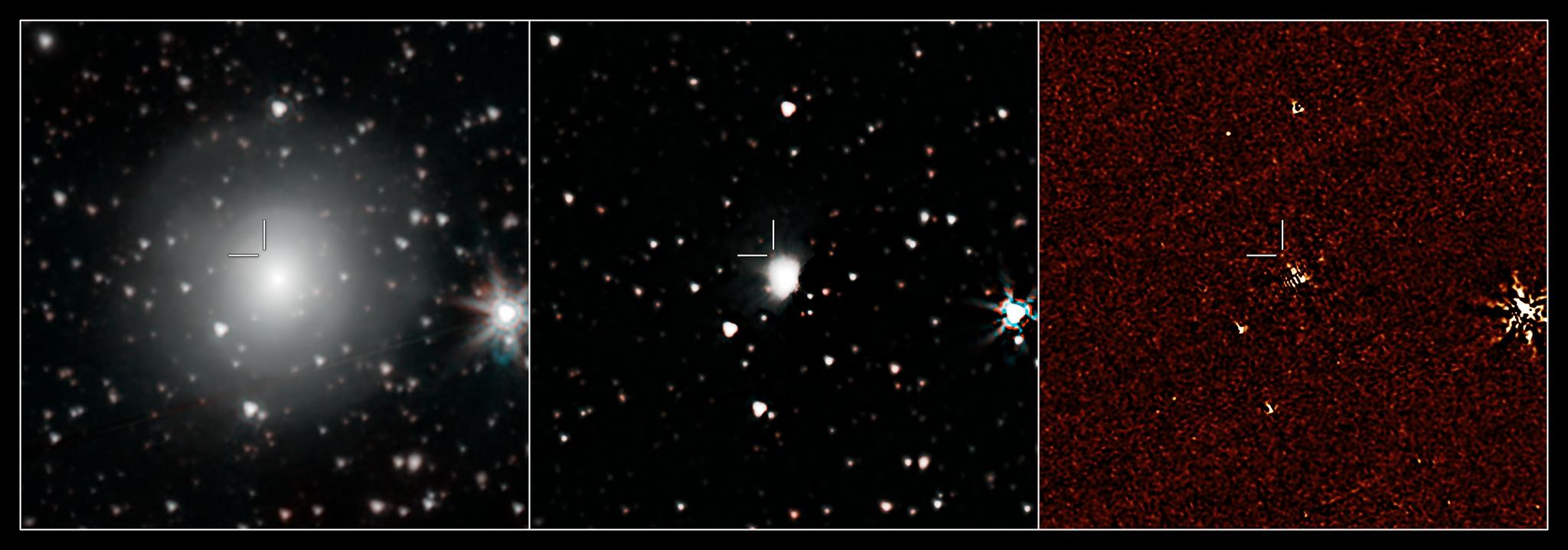
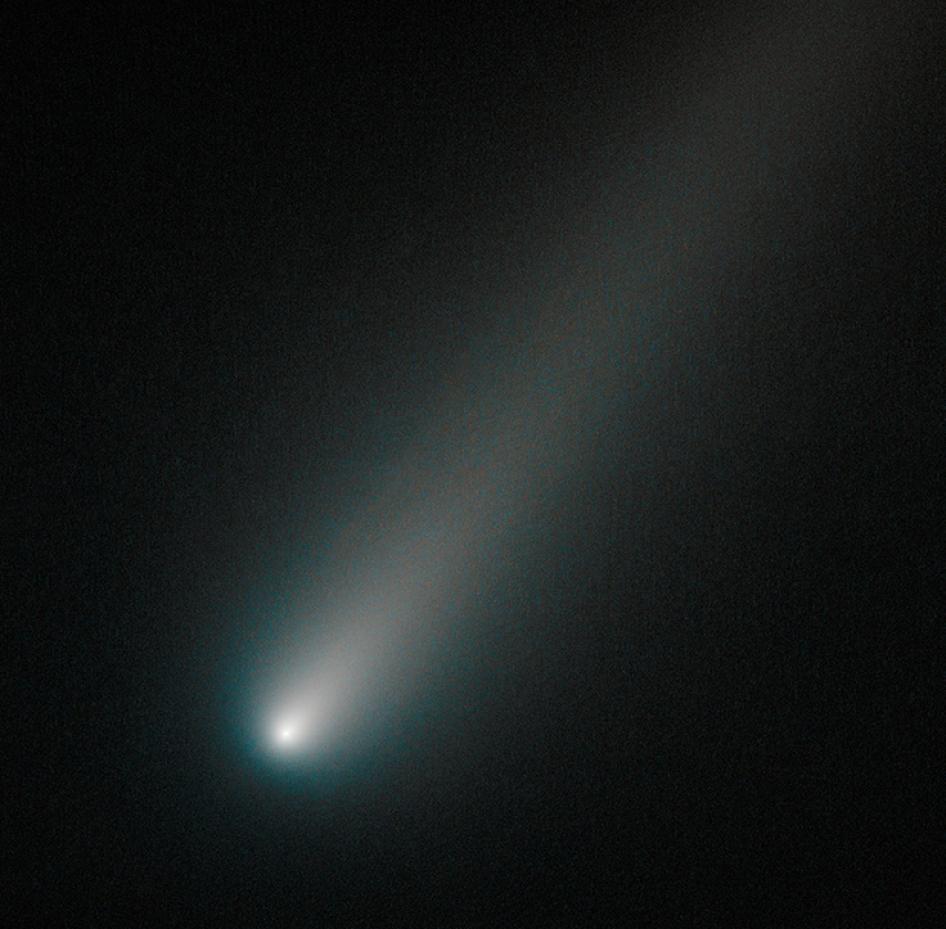
Pooling data from professional observatories and citizen-run eVscopes worldwide, a new study finds interstellar comet 3I/ATLAS wore a stubbornly red dust coma through its entire solar system passage, regardless of how bright it got.
A guest opinion: with only a handful of nearby Sun-like stars and vanishingly small odds that two civilizations' communication windows would ever overlap, real two-way contact with alien intelligence may be far less likely than we hope.
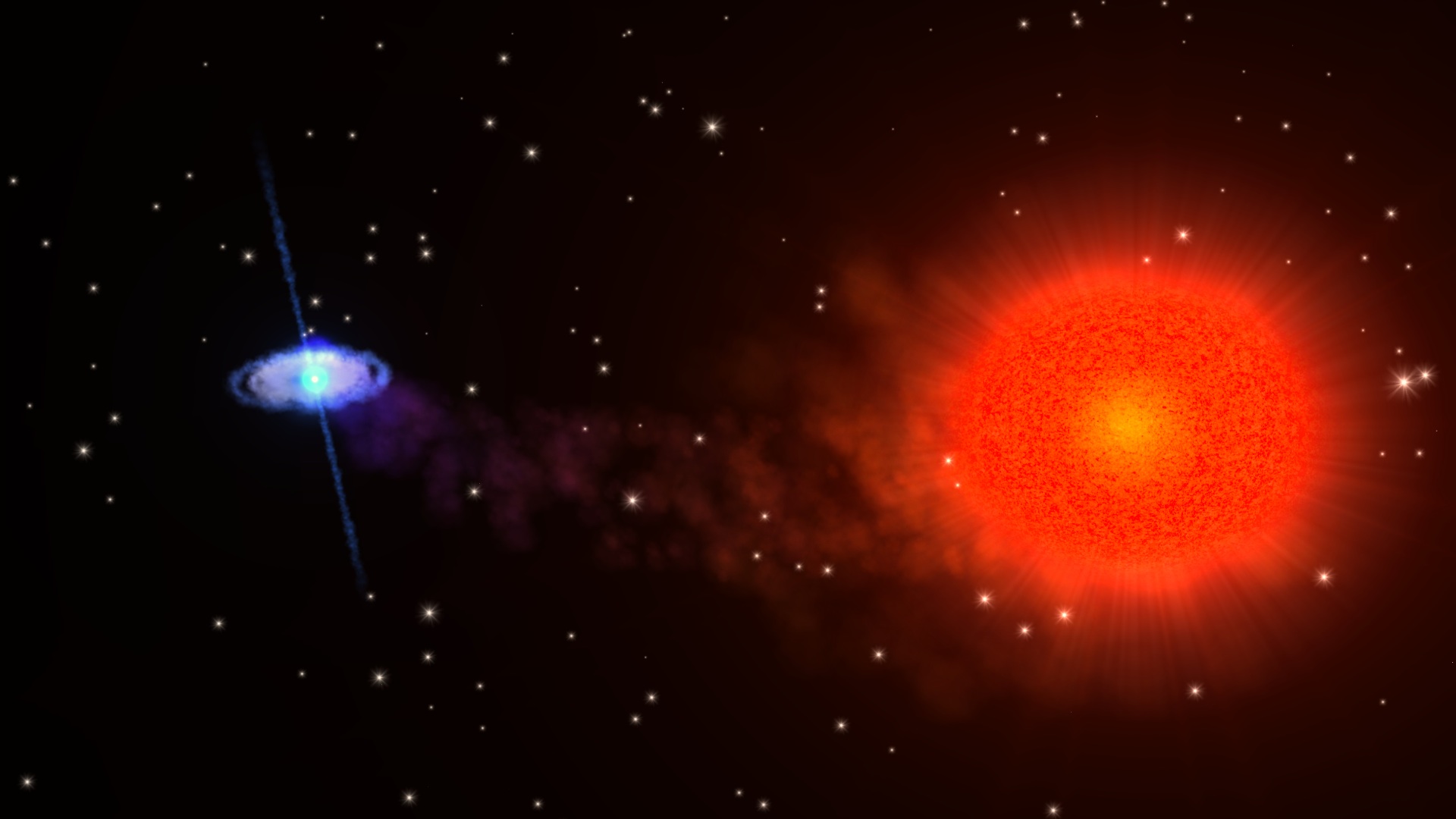
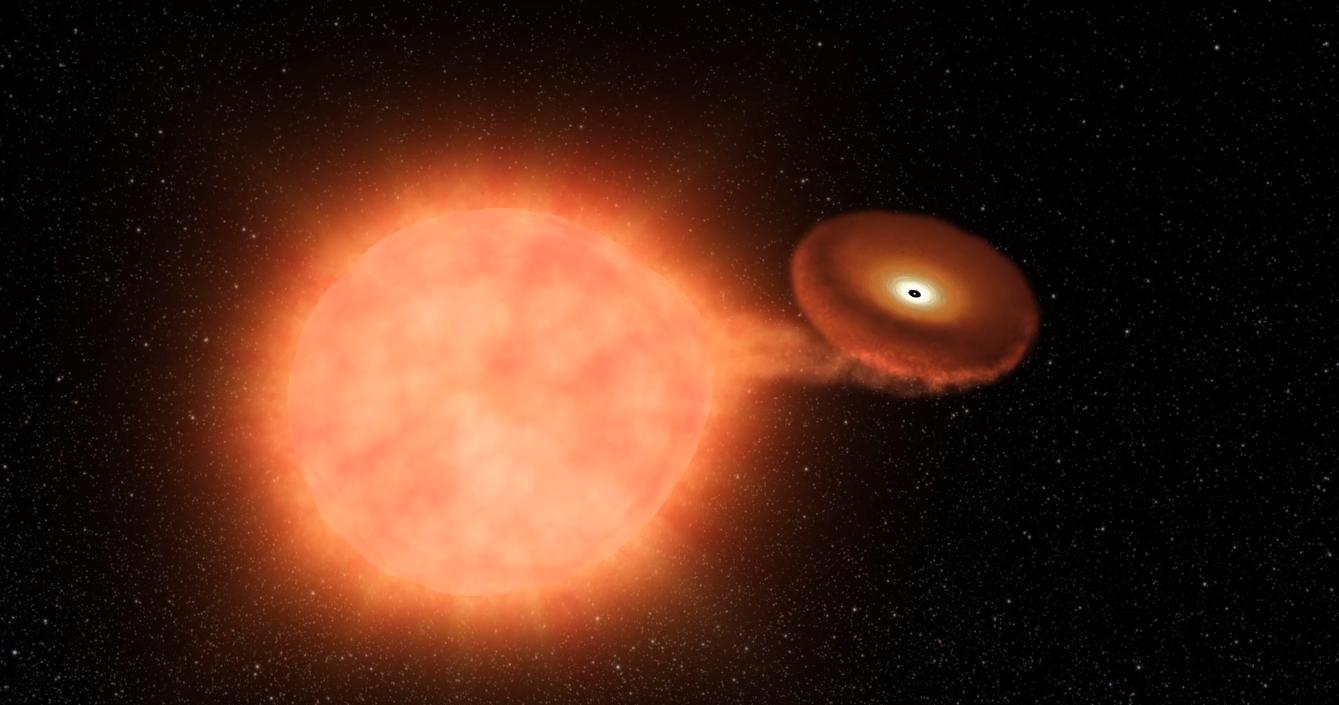
XRISM's Resolve instrument watched iron lines flip from absorption to emission during a flare from GX 301-2, giving the first direct spectroscopic evidence of stellar-wind plasma falling onto a neutron star.
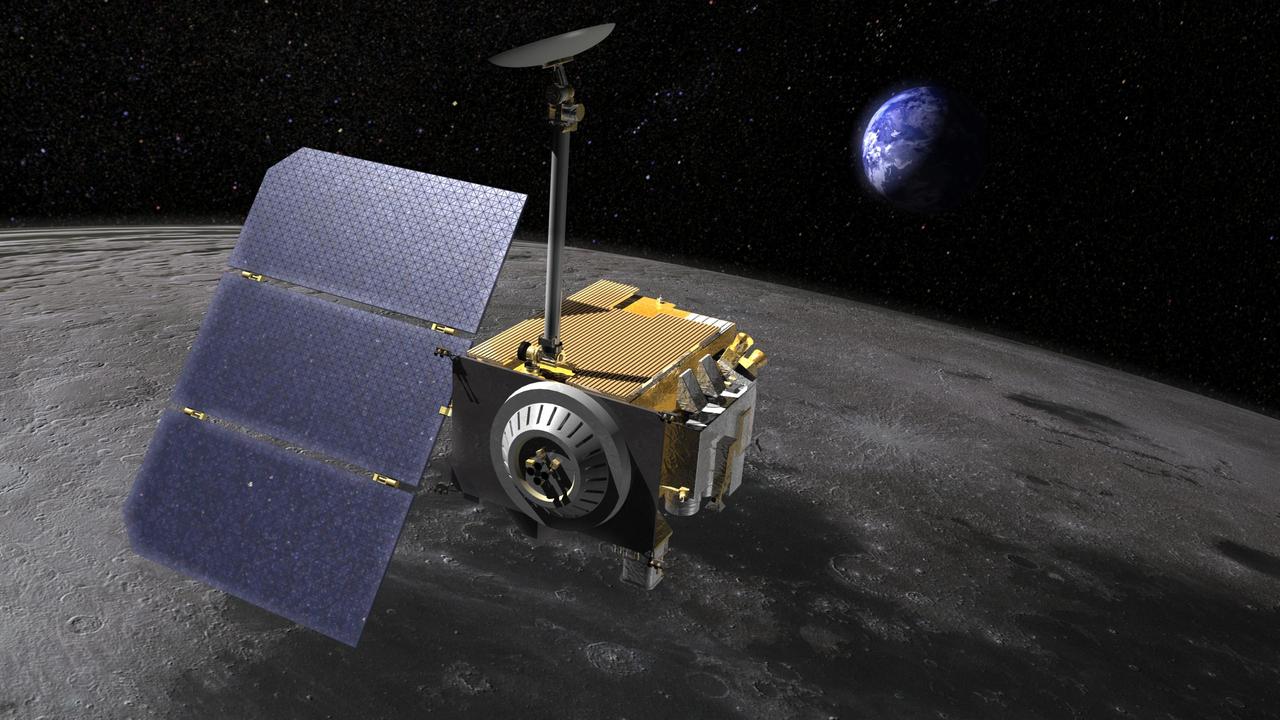
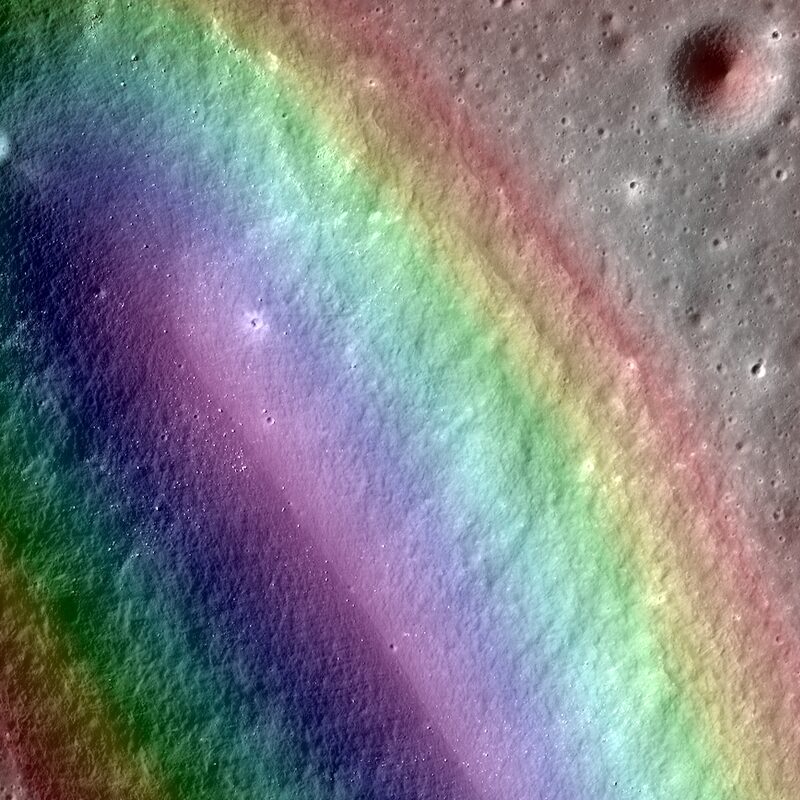
NASA's Lunar Reconnaissance Orbiter caught a freshly formed lunar crater the size of the Colosseum, blasted open in 2024 by a building-sized impactor and only noticed in October 2025.
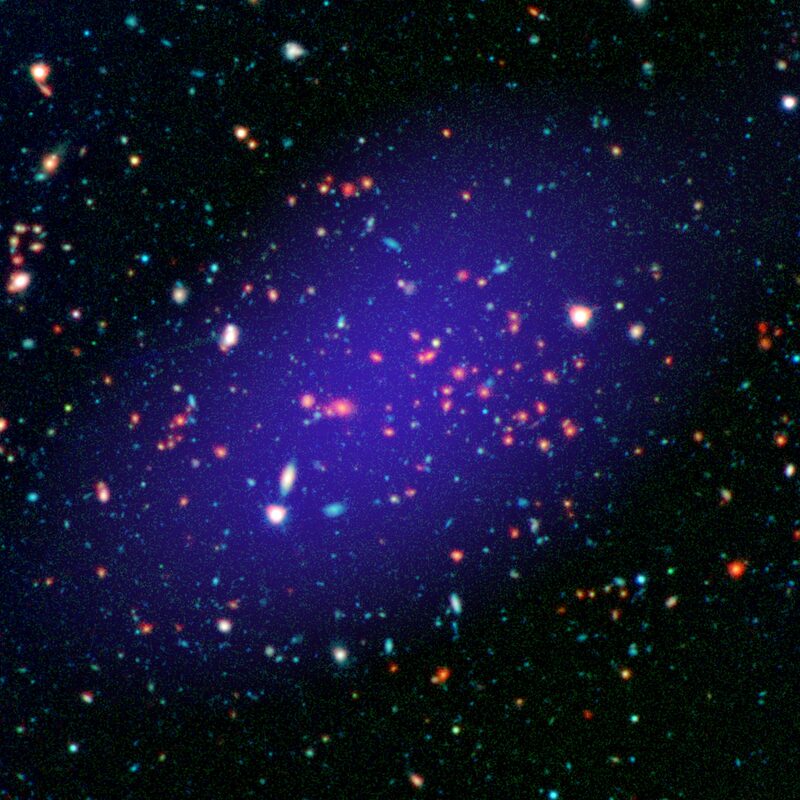
Caltech researchers used dispersion measures from 130 localized fast radio bursts to detect galactic feedback reshaping the cosmic web at 6.5-sigma, a technique poised to scale into the tens of thousands of bursts DSA-110's successor is expected to find after 2029.
A JWST survey has turned up an object from the universe's first few hundred million years that looks like a solar-system-sized star but is powered by a black hole 100,000 times the Sun's mass — a possible answer to the mystery of the 'little red dots.'
SpaceX moved Super Heavy booster B21 to the pad at Starbase for Flight 14, the vehicle's first full orbital attempt, targeted for no earlier than September 28.
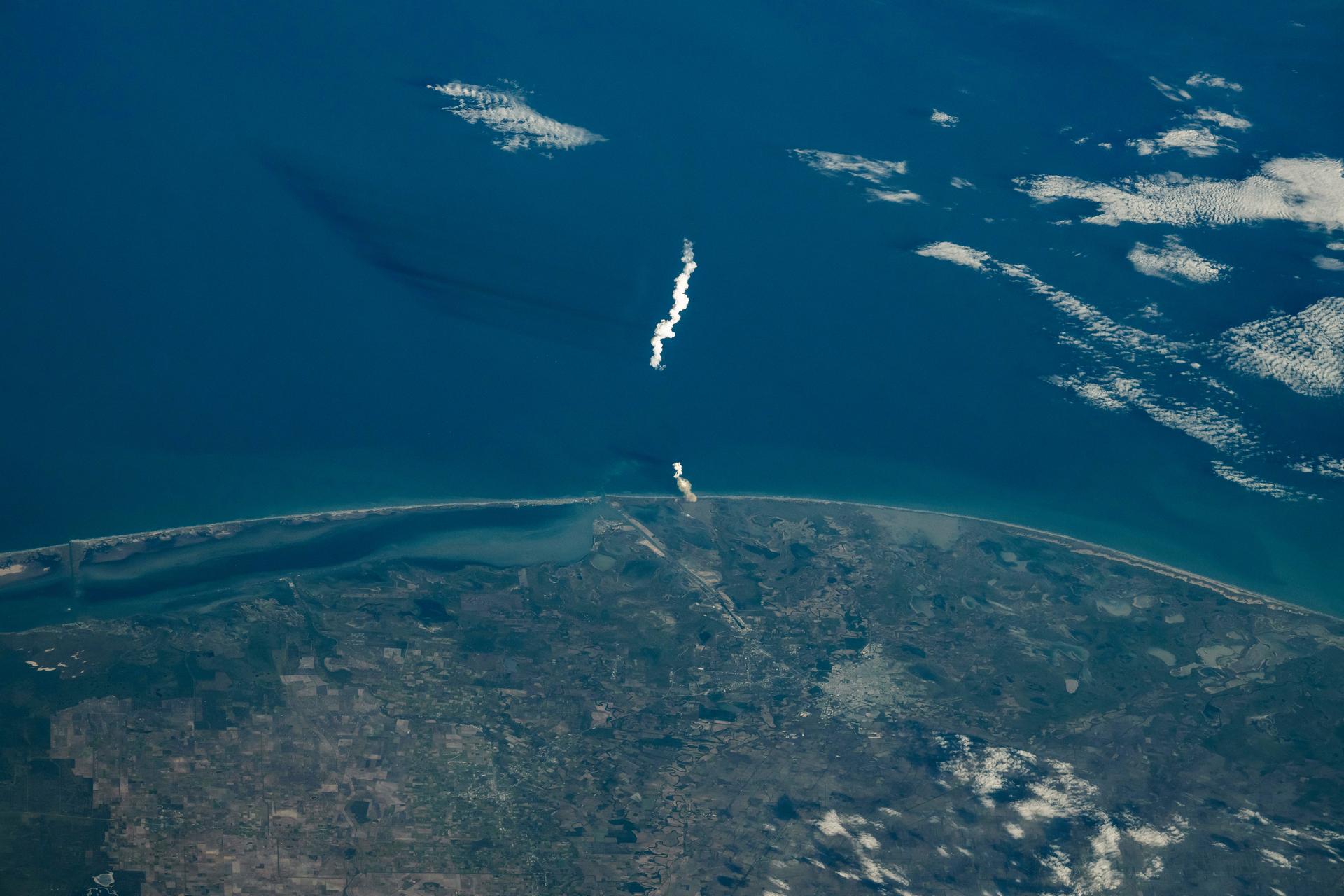
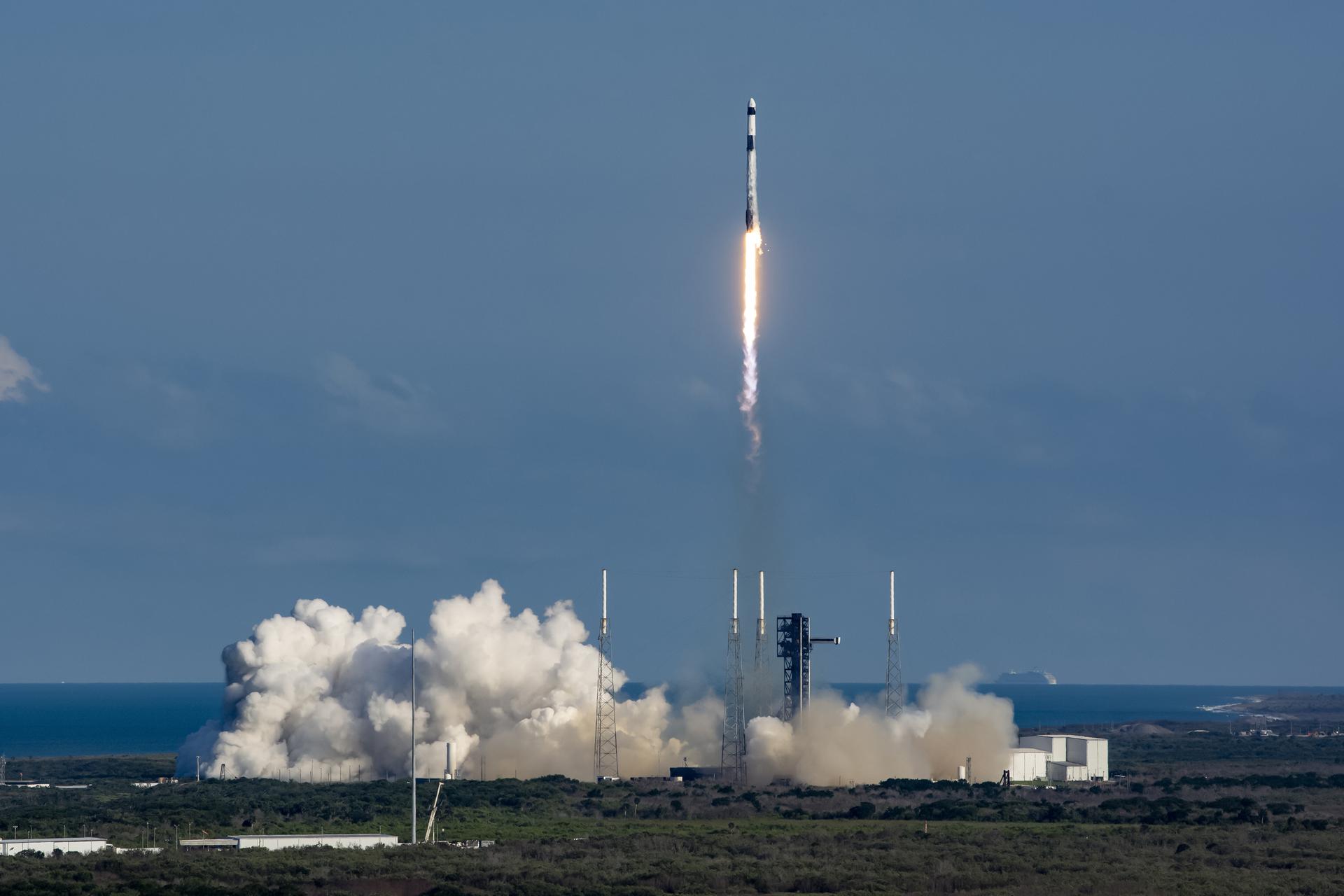
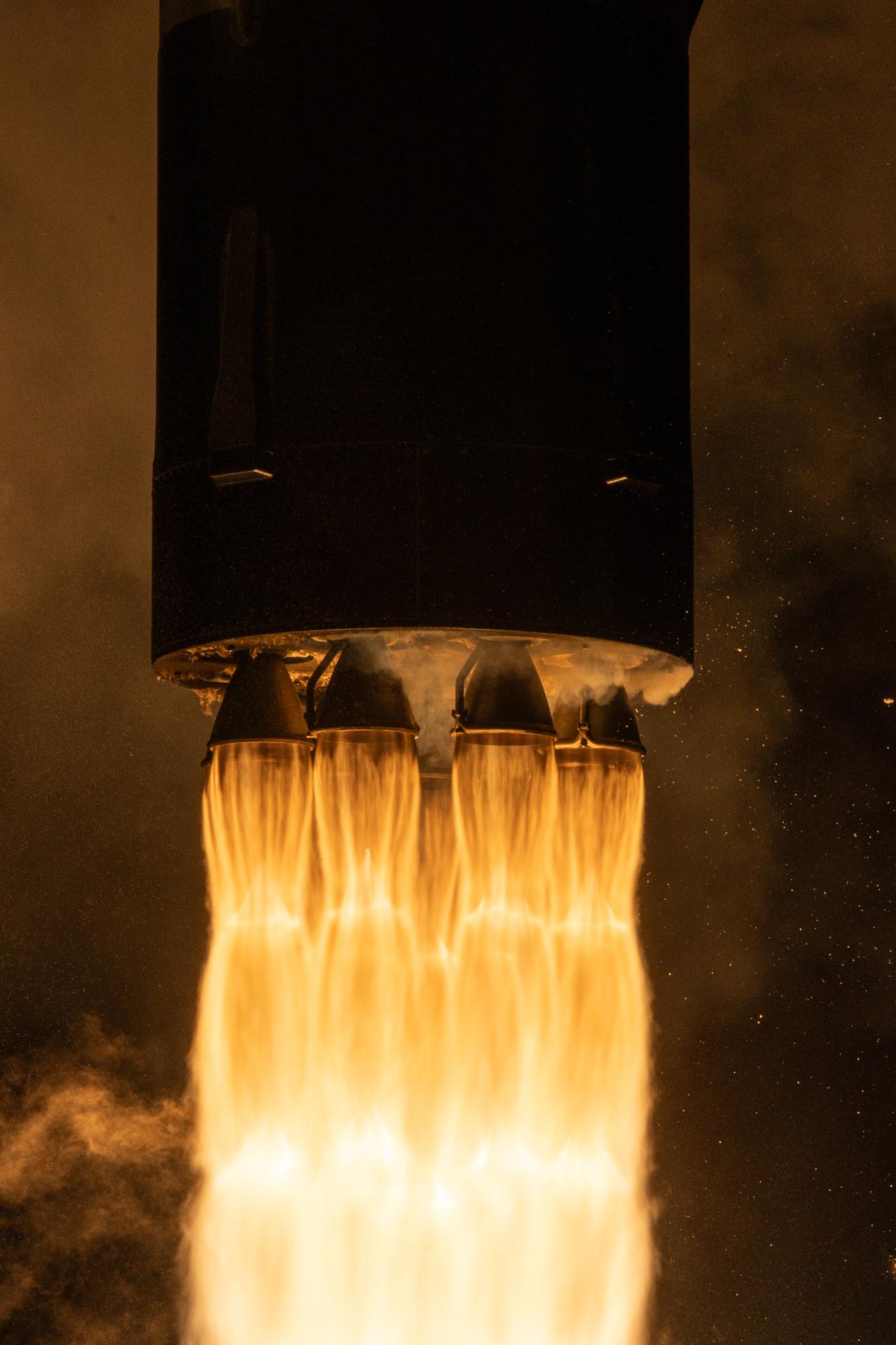
SpaceX's 700th Falcon flight delivered the final three O3b mPOWER satellites for SES, completing a 13-satellite medium-Earth-orbit broadband constellation set to be fully operational by mid-2027.
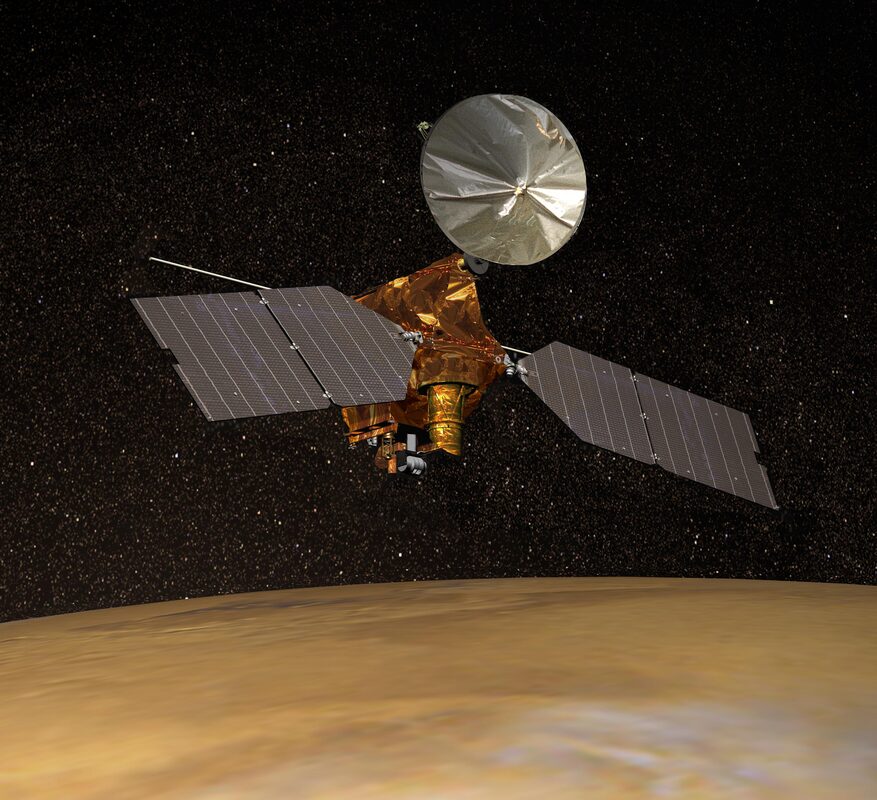
Rocket Lab filed a GAO protest on September 11 against NASA's ~$700 million award of the Mars Telecommunications Network orbiter to Blue Origin, arguing the evaluation broke with Congress's own eligibility rules.
NASA has added Relativity Space's not-yet-flown Terran R rocket to its NLS II launch contract, giving the company a shot at government payloads before it has even reached orbit.
A Falcon 9 booster that once carried NASA's SPHEREx telescope flew a record 19th mission on Sept. 6, lofting 27 more Starlink satellites and marking SpaceX's 80th Starlink launch of 2026.
German startup Isar Aerospace put its Spectrum rocket into orbit on its second attempt, 18 months after a vent-valve glitch ended flight one after 30 seconds, delivering five CubeSats for the first orbital payload from a European commercial launcher.
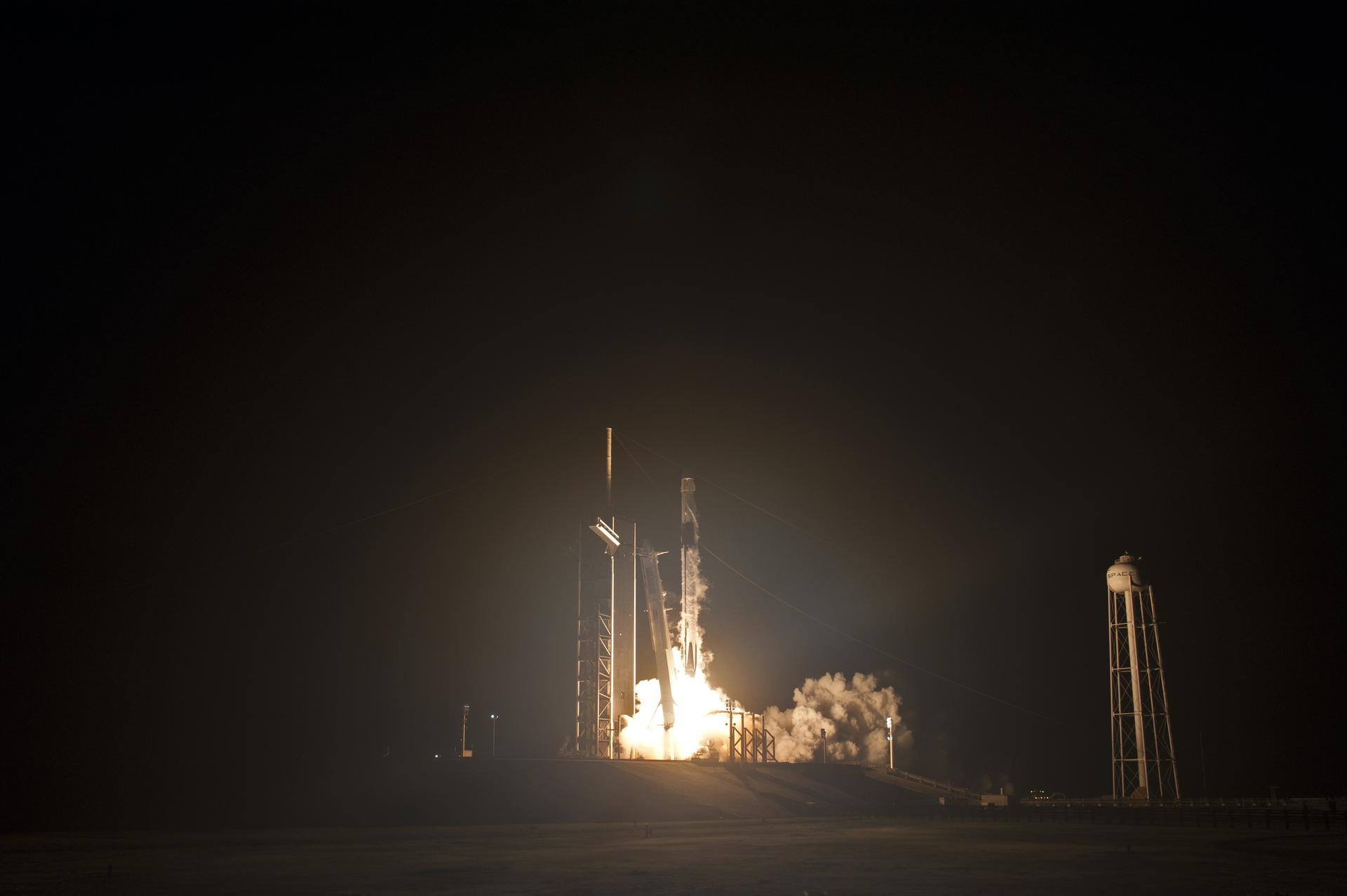
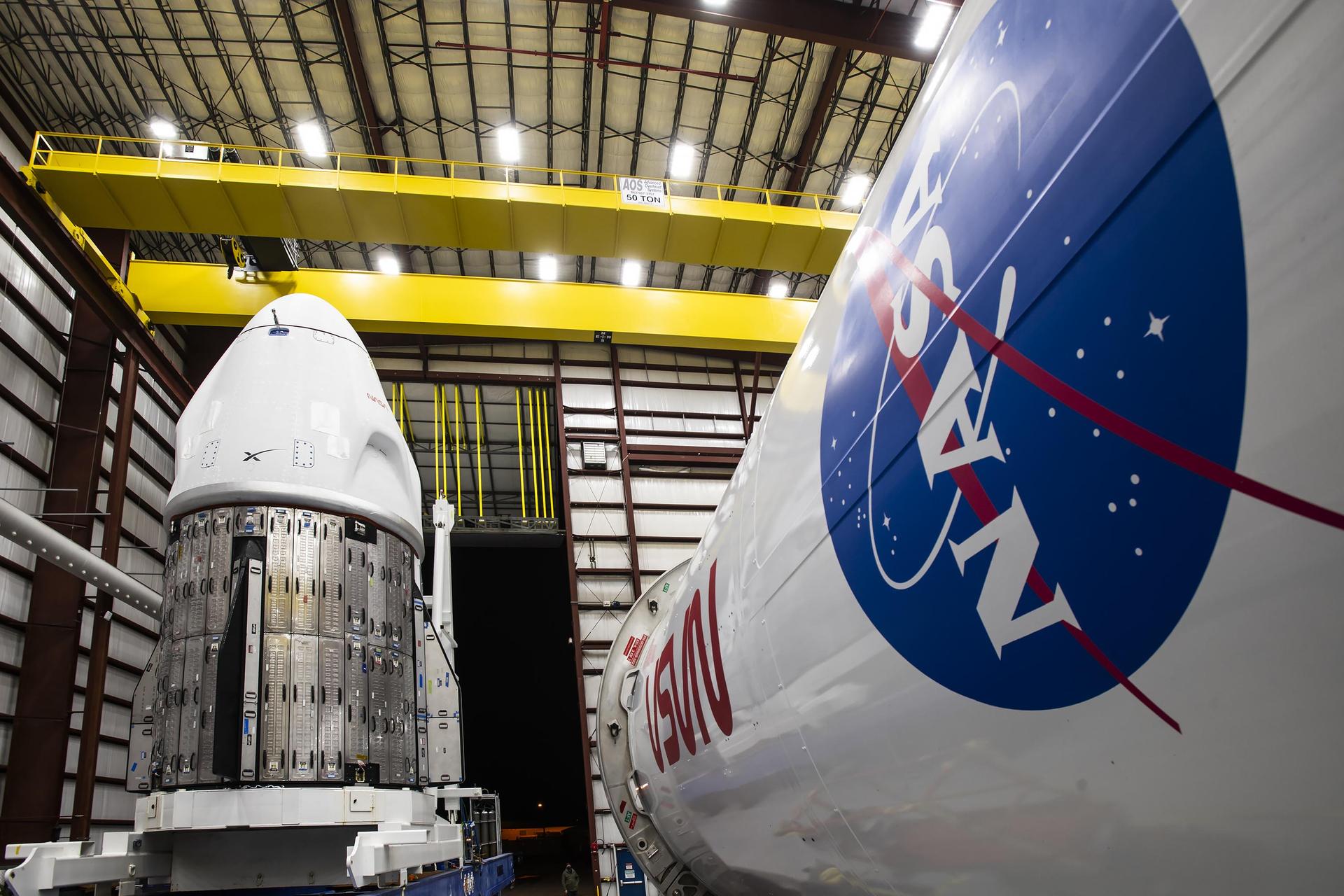
NASA added Crew-15, Crew-16 and Crew-17 to SpaceX's commercial crew contract for $946 million, bringing Dragon to 17 missions and a $5.92 billion total, with work running through 2030.
Europe's Vega-C flew two Earth Explorers at once for the first time on September 15, deploying ESA's fluorescence-mapping FLEX satellite and the Sentinel-3C ocean-and-atmosphere monitor from French Guiana.
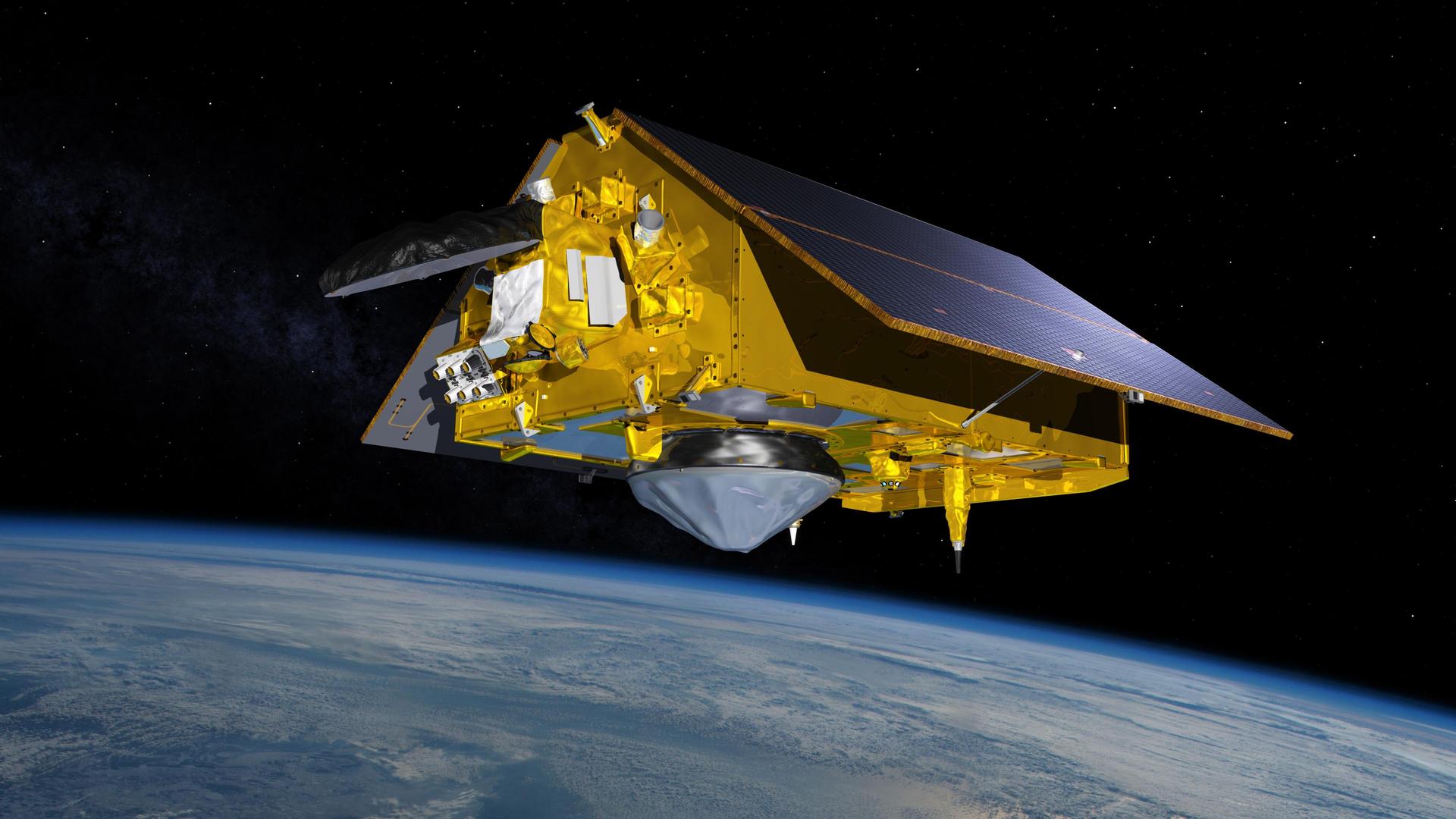
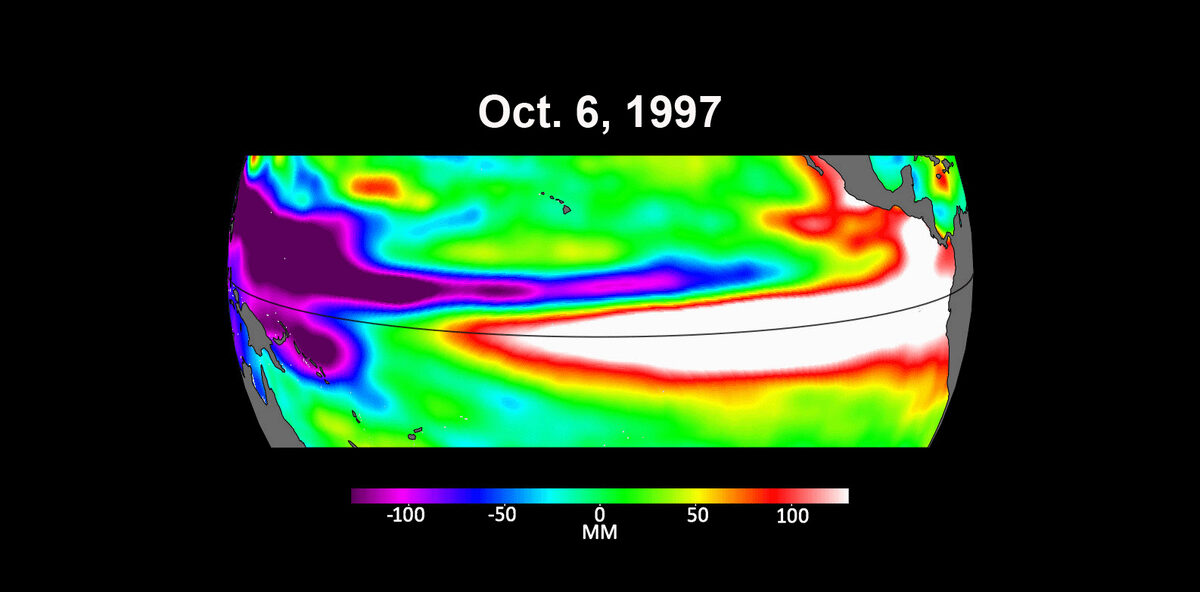
NASA says its Sentinel-6 satellite pair, flying 30 seconds apart, is cross-checking ocean-height data during a strong, late-arriving 2026 El Niño just as hurricane season peaks.
ESA and commercial station firm Vast signed an agreement in Paris to fly Greek flight surgeon Adrianos Golemis to the ISS in 2027, pending medical certification, aboard a mission commanded by Thomas Pesquet.
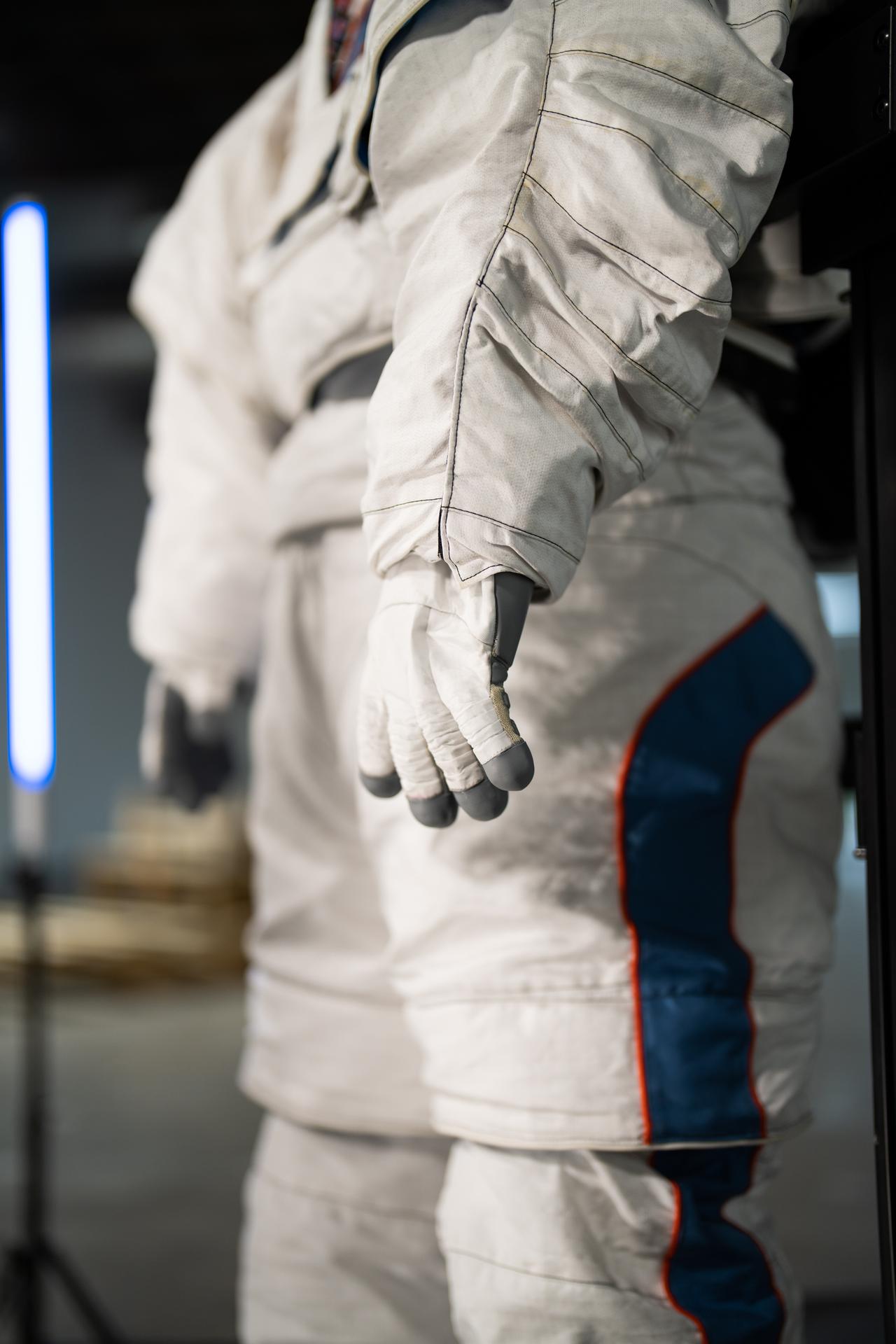
NASA has directed Axiom Space to build a stripped-down 'Sortie Suit' after safety and oversight reviews warned the original lunar suit was too heavy and too complex to meet a 2028 landing.
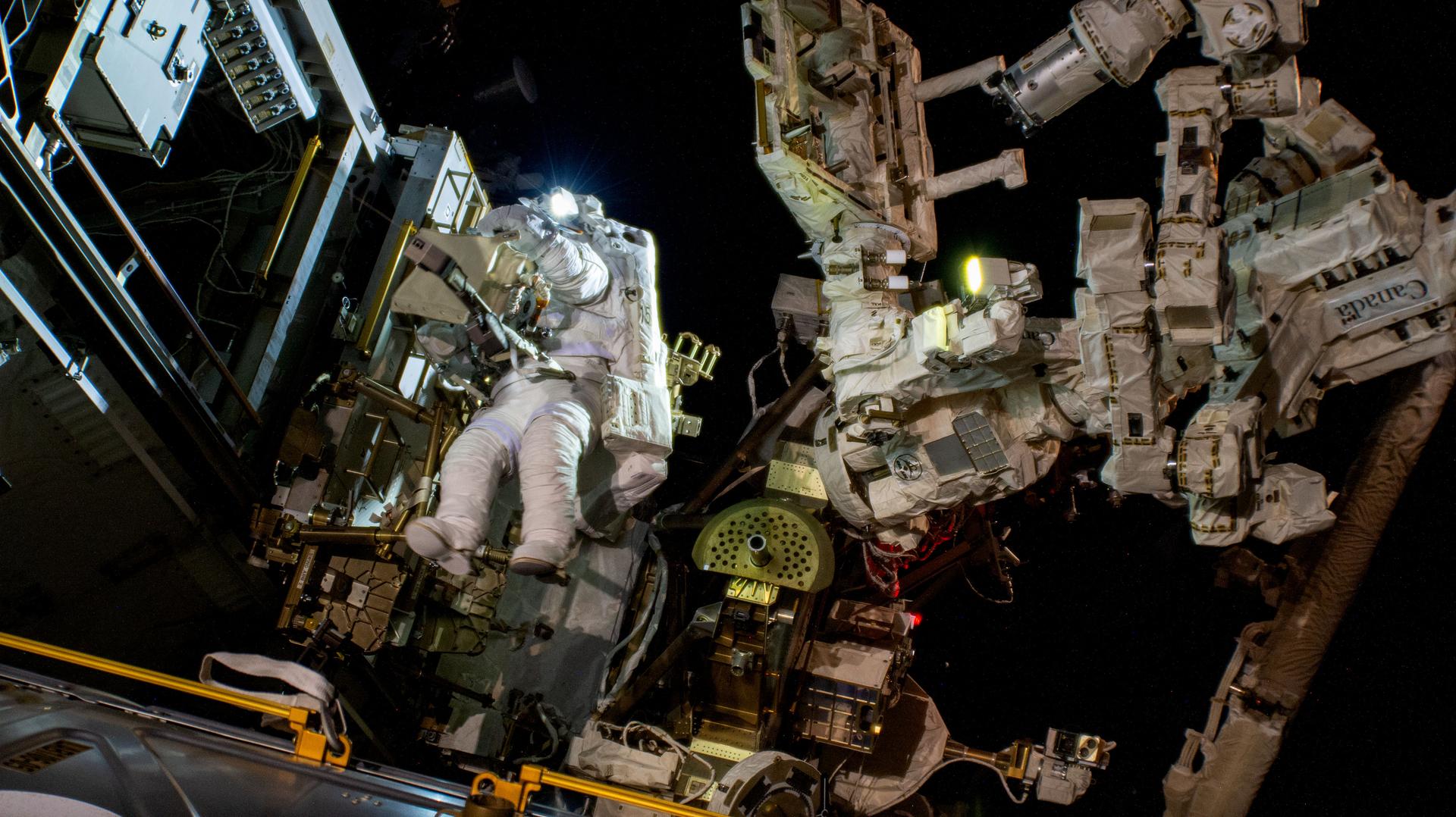
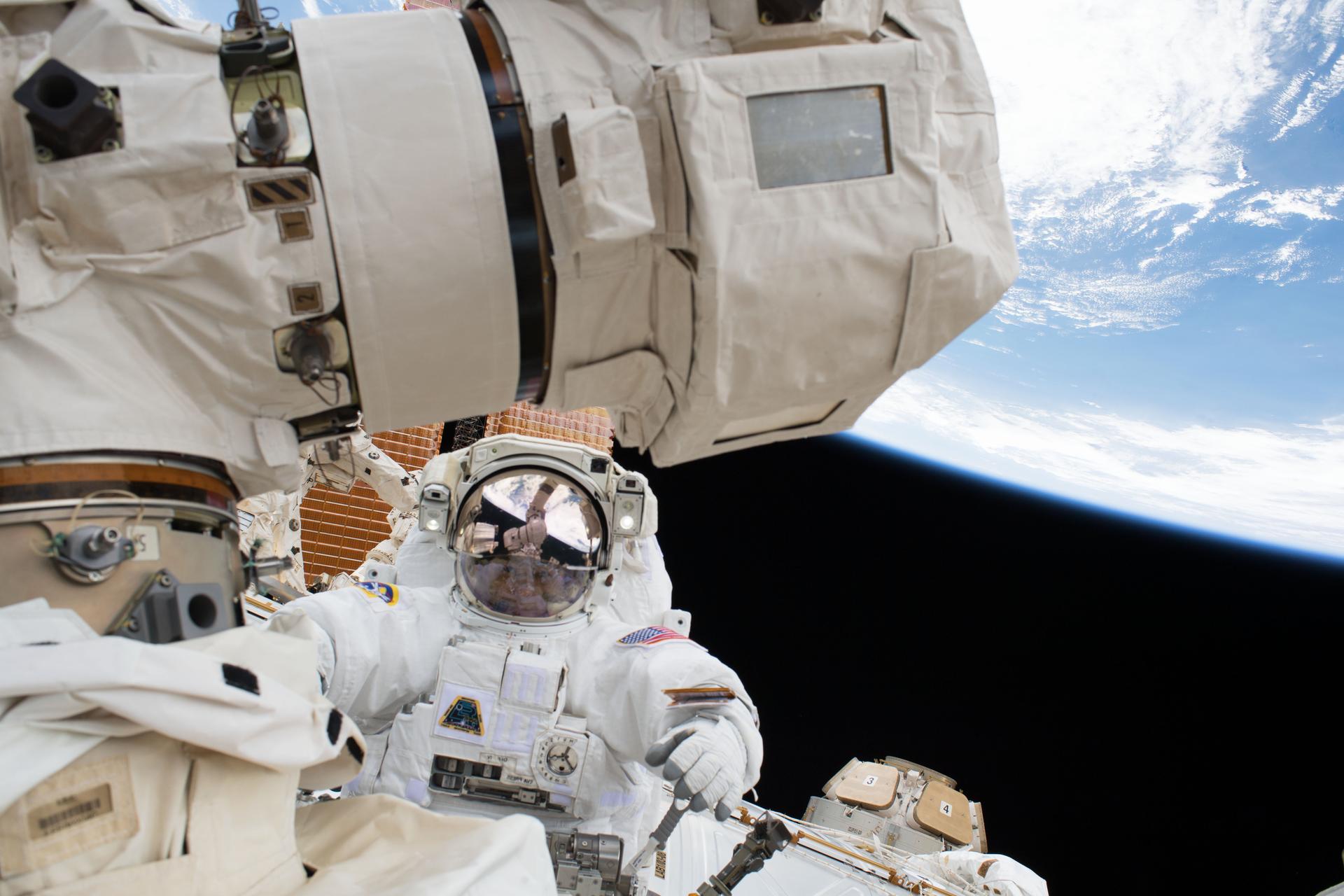
NASA's Jessica Meir and ESA's Sophie Adenot spent 6.5 hours outside the ISS on Sept. 1, 2026, swapping hardware on Harmony and the truss in the sixth all-female spacewalk ever flown.
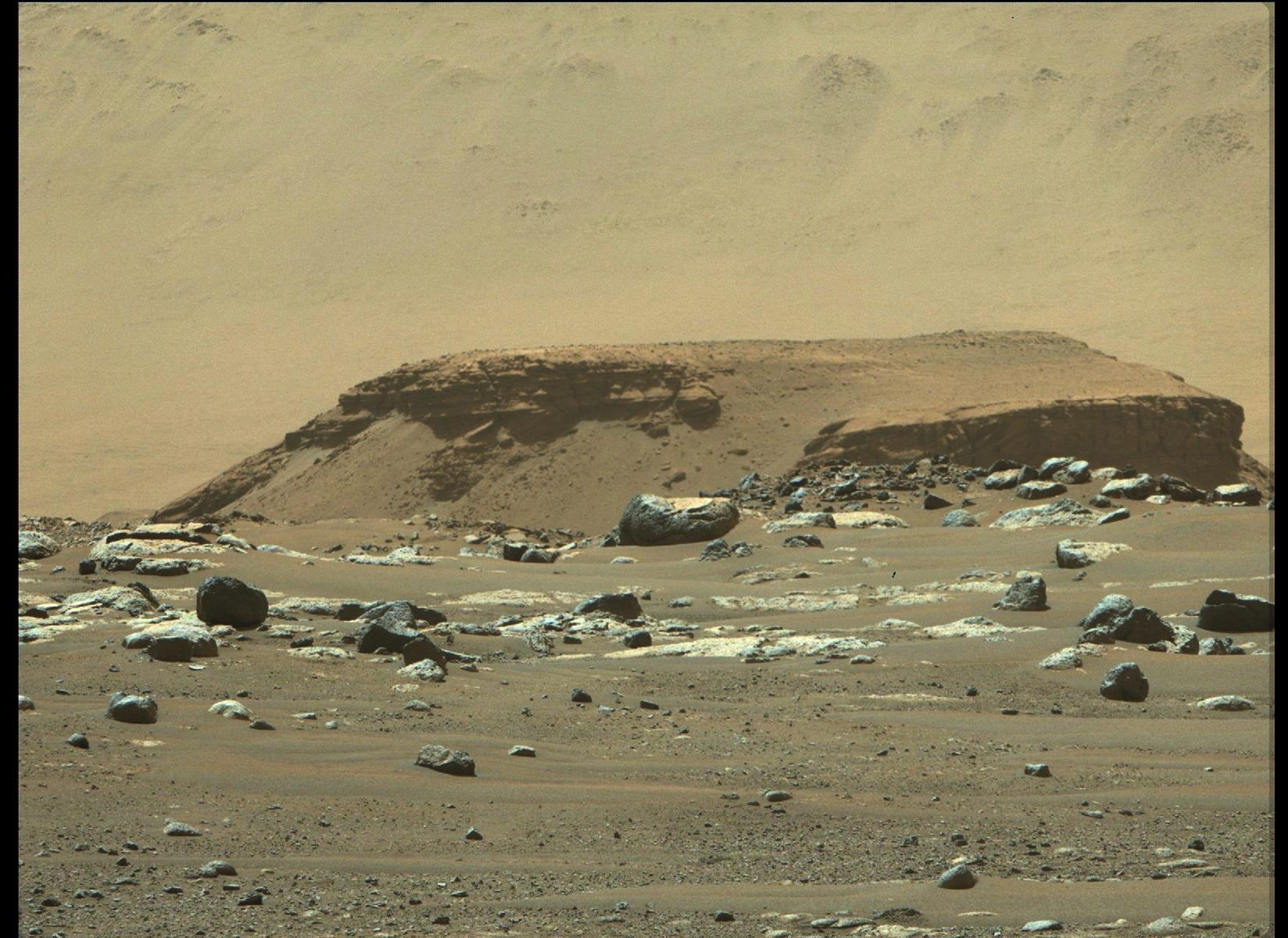
A peer-reviewed study using Perseverance's SuperCam data reconstructs three distinct water-alteration episodes in Jezero Crater's carbonate-rich Margin unit, reinforcing the site's astrobiological promise.
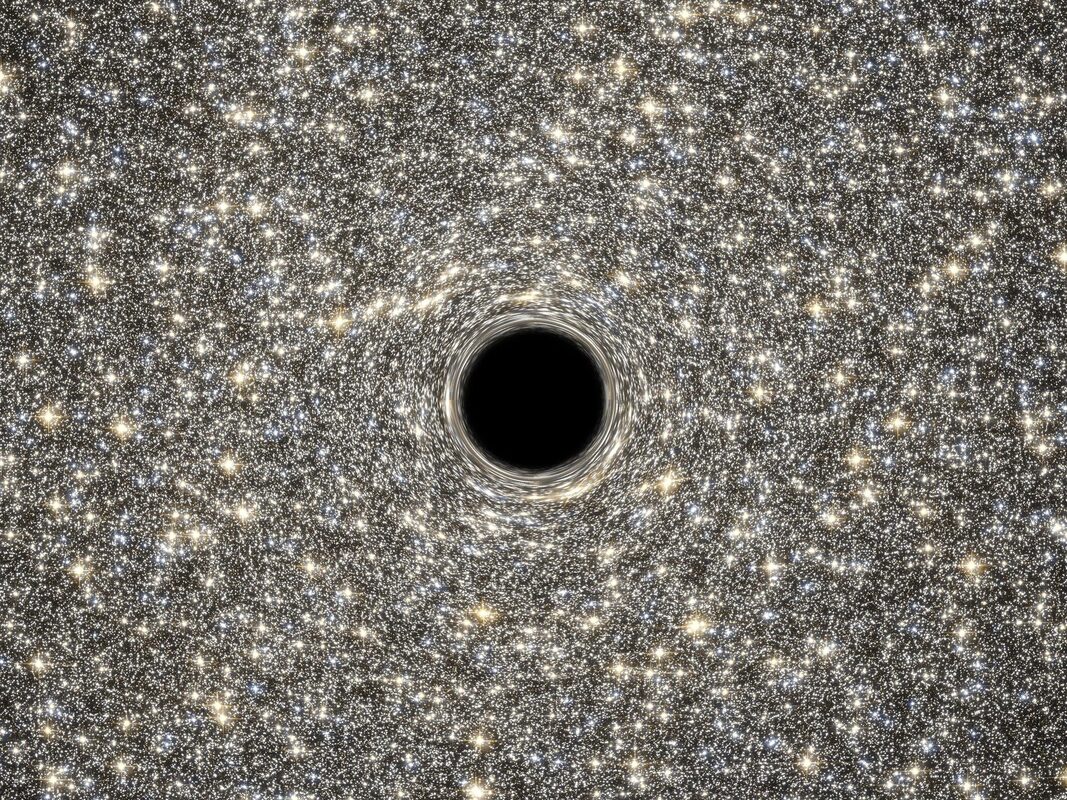
A JWST/NIRSpec study of eight ultramassive galaxies finds that sheer size doesn't guarantee a giant black hole — one galaxy shows a stellar velocity dip, not a peak, hinting its central black hole may have been kicked out entirely.
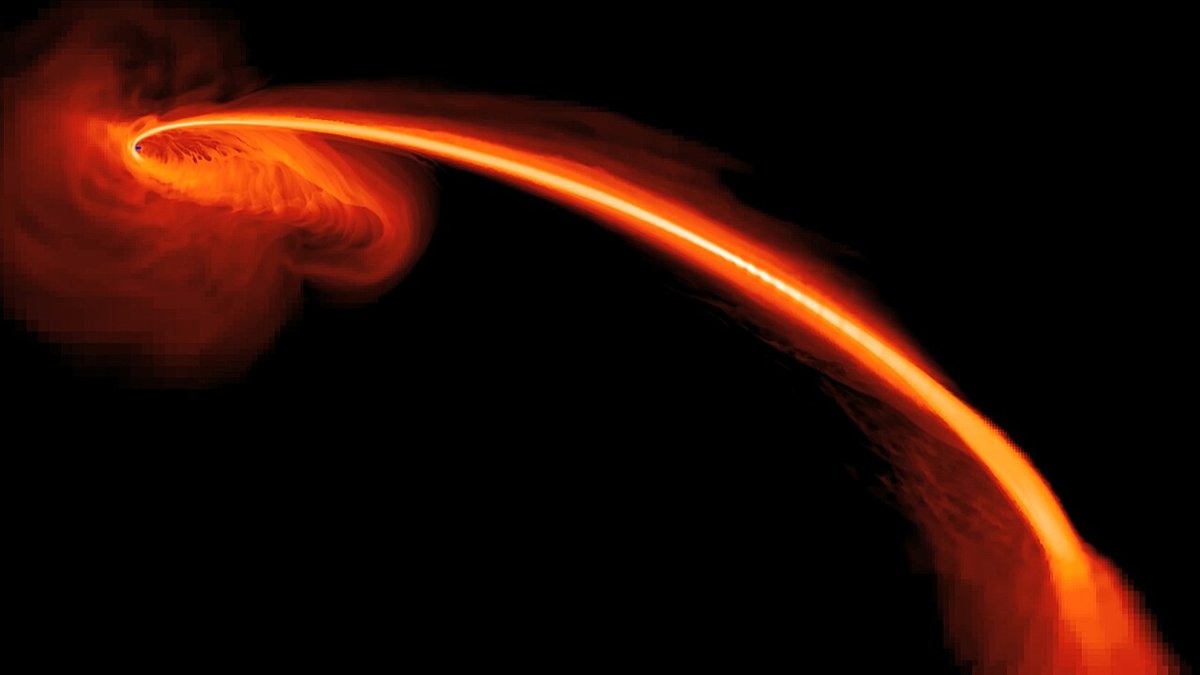
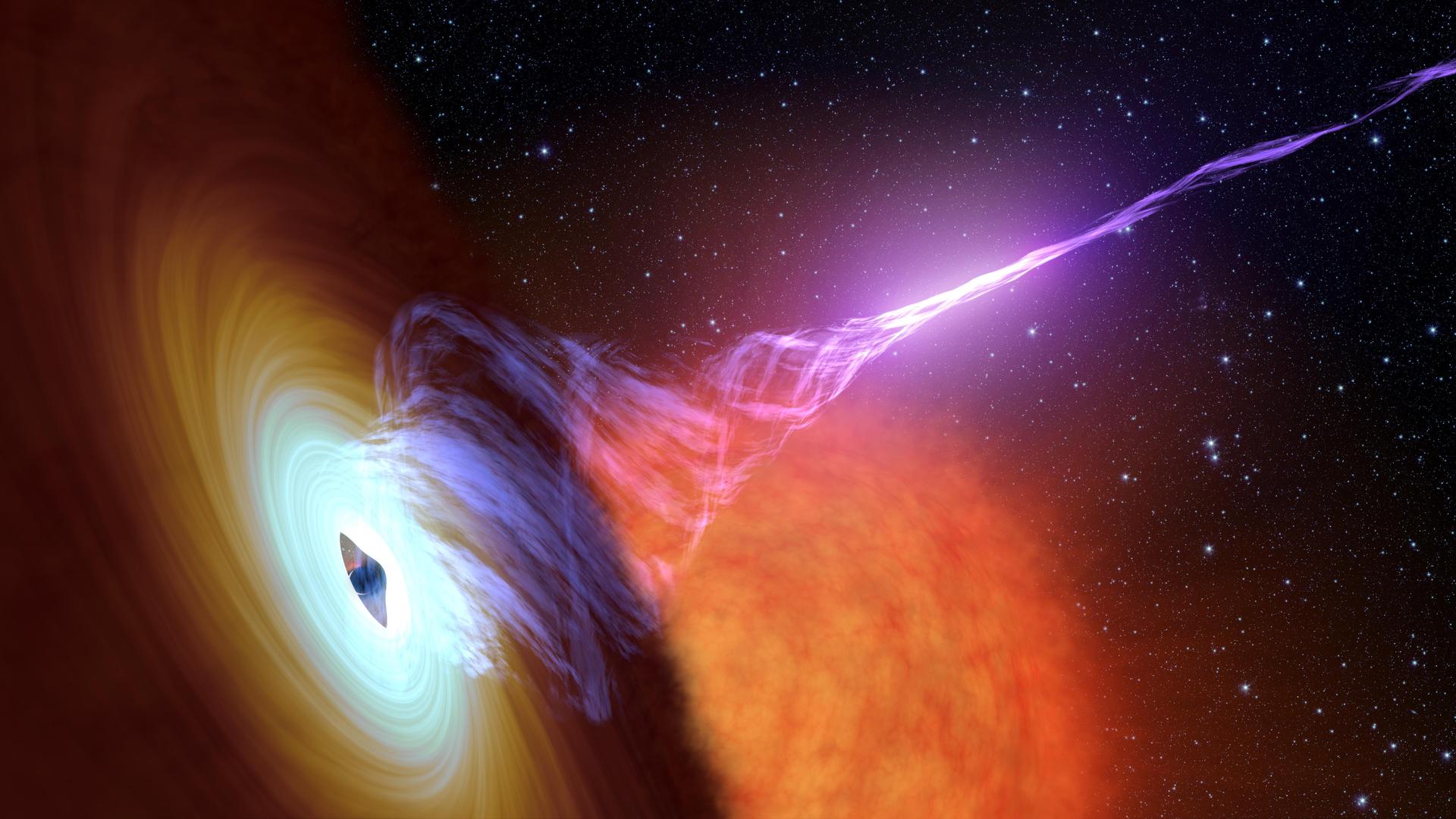
A Nature Astronomy paper finds that supermassive black holes shredding stars launch delayed radio jets once feeding drops to about 2% of the Eddington limit, the same threshold seen in black holes of roughly 10 solar masses.
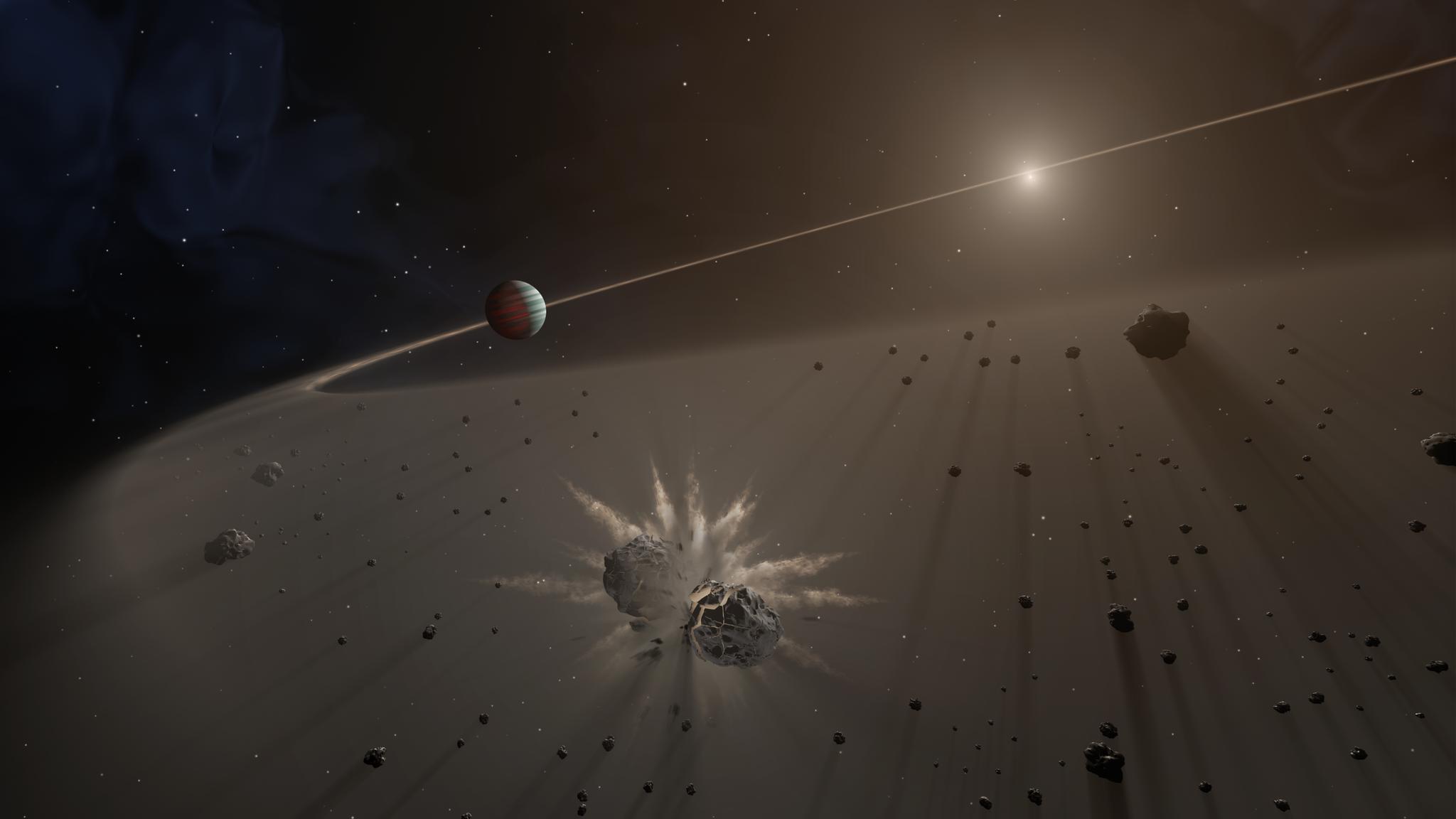
A Jupiter-sized world less than a million years old, still embedded in its birth disk 450 light-years away, has smashed the record for youngest known exoplanet and challenged giant-planet formation timelines.
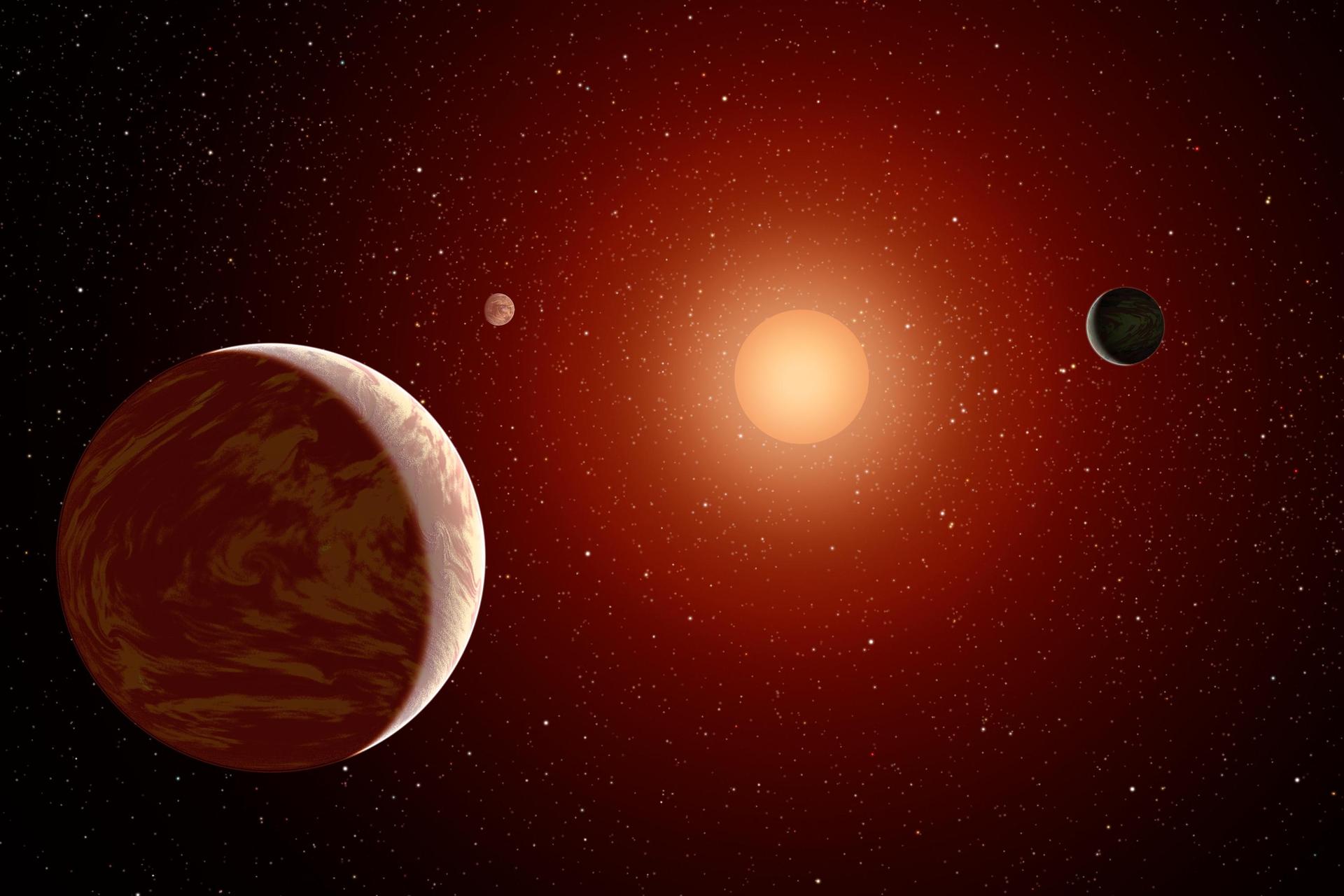
A newly posted study of microlensing event KMT-2026-BLG-0083, caught independently by four survey teams, finds an M-dwarf star hosting two Jupiter-class planets — only the seventh multi-planet system microlensing has ever confirmed.
A combined 2,884-supernova dataset — the largest and most internally consistent Type Ia sample ever built — adds a 3.3-sigma hint that dark energy's strength has changed over cosmic history.
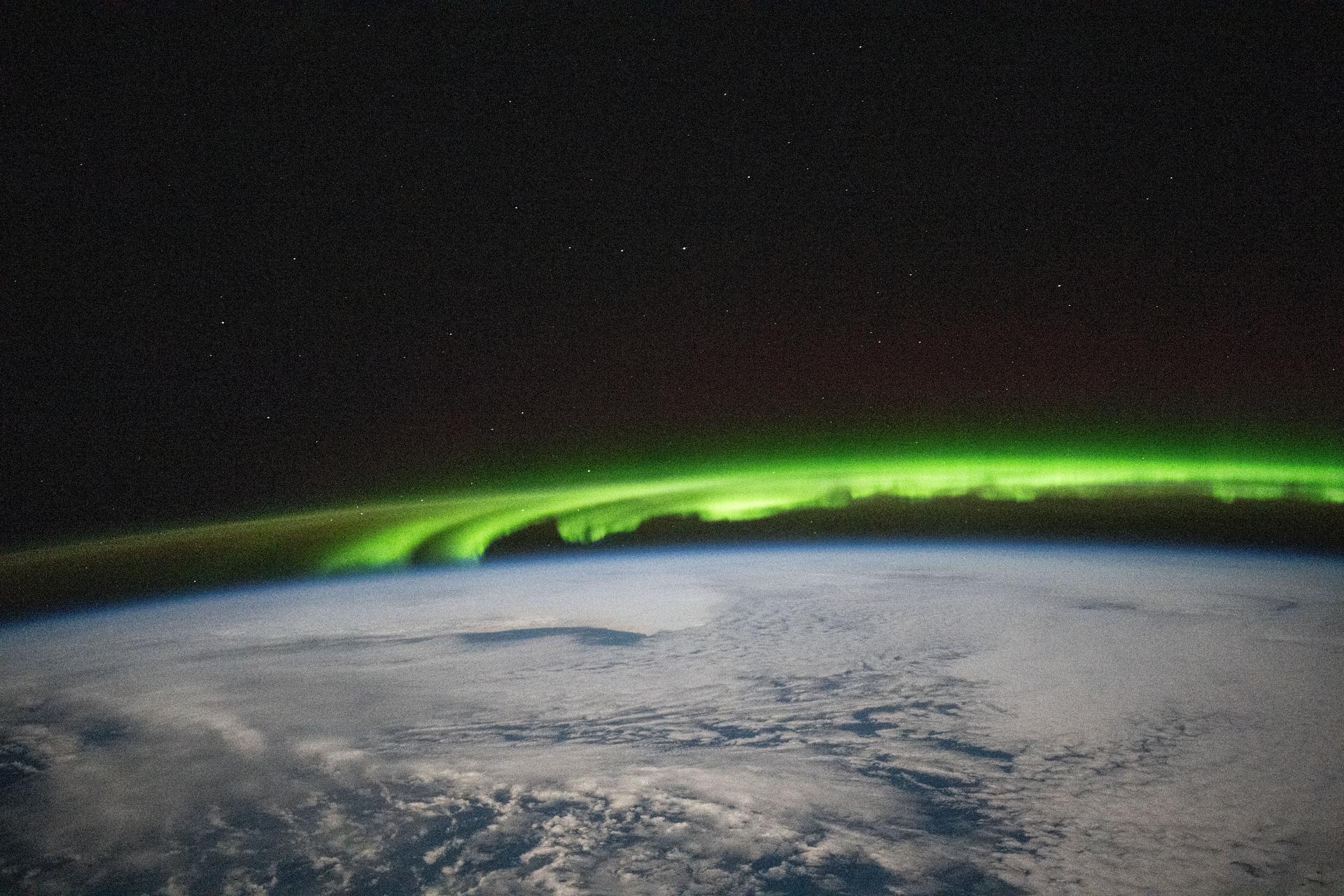
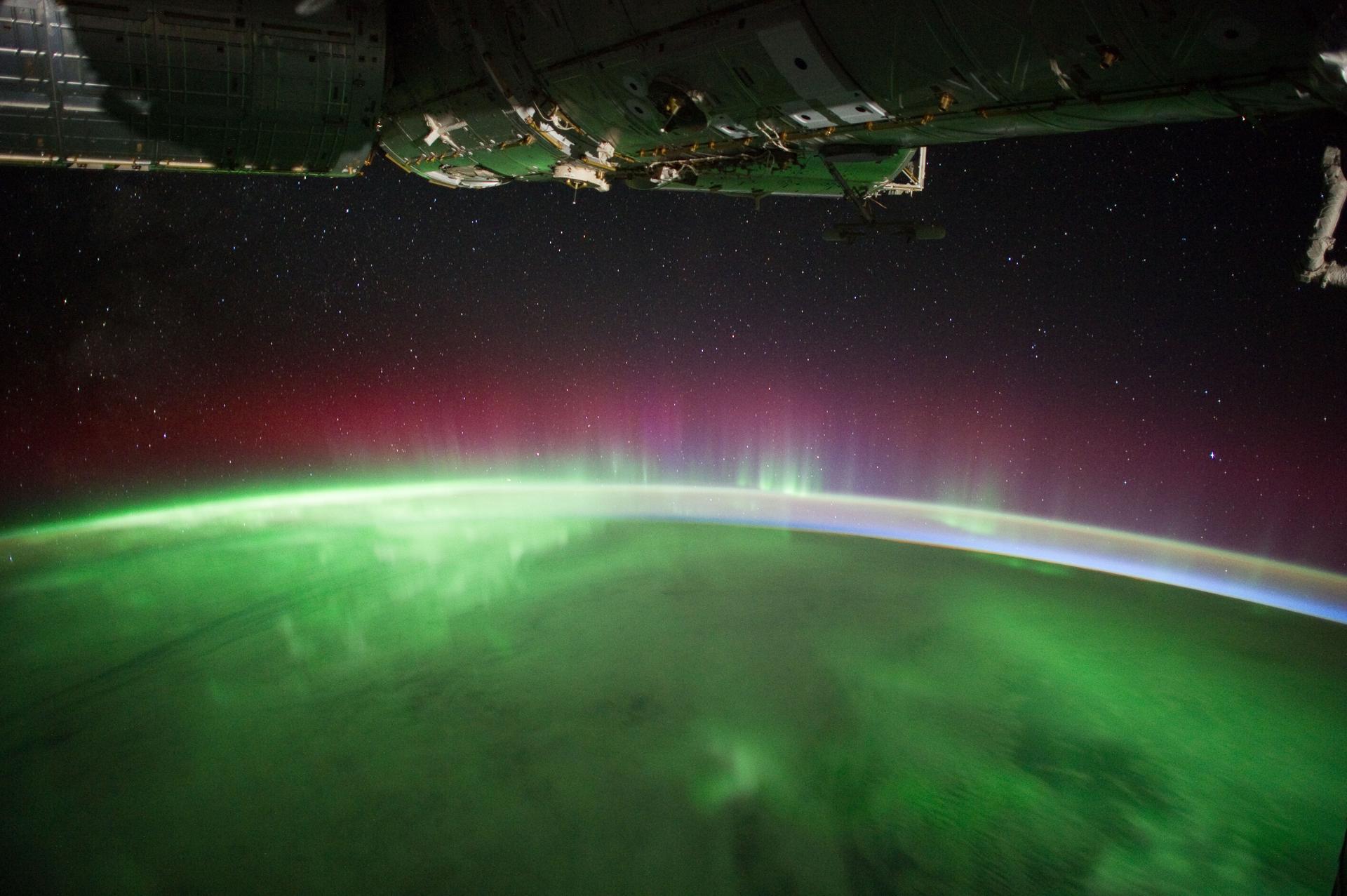
The September equinox and an incoming coronal-hole solar wind stream are stacking the odds toward a minor G1 geomagnetic storm and aurora sightings on Sept. 23–24, 2026.
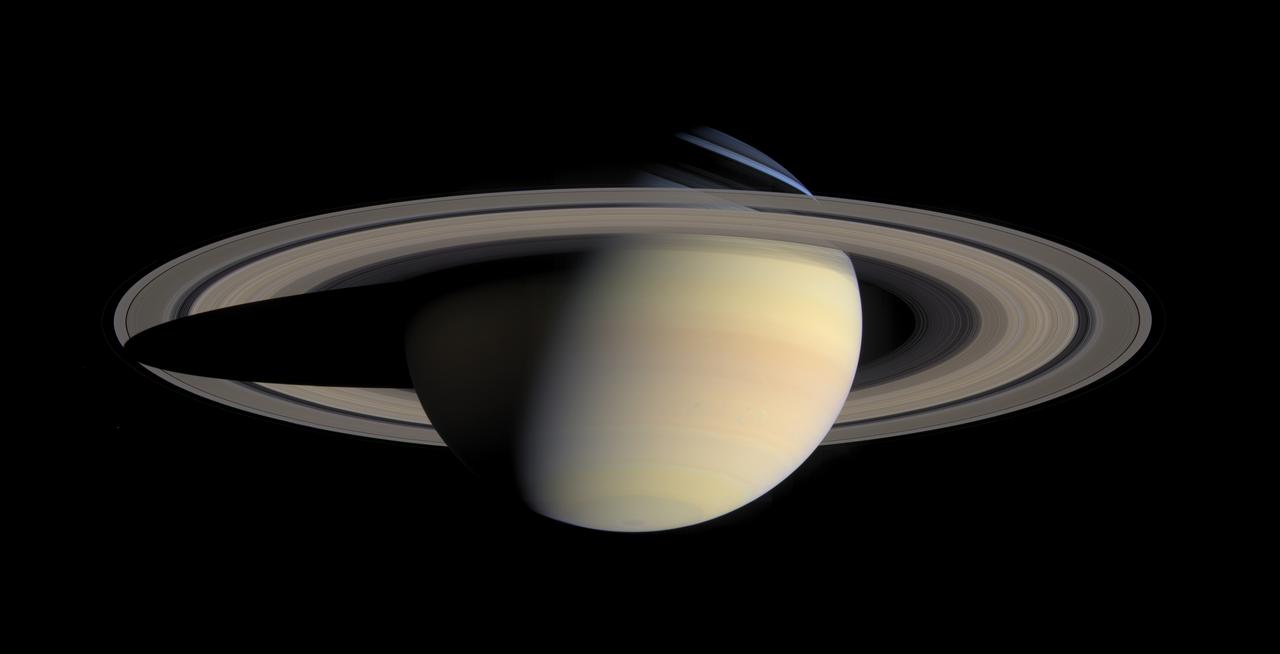
Neptune reaches opposition on Sept. 26 at magnitude +7.8 and needs optics, while naked-eye Saturn peaks on Oct. 4, with the Harvest Moon forming a wide triangle with both planets.
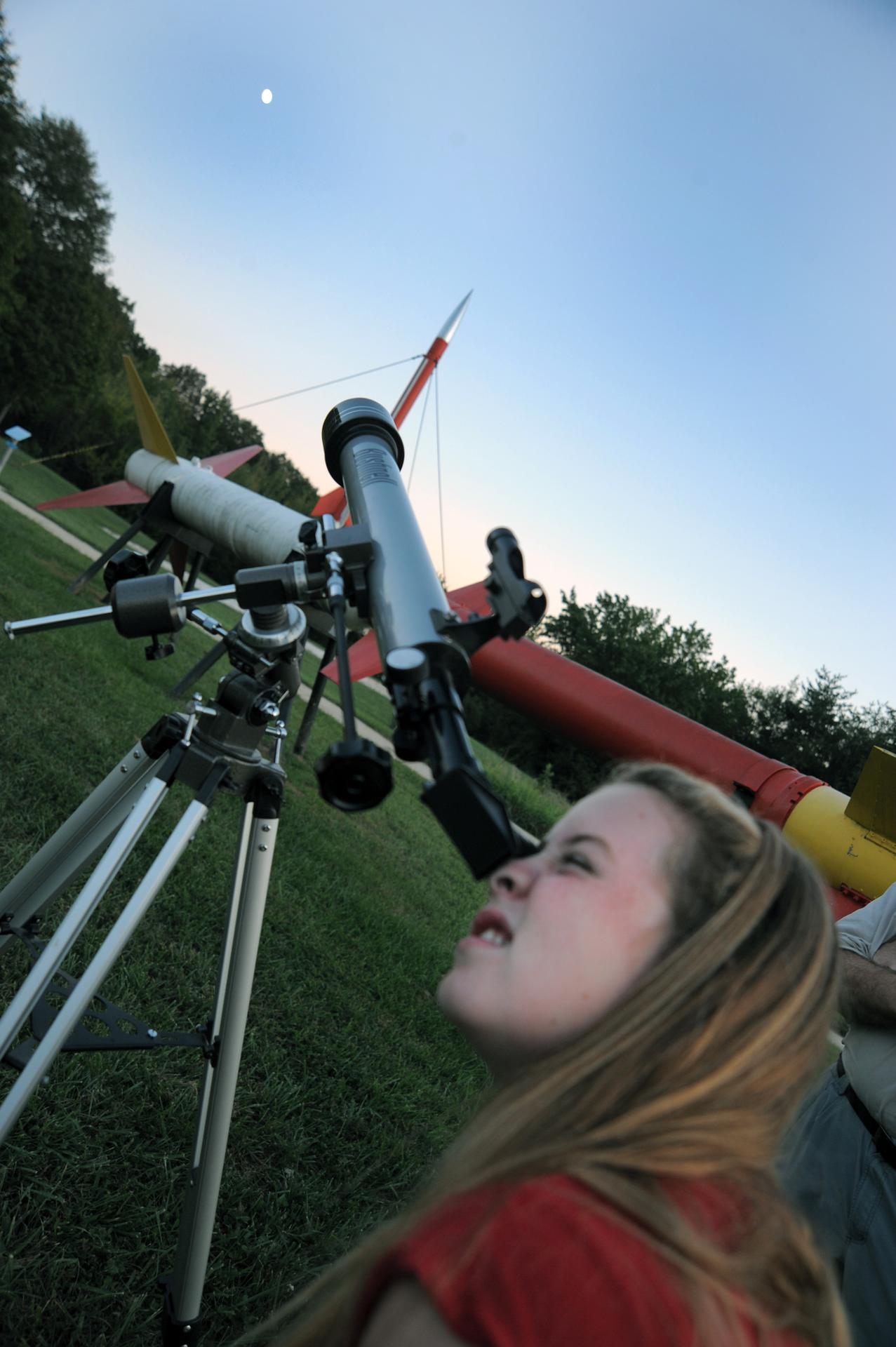
NASA's global Moon-watching night lands Sept. 19, 2026 under a waxing gibbous Moon perfect for crater-spotting, anchored by a Huntsville flagship event tied to the Artemis II crew and echoed by local telescope nights from the US to Spain.
Two CMEs and a filament eruption from an active sunspot region are due to strike Earth's magnetic field September 16-17, and NOAA's storm watch means the aurora could sneak into mid-latitude skies this weekend.
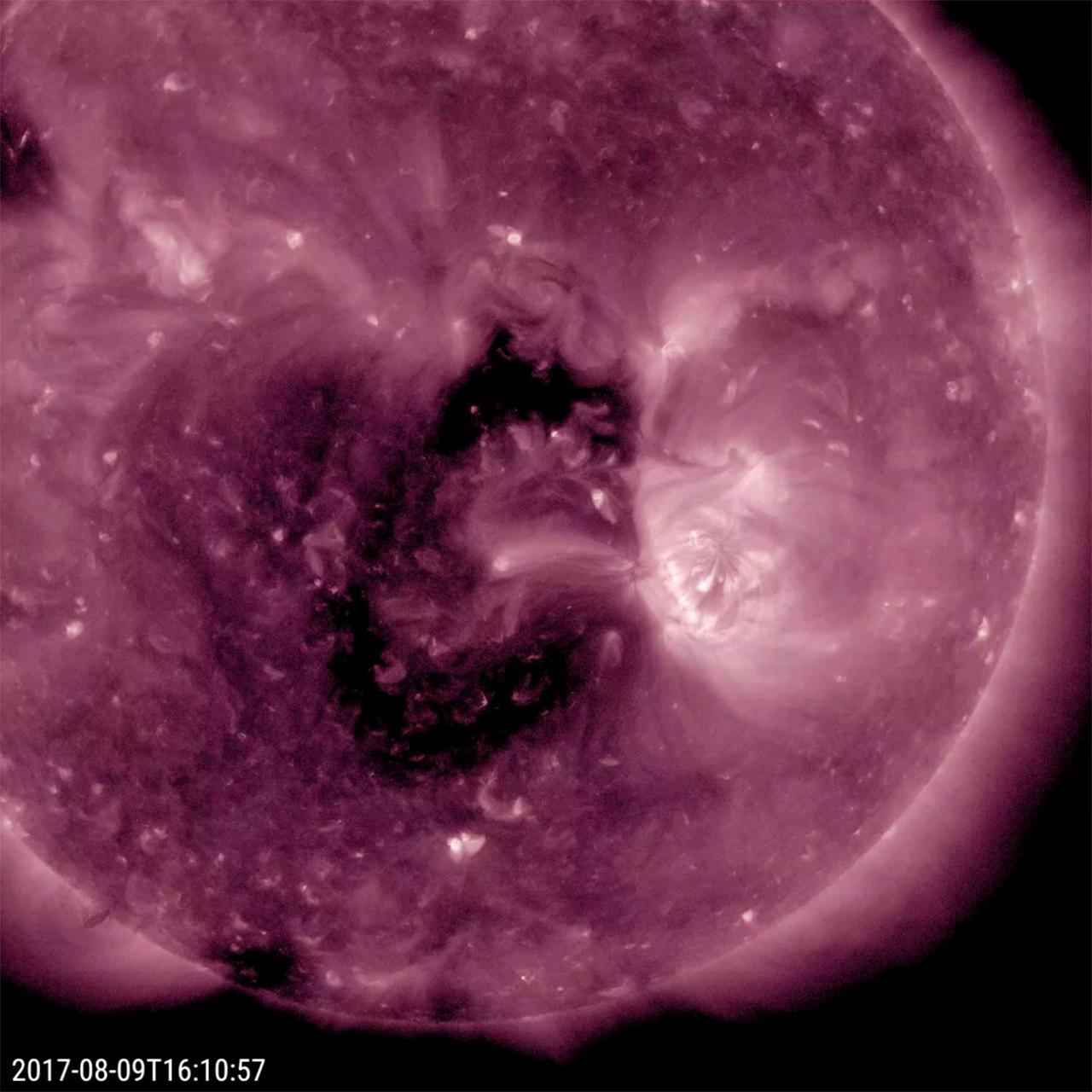
Two coronal holes, one in each solar hemisphere, are rotating into Earth-facing position, and forecasters say the resulting solar wind streams could spark G1-level auroras around the equinox.
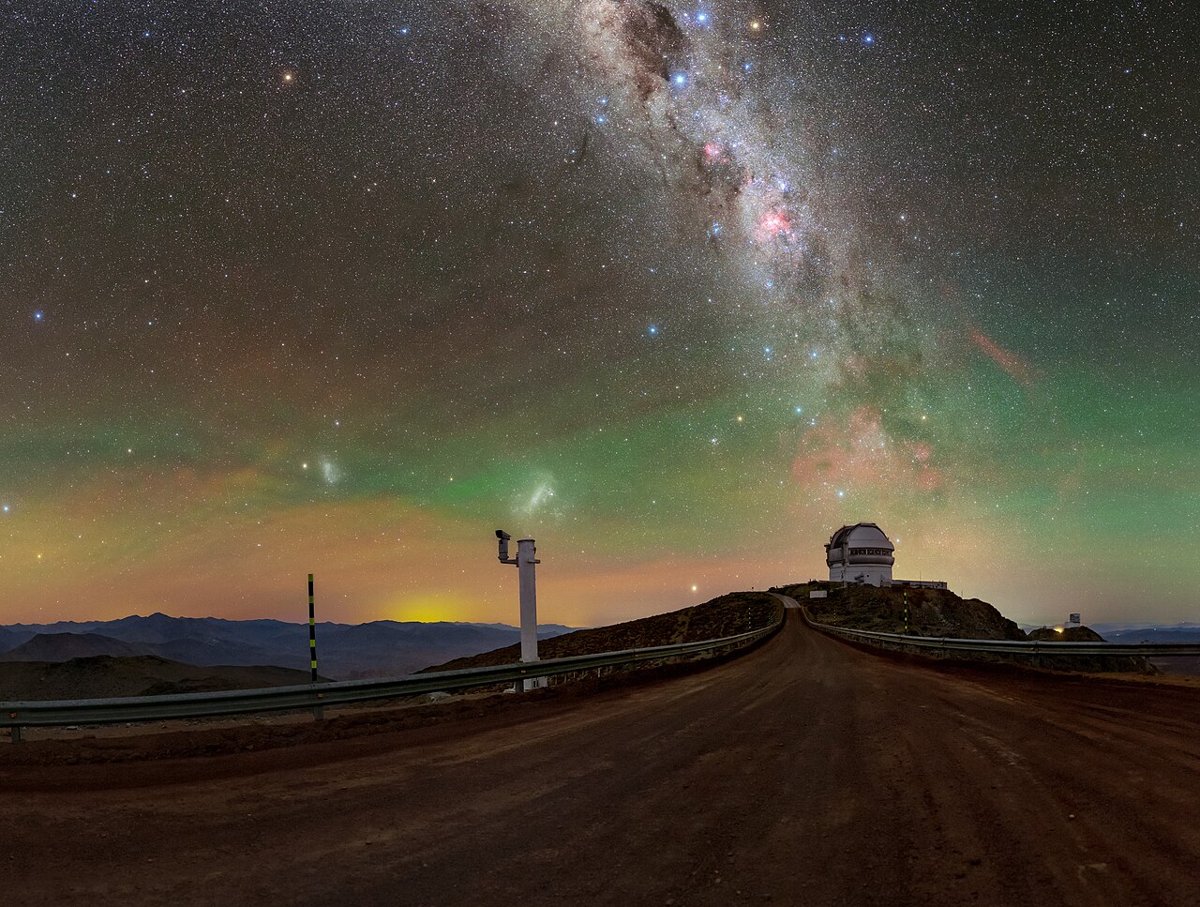
A new-moon dark sky, the faint September Lyncids meteor shower, and NASA's guide to Venus, the Teapot asterism, and a Harvest Moon beside Saturn and Neptune highlight the second half of September 2026's stargazing calendar.
Free. We email you when we publish — missions, discoveries, and skywatching highlights.
Free daily briefing — missions, discoveries, and what's overhead tonight.
You're in. ✓
Check your inbox to confirm your subscription.No spam. Unsubscribe any time. Read our privacy policy.