
All articles
-
NASA & Agencies
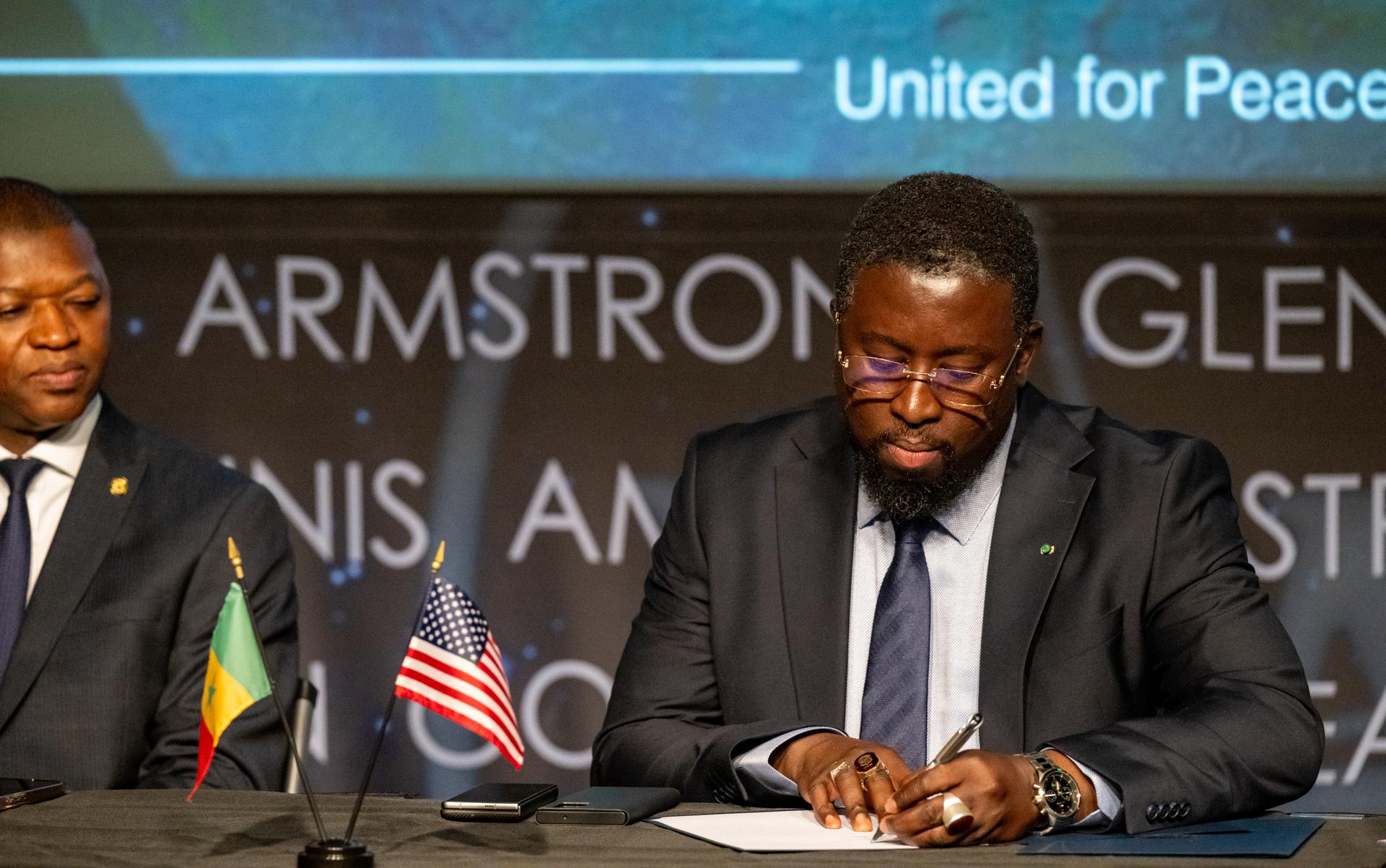
Albania Becomes 73rd Nation to Sign the Artemis Accords
Albania signed the Artemis Accords at NASA Headquarters on September 21, 2026, becoming the 73rd nation to join the U.S.-led framework for peaceful, transparent space exploration.
-
Stargazing
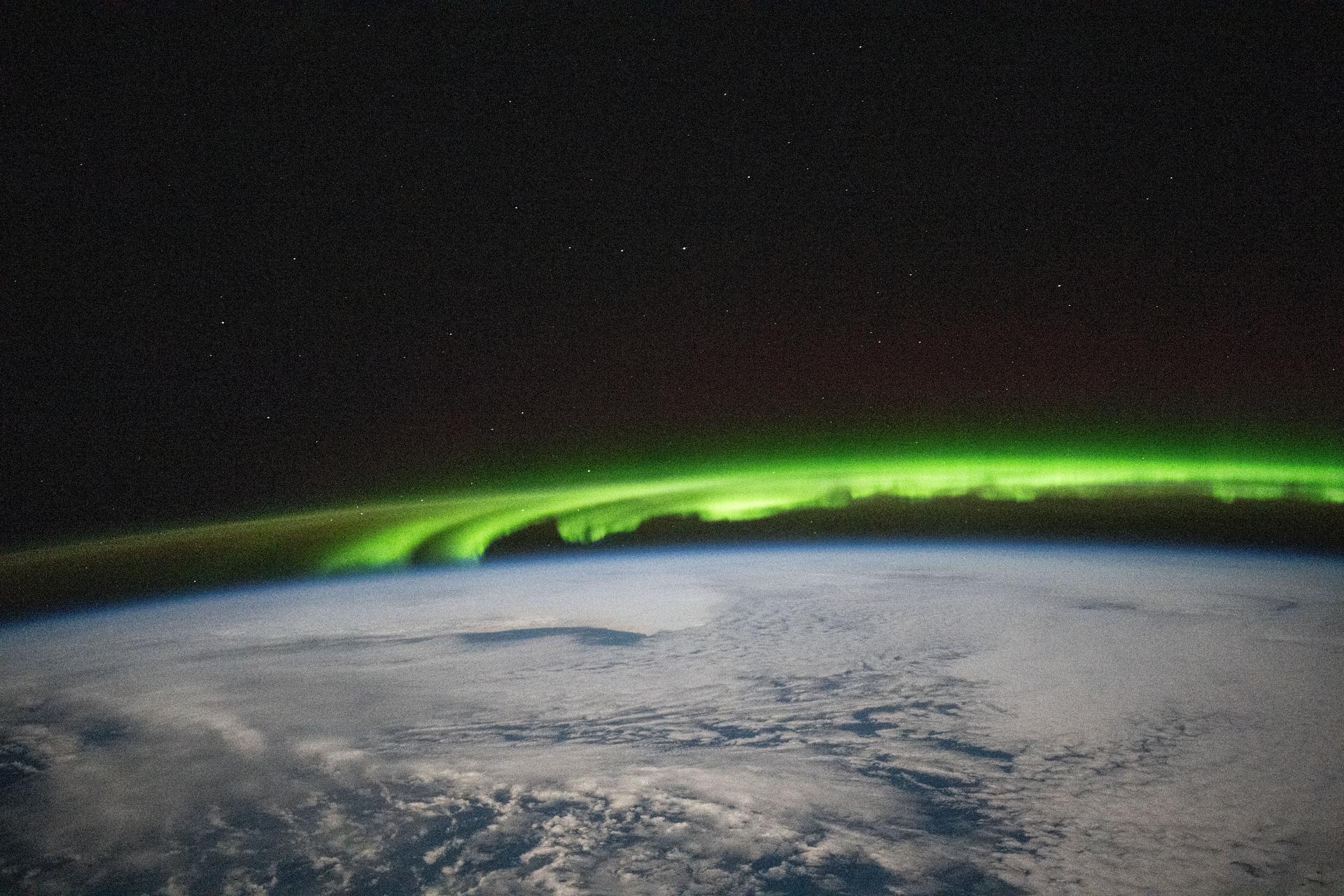
Equinox Sets Up Aurora Window as Forecasters Flag a G1 Storm for Sept. 24
The September equinox and an incoming coronal-hole solar wind stream are stacking the odds toward a minor G1 geomagnetic storm and aurora sightings on Sept. 23–24, 2026.
-
Science & Discovery
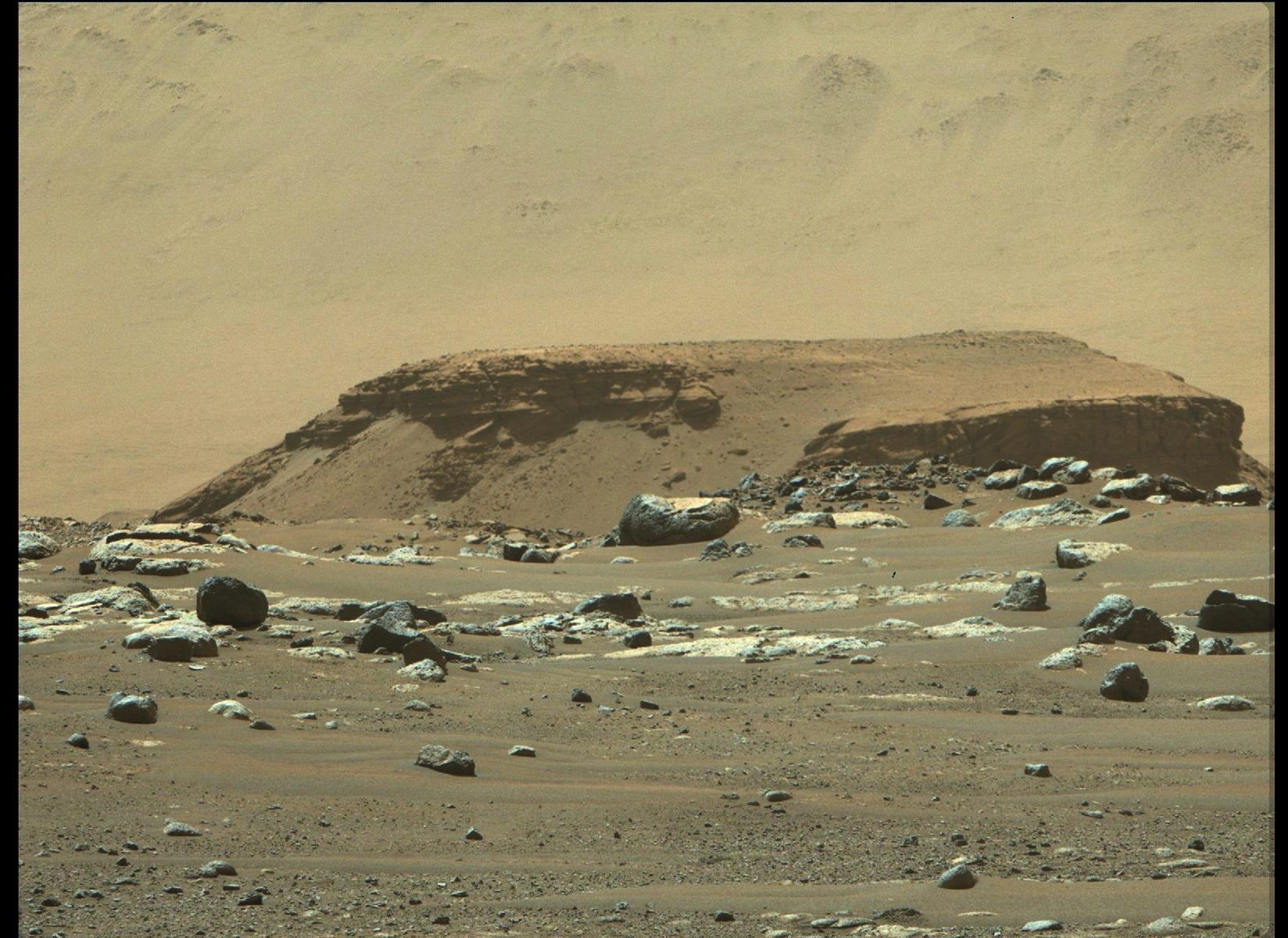
Perseverance Finds Three-Stage Water History in Jezero Crater's 'Margin Unit'
A peer-reviewed study using Perseverance's SuperCam data reconstructs three distinct water-alteration episodes in Jezero Crater's carbonate-rich Margin unit, reinforcing the site's astrobiological promise.
-
Commercial
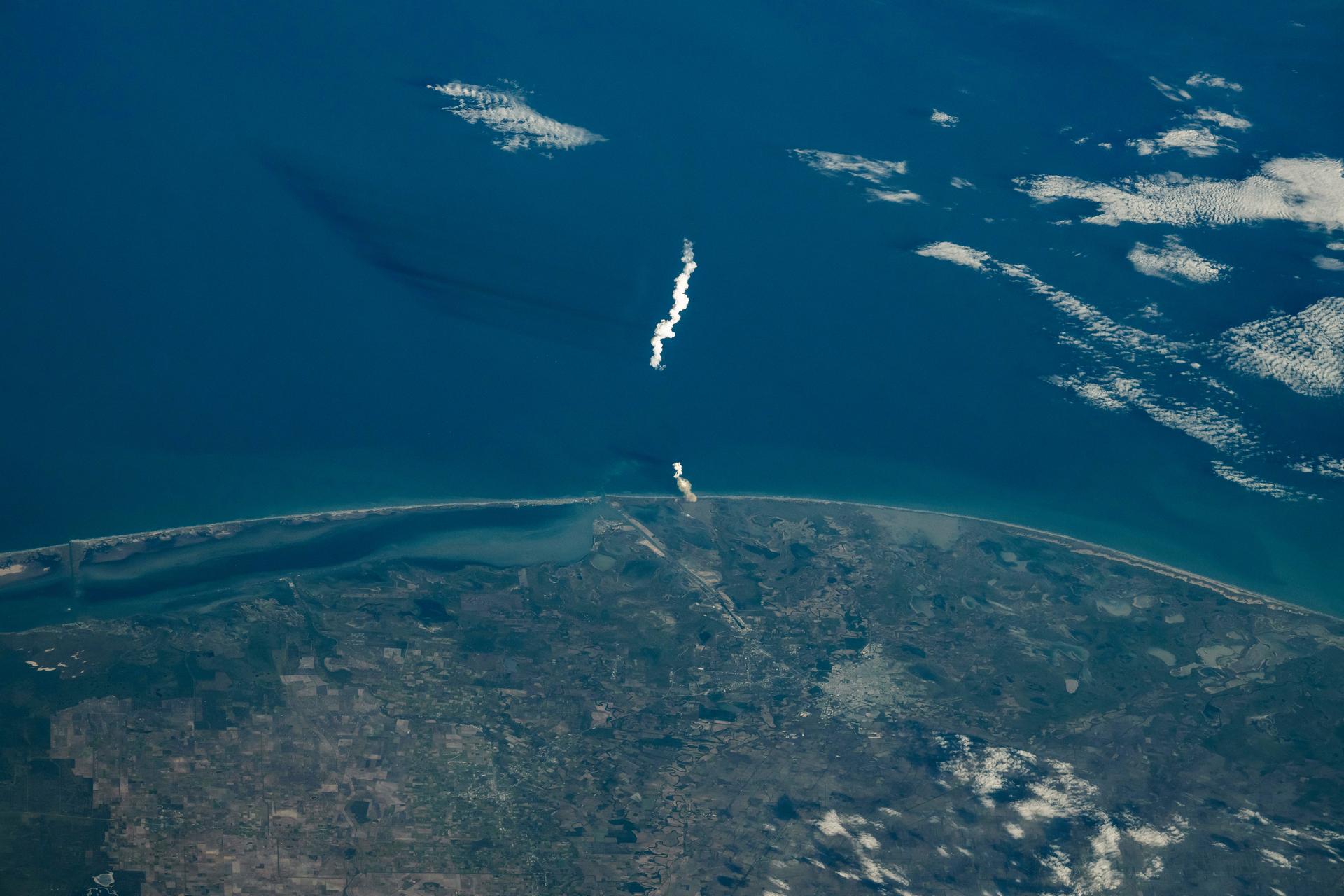
SpaceX Rolls Super Heavy Booster to the Pad Ahead of Starship's First Orbital Flight
SpaceX moved Super Heavy booster B21 to the pad at Starbase for Flight 14, the vehicle's first full orbital attempt, targeted for no earlier than September 28.
-
Astronomy
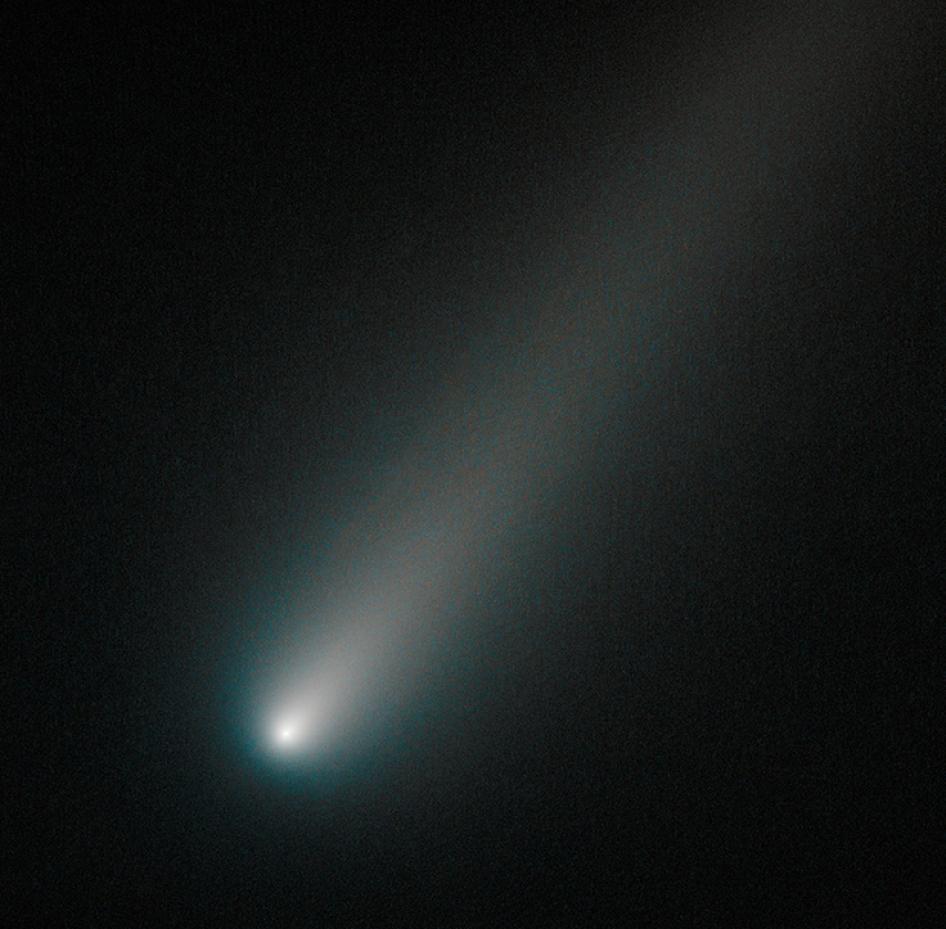
A Global Telescope Relay Just Nailed Down the True Color of Interstellar Comet 3I/ATLAS
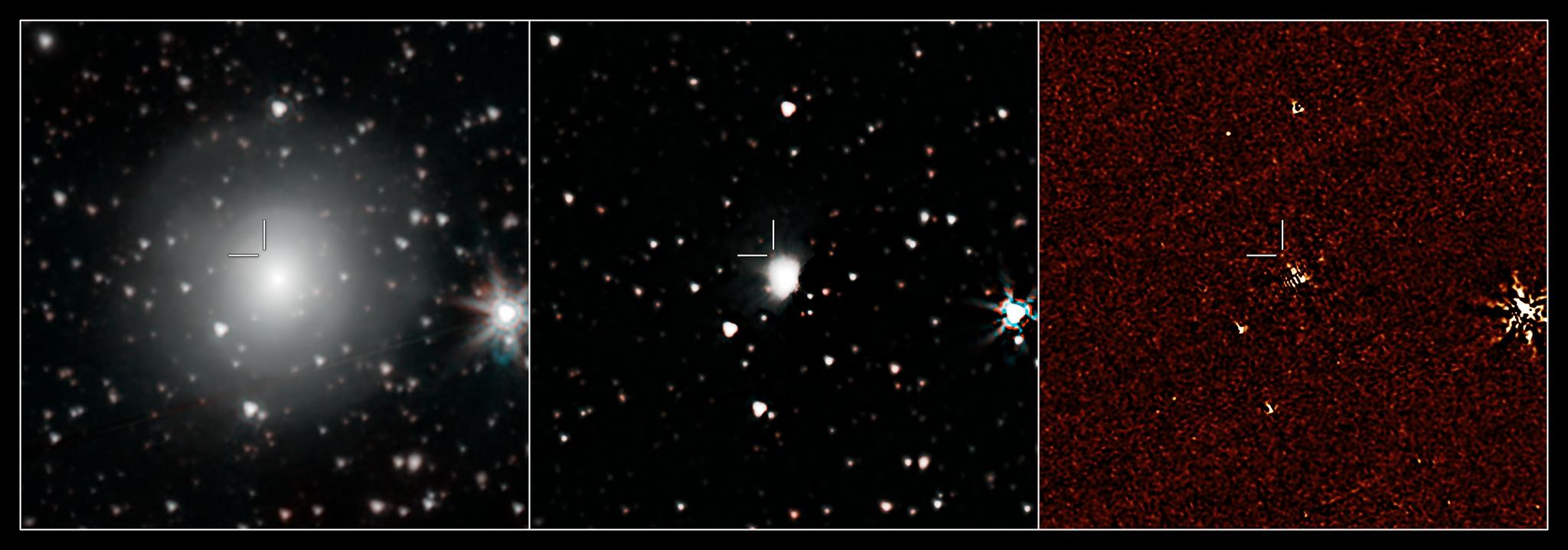
Pooling data from professional observatories and citizen-run eVscopes worldwide, a new study finds interstellar comet 3I/ATLAS wore a stubbornly red dust coma through its entire solar system passage, regardless of how bright it got.
-
Missions
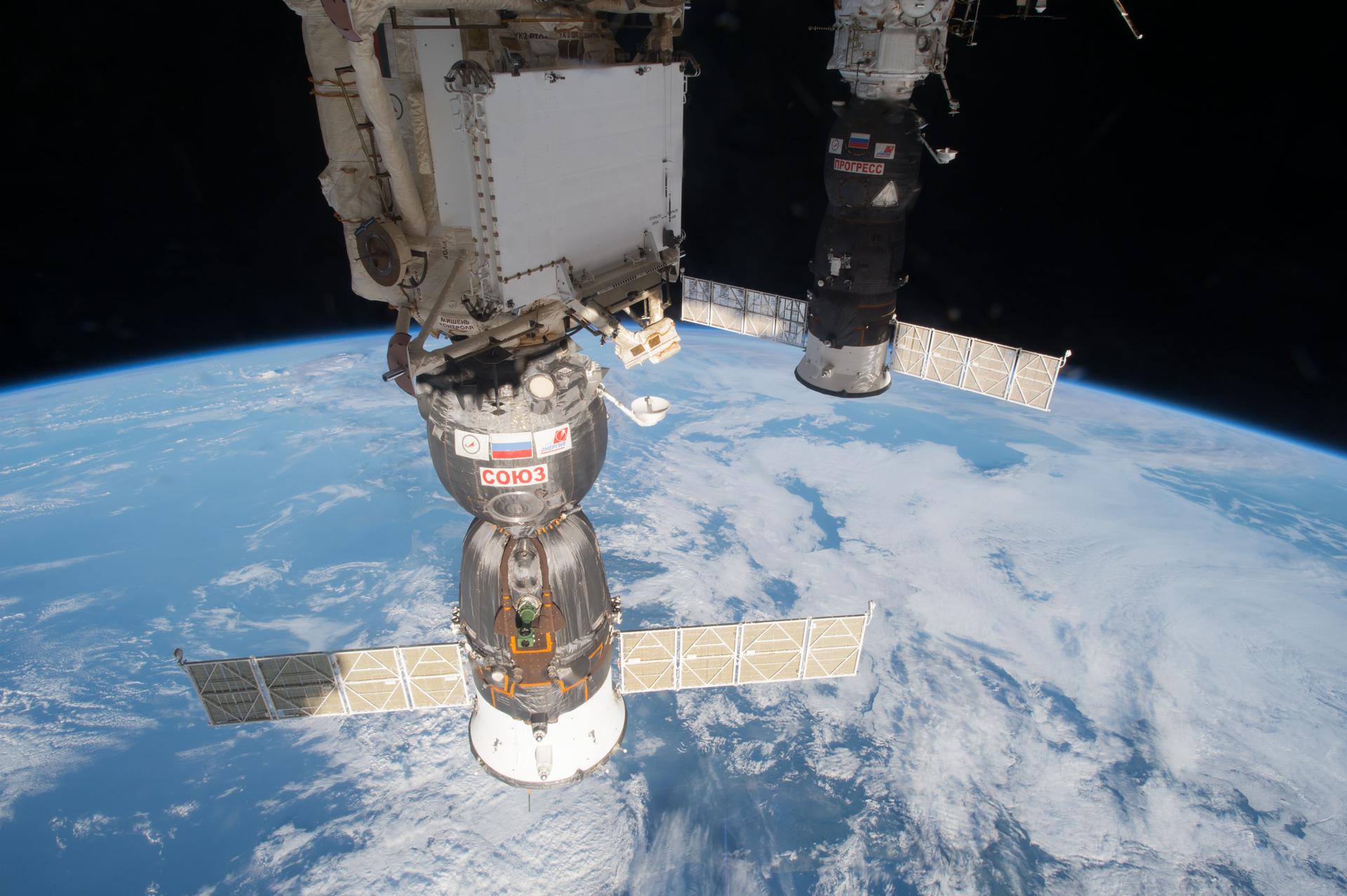
Progress 96 Docks at ISS After a Week-Long Delay Nobody Fully Explained
Russia's Progress 96 cargo ship reached the ISS on September 19 after an undisclosed Soyuz third-stage fault forced a hangar rollback and a rare three-day rendezvous.
-
Science & Discovery
JWST Survey Finds Some of the Universe's Most Massive Galaxies May Be Missing Their Central Black Holes
A JWST/NIRSpec study of eight ultramassive galaxies finds that sheer size doesn't guarantee a giant black hole — one galaxy shows a stellar velocity dip, not a peak, hinting its central black hole may have been kicked out entirely.
-
Astronomy
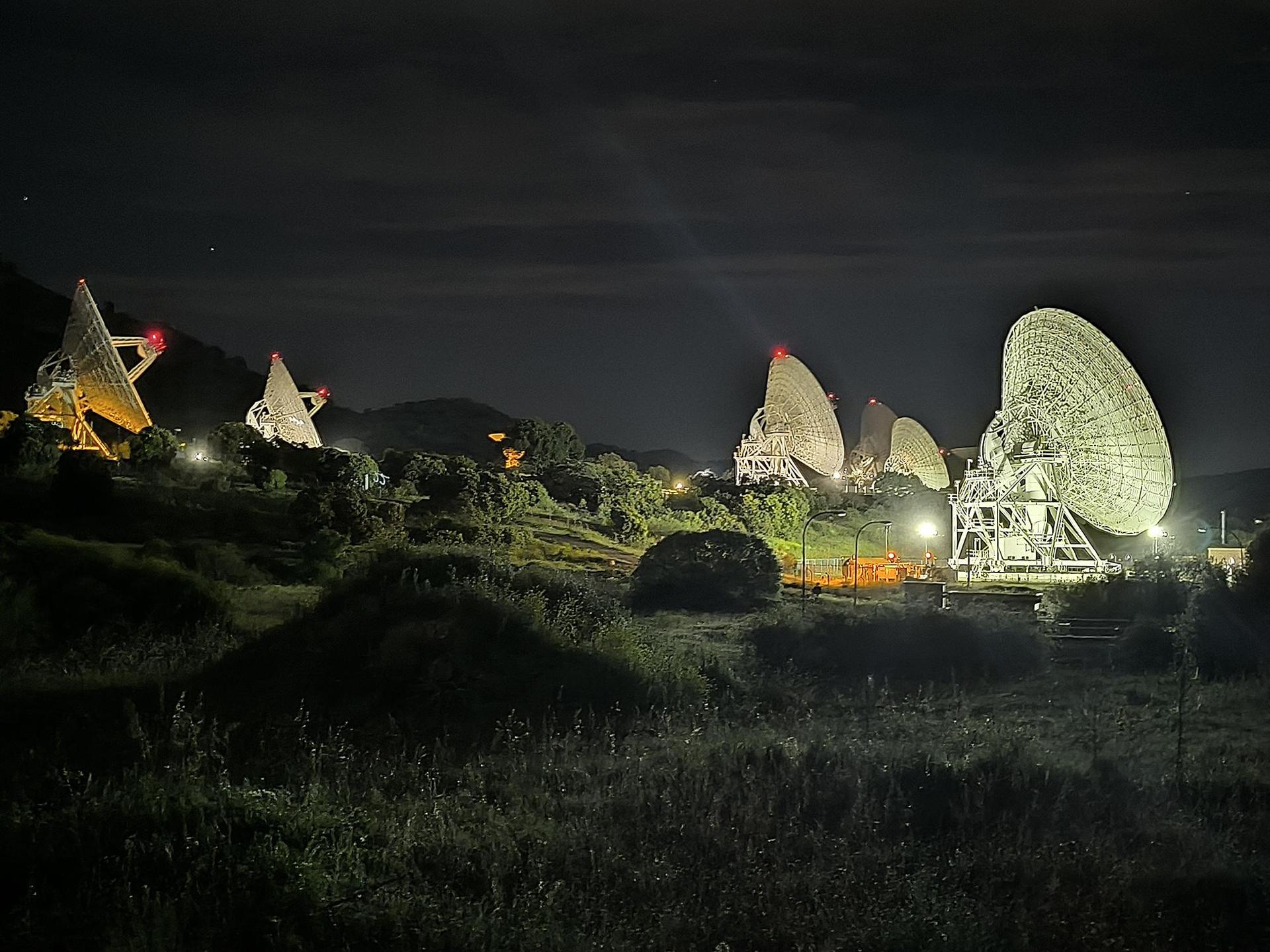
Opinion: Can We Establish Communications with Intelligent Life Forms in Our Galaxy?
A guest opinion: with only a handful of nearby Sun-like stars and vanishingly small odds that two civilizations' communication windows would ever overlap, real two-way contact with alien intelligence may be far less likely than we hope.
-
Science & Discovery
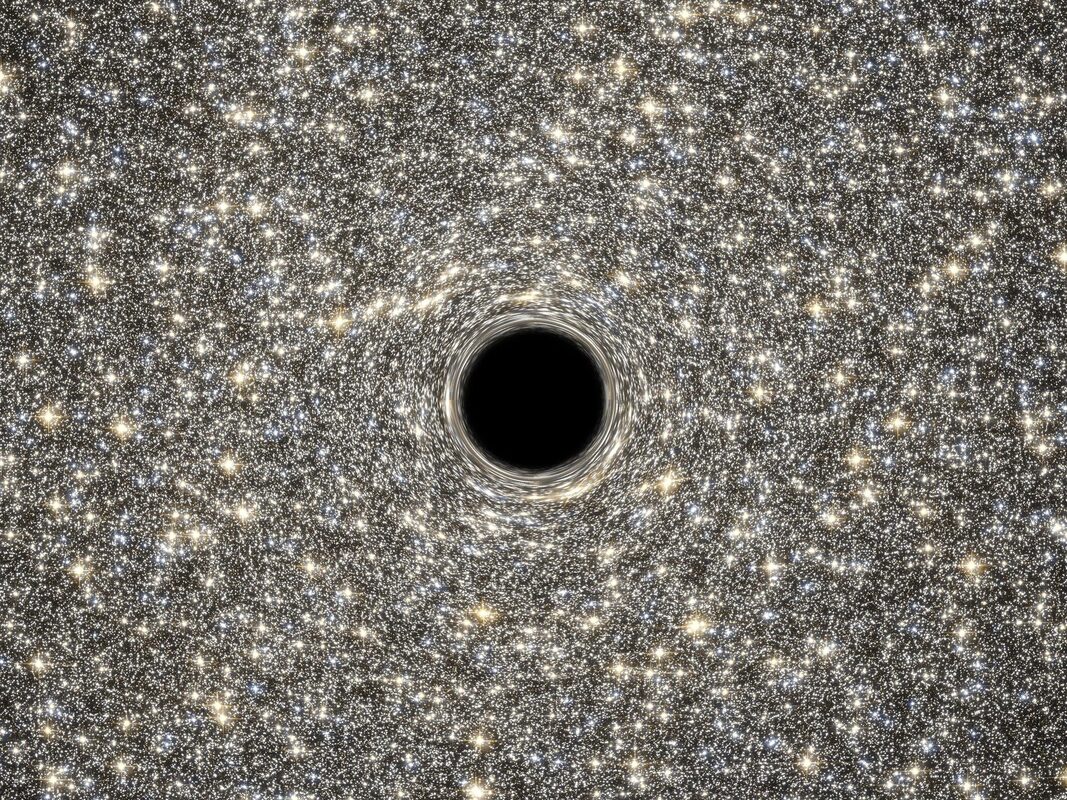
One Rule for Every Black Hole: Jets Switch On at 2% of the Eddington Rate
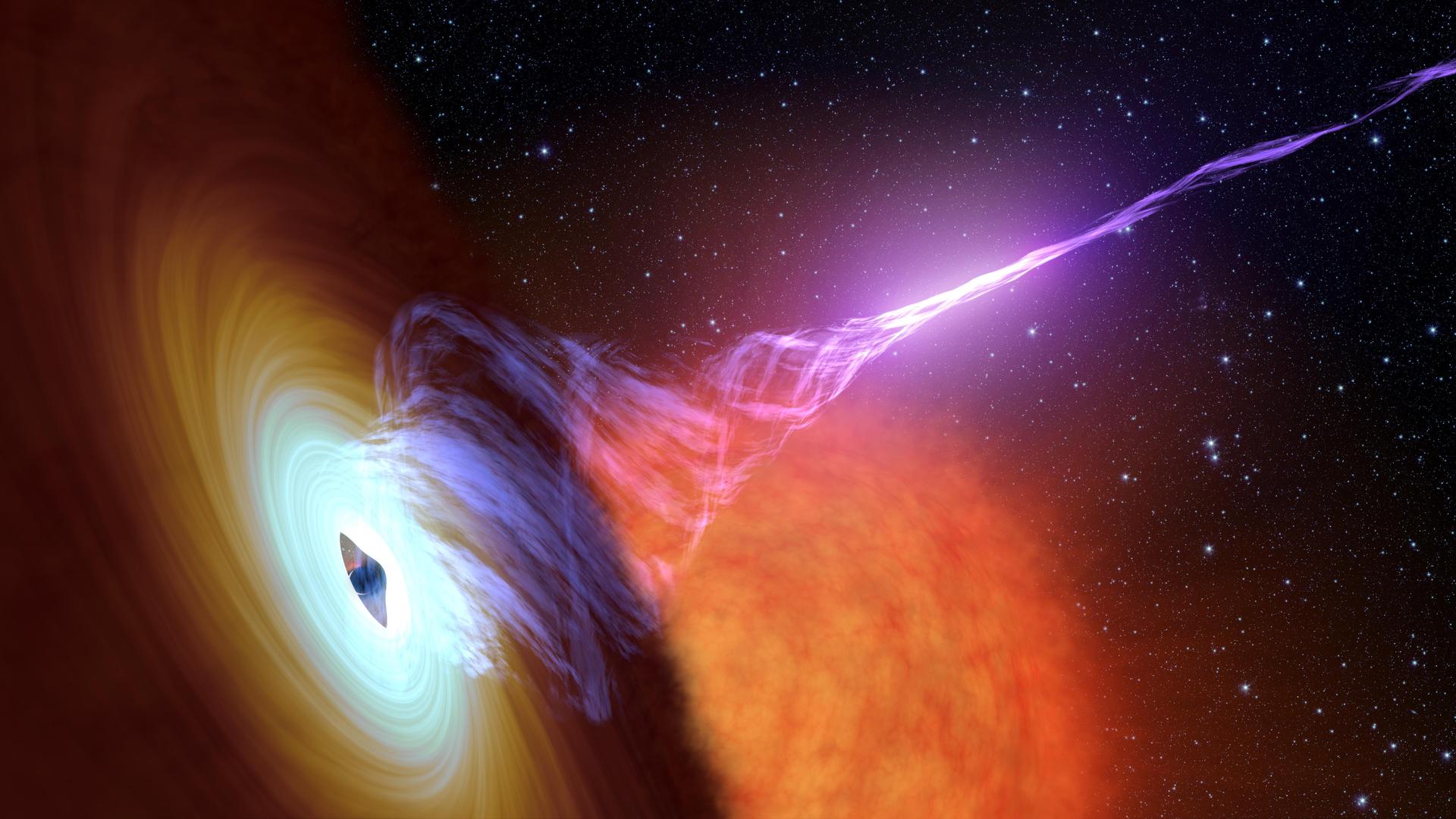
A Nature Astronomy paper finds that supermassive black holes shredding stars launch delayed radio jets once feeding drops to about 2% of the Eddington limit, the same threshold seen in black holes of roughly 10 solar masses.
-
NASA & Agencies
NASA Buys Three More SpaceX Crew Flights, Pushing Dragon's ISS Contract to $5.92 Billion
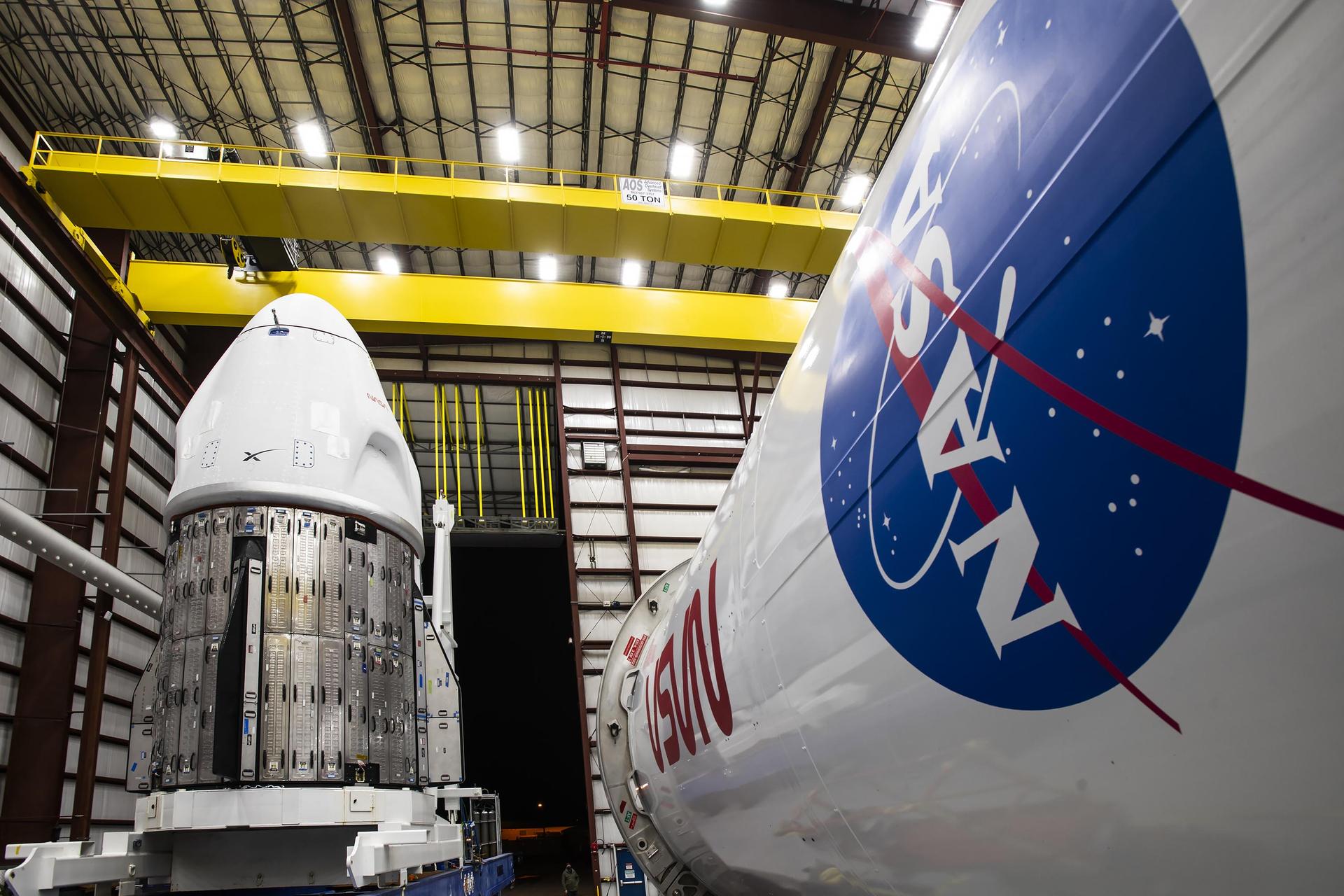
NASA added Crew-15, Crew-16 and Crew-17 to SpaceX's commercial crew contract for $946 million, bringing Dragon to 17 missions and a $5.92 billion total, with work running through 2030.
-
Stargazing
Two Outer Planets, Two Oppositions: Neptune Peaks Sept. 25-26, Saturn Follows Oct. 4
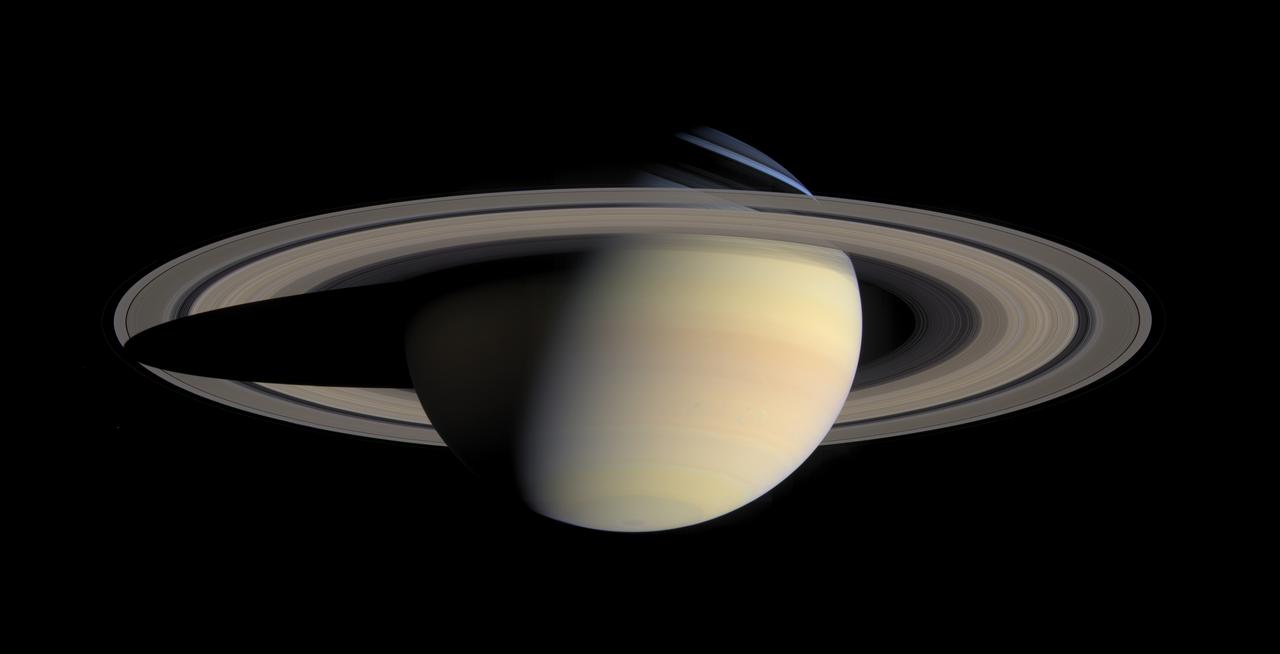
Neptune reaches opposition on Sept. 26 at magnitude +7.8 and needs optics, while naked-eye Saturn peaks on Oct. 4, with the Harvest Moon forming a wide triangle with both planets.
-
Missions
StarBurst Gets a Ride: NASA Books a Falcon 9 Rideshare for Its Neutron-Star-Merger Detector
NASA has booked SpaceX to fly StarBurst, a roughly 300 kg gamma-ray satellite built to catch the first flash of merging neutron stars, on a Falcon 9 Bandwagon rideshare no earlier than 2028.
Page 1 of 57