NASA
Every Cosmic Herald story on NASA — missions, launches, discoveries, and the business of space, newest first.
-
Missions
Three Months After Circling the Moon, the Artemis II Crew Comes Home to Kennedy
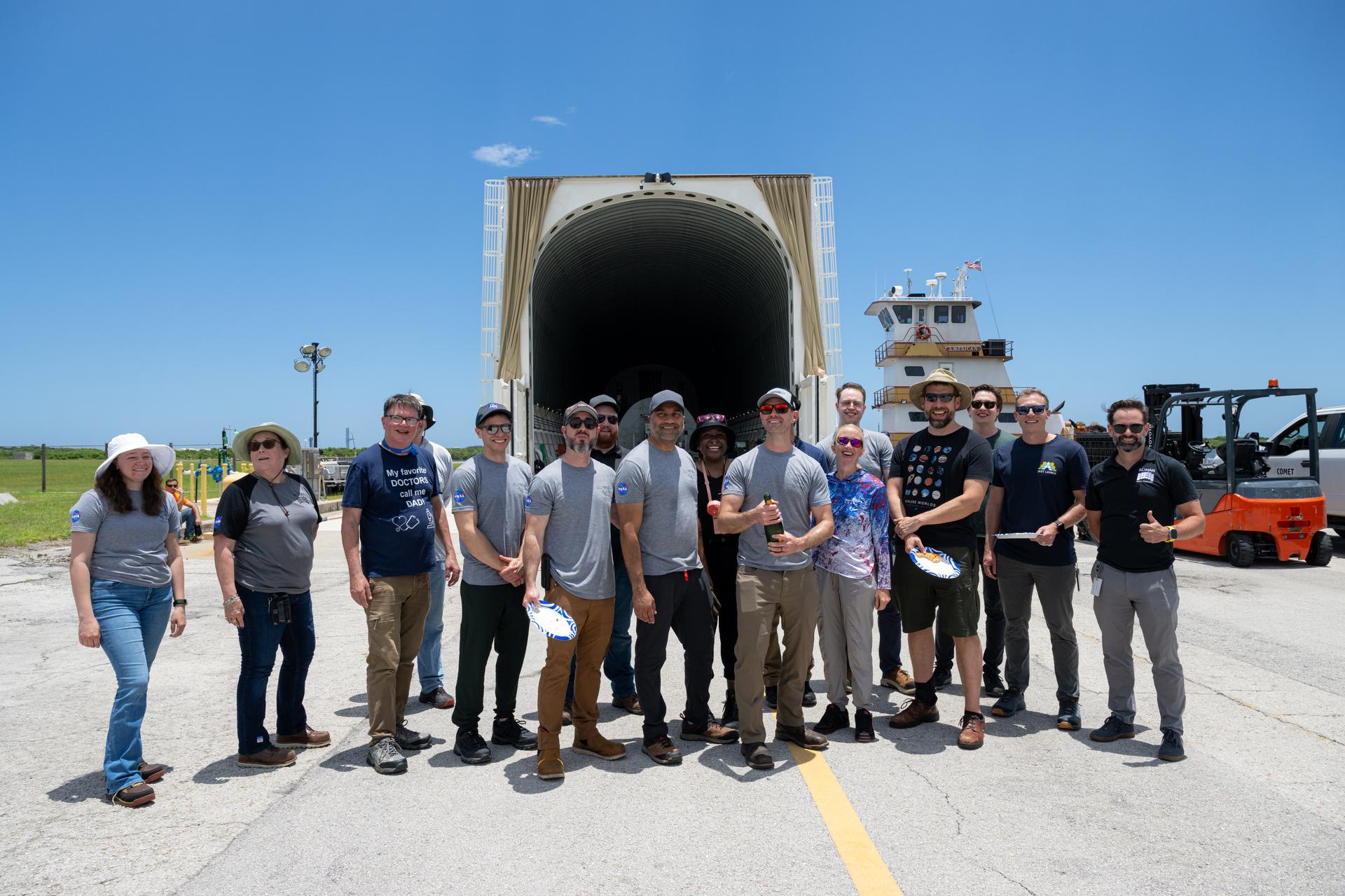
Reid Wiseman, Victor Glover, Christina Koch, and Jeremy Hansen returned to Kennedy Space Center on July 8 for the first time since their record-breaking lunar flyby, and used the visit to start handing off lessons to the Artemis III crew.
-
Missions
Roman Space Telescope Stands Up at Kennedy as August 30 Launch Nears
Technicians rotated the Nancy Grace Roman Space Telescope to vertical at Kennedy Space Center on June 25, clearing the way for final testing ahead of an August 30 Falcon Heavy launch nine months early.
-
Missions
Firefly Wins $13 Million NASA Contract to Build the Heat Shield for a Helicopter Swarm Bound for Mars
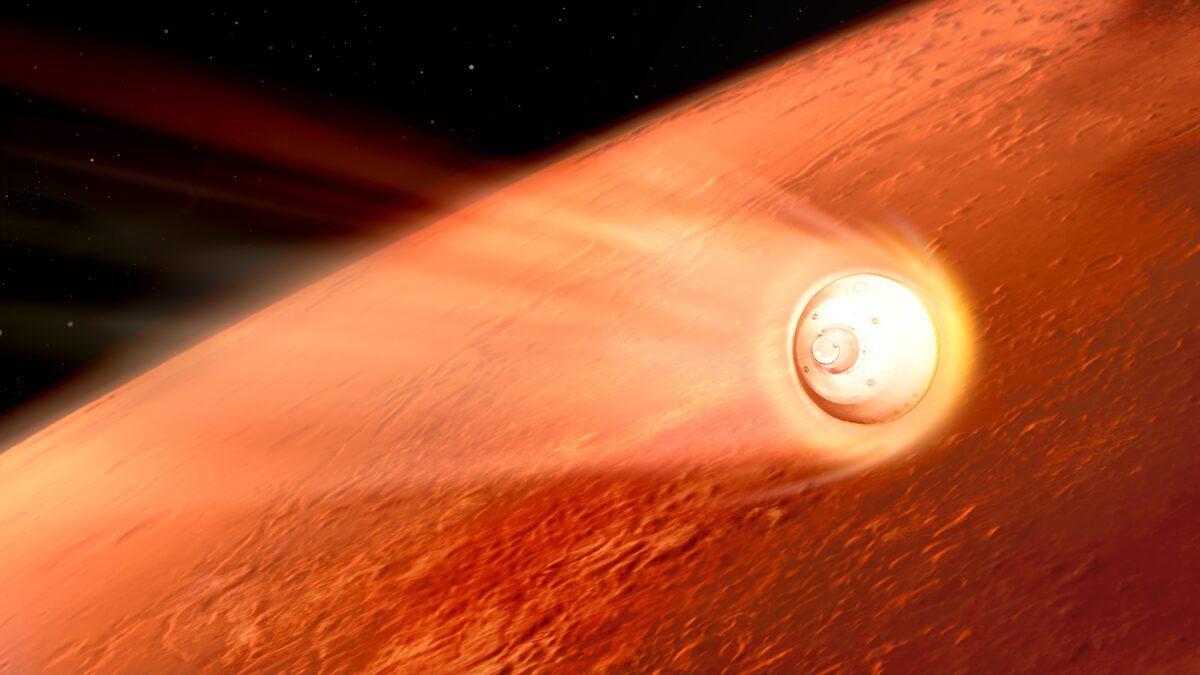
Firefly Aerospace will build the aeroshell for NASA's SkyFall mission, which plans to release three Ingenuity-derived helicopters mid-air over Mars in 2028 without ever landing a platform.
-
Missions
CAPSTONE, the Microwave-Sized Pathfinder, Signs Off After Four Years at the Moon
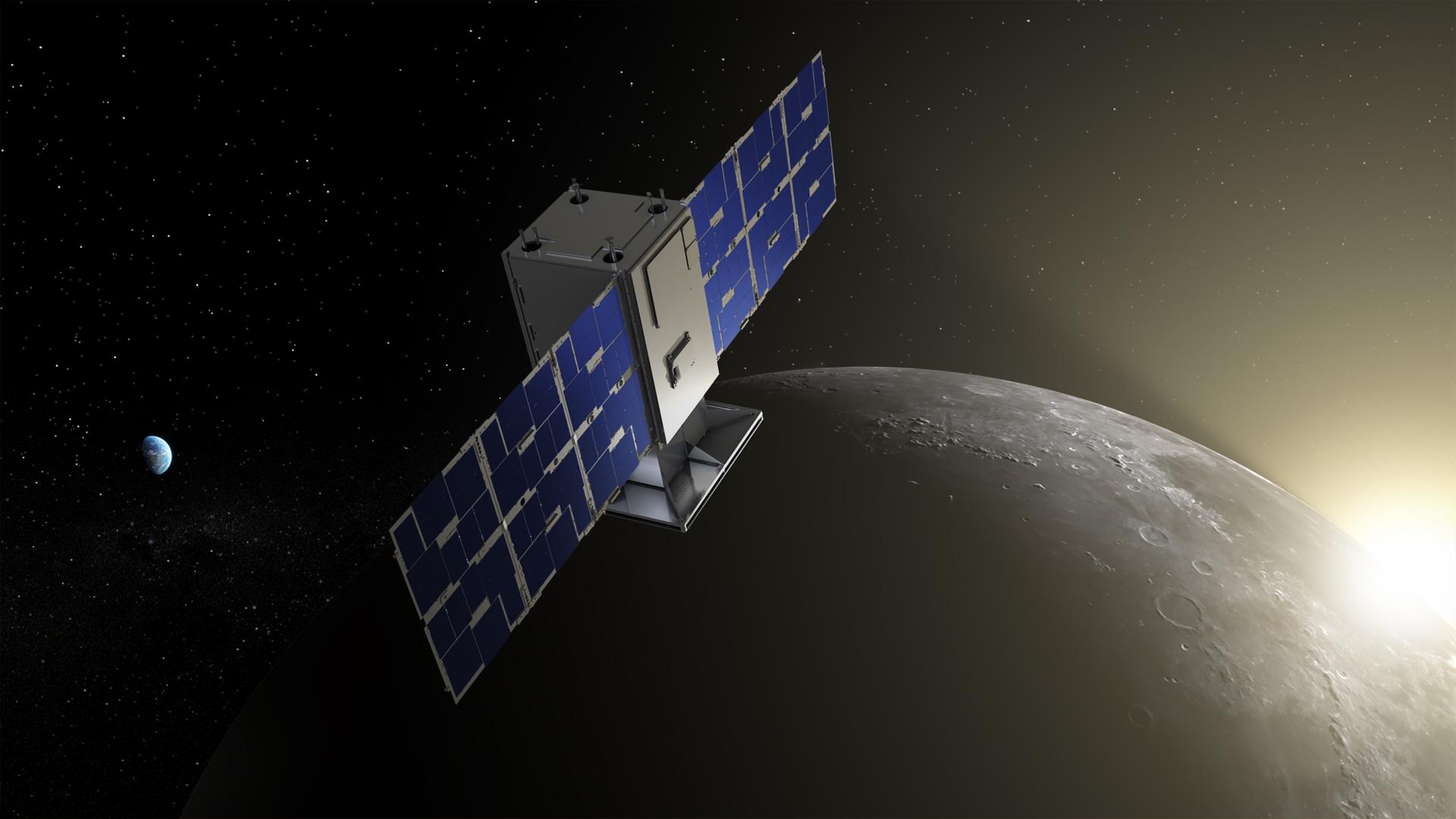
NASA's CAPSTONE, the first U.S. commercial lunar mission, has wrapped its NASA-sponsored work after nearly four years, having proven a spacecraft can navigate itself near the Moon using nothing but a camera image of the Moon and Earth.
-
Missions
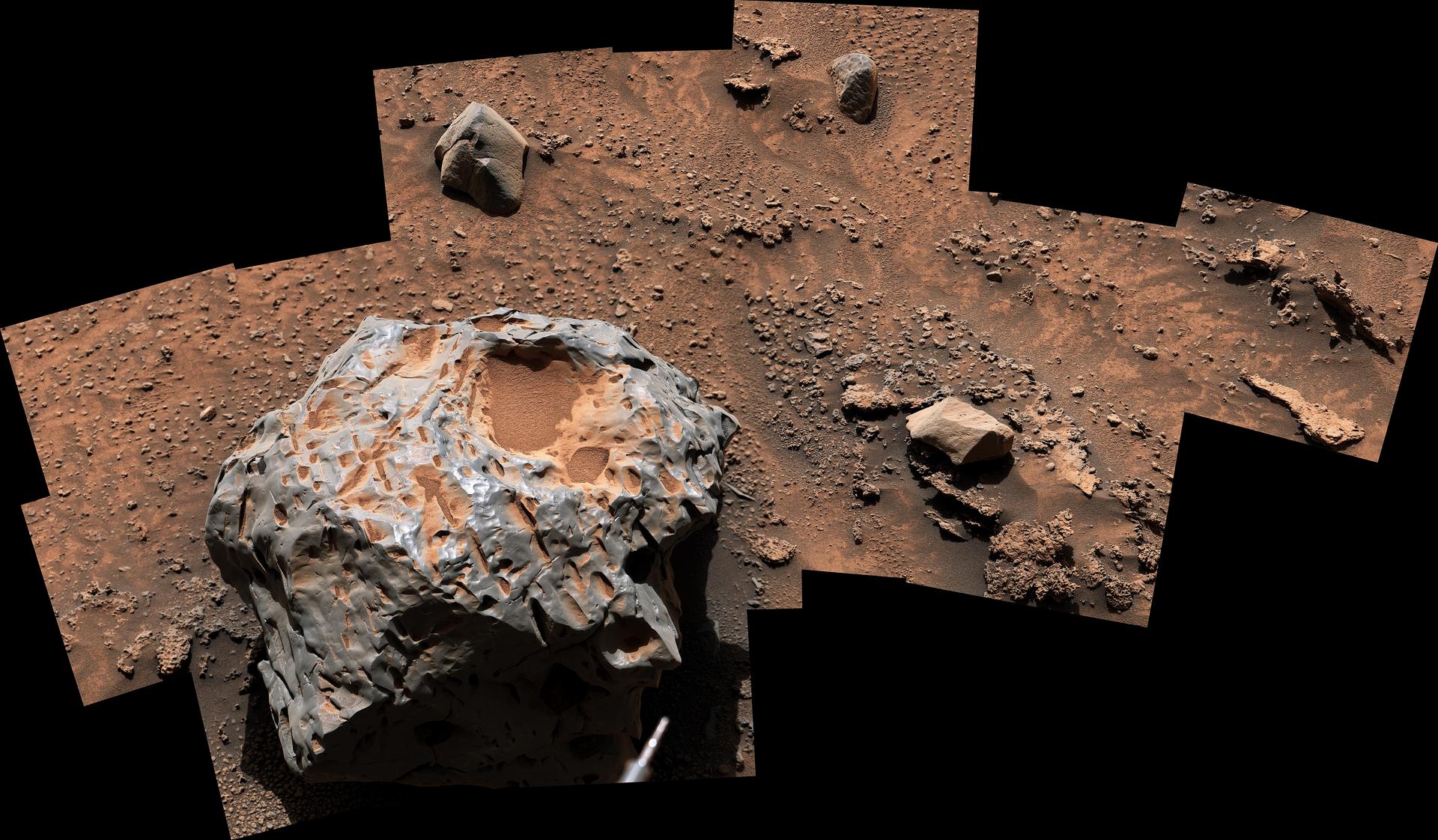
In the Land of the Polygons: Curiosity Hunts Nickel-Rich 'Meteorite' Candidates in a Martian Honeycomb
Curiosity is picking through a honeycomb-textured slice of Gale Crater, probing dark, nickel-bearing rocks that might be meteorites, distant impact debris, or just weird Mars rock.
-
Missions
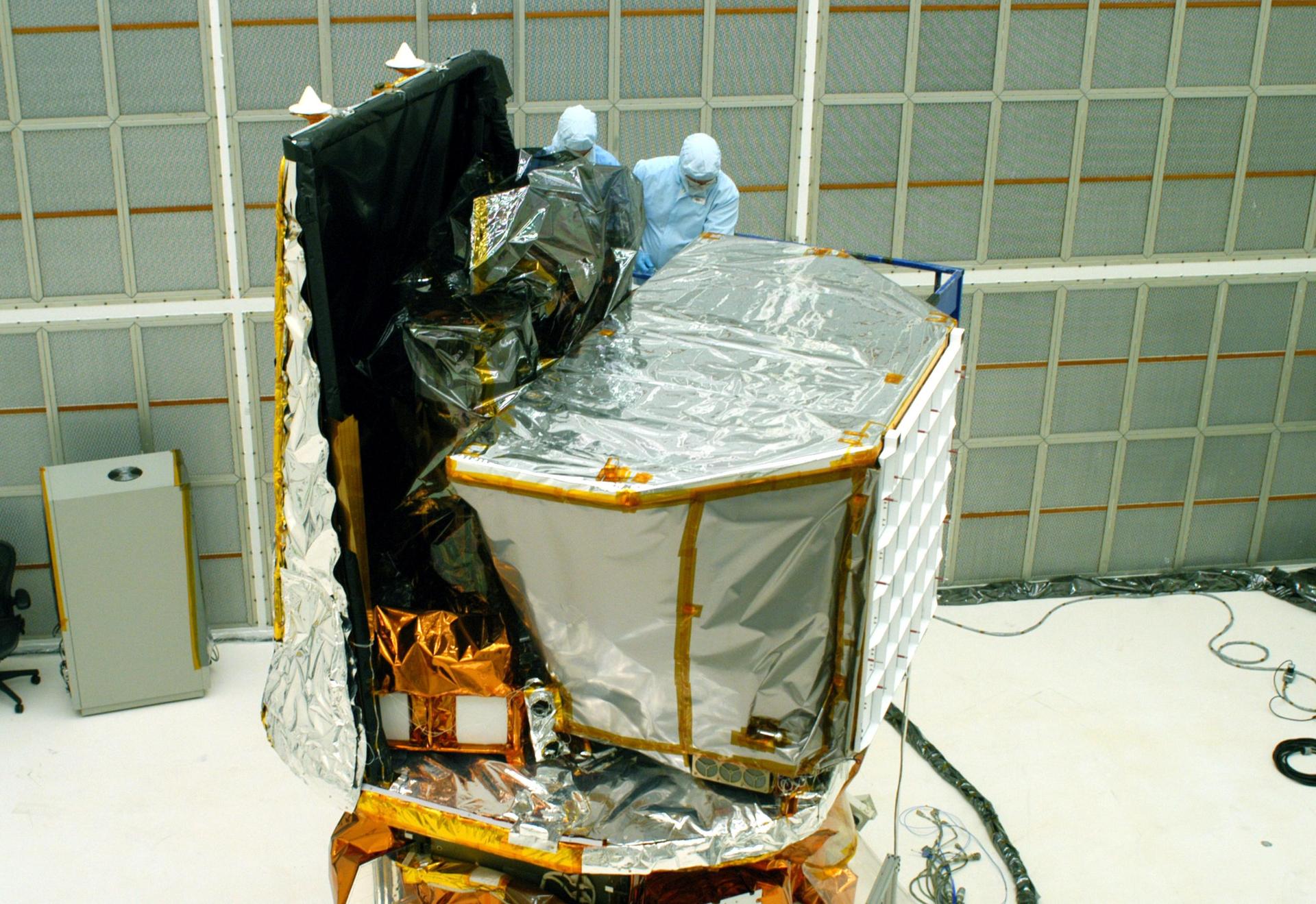
Robotic Servicer LINK Launches to Rescue NASA's Swift Observatory From Reentry
After three days of delays, a Pegasus XL rocket dropped from a jet over the Pacific deployed Katalyst Space's LINK spacecraft on a mission to grapple and reboost NASA's decaying Swift Observatory — and to close out the Pegasus program for good.
-
Missions
Weather and a Balky Pegasus Keep Katalyst's Swift Rescue Grounded
Katalyst Space's LINK servicing spacecraft, tasked with grappling and reboosting NASA's aging Swift observatory, has been scrubbed three days running — twice for weather and, per follow-up reporting, once when its Pegasus XL failed to deploy.
-
Missions
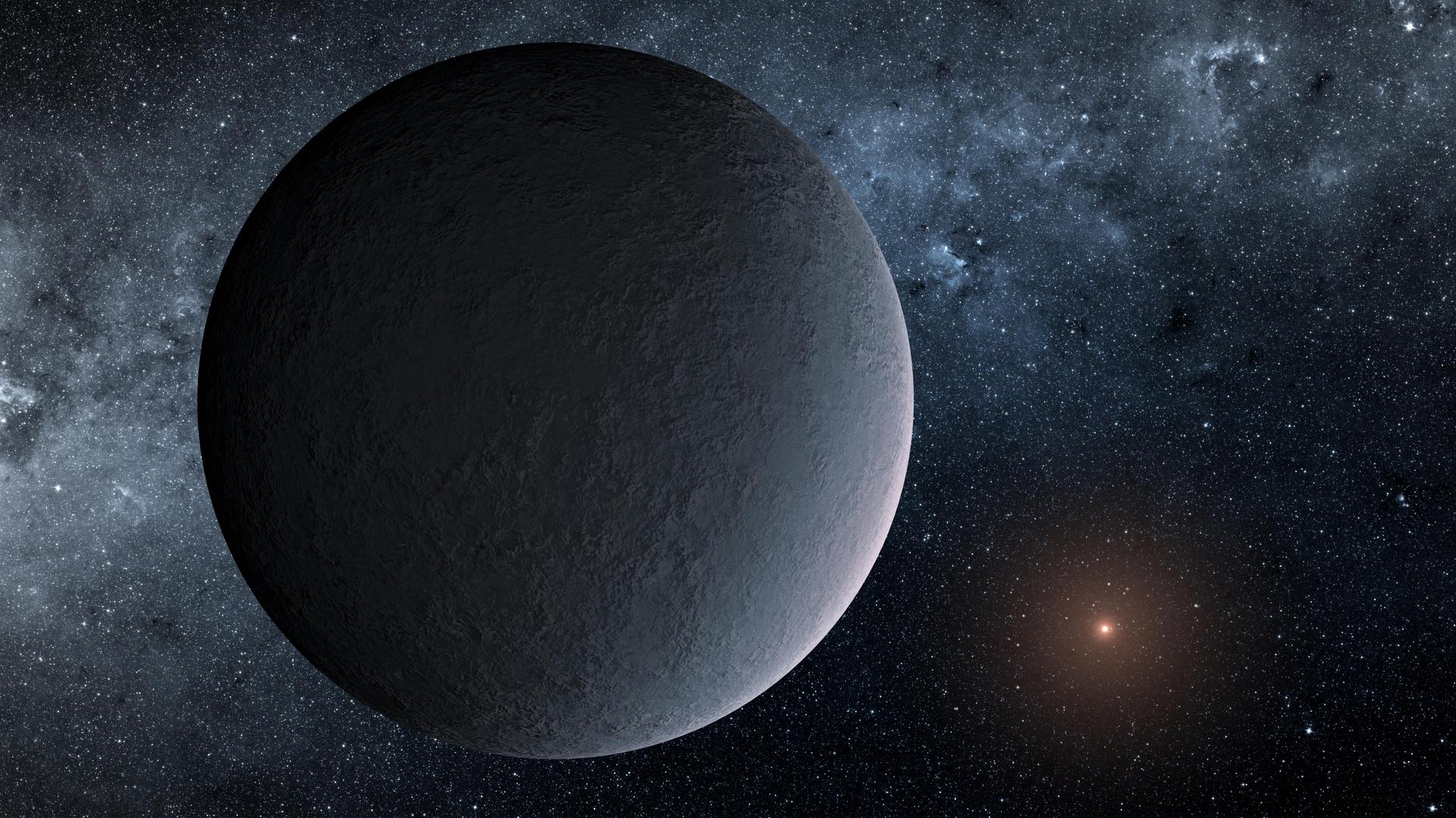
A Planet TESS Was Never Built to See: First Microlensing World Pulled From the Archive
NASA's TESS, designed to catch transit dips, has for the first time bagged a planet through gravitational microlensing — a distant super-Jupiter, Gaia23bra b, teased out of archived data after ESA's Gaia flagged the event in 2023.
-
Missions
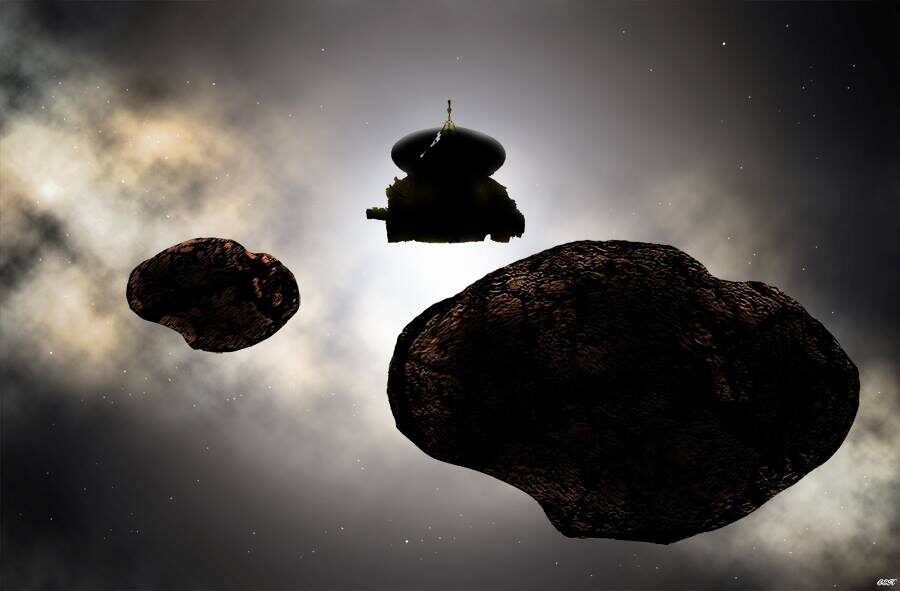
New Horizons Feels the Drag: Interstellar Atoms Are Braking the Solar Wind at 58 AU
SwRI's Heather Elliott and the New Horizons SWAP team report the solar wind at 58 AU is now 13-15% slower than at Earth, as interstellar atoms mass-load and brake it near the heliosphere's edge.
-
Missions
NASA Just Tested a 'Gas-Pump Nozzle' for Orbit — and It Could Be the Key to Mars
NASA's Marshall Space Flight Center and L3Harris have operationally tested a developmental cryocoupler — a quick-disconnect nozzle for transferring ultra-cold propellant between spacecraft and future orbital depots, a capability never demonstrated in orbit.
-
Missions
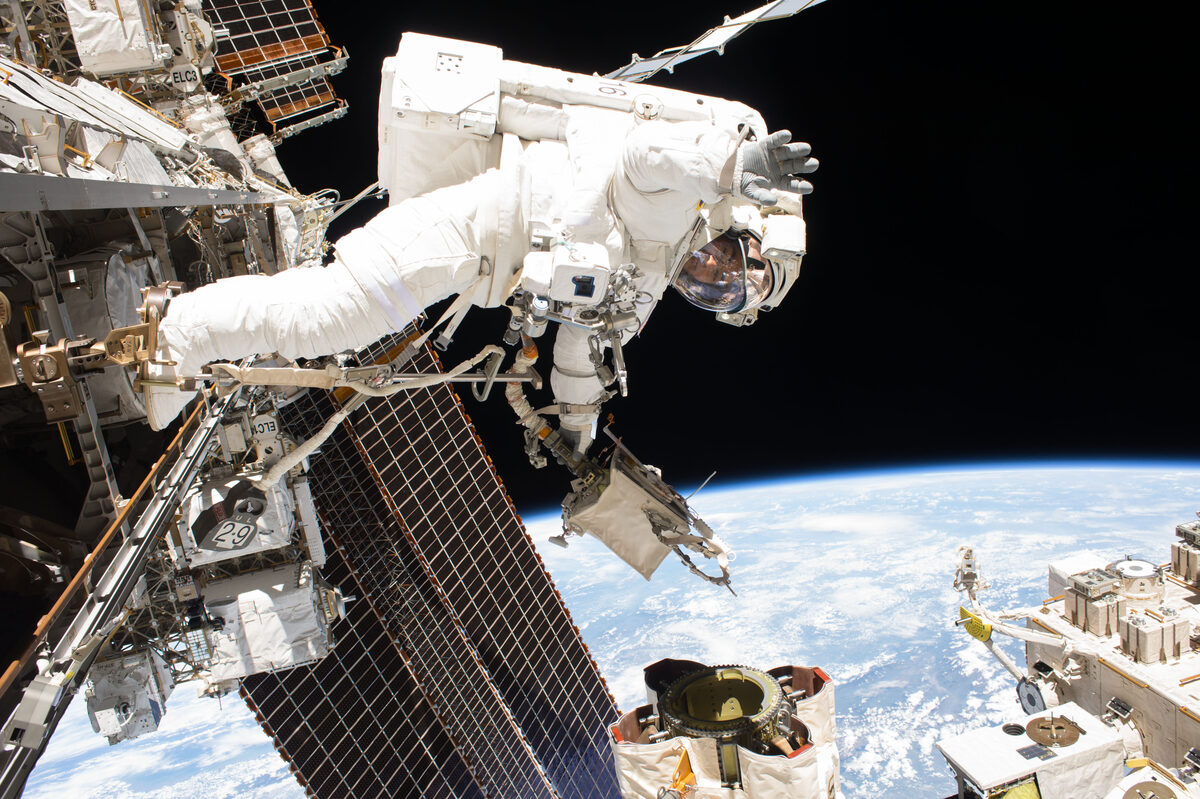
Two Astronauts, One Stubborn Wrist: NASA's June 30 Spacewalk to Fix Canadarm2
On June 30, NASA's Chris Williams and Jessica Meir will step outside the ISS to swap a failed 91-kilogram wrist joint on Canadarm2, the robotic arm that drew elevated motor current and stopped responding on May 27.
-
Missions
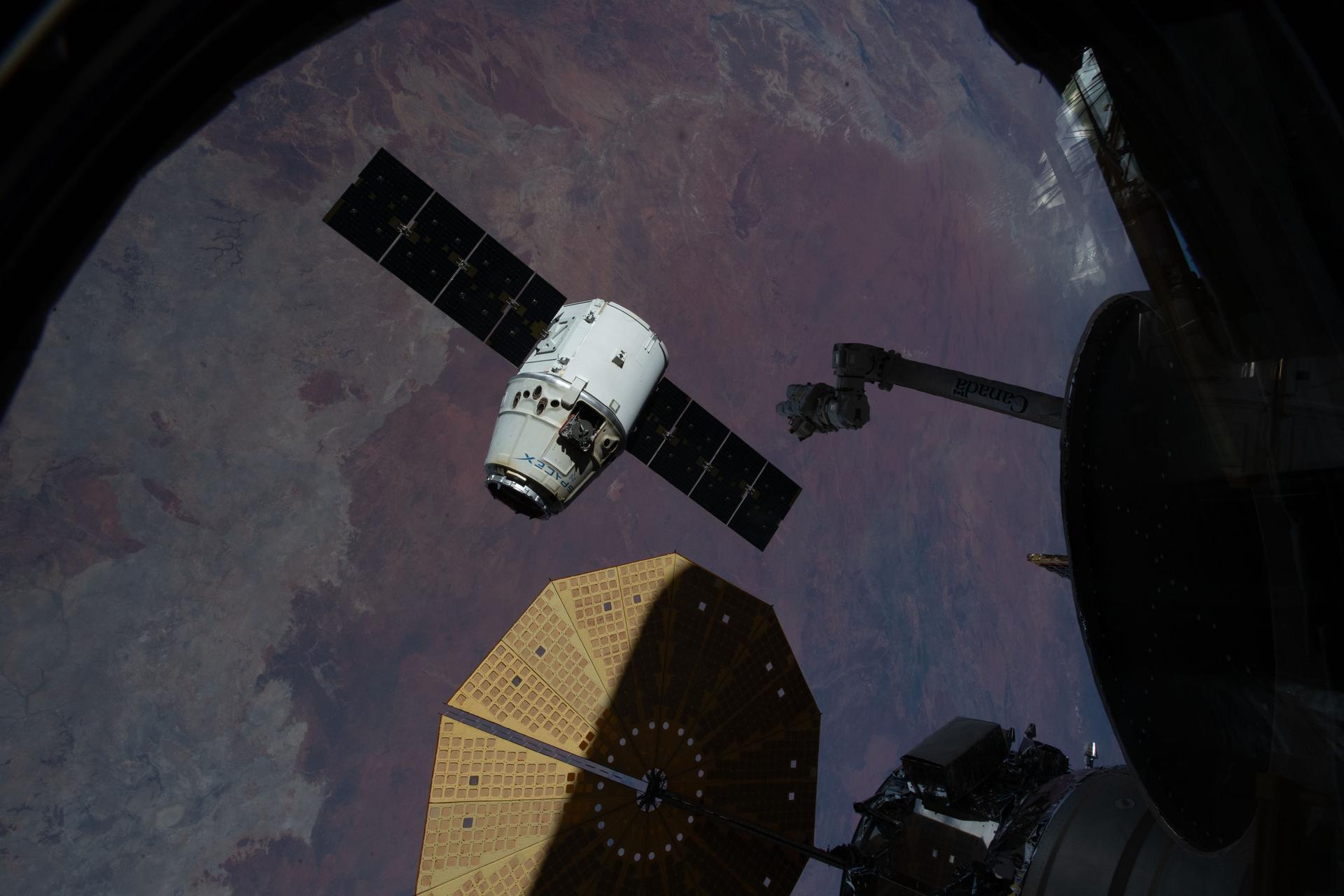
CRS-34 Dragon Heads Home With Bioprinted Tissue and Cancer-Research Cargo
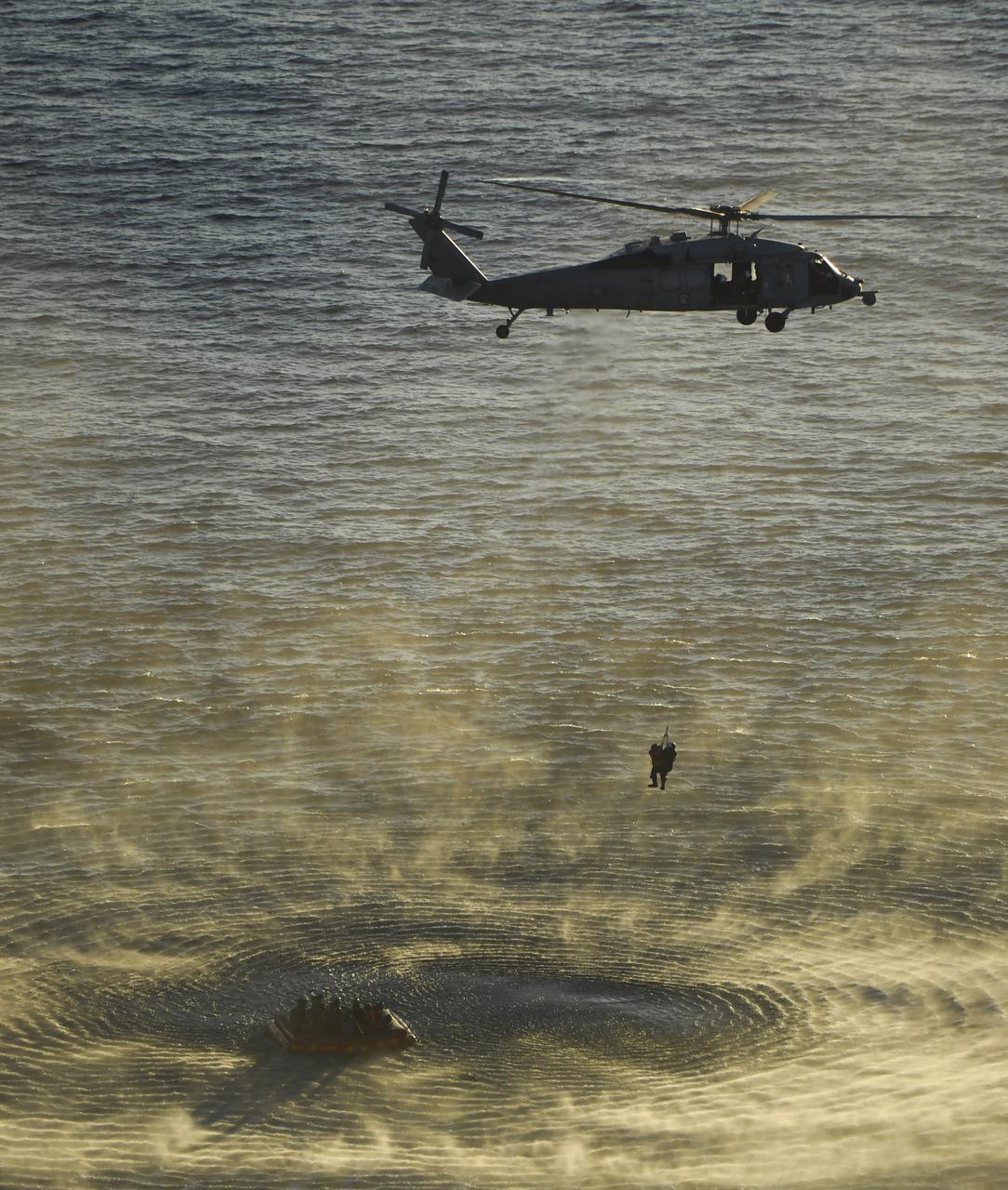
SpaceX's CRS-34 Dragon undocked from the ISS on June 16 and splashed down off California early June 17, carrying thousands of pounds of finished experiments — bioprinted organ tissue, DNA-inspired cancer materials, cryogenic fuel data and more.