NASA
Every Cosmic Herald story on NASA — missions, launches, discoveries, and the business of space, newest first.
-
Science & Discovery
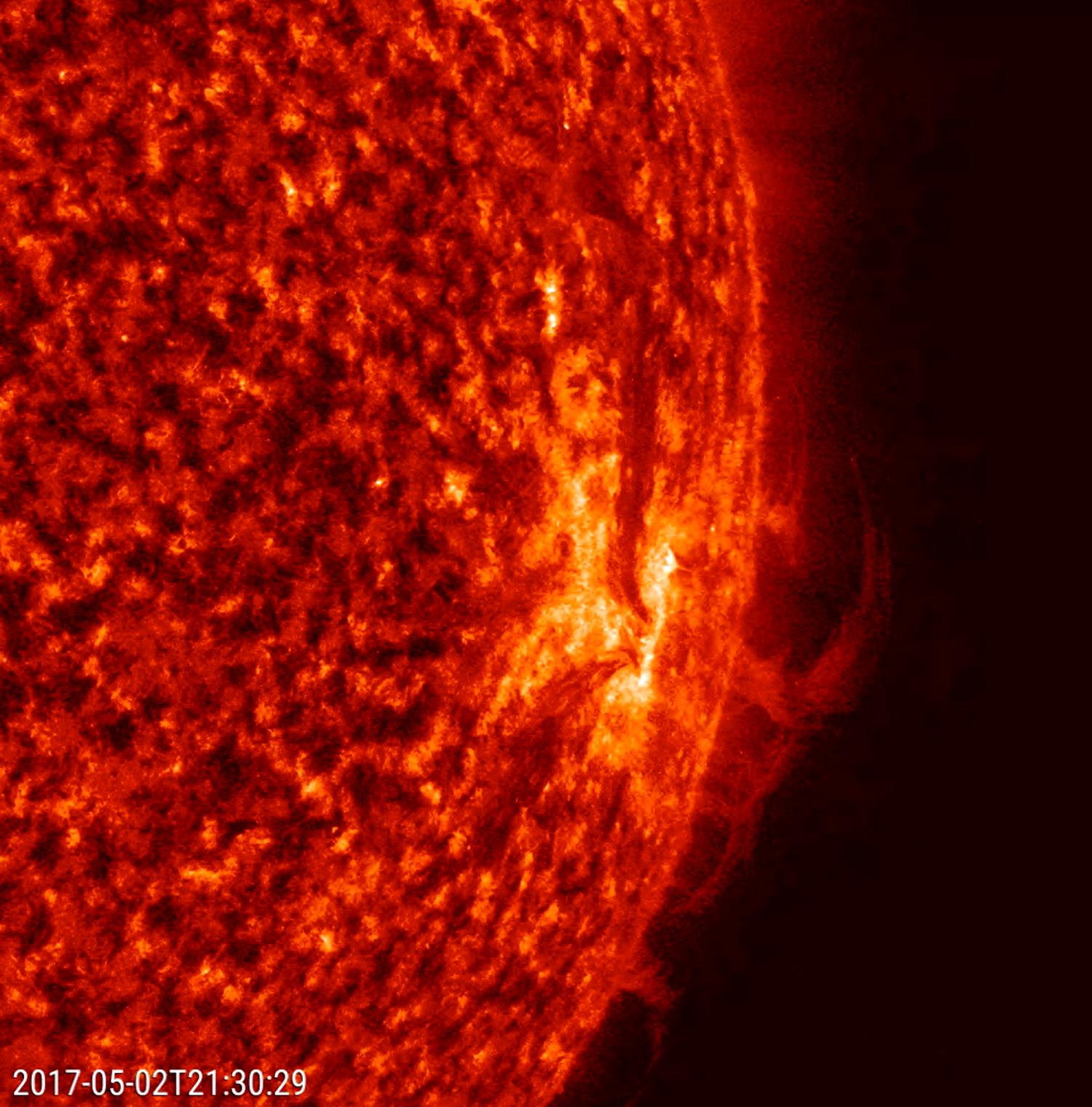
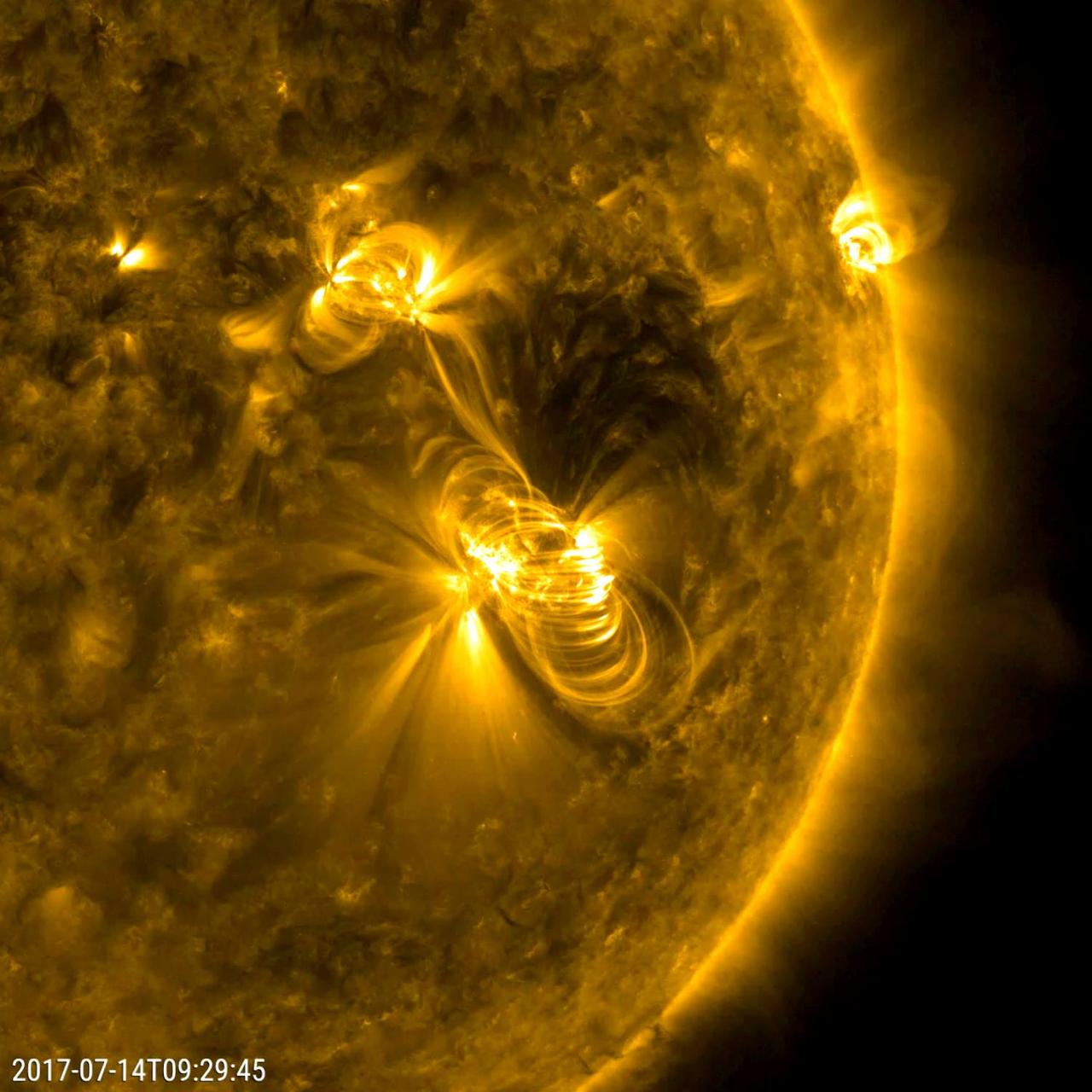
Sharpest-Ever Sun Images Reveal Swirling Instabilities Hiding in Plain Sight
The Inouye Solar Telescope's highest-resolution images yet show Kelvin-Helmholtz vortices are everywhere on the Sun's surface, not rare events — a discovery that may help crack the decades-old mystery of why the corona is millions of degrees hotter than the surface below it.
-
Science & Discovery
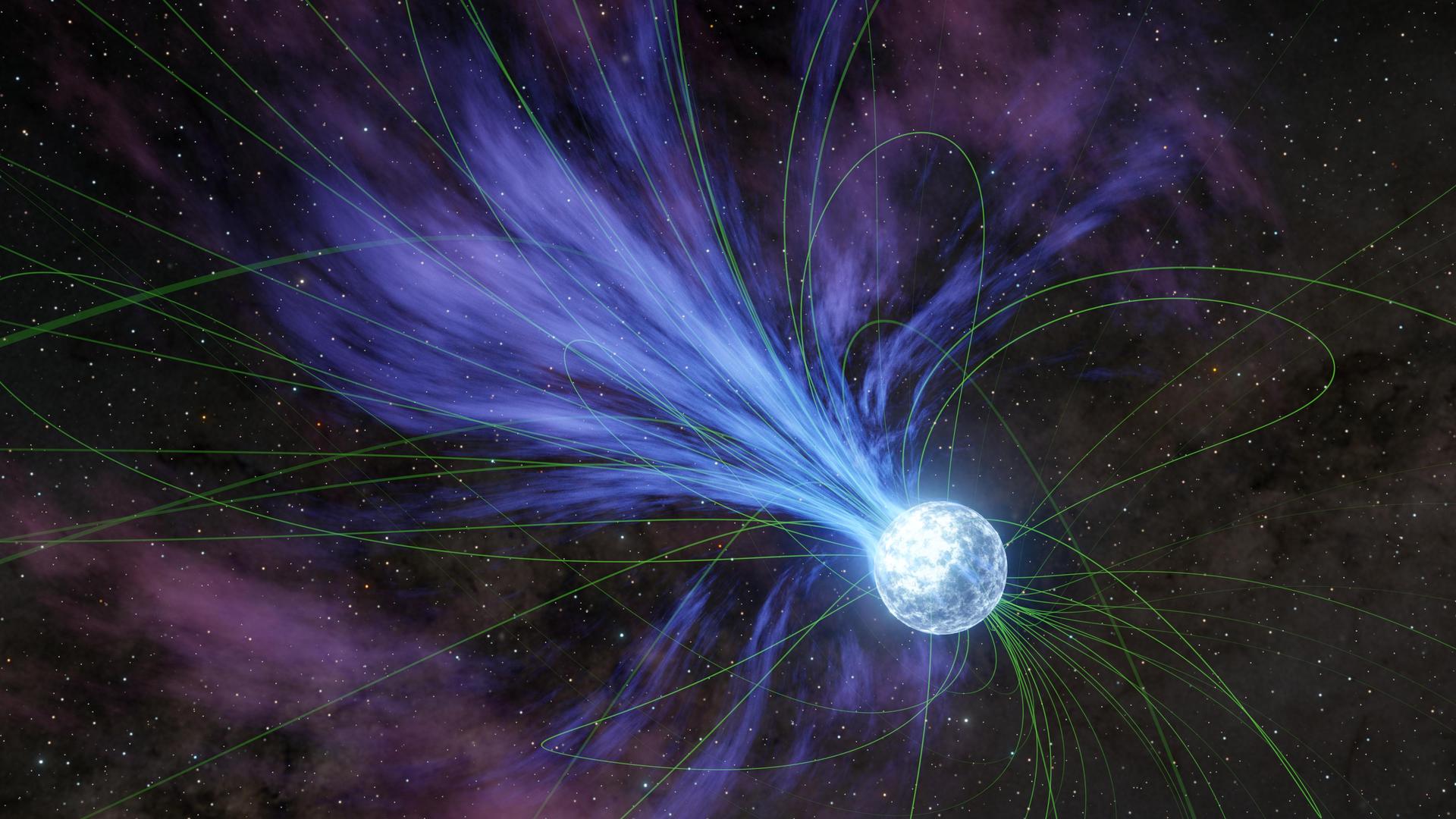
A Dead Star's X-rays May Have Just Confirmed a 90-Year-Old Prediction About Empty Space
NASA's IXPE spacecraft, paired with NICER and Australia's Murriyang radio telescope, caught magnetar 1E 1547.0-5408 emitting X-rays polarized up to ~80% — evidence that its trillion-times-Earth magnetic field bends empty space itself, as QED predicted in 1936.
-
Science & Discovery
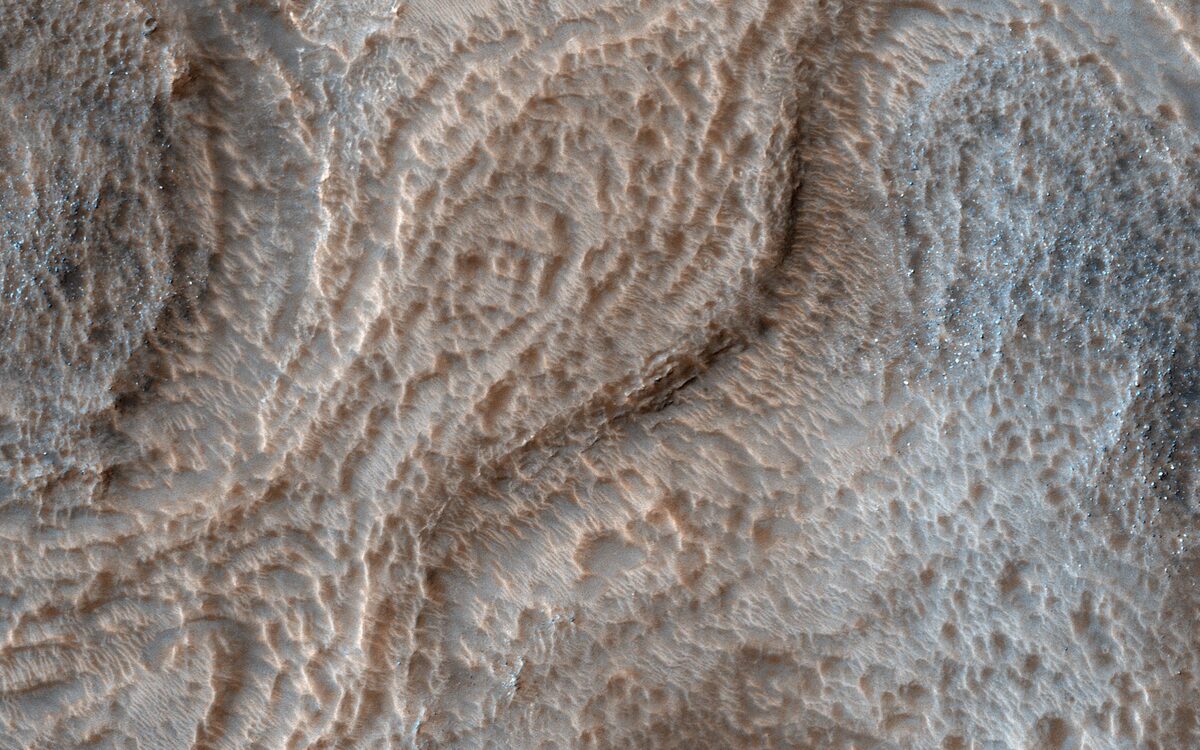
Curiosity Finds Mars' Largest Honeycomb-Patterned Field Yet in Valle Grande
Climbing Mount Sharp, Curiosity photographed a sprawling field of inch-wide honeycomb fractures in Valle Grande — the biggest such formation in its 14-year mission, with its origin still unresolved.
-
Science & Discovery
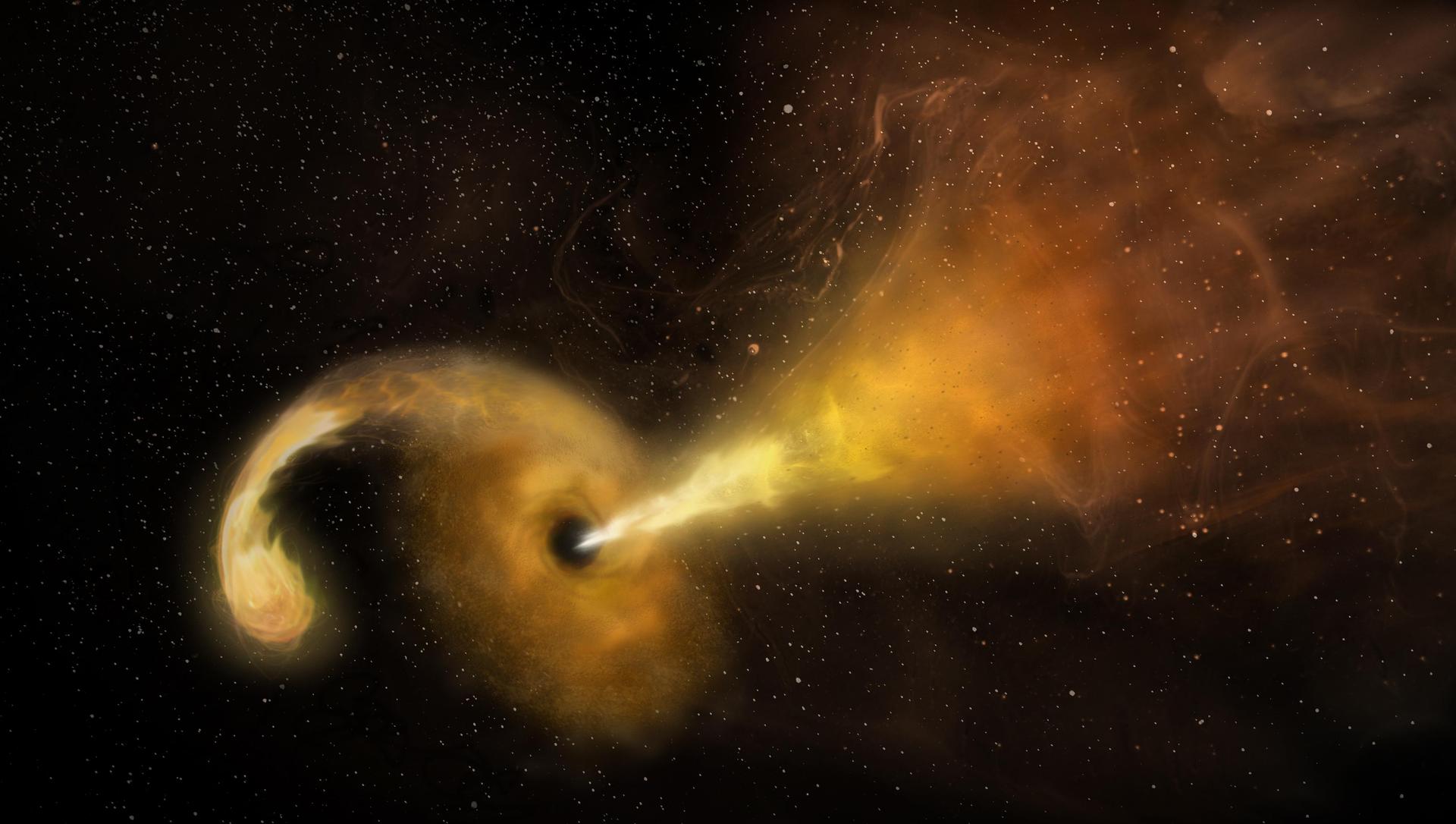
A Black Hole Wandered 30,000 Light-Years From Home — Then It Ate a Star
NASA's Swift Observatory and a UNC-Chapel Hill team caught a roughly million-solar-mass black hole shredding a star far outside its galaxy's core — the farthest such offset ever seen, and evidence that black holes can go wandering after galactic mergers.
-
Science & Discovery
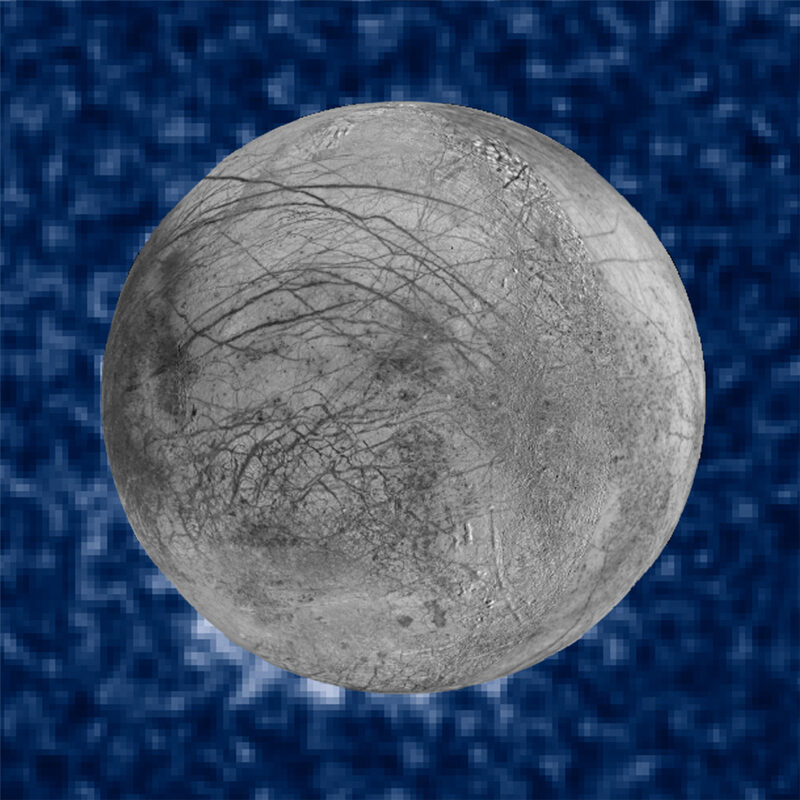
Europa's Ocean May Be Sealed Off: New Model Shows Cracks Freeze Shut Before Water Reaches the Surface
A Nature Astronomy study led by Rutgers' Lujendra Ojha finds that water rising through Europa's ice-shell fractures supercools and clogs with frazil ice, freezing narrow cracks shut within hours - reshaping where Europa Clipper and JUICE should hunt for habitable niches.
-
Science & Discovery
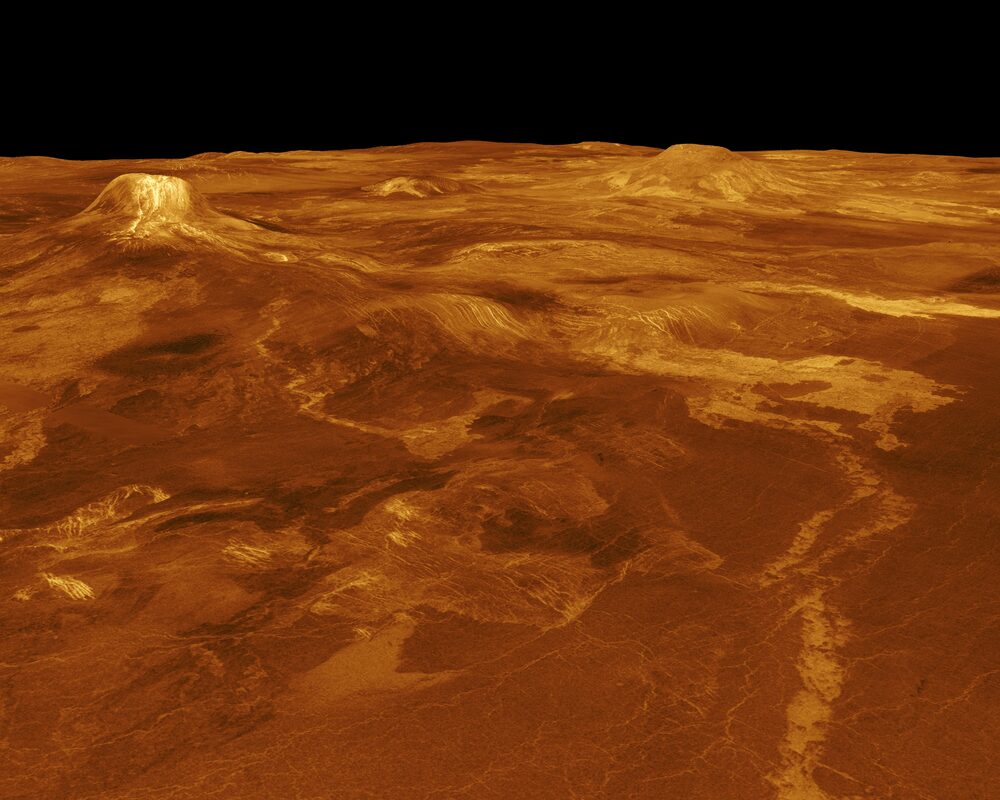
Venus Is Not Dead: New 3D Rift Models Say the Planet Is Still Pulling Itself Apart
ETH Zurich's first high-resolution 3D simulations of Venusian rifting, published in Nature Geoscience, use the broad ridges flanking Venus's 10,000-km rift valleys as a geological clock — and conclude some rifts are still spreading at 3-10 cm per year.
-
Science & Discovery
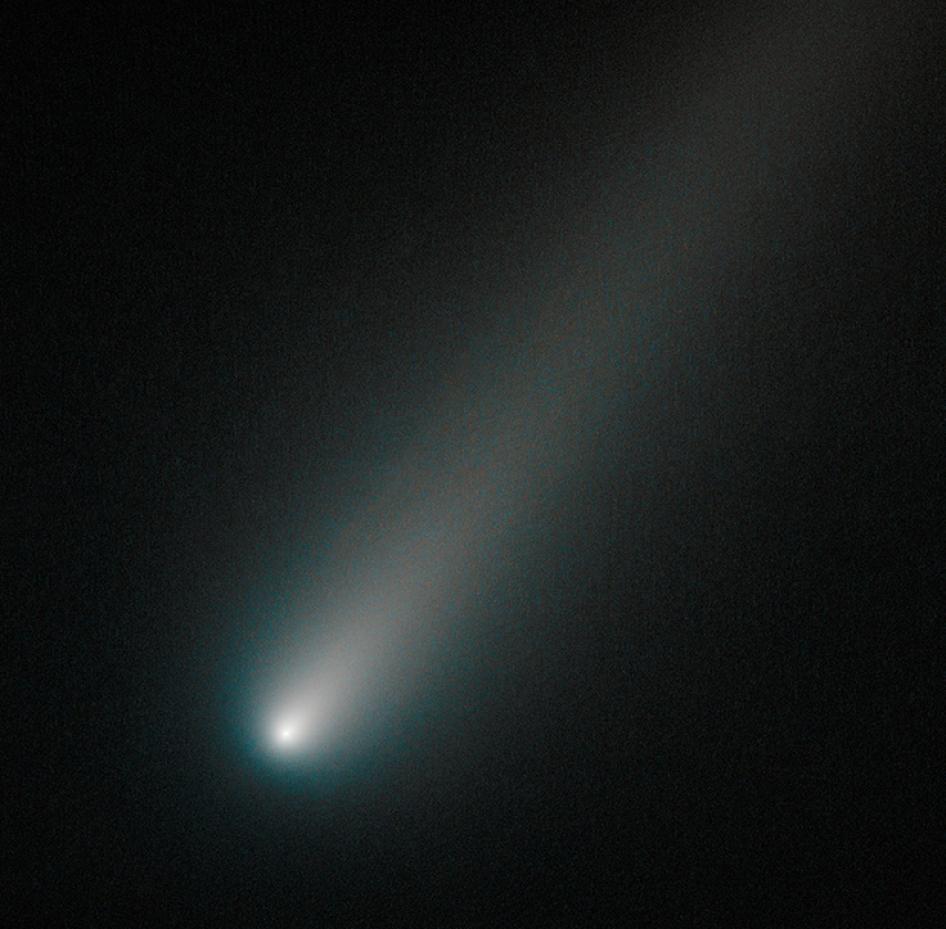
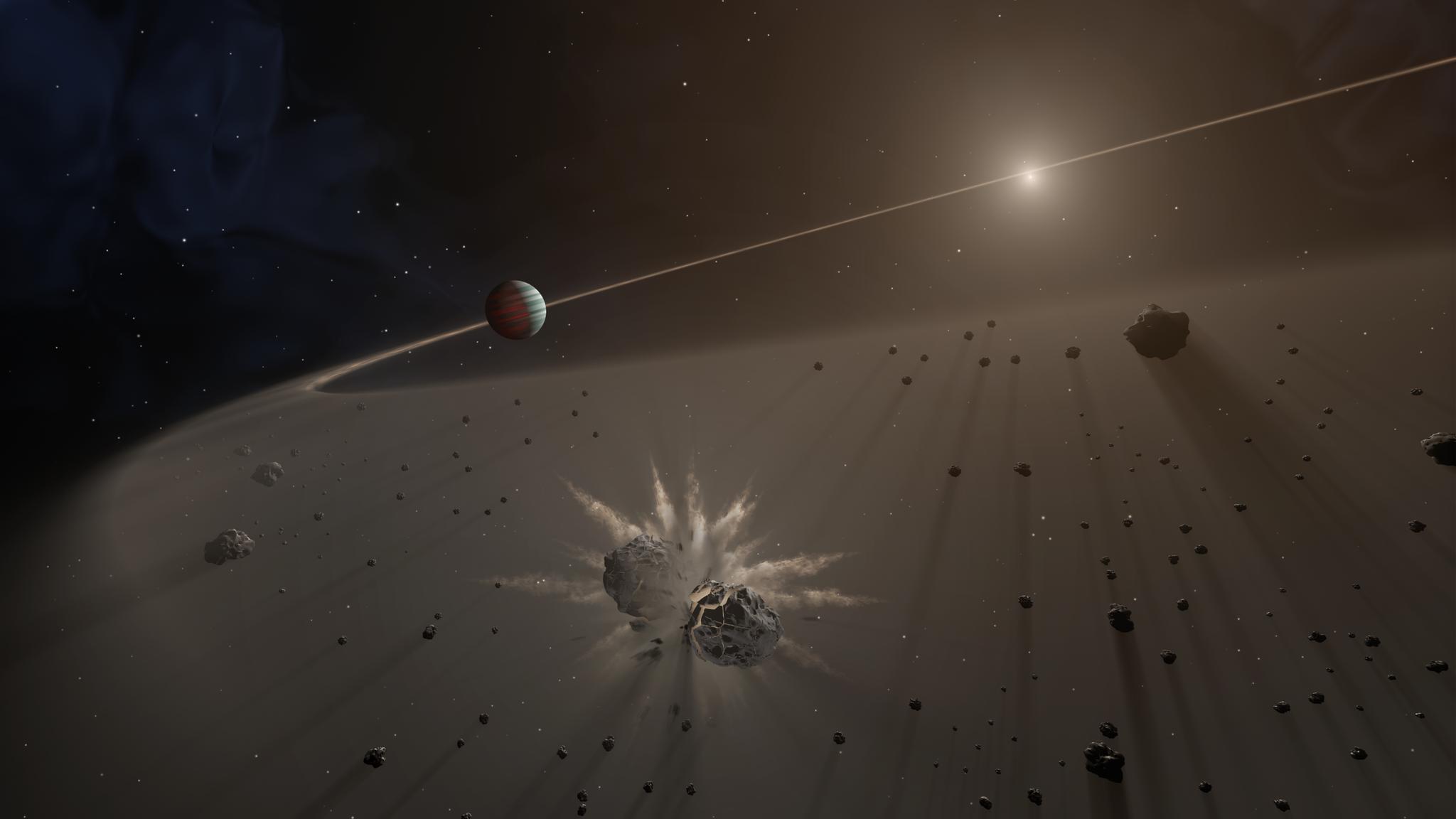
The asteroid that wasn't: 1998 SH2 outed as an active comet
A NASA/JPL-led study in Nature Astronomy has reclassified near-Earth object 1998 SH2 as an active comet — now P/1998 SH2 — after tiny outgassing-driven accelerations and a faint tail gave it away during a 2025 close pass.
-
Science & Discovery
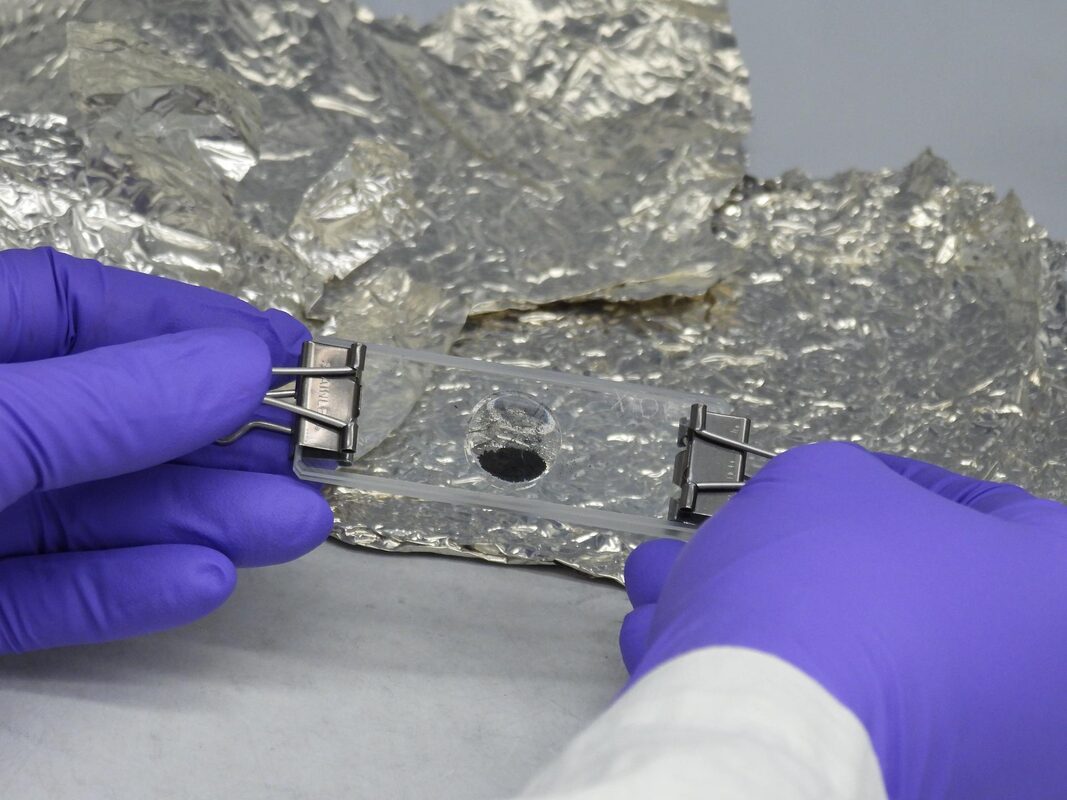
The Meteorite That Crashed Through a New Jersey Roof Was Carrying Alien Amino Acids
Two years to the day after a fireball rattled New York City and a two-pound rock punched through a Hillsborough, NJ roof, scientists report the meteorite preserves sodium-carbonate salts and extraterrestrial amino acids brewed in briny fluids on a 4.5-billion-year-old asteroid.
-
Science & Discovery
The Ceiling Was an Illusion: NASA-Led Study Says Solar Storms Could Hit Earth Harder Than We Thought
A NASA-led analysis of over a million solar wind measurements finds the long-assumed "saturation" limit on geomagnetic storm intensity is a statistical artifact, not a real ceiling — meaning the worst space weather could still be ahead of us.
-
Science & Discovery
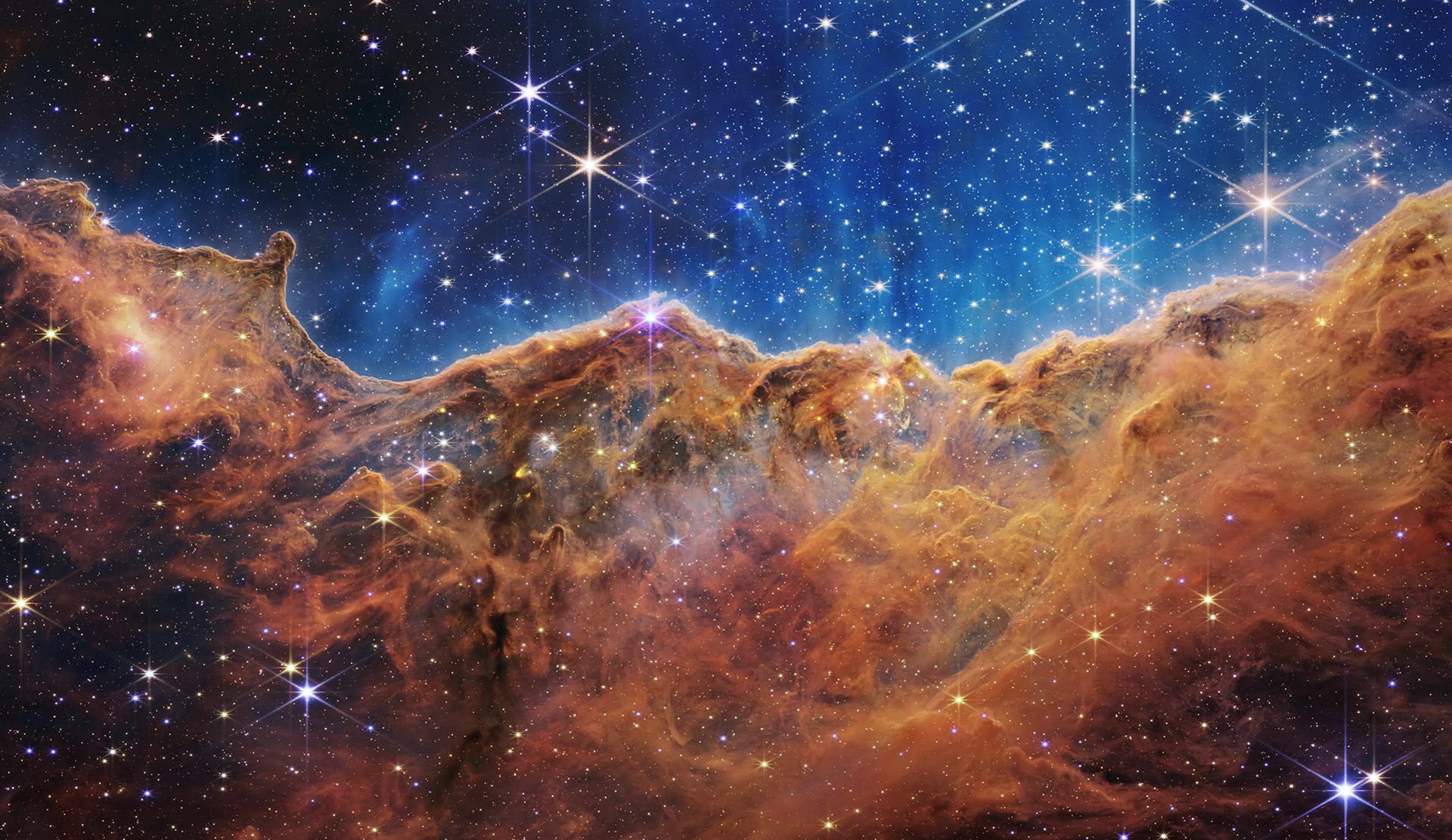
James Webb's Biggest Discoveries So Far
From the most distant confirmed galaxy to overmassive black holes, a disputed biosignature, and proof the Hubble tension is real, here are JWST's most significant verified findings, sourced to NASA, ESA, and peer review.
-
Science & Discovery
Beta Pictoris Gains a Third Confirmed World, Joining an Elite Club of Directly Imaged Systems
NASA's Exoplanet Archive confirmed Beta Pictoris d in its July 9 update, making Beta Pictoris only the second directly imaged system known to host more than two planets.
-
Science & Discovery
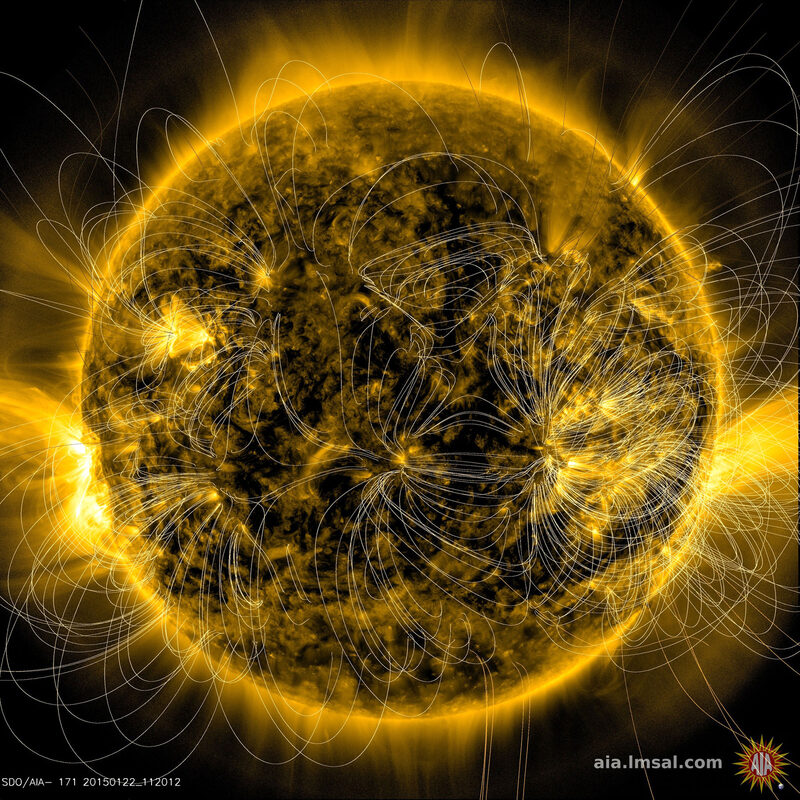
Inside the Sun's 'Impossible' Thin Layer: NASA's COFFIES Center Cracks the Tachocline Mystery
A NASA-funded supercomputer study finds the Sun's razor-thin tachocline stays thin because it and the solar magnetic field are locked in a mutual feedback loop, resolving a decades-old puzzle tied to space weather forecasting.