NASA
Every Cosmic Herald story on NASA — missions, launches, discoveries, and the business of space, newest first.
-
Stargazing
Venus Slips Between Earth and the Sun on Oct. 24, Trading the Evening Sky for the Dawn
Venus reaches inferior conjunction at 04:00 UTC on Oct. 24 (11 p.m. CDT Oct. 23), passing 6.6 degrees south of the Sun. It leaves the evening sky and should reappear low in the east before dawn in early to mid-November.
-
Stargazing
The 'Halloween Fireballs' Are Coming: How to Watch the 2026 Taurids, and Why This Isn't a Swarm Year
The Taurids are slow to build and produce only about 5 meteors an hour per stream, but they're known for bright fireballs, and there's little moonlight to get in the way this autumn. The catch: no enhanced swarm is predicted until 2032.
-
Stargazing
Mercury Reaches Greatest Eastern Elongation on October 12, and the Southern Hemisphere Gets the Best View of the Year
Mercury swings 25 degrees from the Sun on October 12, giving Southern Hemisphere skywatchers their best evening look at the planet in 2026. Most northern observers will find it hugging the horizon.
-
Stargazing
Orionid Meteor Shower 2026: Halley's Debris Peaks Oct. 21-22, but the Moon Gets a Vote
The Orionids, debris from Halley's Comet, peak the night of Oct. 21-22, but a bright waxing gibbous Moon will drown out the faint ones. Your best shot is the dark window after moonset and before dawn, when 10 to 20 meteors per hour are possible.
-
Stargazing
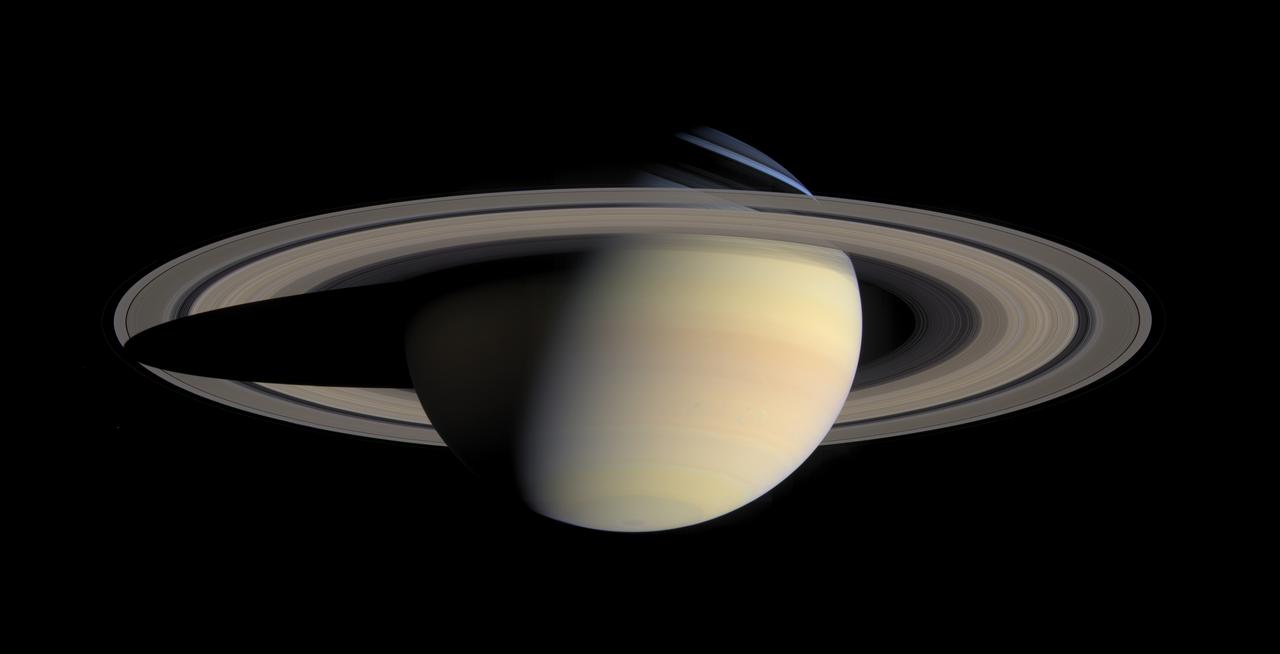
Saturn Reaches Opposition: The Ringed Planet Is at Its Best of 2026
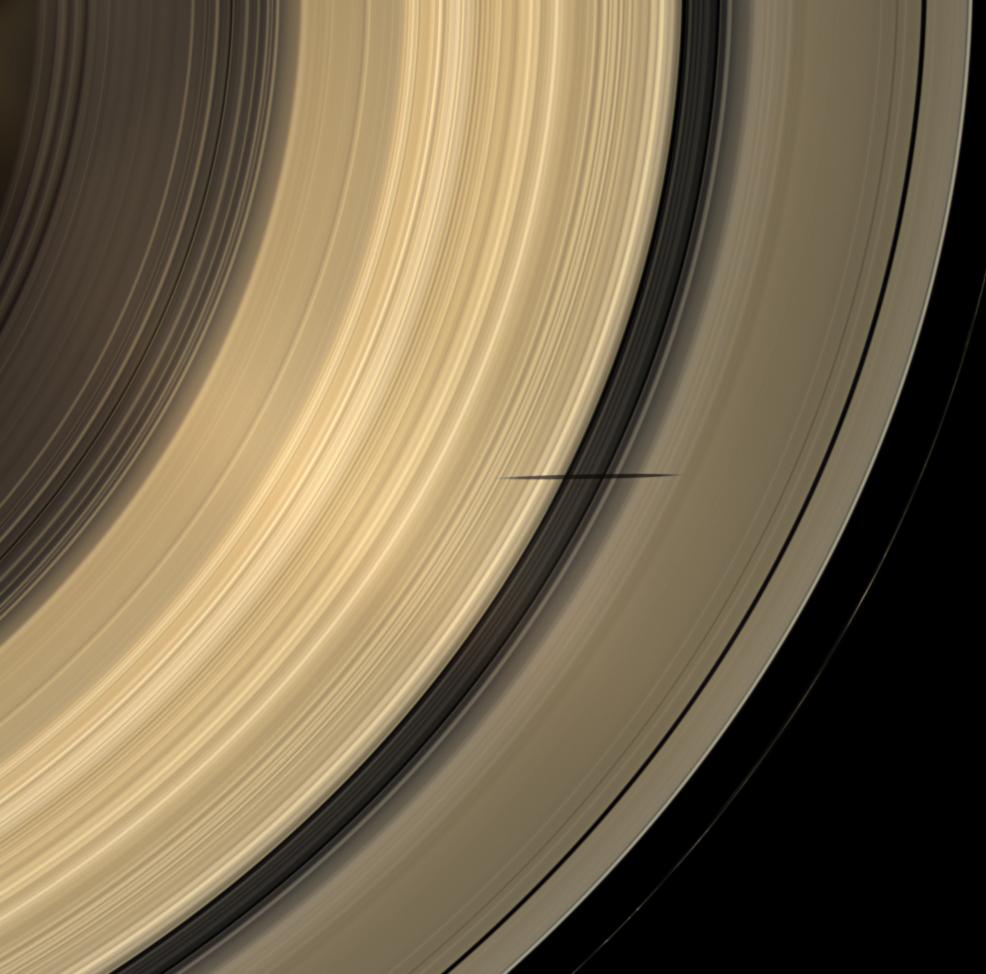
Saturn reached opposition on Oct. 4 at magnitude 0.3 and about 784 million miles away. It is the year's best window on the ringed planet, and the same week brings a predawn lunar occultation of Jupiter for eastern North America.
-
Stargazing
Jupiter's Moons Start Eclipsing Each Other: How to Watch the 2026-27 Mutual Event Season Before Dawn
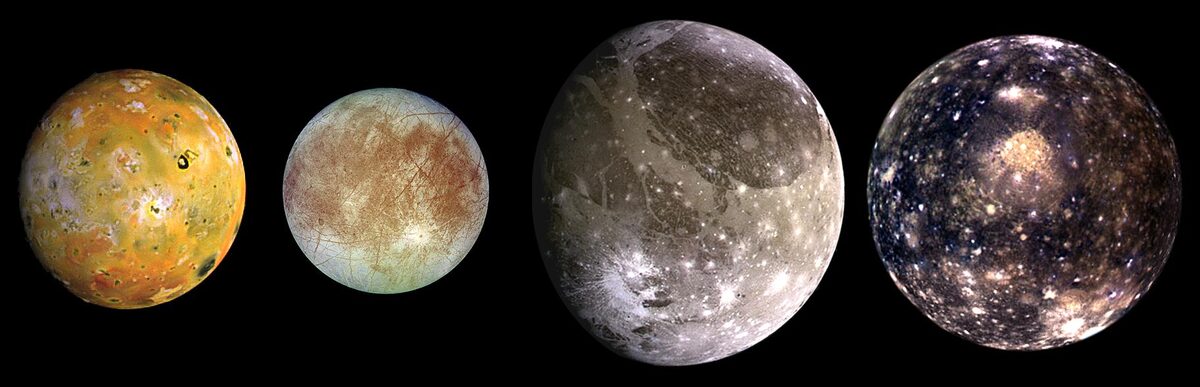
Every five years or so, Jupiter's Galilean moons line up edge-on from Earth and start passing in front of, or into the shadows of, one another. That season is underway now, and Jupiter is back in the pre-dawn sky.
-
Stargazing
Saturn at Opposition, Then the Moon Swallows Jupiter: A Double Header for Early October
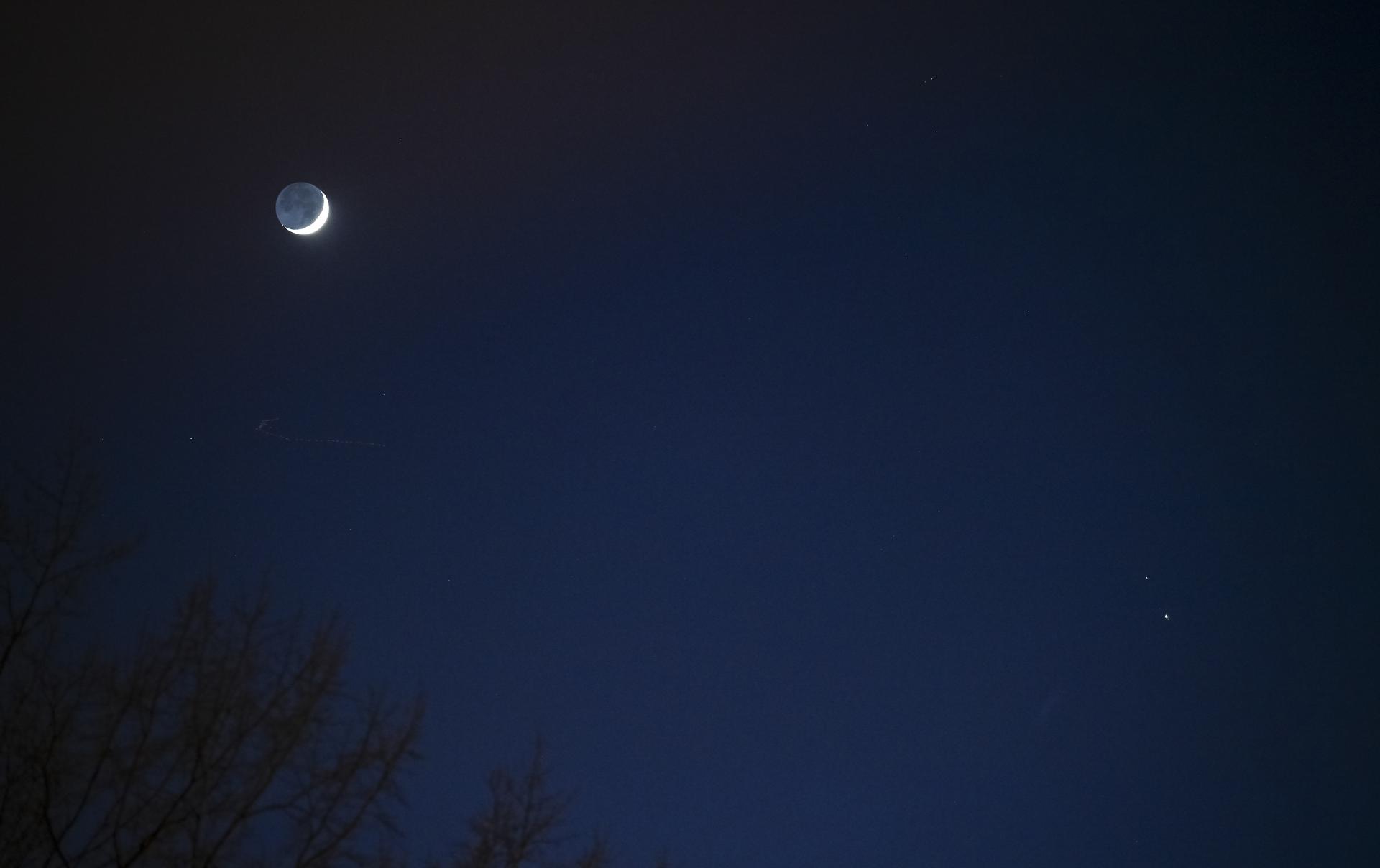
Saturn reaches opposition on Oct. 4 at magnitude 0.3, and two mornings later a waning crescent Moon passes in front of Jupiter across eastern North America, the best-placed Jupiter occultation of 2026.
-
Stargazing
October's Spooky Sky: Catch the Demon Star Algol Blink and Hunt the Witch Head Nebula
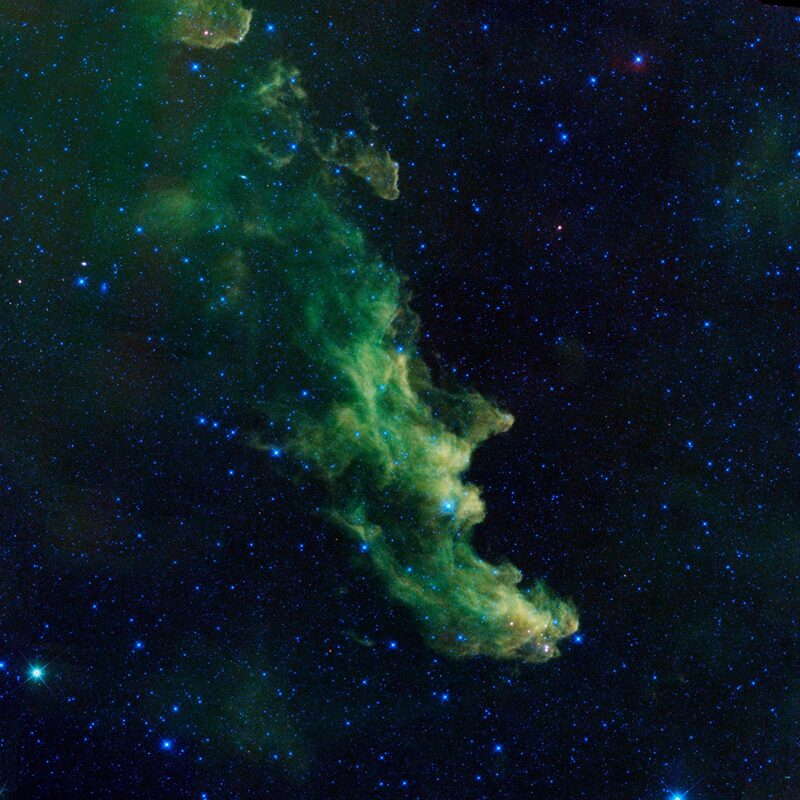
Algol, Perseus's eclipsing Demon Star, dims by more than a magnitude every few days, and the faint Witch Head Nebula near Rigel rewards patient observers with big scopes and dark skies. Here is how to see both this October.
-
Stargazing
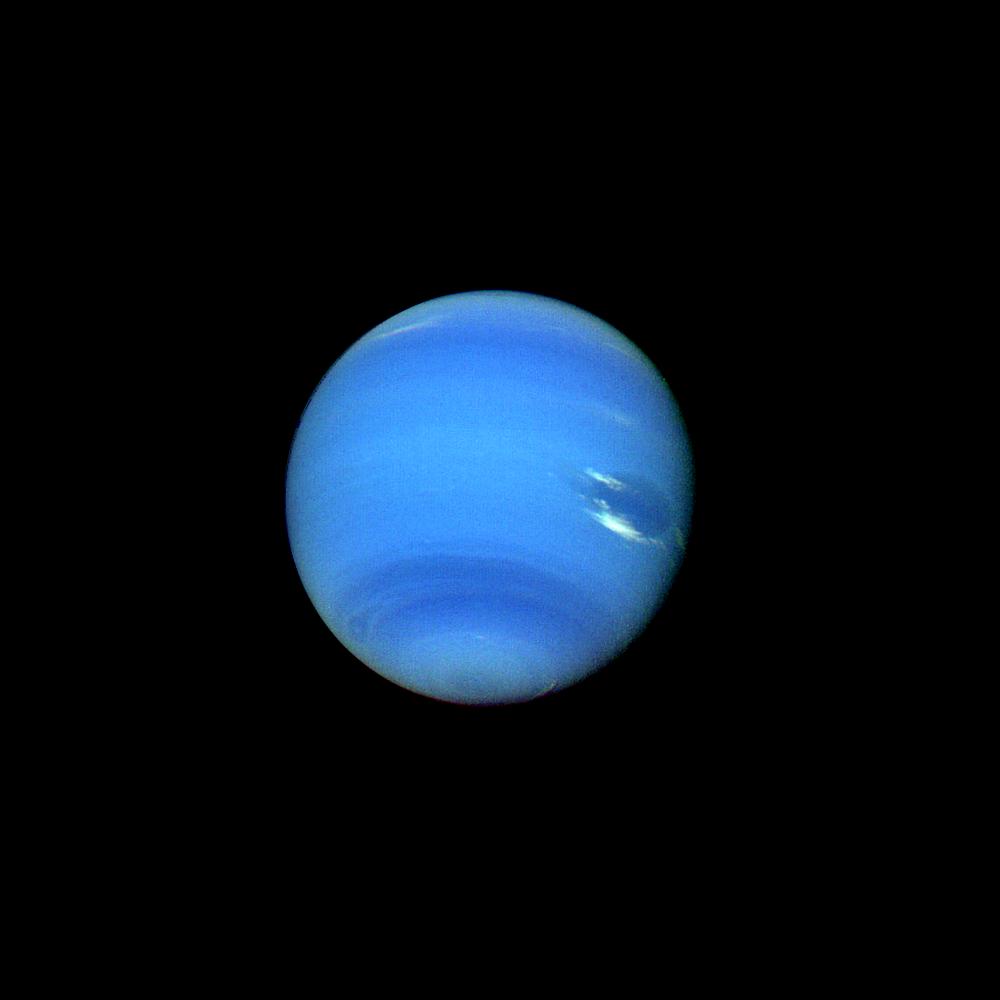
Neptune Reaches Opposition 180 Years After the Discovery That Found It With Math
Neptune reaches opposition on Sept. 26, 2026, almost exactly 180 years after astronomers pointed a telescope at the exact spot mathematics had predicted and found it waiting.
-
Stargazing
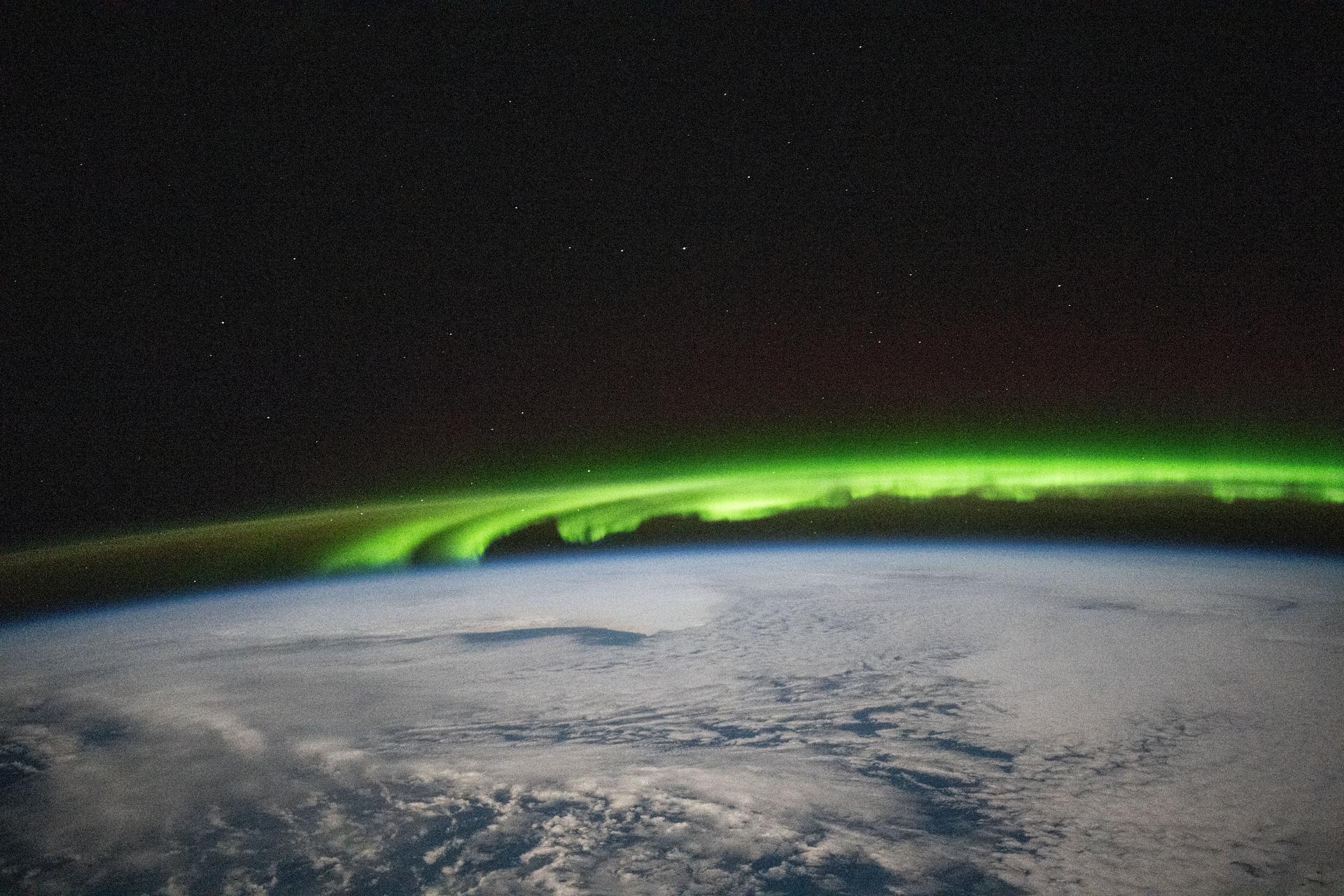
Equinox Sets Up Aurora Window as Forecasters Flag a G1 Storm for Sept. 24
The September equinox and an incoming coronal-hole solar wind stream are stacking the odds toward a minor G1 geomagnetic storm and aurora sightings on Sept. 23–24, 2026.
-
Stargazing
Two Outer Planets, Two Oppositions: Neptune Peaks Sept. 25-26, Saturn Follows Oct. 4
Neptune reaches opposition on Sept. 26 at magnitude +7.8 and needs optics, while naked-eye Saturn peaks on Oct. 4, with the Harvest Moon forming a wide triangle with both planets.
-
Stargazing
International Observe the Moon Night Returns September 19, with Artemis II on the Agenda
NASA's global Moon-watching night lands Sept. 19, 2026 under a waxing gibbous Moon perfect for crater-spotting, anchored by a Huntsville flagship event tied to the Artemis II crew and echoed by local telescope nights from the US to Spain.