NOAA
Every Cosmic Herald story on NOAA — missions, launches, discoveries, and the business of space, newest first.
-
Stargazing
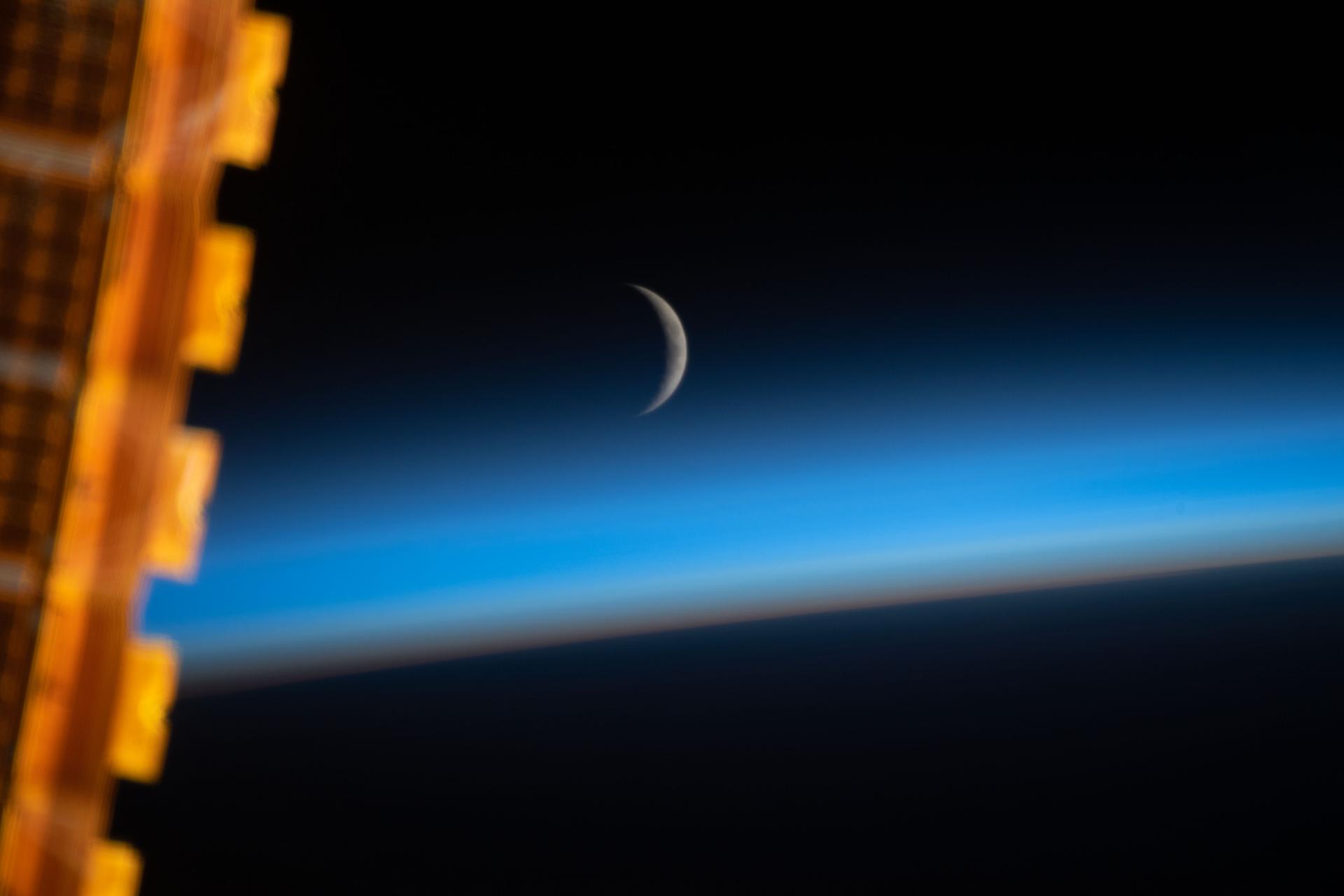
This Week's Dawn Sky: The Crescent Moon Walks From Mars to Jupiter as a CME Nudges the Aurora
Four mornings, Sept. 6-9: a thinning crescent Moon slides past Mars in Gemini, then Jupiter in Cancer, while a C9-flare CME due Sept. 8 puts a "maybe" on high-latitude aurora ahead of the Sept. 11 new Moon.
-
Stargazing
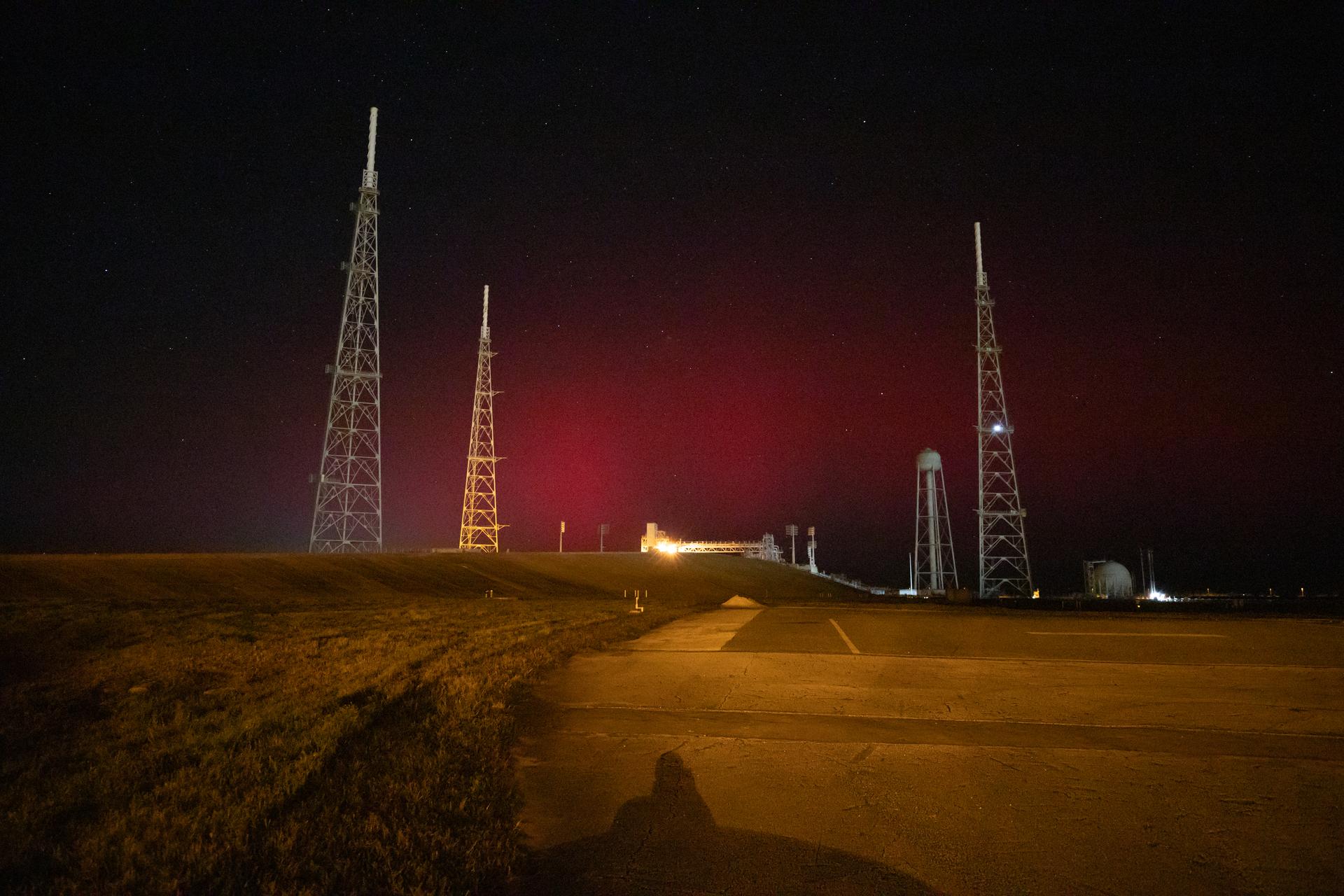
A Minor Radiation Storm and an Inbound CME Set Up a Weekend Aurora Watch
NOAA logged repeated S1-minor proton storm alerts on September 5 as a coronal mass ejection from sunspot AR4524 heads for Earth, with arrival expected September 8 and a shot at G1-level auroras.
-
Stargazing
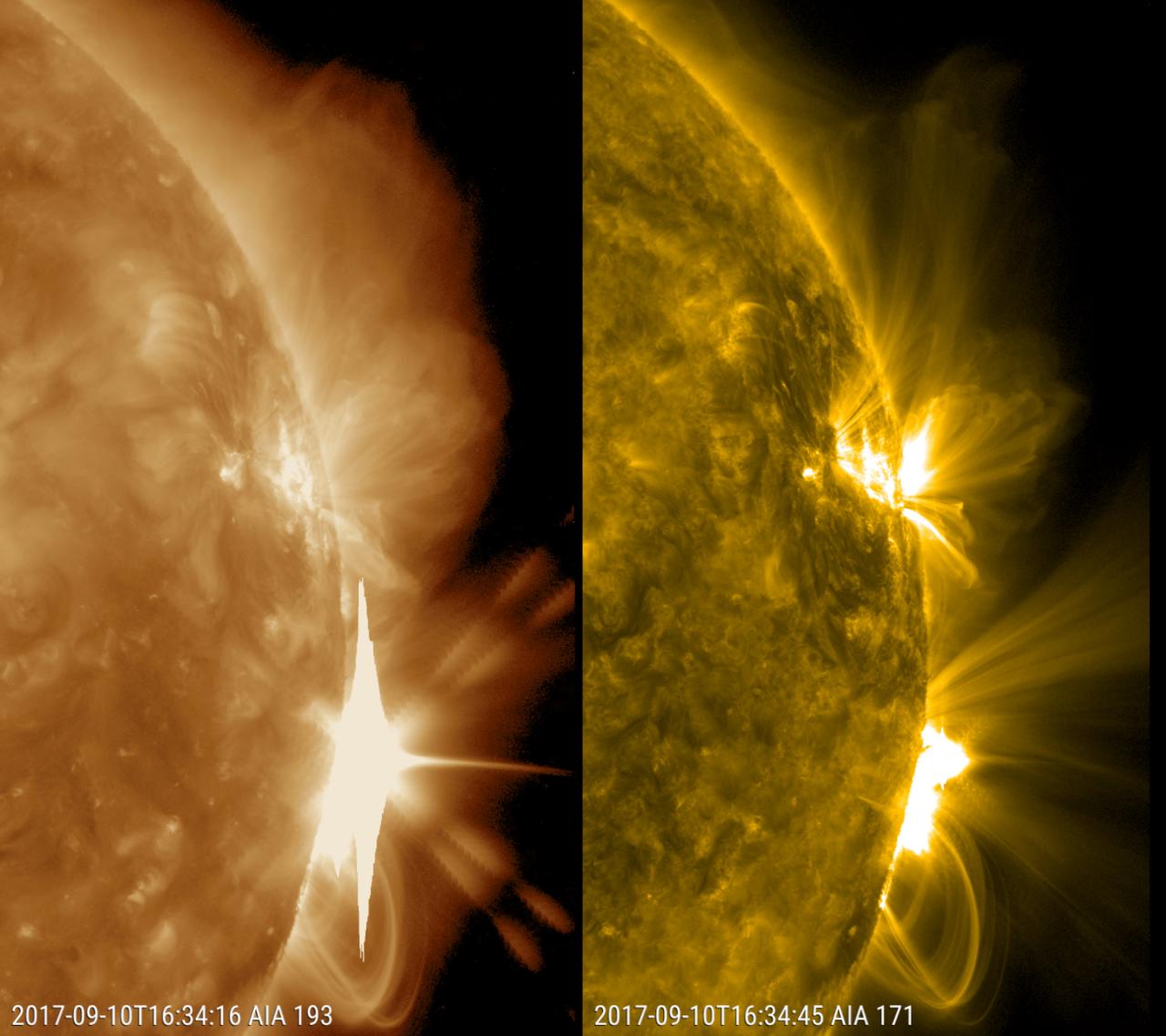
Sunspot AR4513 Fires an M7 Flare as NOAA Posts a G2 Storm Watch Days Before the Lunar Eclipse
A sprawling, magnetically tangled sunspot let loose an M7 flare and a run of CMEs, prompting a G2 storm watch whose aurora timing may or may not line up with this week's partial lunar eclipse.
-
Stargazing
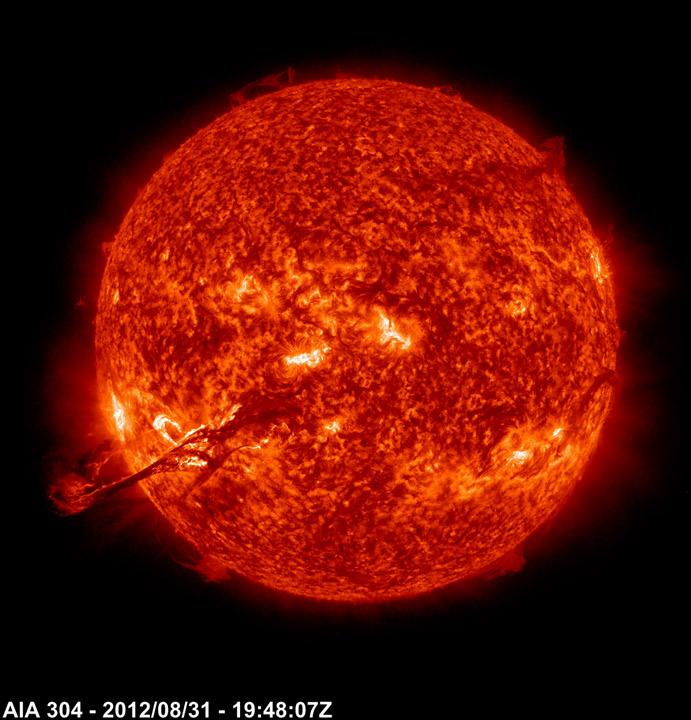
A Solar 'Rope' Is Headed Our Way: Glancing CME Could Spark Aurora Aug. 17
A filament eruption on the Sun has launched a coronal mass ejection toward Earth, and NOAA forecasters expect a glancing blow late Aug. 17 that could push aurora into the northern-tier U.S. and similar latitudes down south.
-
Stargazing
A G2 Storm Just Hit — and NOAA Says Another CME Arrives on Eclipse Day
After a Kp 6 storm lit up Scotland-latitude skies on August 8, NOAA's new forecast calls G1 storming likely on August 12 — the same day as the Greenland-Iceland-Spain total eclipse and the Perseids' ramp-up — raising the improbable prospect of auroras during totality.
-
Stargazing
A Fresh Flare and Two Inbound CMEs Set Up a G1 Aurora Watch for August 1-2
Two glancing-blow CMEs and a new M1.9 flare have NOAA forecasting a 25-30% chance of minor G1 geomagnetic storming August 1-2, with best US viewing odds in the northern tier — though a near-full Moon will blunt the show.
-
Stargazing
The Sun Stirs Again: Sunspot AR4494 Fires an M3 Flare as Three Regions Crackle Into Late July
Sunspot AR4494 threw an M3.2 flare on July 26 while regions 4495 and 4496 added C-class pops. Earth's magnetic field stayed quiet, but forecasters put the odds at 45% for another M-flare and 10% for an X-flare over the next 24-48 hours.
-
Stargazing
Sunspot AR4485 Fires an M1.2 Flare as CMEs Set Up a G1-G2 Storm Watch Through Midweek
Departing sunspot AR4485 unleashed an M1.2 flare and a radio blackout before rotating off the disk, while a trailing coronal mass ejection could nudge Earth's geomagnetic field to G1 storm levels late this week.
-
Stargazing
Sunspot AR4482 Unleashes M-Class Flares, Raising Aurora Odds Into the Weekend
Sunspot AR4482 fired off an M4.0 flare and a major filament eruption on July 7, and with a coronal-hole wind stream and CME now converging on Earth, forecasters give mid-to-high latitudes a real shot at aurora through the weekend.
-
Stargazing
A Beta-Gamma-Delta Sunspot Keeps Firing: Radio Blackout Risk Runs Through the Weekend
Active region AR4482, a magnetically tangled beta-gamma-delta sunspot, has been lobbing M-class flares at Earth since July 8, and NOAA gives it decent odds of another one through July 11 — with a side of aurora from an incoming solar wind stream.
-
Stargazing
X1.3 Flare and Surprise G3 Storm Send Aurora Across 30 US States for July 4th Weekend
A CME-driven G3 storm outperformed its own forecast to paint aurora across 30-plus US states on July 4, then a fresh X1.3 flare from newly numbered AR4482 kept the sun's holiday fireworks going.
-
Stargazing
Sun Unleashes Surprise G3 Storm on July 4th, Pushing Auroras Into Utah and Nevada
A CME from a June 30 X1.1 flare overperformed its forecast, hitting G3 (Strong) and dragging the aurora as far south as Utah, Colorado and Nevada on Independence Day.