NASA & Agencies
Space agency and policy news from Cosmic Herald — NASA, ESA, ISRO, China's CNSA, budgets, and the politics of spaceflight.
-
NASA & Agencies
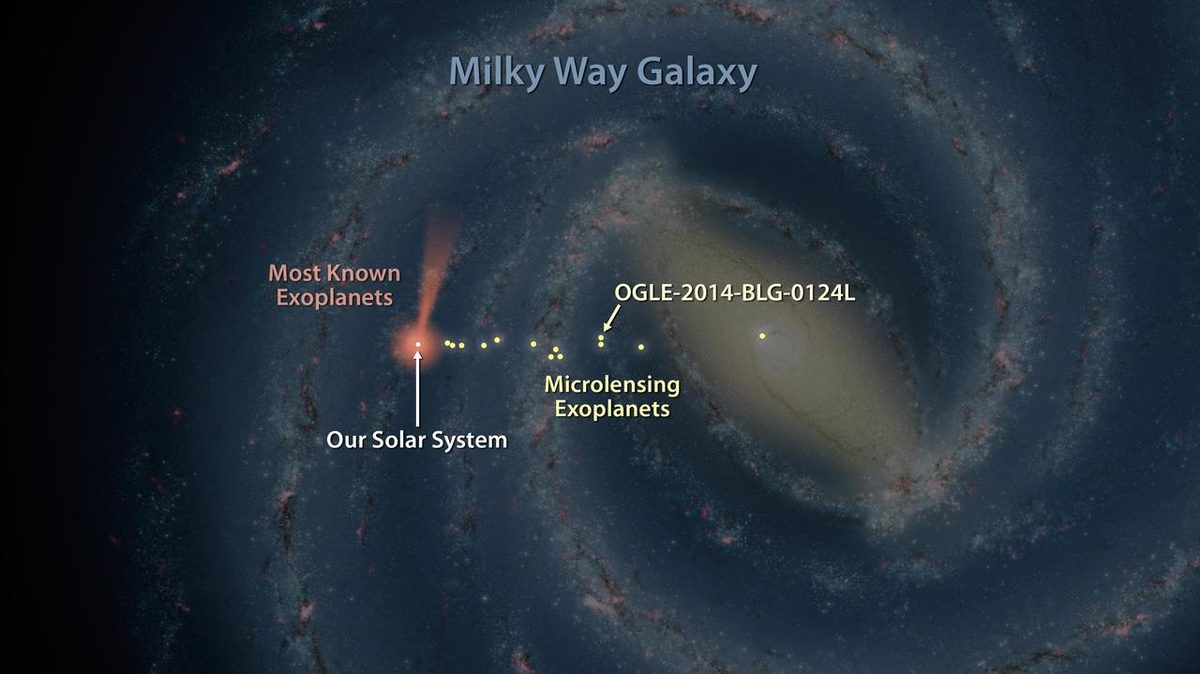
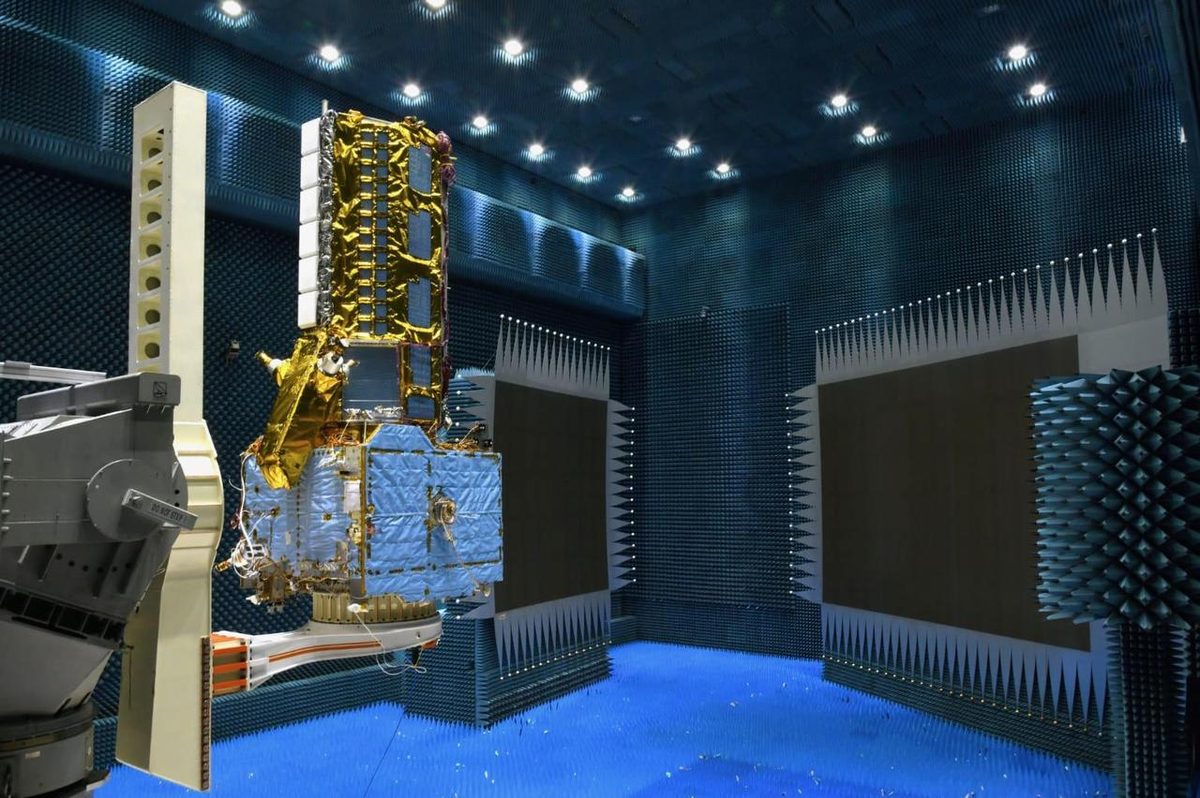
ESA is building a telescope just for exoplanet atmospheres. Ariel will change what we know.
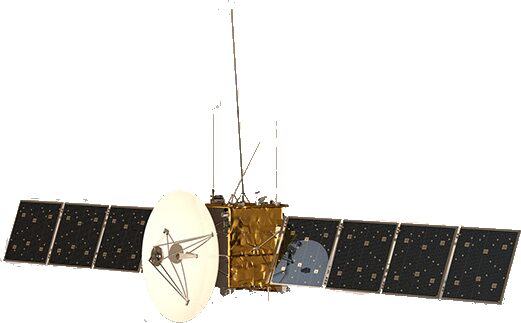
The European Space Agency's Ariel mission — the Atmospheric Remote-sensing Infrared Exoplanet Large-survey — is designed to systematically characterize the atmospheres of hundreds of exoplanets in a single mission. It's the first telescope built specifically to answer the question: what are other planets made of?
-
NASA & Agencies
India is about to send humans to space for the first time. Here's where Gaganyaan stands.
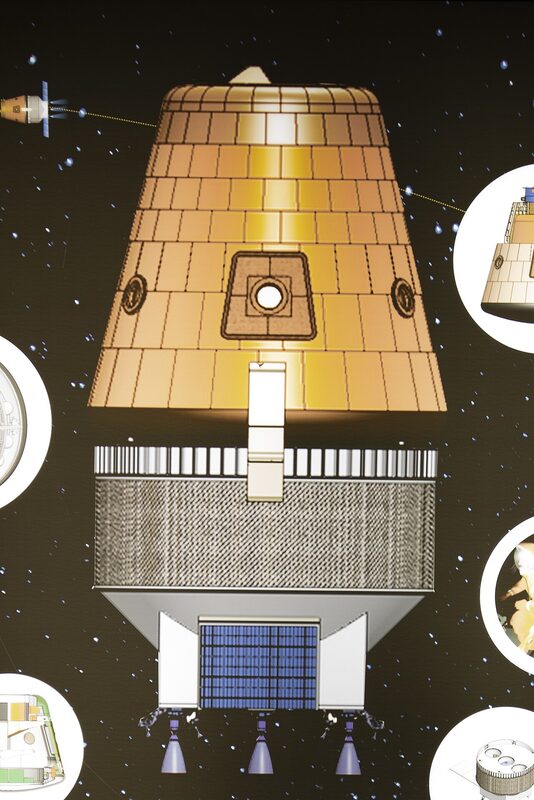
India's Gaganyaan program — the country's first crewed spaceflight mission — has completed its uncrewed test flights and is closing in on a crew launch. A successful mission would make India only the fourth nation to independently send humans to orbit.
-
NASA & Agencies
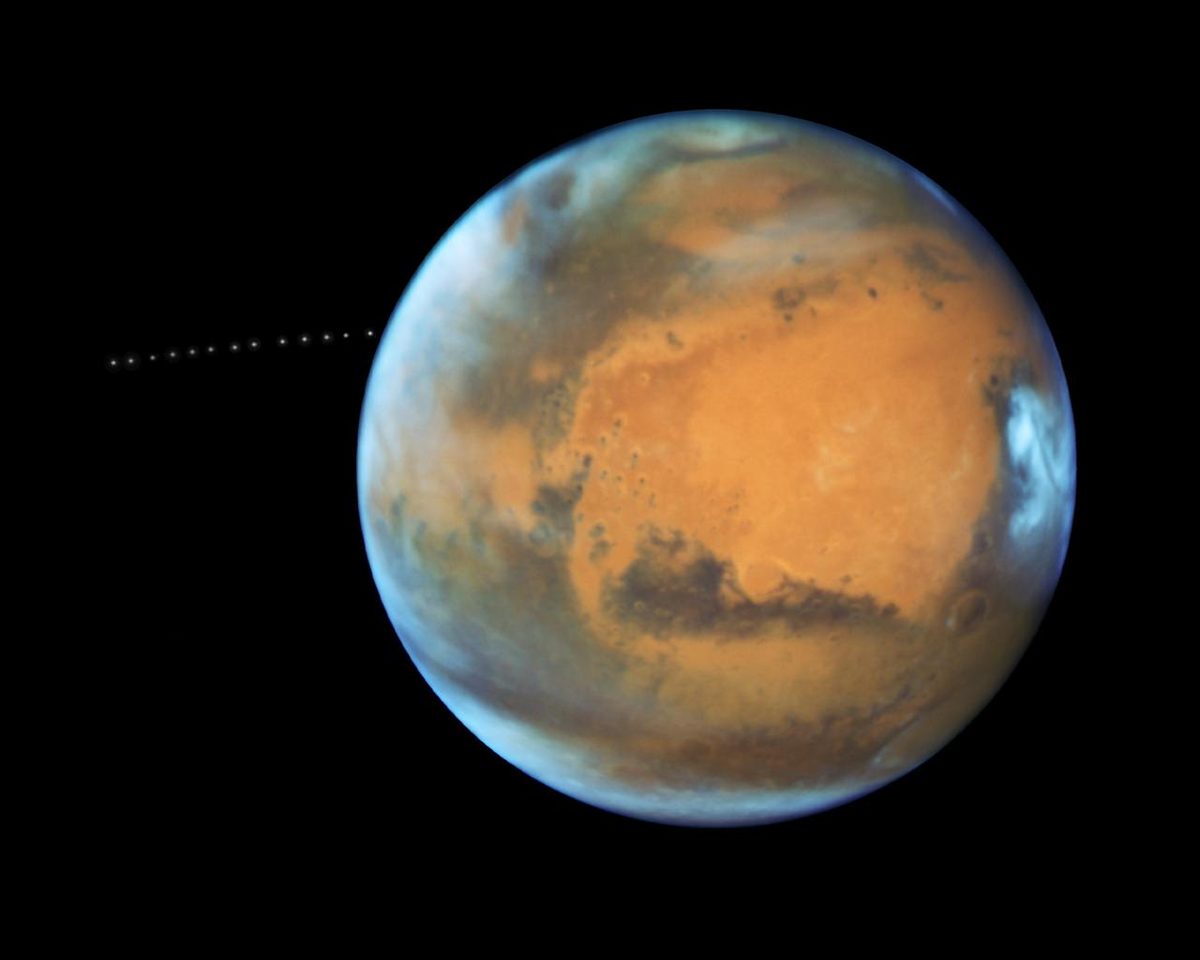
JAXA is going to the moons of Mars. MMX wants to answer a 150-year-old question.
Japan's Martian Moons eXploration mission is designed to land on Phobos, collect a sample, and bring it back to Earth. The mission is also a test case for a new kind of planetary science — studying small, dark bodies that may preserve material from the early solar system.
-
NASA & Agencies
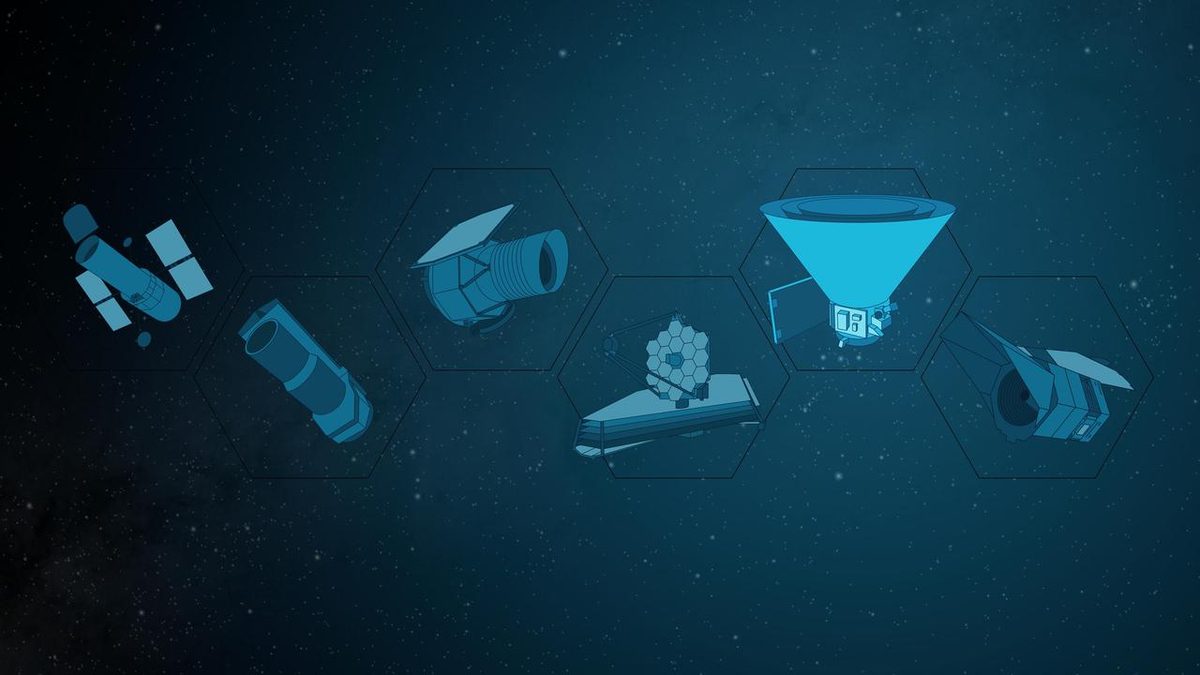
Webb's second year of science: the results that changed things
The James Webb Space Telescope is now well into its second year of full science operations. The first year produced headlines; the second year is producing data that the community is actually working through — and some of it is genuinely difficult to absorb.
-
NASA & Agencies
NASA is being asked to do less with less. What actually gets cut first?
NASA faces its most constrained budget environment in a generation. When the money tightens, choices have to be made — and understanding which missions survive and which get cancelled reveals a great deal about the agency's priorities, its politics, and the tradeoffs built into human versus robotic exploration.
-
NASA & Agencies
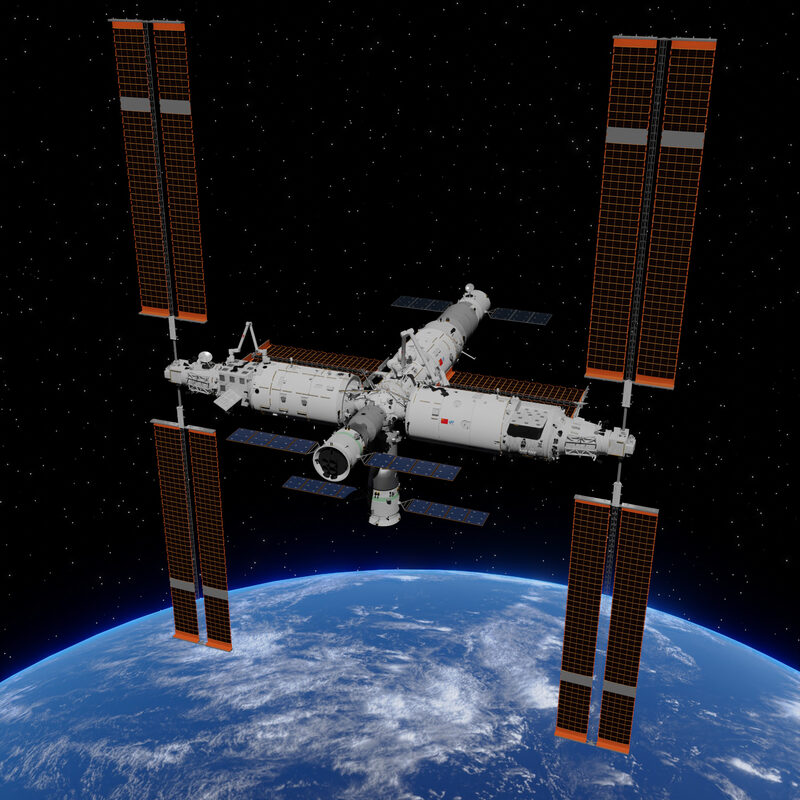
China's Tiangong station is complete and permanently crewed. Here's what it's doing.
Tiangong, China's modular space station in low Earth orbit, reached its full three-module configuration in 2022 and has maintained a continuous crew since. It conducts experiments in biology, materials science, space medicine, and Earth observation, while serving as the operational backbone of China's long-term human spaceflight program.
-
NASA & Agencies
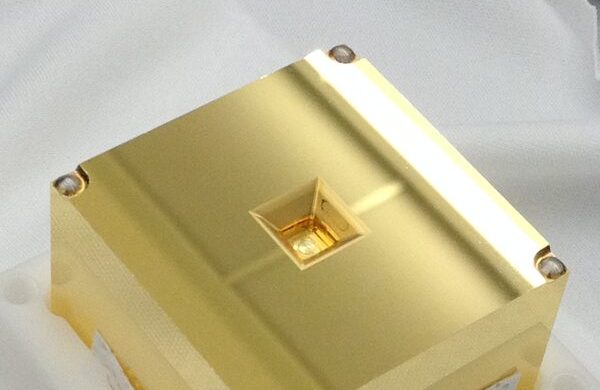
ESA's next decade in space: gravitational wave detectors, exoplanet atmospheres, and Venus.
The European Space Agency's science program for the 2030s includes LISA (a space-based gravitational wave observatory), Ariel (systematic exoplanet atmosphere survey), and EnVision (a Venus orbiter). Together they address three of the biggest open questions in astrophysics.
-
NASA & Agencies
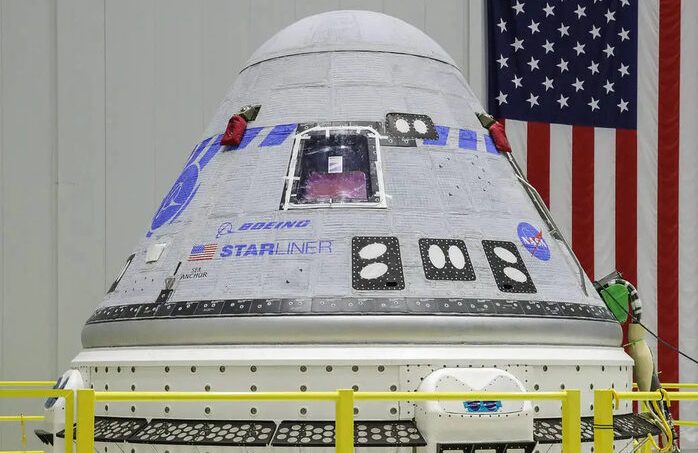
Boeing's crew capsule is still on the ground. What Starliner's failure means for human spaceflight.
Boeing's Starliner flew its first crewed mission in June 2024 — and left two astronauts stranded on the ISS for nine months after thruster failures and helium leaks forced NASA to return the capsule uncrewed. As of mid-2026, Starliner's future remains unresolved.
-
NASA & Agencies
ESA's JUICE is threading five planetary flybys to reach the most interesting moons in the solar system
Launched in April 2023, JUICE — Jupiter Icy Moons Explorer — will arrive at Jupiter in 2031 after a gravity-assist marathon. Its destination is Ganymede, where it will become the first spacecraft ever to orbit a moon other than our own.
-
NASA & Agencies
Six toaster-sized satellites are about to become one giant radio telescope
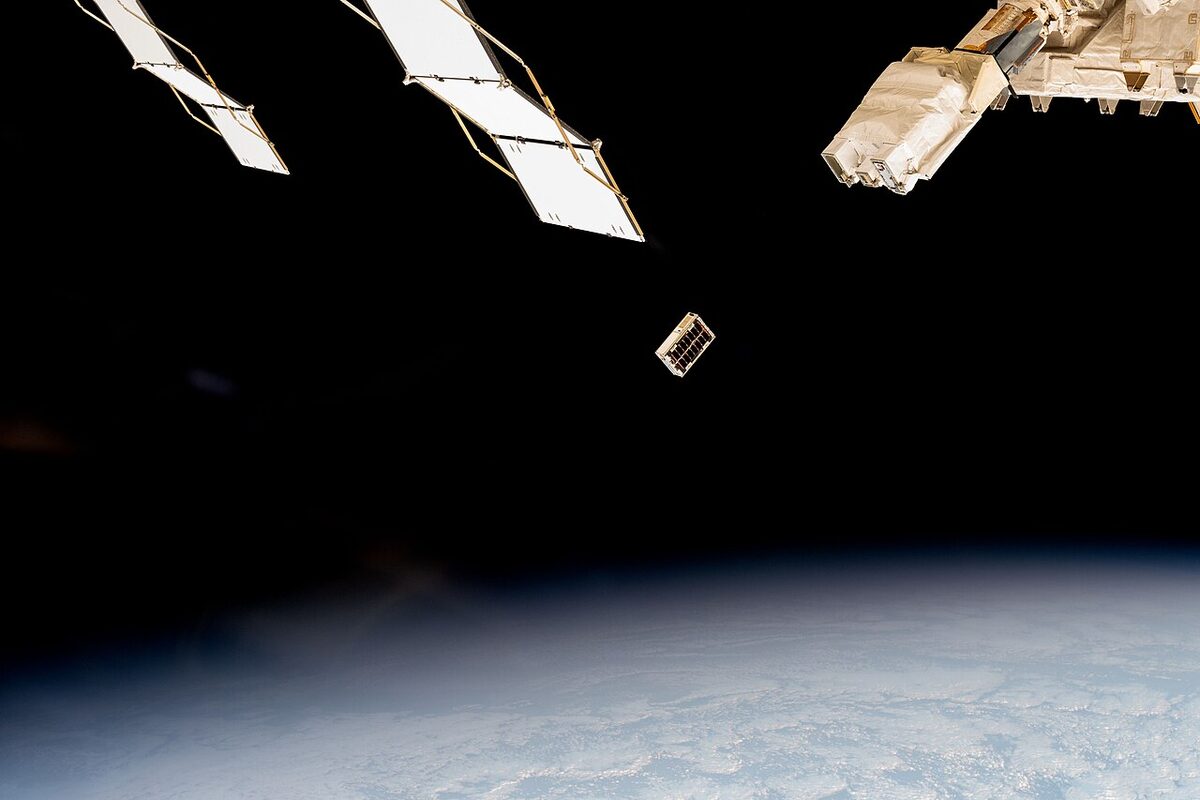
NASA's SunRISE mission, targeting a summer 2026 launch, will fly six small satellites in formation so they act as a single radio telescope ten kilometers wide — built to trace the solar storms that threaten astronauts and power grids.
-
NASA & Agencies
The orbital junkyard is getting dangerous — and the first cleanup missions are flying
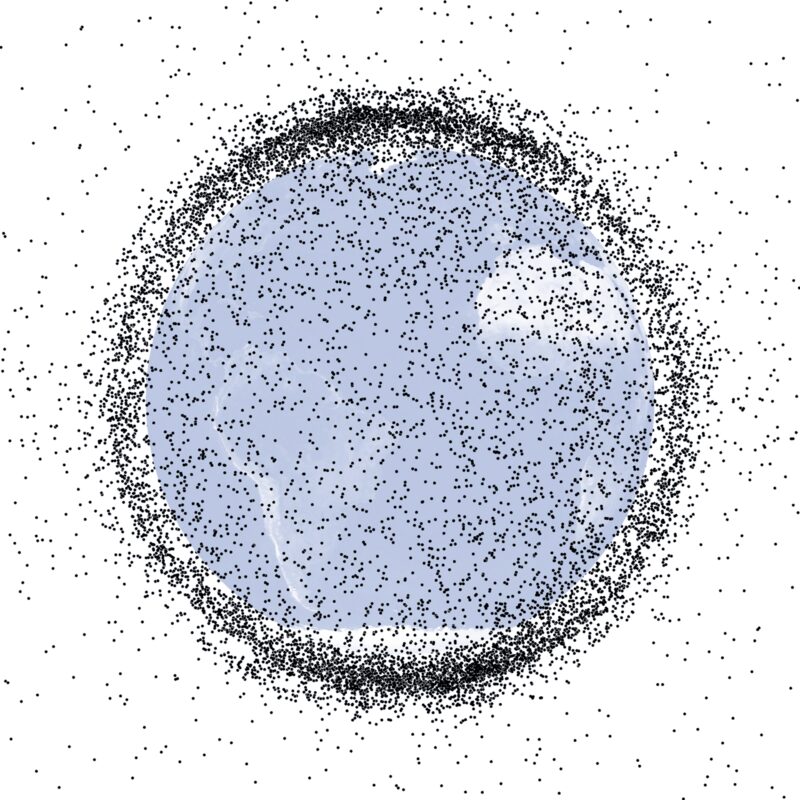
Low Earth orbit is filling with dead satellites and shattered debris moving at bullet speeds. After years of warnings, the first missions designed to grab and de-orbit junk are now reaching space, led by Europe's ClearSpace and Japan's Astroscale.
-
NASA & Agencies
India is one uncrewed test flight away from joining the human-spaceflight club
ISRO is preparing to fly Gaganyaan-1, the uncrewed shakedown of India's first homegrown crew vehicle, with a humanoid robot aboard. Success would put a crewed flight within reach in 2027 — and make India the fourth nation to launch its own astronauts.