Missions
Human and robotic spaceflight news from Cosmic Herald — launches, the Moon and Mars, mission milestones, and the spacecraft exploring the solar system.
-
Missions
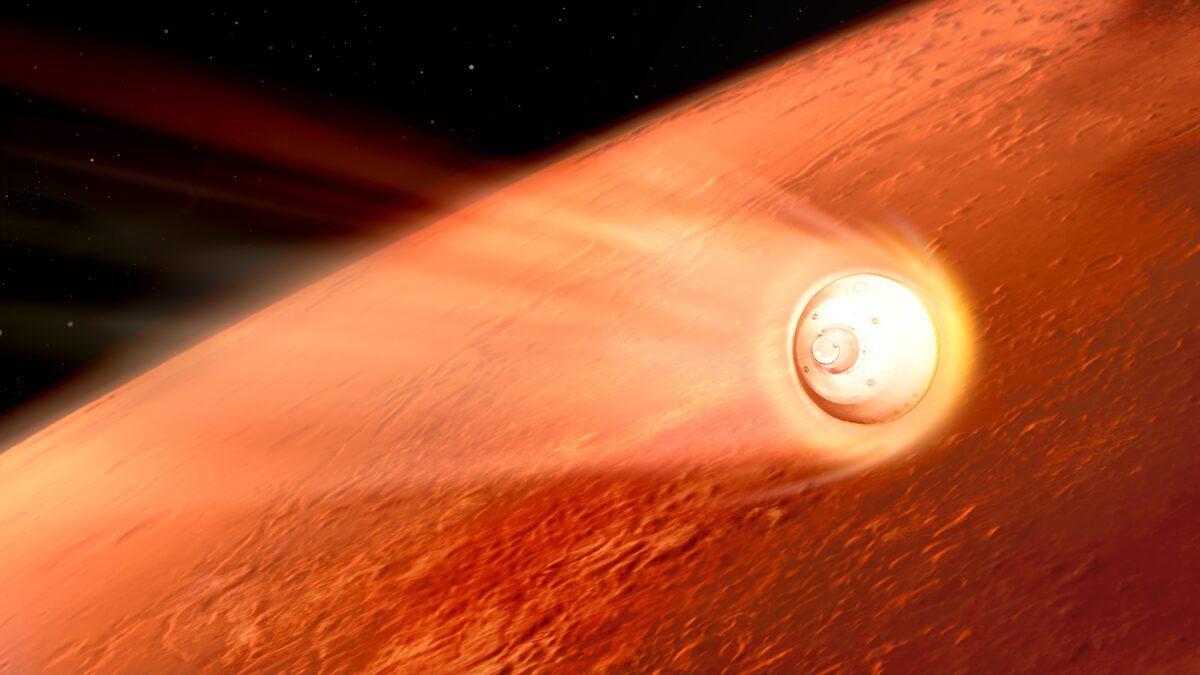
Firefly Wins $13 Million NASA Contract to Build the Heat Shield for a Helicopter Swarm Bound for Mars
Firefly Aerospace will build the aeroshell for NASA's SkyFall mission, which plans to release three Ingenuity-derived helicopters mid-air over Mars in 2028 without ever landing a platform.
-
Missions
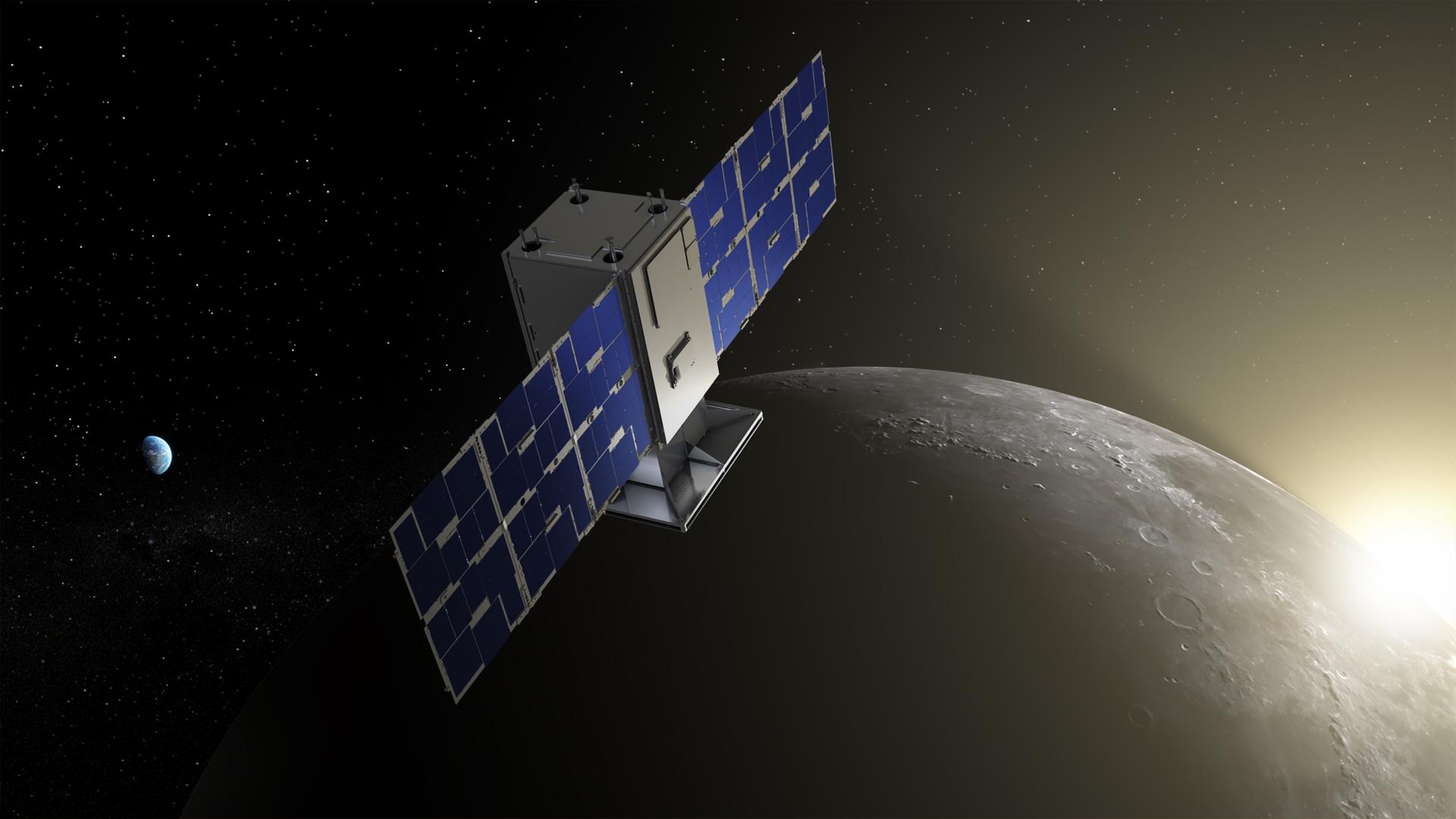
CAPSTONE, the Microwave-Sized Pathfinder, Signs Off After Four Years at the Moon
NASA's CAPSTONE, the first U.S. commercial lunar mission, has wrapped its NASA-sponsored work after nearly four years, having proven a spacecraft can navigate itself near the Moon using nothing but a camera image of the Moon and Earth.
-
Missions
Tianwen-2 Reaches Kamoʻoalewa: China's Sample-Return Probe Begins Its Close Study of Earth's Quasi-Moon
After a 13-month, roughly 1-billion-kilometer chase, China's Tianwen-2 has closed to within 20 km of quasi-moon Kamoʻoalewa, kicking off nine months of study before it attempts to grab a piece of what may be a lunar fragment.
-
Missions
Hayabusa2 Threads the Needle: A 5-Kilometer-Per-Second Flyby of Asteroid Torifune
On July 5, 2026, JAXA's Hayabusa2 extended mission buzzed near-Earth asteroid Torifune from roughly a kilometer away at 5 km/s, testing precision-guidance tech relevant to planetary defense ahead of its 2031 rendezvous with tiny asteroid 1998 KY26.
-
Missions
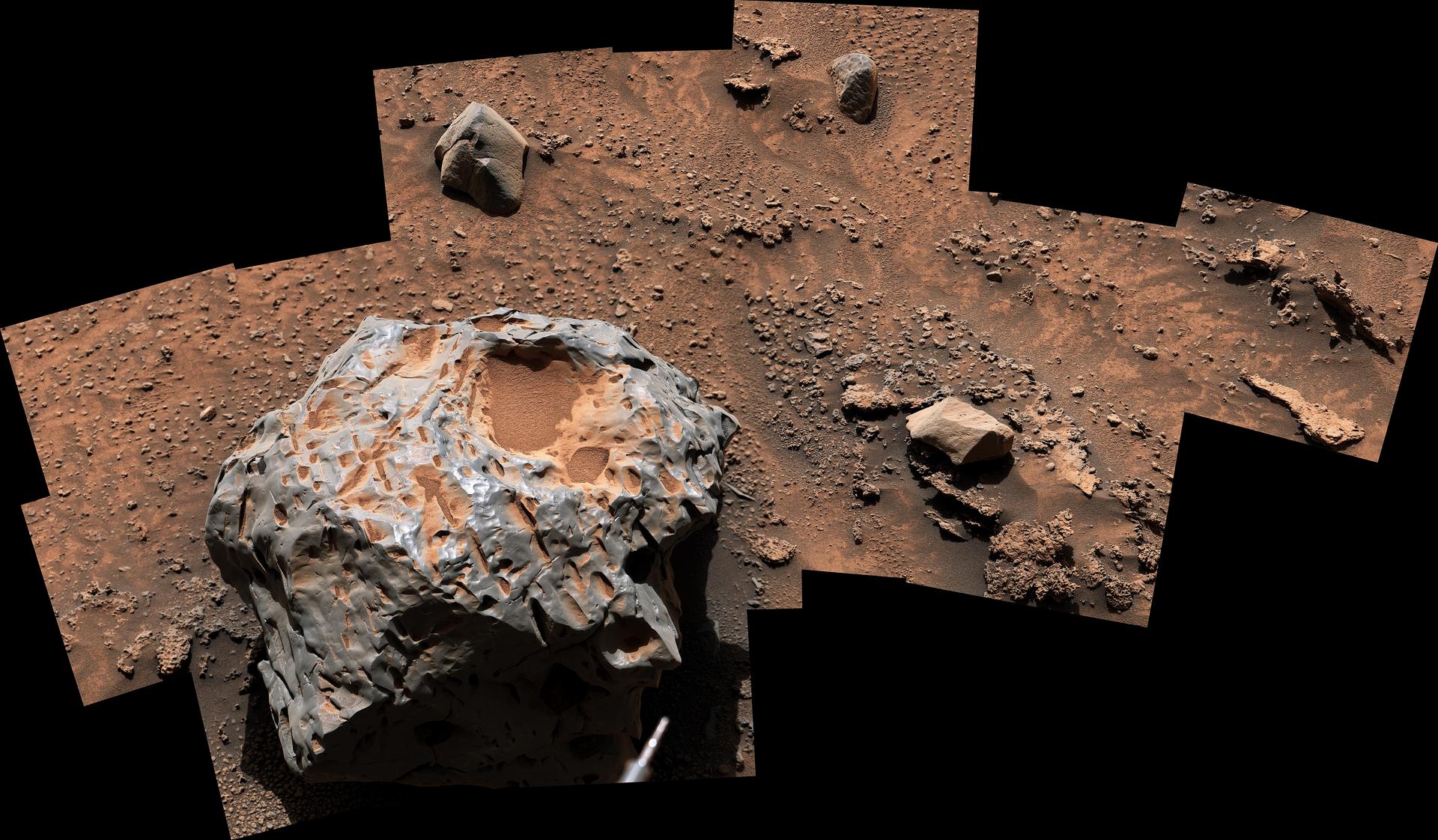
In the Land of the Polygons: Curiosity Hunts Nickel-Rich 'Meteorite' Candidates in a Martian Honeycomb
Curiosity is picking through a honeycomb-textured slice of Gale Crater, probing dark, nickel-bearing rocks that might be meteorites, distant impact debris, or just weird Mars rock.
-
Missions
Robotic Servicer LINK Launches to Rescue NASA's Swift Observatory From Reentry
After three days of delays, a Pegasus XL rocket dropped from a jet over the Pacific deployed Katalyst Space's LINK spacecraft on a mission to grapple and reboost NASA's decaying Swift Observatory — and to close out the Pegasus program for good.
-
Missions
Weather and a Balky Pegasus Keep Katalyst's Swift Rescue Grounded
Katalyst Space's LINK servicing spacecraft, tasked with grappling and reboosting NASA's aging Swift observatory, has been scrubbed three days running — twice for weather and, per follow-up reporting, once when its Pegasus XL failed to deploy.
-
Missions
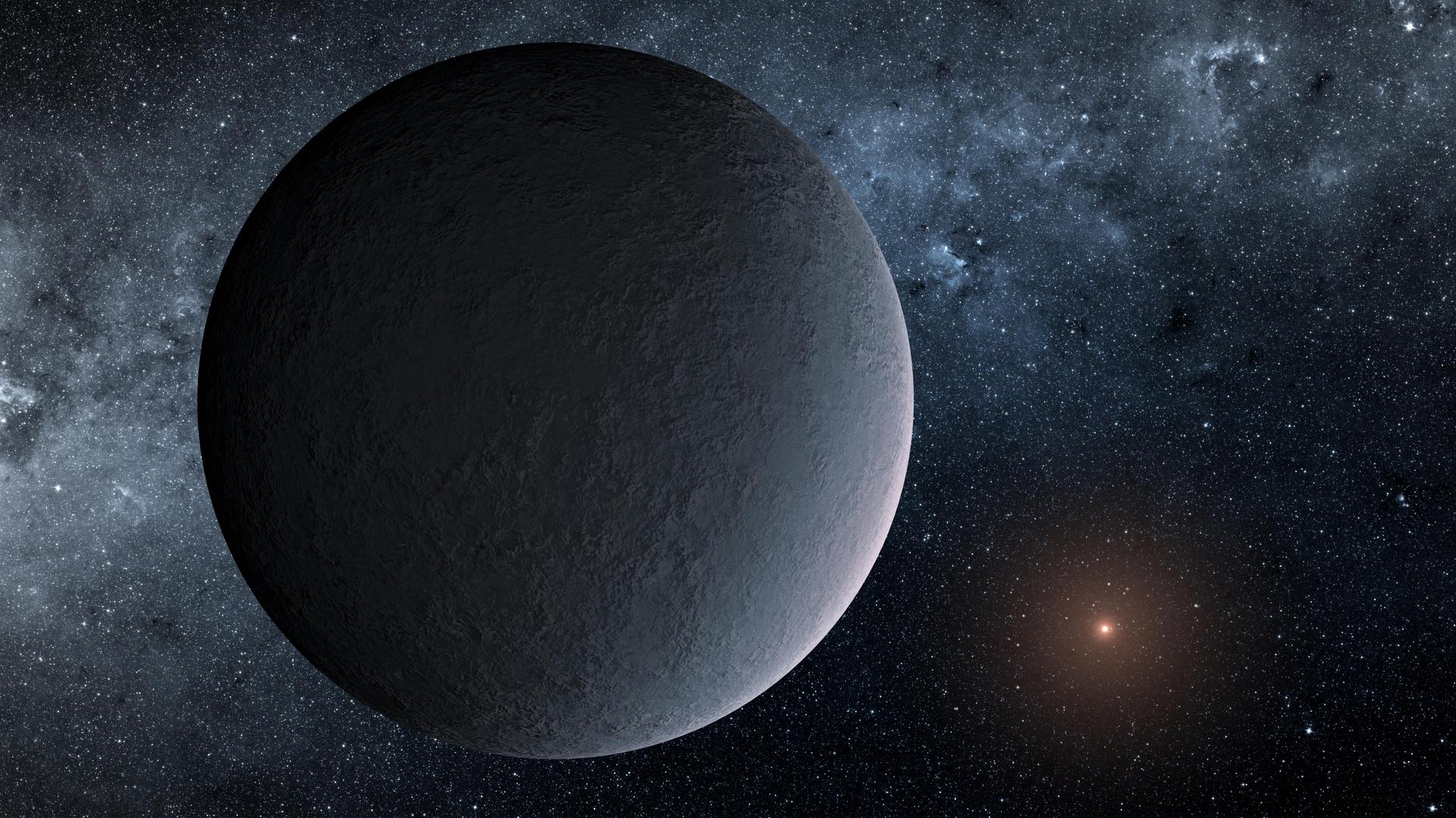
A Planet TESS Was Never Built to See: First Microlensing World Pulled From the Archive
NASA's TESS, designed to catch transit dips, has for the first time bagged a planet through gravitational microlensing — a distant super-Jupiter, Gaia23bra b, teased out of archived data after ESA's Gaia flagged the event in 2023.
-
Missions
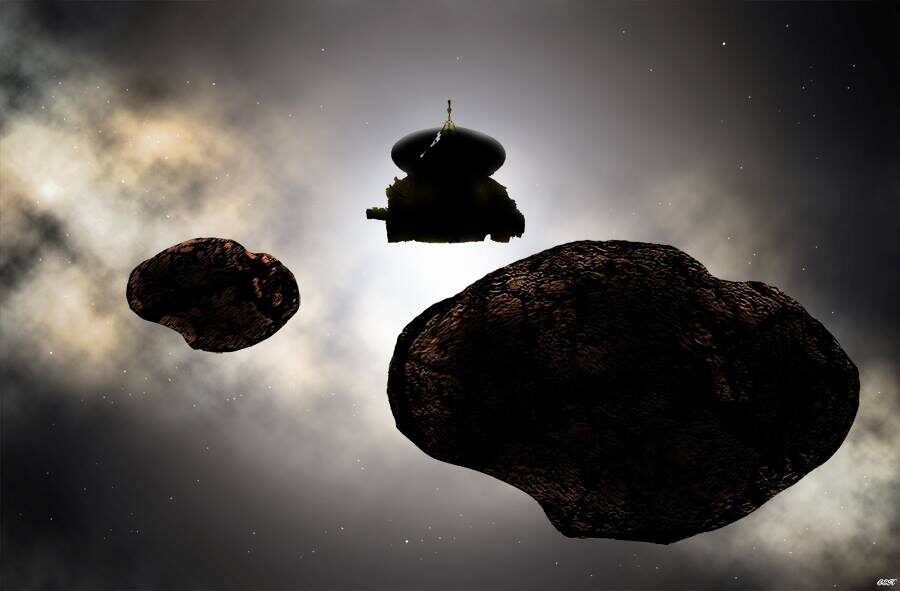
New Horizons Feels the Drag: Interstellar Atoms Are Braking the Solar Wind at 58 AU
SwRI's Heather Elliott and the New Horizons SWAP team report the solar wind at 58 AU is now 13-15% slower than at Earth, as interstellar atoms mass-load and brake it near the heliosphere's edge.
-
Missions
NASA Just Tested a 'Gas-Pump Nozzle' for Orbit — and It Could Be the Key to Mars
NASA's Marshall Space Flight Center and L3Harris have operationally tested a developmental cryocoupler — a quick-disconnect nozzle for transferring ultra-cold propellant between spacecraft and future orbital depots, a capability never demonstrated in orbit.
-
Missions
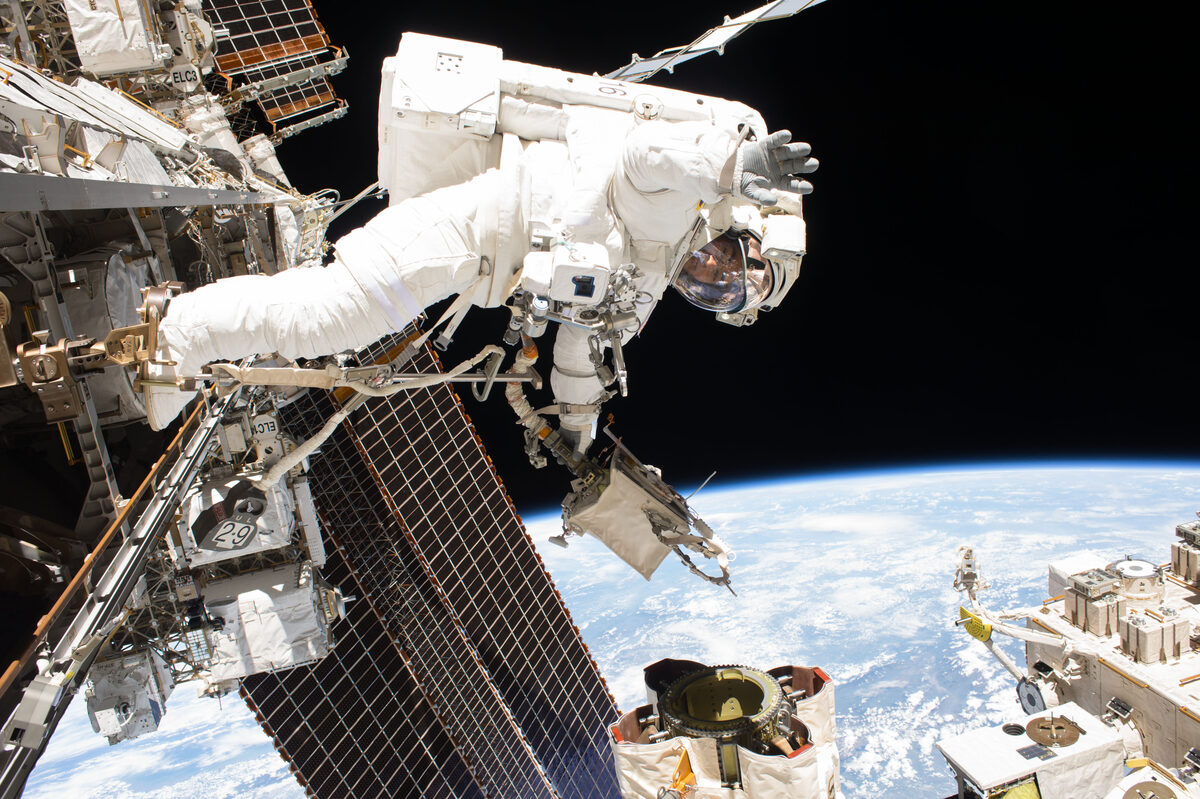
Two Astronauts, One Stubborn Wrist: NASA's June 30 Spacewalk to Fix Canadarm2
On June 30, NASA's Chris Williams and Jessica Meir will step outside the ISS to swap a failed 91-kilogram wrist joint on Canadarm2, the robotic arm that drew elevated motor current and stopped responding on May 27.
-
Missions
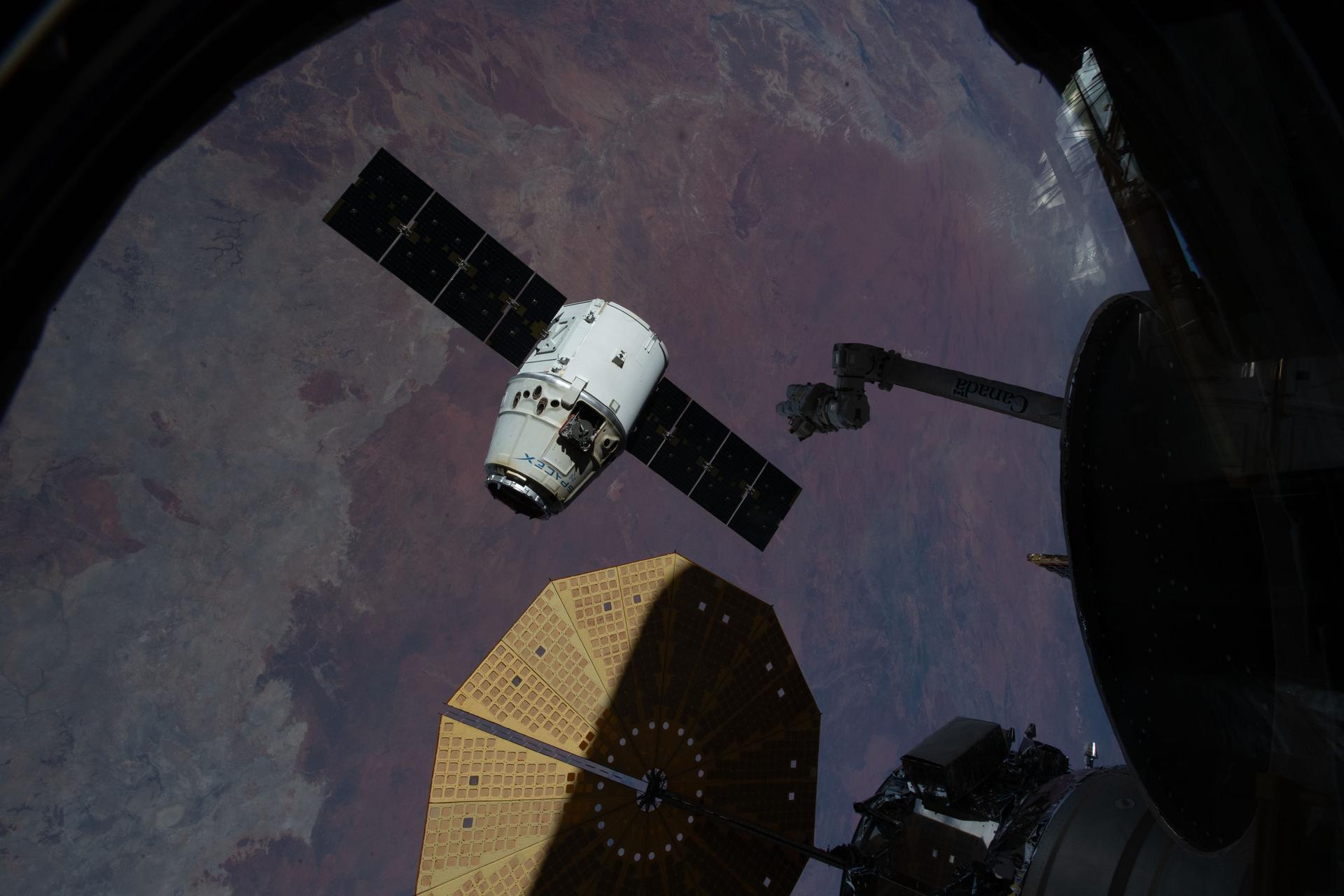
CRS-34 Dragon Heads Home With Bioprinted Tissue and Cancer-Research Cargo
SpaceX's CRS-34 Dragon undocked from the ISS on June 16 and splashed down off California early June 17, carrying thousands of pounds of finished experiments — bioprinted organ tissue, DNA-inspired cancer materials, cryogenic fuel data and more.