SpaceX
Every Cosmic Herald story on SpaceX — missions, launches, discoveries, and the business of space, newest first.
-
Commercial
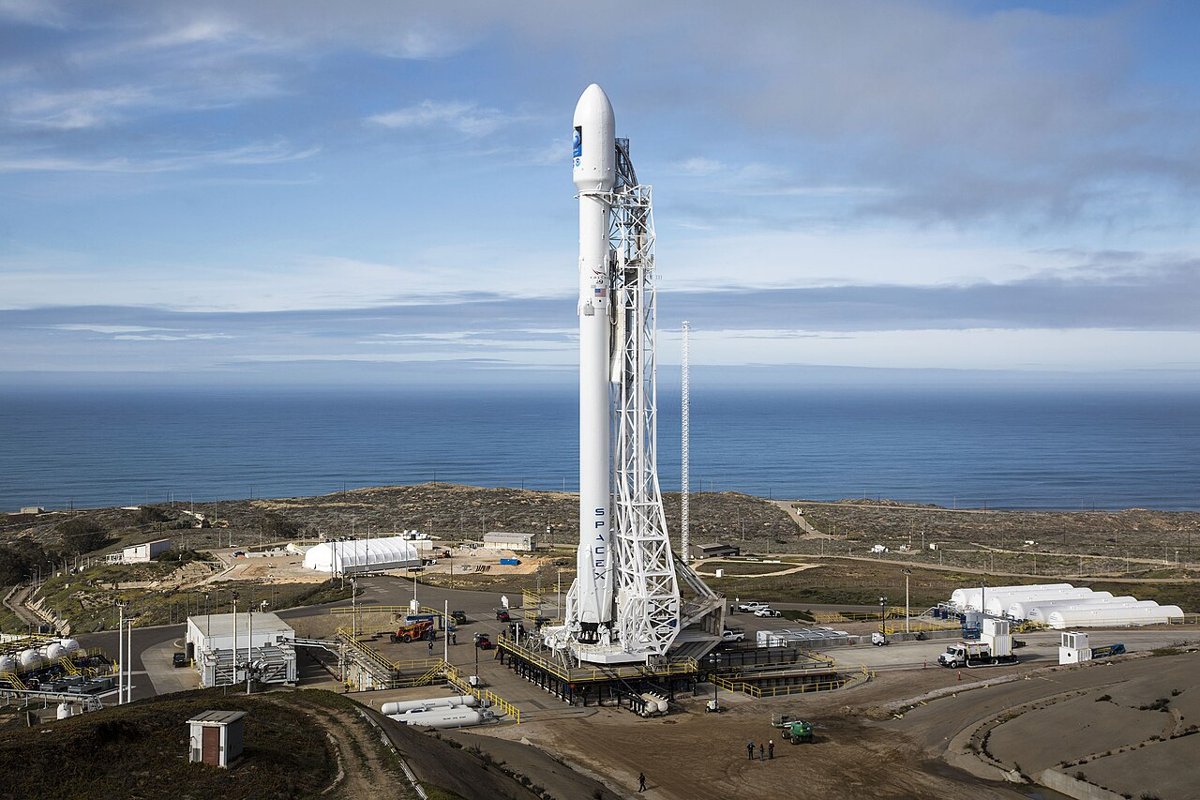
SpaceX's Transporter-17 Sends 81 Satellites—Including Three Wildfire-Spotting FireSats—Into Orbit
A midnight Falcon 9 launch from Vandenberg deployed 81 satellites for five nations, headlined by three FireSat wildfire detectors, a Navy tech demo, an in-space 3D printer, and the UAE's first navigation satellite.
-
Commercial
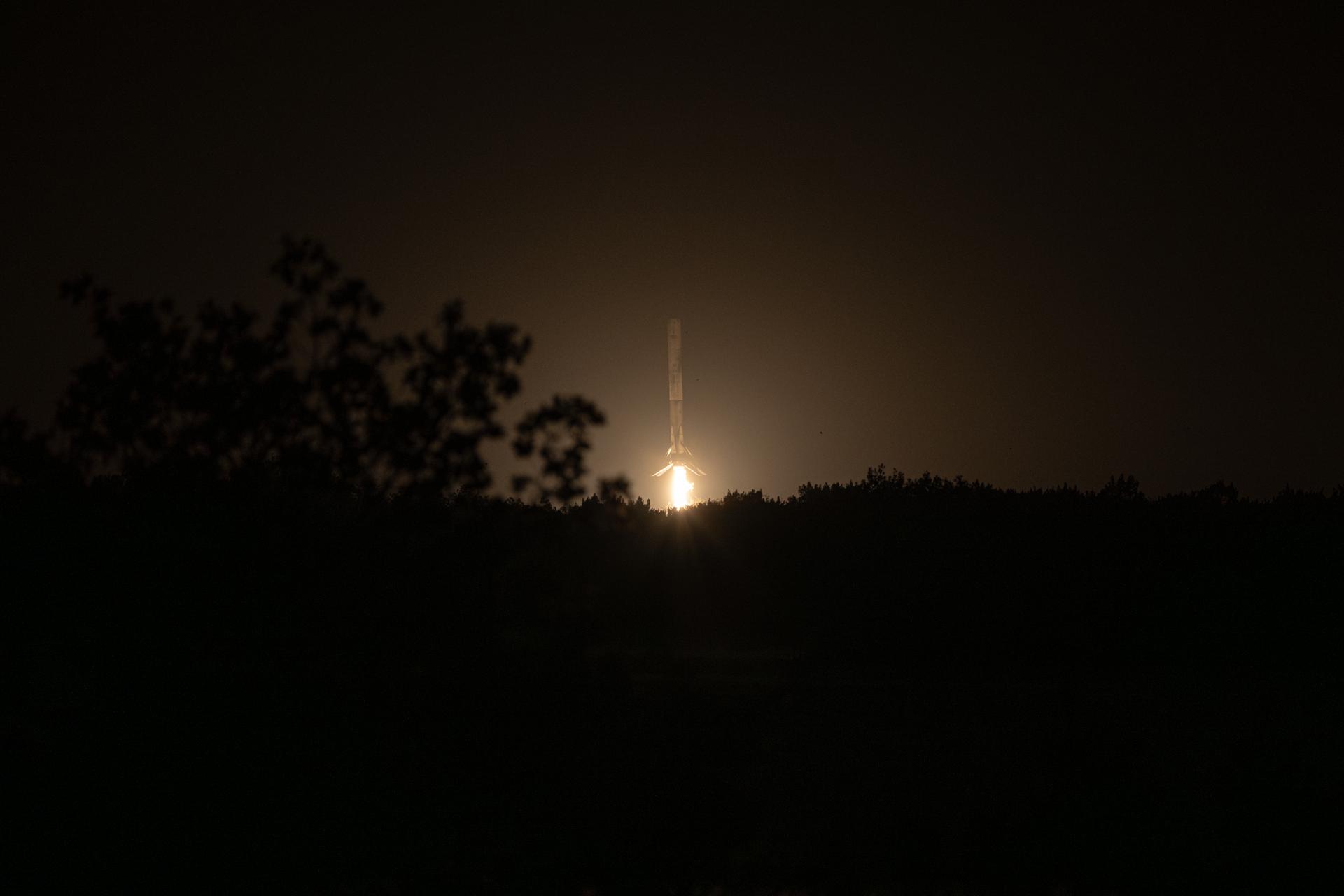
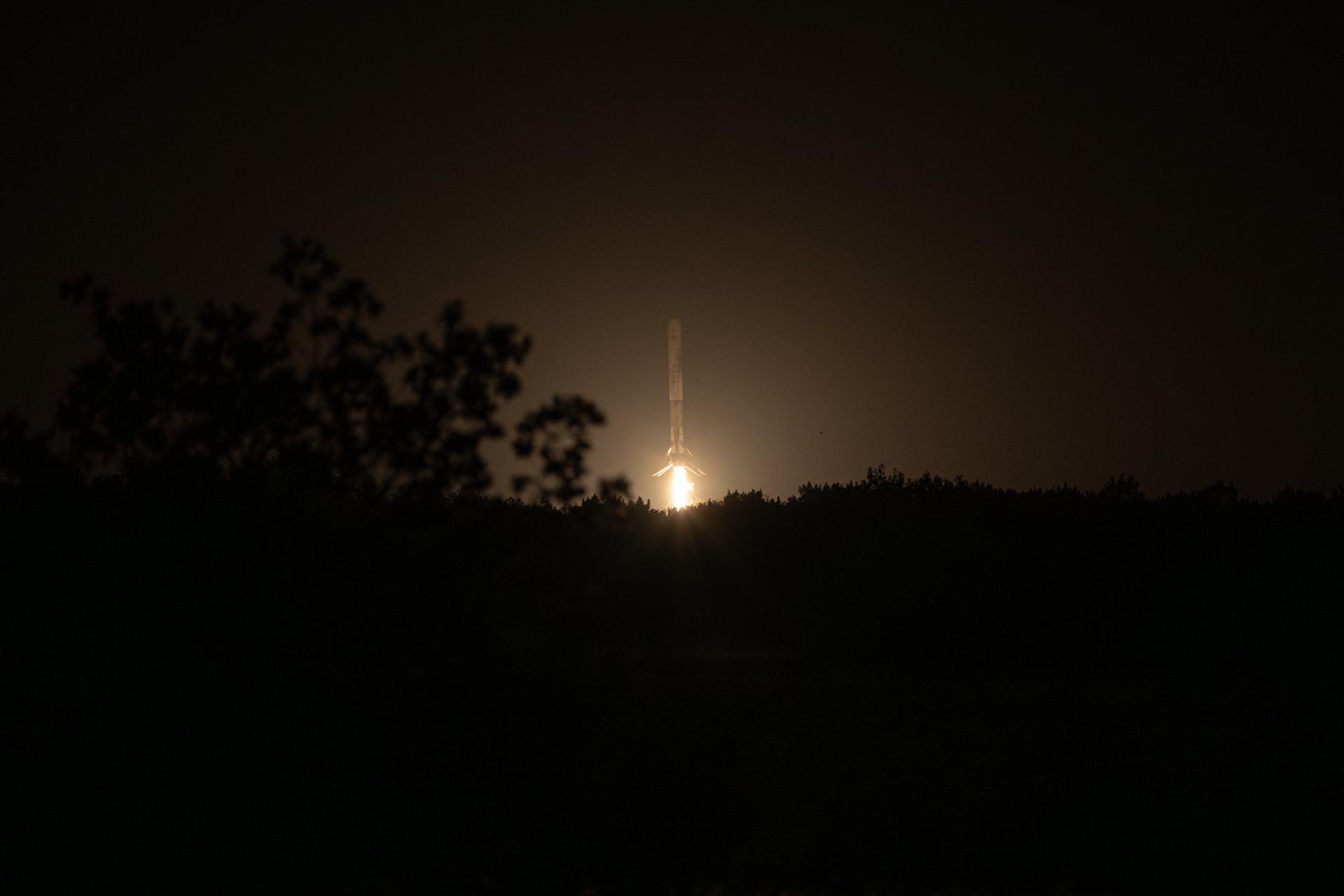
The Ultimate Egg-Drop Challenge: A Startup Rides SpaceX's Falcon 9 Boosters to Test Manufacturing Chips in Space
Besxar Space Industries flew two reusable test pods on a Falcon 9 booster's suborbital round trip on July 5, betting that surviving launch vibration and reentry heat is the first step toward manufacturing semiconductors in orbit.
-
Commercial
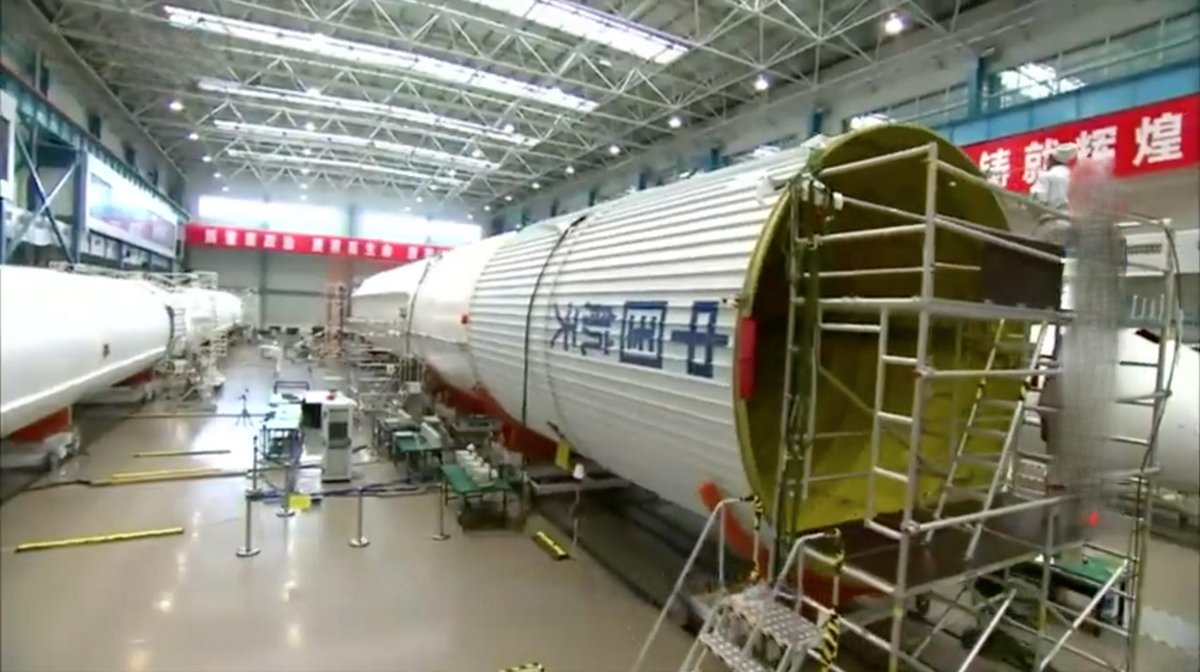
China Schedules Long March 10B Booster Recovery Test in Its Most Direct Challenge to Falcon 9
China has scheduled a Long March 10B launch and booster recovery attempt — Beijing's most ambitious step yet toward domestic reusable launch capability and a structural challenge to SpaceX's Falcon 9.
-
Commercial
Phones, Meet Space: AST SpaceMobile Lofts Its First Block 2 BlueBirds
A pre-dawn Falcon 9 carried BlueBirds 8, 9 and 10 — AST SpaceMobile's first operational Block 2 satellites, built to beam broadband straight to ordinary 4G and 5G phones — marking the company's pivot from testing toward live direct-to-cell service.
-
Commercial
Rival Satellite Operators Launch Their Own NGSO Trade Group — Without SpaceX
Rival satellite operators just formed their own industry trade group — and they made a point of leaving SpaceX out. The exclusion reveals a structural fault line over spectrum policy and orbital rights.
-
Commercial
AST SpaceMobile's Block 2 BlueBirds Are in Orbit — and the Race for Direct-to-Cell Just Got Real
SpaceX lofted three Block 2 BlueBird satellites for AST SpaceMobile, expanding a constellation built on the audacious premise that your existing phone can talk directly to orbit.
-
Commercial
ElevationSpace Banks $40 Million to Chase the Factory-in-Orbit Dream
Japanese startup ElevationSpace closed a $40M Series B, pushing total funding to $63.5M as it builds a reentry-capable platform for manufacturing and research in microgravity.
-
Commercial
An Austrian Propulsion Startup Just Landed €6.3 Million From Europe's Sovereign Space Push
Gate Space, a Vienna-born satellite propulsion firm, secured €6.3M from the European Innovation Council — the only space company in a 38-firm cohort — as Europe doubles down on homegrown launch and in-orbit capabilities.
-
Commercial
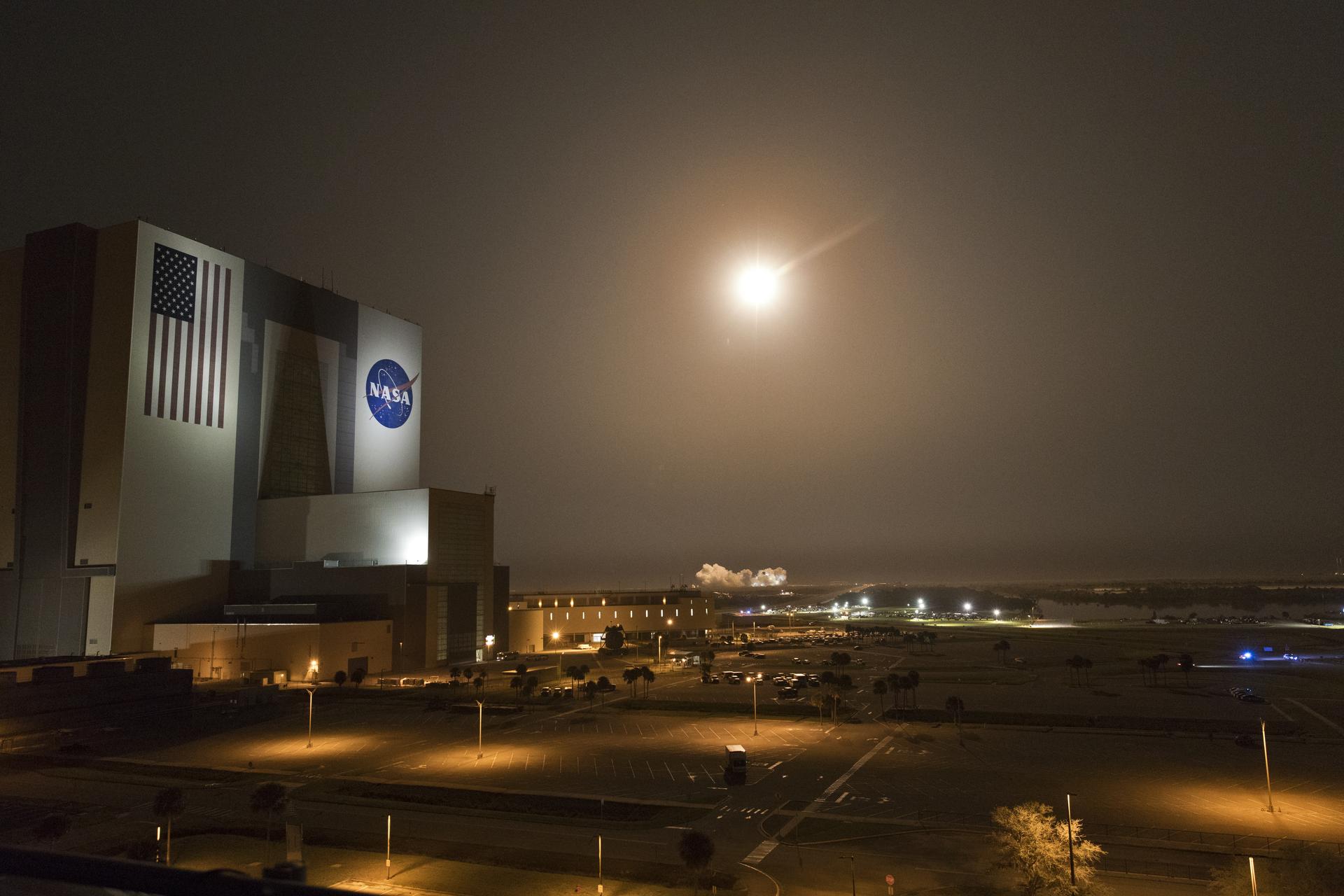
SpaceX Flies Its First Falcon 9 as a Public Company. Almost Nothing Changed.
Two days after a record-setting Nasdaq debut that valued it near $2.1 trillion, SpaceX launched Starlink 17-54 from Vandenberg — its first Falcon 9 as a publicly traded company, and a routine flight that says a lot about why the IPO happened.
-
Commercial
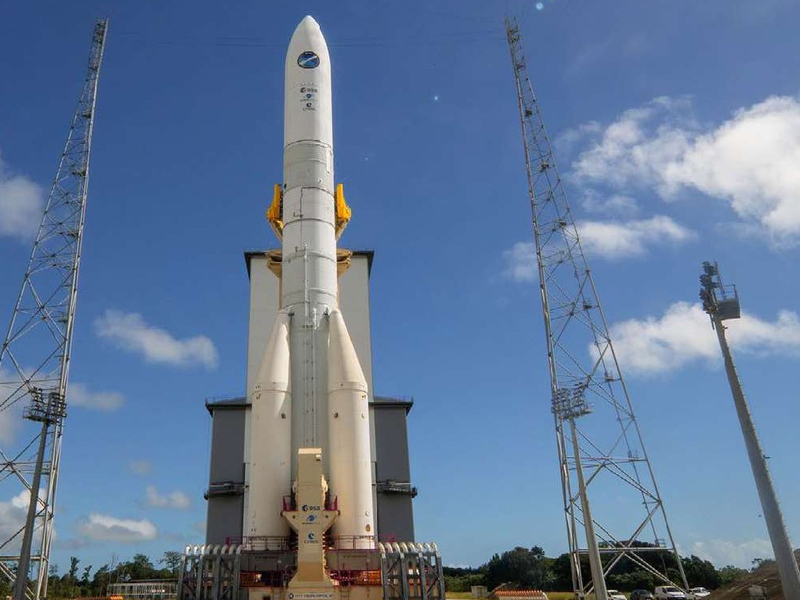
Ariane 6 Just Lifted the Heaviest Payload in European Launch History. It Was Full of Amazon Satellites.
On June 17, an Ariane 64 rocket lifted 36 Amazon Leo broadband satellites to orbit — the heaviest payload ever lofted by an Ariane rocket, and the debut of upgraded P160C solid boosters that give the vehicle a 10% thrust increase. Europe's commercial heavy lifter is finding its stride.
-
Commercial
Relativity Space Wants to Build a Mars Orbiter — And It's Not Waiting for NASA to Ask
Relativity Space announces plans to privately develop a Mars orbiter, signaling that commercial ambitions in deep space are no longer theoretical.
-
Commercial
The Upper Stage Problem: Why Reusable Second Stages Are Harder Than They Look
Recovering and reusing first stages was the revolution. But upper stages — which must survive orbital velocities and reentry — are a fundamentally harder problem, and the industry's three main bets are taking very different approaches.