NOAA
Every Cosmic Herald story on NOAA — missions, launches, discoveries, and the business of space, newest first.
-
Science & Discovery
A Fresh Sunspot and an Incoming Coronal-Hole Wind Set Up a G1 Aurora Window for July 21-22
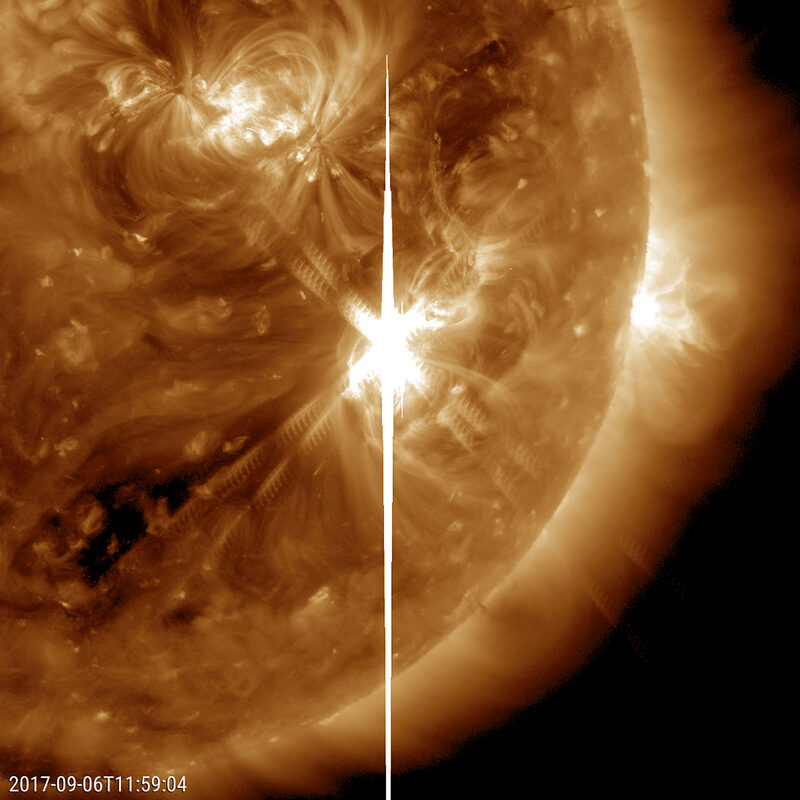
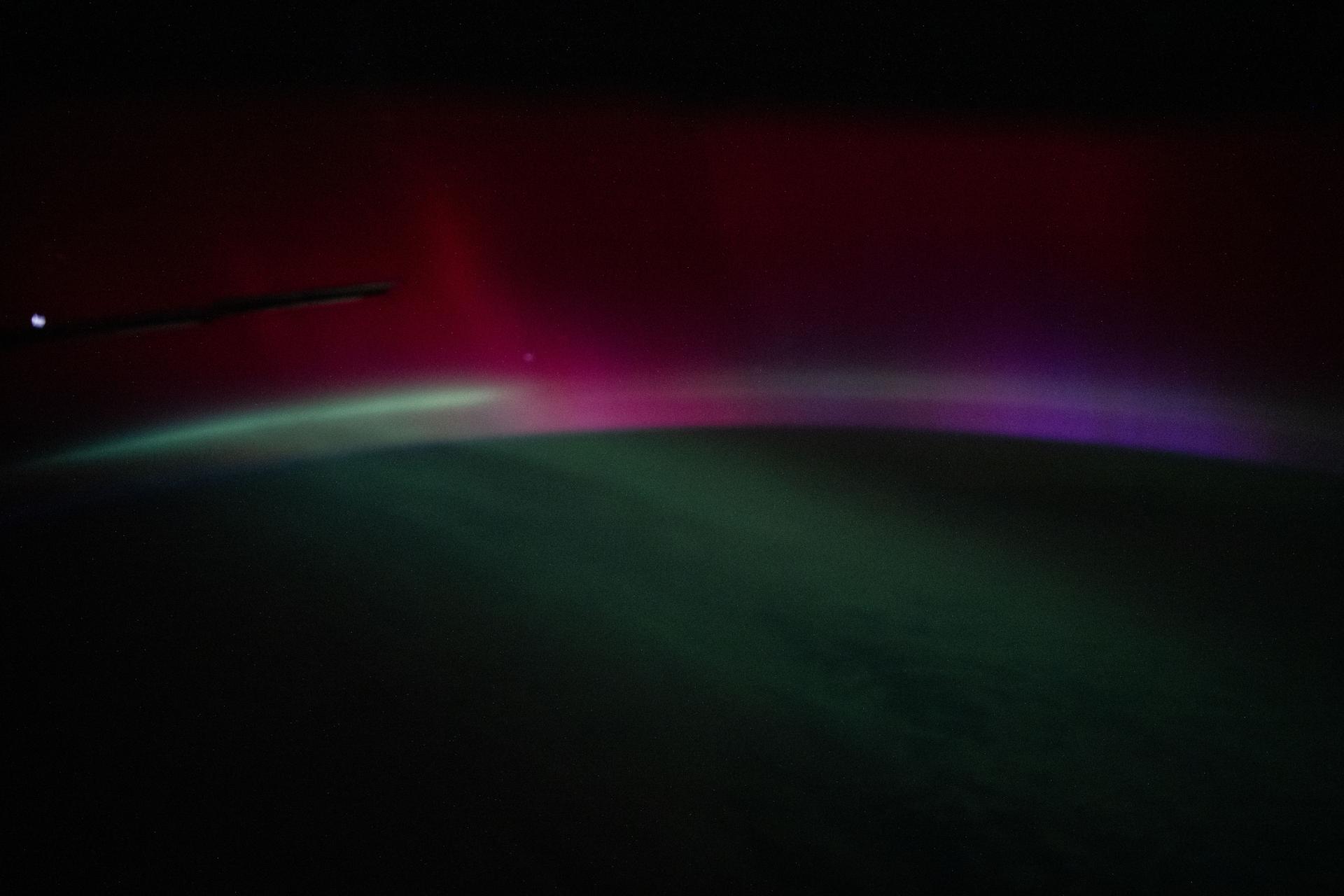
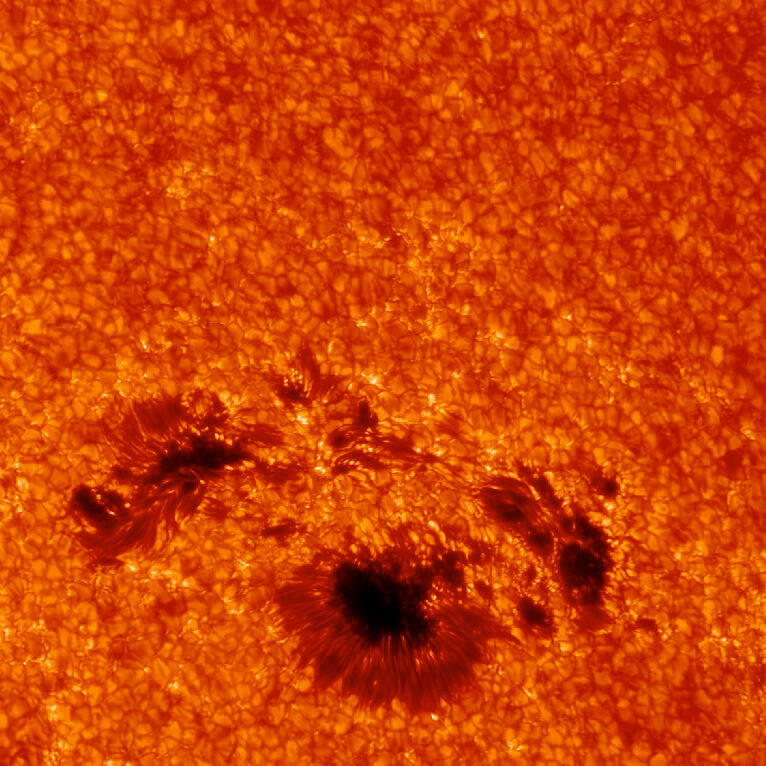
New sunspot AR4493 fired an M3.4 flare and 17 others in 24 hours as a fast coronal-hole wind stream heads for Earth, setting up a G1 geomagnetic storm and aurora chances July 21-22.
-
Commercial
Washington Weighs a 'Light-Touch' Rulebook for Space Businesses No One Regulates Yet
A House subcommittee grilled the Office of Space Commerce on its plan for a single opt-in "Space Commerce Certification" to fast-track approval of orbital manufacturing, satellite servicing, and lunar ventures that fall outside FAA and FCC authority.
-
Science & Discovery
Quiet Sun, Restless Field: Inside NOAA's Latest Space Weather Snapshot
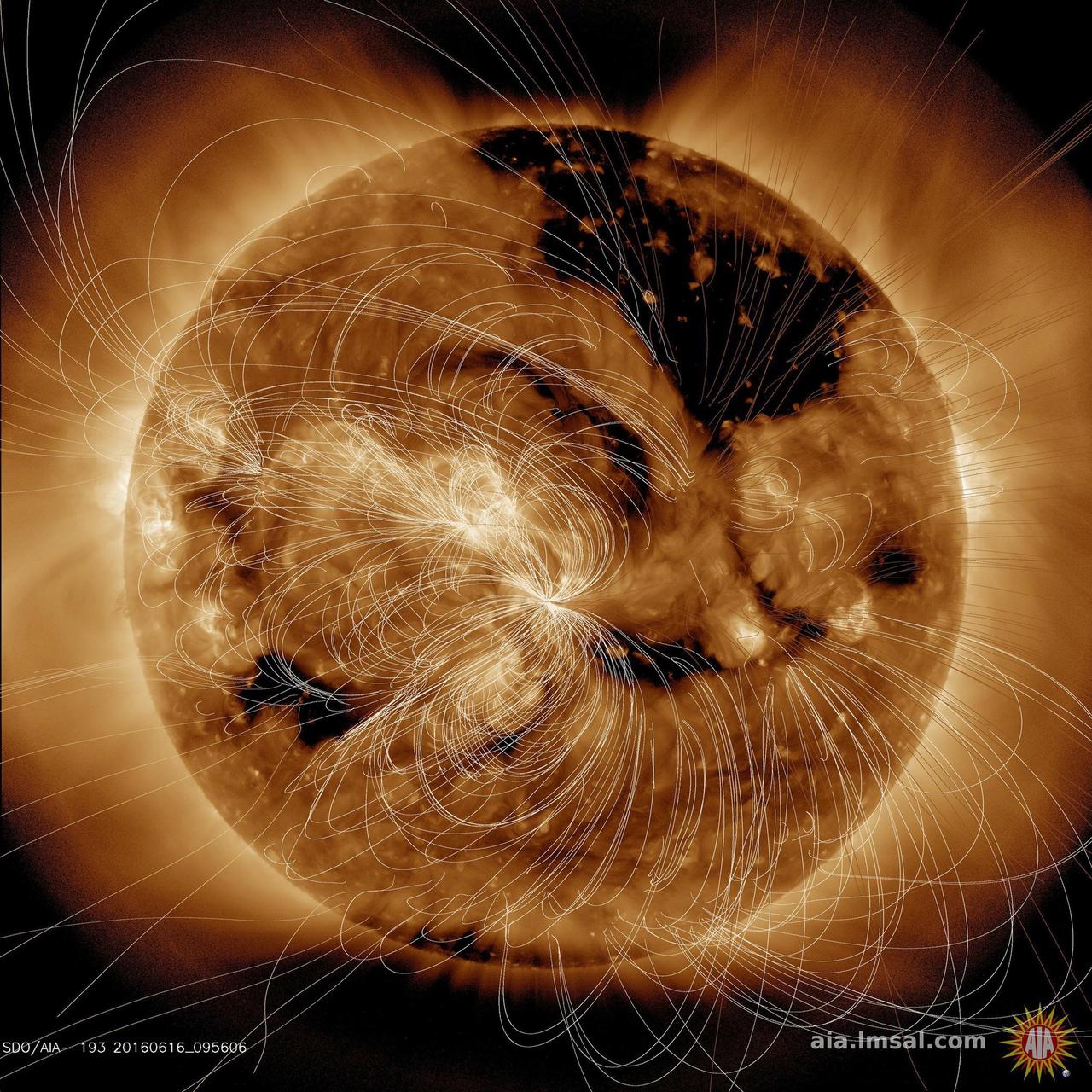
Weeks after an X-class flare sparked aurora across 30 US states, NOAA's July 15 snapshot shows 36 tame sunspots, a mild C3 flare, and just quiet-to-minor storm odds — a reminder that solar weather swings fast.
-
Stargazing
Sunspot AR4485 Fires an M1.2 Flare as CMEs Set Up a G1-G2 Storm Watch Through Midweek
Departing sunspot AR4485 unleashed an M1.2 flare and a radio blackout before rotating off the disk, while a trailing coronal mass ejection could nudge Earth's geomagnetic field to G1 storm levels late this week.
-
Stargazing
Sunspot AR4482 Unleashes M-Class Flares, Raising Aurora Odds Into the Weekend
Sunspot AR4482 fired off an M4.0 flare and a major filament eruption on July 7, and with a coronal-hole wind stream and CME now converging on Earth, forecasters give mid-to-high latitudes a real shot at aurora through the weekend.
-
Stargazing
A Beta-Gamma-Delta Sunspot Keeps Firing: Radio Blackout Risk Runs Through the Weekend
Active region AR4482, a magnetically tangled beta-gamma-delta sunspot, has been lobbing M-class flares at Earth since July 8, and NOAA gives it decent odds of another one through July 11 — with a side of aurora from an incoming solar wind stream.
-
Stargazing
X1.3 Flare and Surprise G3 Storm Send Aurora Across 30 US States for July 4th Weekend
A CME-driven G3 storm outperformed its own forecast to paint aurora across 30-plus US states on July 4, then a fresh X1.3 flare from newly numbered AR4482 kept the sun's holiday fireworks going.
-
NASA & Agencies
Congress Presses NASA and NOAA on Space Weather Readiness as Solar Cycle 25 Peaks
Lawmakers grilled NASA's and NOAA's top space weather officials on grid, GPS, and communications risks the same week an X1.1 flare and G3 storms lit up July 4th skies with aurora.
-
Stargazing
Sun Unleashes Surprise G3 Storm on July 4th, Pushing Auroras Into Utah and Nevada
A CME from a June 30 X1.1 flare overperformed its forecast, hitting G3 (Strong) and dragging the aurora as far south as Utah, Colorado and Nevada on Independence Day.
-
Science & Discovery
Sunspot AR4479 Fires an X1 Flare and Ten M-Flares, and NOAA Posts a G2 Watch for the Fourth of July Weekend
Active Region 4479 threw an X1.1 flare and roughly ten M-class flares in a single day, launching a staggered train of Earth-directed CMEs. NOAA issued G1-G2 storm watches for July 3-4, opening a holiday-weekend aurora window that could reach the northern-tier United States.
-
Stargazing
Aurora Alert: An X1.1 Flare and Back-to-Back CMEs Open a June 30-July 1 Storm Window
NOAA flagged G1-G2 storm conditions for June 30 into July 1 as a June 26 CME arrived and a slower June 27 CME chased behind, while AR4479 fired an X1.1 flare at 20:50 UTC - putting aurora within reach of northern-tier U.S. skies.
-
Stargazing
A June 26 CME Is Inbound: NOAA Posts a Storm Watch and the Aurora Could Reach the Northern U.S.
A coronal mass ejection that left the Sun on June 26 is forecast to reach Earth around June 30, and NOAA has issued a geomagnetic storm watch — with aurora possibly visible as far south as Seattle and Minneapolis.