NOAA
Every Cosmic Herald story on NOAA — missions, launches, discoveries, and the business of space, newest first.
-
Stargazing
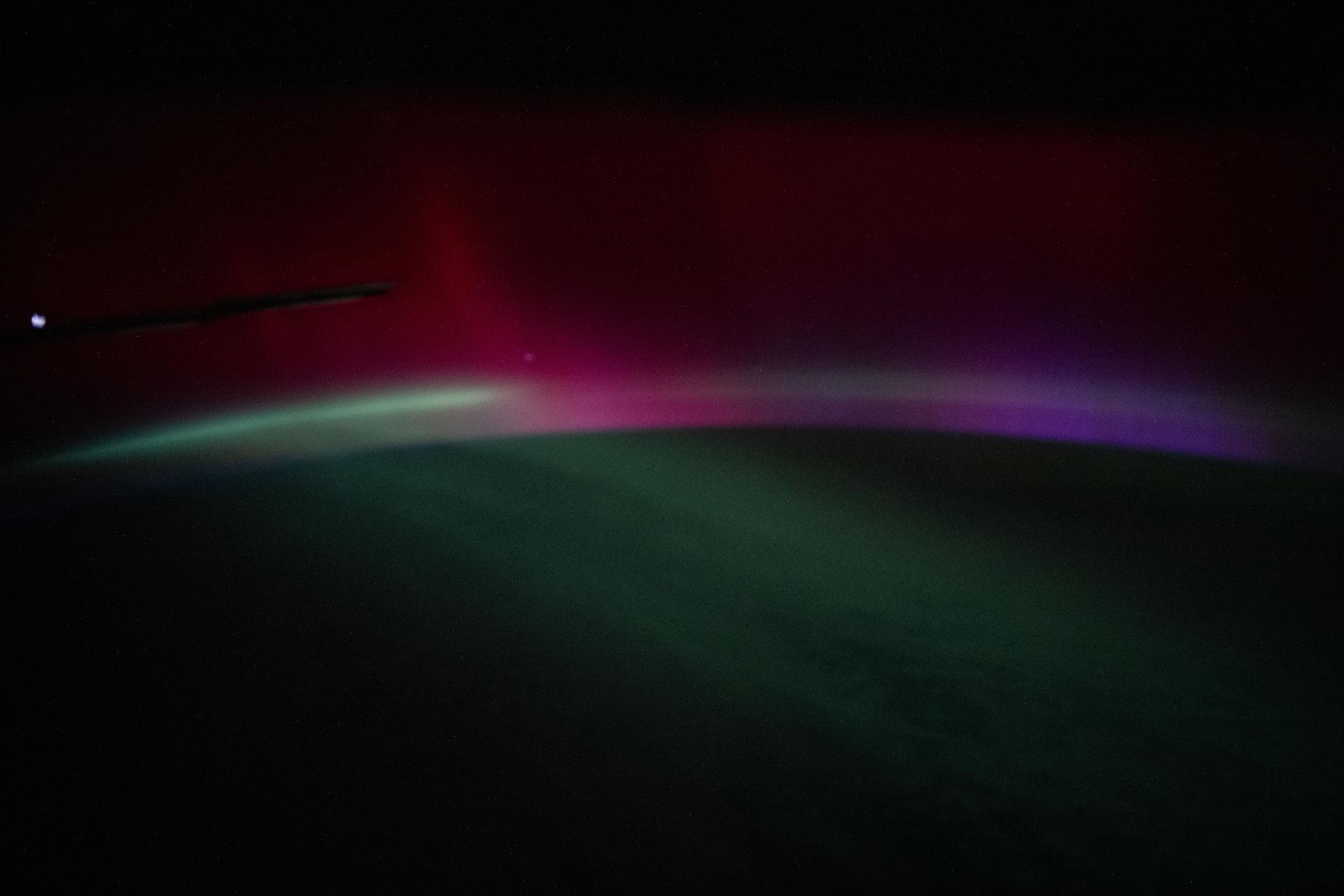
A Surprise G1 Geomagnetic Storm Lit Up June 25 as a New Sunspot Woke Up
A G1 geomagnetic storm crossed the threshold at 4:43 UTC on June 25, 2026, driven by coronal-hole solar wind and a possible glancing CME, as new sunspot region AR4478 fired most of the day's 16 C-class flares.
-
Science & Discovery
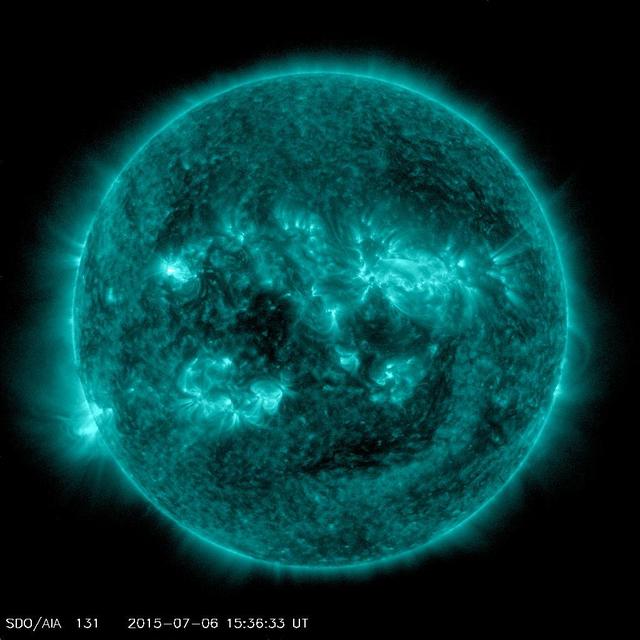
The Sun is at its most active in two decades. What solar maximum actually means.
Solar Cycle 25 has been more active than forecasters predicted, delivering some of the strongest geomagnetic storms in years and producing aurora visible at unusually low latitudes. What solar maximum means for technology, satellites, and power grids — and how we prepare — is more relevant now than it has been in a generation.
-
Science & Discovery
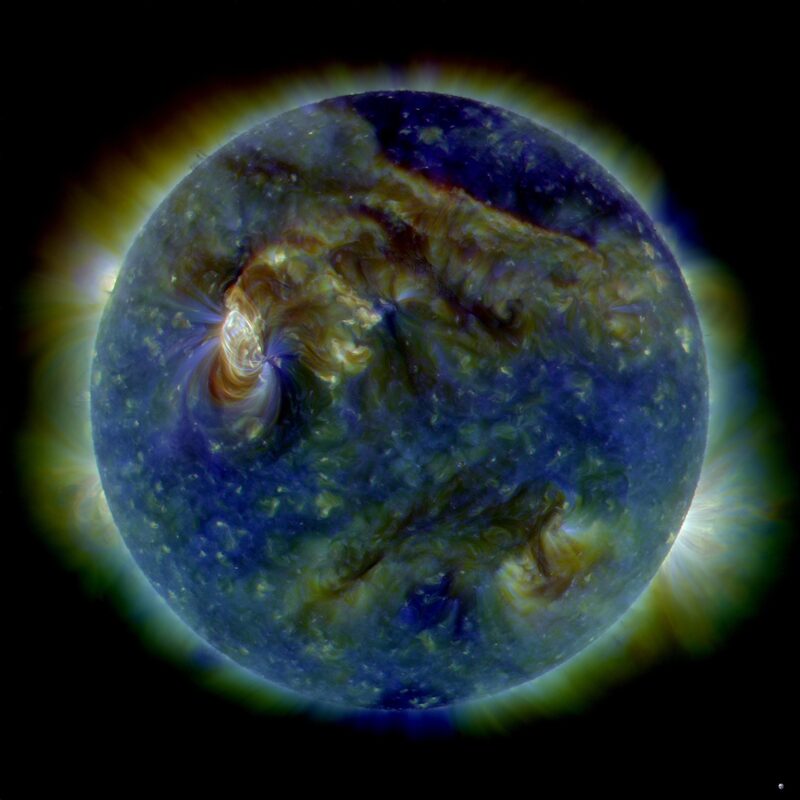
The Sun occasionally fires plasma clouds at Earth that can knock out power grids. We're not prepared.
Coronal mass ejections — billion-ton clouds of magnetized plasma from the Sun — can trigger geomagnetic storms that damage transformers, disable satellites, and disrupt GPS. The 1859 Carrington Event caused telegraph fires; a comparable storm today would have catastrophic infrastructure consequences.
-
Stargazing
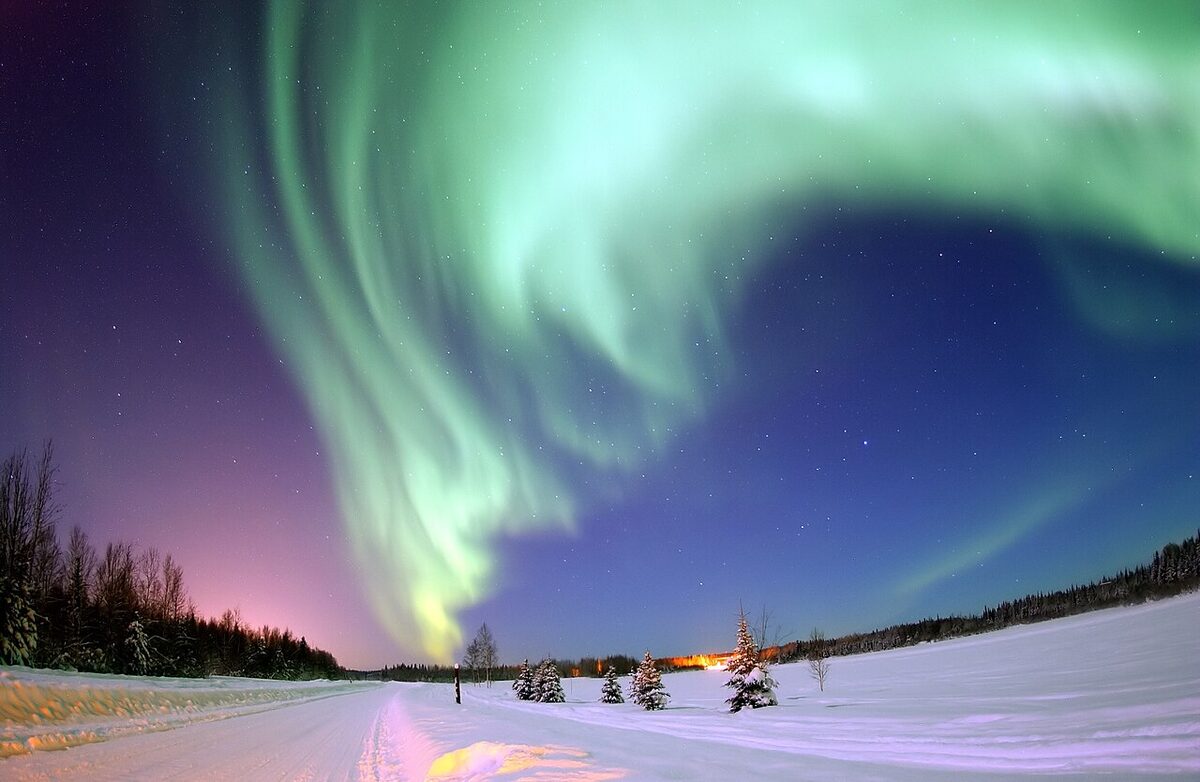
The aurora window isn't closing yet — why 2026 can still light up the sky
The Sun's official peak passed in 2024, but Solar Cycle 25 looks to be double-humped, and the descending phase has a history of throwing some of the biggest geomagnetic storms of all. What that means if you're still chasing the northern lights.