
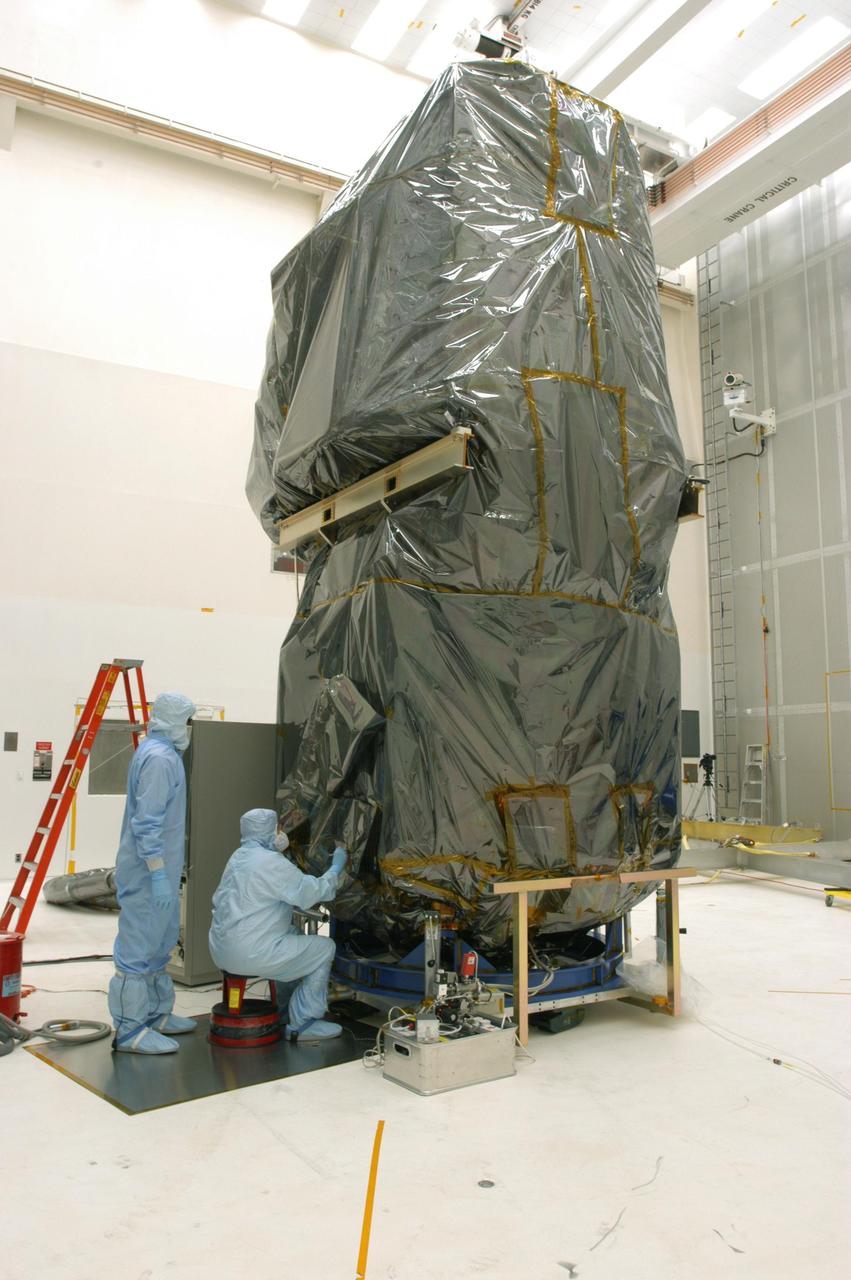
NASA is about to attempt something the satellite industry has long promised but rarely demonstrated on an operating science spacecraft: send up a robot to extend a mission's life by physically moving it. Media have been invited to Wallops Flight Facility in Virginia on June 17 to view Northrop Grumman's Pegasus XL rocket, which will carry a Katalyst robotic spacecraft tasked with boosting the orbit of NASA's Neil Gehrels Swift Observatory.
Why Swift needs a push
Swift, a gamma-ray burst observatory operating since 2004, is a victim of its own longevity. Spacecraft in low Earth orbit slowly lose altitude to atmospheric drag, and without intervention a decaying orbit eventually ends a mission. Rather than let a productive observatory reenter, NASA is using it as a proving ground: the Katalyst vehicle will rendezvous with Swift and raise its orbit, buying years of additional science.
The bigger business case
The interest extends well beyond one telescope. In-space servicing — refueling, repairing, repositioning, and life-extending satellites that were never designed to be touched again — is one of the more credible emerging markets in commercial space. Most satellites are abandoned when they run low on propellant or drift out of position, even if their instruments still work. A servicing industry that can routinely grapple and boost existing spacecraft would change that calculus across both commercial and government fleets. Swift is a high-visibility test of whether the capability is ready to leave the slide decks and operate on real hardware in orbit.