Stargazing
Stargazing and skywatching from Cosmic Herald — what to see in the night sky, meteor showers, planets, auroras, and observing guides.
-
Stargazing
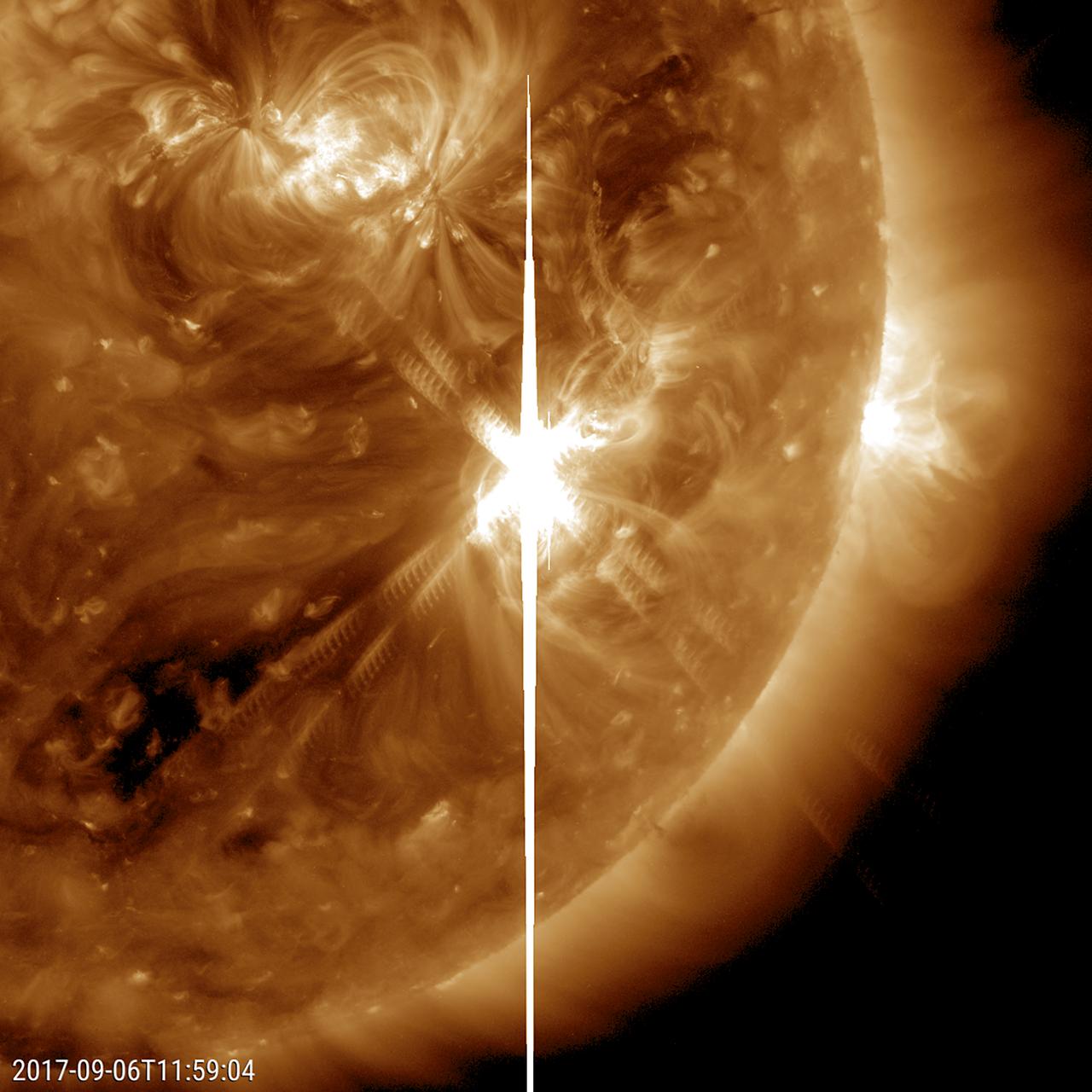
Sunspot AR4485 Fires an M1.2 Flare as CMEs Set Up a G1-G2 Storm Watch Through Midweek
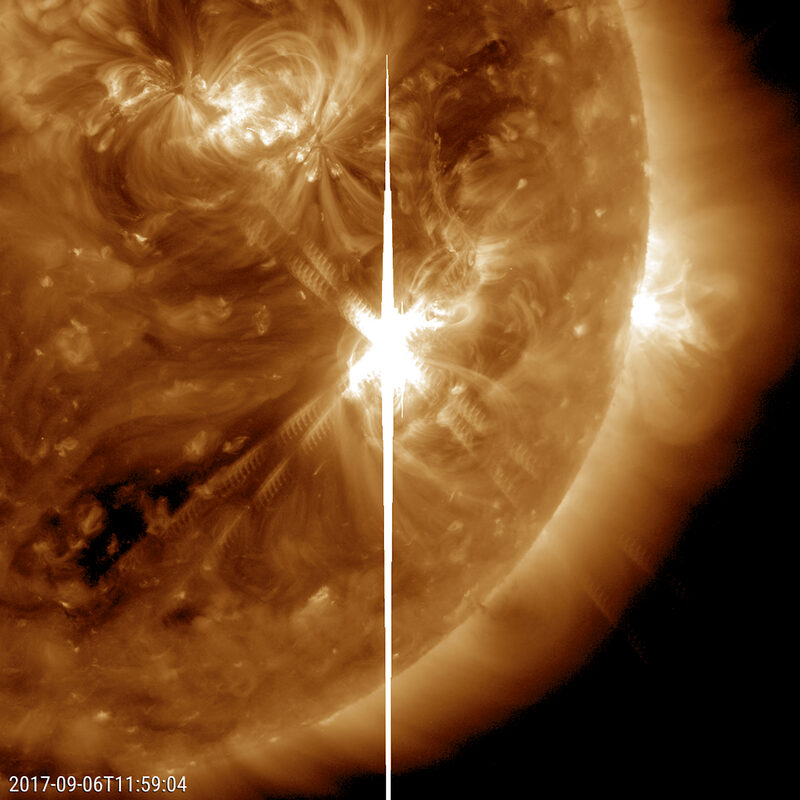
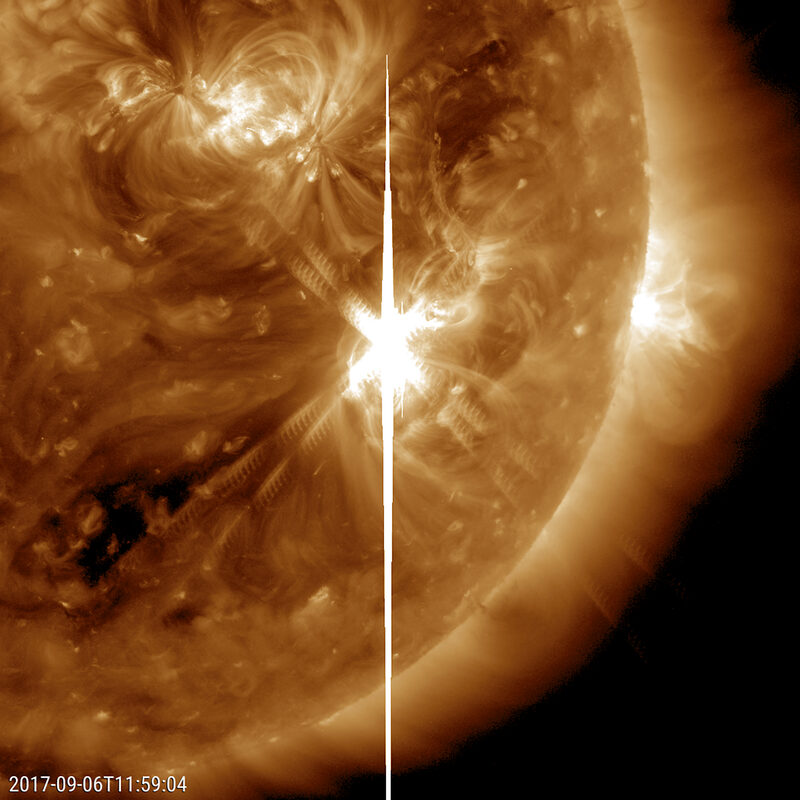
Departing sunspot AR4485 unleashed an M1.2 flare and a radio blackout before rotating off the disk, while a trailing coronal mass ejection could nudge Earth's geomagnetic field to G1 storm levels late this week.
-
Stargazing
The August 2026 Night Sky Guide
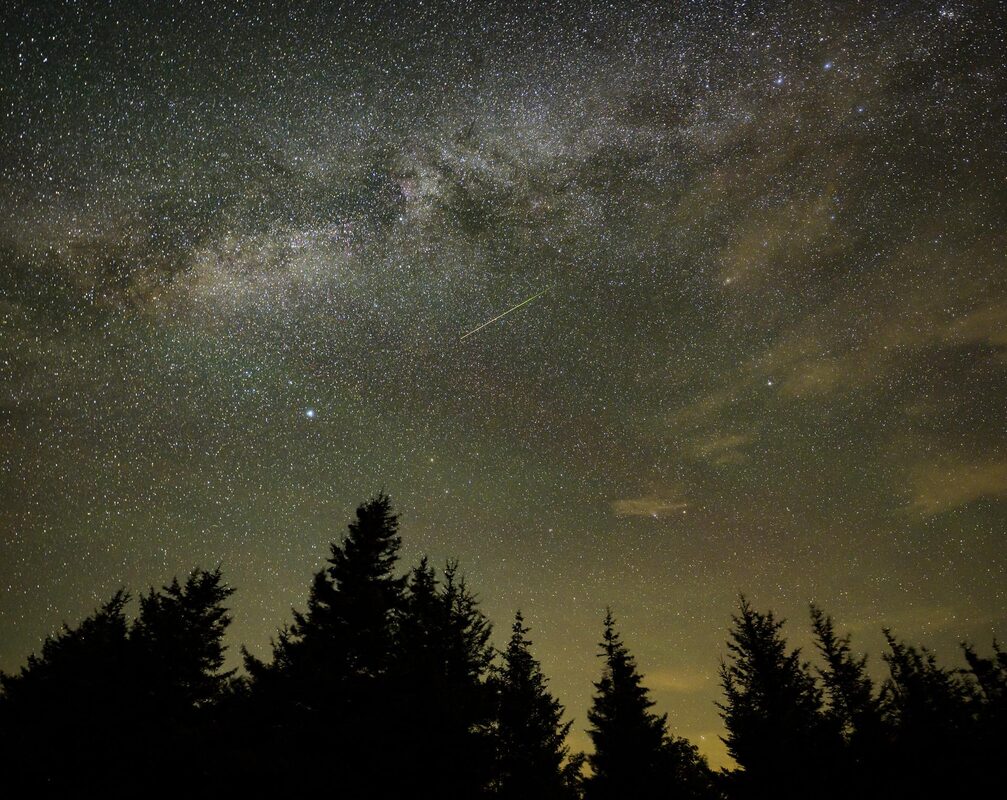
August 2026 stacks a rare eclipse double-header around its best night: a moonless Perseid peak on Aug 12-13, Venus at its evening best, and a deep 93%-covered partial lunar eclipse lighting up the Sturgeon Moon on Aug 27-28.
-
Stargazing
The Total Solar Eclipse of August 12, 2026: The Complete Viewing Guide
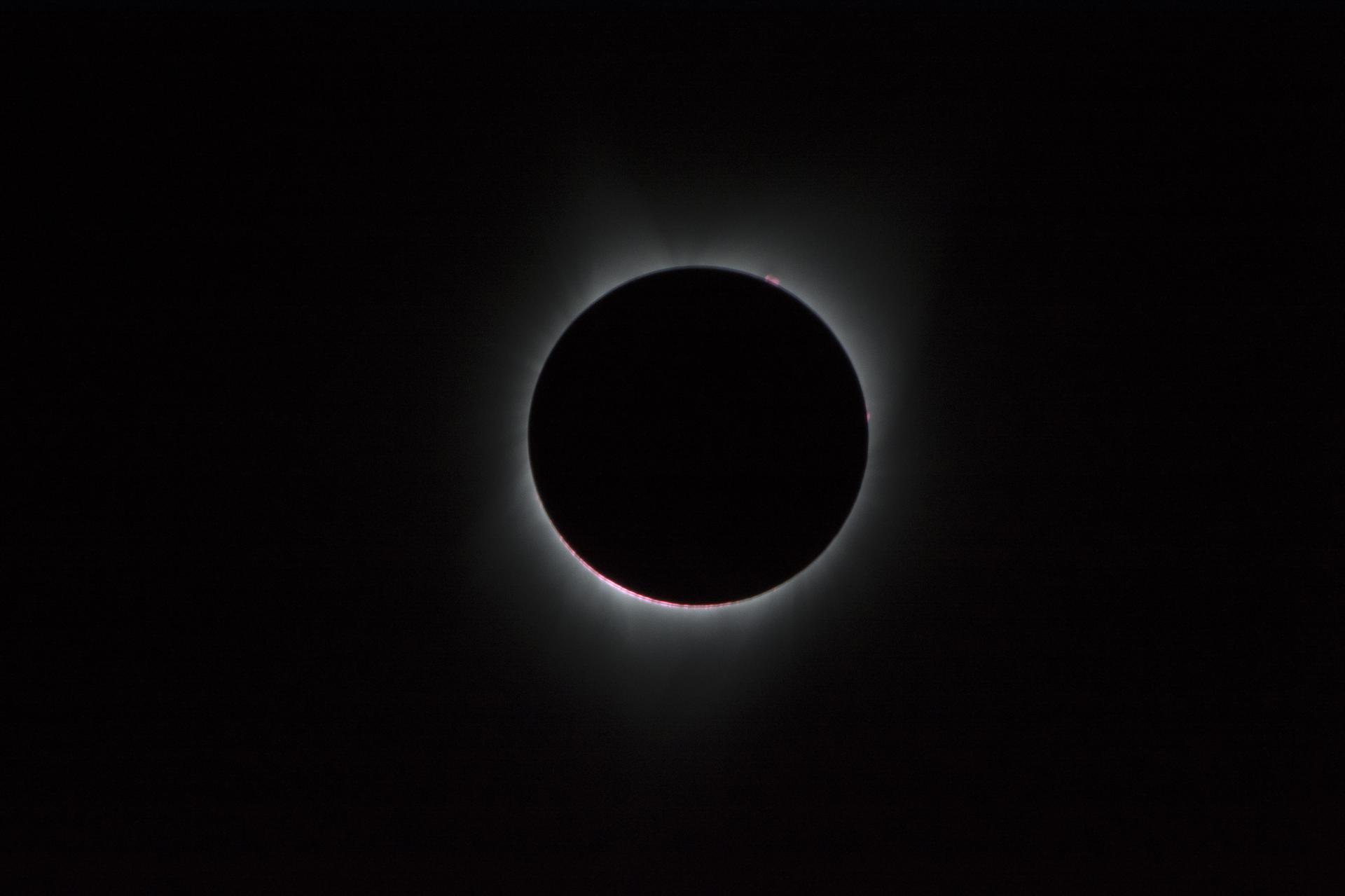
On August 12, 2026 the Moon's shadow sweeps from the Arctic across Greenland, Iceland, and Spain — the first total solar eclipse to reach mainland Europe since 1999. Exact times, best viewing spots, weather odds, safety rules, and what U.S. skywatchers will and won't see.
-
Stargazing
Sunspot AR4482 Unleashes M-Class Flares, Raising Aurora Odds Into the Weekend
Sunspot AR4482 fired off an M4.0 flare and a major filament eruption on July 7, and with a coronal-hole wind stream and CME now converging on Earth, forecasters give mid-to-high latitudes a real shot at aurora through the weekend.
-
Stargazing
A Beta-Gamma-Delta Sunspot Keeps Firing: Radio Blackout Risk Runs Through the Weekend
Active region AR4482, a magnetically tangled beta-gamma-delta sunspot, has been lobbing M-class flares at Earth since July 8, and NOAA gives it decent odds of another one through July 11 — with a side of aurora from an incoming solar wind stream.
-
Stargazing
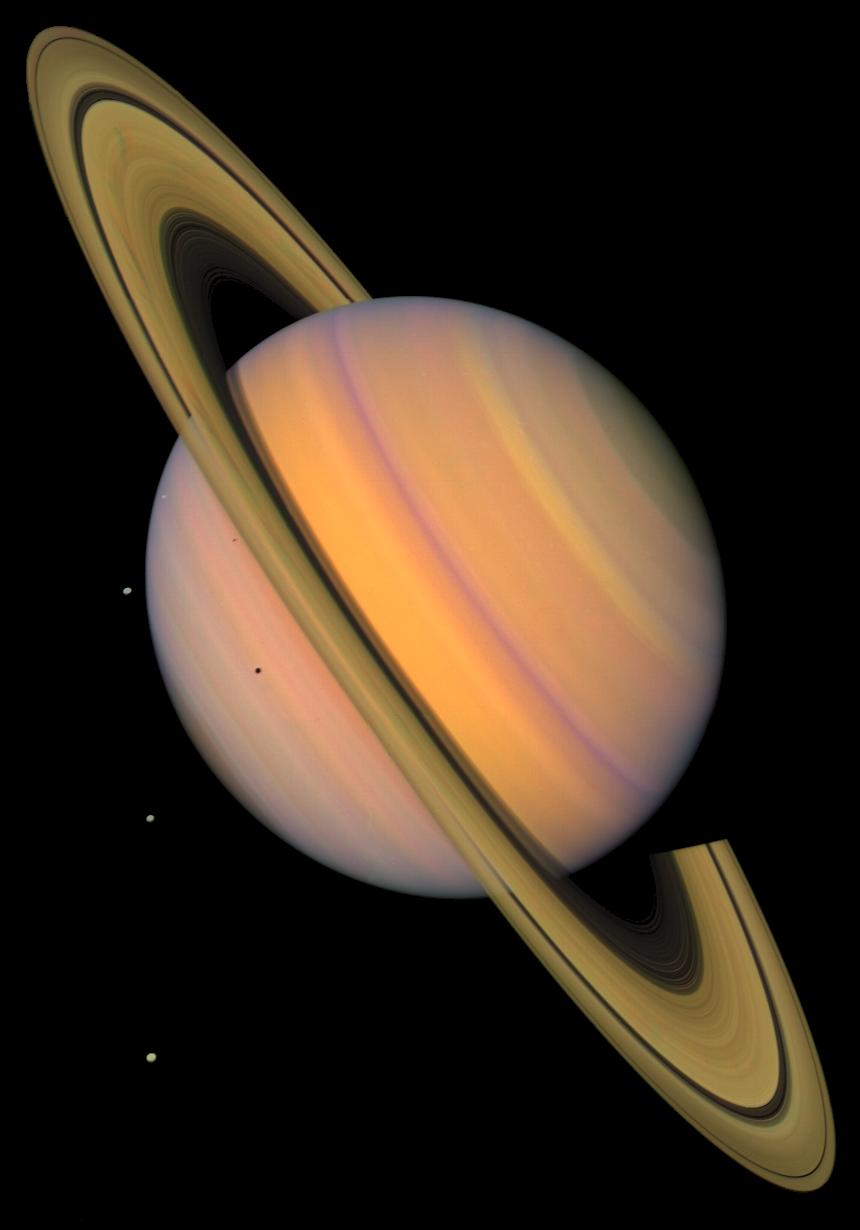
July Skies: Earth's Aphelion, a Saturn-Moon Pairing, and Comet Tempel 2 Brightening
Earth swings out to its farthest point from the Sun this week even as July's night sky delivers a Moon-Saturn close pass, a four-body dawn alignment, and a comet edging toward binocular visibility.
-
Stargazing
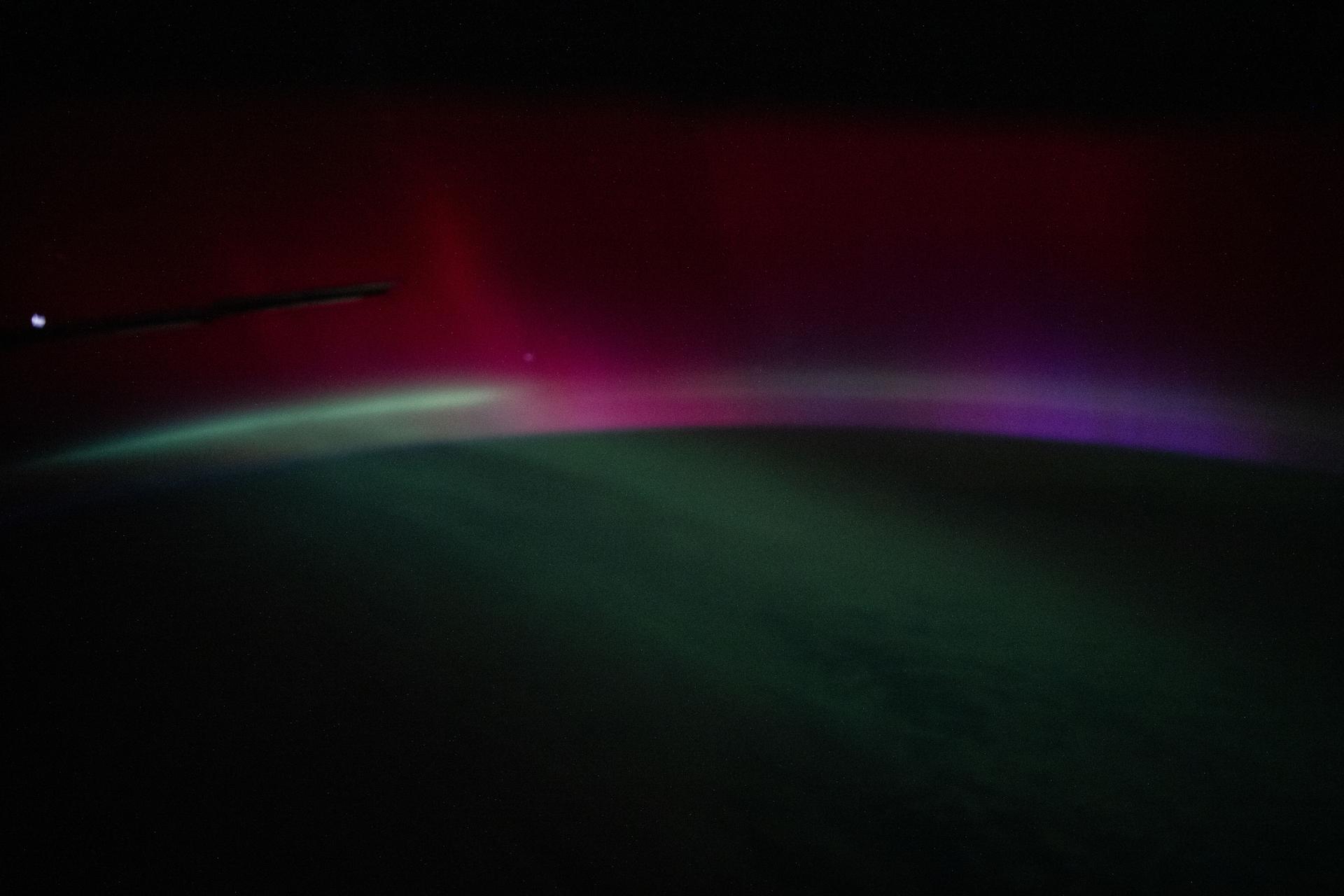
X1.3 Flare and Surprise G3 Storm Send Aurora Across 30 US States for July 4th Weekend
A CME-driven G3 storm outperformed its own forecast to paint aurora across 30-plus US states on July 4, then a fresh X1.3 flare from newly numbered AR4482 kept the sun's holiday fireworks going.
-
Stargazing
Mars and Uranus Just Had Their Closest Meeting Until 2053
Before dawn on July 4, 2026, Mars and Uranus squeezed to just 0.1° apart in Taurus — their tightest conjunction until 2053 — with bright Mars acting as a signpost to the far dimmer ice giant.
-
Stargazing
Sun Unleashes Surprise G3 Storm on July 4th, Pushing Auroras Into Utah and Nevada
A CME from a June 30 X1.1 flare overperformed its forecast, hitting G3 (Strong) and dragging the aurora as far south as Utah, Colorado and Nevada on Independence Day.
-
Stargazing
Comet 10P/Tempel 2 Brightens to Its Best Since 1967 — What Else to Watch in the July 2026 Sky
A short-period comet is having its best apparition in nearly 60 years, and NASA's July guide pairs it with thin-tilt Saturn rings, a pre-dawn Moon-Mars-Saturn lineup, and prime Milky Way viewing around the July 14 new moon.
-
Stargazing
July 4's Sky Show: Mars and Uranus Stage Their Closest Meeting Until 2053
Before dawn on July 4, 2026, Mars and Uranus pass just ~0.1 degree apart - their tightest pairing until 2053 and a rare chance to bag faint Uranus using bright Mars as a guide.
-
Stargazing
Aurora Alert: An X1.1 Flare and Back-to-Back CMEs Open a June 30-July 1 Storm Window
NOAA flagged G1-G2 storm conditions for June 30 into July 1 as a June 26 CME arrived and a slower June 27 CME chased behind, while AR4479 fired an X1.1 flare at 20:50 UTC - putting aurora within reach of northern-tier U.S. skies.