Stargazing
Stargazing and skywatching from Cosmic Herald — what to see in the night sky, meteor showers, planets, auroras, and observing guides.
-
Stargazing
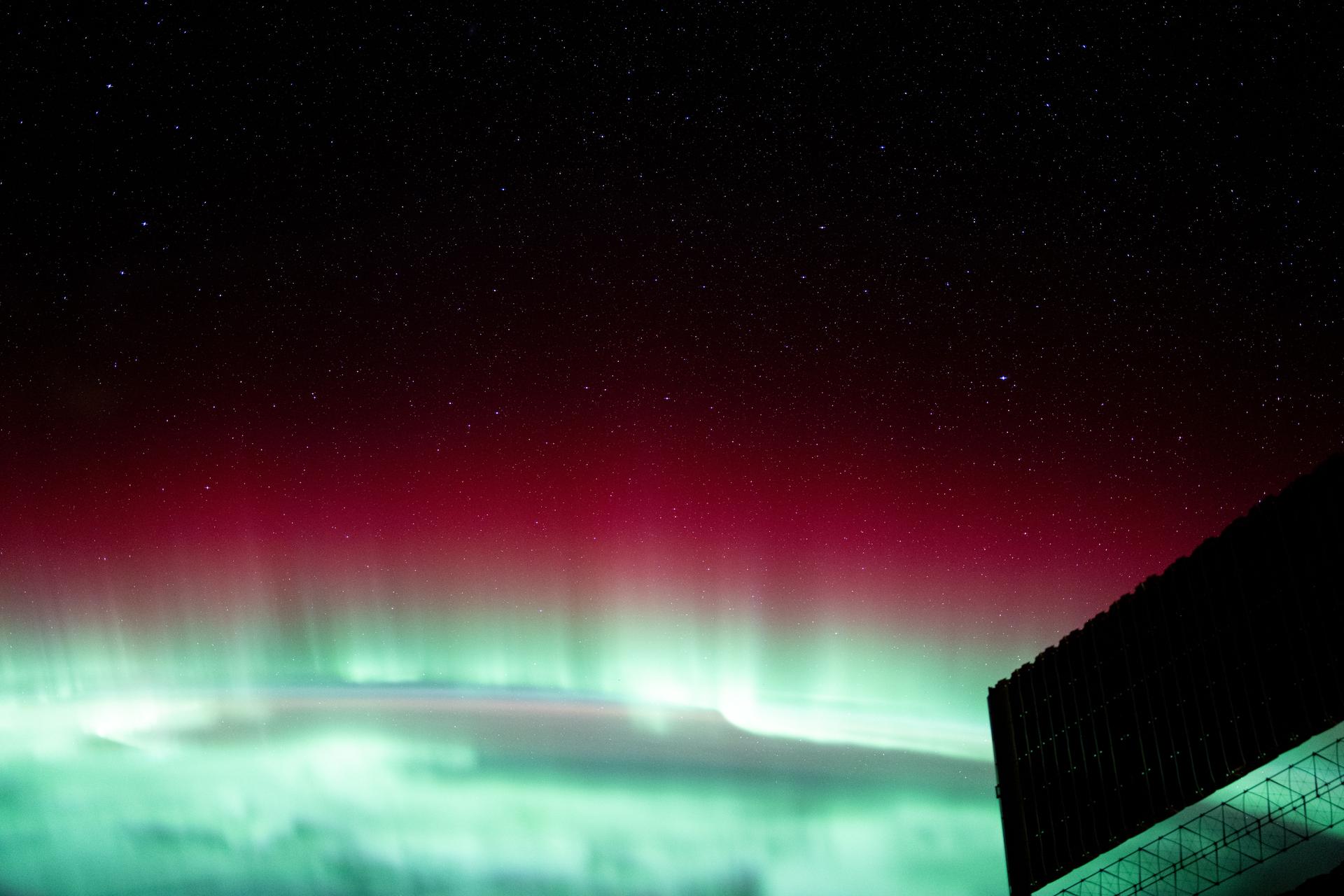
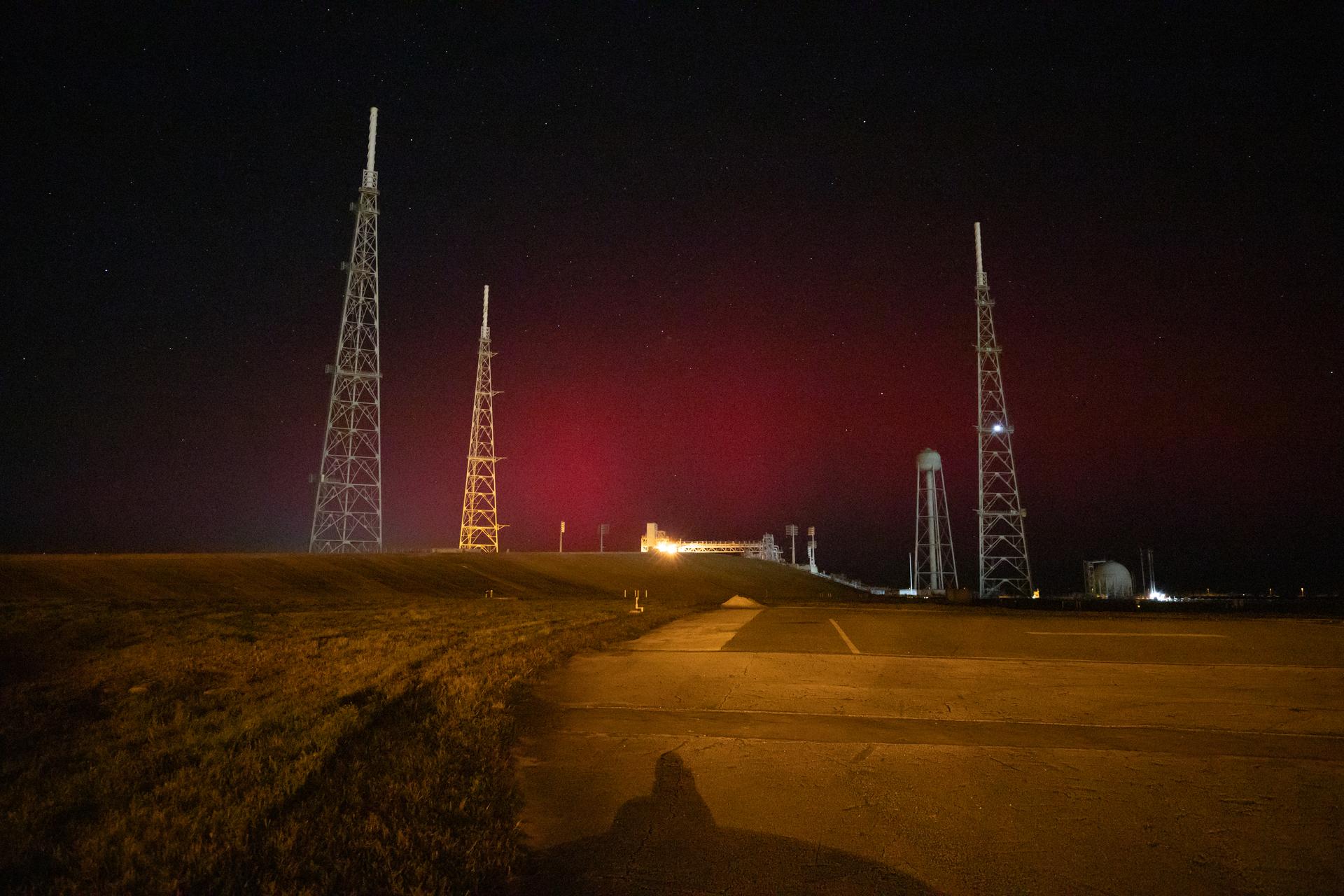
A G2 Storm Just Hit — and NOAA Says Another CME Arrives on Eclipse Day
After a Kp 6 storm lit up Scotland-latitude skies on August 8, NOAA's new forecast calls G1 storming likely on August 12 — the same day as the Greenland-Iceland-Spain total eclipse and the Perseids' ramp-up — raising the improbable prospect of auroras during totality.
-
Stargazing
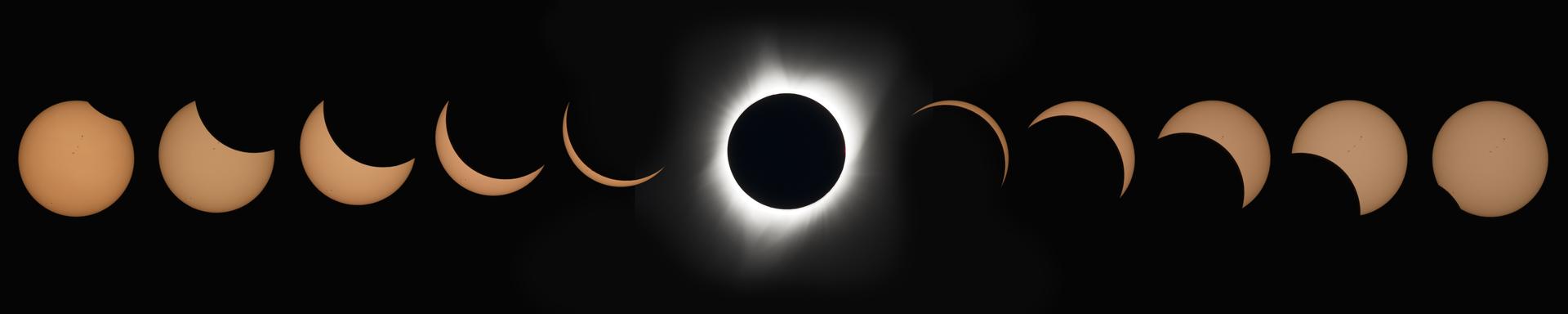
August 12 Total Solar Eclipse Will Cross Greenland, Iceland and Spain — Then Hand Off to the Perseids
A total solar eclipse sweeps from the Denmark Strait through Iceland into northern Spain on August 12, 2026, then gives way to a moonless, "optimum" Perseid peak the same night.
-
Stargazing
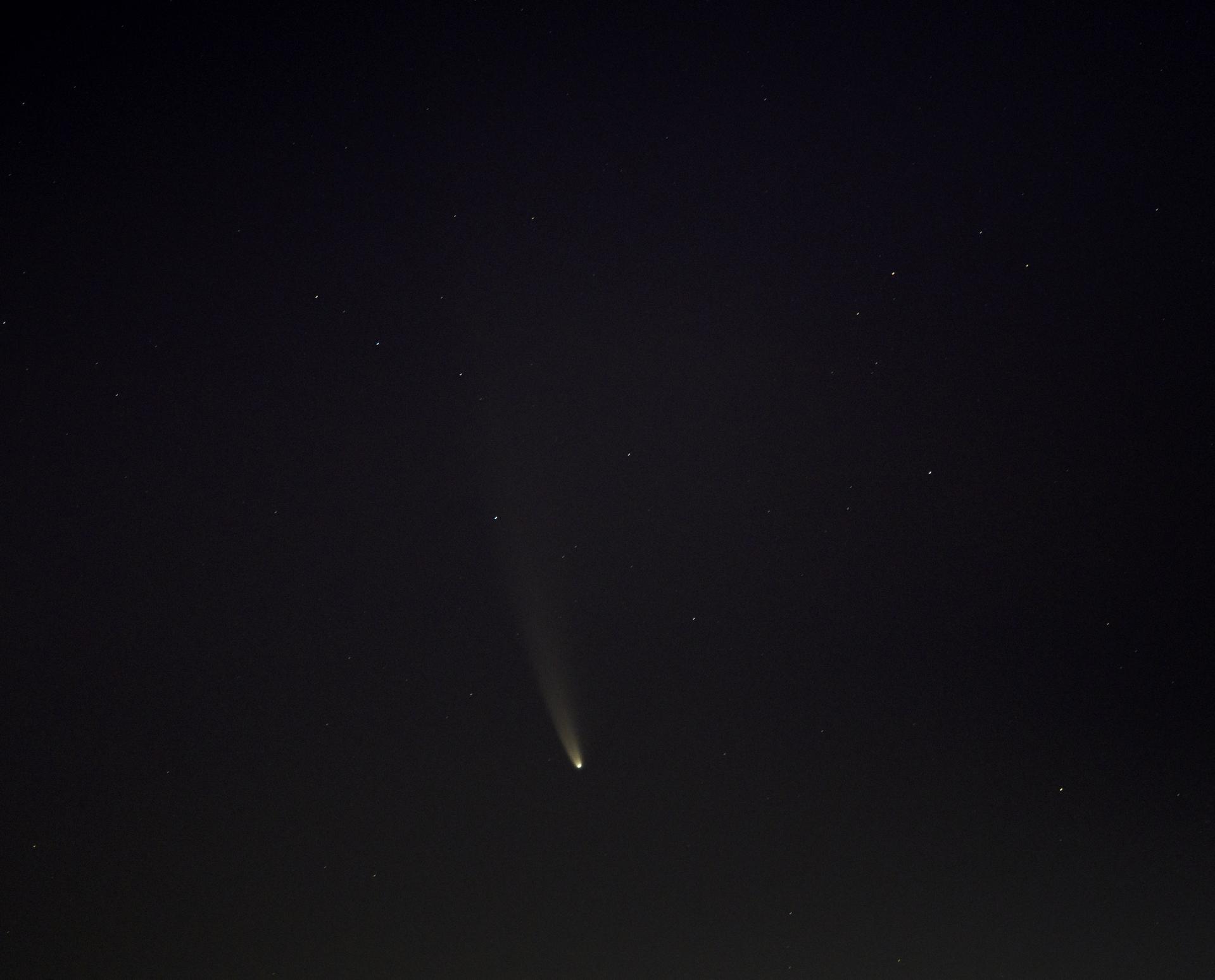
Comet 10P/Tempel 2 Hits Peak Brightness at Closest Earth Approach — Its Best Return of the Century
Jupiter-family comet 10P/Tempel 2 brightened to roughly magnitude 8-9 as it passed within 61 million km of Earth on August 3, 2026, offering Southern Hemisphere observers with binoculars or a small scope the best view of this comet for the rest of the century.
-
Stargazing
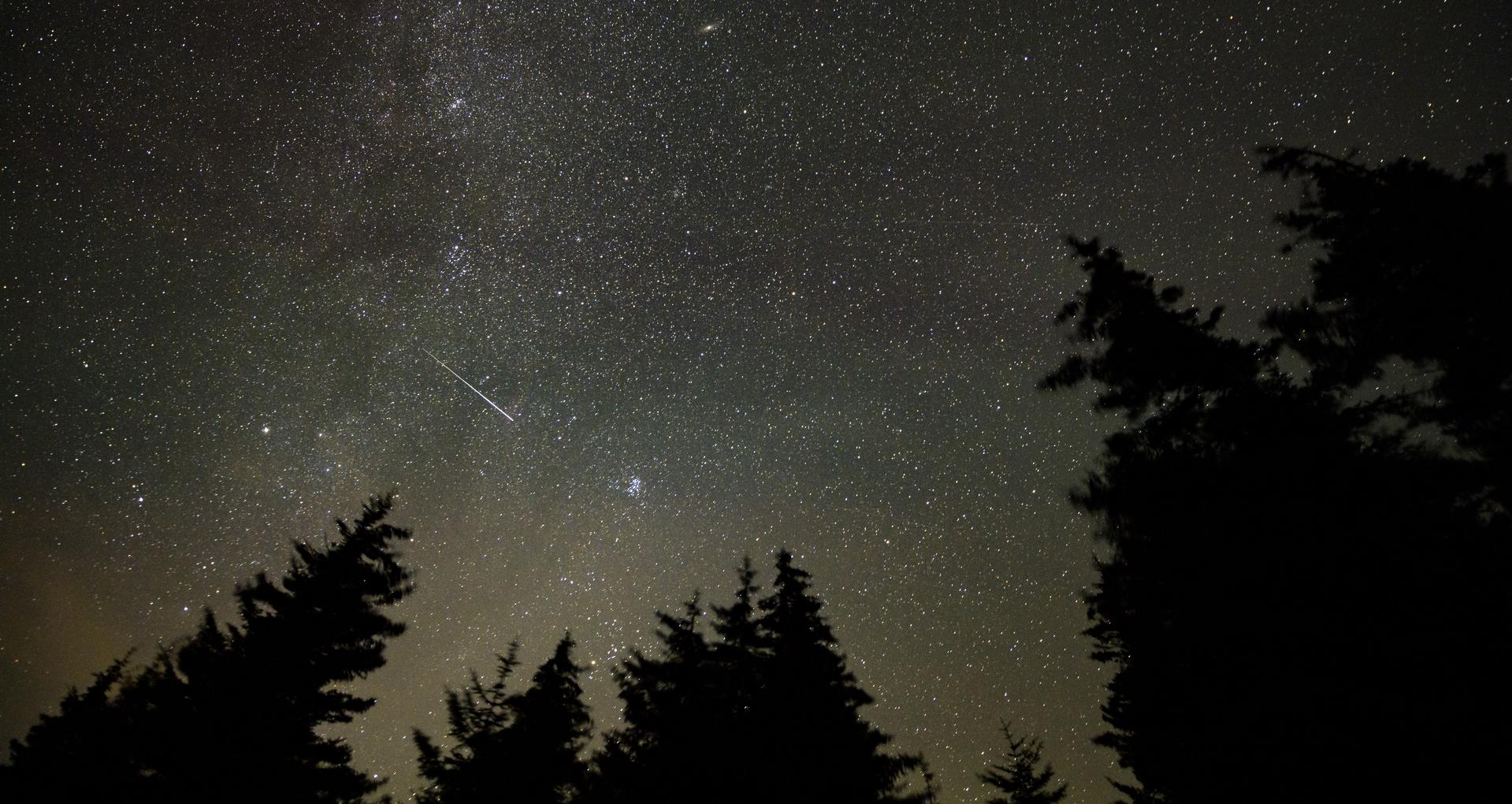
August 2026 Skywatching Guide: Perseids Peak Under a New Moon, Flanked by a Total Solar Eclipse and a Near-Total Lunar Eclipse
A moonless Perseid peak, a total solar eclipse over Greenland, Iceland and Spain, and a 93-96% partial lunar eclipse over the Americas make August 2026 one of the year's busiest skywatching stretches.
-
Stargazing
A Fresh Flare and Two Inbound CMEs Set Up a G1 Aurora Watch for August 1-2
Two glancing-blow CMEs and a new M1.9 flare have NOAA forecasting a 25-30% chance of minor G1 geomagnetic storming August 1-2, with best US viewing odds in the northern tier — though a near-full Moon will blunt the show.
-
Stargazing
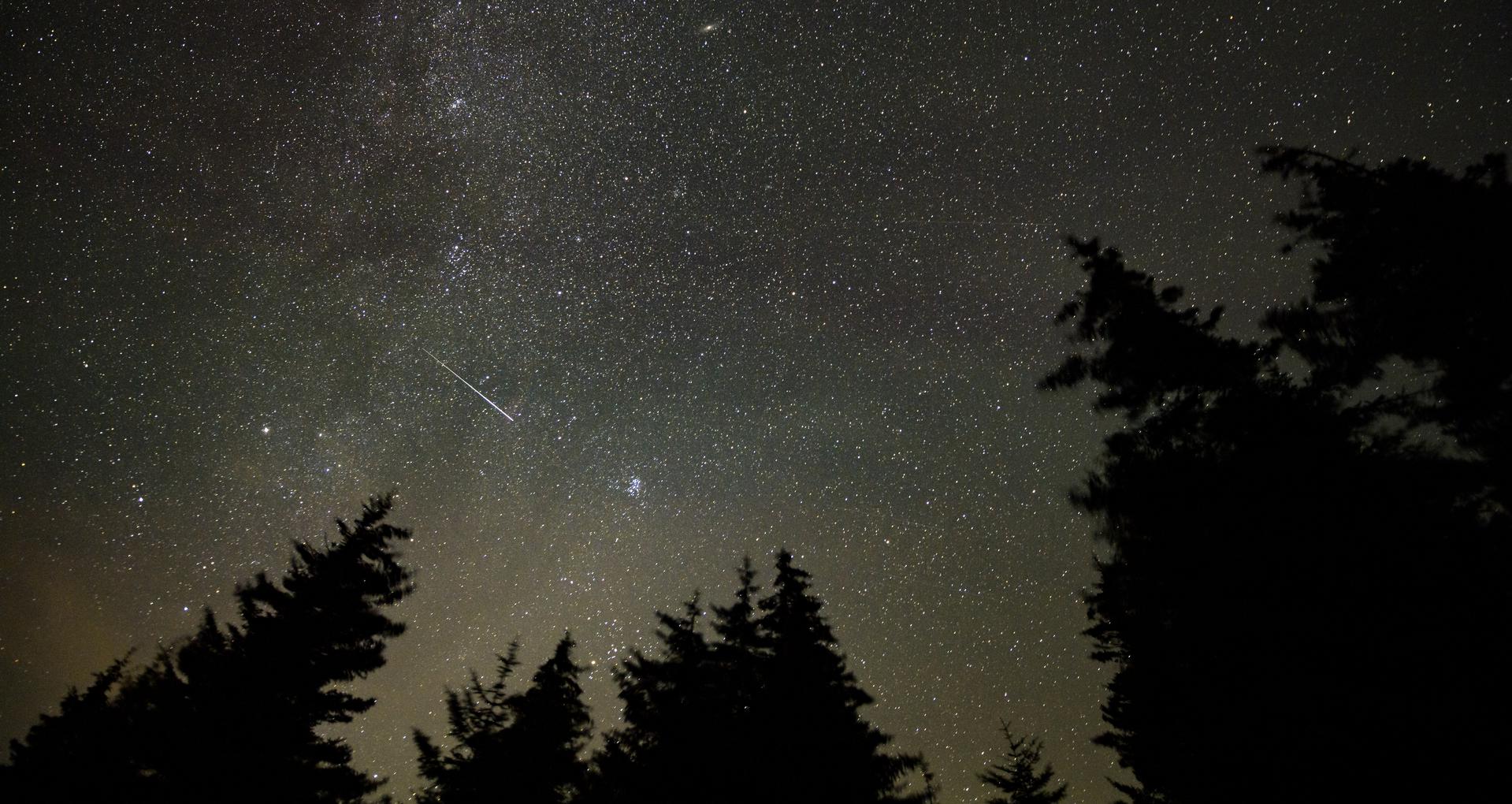
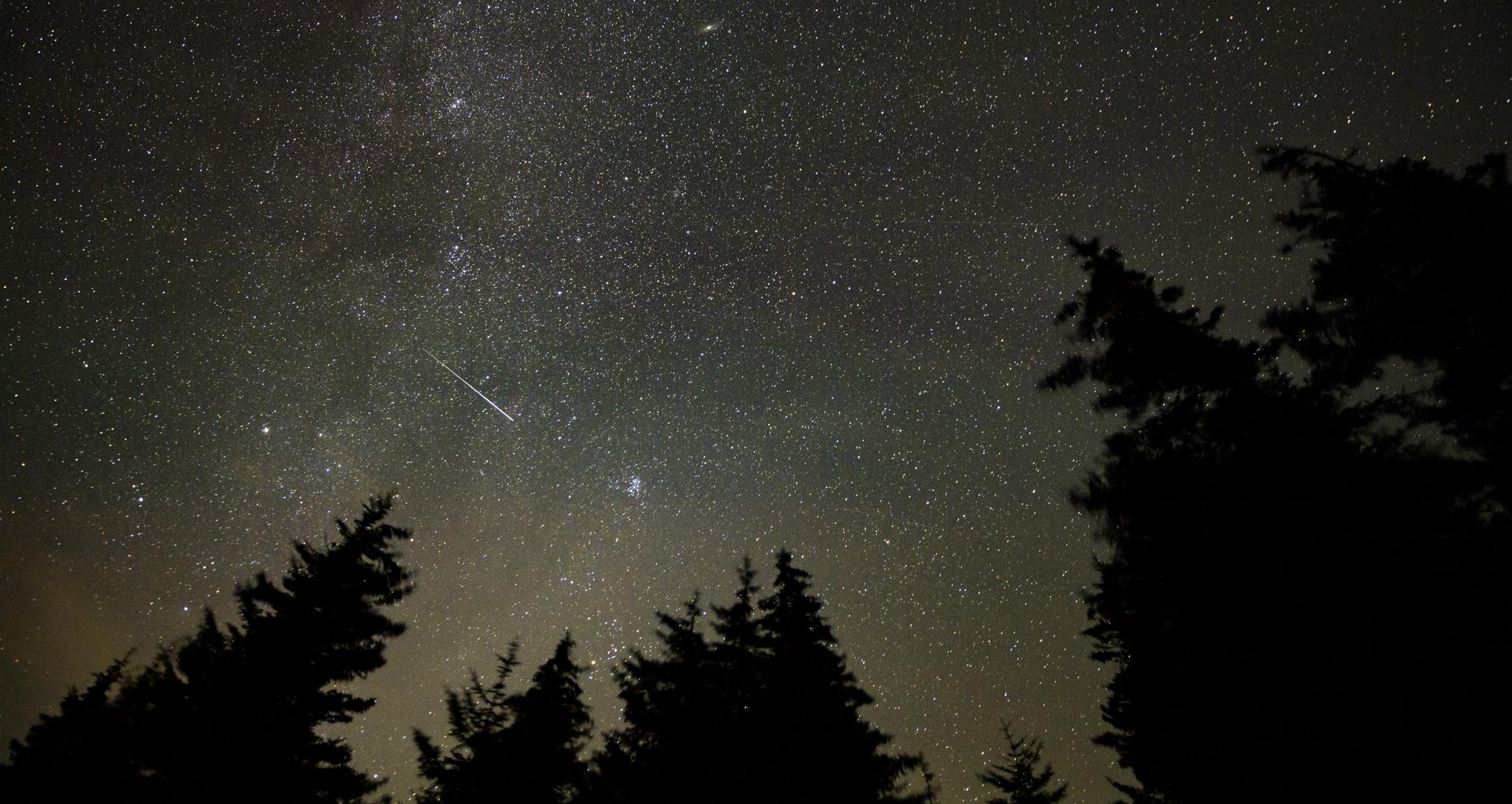
Full Moon to Wash Out Peak of Delta Aquariid–Alpha Capricornid Double Meteor Shower
A nearly full moon will drown out most of the Southern Delta Aquariids' July 28-29 peak, but the slower, brighter Alpha Capricornid fireballs that follow on July 30-31 should still cut through the glare.
-
Stargazing
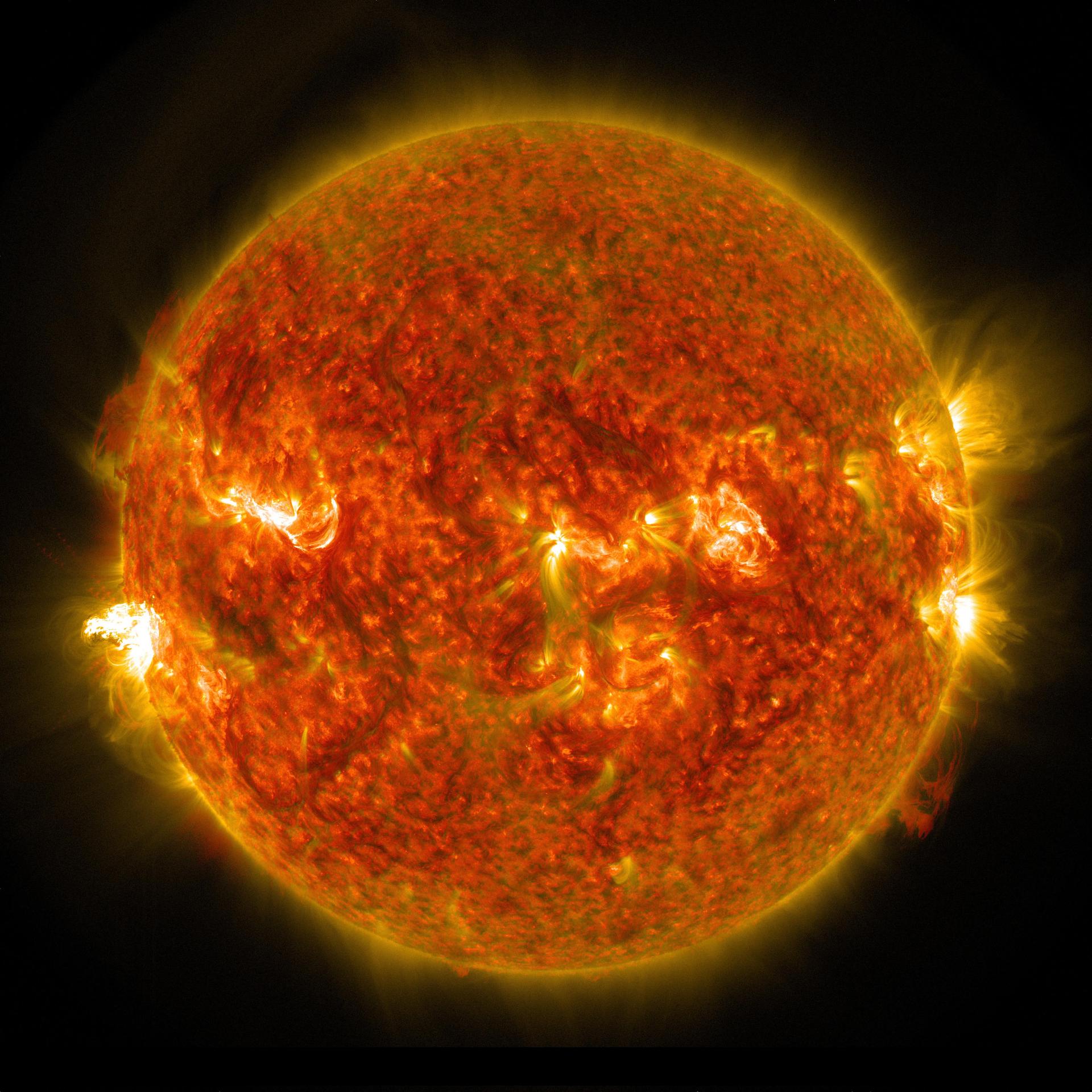
The Sun Stirs Again: Sunspot AR4494 Fires an M3 Flare as Three Regions Crackle Into Late July
Sunspot AR4494 threw an M3.2 flare on July 26 while regions 4495 and 4496 added C-class pops. Earth's magnetic field stayed quiet, but forecasters put the odds at 45% for another M-flare and 10% for an X-flare over the next 24-48 hours.
-
Stargazing
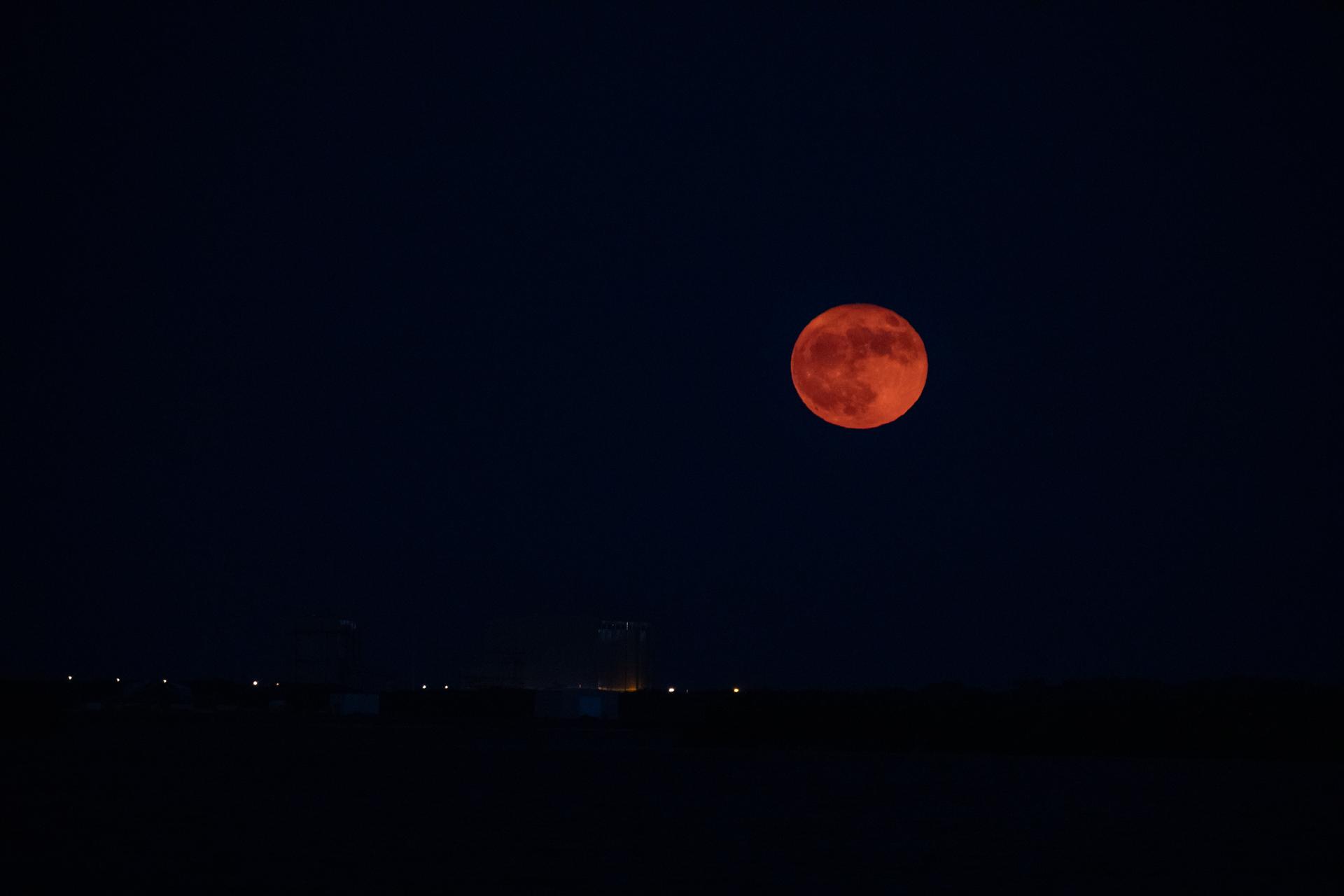
Late July 2026: A Fattening Moon, Edge-On Saturn, and a Meteor Shower Fighting the Light
The last ten days of July 2026 hand skywatchers a First Quarter Moon growing into the Full Buck Moon on 29 July, a nearly edge-on Saturn, evening Venus in Leo, and Delta Aquariid meteors that a near-full Moon will mostly drown out.
-
Stargazing
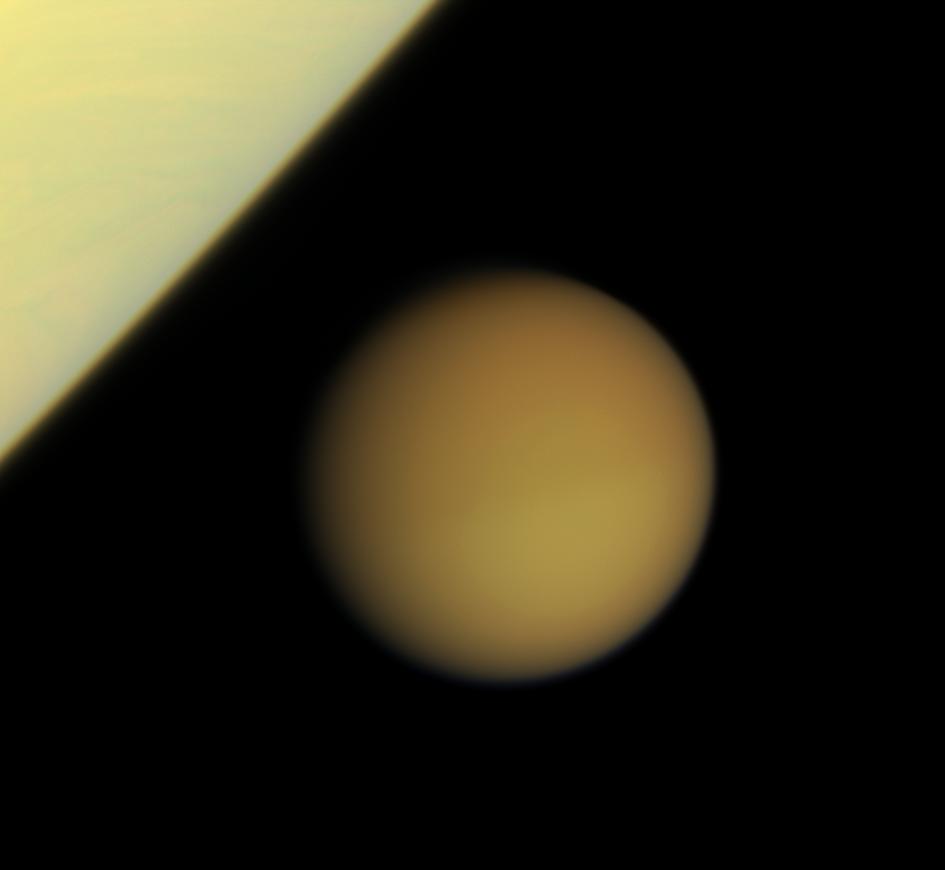
This Week's Sky: An Apollo-11 Twin Moon, a Stalling Mercury, and Titan Circling Saturn (July 20-24)
From July 20-24, 2026, the Metonic cycle serves up a Moon that echoes Apollo 11's landing night, Mercury stalls to end its retrograde in Gemini, and Titan hangs easily beside Saturn.
-
Stargazing
The Southern Delta Aquariids Are Warming Up for a Moonlit Late-July Peak
The Southern Delta Aquariids peak the night of July 30-31, 2026, but a full moon just one day earlier means the best views come from patient pre-dawn watching in the week before.
-
Stargazing
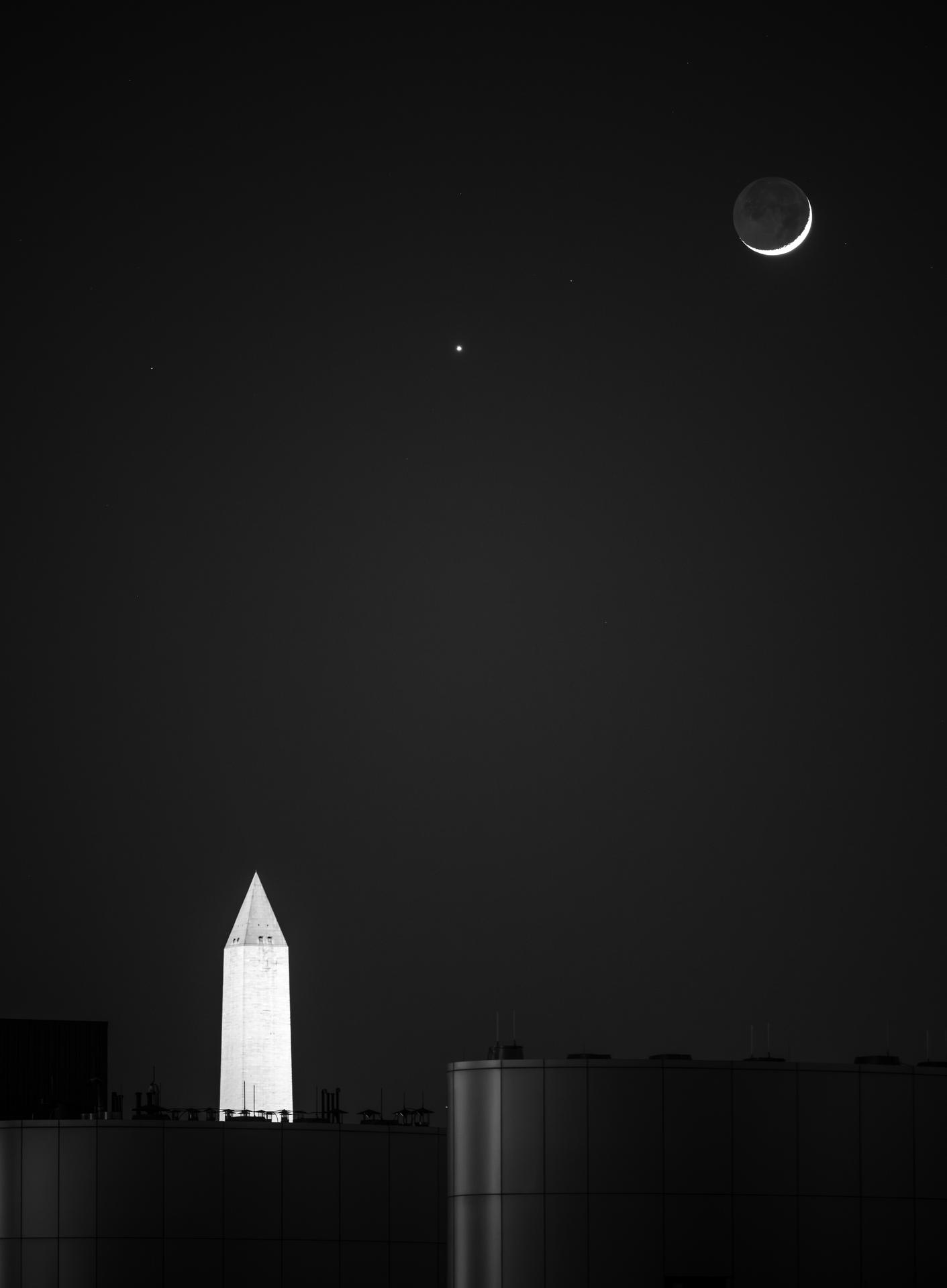
A Delicate Trio at Dusk: Moon, Venus, and Regulus Share the Sky July 15-17
A waxing crescent Moon glides past Venus and Regulus on three straight evenings this week, brushing 0.5° from the heart of Leo on July 16 before closing to within 2° of Venus the next day.
-
Stargazing
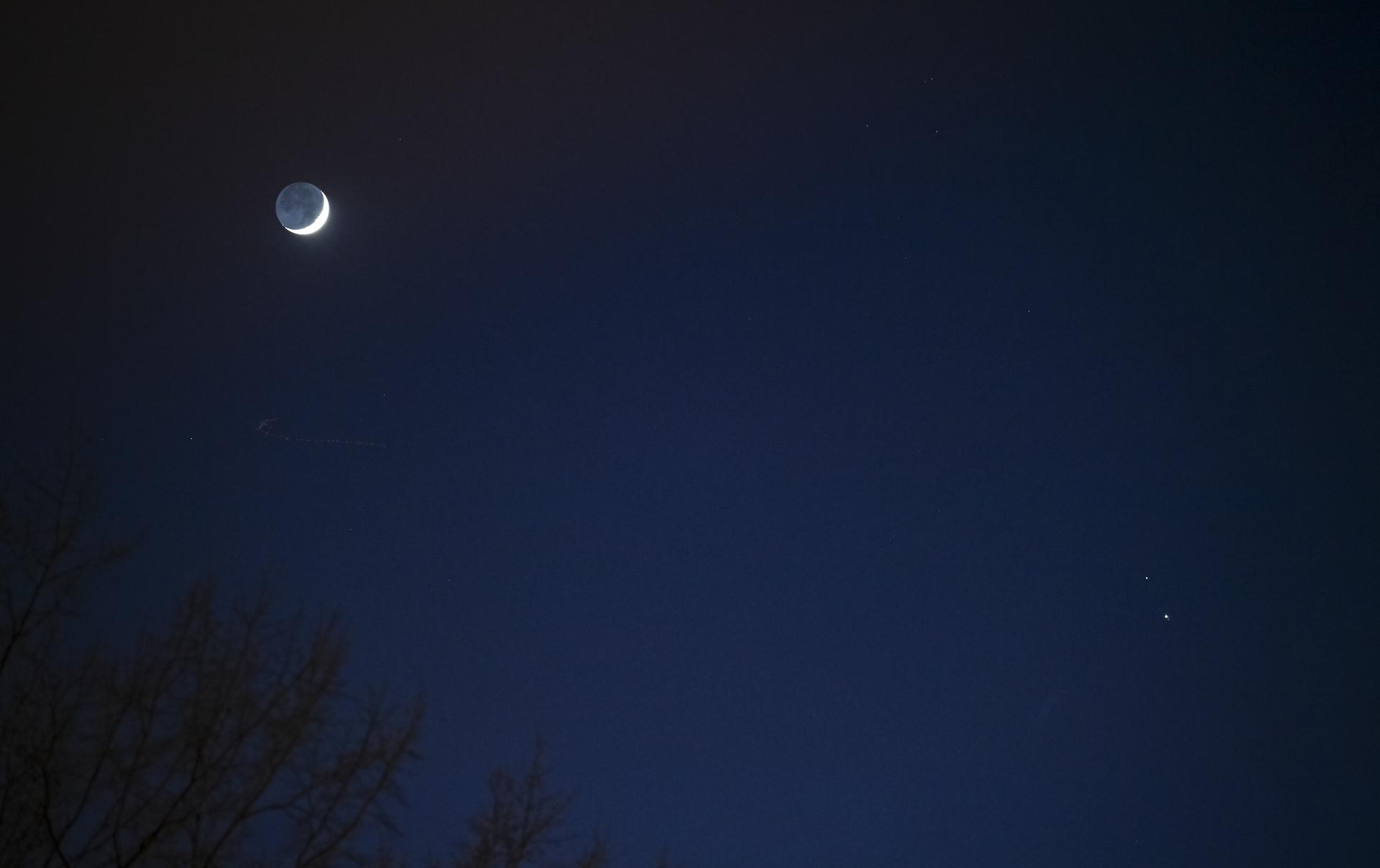
Predawn Sky Guide: Moon Lines Up With Mars, Saturn and Uranus on July 11-12
A waning crescent Moon points the way to Mars, Saturn, and a binoculars-only Uranus in the predawn eastern sky on July 11-12, 2026, part of a busy month of lunar-planetary conjunctions.