European Space Agency
Every Cosmic Herald story on European Space Agency — missions, launches, discoveries, and the business of space, newest first.
-
NASA & Agencies
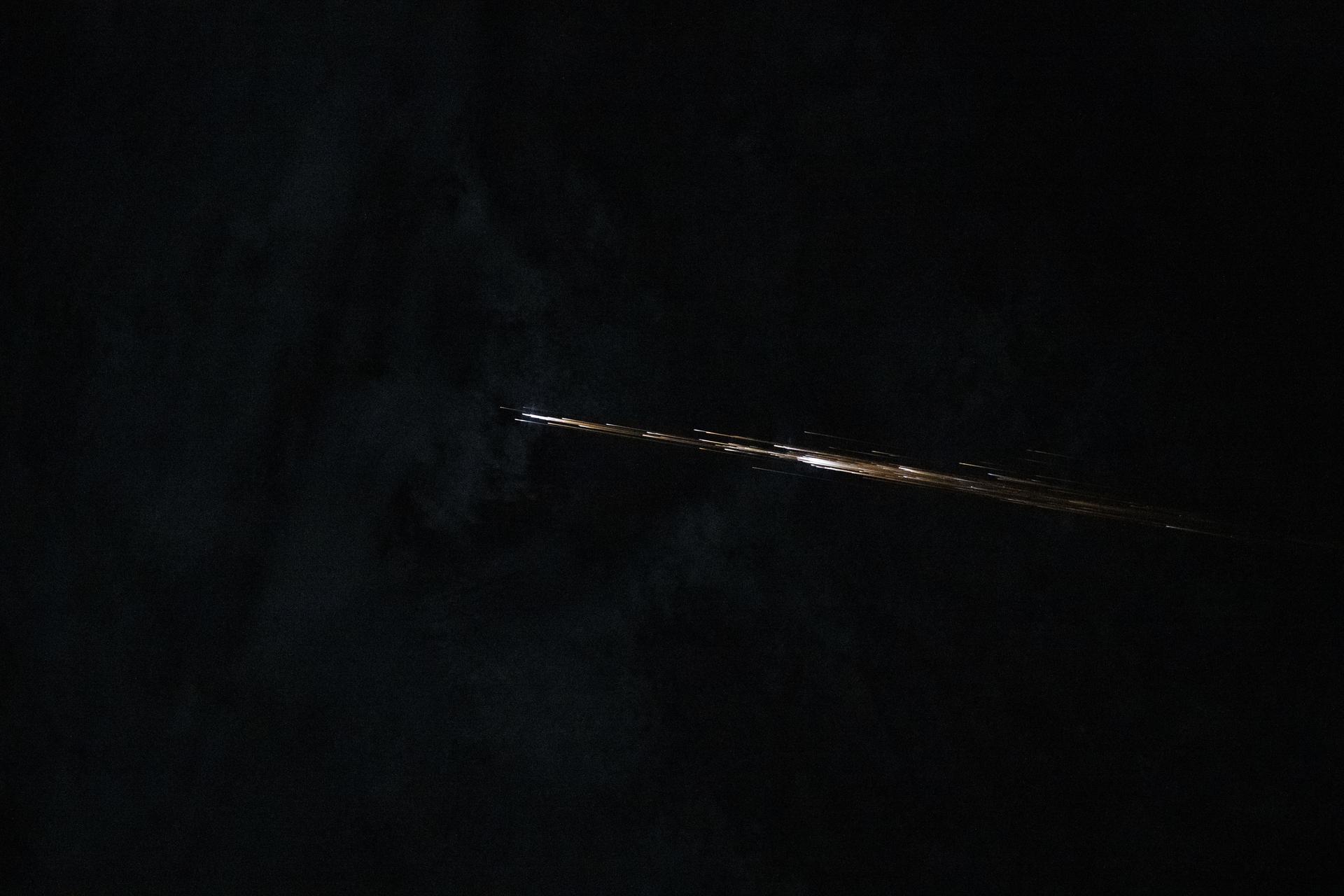
A Dead Soviet Satellite Breaks Apart Again as ESA Warns Low Earth Orbit Is Heading for Runaway Growth
ESA's 2026 Space Environment Report warns of runaway collision growth and adds a new reentry casualty-risk metric, and weeks later LeoLabs spotted tens of fragments from the long-dead Soviet satellite Meteor 2-7 near 855 km.
-
NASA & Agencies
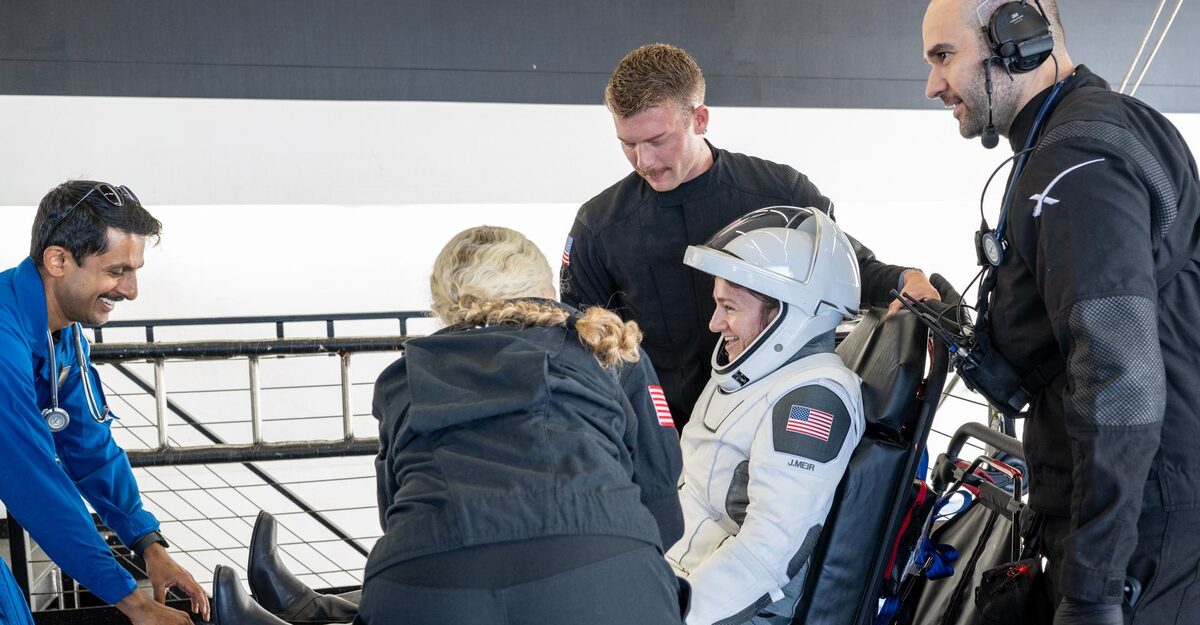
Crew-12 Comes Home: Sophie Adenot's Record 237-Day Flight Ends in Cologne
Crew-12's Dragon Freedom splashed down off Los Angeles on Oct. 8 after 237 days. Two days later ESA's Sophie Adenot landed in Cologne holding a new European record for the longest single spaceflight, and ESA is pointing to December's ministerial meeting in Rome.
-
NASA & Agencies
ESA and Vast Sign a New MoU Looking Past the International Space Station
ESA and Vast have replaced their 2024 agreement with a broader three-year MoU covering possible European astronaut missions to Vast's Haven station, hardware contributions and joint research, starting with a feasibility study as Europe plans for life after the ISS.
-
NASA & Agencies
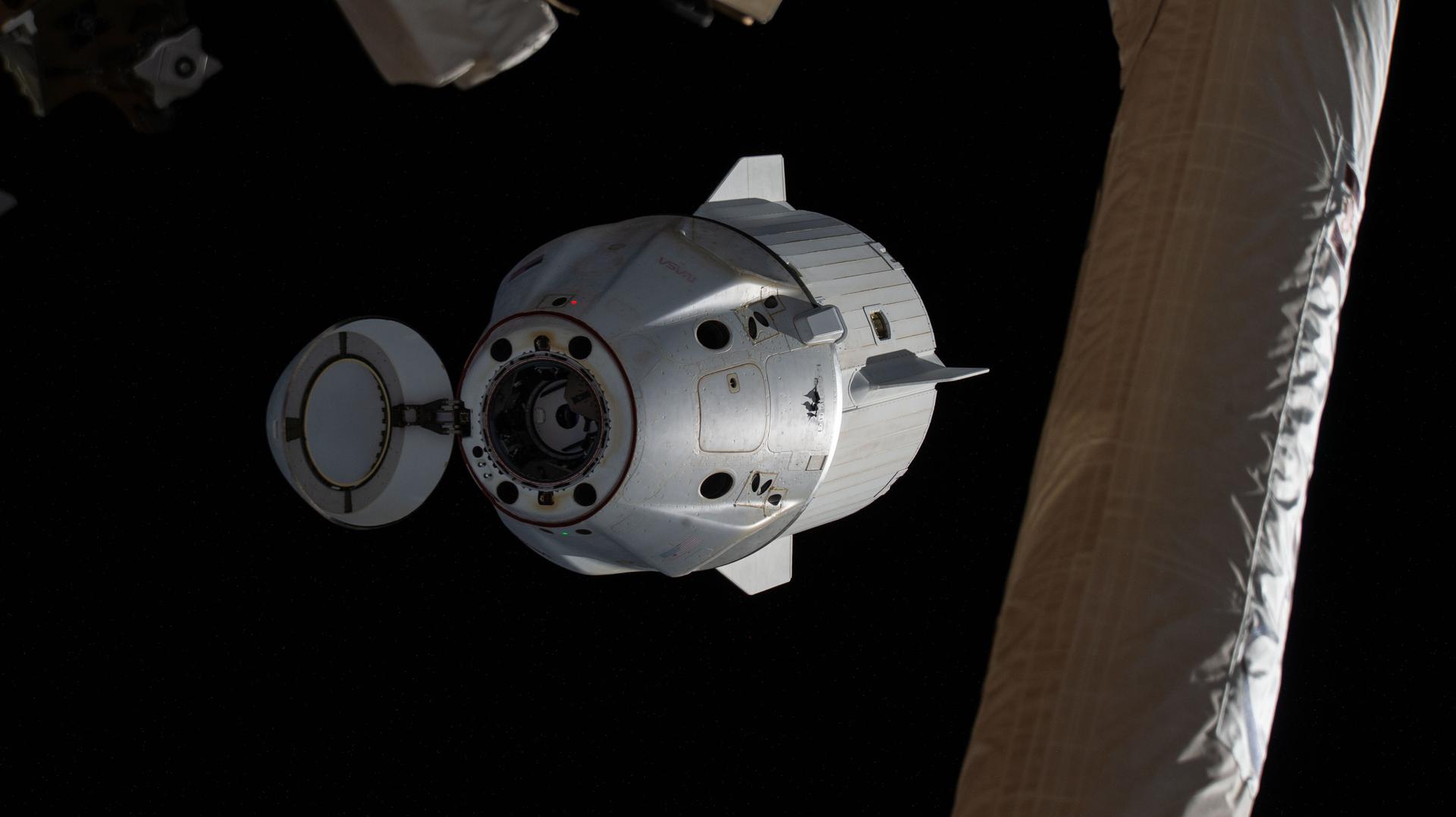
Crew-12 Heads Home: Dragon Undocking Set for Oct. 7 as Crew-13 Settles In Aboard the Station
NASA and SpaceX are targeting 8:05 a.m. EDT Wednesday, Oct. 7, to undock Crew-12 from the ISS, with a Pacific splashdown off California around 11:34 a.m. Thursday. Crew-13 arrived after an Oct. 1 launch, and ESA's Sophie Adenot heads home with three spacewalks totalling 19 h 42 min.
-
NASA & Agencies
ESA Adds €2.7 Million to Speed Rocket Factory Augsburg's First UK Orbital Launch
ESA's Boost! program is funneling €2.7 million through the UK Space Agency to finish hot-fire test stands at SaxaVord Spaceport, clearing the way for RFA's grounded rocket to resume static-fire testing in Scotland.
-
NASA & Agencies
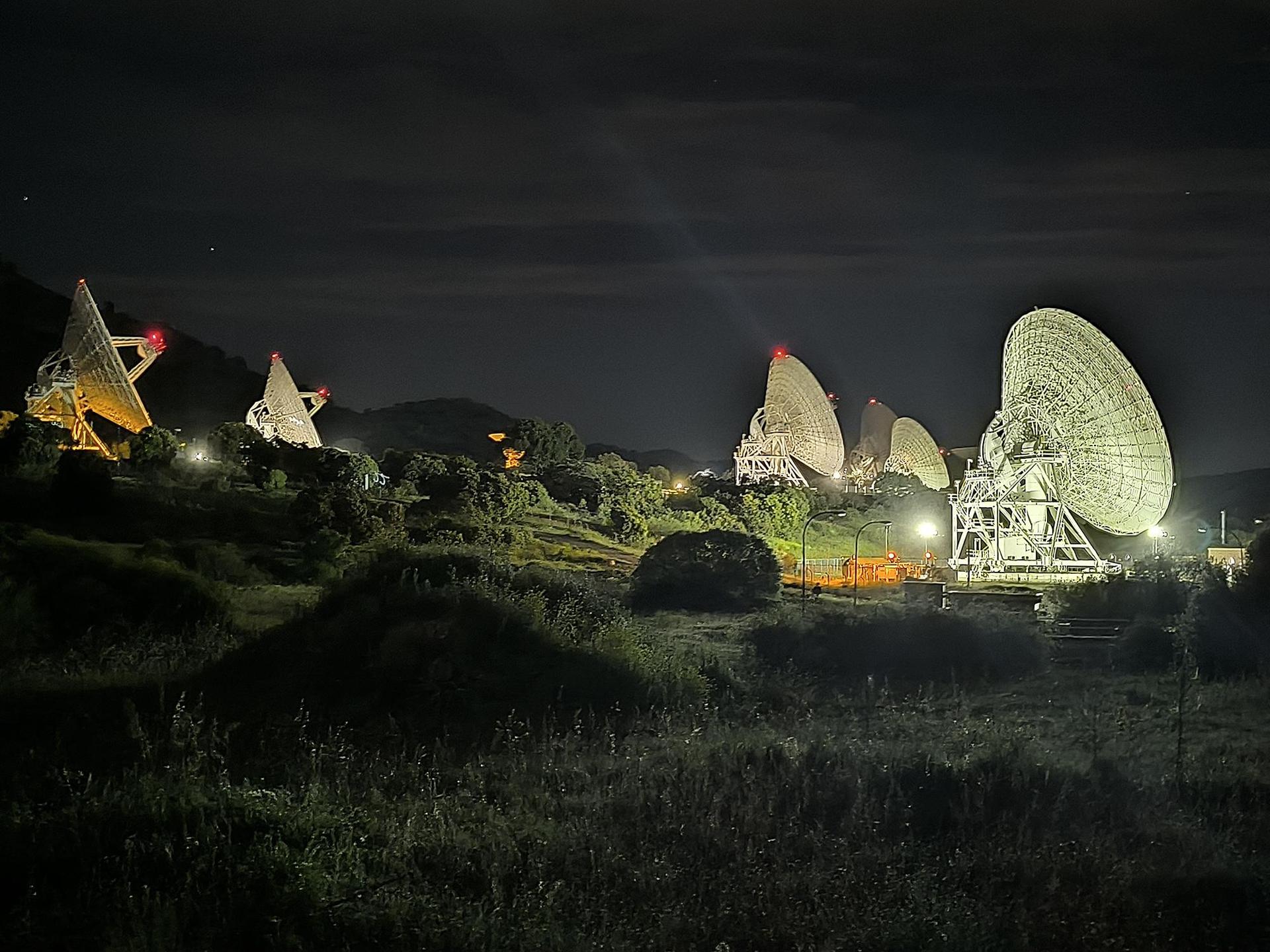
Roman Space Telescope's Three Ground Stations Pass Peak-Rate Data Test Ahead of 2027 Science Start
NASA confirms all three ground stations tracking the Nancy Grace Roman Space Telescope can receive its data at the full 500 Mbps rate, clearing a key hurdle before science operations begin in early 2027.
-
NASA & Agencies
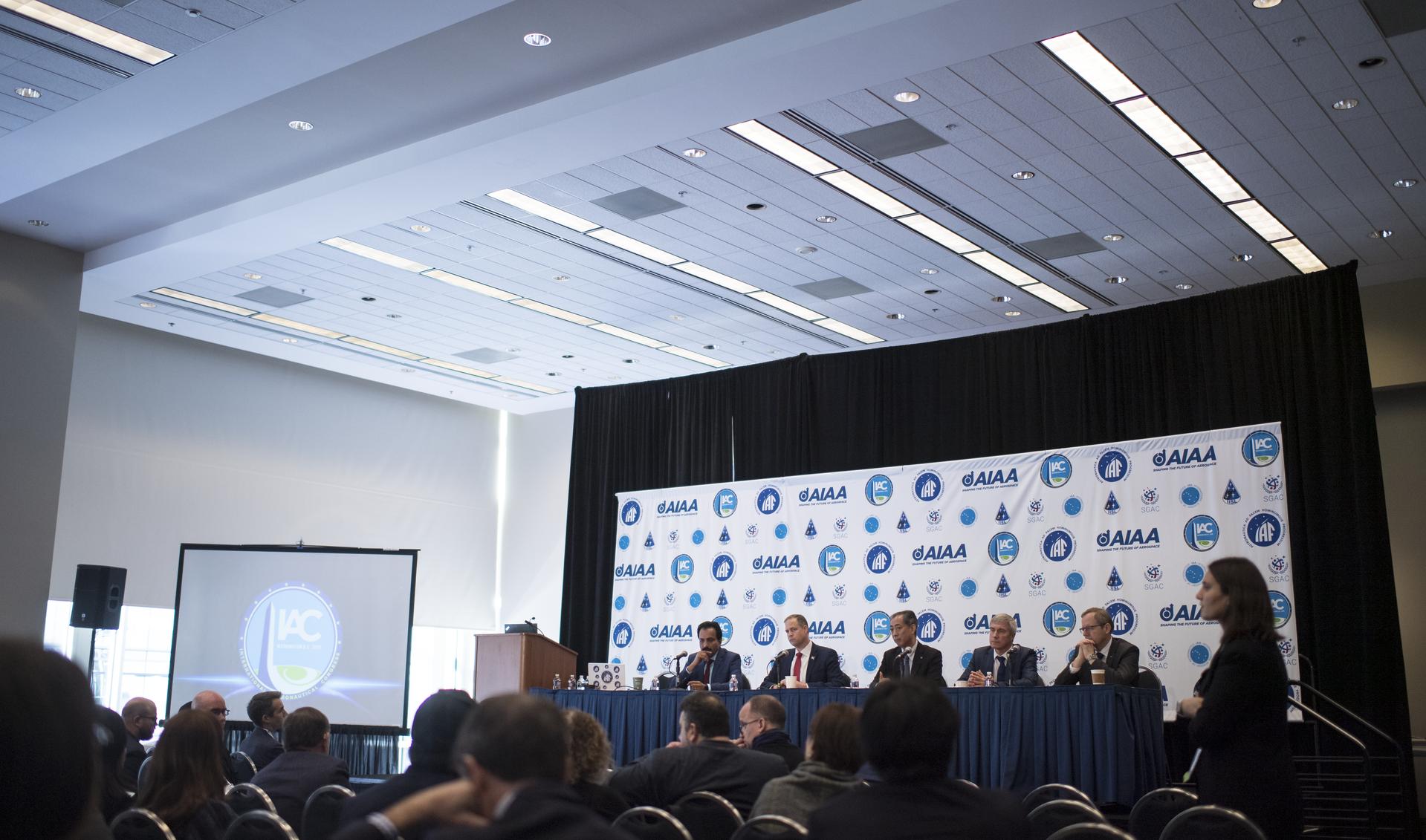
ESA and ISRO Extend Their Partnership to 2032 — and Widen It to Space Weather and Human Exploration
In Paris, ESA and ISRO quietly stretched a 24-year-old cooperation pact five more years and folded in space weather, human and robotic exploration, and orbital sustainability.
-
NASA & Agencies
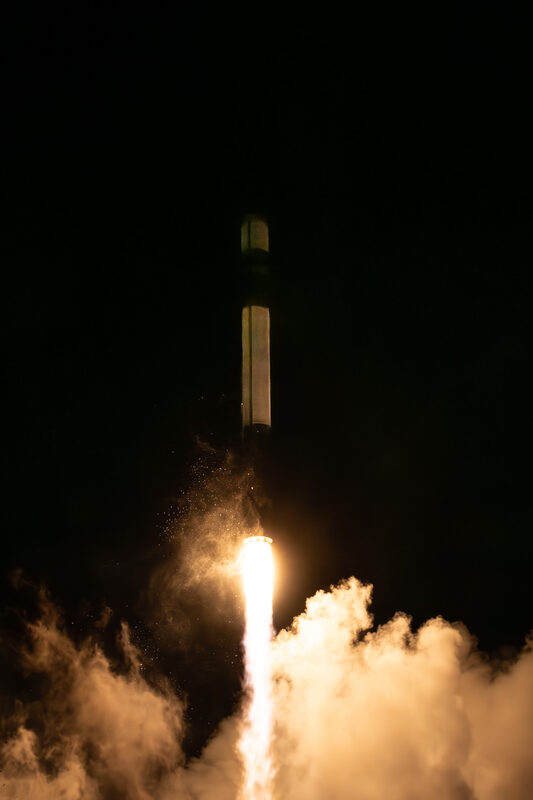
Vega-C Carries a Plant-Fluorescence Hunter and an Ocean Watcher to Orbit — Together, For the First Time
Europe's Vega-C flew two Earth Explorers at once for the first time on September 15, deploying ESA's fluorescence-mapping FLEX satellite and the Sentinel-3C ocean-and-atmosphere monitor from French Guiana.
-
NASA & Agencies
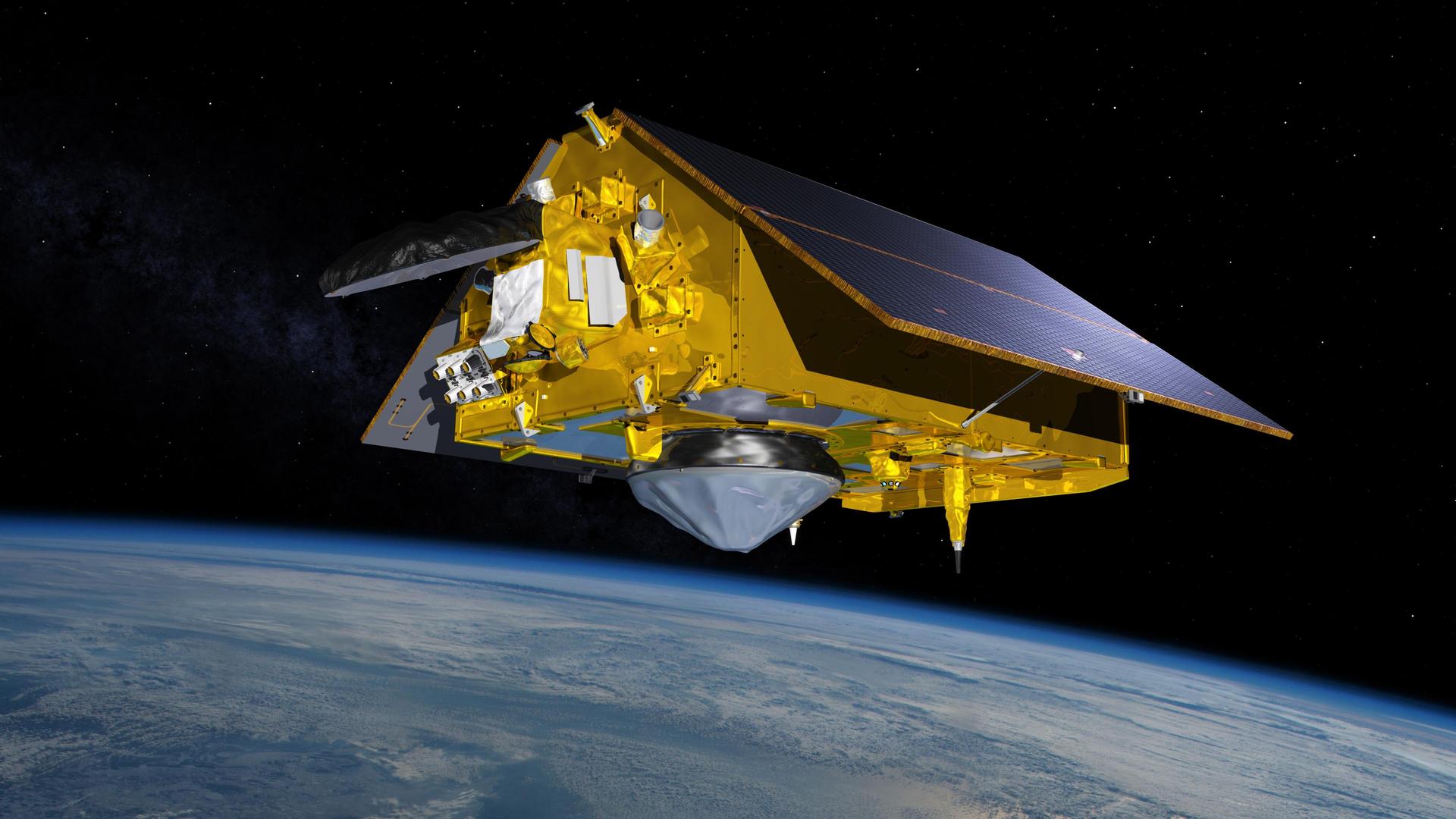
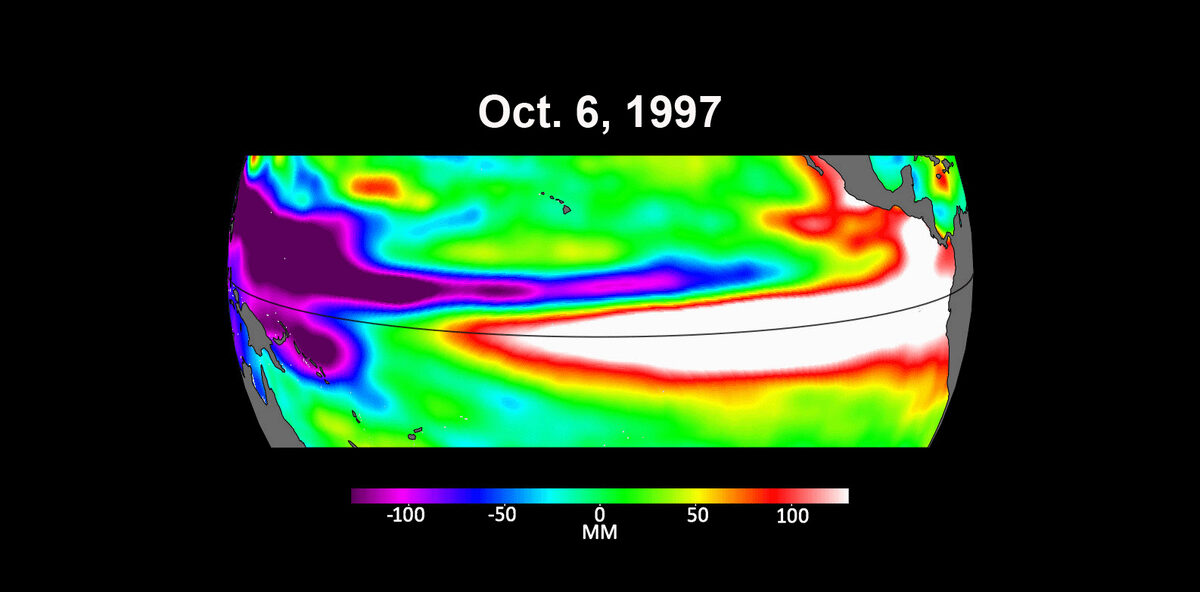
Two Satellites, One Ocean: Sentinel-6 Duo Times a Late-Blooming El Niño for Hurricane Forecasters
NASA says its Sentinel-6 satellite pair, flying 30 seconds apart, is cross-checking ocean-height data during a strong, late-arriving 2026 El Niño just as hurricane season peaks.
-
NASA & Agencies
ESA and Vast Agree to Fly Greece's First Astronaut to the ISS
ESA and commercial station firm Vast signed an agreement in Paris to fly Greek flight surgeon Adrianos Golemis to the ISS in 2027, pending medical certification, aboard a mission commanded by Thomas Pesquet.
-
NASA & Agencies
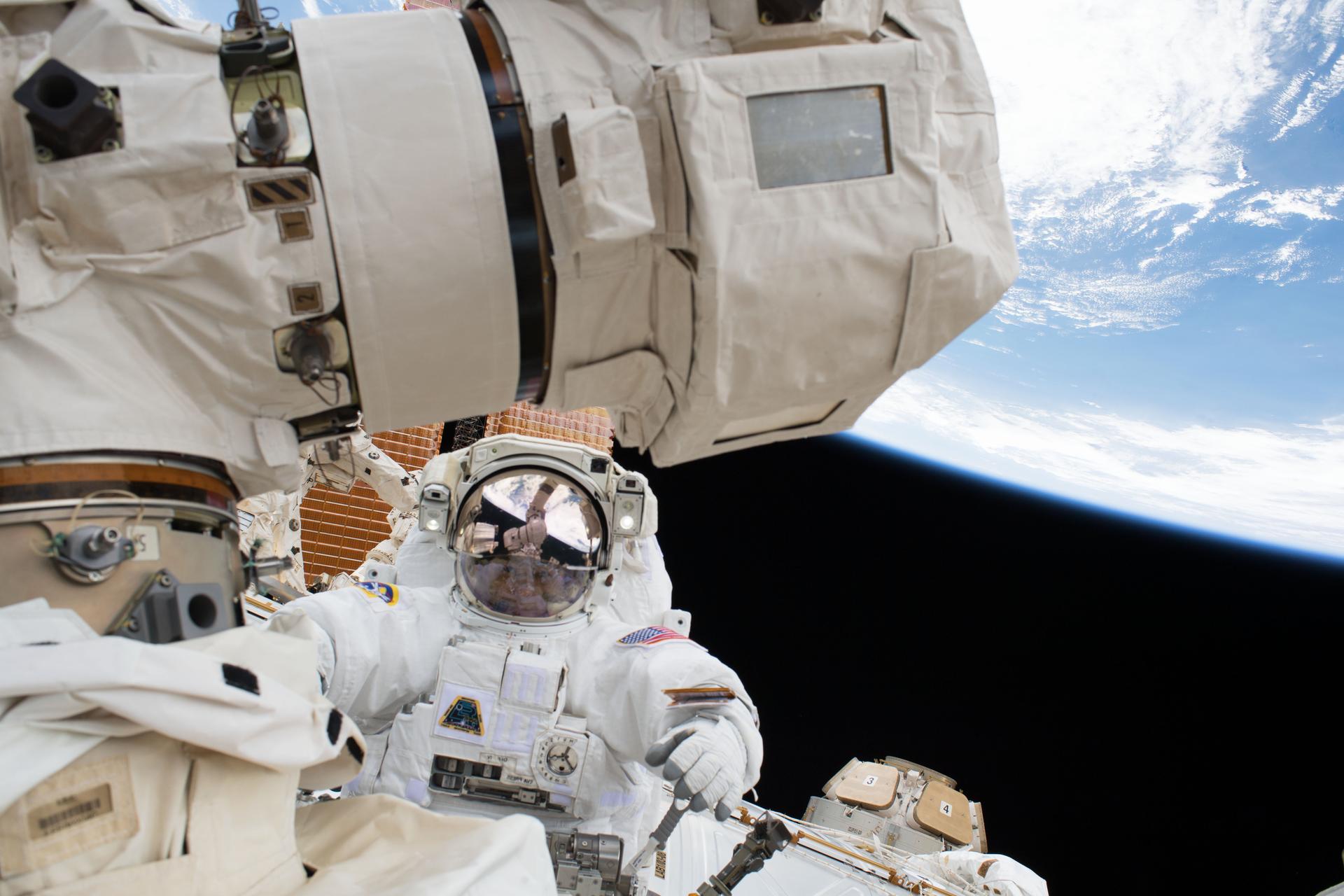
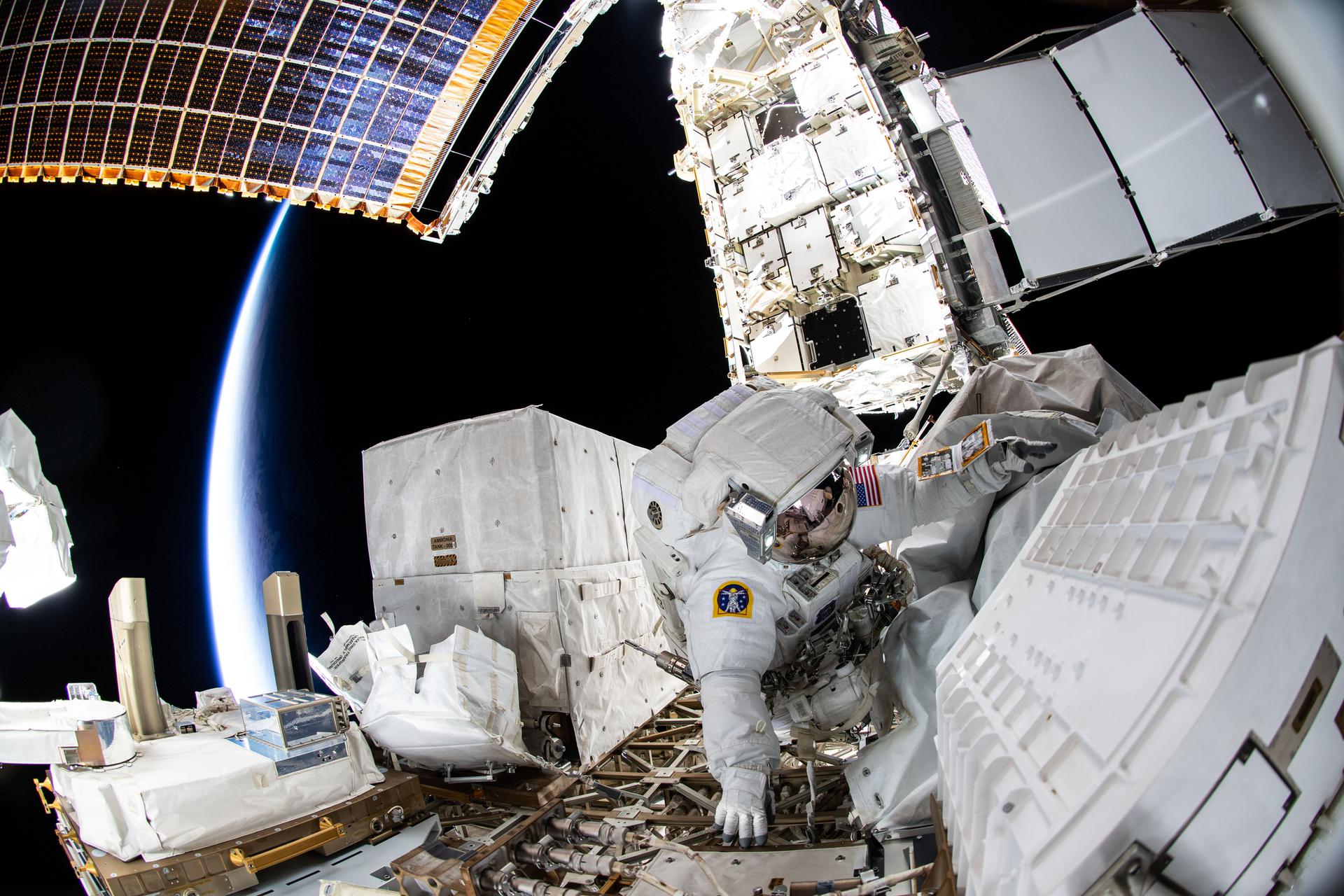
Meir and Adenot Step Outside for U.S. Spacewalk 99, the Sixth All-Female EVA in History
NASA's Jessica Meir and ESA's Sophie Adenot spent 6.5 hours outside the ISS on Sept. 1, 2026, swapping hardware on Harmony and the truss in the sixth all-female spacewalk ever flown.
-
NASA & Agencies
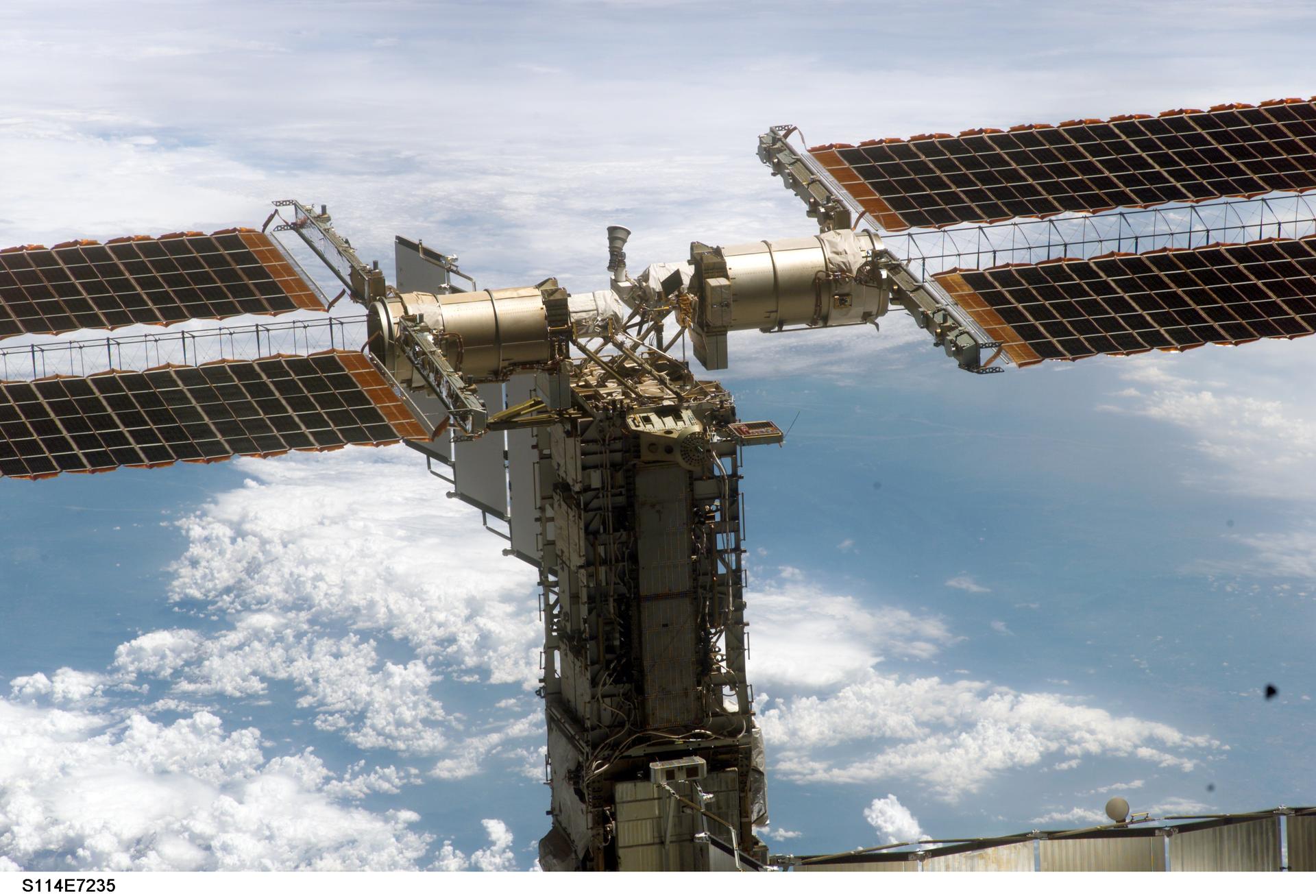
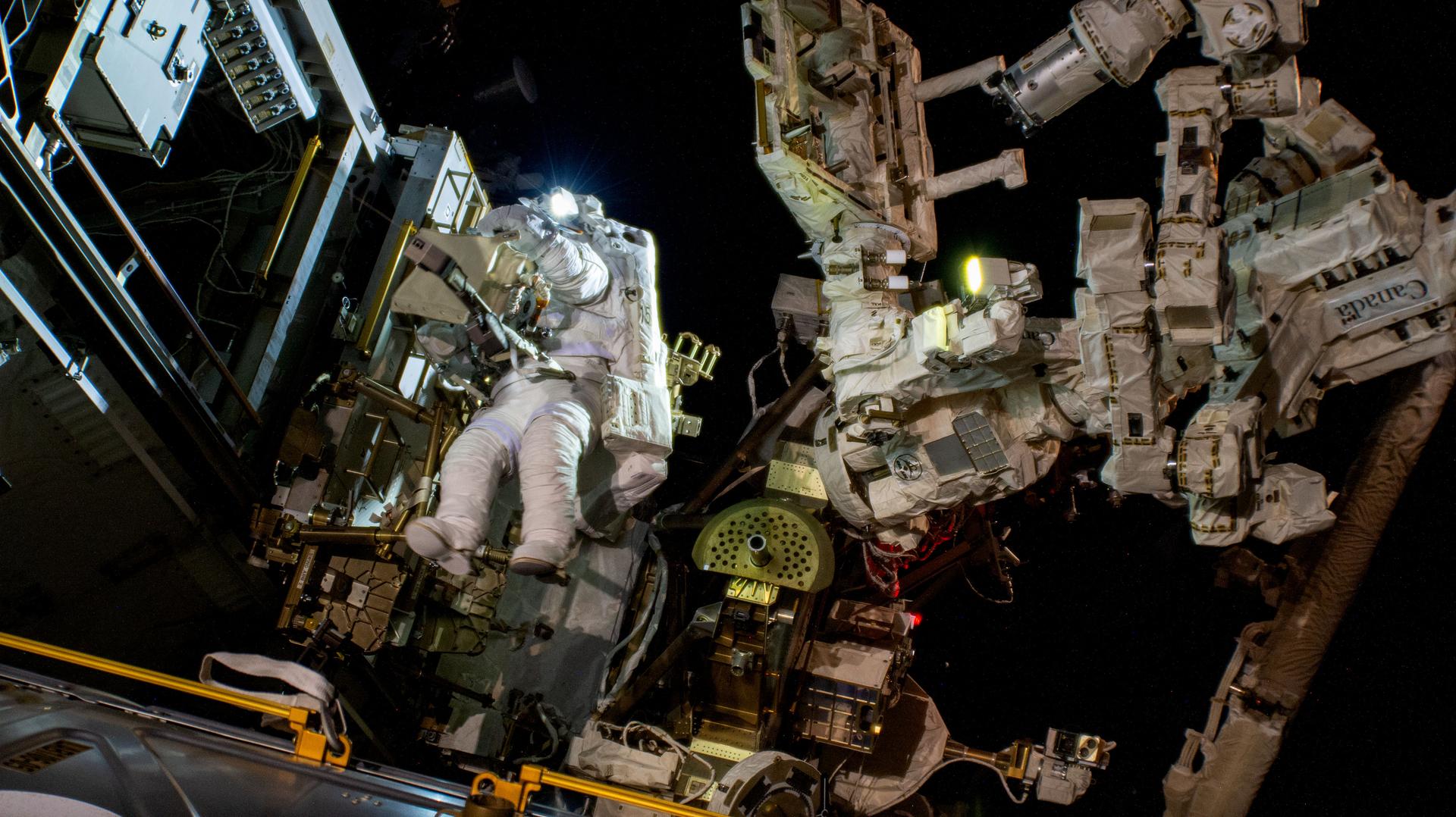
Astronauts Pull a Dead Antenna Off the ISS — But the Spare Will Have to Wait
NASA's Anil Menon and ESA's Sophie Adenot, the first French woman to spacewalk, spent over six hours removing a failed ISS antenna on August 18 but ran out of time to bolt in its replacement.