European Space Agency
Every Cosmic Herald story on European Space Agency — missions, launches, discoveries, and the business of space, newest first.
-
Science & Discovery
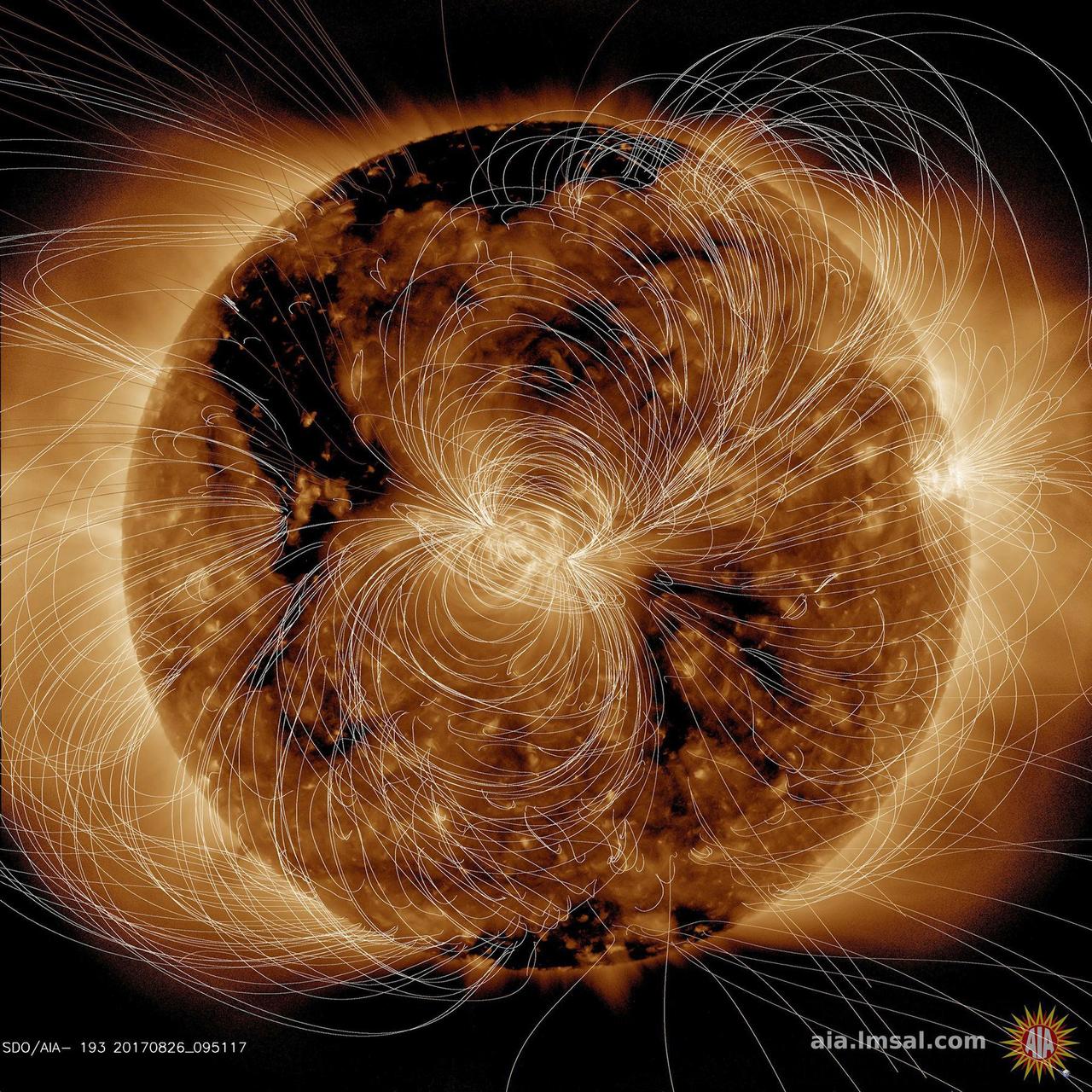
Solar Orbiter Traces a Magnetic Switchback to the Sun's Surface and Reconciles Two Theories
Solar Orbiter flew through a magnetic switchback and found oxygen and carbon that could only have formed in hot coronal loops. The result points to interchange reconnection as the source, with Alfvén waves taking over later.
-
Science & Discovery
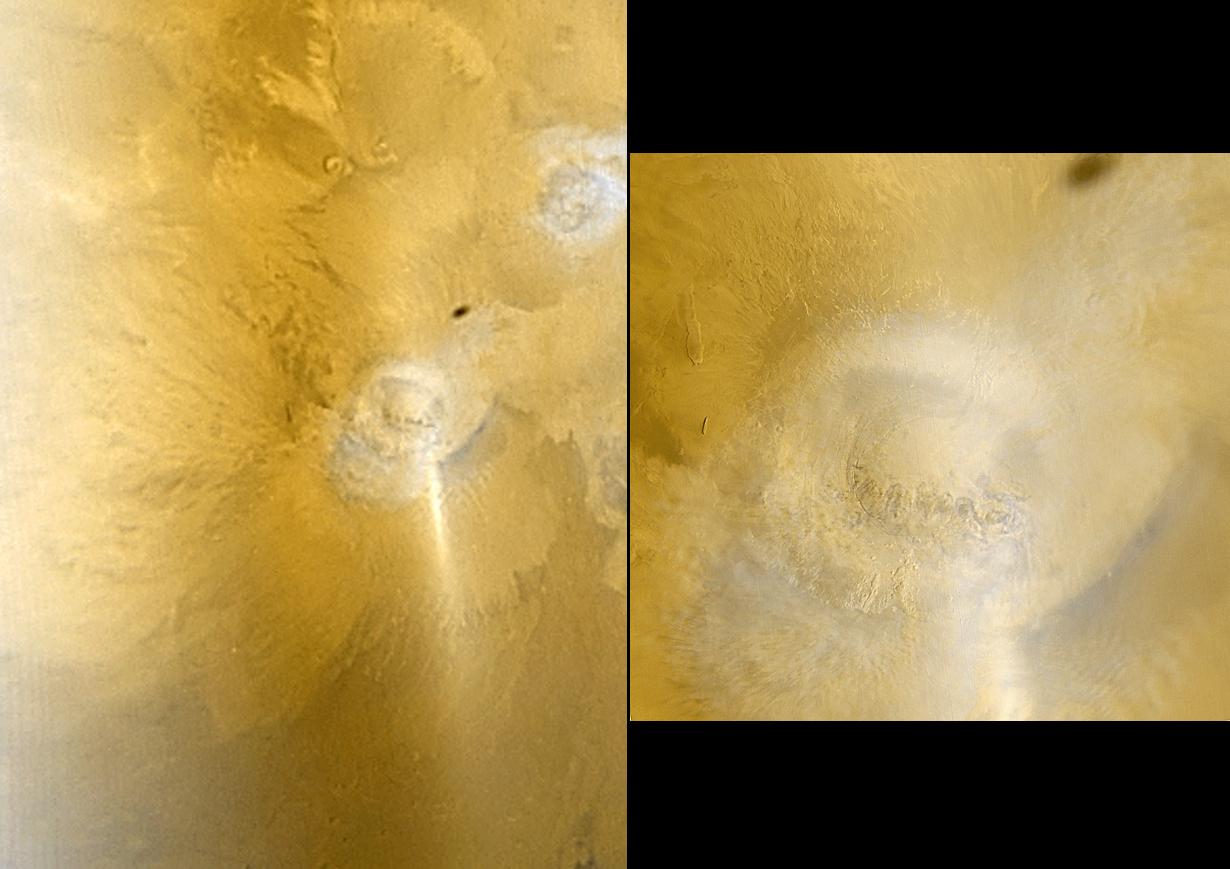
Mars's Strangest Cloud Needed 'Impossible' Physics: Homogeneous Ice Nucleation Seen on the Red Planet
A cloud up to 1,800 km long that trails Mars's Arsia Mons volcano only forms in models if water vapour freezes straight into ice with no dust seed, a process predicted for planetary atmospheres but never before seen in nature.
-
Science & Discovery
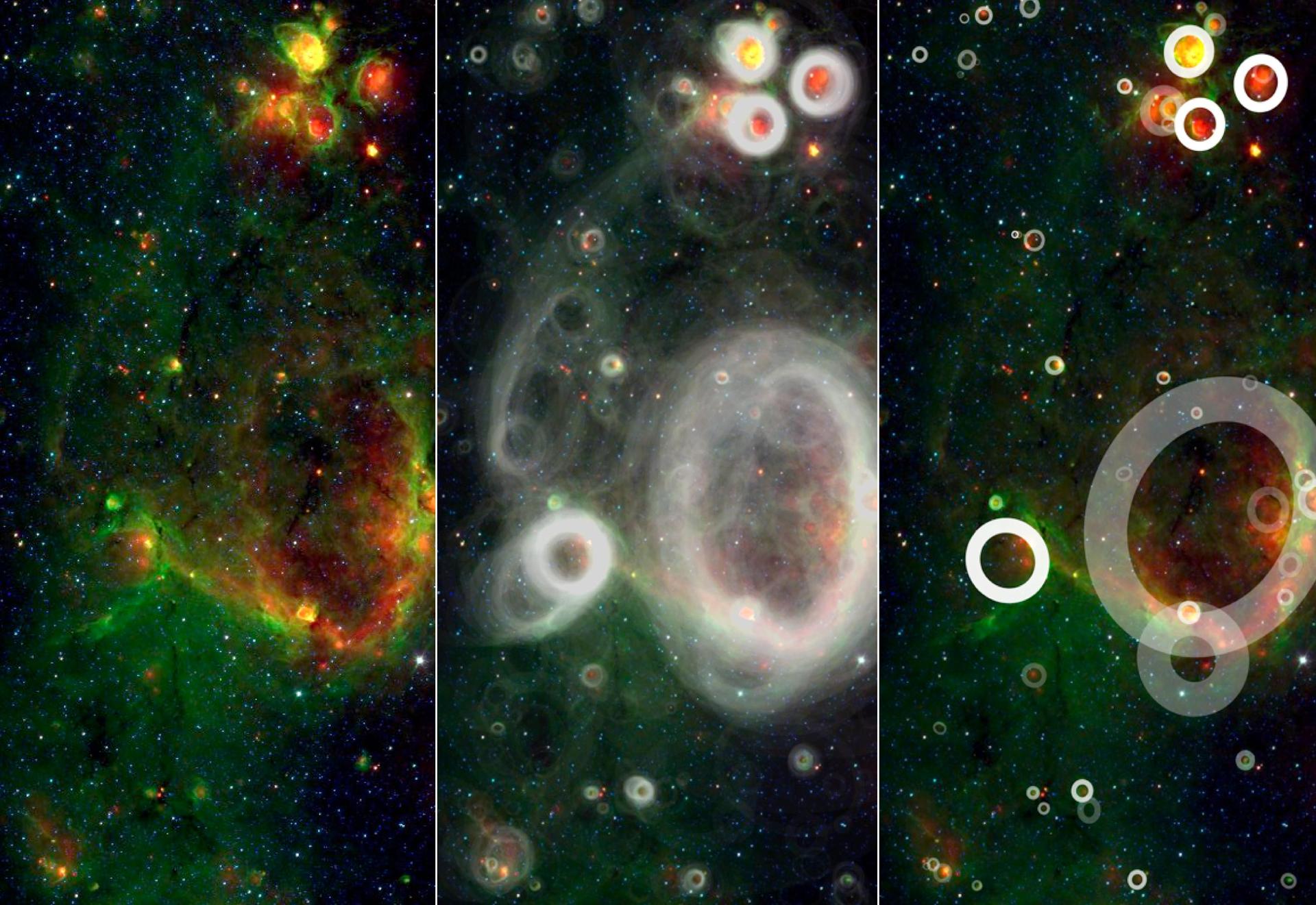
NASA Recruits the Public to Teach AI What a Telescope Glitch Looks Like
NASA's new Artifact InSPECtor project asks citizen scientists to flag cosmic-ray hits and detector quirks in Euclid telescope spectra, building the human-labeled dataset needed to train AI filters before the Roman Space Telescope starts science operations in 2027.
-
Science & Discovery
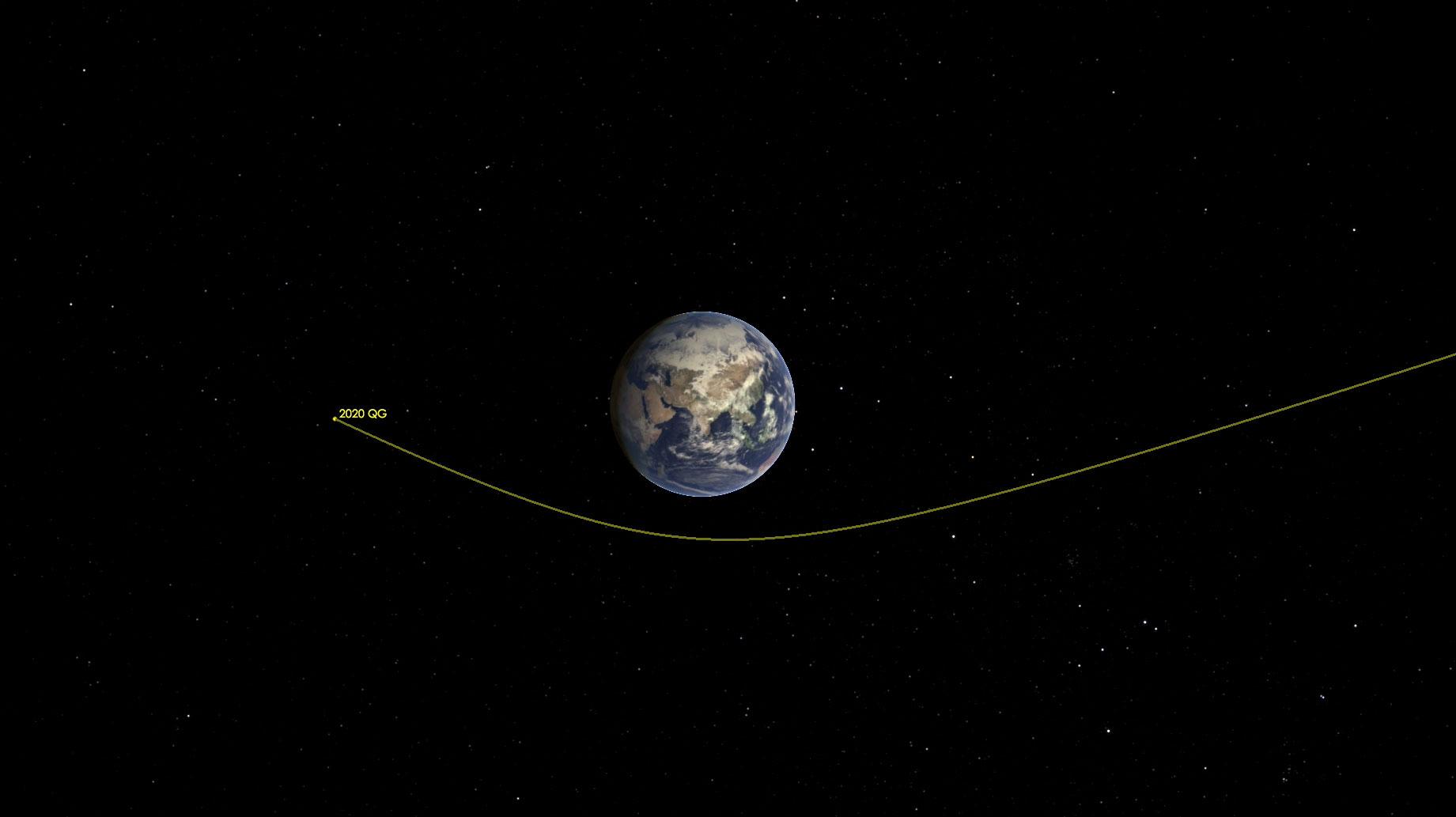
A Meter-Wide Asteroid Was Found, Tracked, and Burned Up — All Within Seven Hours
Asteroid 2026 RW1 was discovered by Arizona's Mount Lemmon Survey and struck the atmosphere over the Indian Ocean just 7 hours 22 minutes later, becoming the 13th asteroid ever caught before impact.
-
Science & Discovery
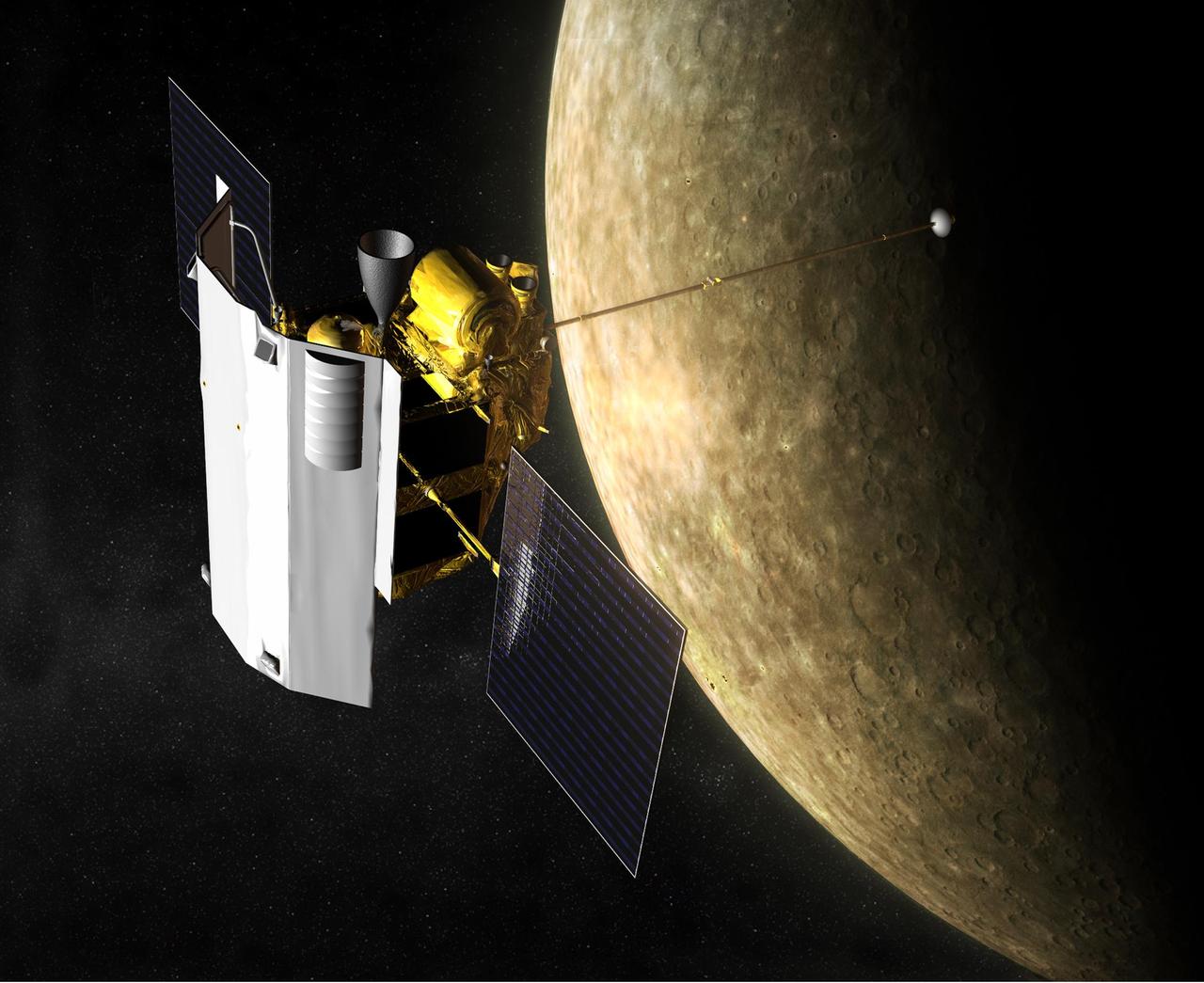
BepiColombo Sheds Its Transfer Module, Opening the Riskiest Phase of the Mercury Mission
On Sept. 3, ESA's Mercury Transfer Module separates from BepiColombo's two science orbiters, opening a sequence ESA calls among the most demanding it has ever run before November's orbit insertion.
-
Science & Discovery
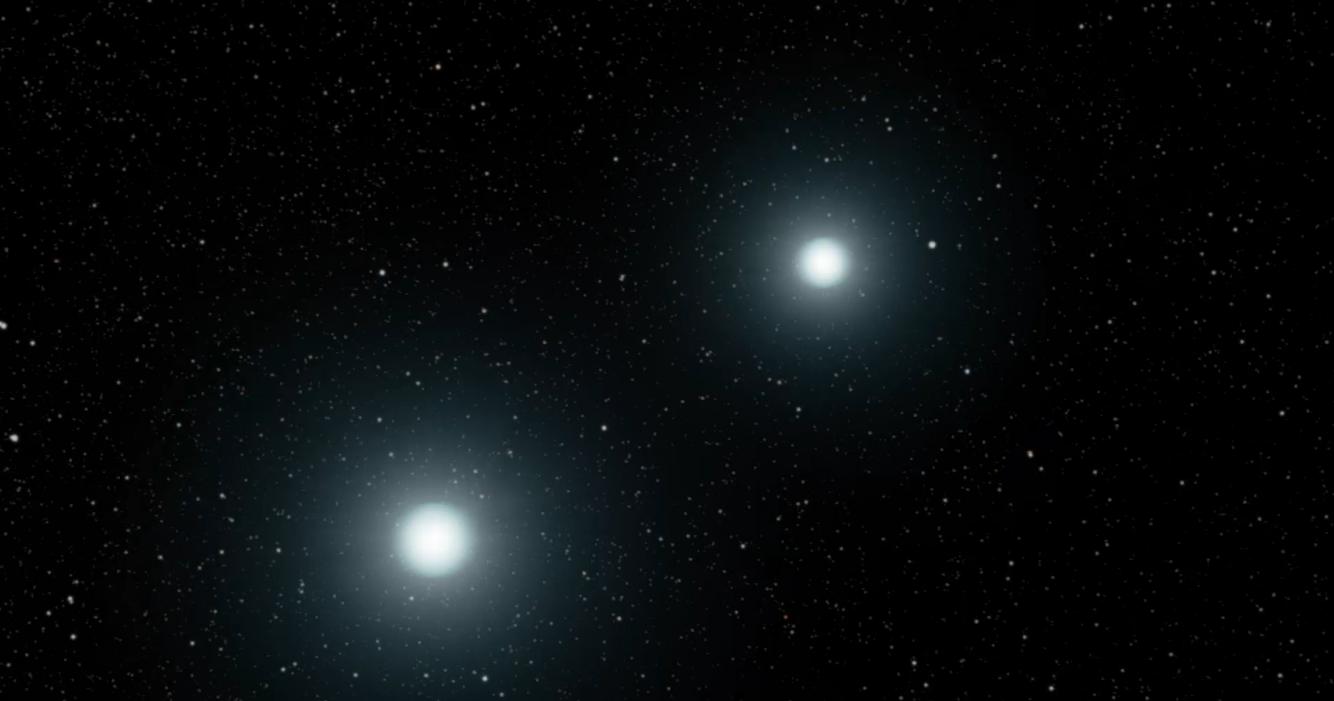
This 374-Second Binary Is Losing Energy Faster Than Any White Dwarf Pair We Know
A newly timed ultracompact white dwarf binary toward the Large Magellanic Cloud is spiraling inward faster than any comparable system on record, making it a leading calibration target for the future LISA gravitational-wave observatory.
-
Science & Discovery
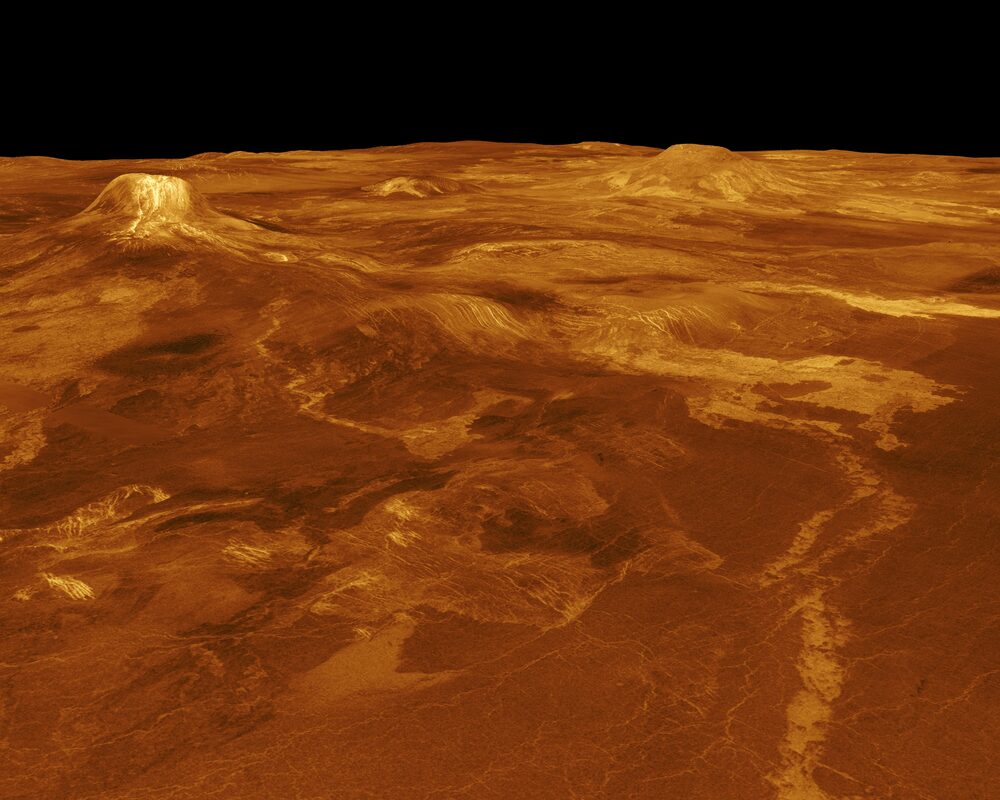
Venus Is Not Dead: New 3D Rift Models Say the Planet Is Still Pulling Itself Apart
ETH Zurich's first high-resolution 3D simulations of Venusian rifting, published in Nature Geoscience, use the broad ridges flanking Venus's 10,000-km rift valleys as a geological clock — and conclude some rifts are still spreading at 3-10 cm per year.
-
Science & Discovery
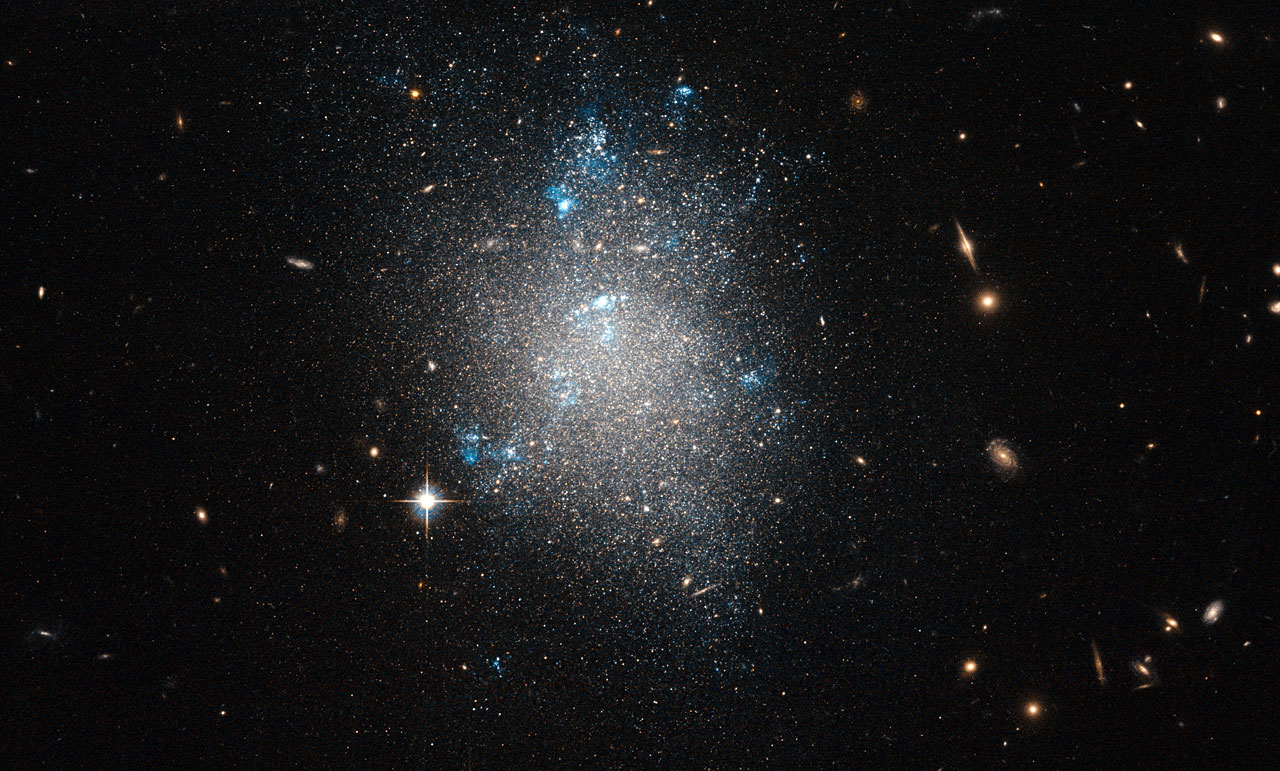
Hubble Catches a Tiny Galaxy Burning Off the Cosmic Fog, 1.4 Billion Years After the Big Bang
Astronomers used Hubble to catch ionizing UV light escaping a small, furiously star-forming galaxy in the reionization epoch — the first such detection, and direct evidence for how the early universe became transparent.
-
Science & Discovery
Gravity as a telescope: how Einstein rings are mapping dark matter
Gravitational lensing bends light from distant galaxies around massive foreground objects, creating arcs and Einstein rings. Astronomers have turned this relativistic quirk into a precision instrument for weighing dark matter — and the results are reshaping cosmological models.
-
Science & Discovery
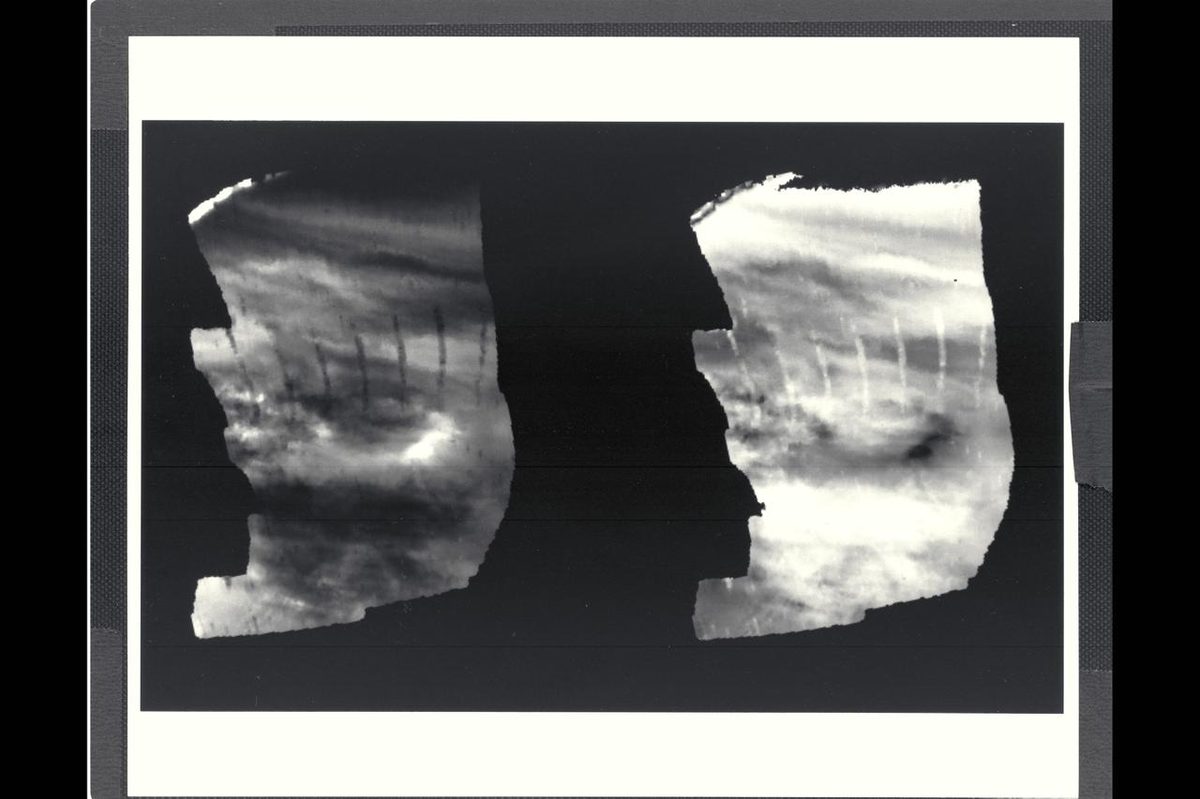
Phosphine on Venus: four years later, what the research actually says
The 2020 claim that phosphine — a potential biosignature gas — had been detected in Venus's atmosphere sparked one of the most contentious debates in recent planetary science. Years of follow-up observations and analysis have clarified the picture, though not fully resolved it.
-
Science & Discovery
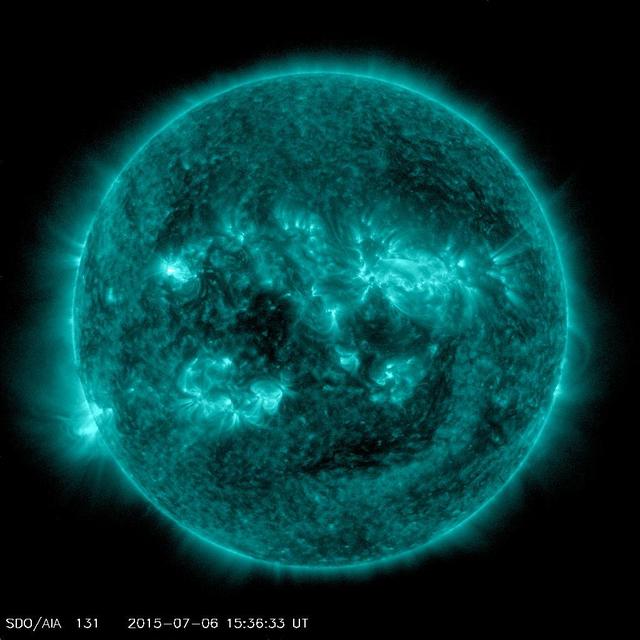
The Sun is at its most active in two decades. What solar maximum actually means.
Solar Cycle 25 has been more active than forecasters predicted, delivering some of the strongest geomagnetic storms in years and producing aurora visible at unusually low latitudes. What solar maximum means for technology, satellites, and power grids — and how we prepare — is more relevant now than it has been in a generation.
-
Science & Discovery
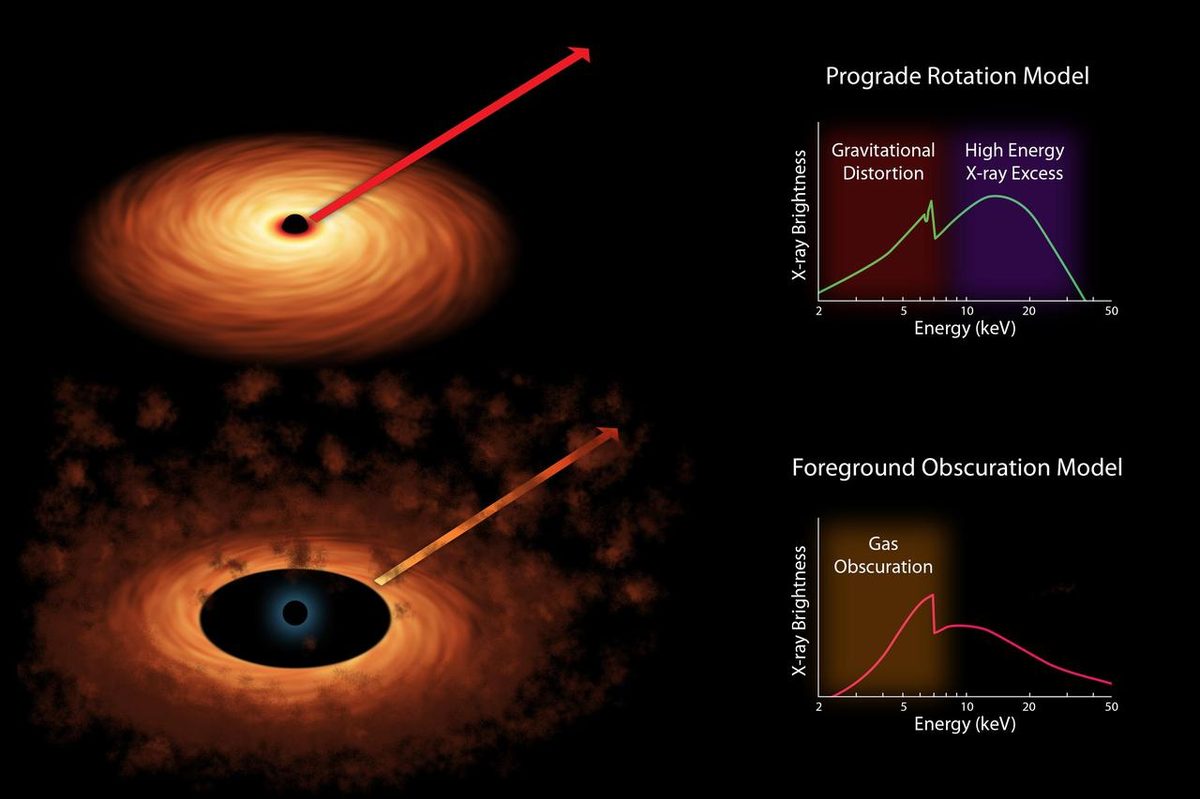
How black holes actually grow: new X-ray observations are filling in the picture
Black holes grow by consuming nearby gas and dust — but the details of how that accretion works, and how it produces the relativistic jets that extend for millions of light-years, are still being worked out. A new generation of X-ray telescopes is catching the process in action.