NASA
Every Cosmic Herald story on NASA — missions, launches, discoveries, and the business of space, newest first.
-
Stargazing
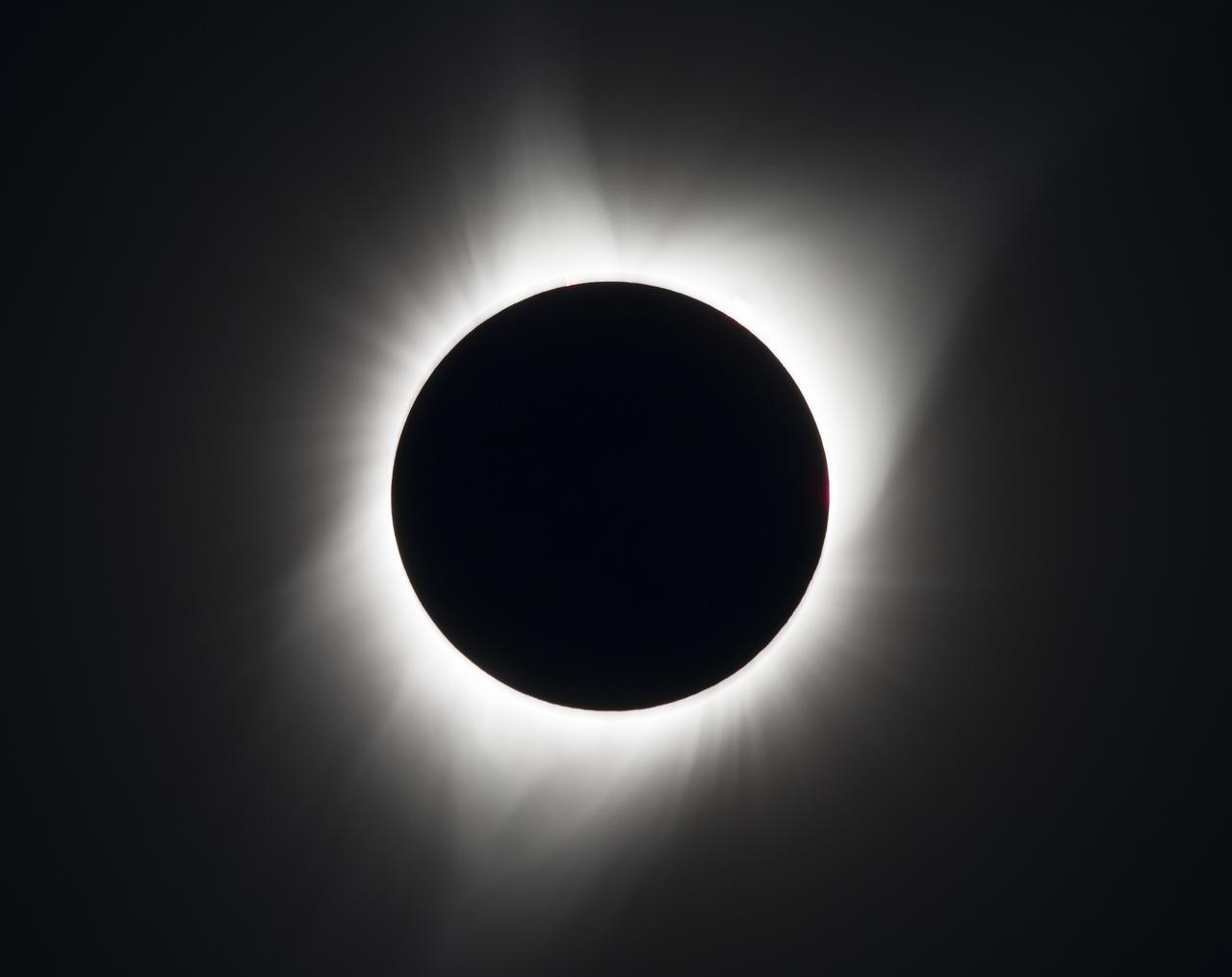
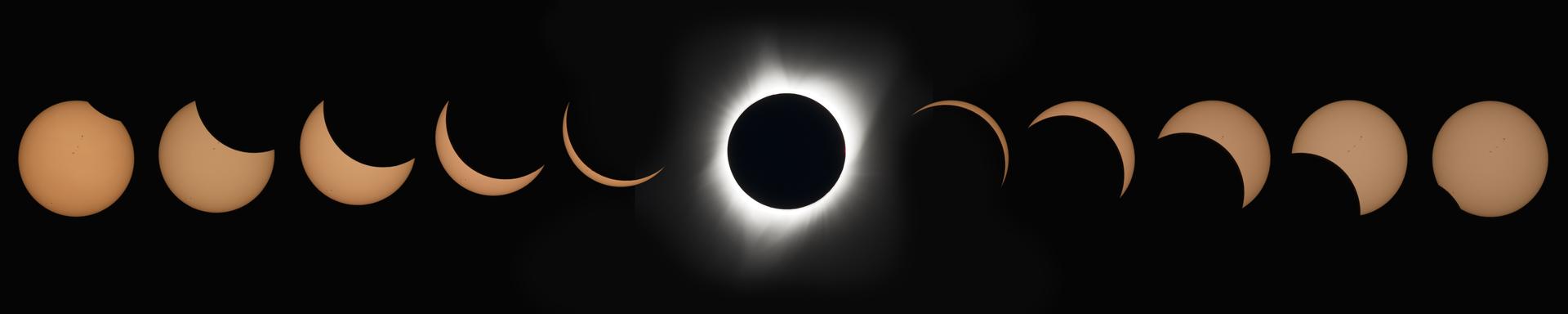
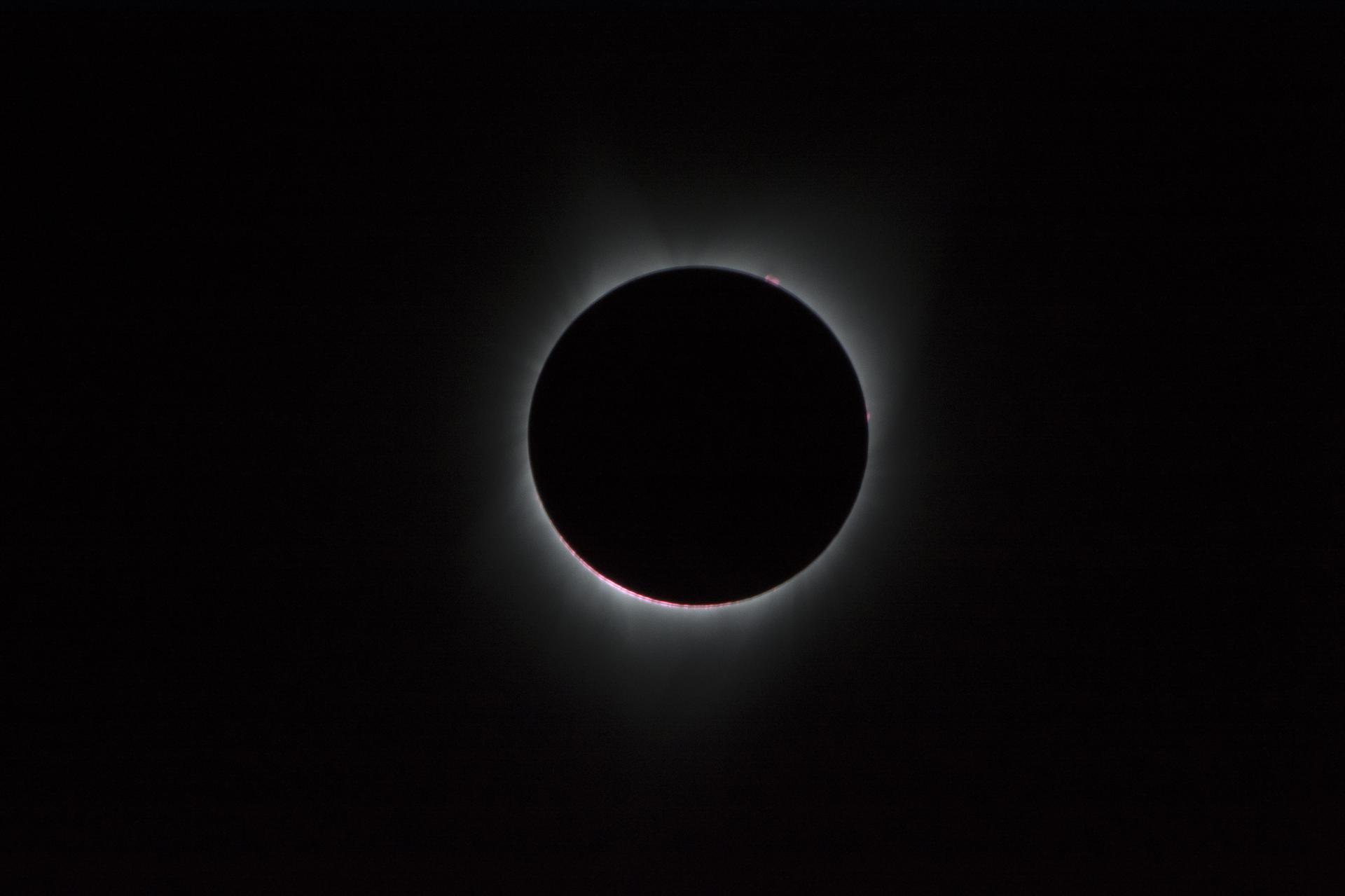
Total Solar Eclipse and Peak Perseids Collide Over Europe on August 12
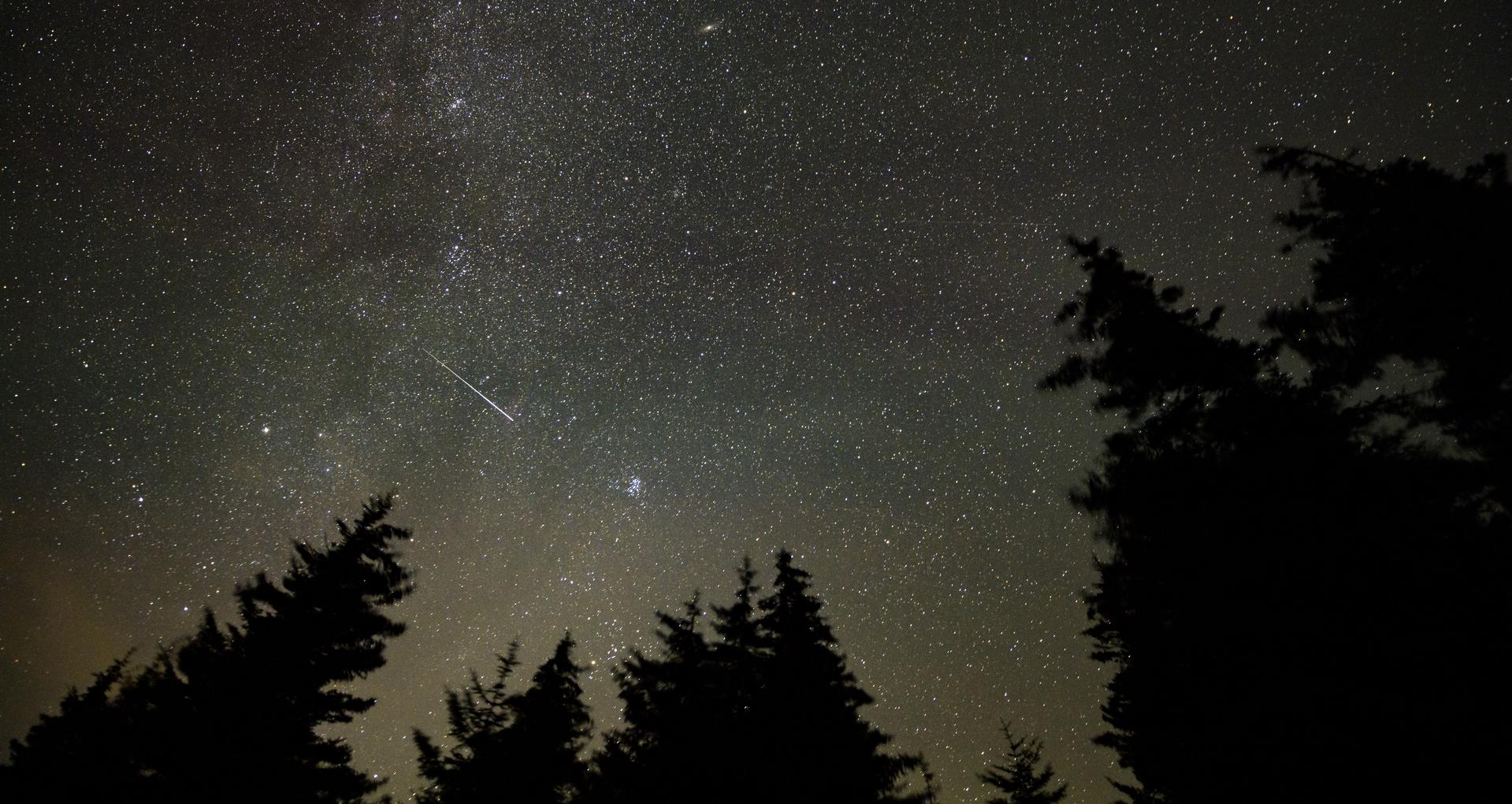
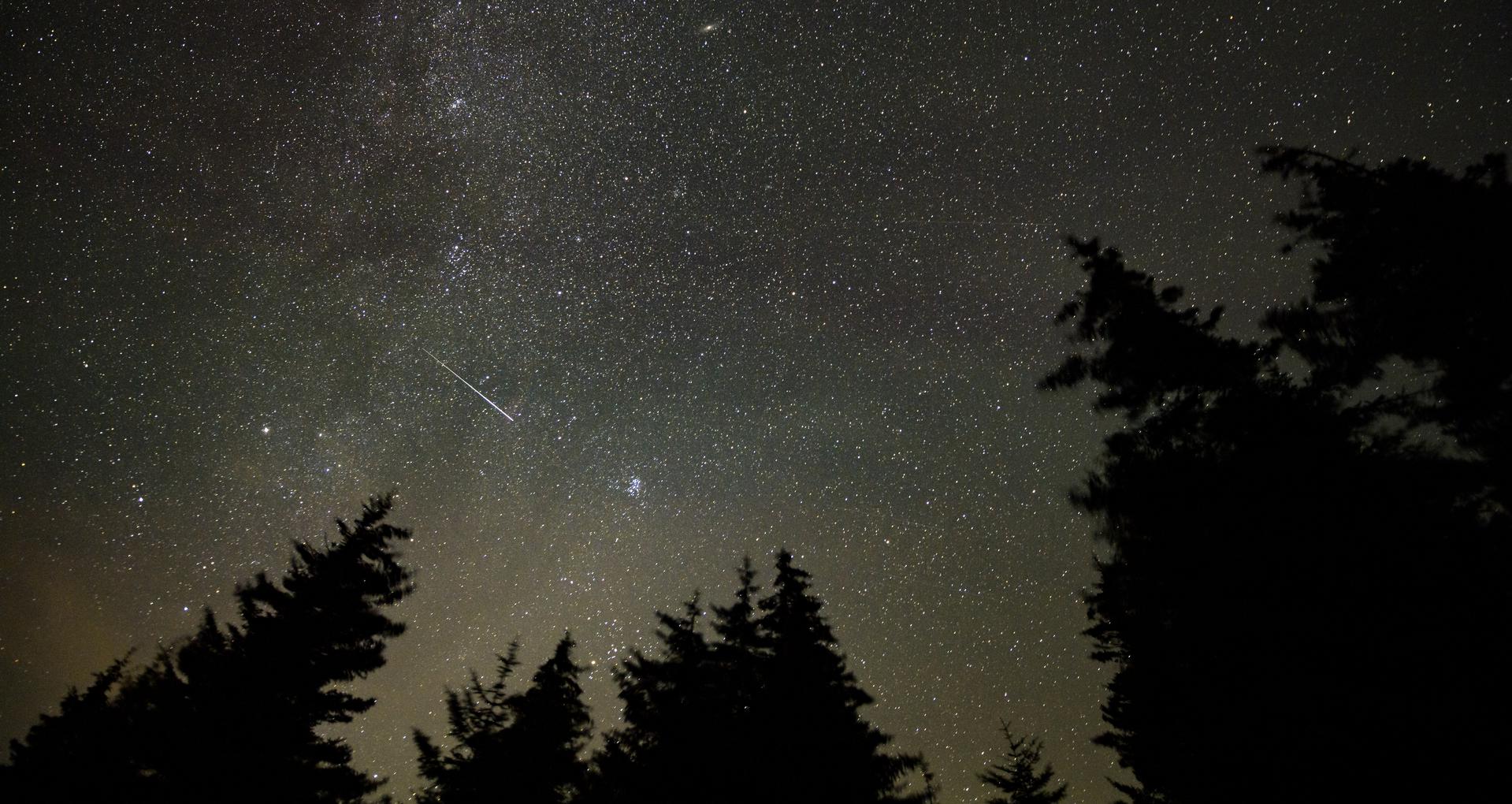
A total solar eclipse crosses Greenland, Iceland, and Spain on August 12, 2026, then the New Moon lets that same night's Perseid peak deliver up to 100 meteors an hour with zero lunar glare.
-
Stargazing
August 12 Total Solar Eclipse Will Cross Greenland, Iceland and Spain — Then Hand Off to the Perseids
A total solar eclipse sweeps from the Denmark Strait through Iceland into northern Spain on August 12, 2026, then gives way to a moonless, "optimum" Perseid peak the same night.
-
Stargazing
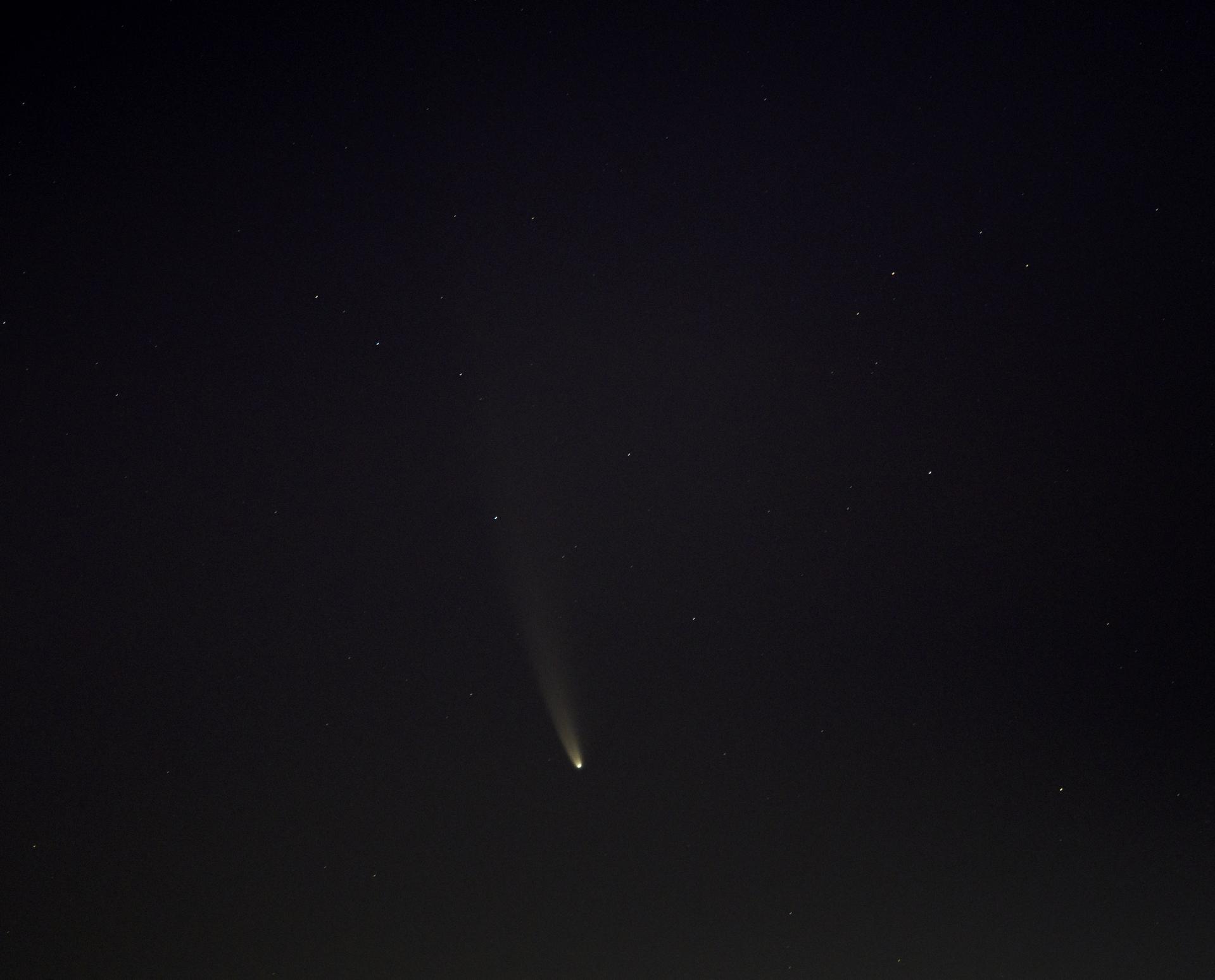
Comet 10P/Tempel 2 Hits Peak Brightness at Closest Earth Approach — Its Best Return of the Century
Jupiter-family comet 10P/Tempel 2 brightened to roughly magnitude 8-9 as it passed within 61 million km of Earth on August 3, 2026, offering Southern Hemisphere observers with binoculars or a small scope the best view of this comet for the rest of the century.
-
Stargazing
August 2026 Skywatching Guide: Perseids Peak Under a New Moon, Flanked by a Total Solar Eclipse and a Near-Total Lunar Eclipse
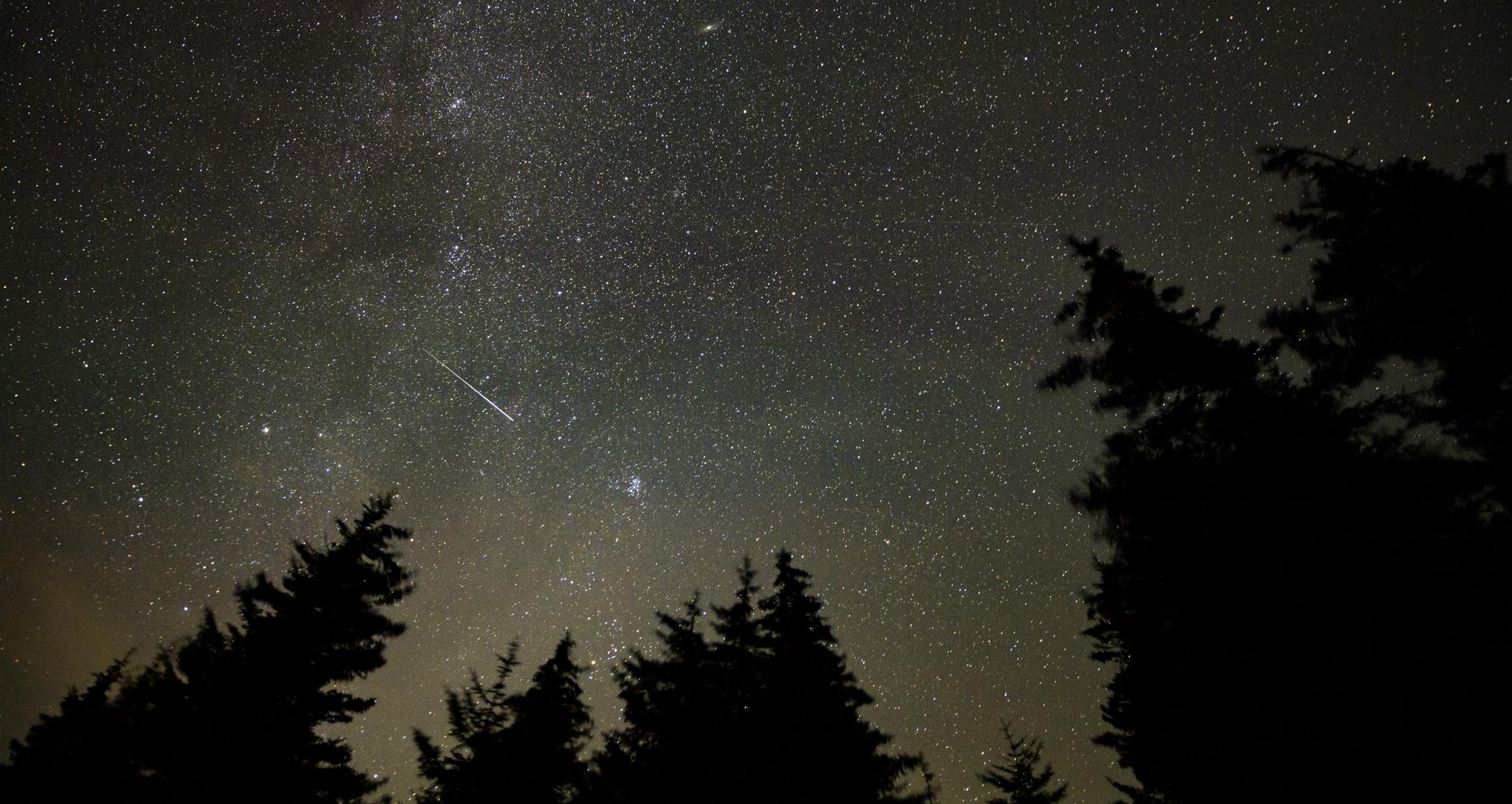
A moonless Perseid peak, a total solar eclipse over Greenland, Iceland and Spain, and a 93-96% partial lunar eclipse over the Americas make August 2026 one of the year's busiest skywatching stretches.
-
Stargazing
Full Moon to Wash Out Peak of Delta Aquariid–Alpha Capricornid Double Meteor Shower
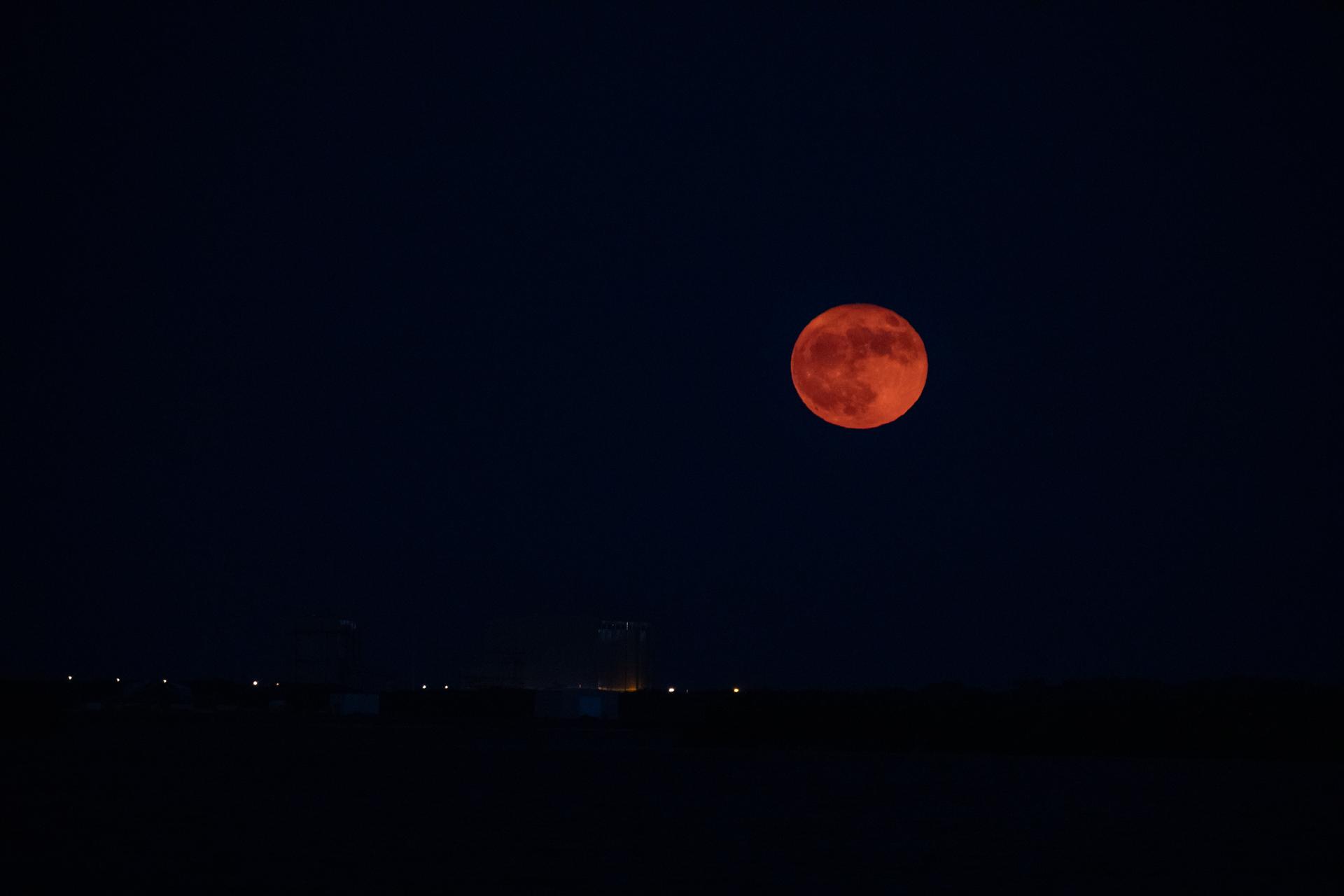
A nearly full moon will drown out most of the Southern Delta Aquariids' July 28-29 peak, but the slower, brighter Alpha Capricornid fireballs that follow on July 30-31 should still cut through the glare.
-
Stargazing
Late July 2026: A Fattening Moon, Edge-On Saturn, and a Meteor Shower Fighting the Light
The last ten days of July 2026 hand skywatchers a First Quarter Moon growing into the Full Buck Moon on 29 July, a nearly edge-on Saturn, evening Venus in Leo, and Delta Aquariid meteors that a near-full Moon will mostly drown out.
-
Stargazing
This Week's Sky: An Apollo-11 Twin Moon, a Stalling Mercury, and Titan Circling Saturn (July 20-24)
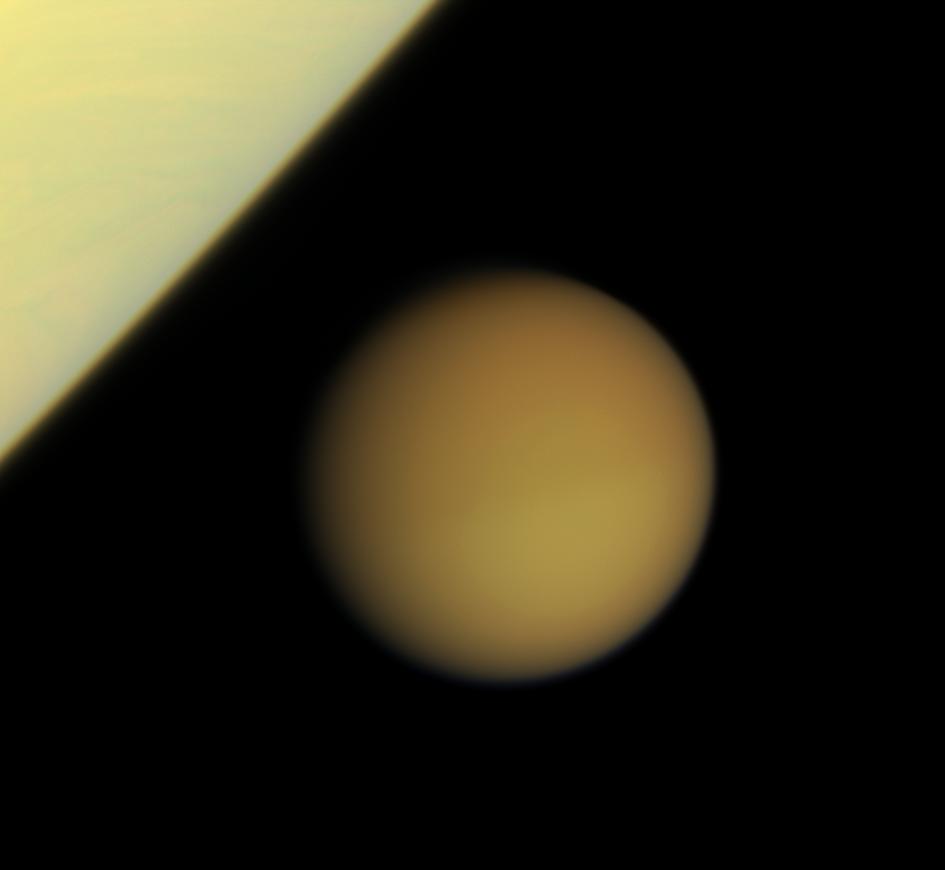
From July 20-24, 2026, the Metonic cycle serves up a Moon that echoes Apollo 11's landing night, Mercury stalls to end its retrograde in Gemini, and Titan hangs easily beside Saturn.
-
Stargazing
The Southern Delta Aquariids Are Warming Up for a Moonlit Late-July Peak
The Southern Delta Aquariids peak the night of July 30-31, 2026, but a full moon just one day earlier means the best views come from patient pre-dawn watching in the week before.
-
Stargazing
A Delicate Trio at Dusk: Moon, Venus, and Regulus Share the Sky July 15-17
A waxing crescent Moon glides past Venus and Regulus on three straight evenings this week, brushing 0.5° from the heart of Leo on July 16 before closing to within 2° of Venus the next day.
-
Stargazing
Predawn Sky Guide: Moon Lines Up With Mars, Saturn and Uranus on July 11-12
A waning crescent Moon points the way to Mars, Saturn, and a binoculars-only Uranus in the predawn eastern sky on July 11-12, 2026, part of a busy month of lunar-planetary conjunctions.
-
Stargazing
The August 2026 Night Sky Guide
August 2026 stacks a rare eclipse double-header around its best night: a moonless Perseid peak on Aug 12-13, Venus at its evening best, and a deep 93%-covered partial lunar eclipse lighting up the Sturgeon Moon on Aug 27-28.
-
Stargazing
The Total Solar Eclipse of August 12, 2026: The Complete Viewing Guide
On August 12, 2026 the Moon's shadow sweeps from the Arctic across Greenland, Iceland, and Spain — the first total solar eclipse to reach mainland Europe since 1999. Exact times, best viewing spots, weather odds, safety rules, and what U.S. skywatchers will and won't see.