Astronomy
Astronomy news from Cosmic Herald — telescopes, exoplanets, black holes, and the discoveries reshaping our picture of the universe.
-
Astronomy
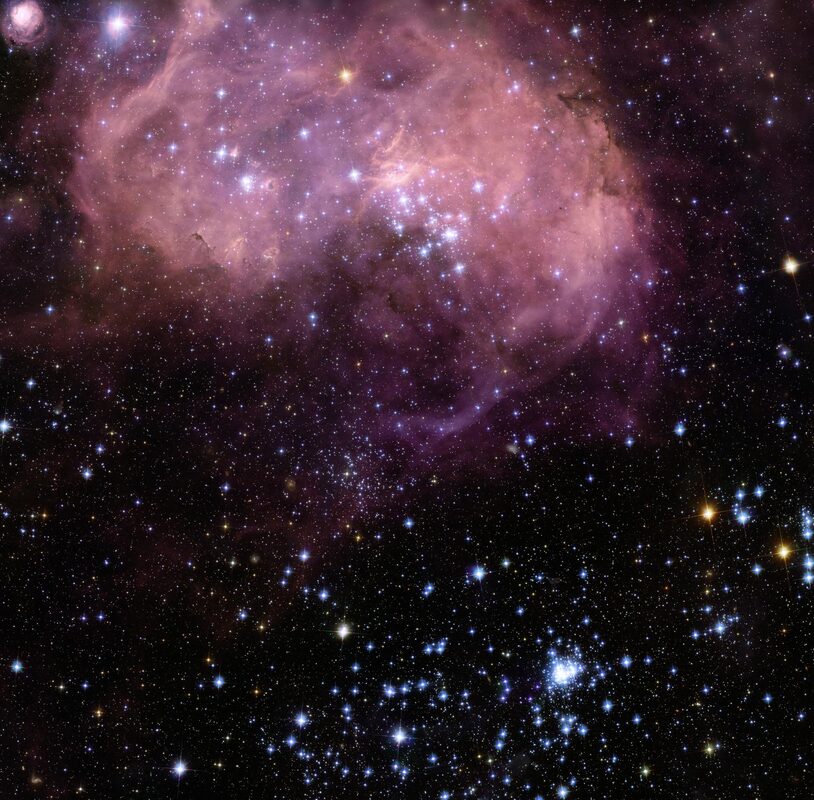
Hubble Spots a 210-Light-Year Superbubble Carved Into a Star Nursery in the Large Magellanic Cloud
A new Hubble image reveals a 210-by-140-light-year cavity blown into the N44 nebula by massive stars, with nearly 30,000 still-forming stars catalogued in the surrounding shell.
-
Astronomy
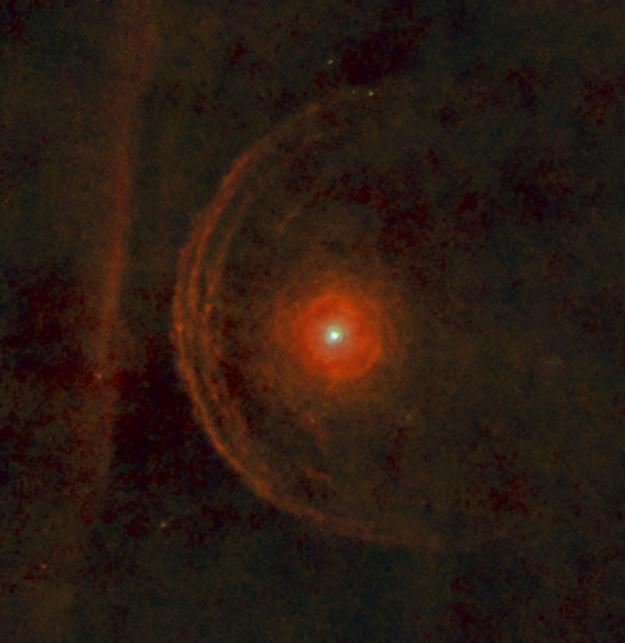
ALMA's Sharpest-Ever Look at Betelgeuse Finds Hot Spots That Won't Quit
New ALMA radio imaging shows two 2,000°C-hotter patches on Betelgeuse's surface that have barely budged in seven years, defying standard convection models and raising questions about the star's newly imaged companion.
-
Astronomy
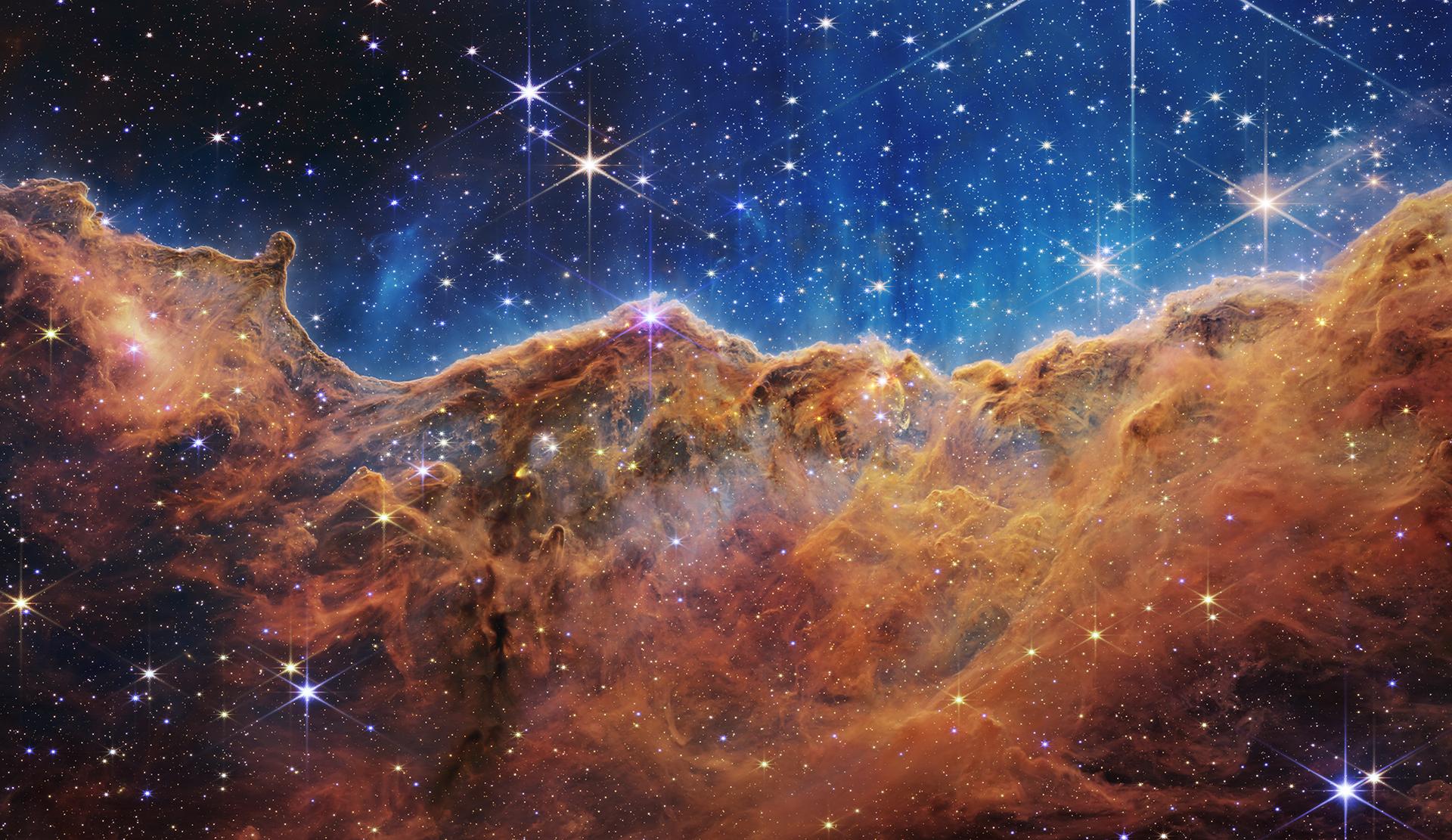
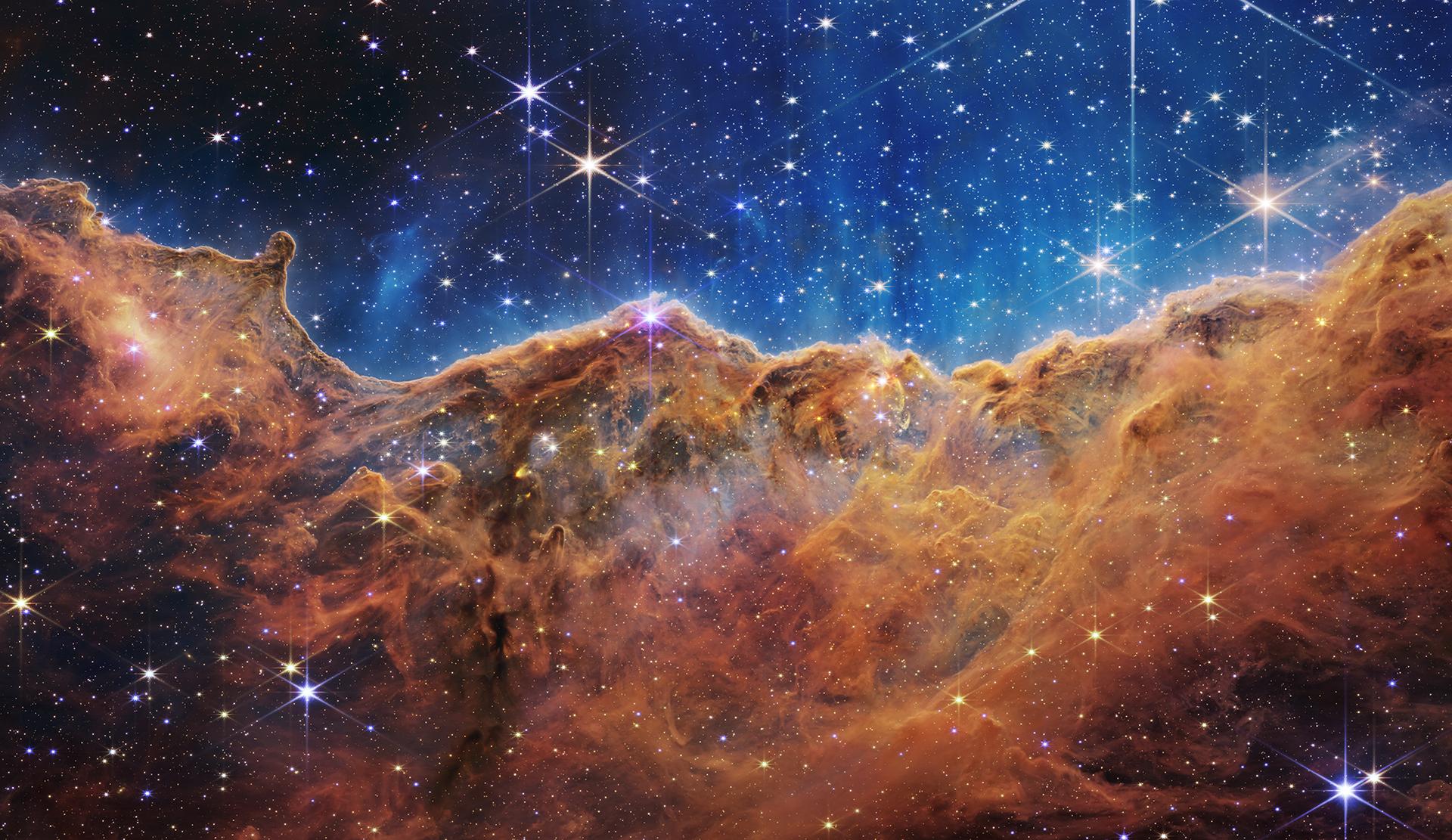
Webb's Infrared Eye Opens a 'Treasure Chest' of 70 Hidden Newborn Stars in Carina
NASA's newest Webb image pierces the dust of a Carina Nebula cometary globule called the "Treasure Chest," revealing roughly 70 young stars, including a rare 19-solar-mass O-type star, many still wrapped in planet-forming discs.
-
Astronomy
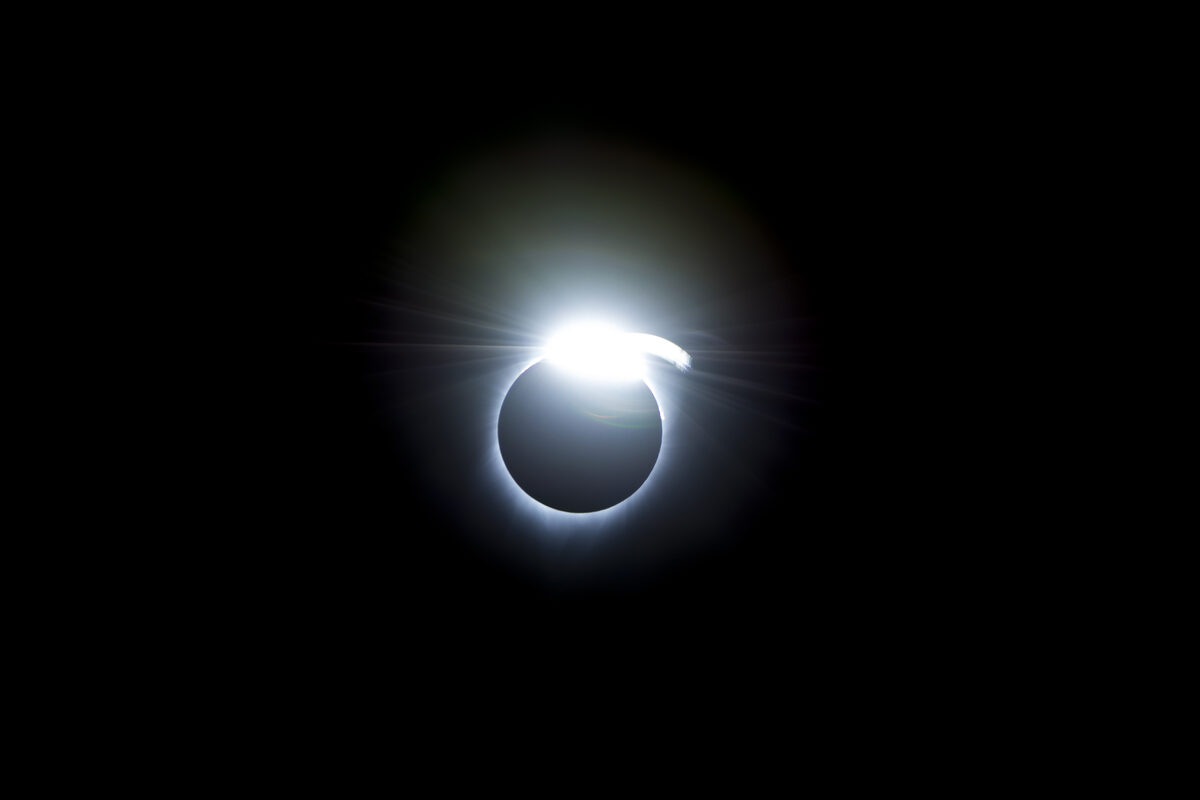
A Golden Corona: NASA's APOD Captures an Unusually Amber Total Solar Eclipse Over Spain
NASA's Astronomy Picture of the Day reveals why the August 12 total solar eclipse's corona over Benavente, Spain glowed gold instead of white — a rare mix of low-sun geometry and wildfire smoke.
-
Astronomy
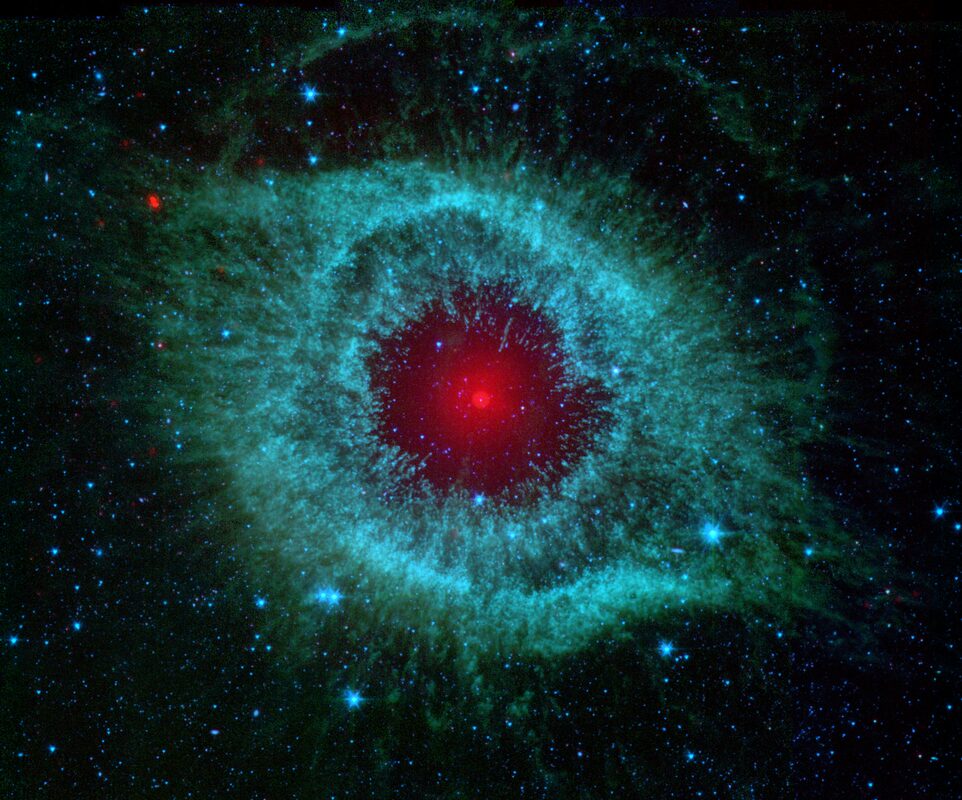
Twenty-Two Bow Shocks: Astronomers Catch the Helix Nebula Recycling a Dying Star's Debris in Real Time
A partially built telescope in Chile has resolved 22 distinct bow shocks in the Helix Nebula's outskirts, giving astronomers a rare direct measurement of how a dying star's ejecta gets shredded and mixed back into the galaxy over roughly 10,000 years.
-
Astronomy
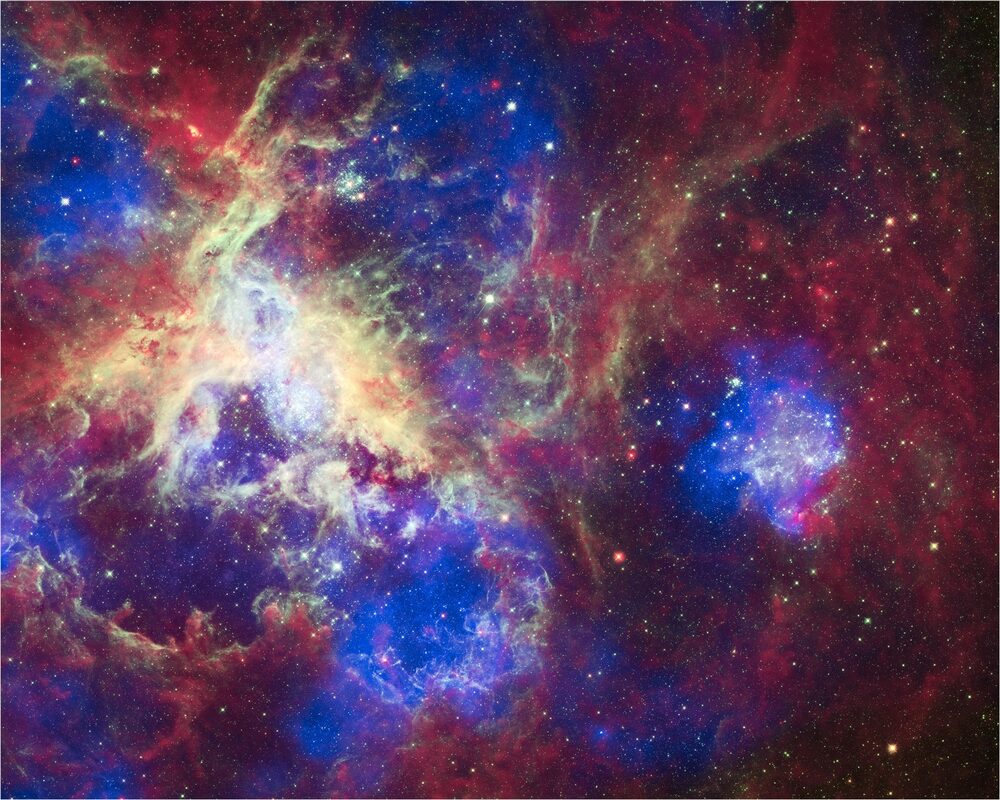
Three Space Telescopes Turn the Tarantula Nebula Into a Layered 'Craft' — and Solve an X-ray Mystery
NASA's new Chandra-Webb-Hubble composite of the Tarantula Nebula looks like stacked cellophane, and the science behind it explains why the region glows with far less X-ray light than star-formation models predicted.
-
Astronomy
Webb Telescope Reveals the Lion Nebula's Infrared Mane in Stunning New Detail
NASA's James Webb Space Telescope has imaged the "Lion Nebula" in infrared, exposing dust clumps and ionized gas invisible to Hubble and revealing the white dwarf that will finish dismantling the structure in about 10,000 years.
-
Astronomy
Rubin Observatory Finds Its First Ultra-Faint Milky Way Satellite: Meet Aquarius IV
Rubin Observatory's early-preview data has already turned up Aquarius IV, a 13-billion-year-old dwarf galaxy so faint it barely outshines a single bright star — an early hint of the dozens more the LSST survey is expected to uncover.
-
Astronomy
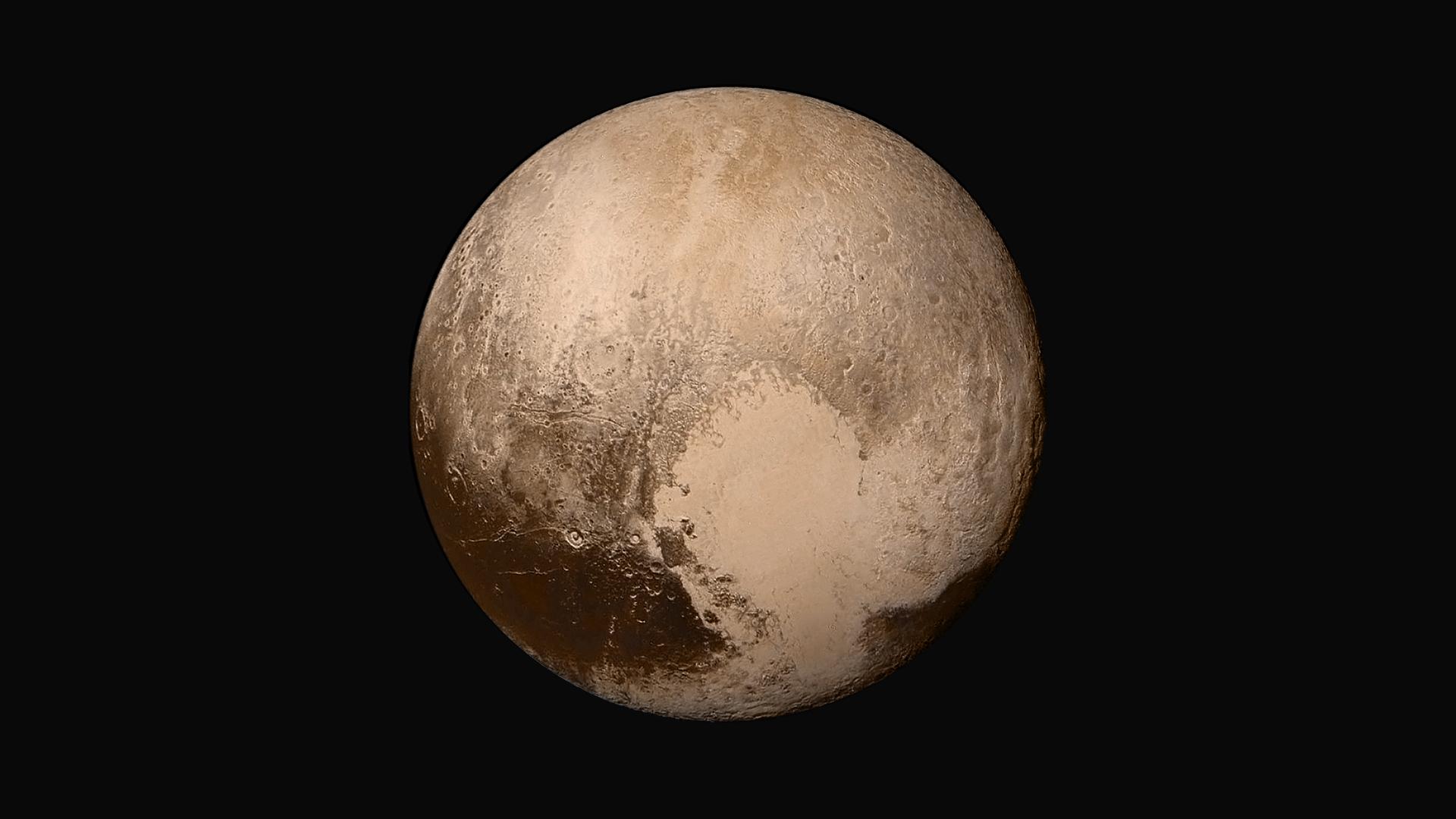
New Horizons Data Suggests Liquid Nitrogen Is Still Flowing on Pluto
A reanalysis of decade-old New Horizons images has turned up dark streaks on Pluto's nitrogen glacier that look like recent liquid seepage — the first sign of active flowing liquid anywhere on the dwarf planet.
-
Astronomy
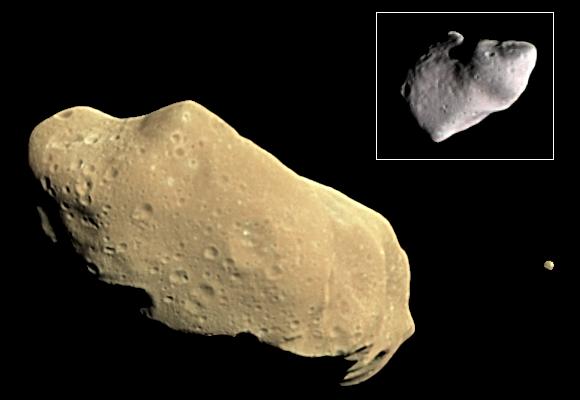
Asteroid (44) Nysa May Be the First Known Three-Lobed 'Trinary' World — And It Has a Moon
New adaptive-optics imaging from the LBT and VLT shows main-belt asteroid (44) Nysa has an unprecedented three-lobed shape and a previously unknown ~1 km moon, possibly making it the first confirmed contact-trinary asteroid.
-
Astronomy
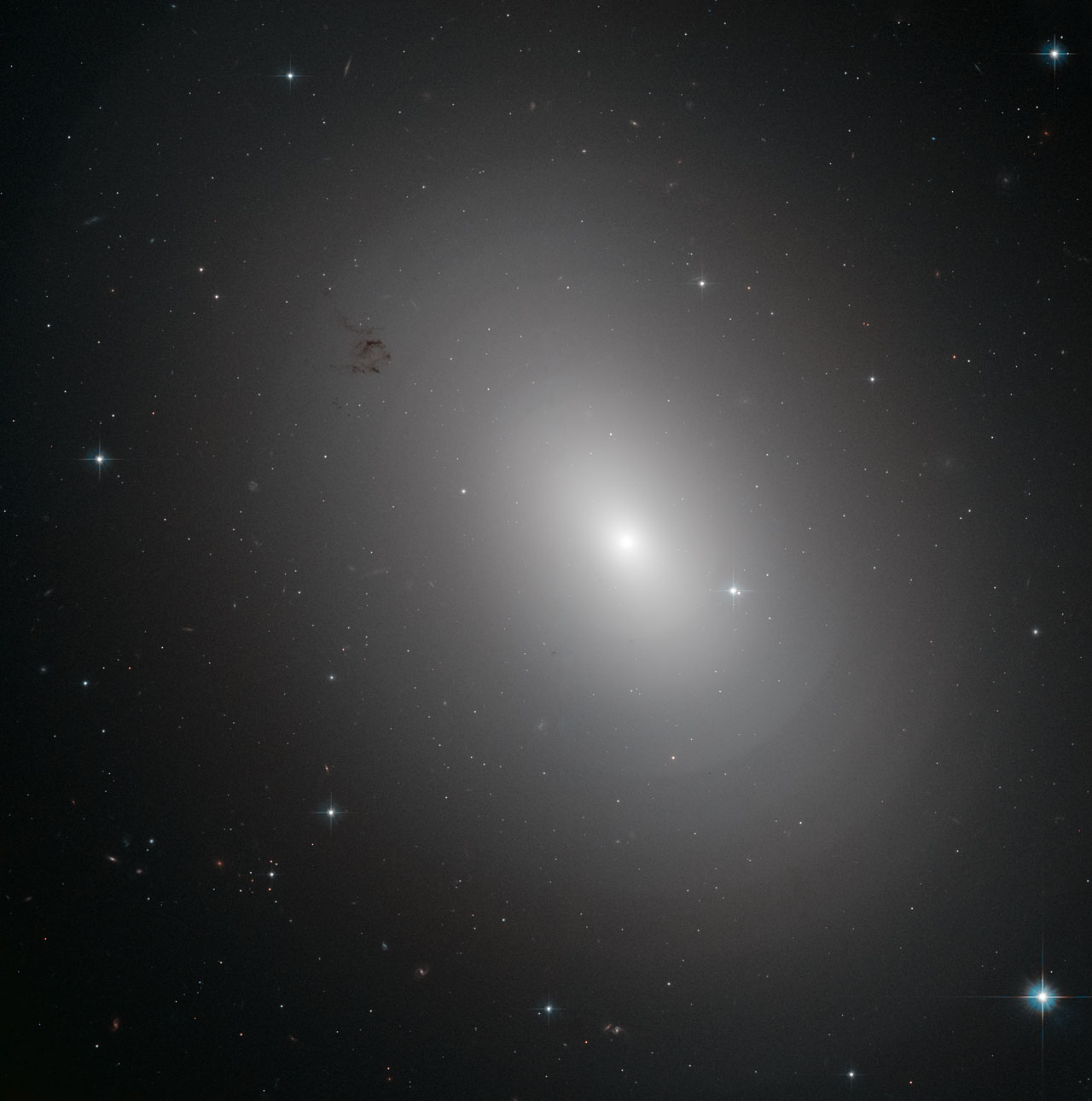
Astronomers Finally Measure the Full Size of the Universe's Largest Known Galaxy
Ultra-deep imaging has pinned down the true edge of IC 1101, confirming it spans 1.7 million light-years and 3.4 trillion solar masses — and it's still growing from a merger 2-3 billion years ago.
-
Astronomy
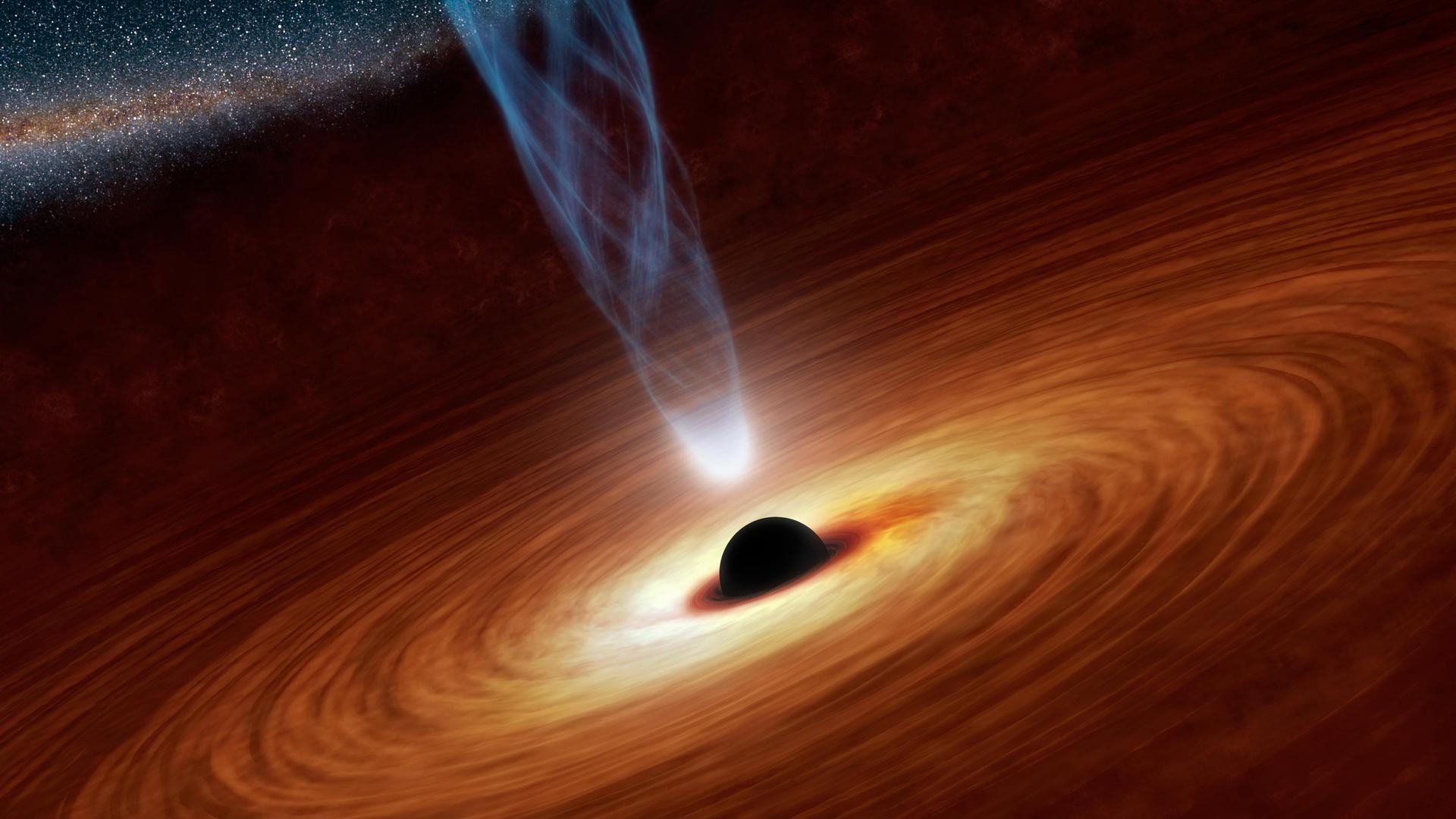
Webb's 'Little Red Dots' Turn Out to Be the Tip of a Supermassive-Black-Hole Iceberg
A nearby spiral nicknamed 'the Saguaro' just gave astronomers the missing piece of the little red dot puzzle: faint, buried X-rays confirming these mysterious JWST objects are ordinary black holes caught in an unusually obscured growth spurt.