Astronomy
Astronomy news from Cosmic Herald — telescopes, exoplanets, black holes, and the discoveries reshaping our picture of the universe.
-
Astronomy
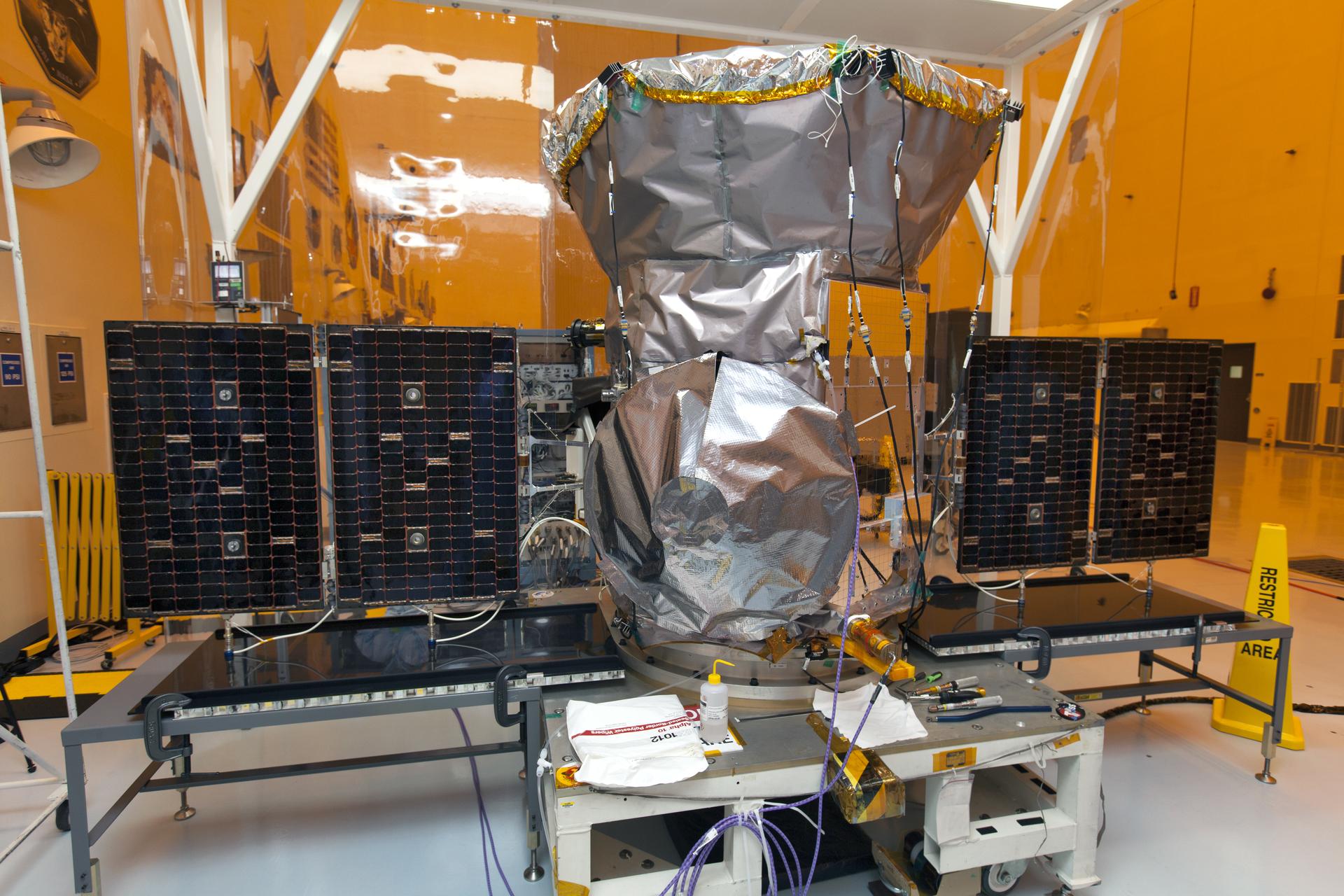
TESS Just Mapped Rotation Periods for a Million Nearby Stars
A new TESS-based catalog measures rotation periods for over a million stars within 1,600 light-years, quadrupling the known sample and sharpening the map of young stellar associations.
-
Astronomy
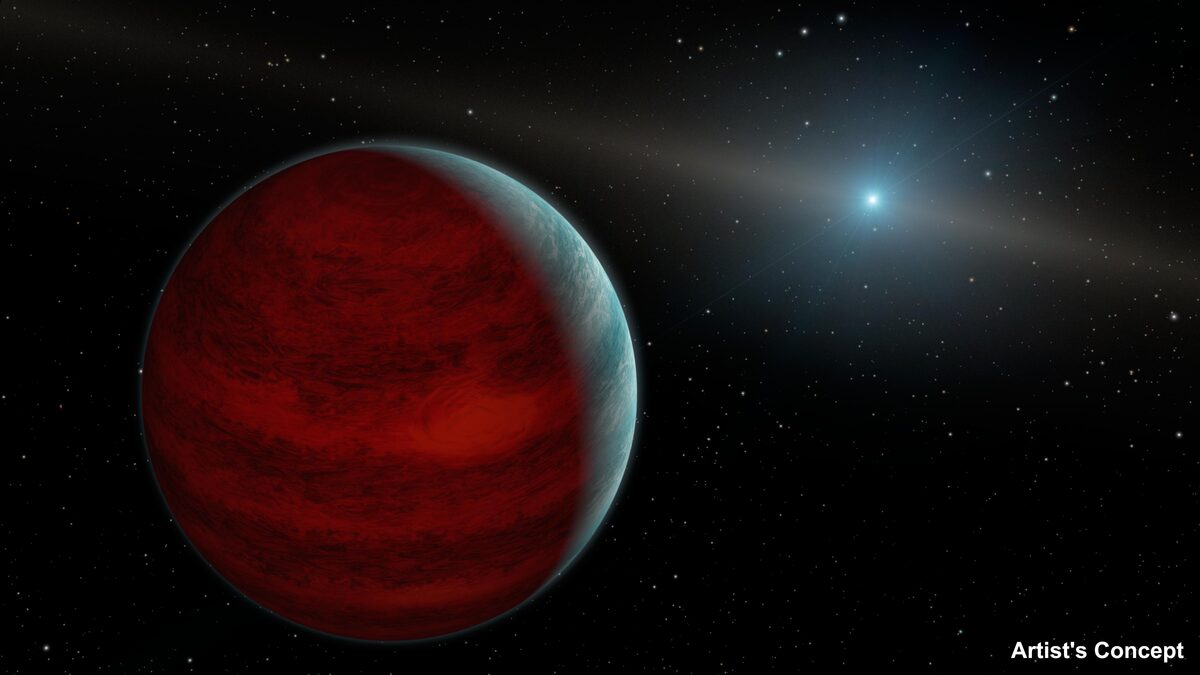
JWST Spots Methane on a Planet Orbiting a Dead Star — And It's a Preview of Our Own Solar System's Future
JWST has detected methane, haze, and heat in the atmosphere of a Jupiter-sized planet orbiting a white dwarf — the first atmosphere ever confirmed around a planet circling a dead star.
-
Astronomy
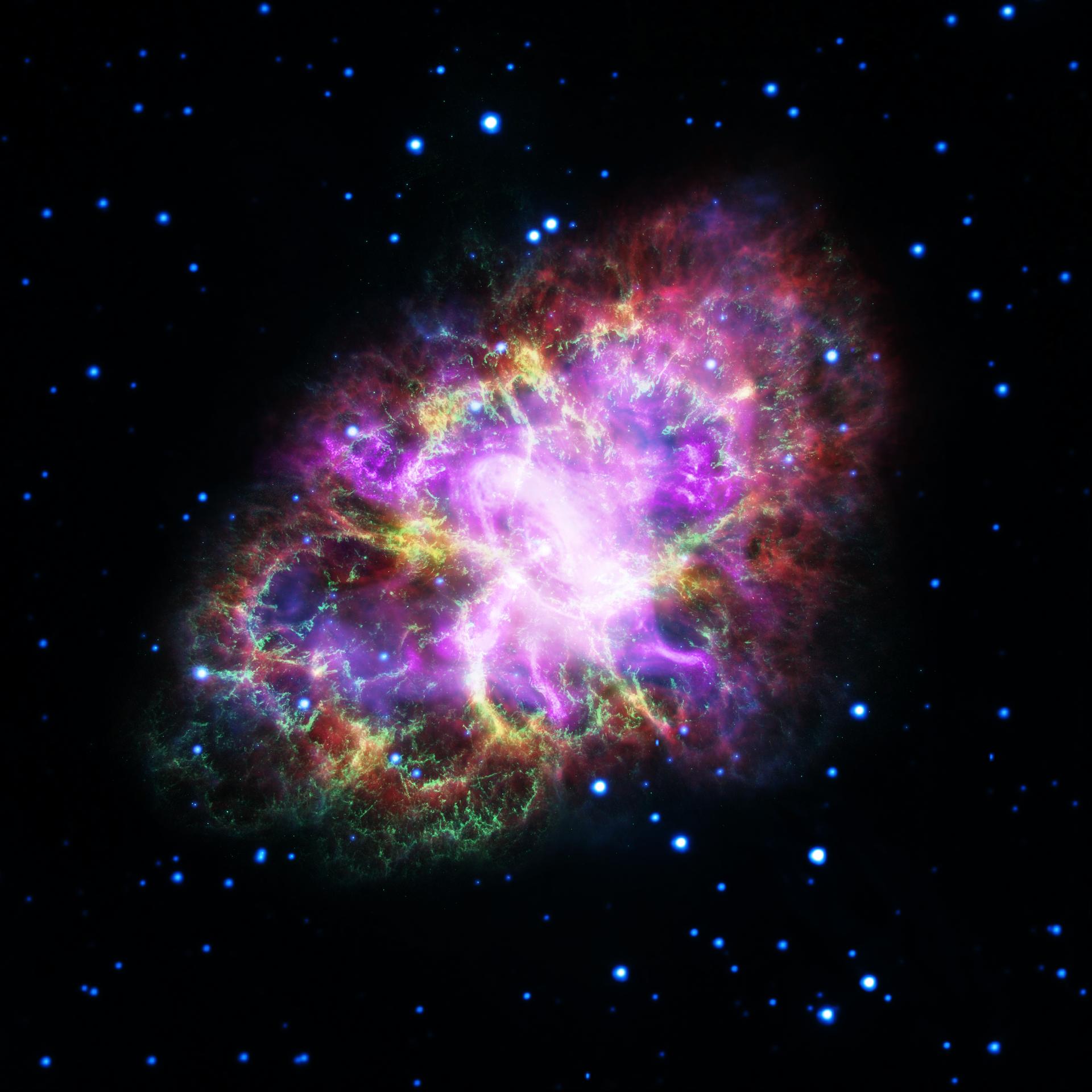
Chandra, Hubble and Webb Team Up for a 'Red, White and Blue' Universe on America's 250th
To mark America's 250th, NASA fused X-ray, infrared and optical data from Chandra, Webb and Hubble into four patriotic-toned composites — plus sound versions of the cosmos — released June 30 through July 4.
-
Astronomy
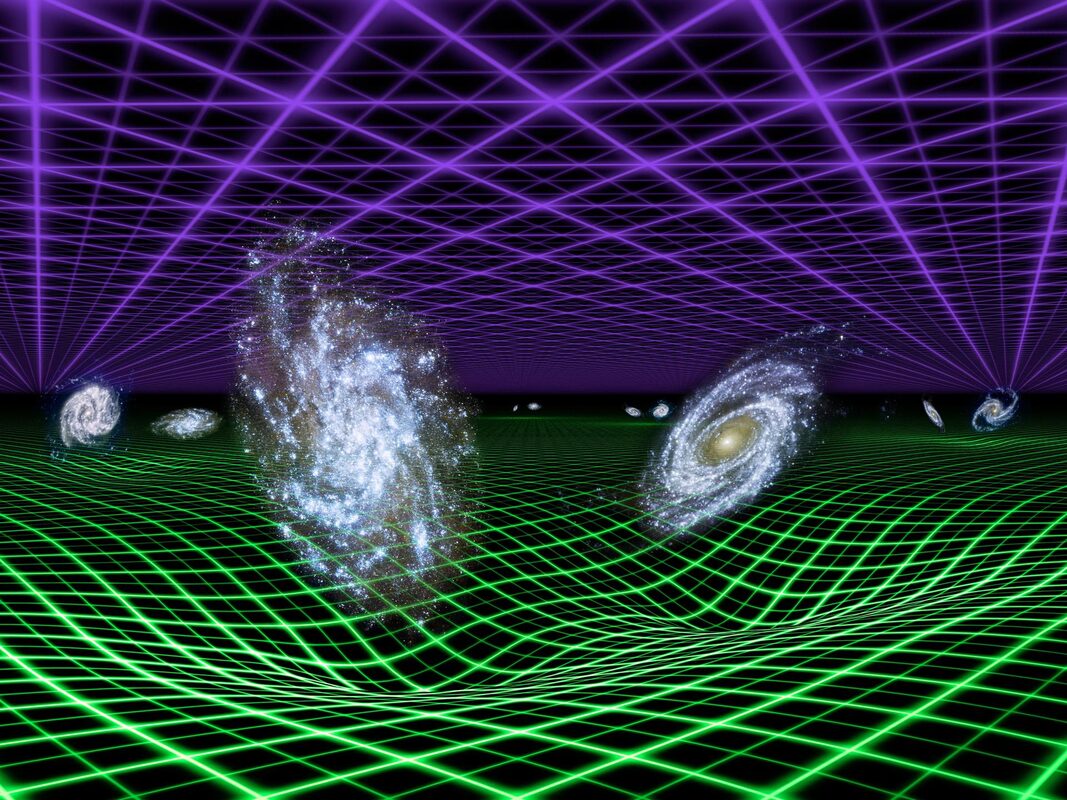
The Universe May Be Lopsided: DESI and Euclid Data Challenge Cosmology's Bedrock Assumption
A Nature paper published June 30, 2026 finds galaxies stay aligned into coherent structures across billions of light years — more strongly than Lambda-CDM predicts, and potentially in violation of the cosmological principle.
-
Astronomy
Action! Rubin Observatory Officially Starts Its 10-Year LSST Survey
On June 30, 2026, the NSF-DOE Vera C. Rubin Observatory formally began the Legacy Survey of Space and Time, a decade-long nightly scan of the southern sky with the world's largest digital camera.
-
Astronomy
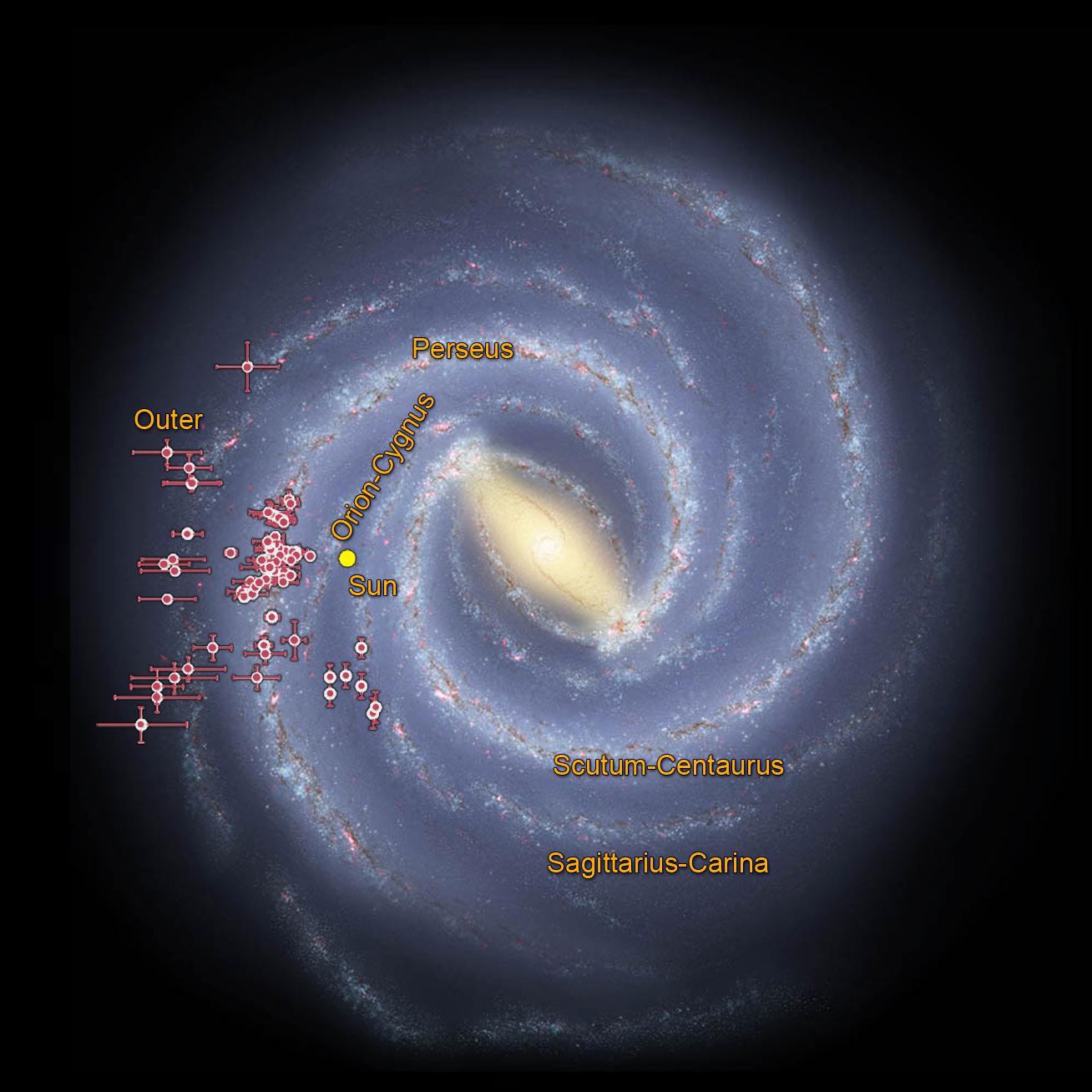
X-ray Echoes of Dead Stars Nudge the Milky Way's Outer Arms Farther Out
Using dust-scattered X-ray light echoes from three gamma-ray bursts, astronomers re-measured two of the Milky Way's outer spiral arms and found them up to 10% farther from the galactic center than assumed.
-
Astronomy
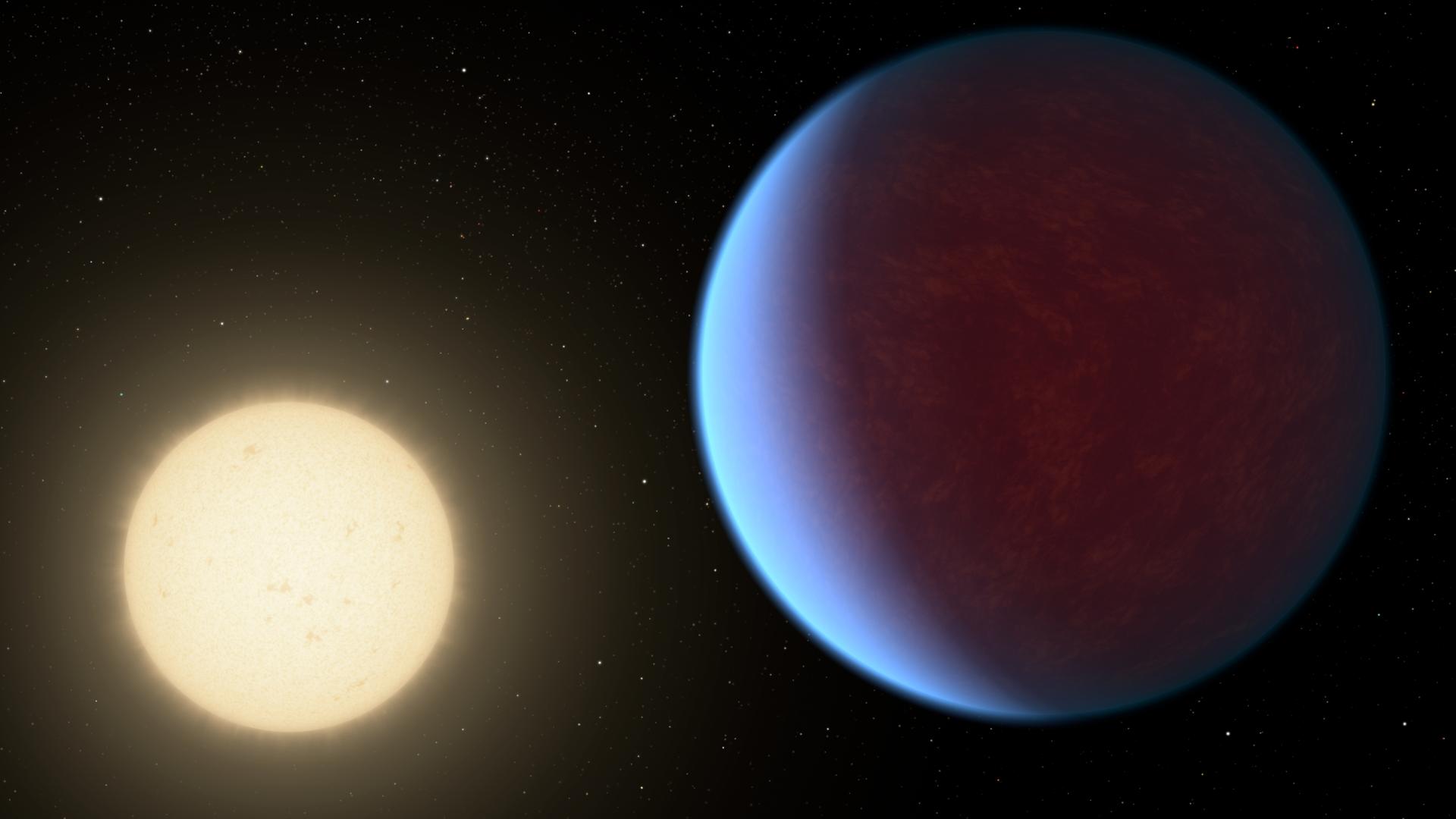
A Super-Earth on the Cosmic Shoreline: UC Irvine Sharpens Up GJ 3378 b, 25 Light-Years Away
UC Irvine astronomers revised the mass and orbit of GJ 3378 b, placing the twice-Earth-size world firmly in its red dwarf's habitable zone just 25 light-years away — and on the shortlist for NASA's Habitable Worlds Observatory.
-
Astronomy
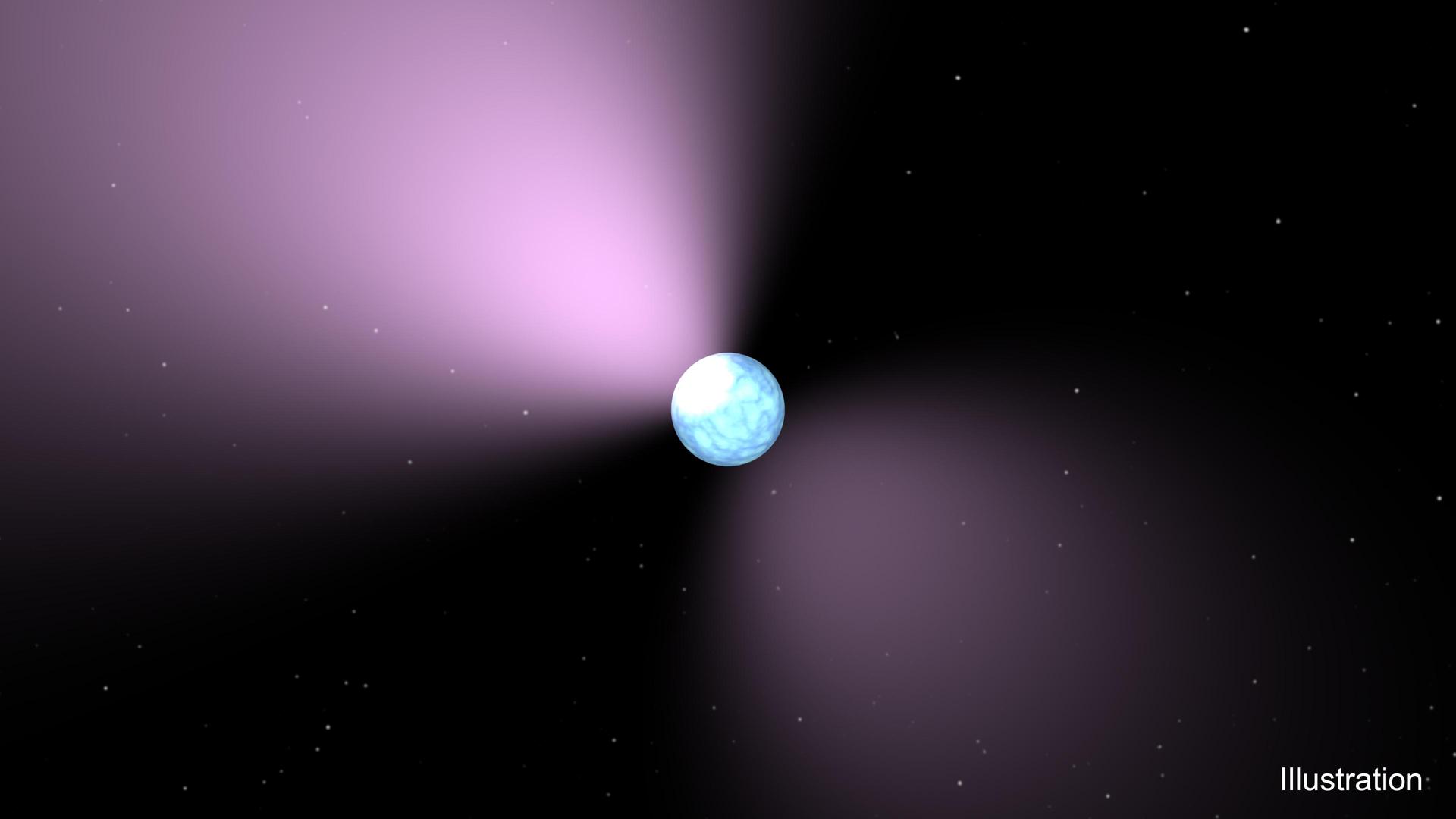
Australia's MWA Bags Its First Millisecond Pulsar — and It's in an 833-Day Orbit
The Murchison Widefield Array found PSR J0125-5854, a 24-millisecond pulsar in a wide, near-circular 833-day binary — the MWA's first MSP and the first pulsar from the SMART survey's deep-pass search.
-
Astronomy
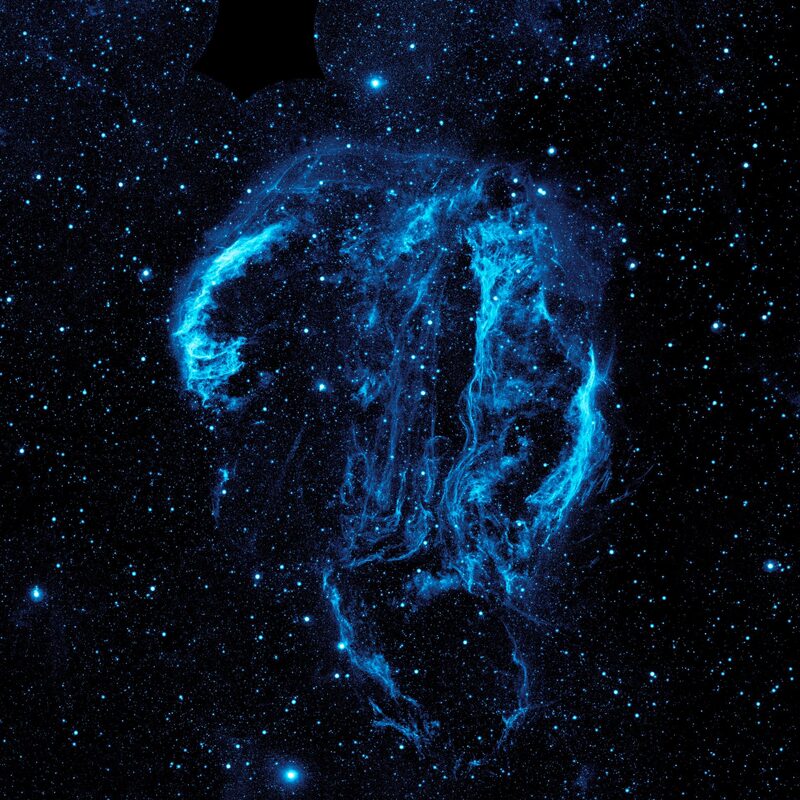
A Razor-Thin Thread Across the Veil: Amateurs Spot a 1,200-AU H-alpha Mystery in the Cygnus Loop
Backyard astronomers and professionals teamed up to find a needle-thin, H-alpha-only filament streaking the Veil Nebula — just 1.63 arcseconds wide, roughly 1,200 AU, and likely a non-radiative shock front.
-
Astronomy
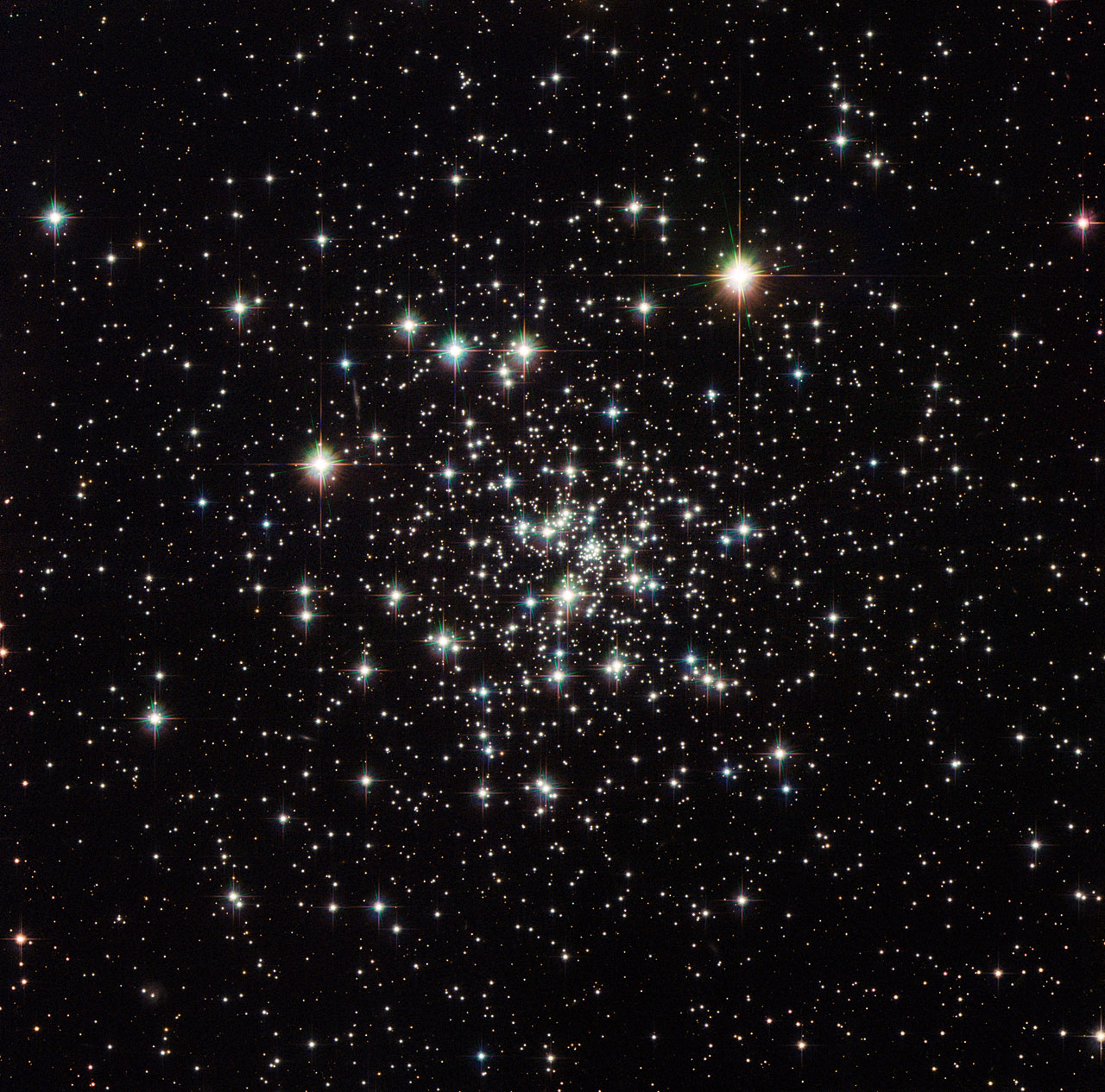
Hubble's 'Chandelier Cluster' Reveals Its Ancient Stars Formed in Two Separate Bursts
Hubble's June 2026 image of NGC 6723, the 'Chandelier Cluster,' shows its 10-billion-year-old stars formed in two closely spaced bursts — the second within 634 million years of the first — undercutting the old idea that globular clusters are single-age populations.
-
Astronomy
The Loudest Black-Hole Collision Yet Let Astronomers Touch the Event Horizon Itself
GW250114, the loudest black-hole merger ever recorded and ~3x louder than 2015's GW150914, carries the first gravitational-wave signature tied to a remnant's event horizon rather than its light ring — opening a channel to measure frame-dragging and horizon surface gravity.
-
Astronomy
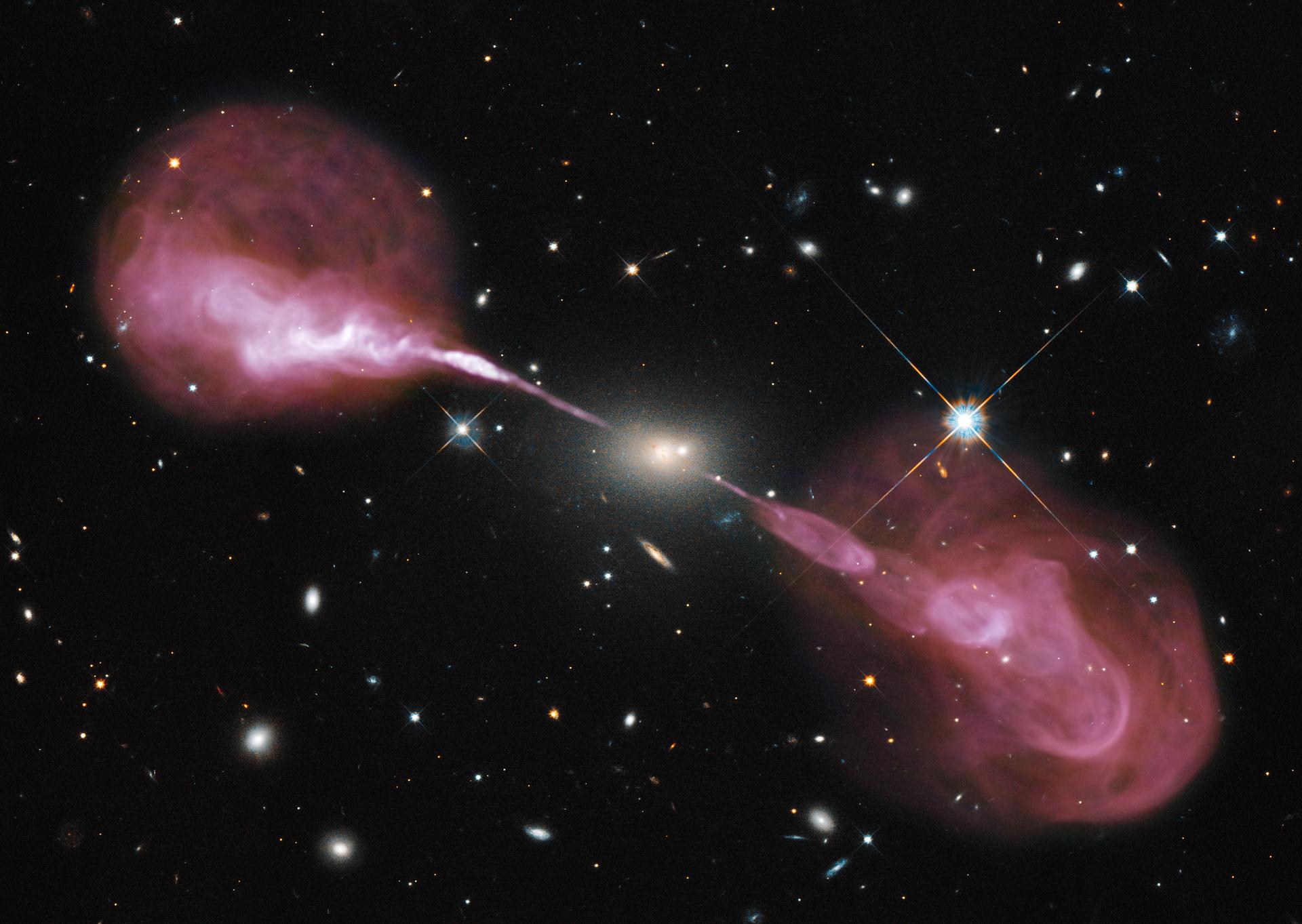
A Galaxy Shaped Like a Bow and Arrow Is Plowing a 1.8-Million-Light-Year Shockwave Through Space
Citizen scientists working with India's RAD@home collaboratory and LOFAR images found RAD-BAARG, a radio galaxy falling supersonically into a cluster and carving a glowing bow shock about 1.8 million light-years across.