Astronomy
Astronomy news from Cosmic Herald — telescopes, exoplanets, black holes, and the discoveries reshaping our picture of the universe.
-
Astronomy
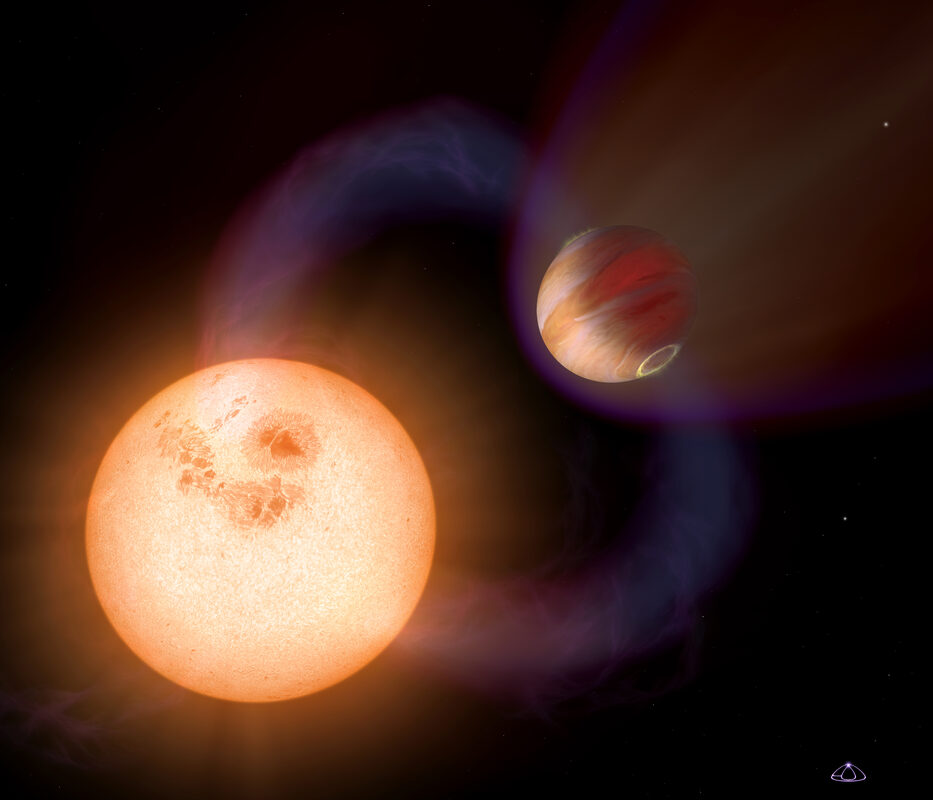
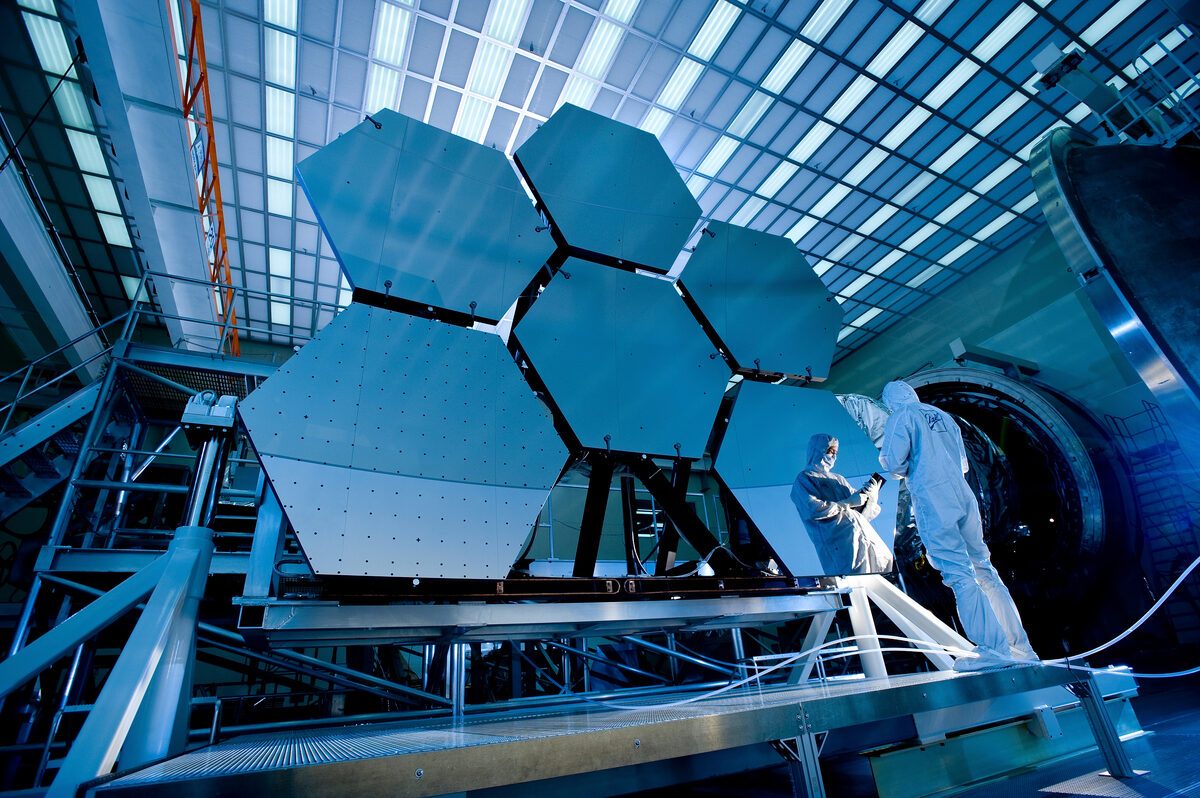
JWST has started reading the air of alien worlds. The results are already rewriting textbooks.
James Webb Space Telescope has detected carbon dioxide, water vapor, sulfur dioxide, and methane in the atmospheres of exoplanets — including, controversially, possible signs of a biosignature molecule on K2-18b. The era of comparative exoplanet atmospheres has begun.
-
Astronomy
Two ways of measuring the universe's expansion rate are giving different answers. That's either a crisis or a discovery.
The Hubble constant — the rate at which the universe is expanding — yields 67.4 km/s/Mpc from cosmic microwave background measurements and 73 km/s/Mpc from supernova and Cepheid distances. The 5-sigma discrepancy has resisted every systematic error explanation for a decade.
-
Astronomy
A Harvard 'computer' cracked the mystery of stellar distances. It took the field 20 years to understand what she'd done.
Henrietta Swan Leavitt discovered in 1912 that Cepheid variable stars pulse with a period directly proportional to their luminosity. That relationship became the first rung of the cosmic distance ladder and remains in active use today, generating one of cosmology's biggest current controversies.
-
Astronomy
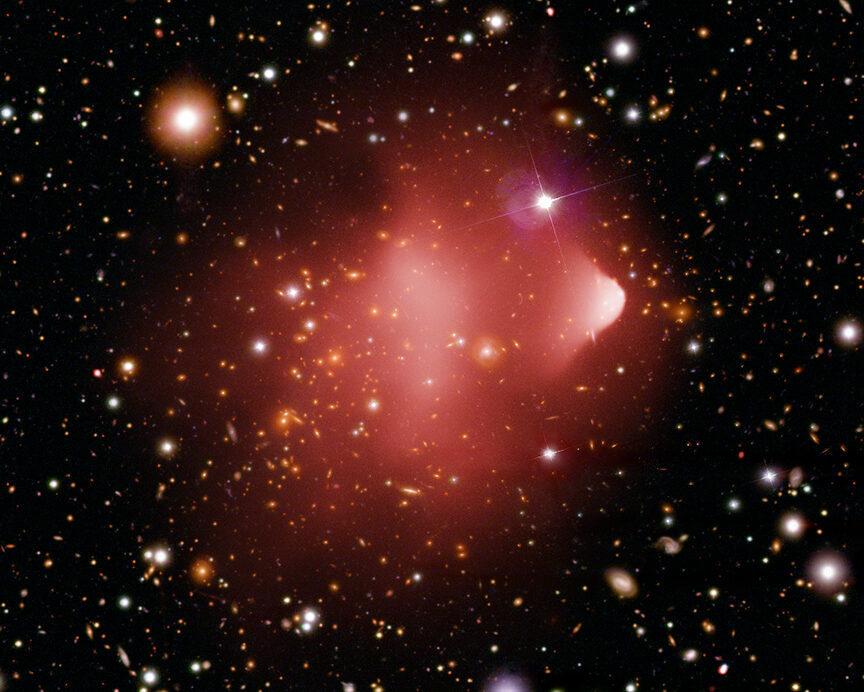
Dark matter is 27 percent of the universe, and we don't know what it is. Here's the current state of the hunt.
Dark matter outweighs all visible matter five to one, shapes every galaxy and cluster, and has never been directly detected. Decades of experiments have ruled out the most popular candidates. The search is narrowing — but it hasn't ended.
-
Astronomy
The world's largest radio telescope is in a Chinese valley. It has already found more pulsars than anyone expected.
FAST — the Five-hundred-meter Aperture Spherical Telescope — is the world's largest single-dish radio telescope. Since opening in 2016, it has discovered hundreds of pulsars, detected fast radio bursts, and searched for signals from extraterrestrial intelligence. It is rewriting radio astronomy.
-
Astronomy
The most important diagram in astronomy was drawn twice, independently, by two people who never collaborated
The Hertzsprung-Russell diagram plots stellar luminosity against temperature and organizes every type of star into a coherent pattern that reveals the physics of stellar evolution. Published independently around 1910 by Ejnar Hertzsprung and Henry Norris Russell, it remains the foundational tool of stellar astrophysics.
-
Astronomy
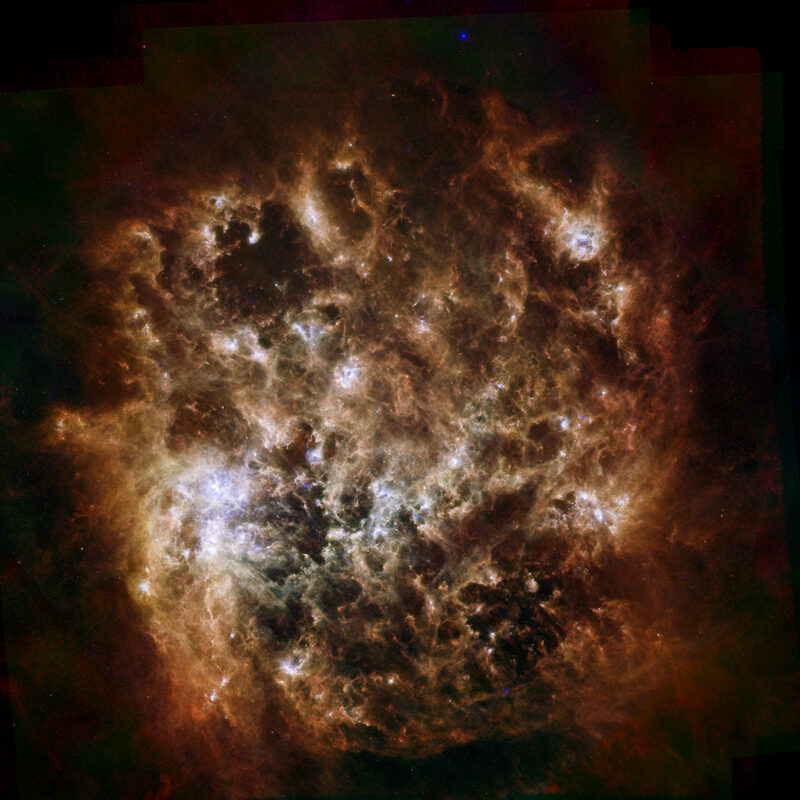
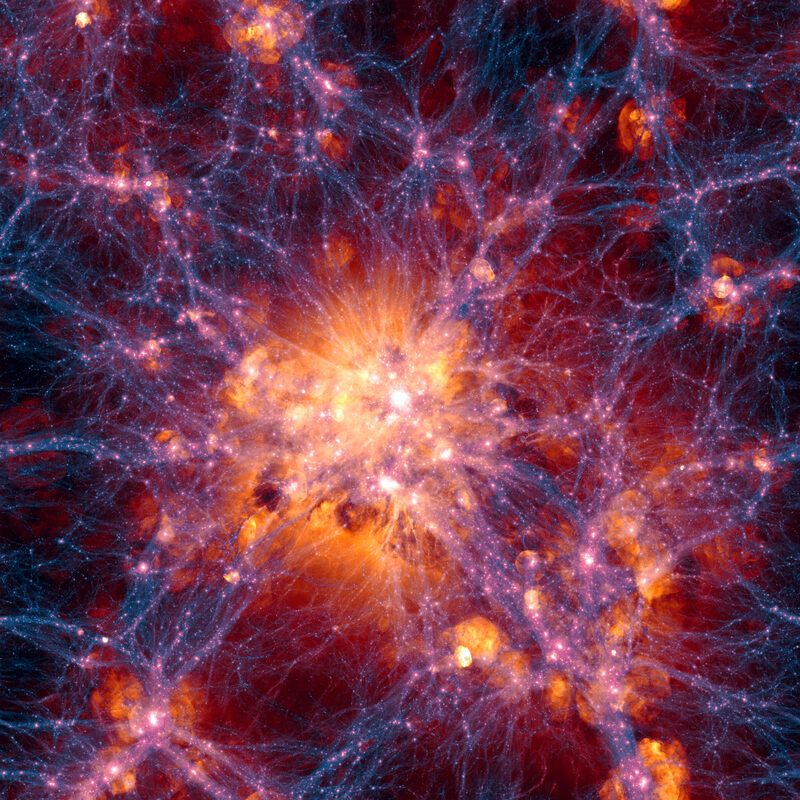
The universe has a skeleton. It is made of gas, dark matter, and time.
The largest structures in the universe are not galaxies or galaxy clusters — they are the filaments connecting them and the voids between them. This cosmic web, predicted by simulations, has been mapped across billions of light-years and continues to yield surprises.
-
Astronomy
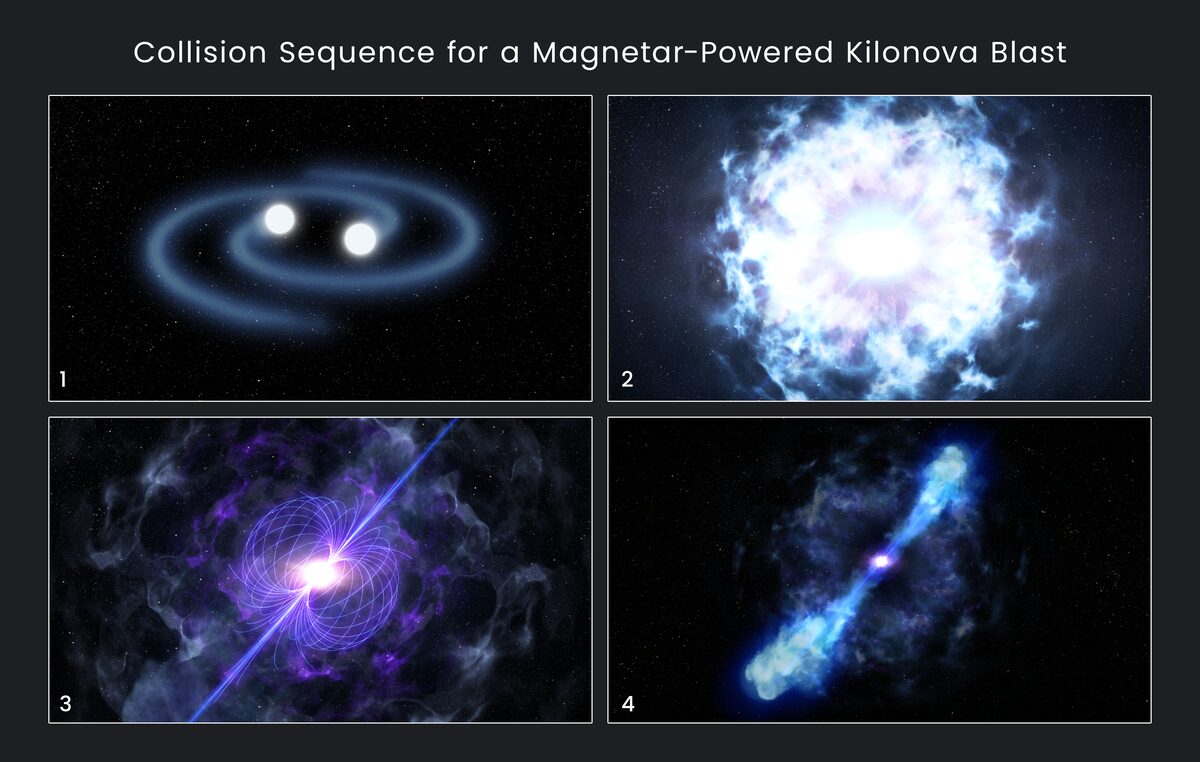
Gold and platinum were made in the collision of two neutron stars. We watched it happen.
On August 17, 2017, gravitational wave detectors caught two neutron stars merging. The electromagnetic flash that followed — a kilonova — was observed by dozens of telescopes worldwide and confirmed that collisions between neutron stars produce most of the heavy elements in the universe.
-
Astronomy
Quasars are the most luminous objects in the universe — and they tell us how galaxies are built
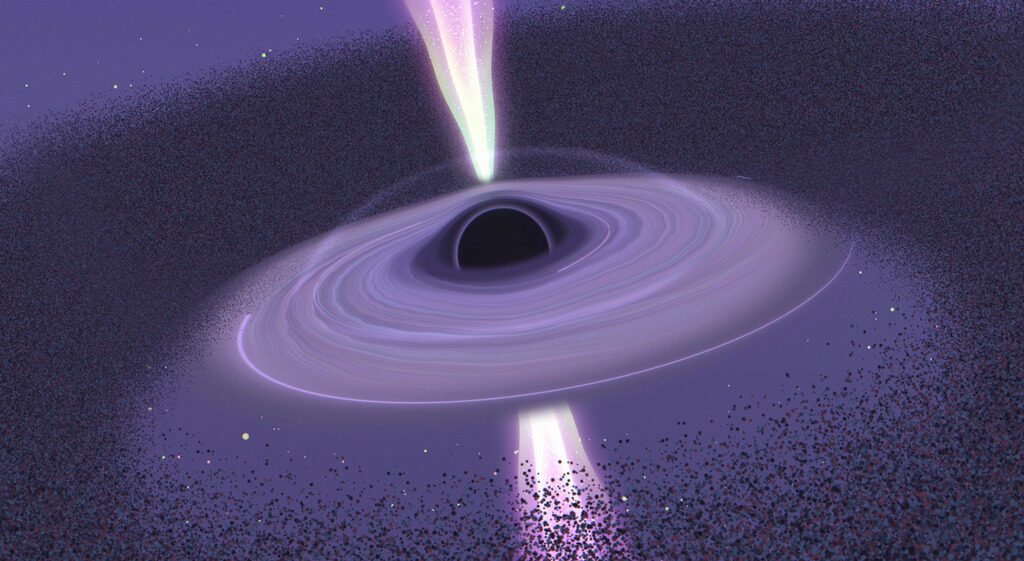
When Maarten Schmidt measured the redshift of 3C 273 in 1963, he realized he was looking at something 2 billion light-years away outshining entire galaxies. Sixty years later, quasars are understood as the most extreme phase of supermassive black hole growth — and keys to understanding how every large galaxy, including ours, formed.
-
Astronomy
Every massive object in the universe is also a telescope — and we've learned to use them
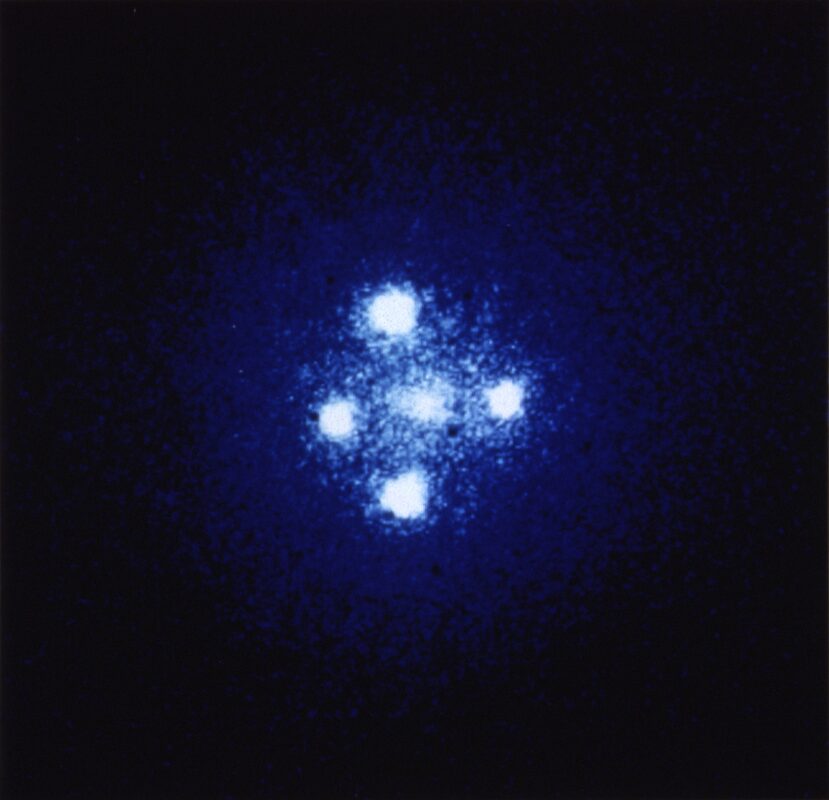
Einstein predicted in 1915 that gravity bends light. Eddington confirmed it in 1919. A century later, gravitational lensing has become one of the most productive techniques in observational astronomy — revealing dark matter, finding exoplanets, and letting us see the first galaxies.
-
Astronomy
The Milky Way's skeleton is made of ghost stars — and Gaia is mapping every one
Gaia has revealed dozens of stellar streams threading through the galaxy — thin ribbons of stars from ancient satellite galaxies and globular clusters torn apart over billions of years. Astronomers are now reading them for evidence of dark matter and the Milky Way's violent past.
-
Astronomy
Webb is revolutionizing the science of brown dwarfs — objects that blur every boundary we use to define a star
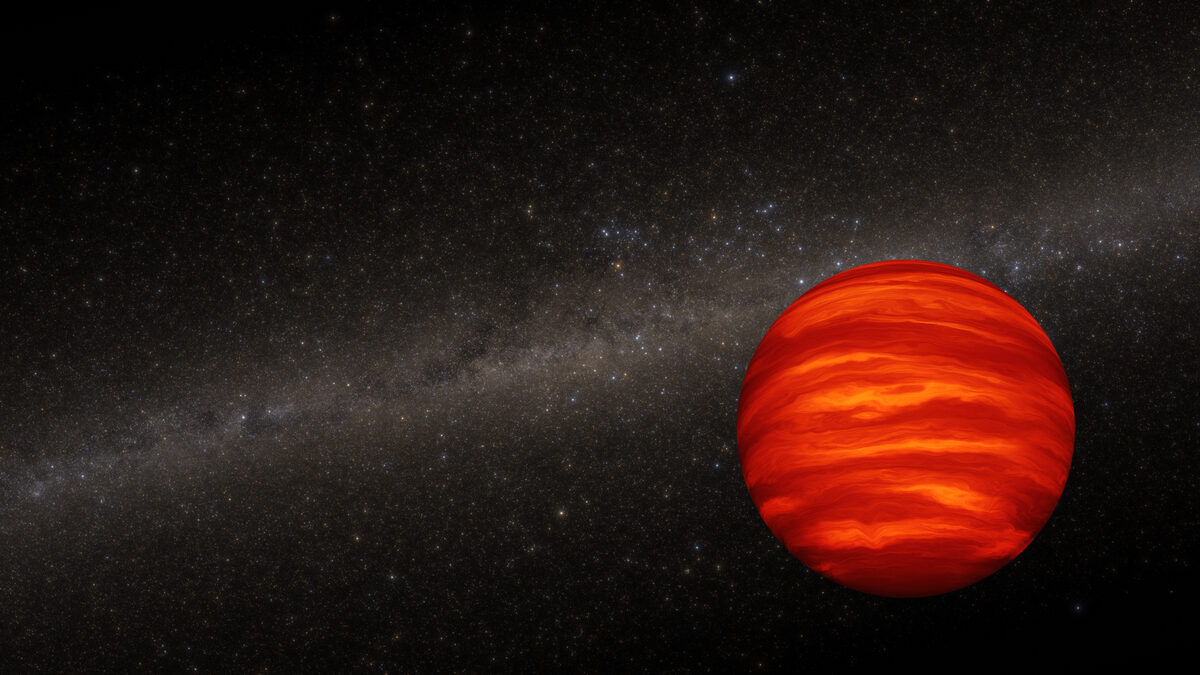
Too massive to be planets but too small to fuse hydrogen, brown dwarfs occupy an awkward middle ground. Webb is now probing their atmospheres with unprecedented depth — and finding objects that challenge everything from the definition of 'star' to the origin of Jupiter-mass bodies floating freely in space.