Science & Discovery
Space science and discovery from Cosmic Herald — planetary science, cosmology, astrobiology, and the search for life beyond Earth.
-
Science & Discovery
The MEO Durability Crisis: Why LEO-Designed Hardware Will Fail the New Orbital Economy
Satellites built with LEO-grade components face premature failure in medium Earth orbit's punishing radiation belt, threatening the economics of planned MEO constellations and servicing hubs.
-
Science & Discovery
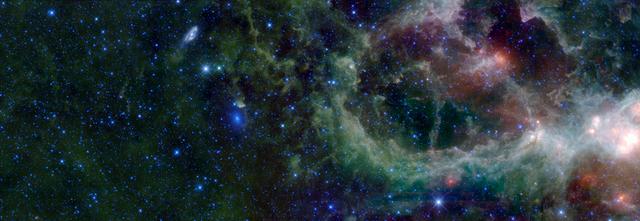
From Cold Gas to Nuclear Fire: NASA Maps Every Step of How Stars Ignite
A new NASA visualization traces star formation from the first gravitational stirrings in a molecular cloud all the way to main-sequence ignition — a single diagram synthesizing decades of multi-mission observations.
-
Science & Discovery
An Interstellar Visitor's Chemical Fingerprint Is Unlike Anything in Our Solar System
Webb's MIRI instrument detected methane, carbon dioxide, and water vapor on comet 3I/ATLAS — the first mid-infrared chemical fingerprint ever taken of an interstellar object. The methane-to-water ratio has no good analog among solar system comets, hinting at a formation environment radically different from our own.
-
Science & Discovery
NASA Enlists the Public to Hunt for Faint Objects Hiding in the Sun's Cosmic Backyard
NASA's new citizen science project invites volunteers to search archival data for undiscovered brown dwarfs and dim objects lurking within a few dozen light-years of the Sun.
-
Science & Discovery
NASA's Cold Atom Lab Gets Its Fourth Major Upgrade to Study Quantum Gases in Space
NASA activated an upgraded Cold Atom Lab aboard the ISS with new magnetic systems and electronics, cooling atoms below -459°F to create Bose-Einstein condensates and test quantum technologies in microgravity.
-
Science & Discovery
Physicists Propose Gravastars as Singularity Alternative: Collapsing Stars May Birth Miniature Universes
Researchers propose that dying stars avoid black hole singularities by spawning tiny universes within themselves. Dark energy expansion counters gravity, creating stable gravastars—and answering a 25-year-old physics debate.
-
Science & Discovery
South Africa's MeerKAT Detects Most Distant Hydroxyl Megamaser at Universe's Halfway Point
MeerKAT detects the most distant hydroxyl megamaser ever observed—a record-bright natural space laser in a merging galaxy 8 billion light-years away, revealing how galaxies collided and evolved in the early universe.
-
Science & Discovery
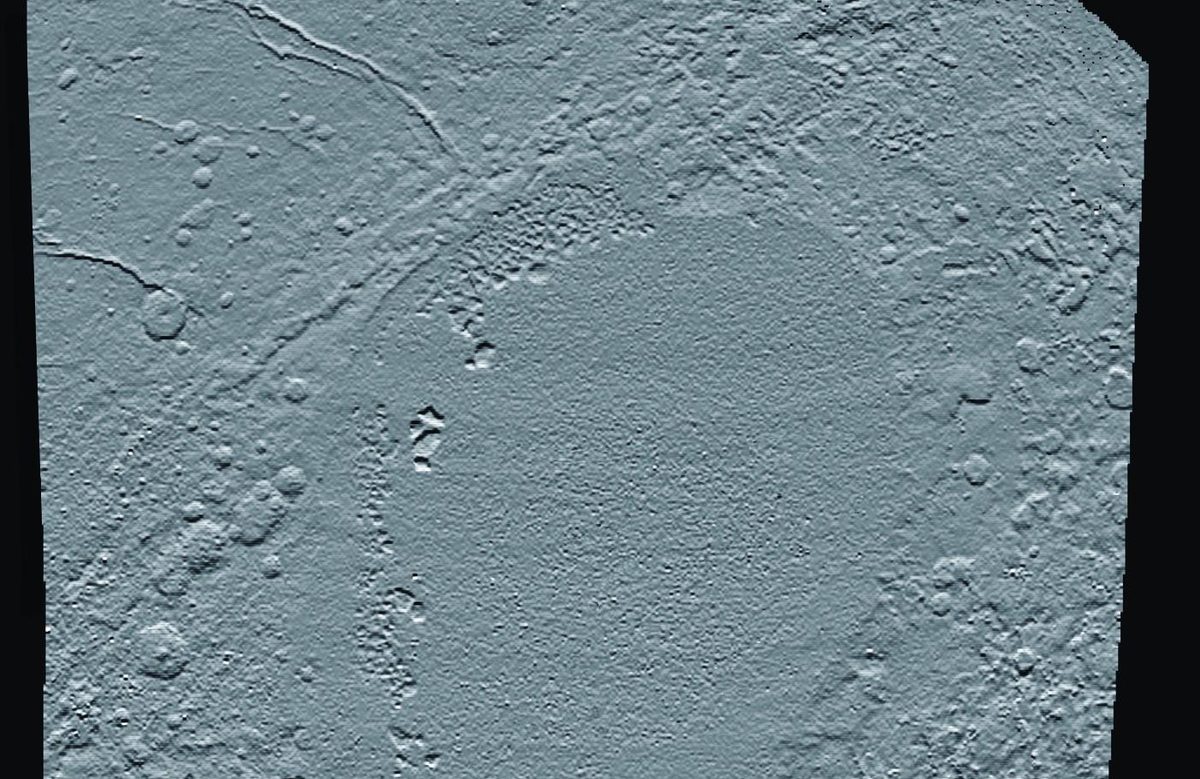
Beyond Pluto: What the Kuiper Belt Is Teaching Us About the Solar System's Deep Freeze
New Horizons' flyby of Arrokoth — a pristine contact binary 4.1 billion miles from the Sun — revealed a solar system relic frozen since the dawn of planetary formation. Now scientists want to go deeper, and the Kuiper Belt's secrets are proving stranger than anyone expected.
-
Science & Discovery
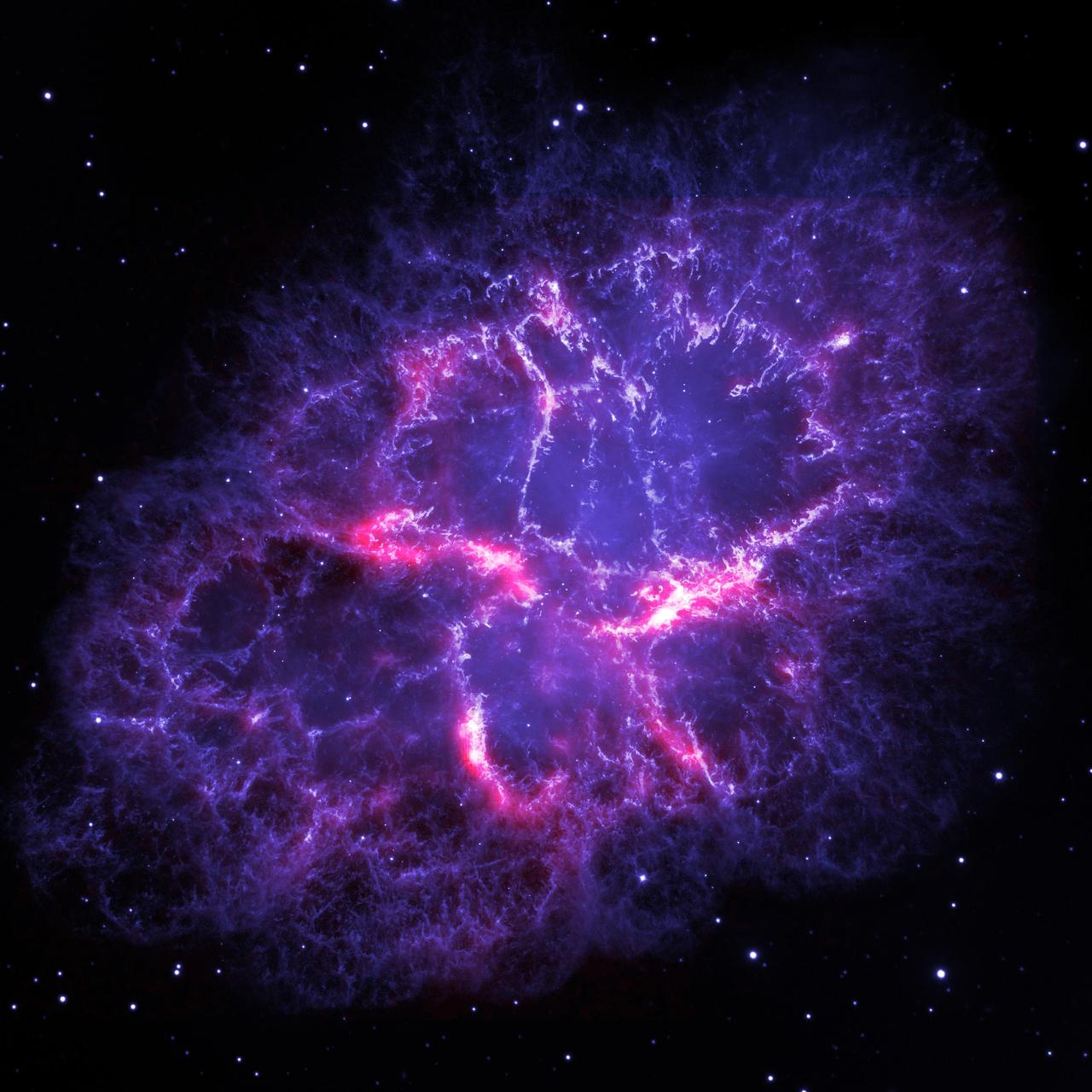
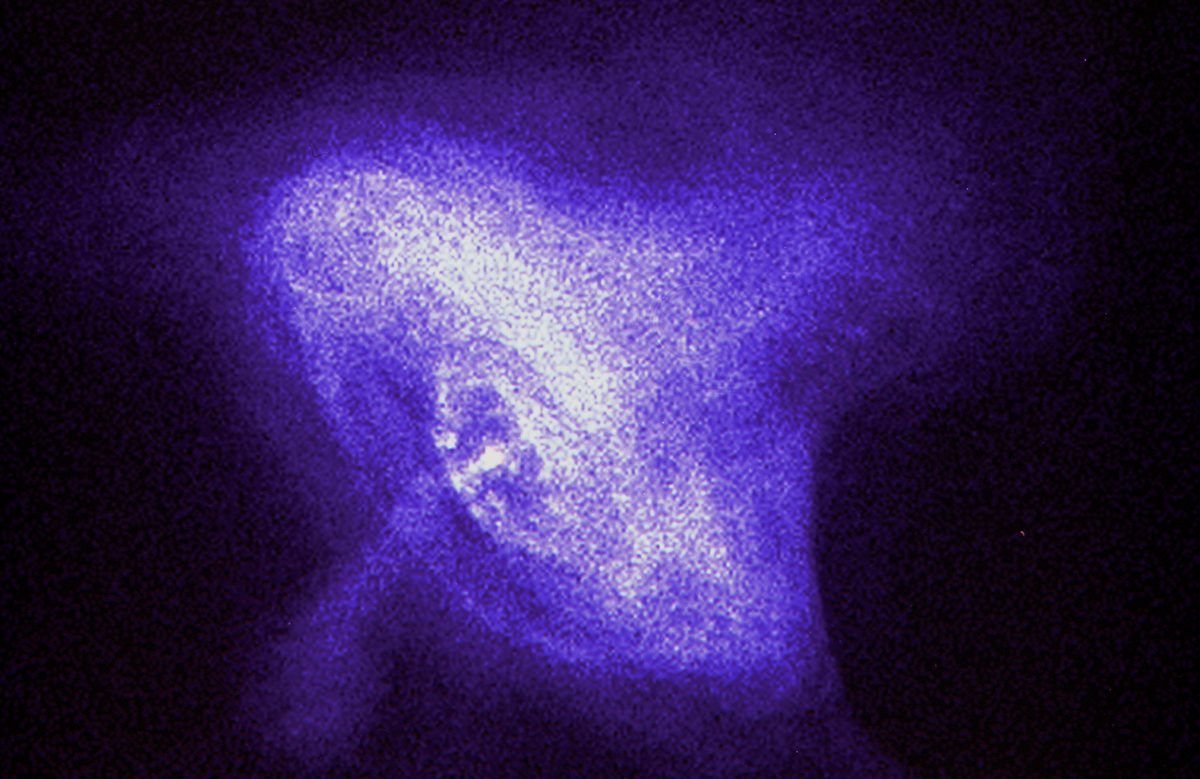
Magnetars: The Universe's Most Magnetic Objects Are Also Among Its Rarest and Most Violent
With magnetic fields a quadrillion times stronger than Earth's, magnetars are neutron stars pushed to a physical extreme that bends spacetime, cracks their crusts, and briefly outshines entire galaxies — and astrophysicists are still working out how they form.
-
Science & Discovery
The CNO Cycle: How Massive Stars Burn Hydrogen Differently Than the Sun
The Sun fuses hydrogen through the proton-proton chain. Stars more than twice as massive use a completely different nuclear pathway — one that uses carbon, nitrogen, and oxygen as catalysts and burns hotter, faster, and far more violently.
-
Science & Discovery
When Neutron Stars Collide: How Kilonovae Forge the Universe's Heavy Elements
Gold, platinum, uranium — the heaviest elements in the periodic table weren't forged in ordinary stars. They were made in the violent milliseconds of neutron star mergers, and in 2017, we watched it happen for the first time.
-
Science & Discovery
Your phone's GPS is a real-time test of general relativity — and it passes every day
GPS satellites experience time dilation from both their orbital speed and their position in Earth's gravitational field. Without constant relativistic corrections, GPS would drift by kilometers per day. The system works only because Einstein was right.