Science & Discovery
Space science and discovery from Cosmic Herald — planetary science, cosmology, astrobiology, and the search for life beyond Earth.
-
Science & Discovery
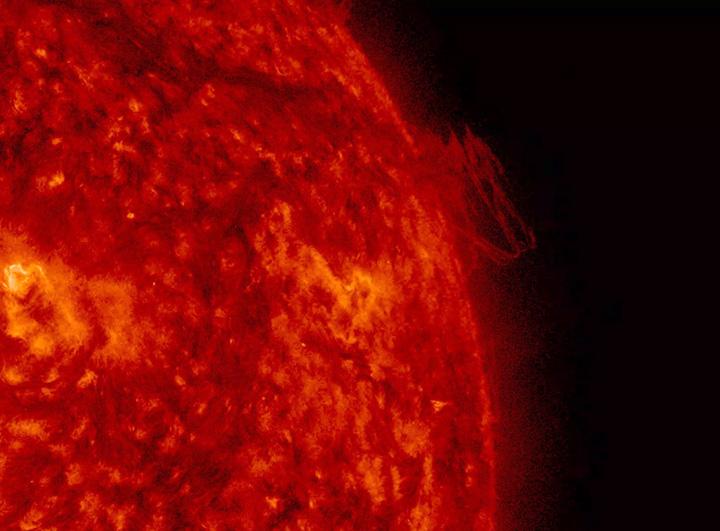
Astronomers Spot Tiny Plasma Whirlpools on the Sun — Right at the Edge of What We Can See
A Nature study using the Inouye Solar Telescope has resolved 20-km plasma vortices on the Sun's surface for the first time, structures researchers compare to spotting a coin from 180 km away.
-
Science & Discovery
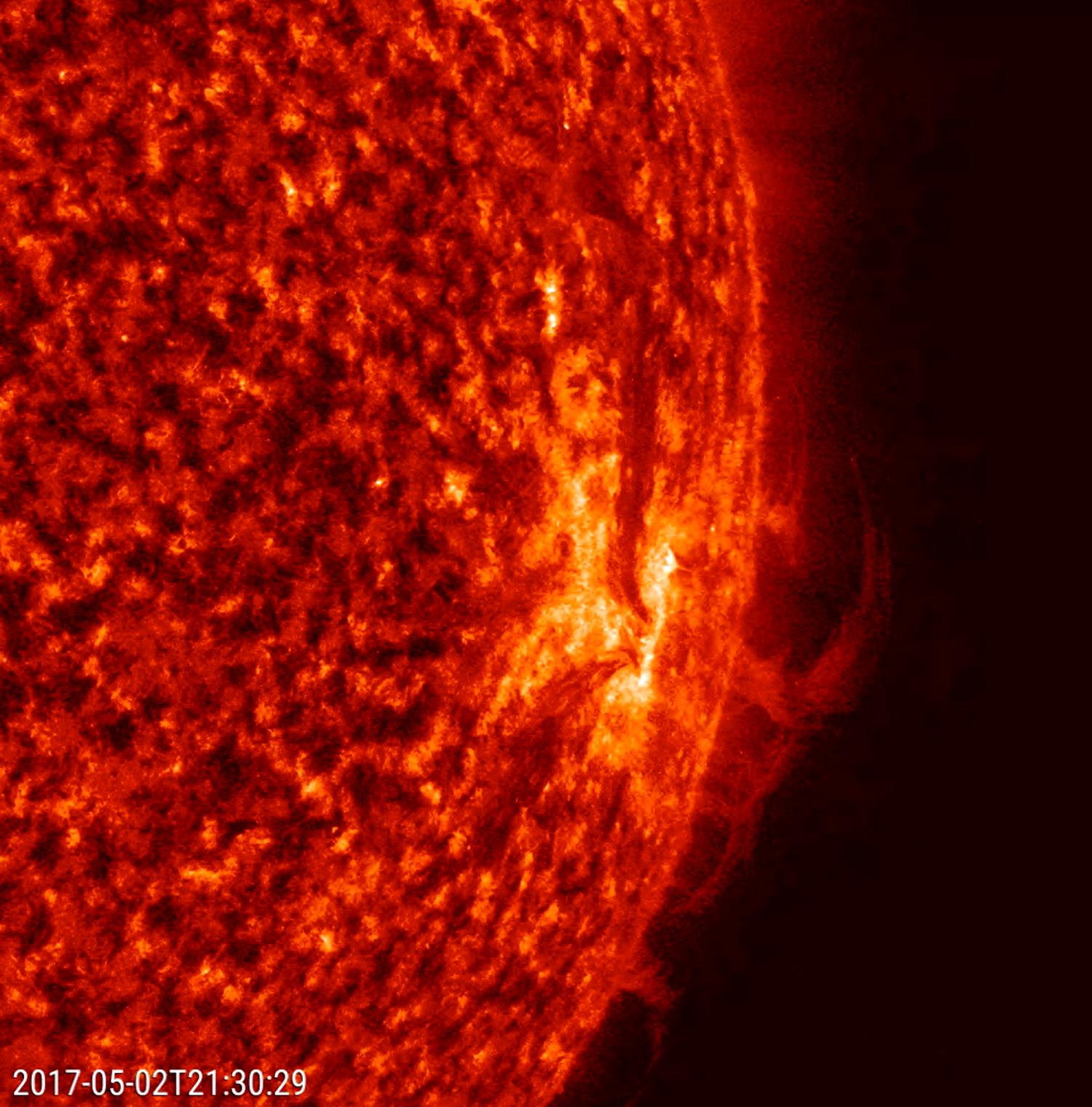
Sharpest-Ever Sun Images Reveal Swirling Instabilities Hiding in Plain Sight
The Inouye Solar Telescope's highest-resolution images yet show Kelvin-Helmholtz vortices are everywhere on the Sun's surface, not rare events — a discovery that may help crack the decades-old mystery of why the corona is millions of degrees hotter than the surface below it.
-
Science & Discovery
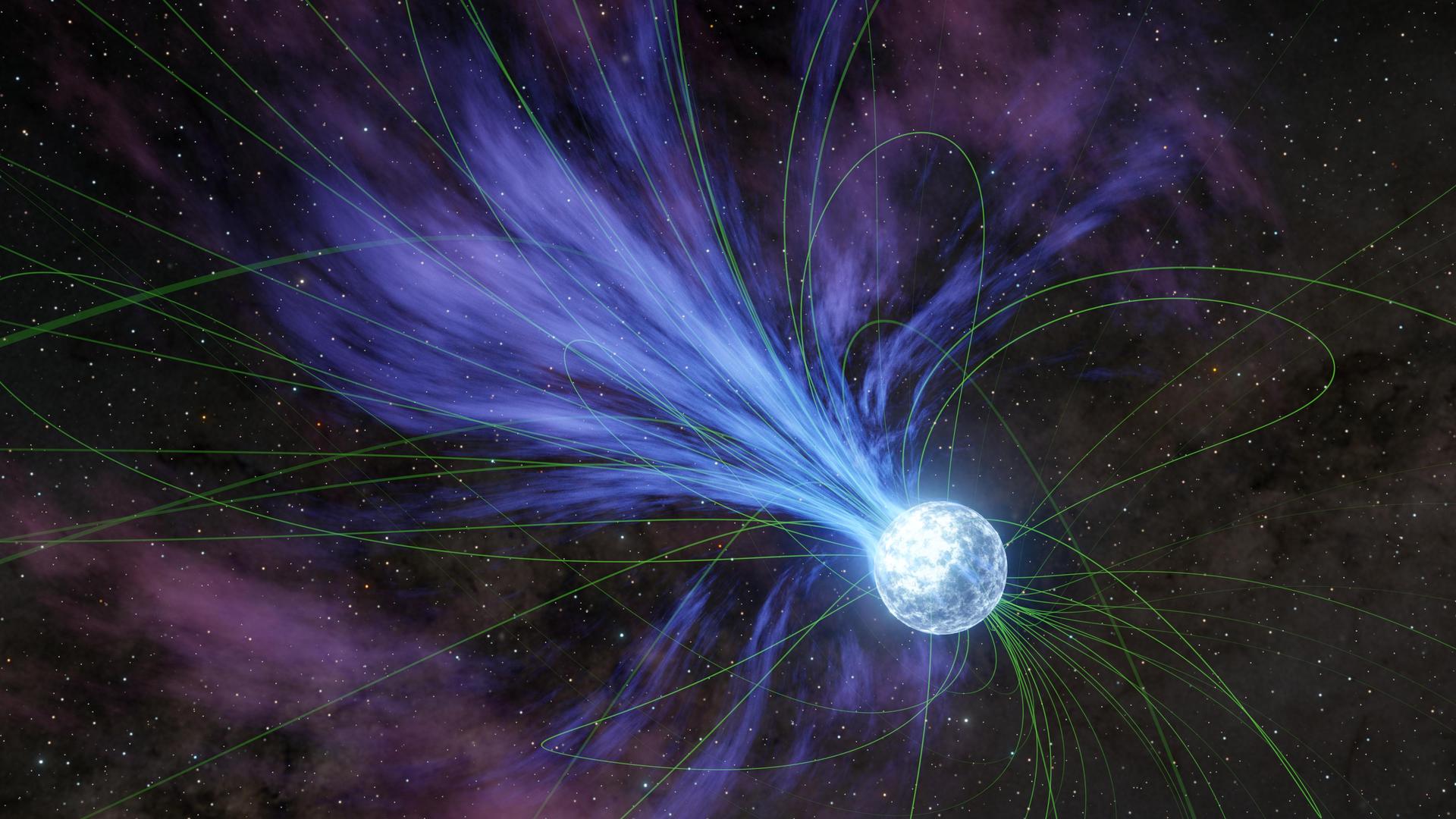
A Dead Star's X-rays May Have Just Confirmed a 90-Year-Old Prediction About Empty Space
NASA's IXPE spacecraft, paired with NICER and Australia's Murriyang radio telescope, caught magnetar 1E 1547.0-5408 emitting X-rays polarized up to ~80% — evidence that its trillion-times-Earth magnetic field bends empty space itself, as QED predicted in 1936.
-
Science & Discovery
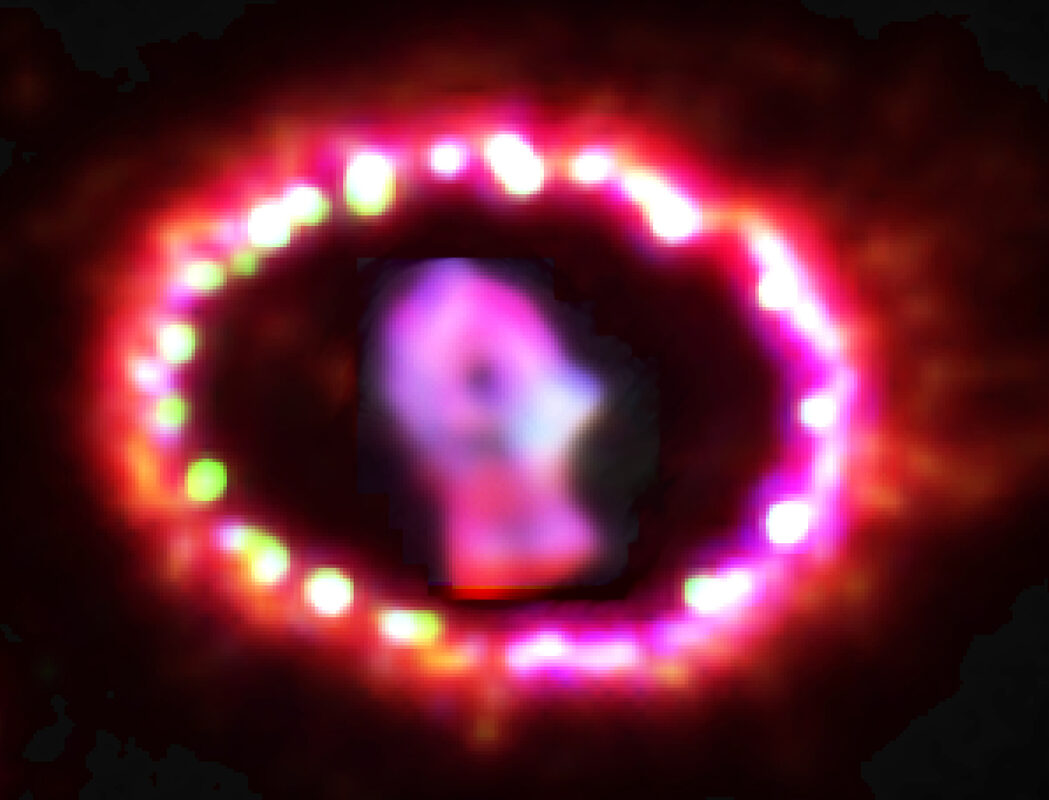
A Faint X-Ray Flash Just Filled In the 'Missing Link' Between Ordinary Supernovae and Gamma-Ray Bursts
China's Einstein Probe caught a brief X-ray shock breakout from a dying Wolf-Rayet star that had all the makings of a gamma-ray burst but never fired one, giving astronomers just their second clean look at this elusive process in two decades.
-
Science & Discovery
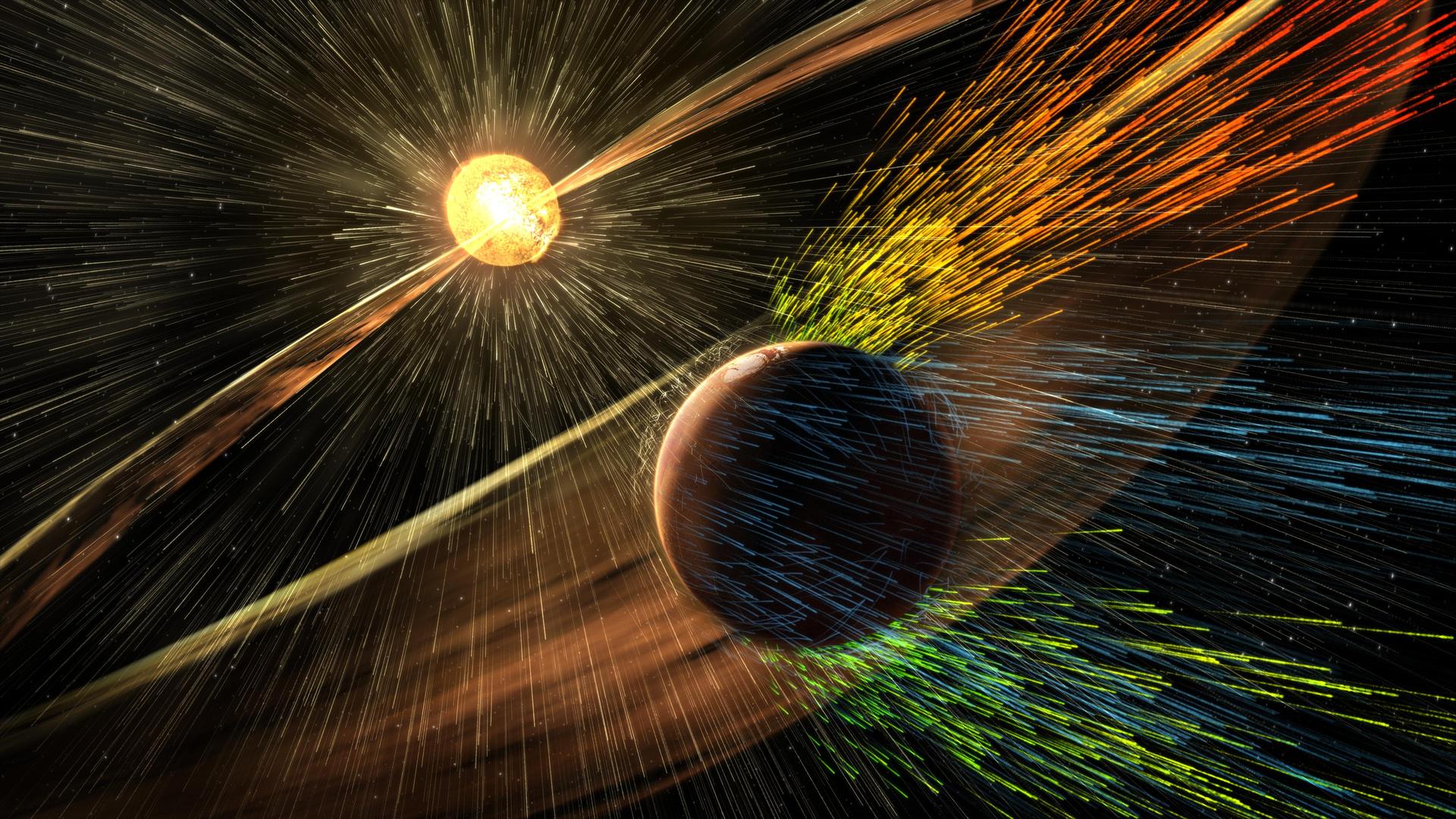
Giant Solar-Wind Waves Are Tearing Mars' Atmosphere Into Space, MAVEN and Tianwen-1 Reveal
A Boston University-led study pairing NASA's MAVEN with China's Tianwen-1 finds solar-wind-driven Kelvin-Helmholtz waves flinging Martian ions into space at 10-100 times the rate of previously known escape channels.
-
Science & Discovery
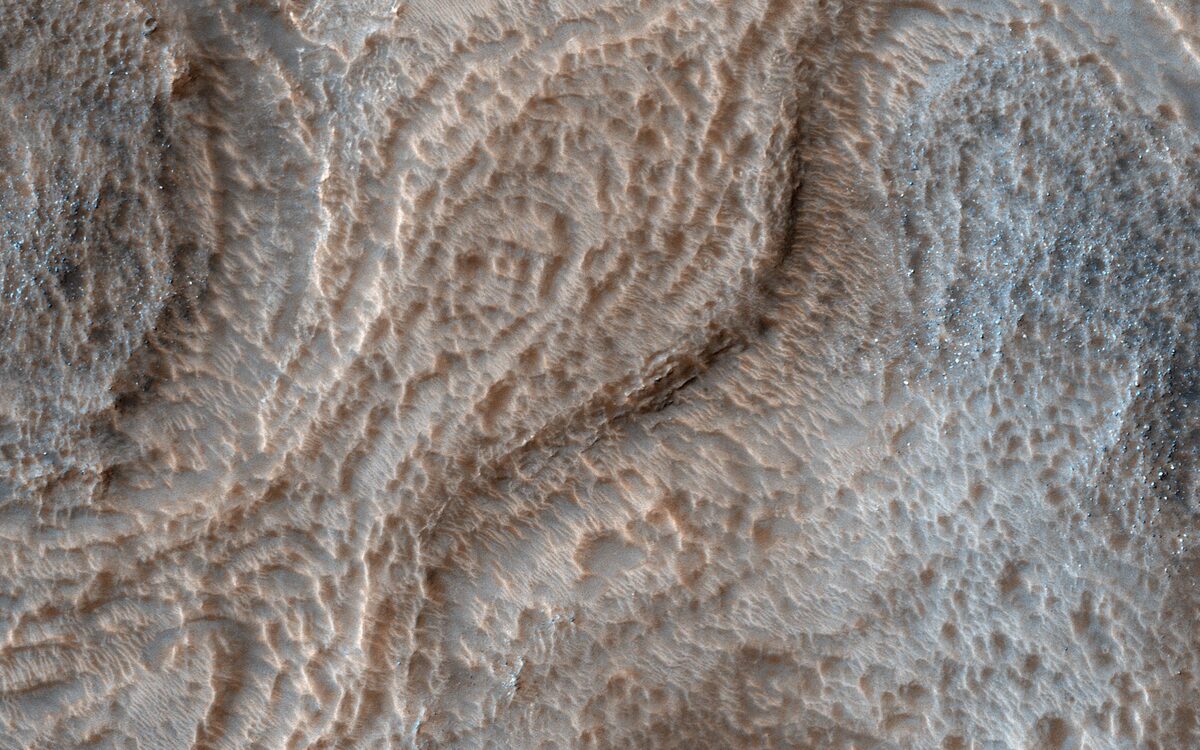
Curiosity Finds Mars' Largest Honeycomb-Patterned Field Yet in Valle Grande
Climbing Mount Sharp, Curiosity photographed a sprawling field of inch-wide honeycomb fractures in Valle Grande — the biggest such formation in its 14-year mission, with its origin still unresolved.
-
Science & Discovery
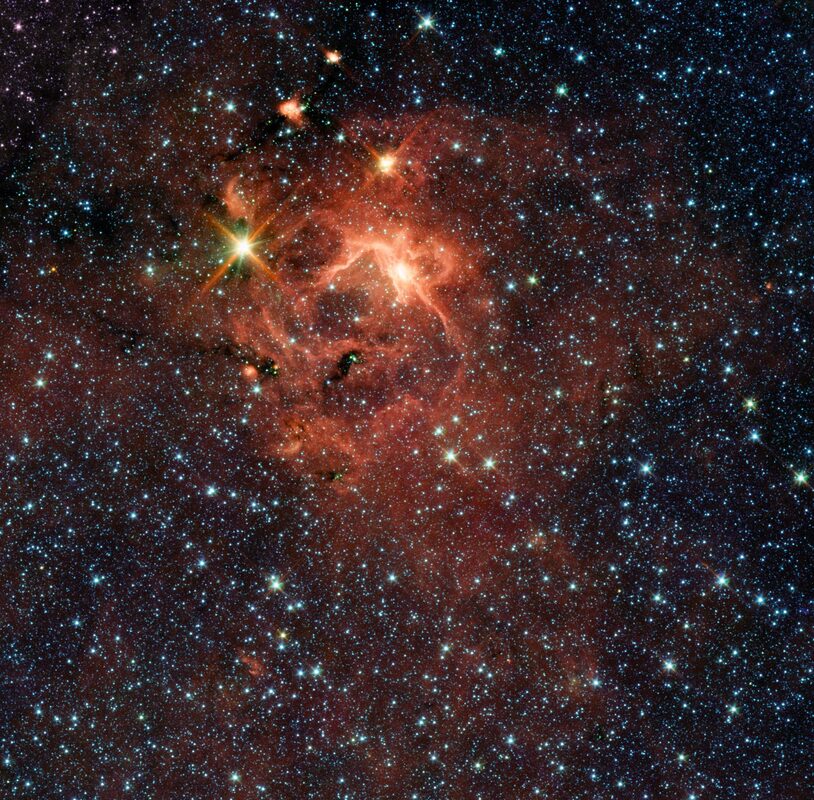
A New Theory Explains How Fast Star-Forming Gas Actually Lives and Dies
A University of Maryland-led simulation study finds that individual clumps of star-forming gas survive for as little as 400,000 years, reframing how astronomers should read galaxy-scale star formation data.
-
Science & Discovery
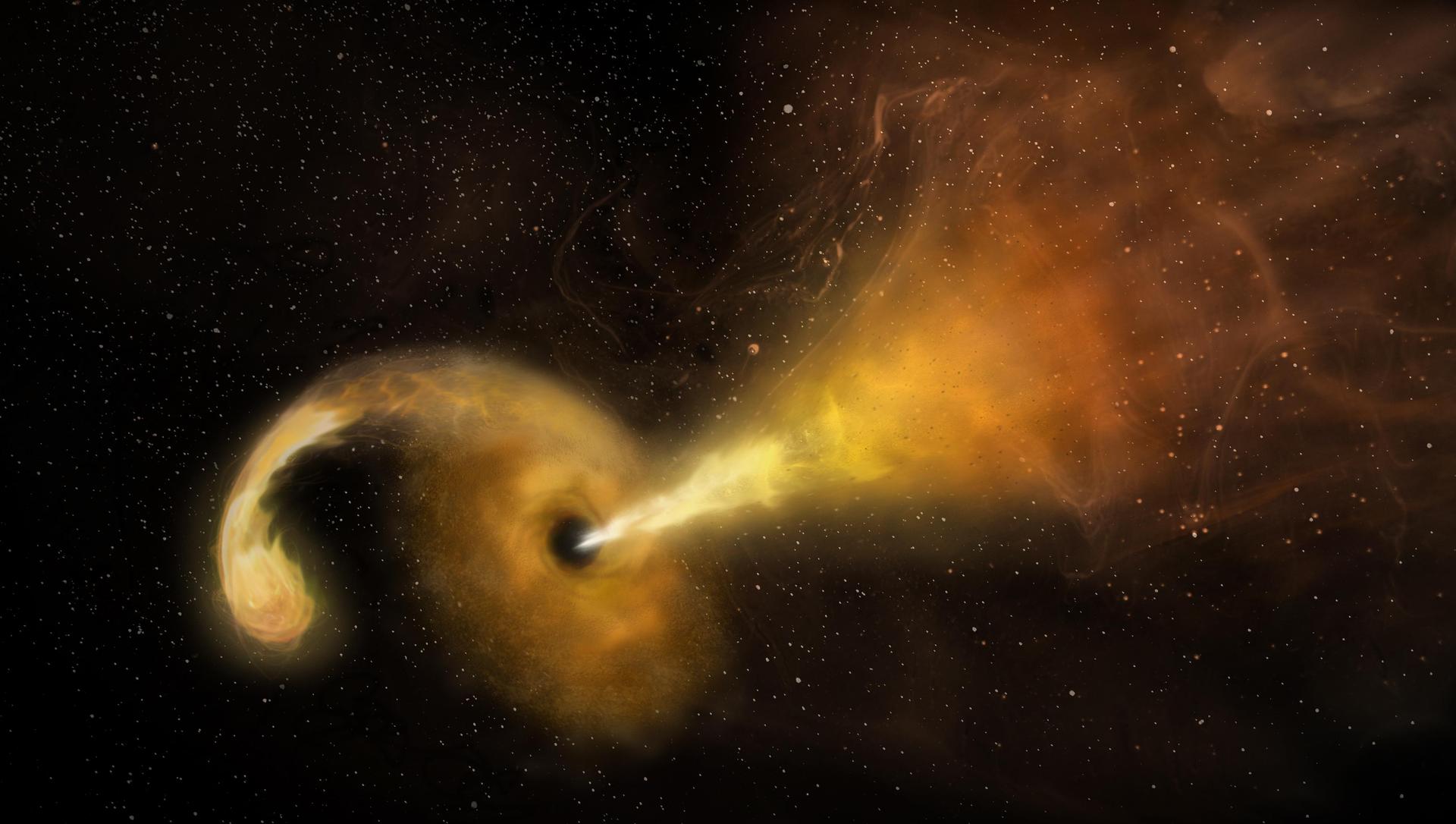
A Black Hole Wandered 30,000 Light-Years From Home — Then It Ate a Star
NASA's Swift Observatory and a UNC-Chapel Hill team caught a roughly million-solar-mass black hole shredding a star far outside its galaxy's core — the farthest such offset ever seen, and evidence that black holes can go wandering after galactic mergers.
-
Science & Discovery
LIGO's Latest Catalog Sorts Black-Hole Mergers Into Four Distinct Families
A new analysis of LIGO-Virgo-KAGRA's fifth transient catalog finds statistical evidence for four separate black-hole merger populations — including a rare group of black holes built from earlier mergers.
-
Science & Discovery
Black Holes With Past Lives: GWTC-4 Reveals a Hidden Population of Second-Generation Mergers
Mining the LIGO-Virgo-KAGRA GWTC-4 catalog, an MIT-led team finds that roughly 14% of merging black holes are themselves products of earlier collisions, with a spin-driven transition near 46 solar masses.
-
Science & Discovery
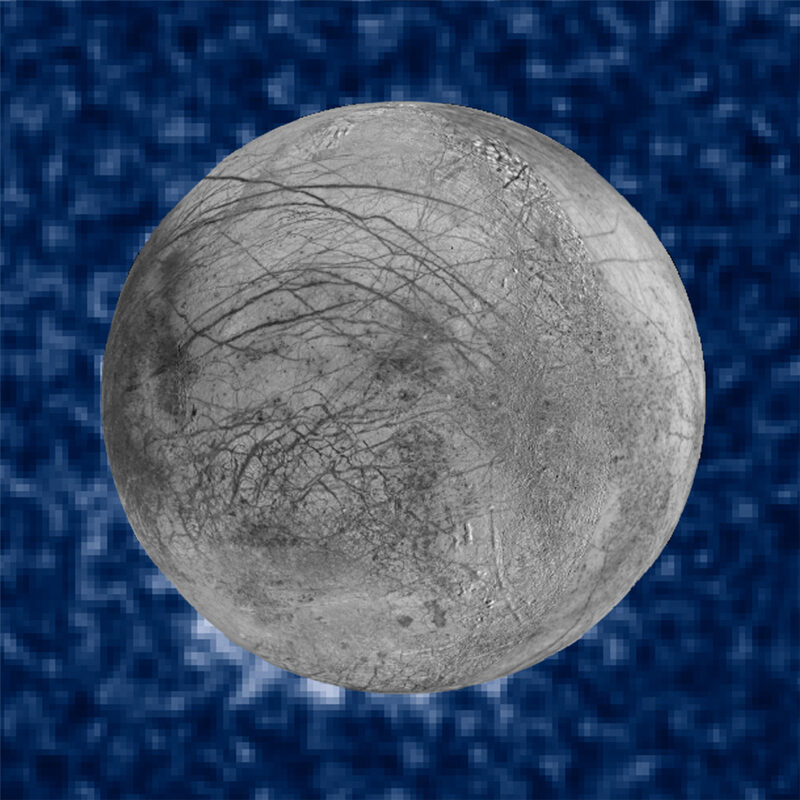
Europa's Ocean May Be Sealed Off: New Model Shows Cracks Freeze Shut Before Water Reaches the Surface
A Nature Astronomy study led by Rutgers' Lujendra Ojha finds that water rising through Europa's ice-shell fractures supercools and clogs with frazil ice, freezing narrow cracks shut within hours - reshaping where Europa Clipper and JUICE should hunt for habitable niches.
-
Science & Discovery
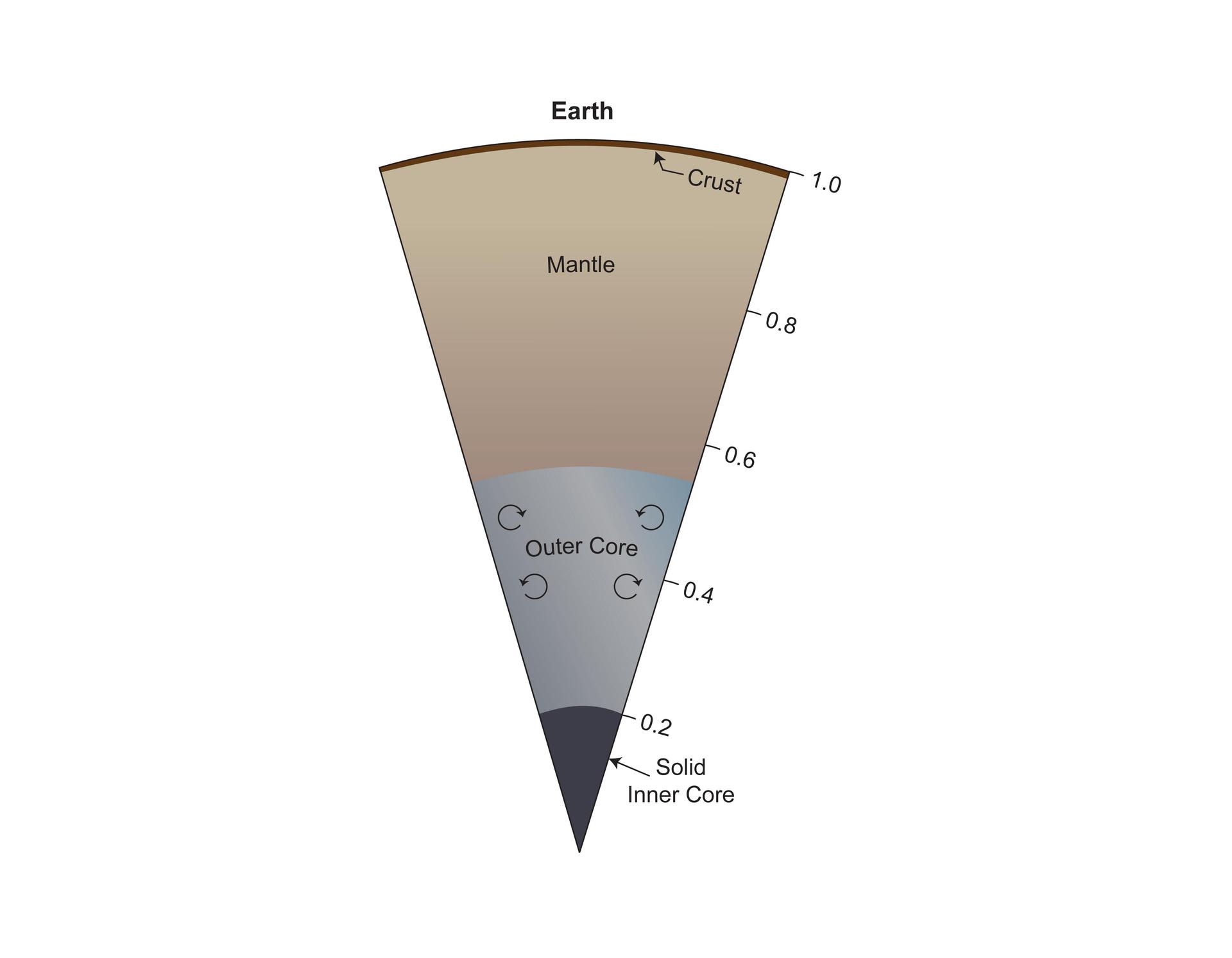
Earth's Deep Mantle Is Still Leaking Solar Nebula Gas — and It Says Proto-Earth Was About a Third of Today's Planet
Neon bubbling out of mid-ocean-ridge basalts can only have come from the solar nebula, and a new Planetary Science Journal paper uses it to pin the young Earth's mass at roughly 0.3 Earth masses — captured from a disk already depleted at least 100-fold.