NASA
Every Cosmic Herald story on NASA — missions, launches, discoveries, and the business of space, newest first.
-
Astronomy
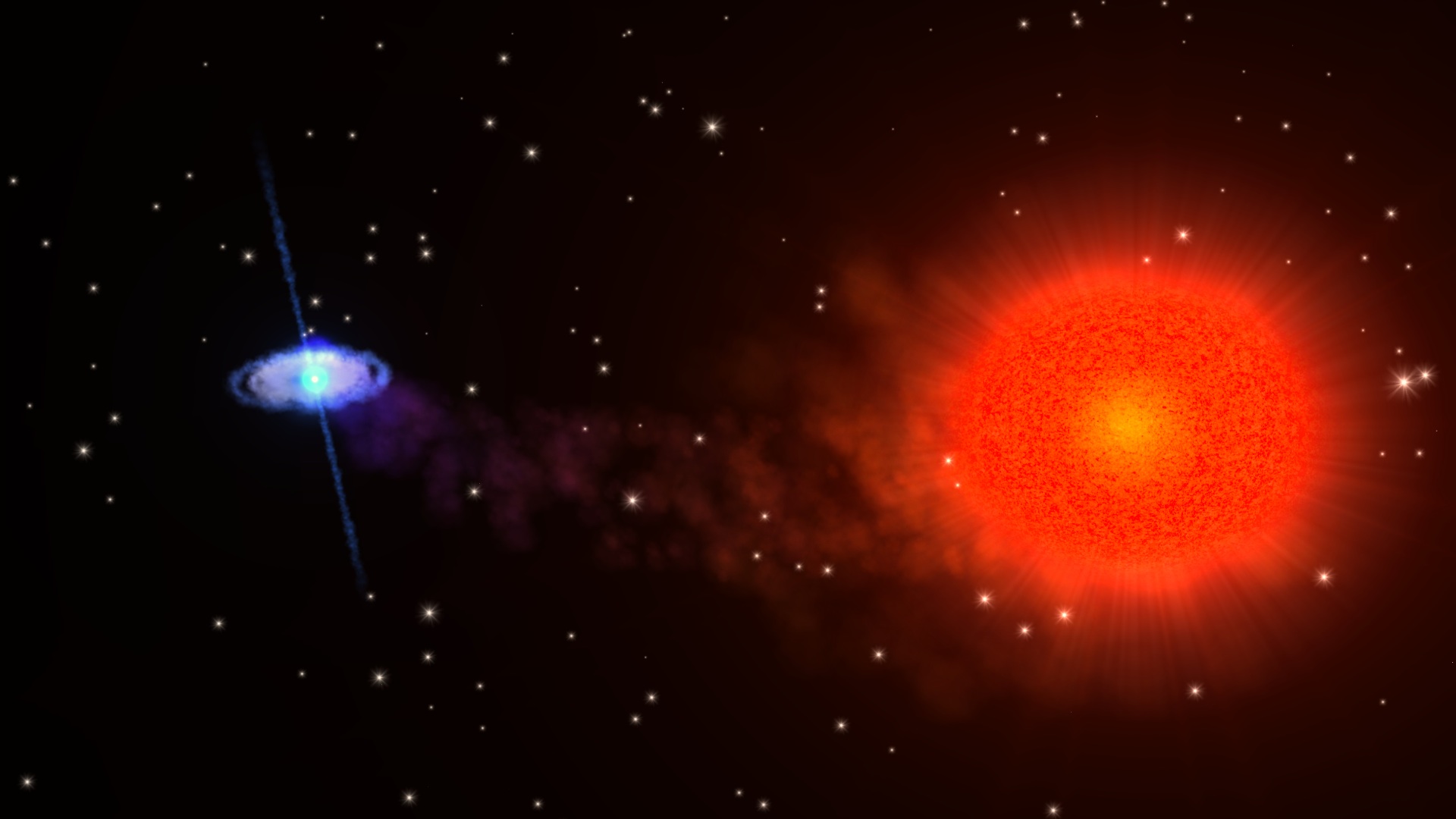
XRISM Catches a Hypergiant's Wind Falling Onto a Pulsar, Line by Line
XRISM's Resolve instrument watched iron lines flip from absorption to emission during a flare from GX 301-2, giving the first direct spectroscopic evidence of stellar-wind plasma falling onto a neutron star.
-
Missions
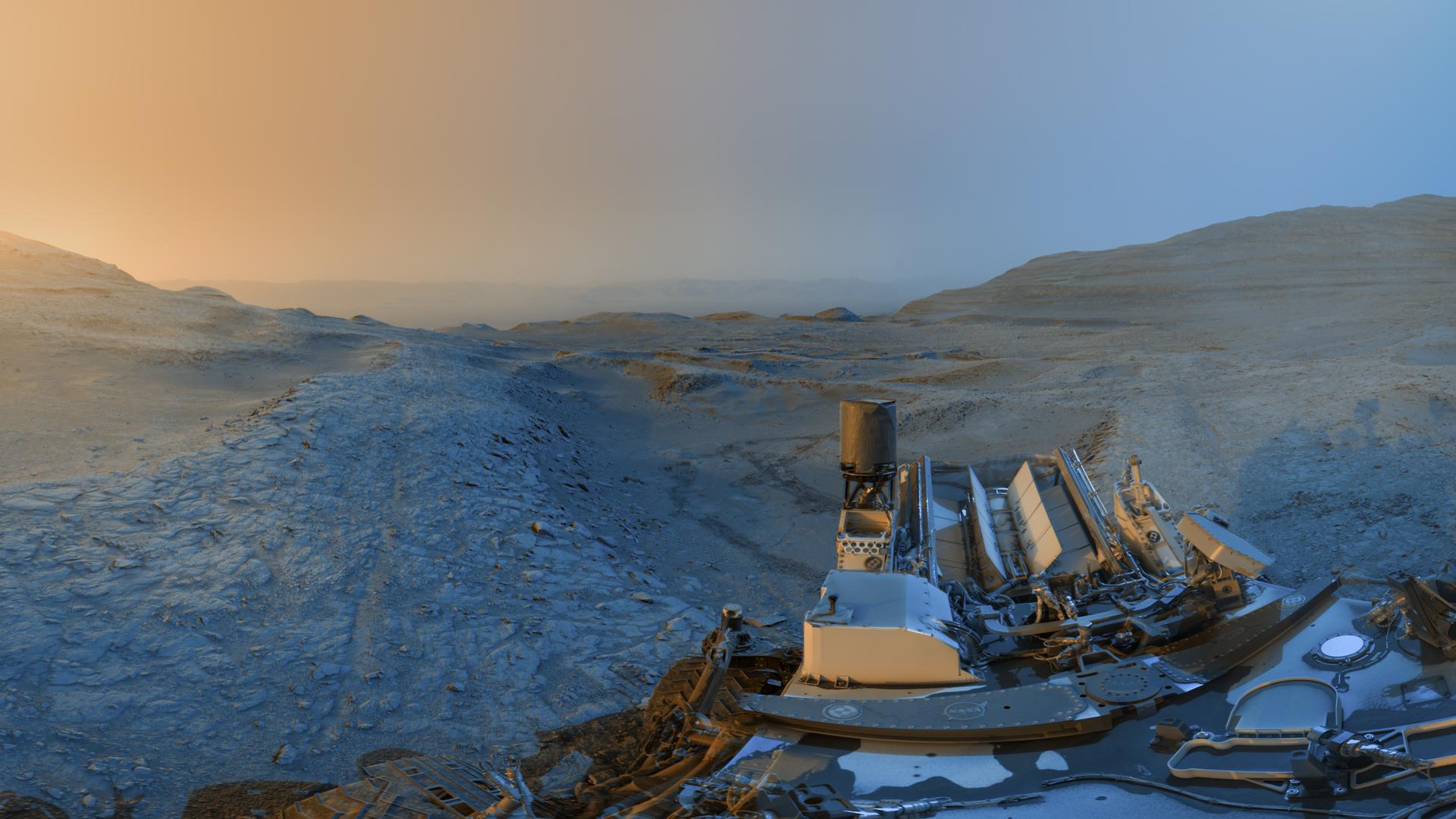
Curiosity Marks 5,000 Sols on Mars With a Two-Tone Postcard
NASA's Curiosity rover hit its 5,000th Martian day on Aug. 30, 2026, and the team marked it with a blue-and-yellow composite panorama shot from a Mount Sharp ridge nicknamed 'Chocolatal.'
-
Stargazing
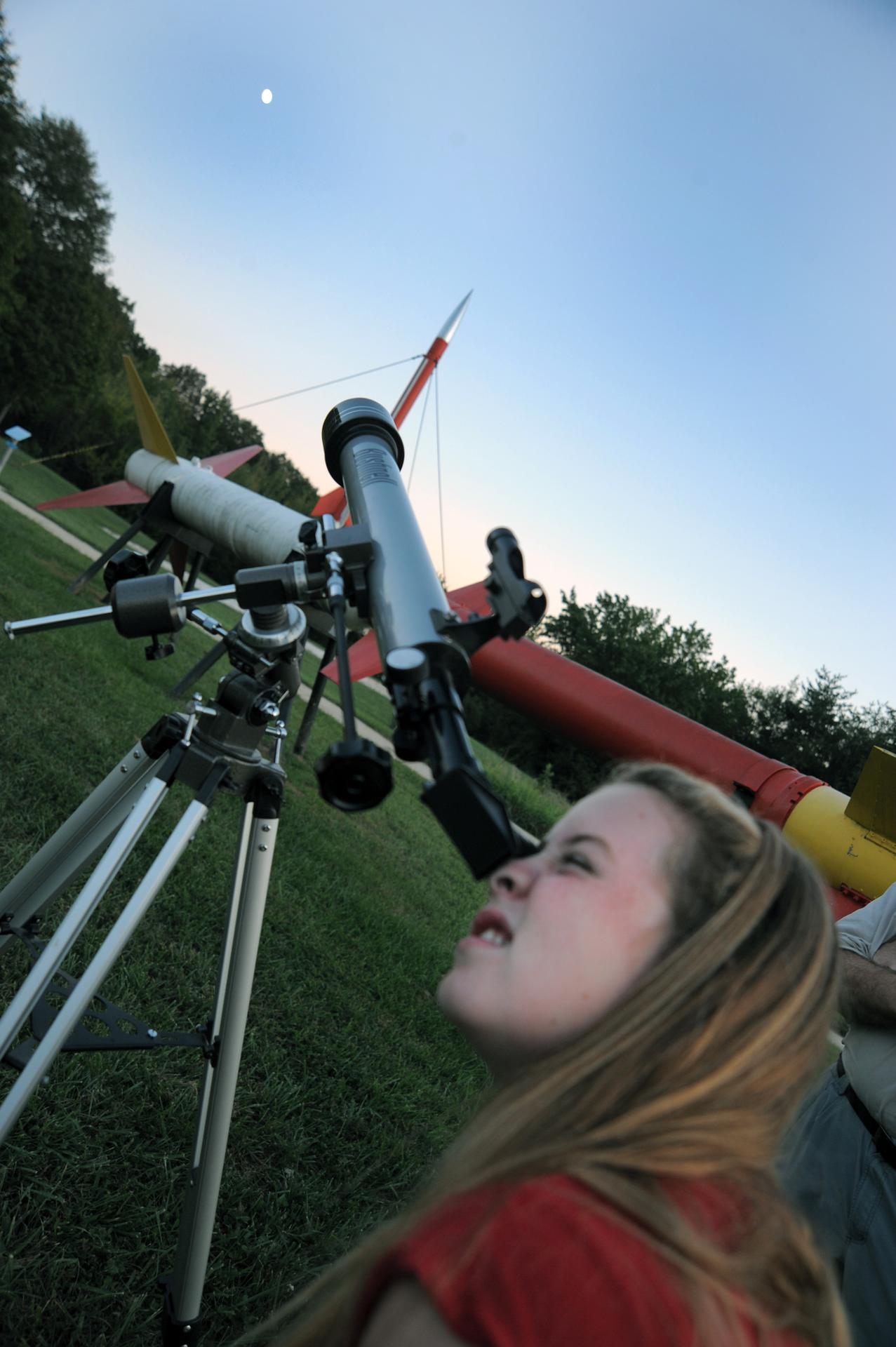
International Observe the Moon Night Returns September 19, with Artemis II on the Agenda
NASA's global Moon-watching night lands Sept. 19, 2026 under a waxing gibbous Moon perfect for crater-spotting, anchored by a Huntsville flagship event tied to the Artemis II crew and echoed by local telescope nights from the US to Spain.
-
Astronomy
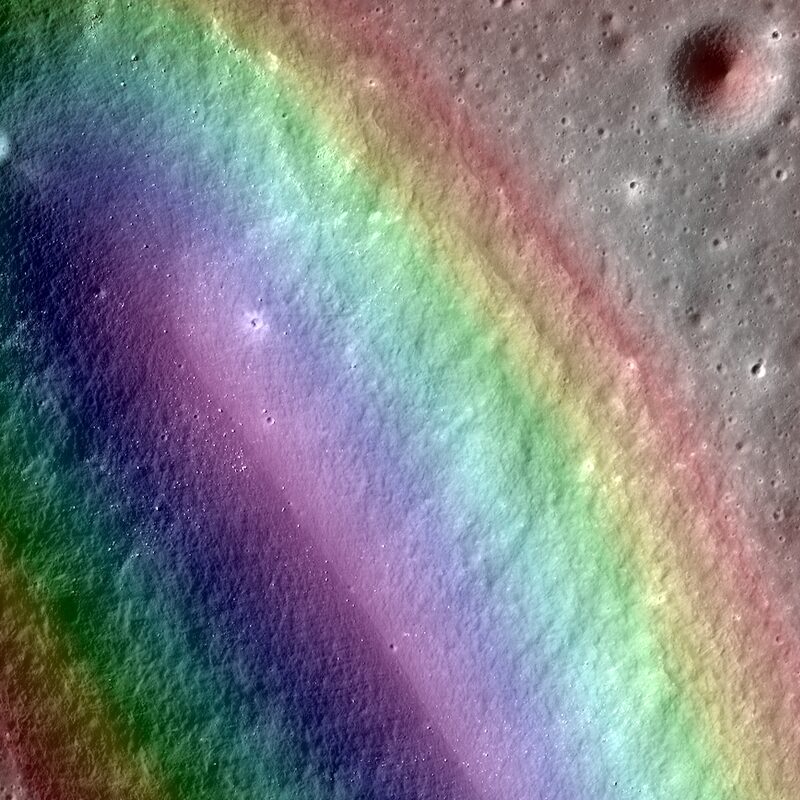
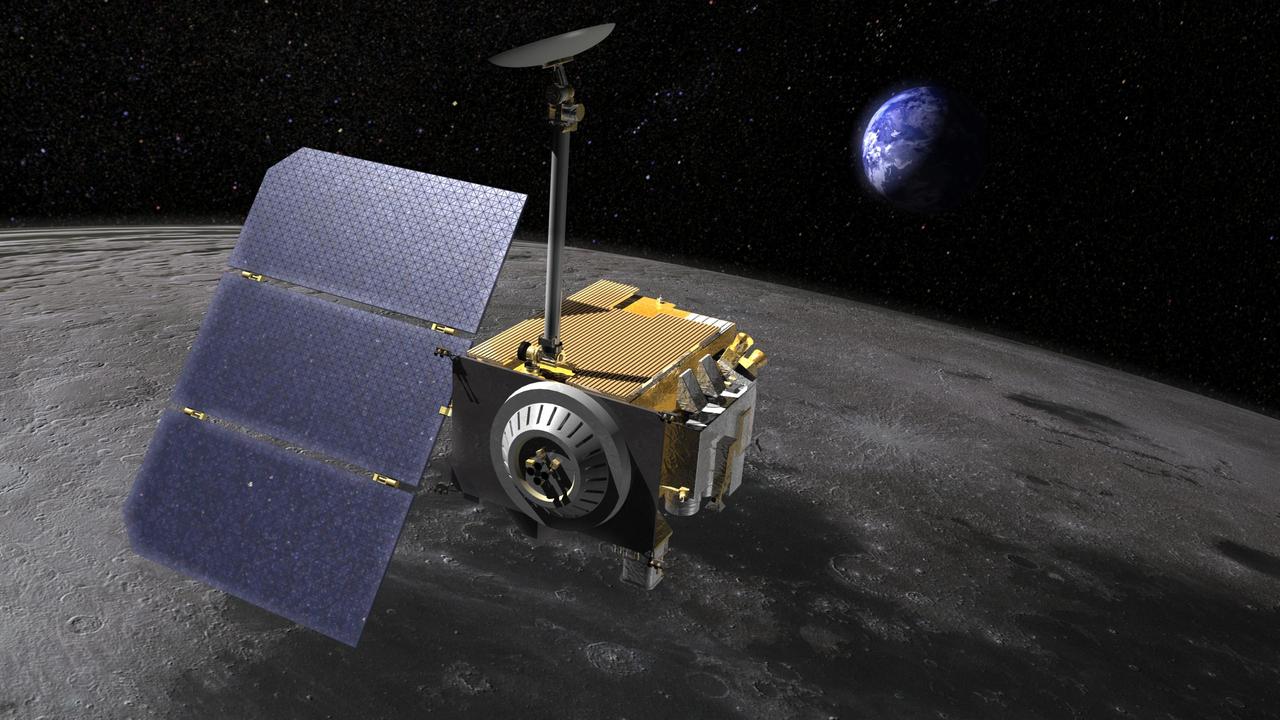
LRO Spots a Once-in-a-Century Fresh Crater Named McGetchin
NASA's Lunar Reconnaissance Orbiter caught a freshly formed lunar crater the size of the Colosseum, blasted open in 2024 by a building-sized impactor and only noticed in October 2025.
-
Science & Discovery
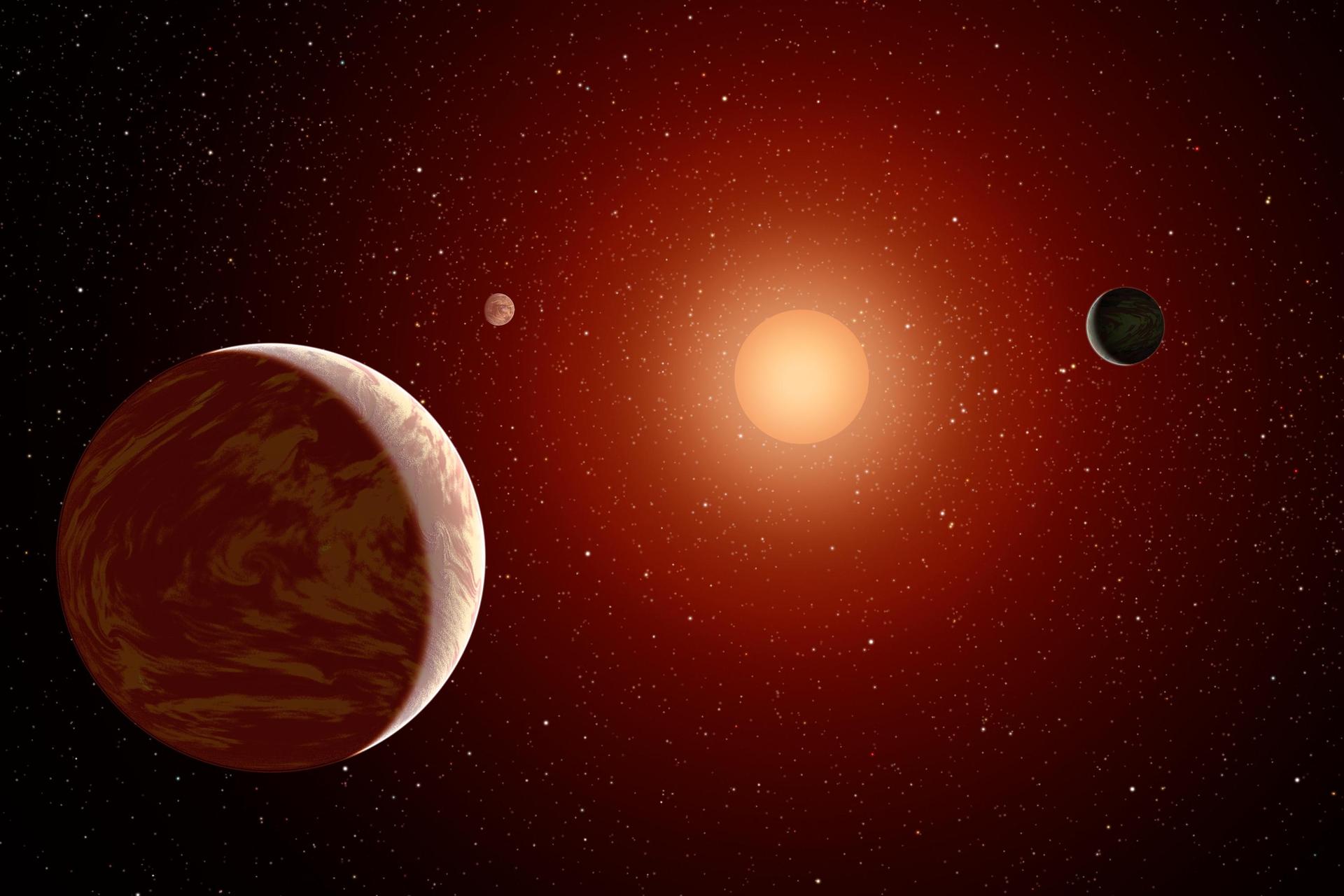
A Red Dwarf's Double Jackpot: Microlensing Turns Up a Rare Two-Giant-Planet System
A newly posted study of microlensing event KMT-2026-BLG-0083, caught independently by four survey teams, finds an M-dwarf star hosting two Jupiter-class planets — only the seventh multi-planet system microlensing has ever confirmed.
-
Missions
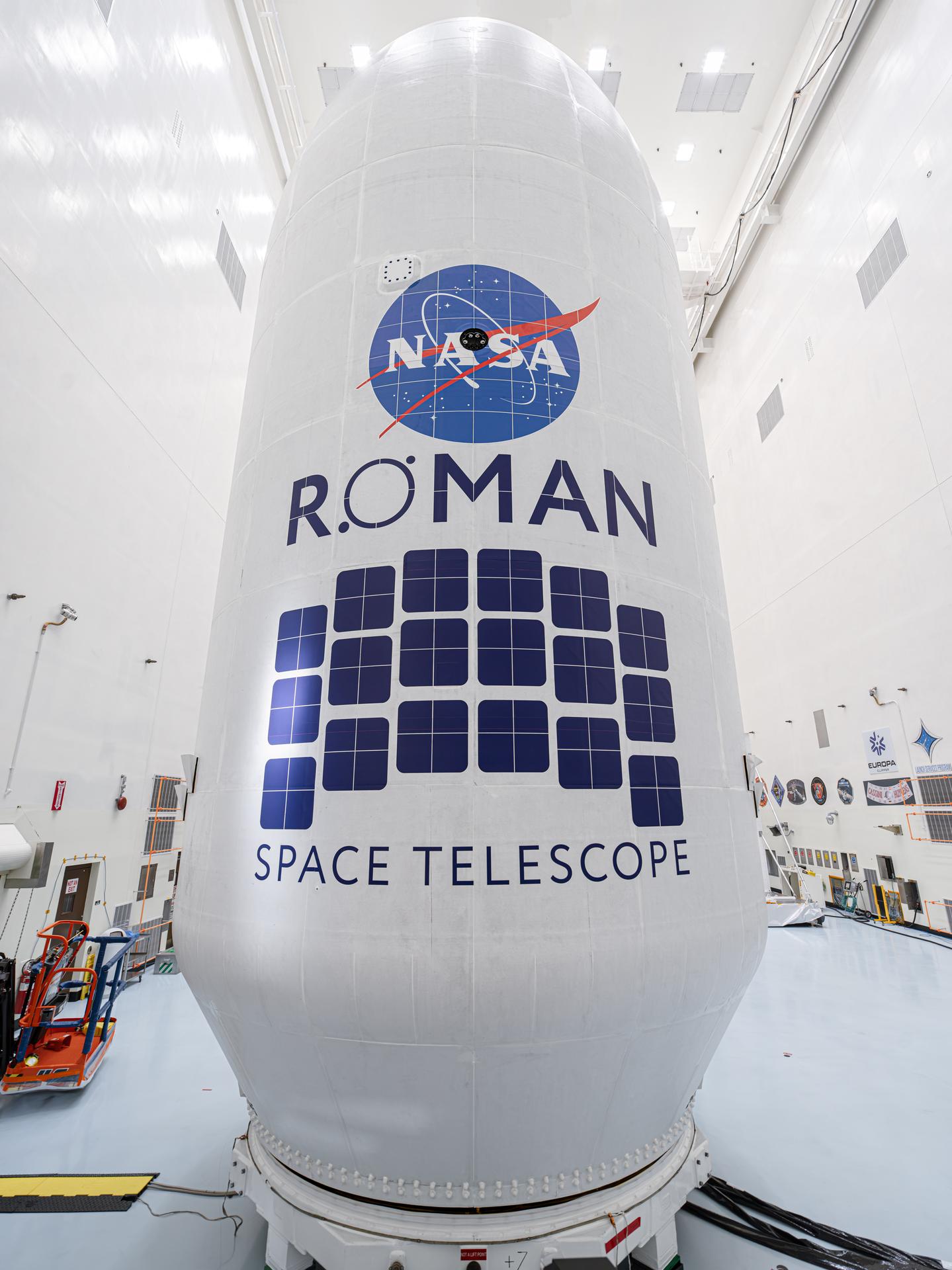
Roman Space Telescope Activates Its 300-Megapixel Eye
NASA has powered on the Roman Space Telescope's 300-megapixel Wide Field Instrument and begun checkout of its planet-hunting Coronagraph, with first science images still roughly a year away.
-
Science & Discovery
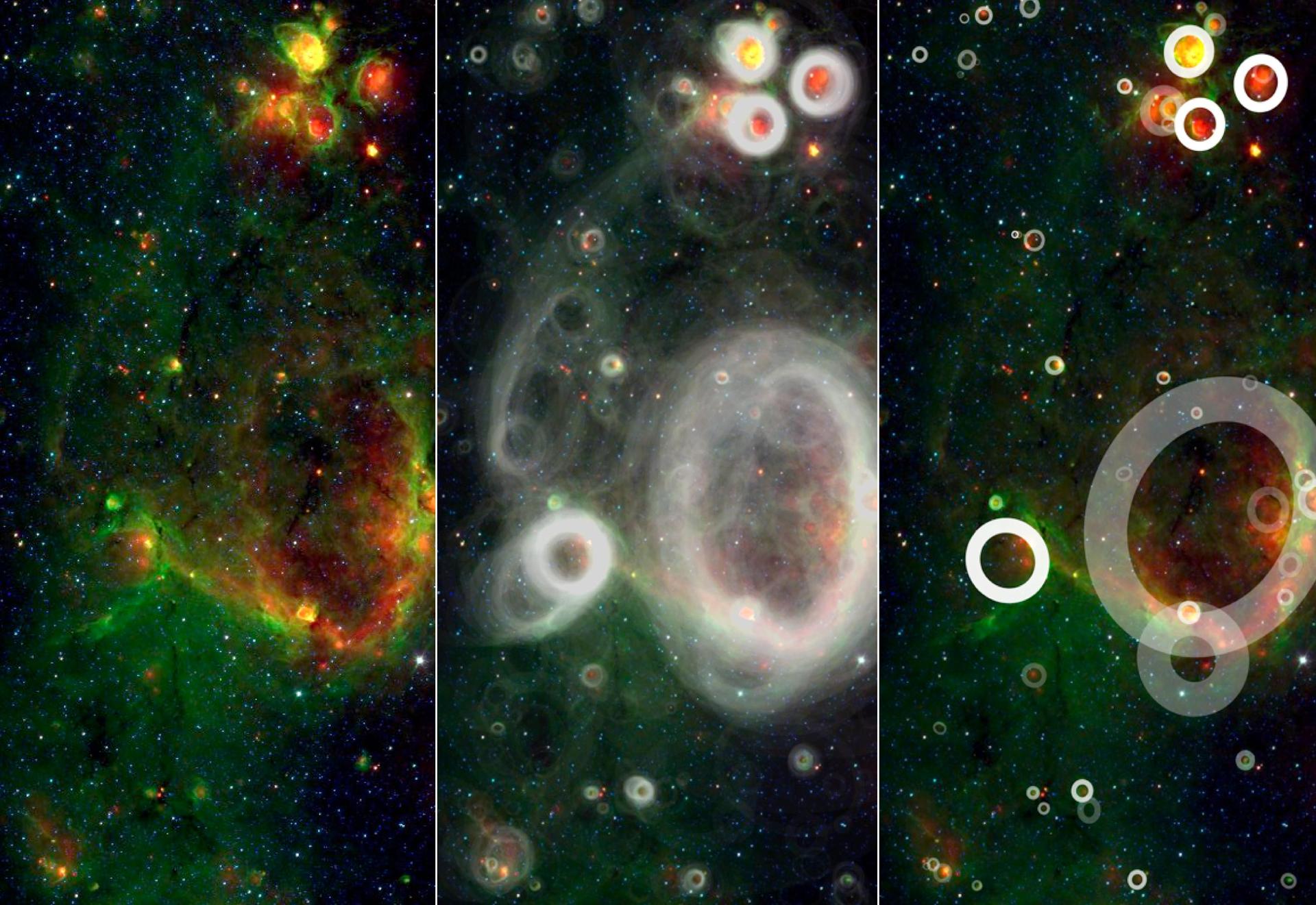
NASA Recruits the Public to Teach AI What a Telescope Glitch Looks Like
NASA's new Artifact InSPECtor project asks citizen scientists to flag cosmic-ray hits and detector quirks in Euclid telescope spectra, building the human-labeled dataset needed to train AI filters before the Roman Space Telescope starts science operations in 2027.
-
Missions
NASA and IBM Open-Source an AI Model Trained on 17 Years of Moon Data
NASA and IBM released a free, open-source AI foundation model trained on roughly 2 million lunar image tiles so scientists can fine-tune it for crater mapping, ice prospecting, and geologic dating ahead of Artemis surface missions.
-
Commercial
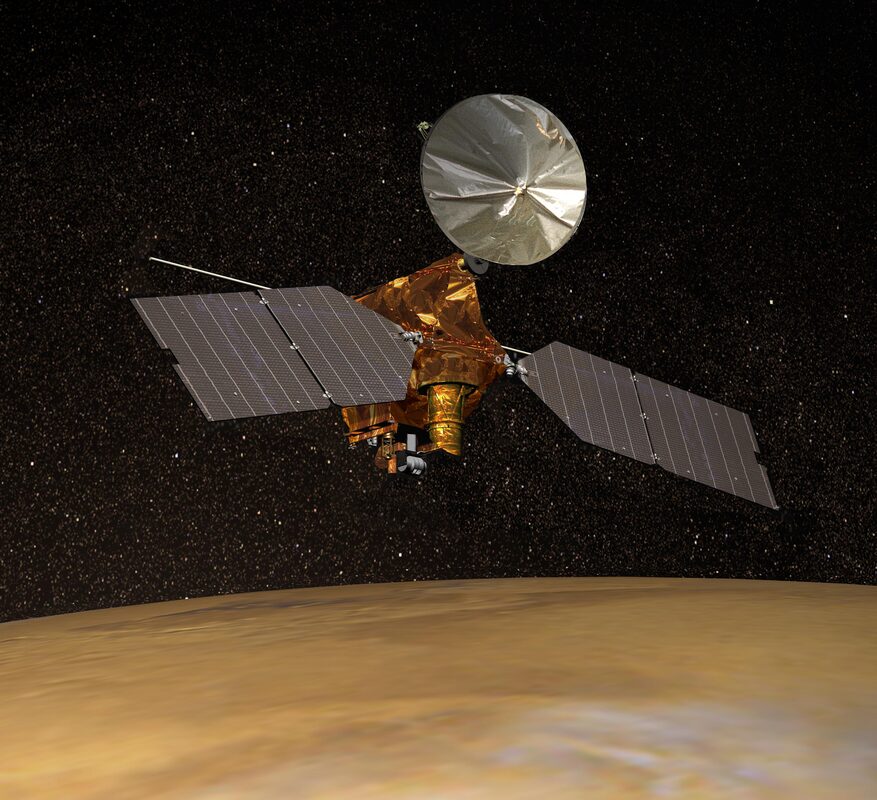
Rocket Lab Challenges NASA's $700 Million Mars Orbiter Pick, Betting on a GAO Do-Over
Rocket Lab filed a GAO protest on September 11 against NASA's ~$700 million award of the Mars Telecommunications Network orbiter to Blue Origin, arguing the evaluation broke with Congress's own eligibility rules.
-
Stargazing
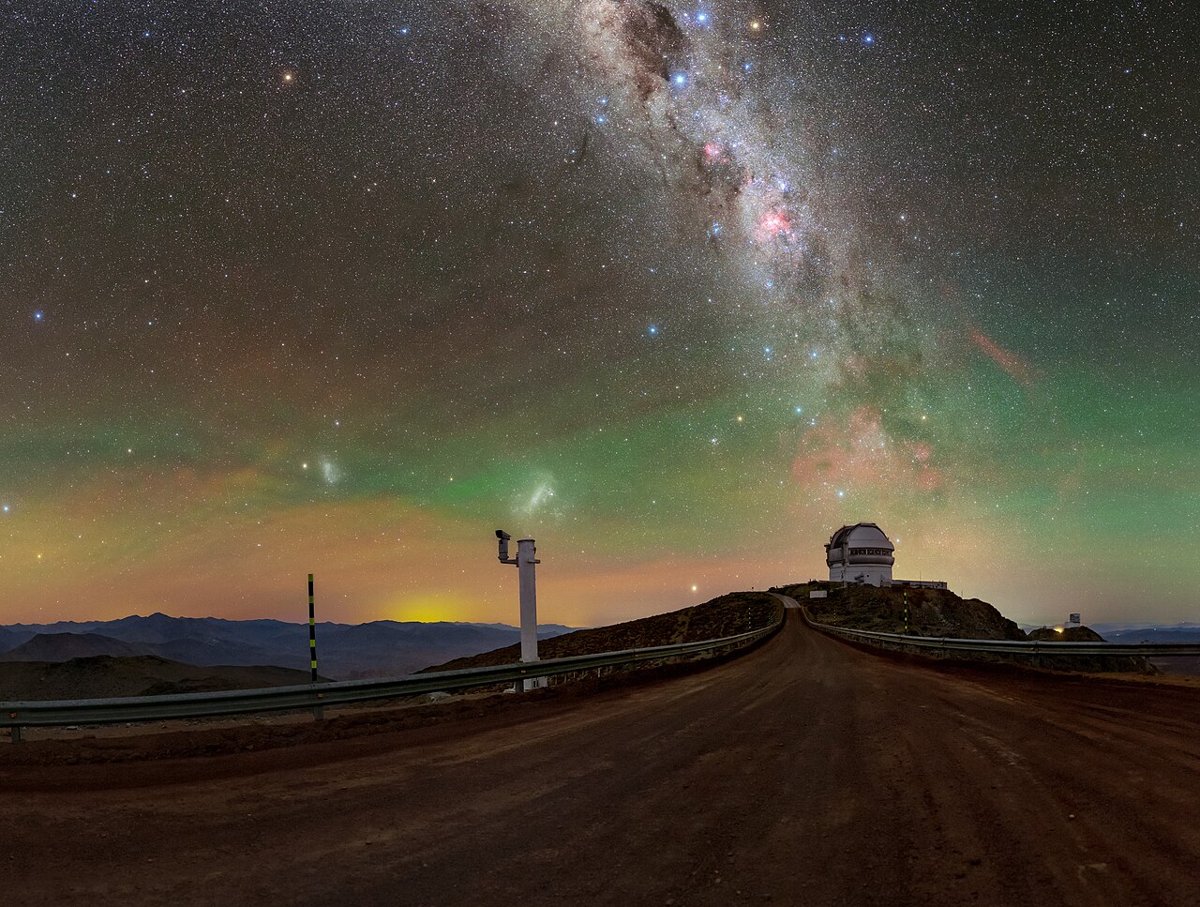
Dark Skies and a Faint Shower: What to Watch in September's Night Sky
A new-moon dark sky, the faint September Lyncids meteor shower, and NASA's guide to Venus, the Teapot asterism, and a Harvest Moon beside Saturn and Neptune highlight the second half of September 2026's stargazing calendar.
-
Missions
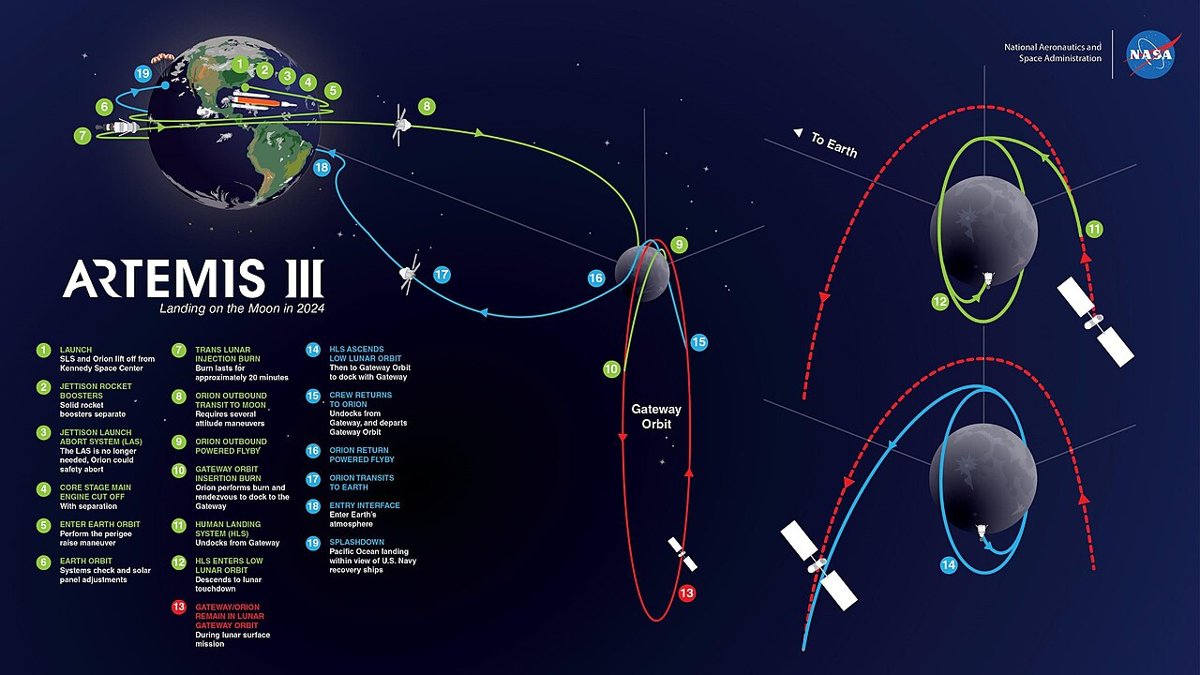
Artemis III's Moon Rocket Gets Four Shuttle-Flown Engines Bolted to Its Base
Technicians at Kennedy Space Center have finished installing all four RS-25 engines on the SLS core stage for Artemis III — hardware that flew shuttle missions carrying John Glenn and other astronauts decades ago.
-
Missions
Parker Solar Probe Turns Its Camera on the Sun's Uncharted North Pole
NASA's Parker Solar Probe completed its 29th close pass of the Sun on Sept. 4, again matching its speed and distance records while training its imager on the solar north pole — and it will keep flying through at least 2029.