NASA
Every Cosmic Herald story on NASA — missions, launches, discoveries, and the business of space, newest first.
-
Missions
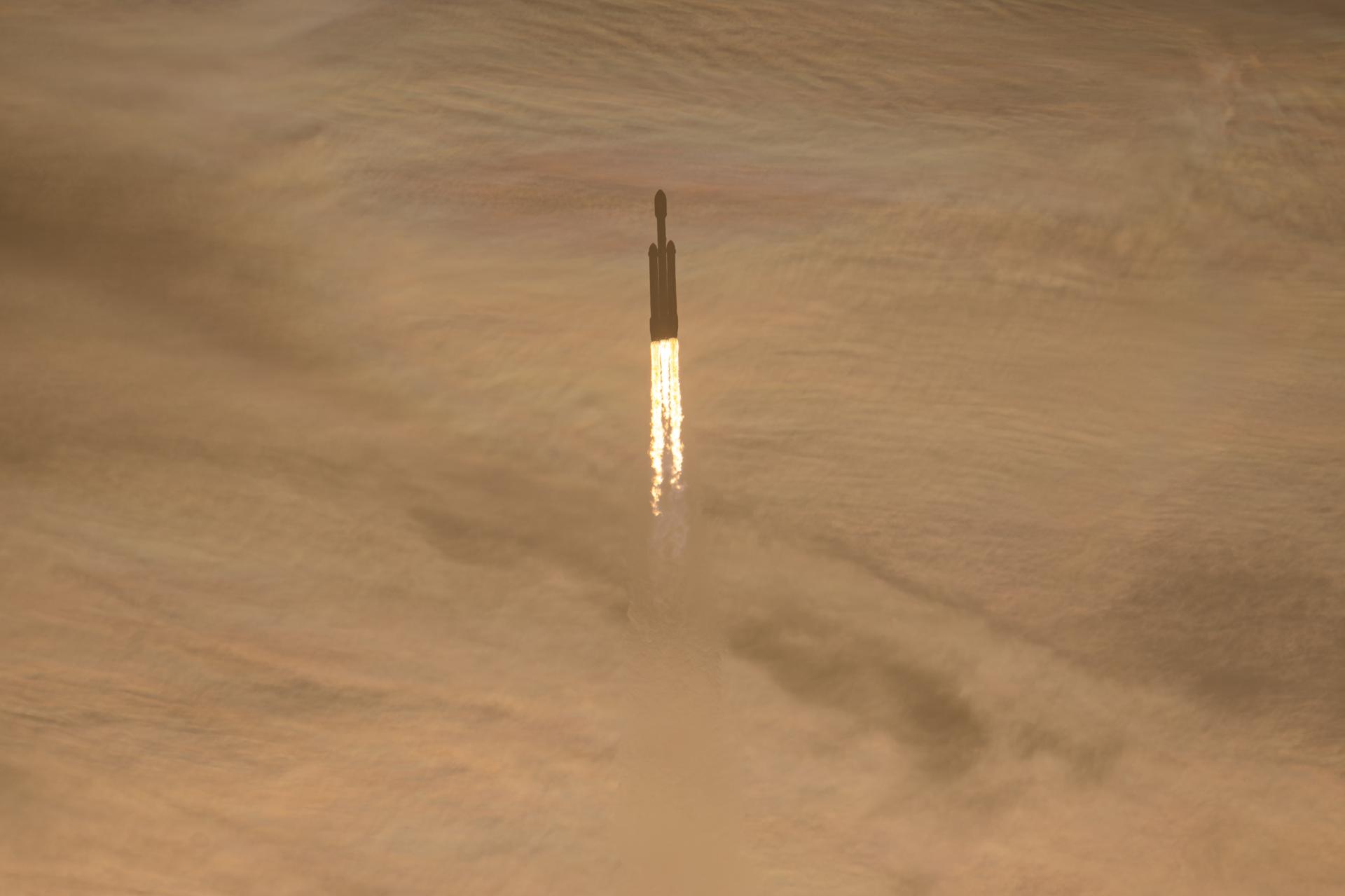
The Pentagon Called It Its Most Spectacular Failure. NASA Just Launched the Wreckage Toward the Edge of the Universe — Under the Name of a Woman Astronomy Once Said Didn't Belong
A telescope built in secret to spy on adversaries, abandoned as a half-billion-dollar Cold War-style failure, launched August 30 to hunt dark energy — carrying the name of a woman denied a seat in the field it was denied a role in.
-
Science & Discovery
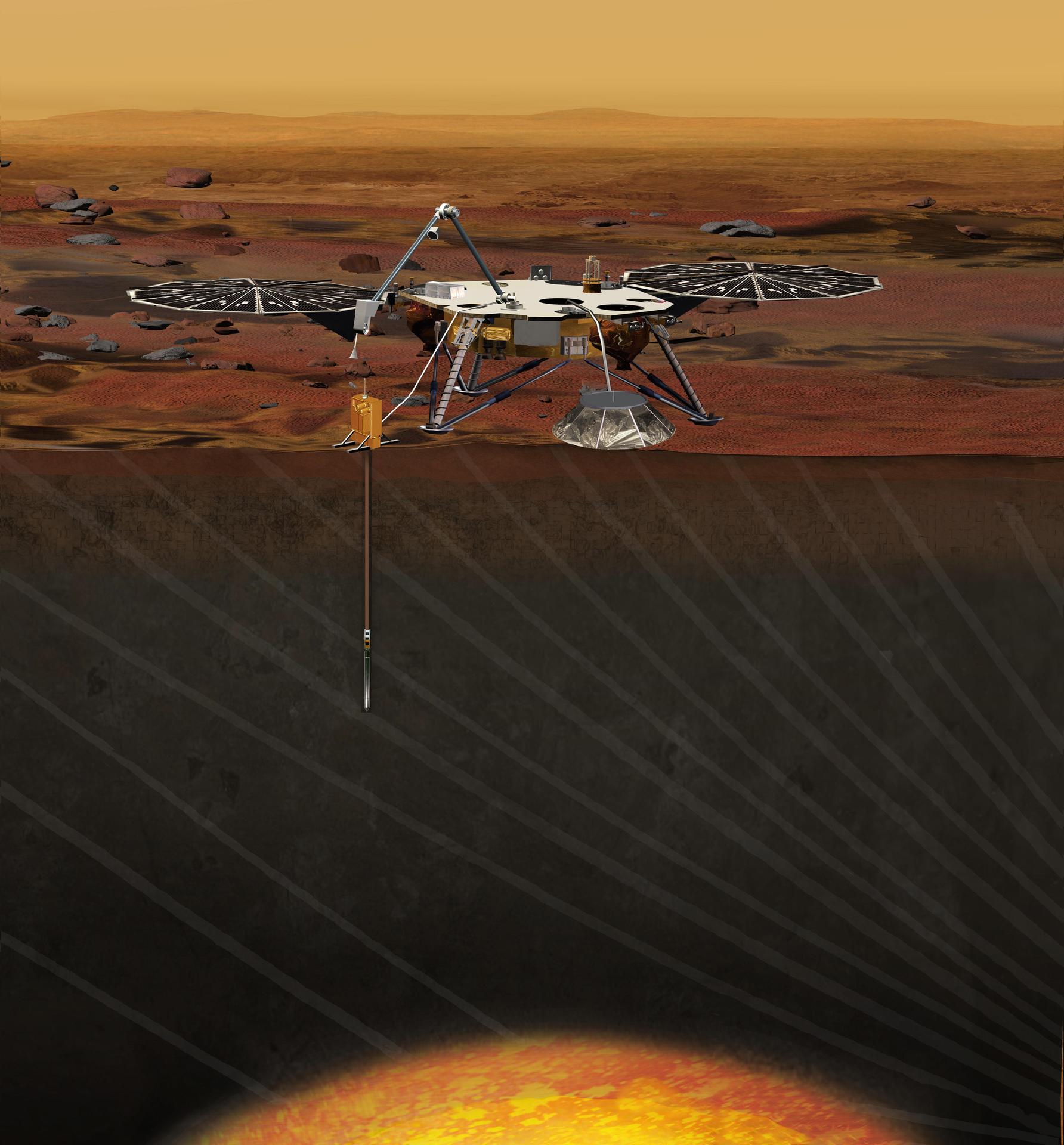
Mars May Be Hiding a Molten Hot Spot Beneath Its South Pole
A gravity-based "tidal tomography" study in Nature finds the interior under Mars's south finds runs 200–400°C hotter than the north and may be partly molten, reshaping ideas about the planet's lopsided magnetism and ancient water.
-
Military Space
Trump Signs Order to Create a U.S. Space Academy
A new executive order tasks a NASA-chaired commission with designing, in just 120 days, a federal academy meant to train engineers, operators, and future Space Force Guardians.
-
NASA & Agencies
Turkey Becomes 71st Nation to Sign the Artemis Accords
Turkey signed the Artemis Accords at NASA Headquarters on August 31, 2026, becoming the 71st nation to join the U.S.-led framework for norms in civil space exploration.
-
Missions
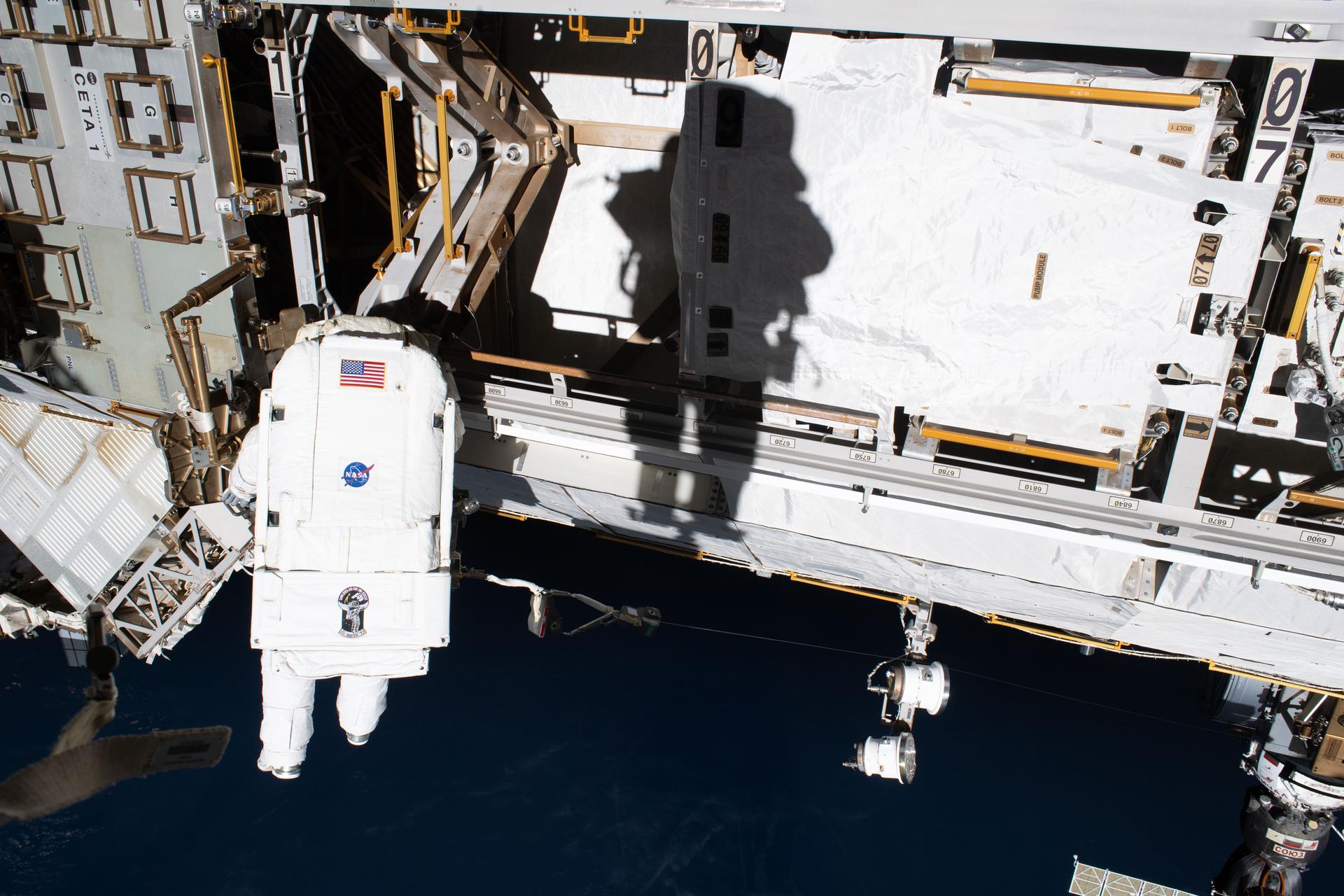
Station Boosts Orbit and Repairs Its Comm Link as ISS Preps for a September Spacewalk
NASA and ESA astronauts finished a two-part antenna repair spacewalk while Cygnus XL fired its engine for 21 minutes to reboost the ISS ahead of a Progress 96 docking and a third EVA in September.
-
NASA & Agencies
NASA's LunaRecycle Challenge Crowns Winners of Its $3 Million Lunar Trash Contest
At a Tuscaloosa finale on Aug. 28, 2026, NASA and the University of Alabama handed out $1.325 million to teams that turned foam, plastic, and textile waste into materials astronauts could actually use on the Moon.
-
Stargazing
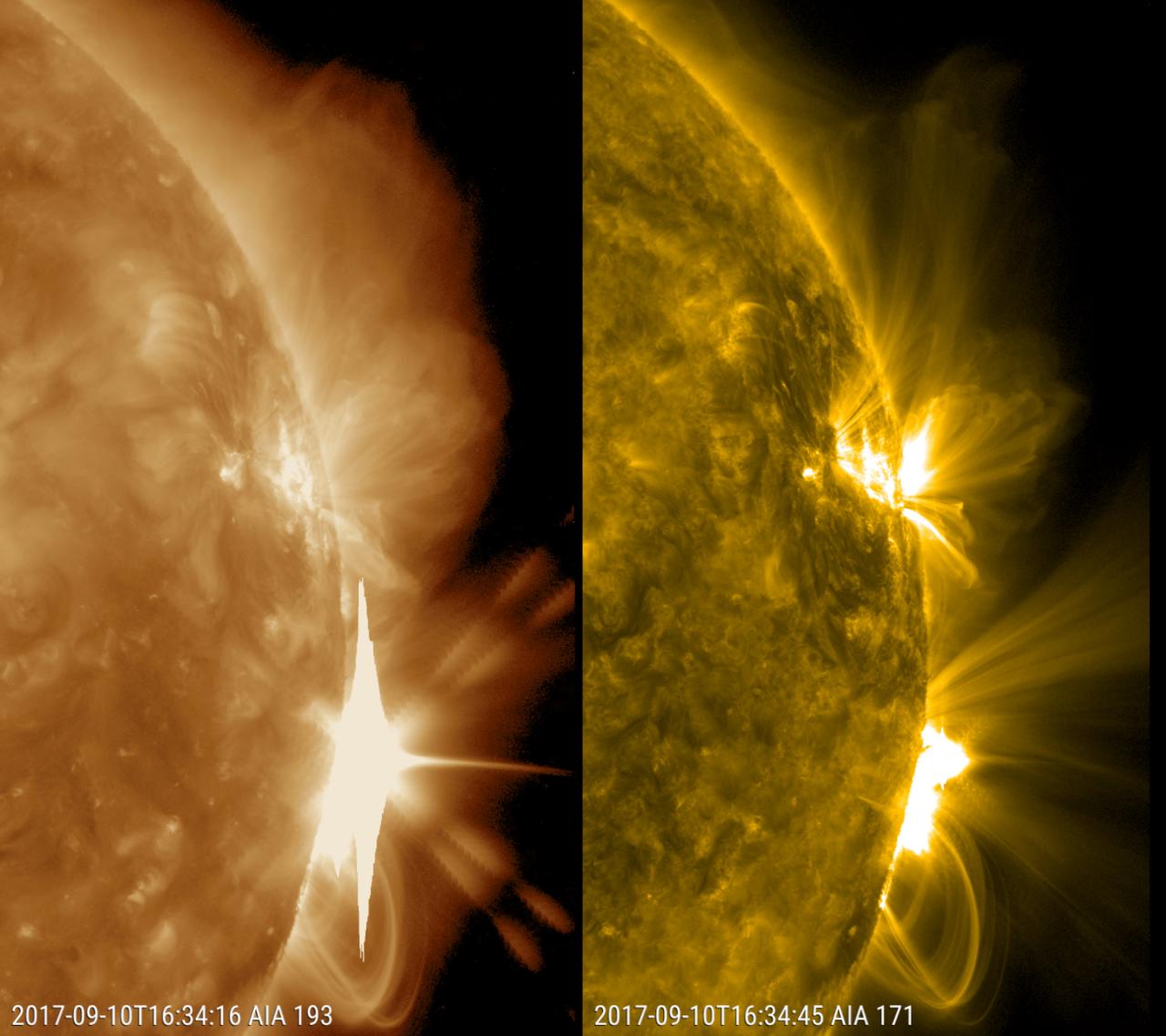
Sunspot AR4513 Fires an M7 Flare as NOAA Posts a G2 Storm Watch Days Before the Lunar Eclipse
A sprawling, magnetically tangled sunspot let loose an M7 flare and a run of CMEs, prompting a G2 storm watch whose aurora timing may or may not line up with this week's partial lunar eclipse.
-
NASA & Agencies
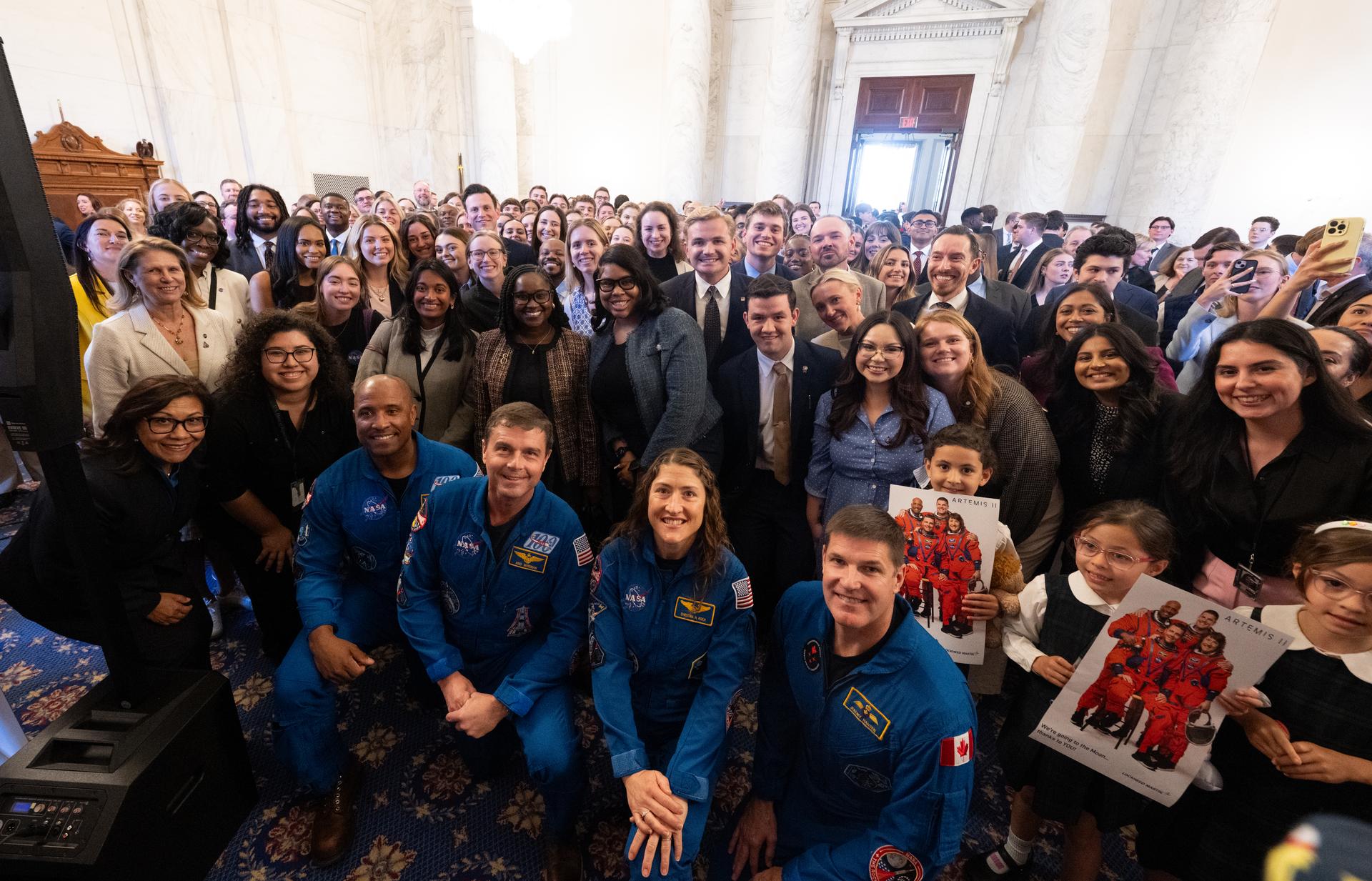
Trump to Award Artemis II Crew the Congressional Space Medal of Honor
Four astronauts who flew farther from Earth than any humans since Apollo will join a list of roughly 30 recipients that includes Neil Armstrong and Alan Shepard.
-
Stargazing
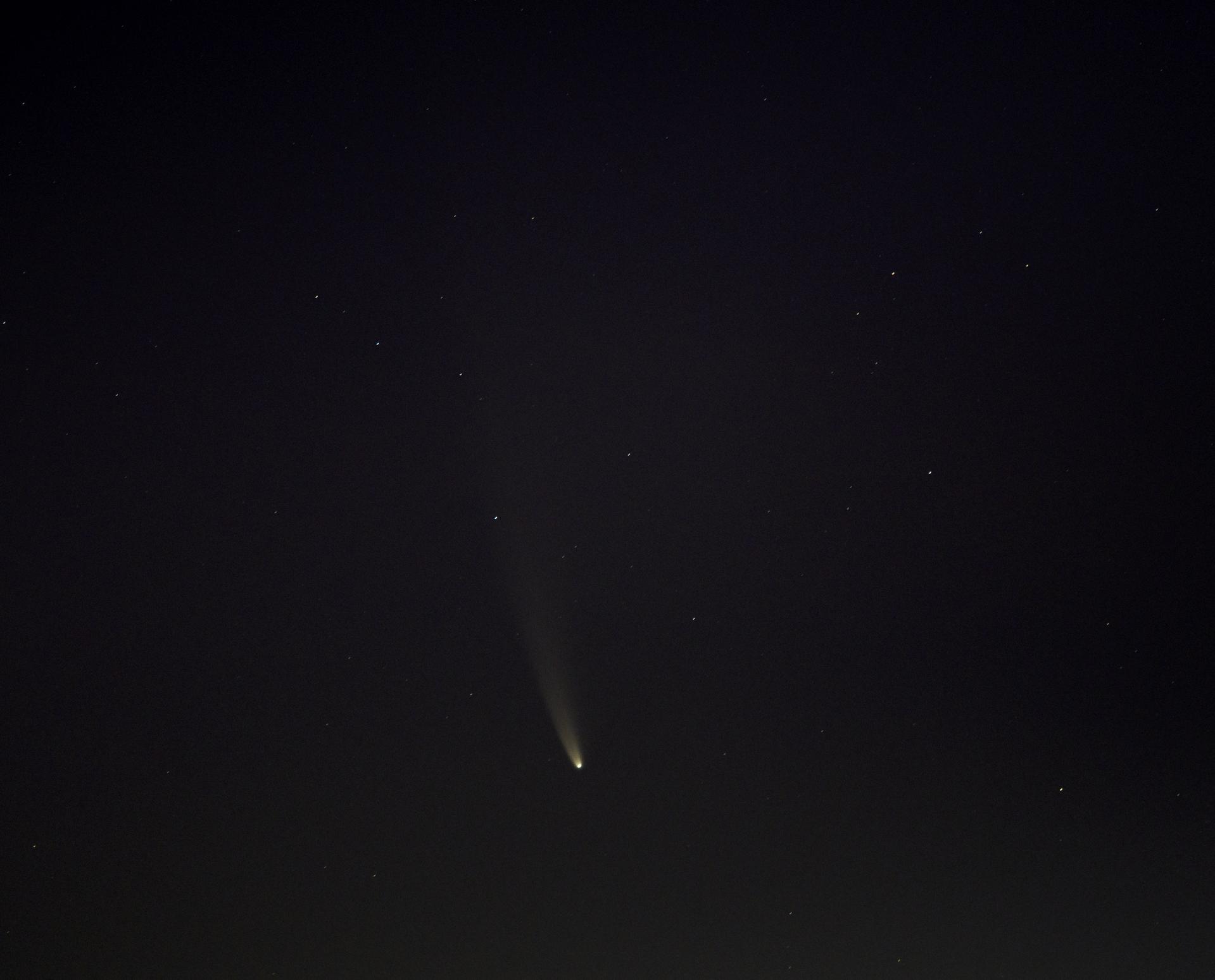
Comet 220P/McNaught Erupts Again, Glowing Green Over Two Continents
A faint periodic comet has now blown up twice in 2026, brightening thousands-fold and turning into a binocular-visible green fuzzball that astronomers still can't fully explain.
-
Missions
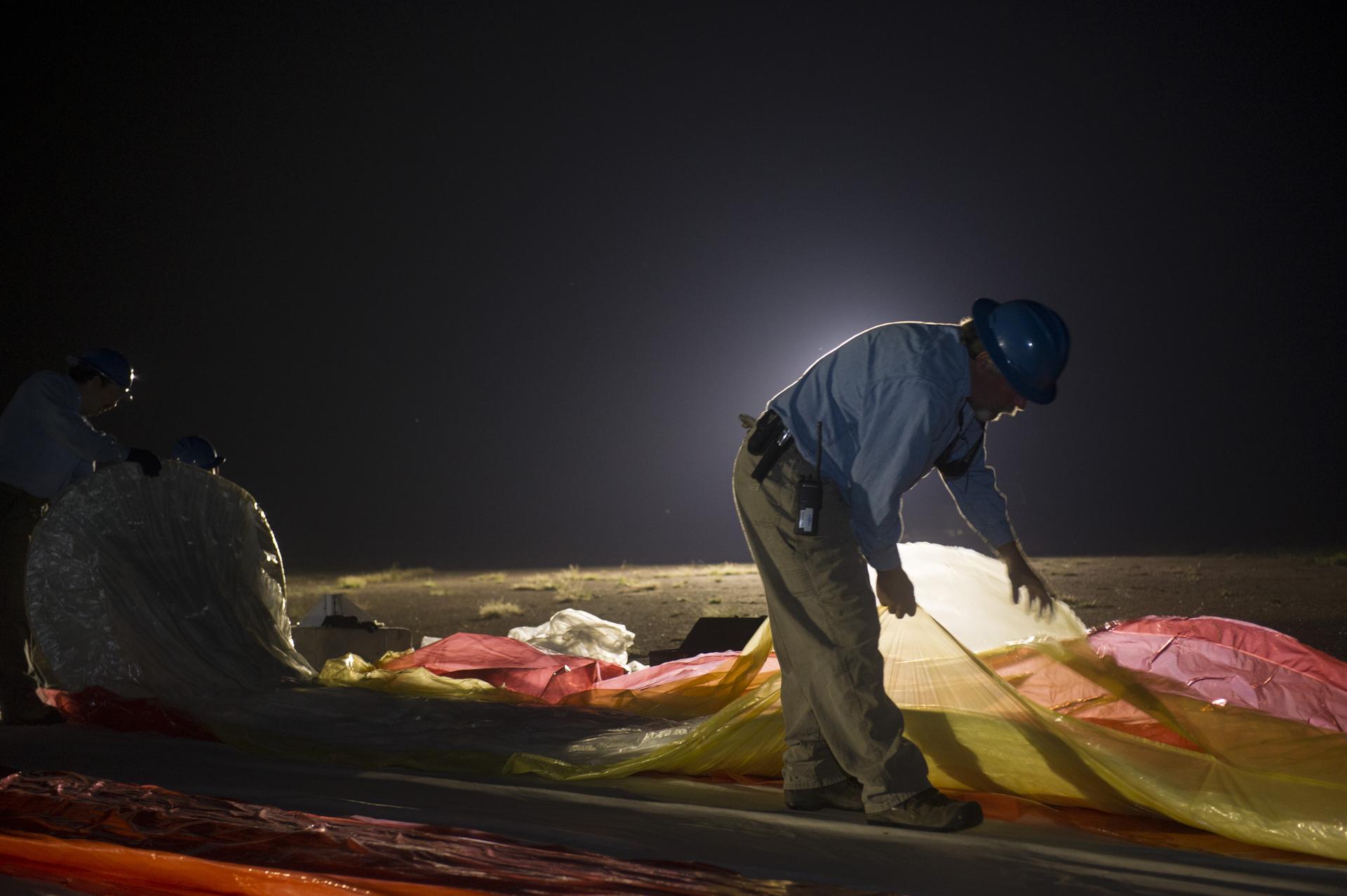
NASA's Fort Sumner Balloon Campaign Puts Rover Landing-Site Cameras to the Test
NASA's second Fort Sumner balloon flight of 2026 carried a real-time imaging camera to 126,000 feet, prototyping technology that could help future landers pick safer touchdown spots on the Moon and Mars.
-
Stargazing
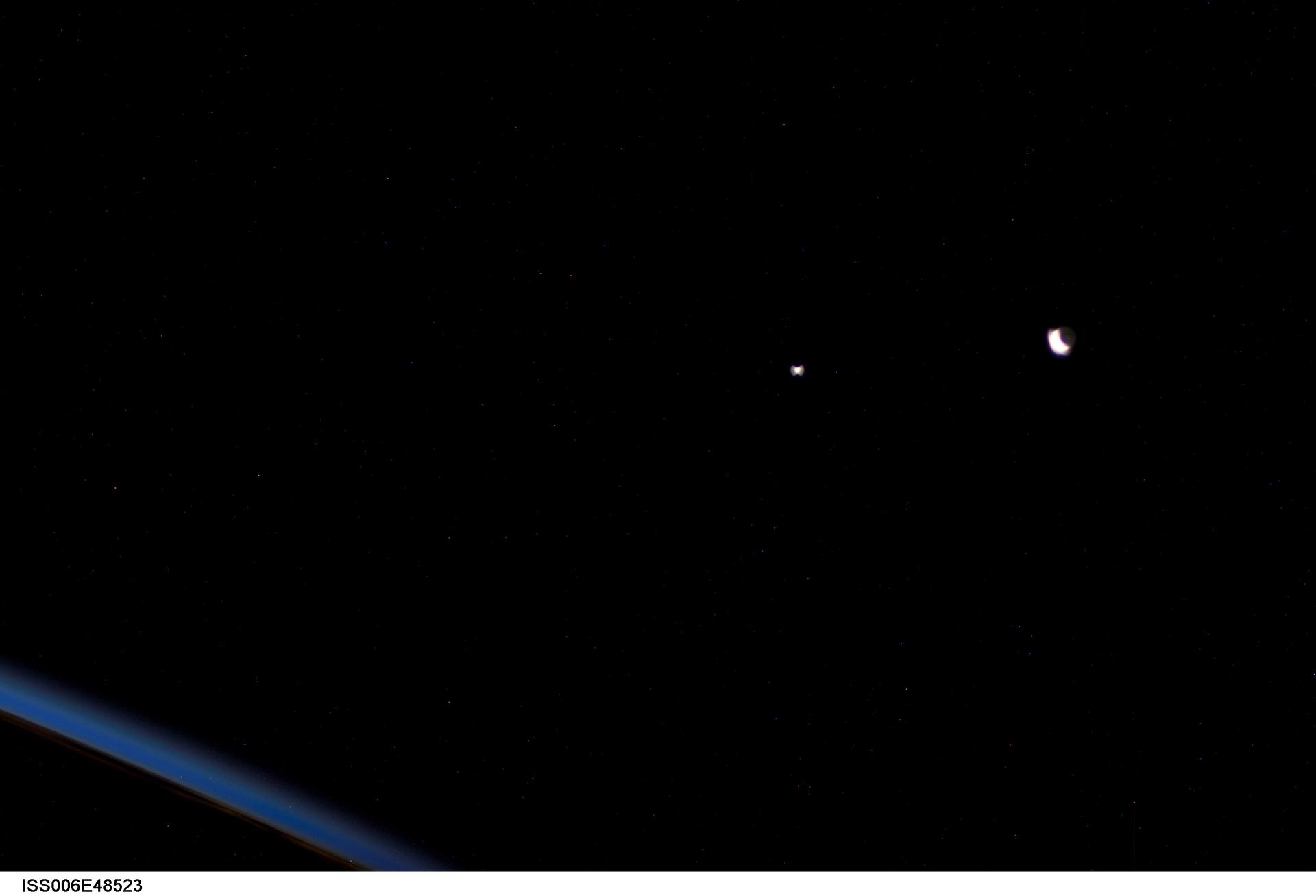
This Week's Sky: Venus Closes In on Spica as Jupiter Climbs the Dawn
From August 22-26, 2026, watch the waxing gibbous Moon slide past the Teapot and into Capricornus while Venus edges toward Spica and Jupiter, Mars, and Saturn stack up in the morning sky.
-
Astronomy
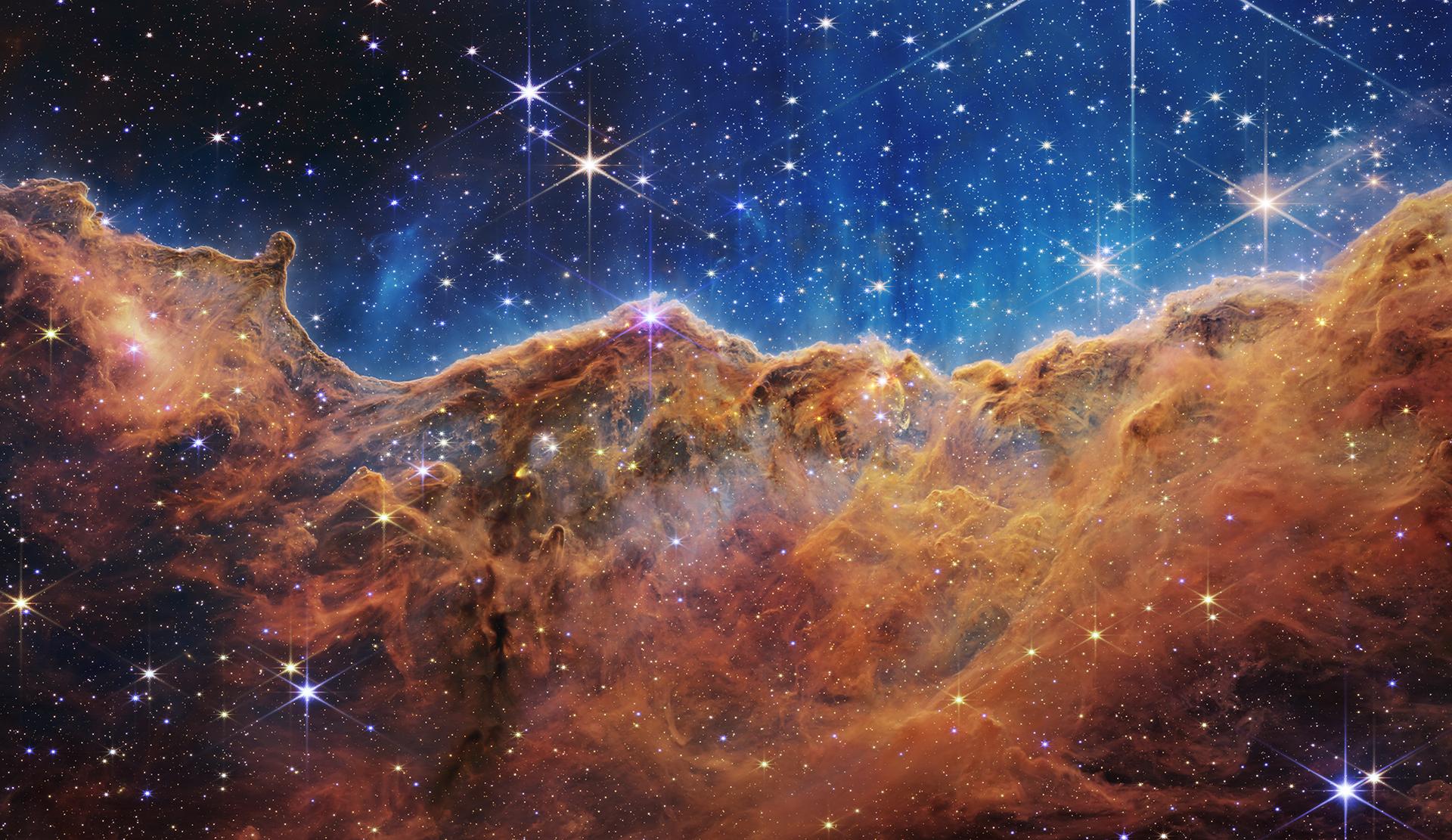
Webb's Infrared Eye Opens a 'Treasure Chest' of 70 Hidden Newborn Stars in Carina
NASA's newest Webb image pierces the dust of a Carina Nebula cometary globule called the "Treasure Chest," revealing roughly 70 young stars, including a rare 19-solar-mass O-type star, many still wrapped in planet-forming discs.