NASA
Every Cosmic Herald story on NASA — missions, launches, discoveries, and the business of space, newest first.
-
Missions
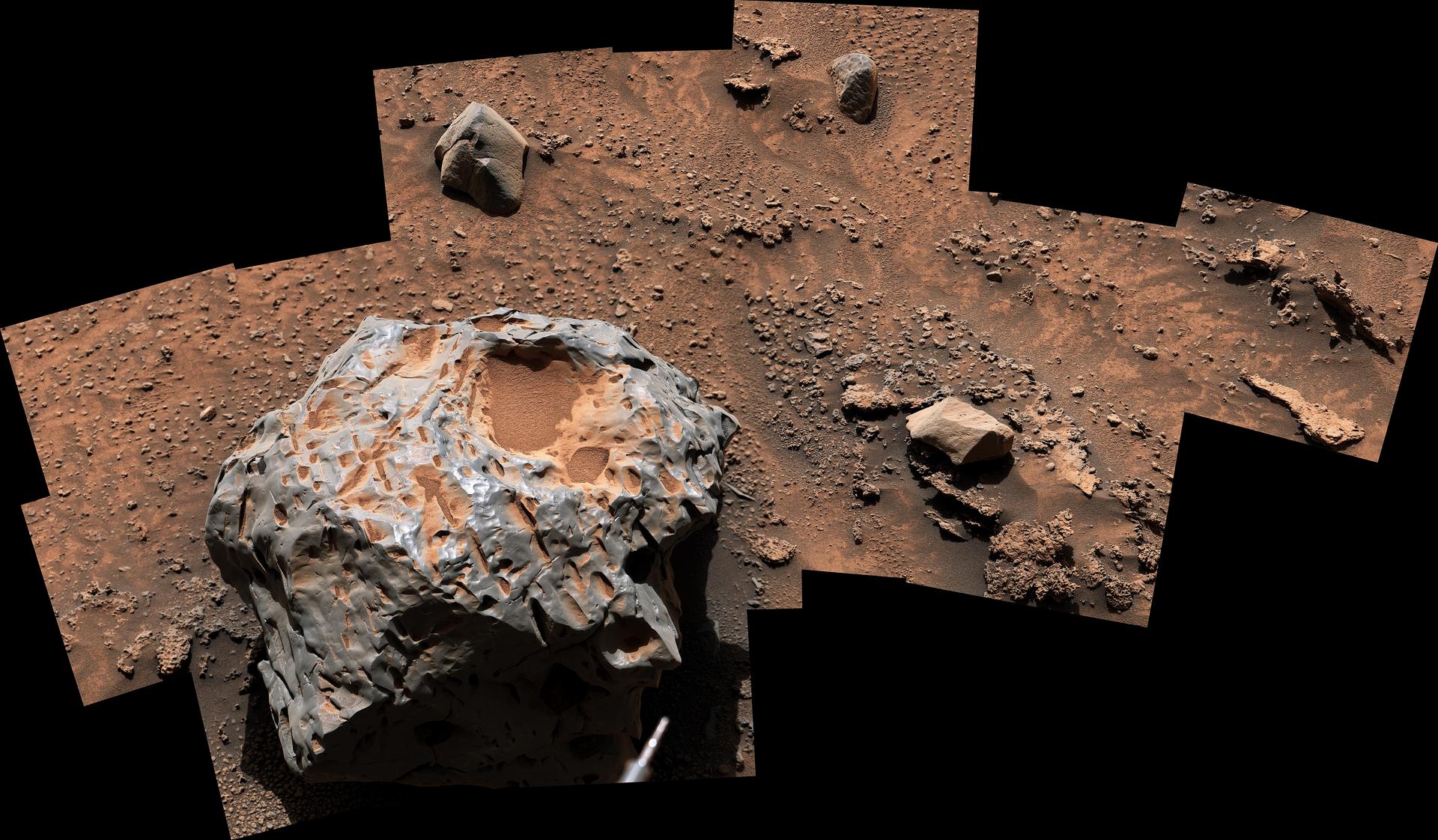
In the Land of the Polygons: Curiosity Hunts Nickel-Rich 'Meteorite' Candidates in a Martian Honeycomb
Curiosity is picking through a honeycomb-textured slice of Gale Crater, probing dark, nickel-bearing rocks that might be meteorites, distant impact debris, or just weird Mars rock.
-
Astronomy
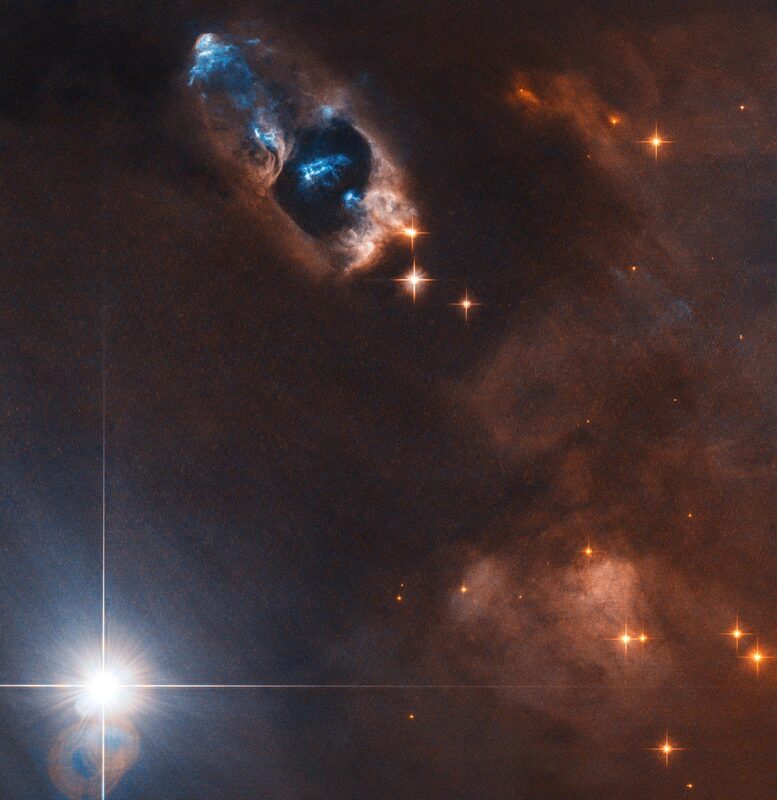
Webb Catches Baby Stars Feeding in Fits and Starts: New Evidence for Episodic Accretion in FS Tau
A new Webb infrared image of the FS Tau protostar system reveals gaps in its gas outflows — evidence that young stars gain mass in sudden bursts rather than a steady stream.
-
NASA & Agencies
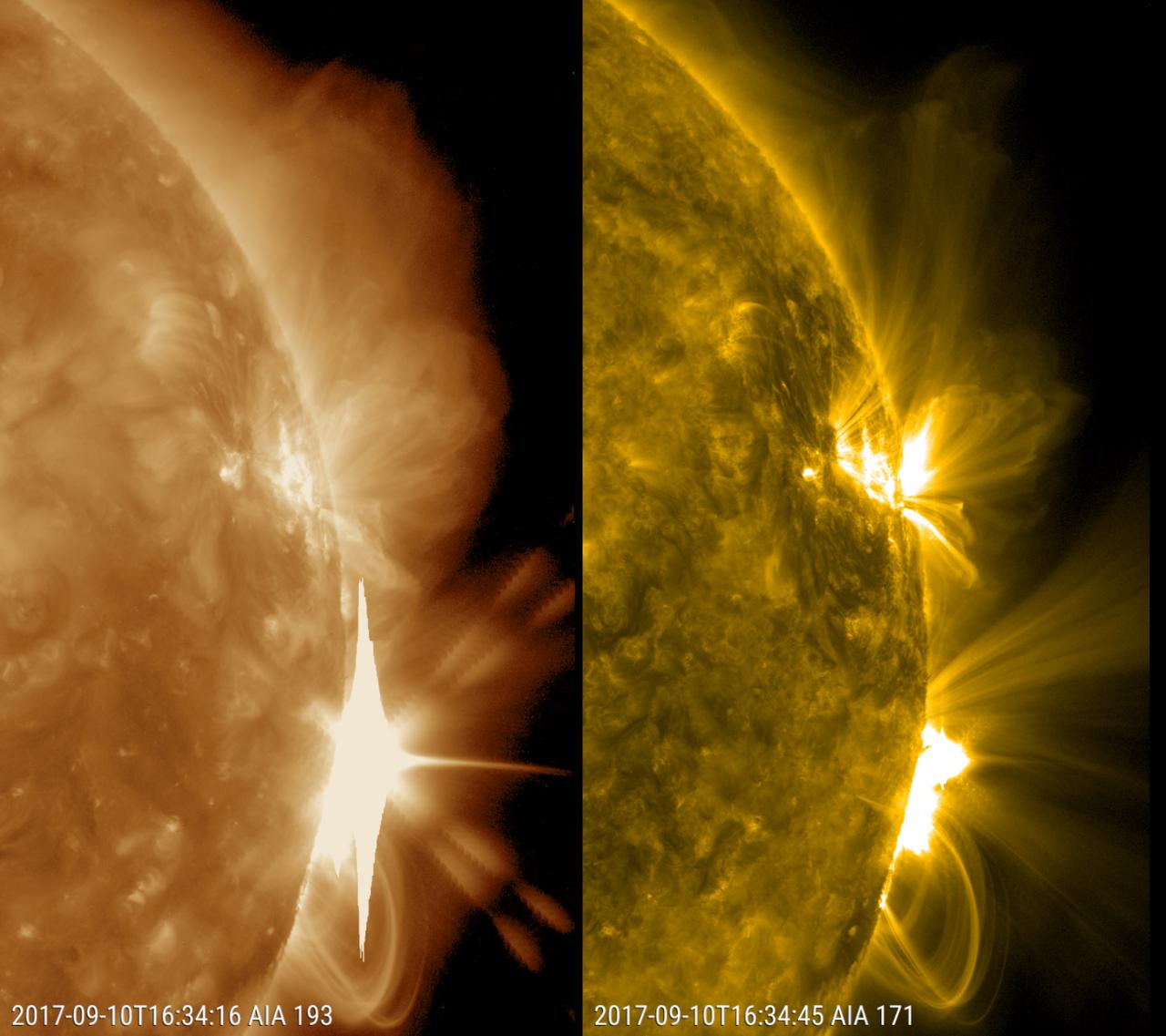
Congress Presses NASA and NOAA on Space Weather Readiness as Solar Cycle 25 Peaks
Lawmakers grilled NASA's and NOAA's top space weather officials on grid, GPS, and communications risks the same week an X1.1 flare and G3 storms lit up July 4th skies with aurora.
-
Astronomy
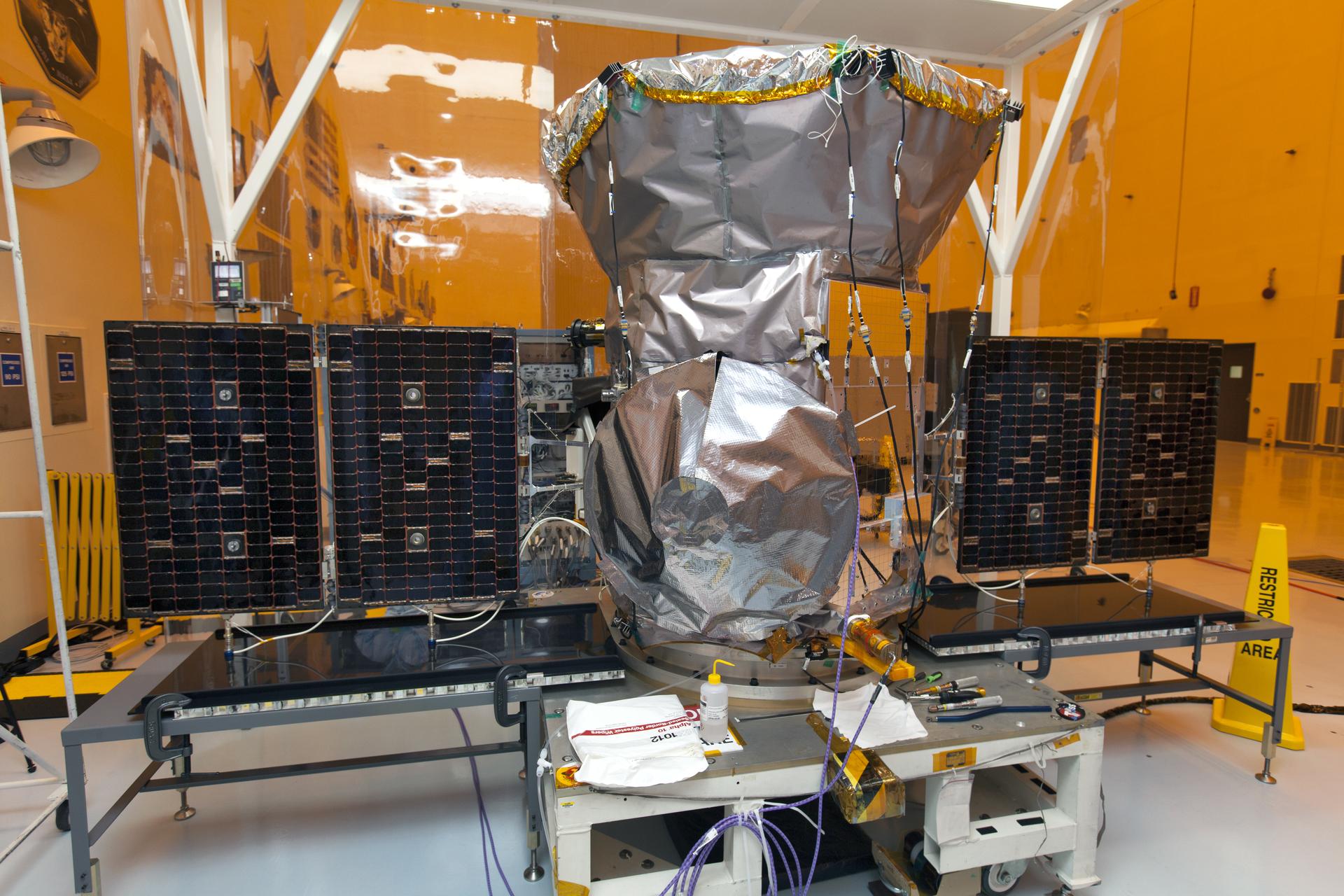
TESS Just Mapped Rotation Periods for a Million Nearby Stars
A new TESS-based catalog measures rotation periods for over a million stars within 1,600 light-years, quadrupling the known sample and sharpening the map of young stellar associations.
-
Science & Discovery
X-Ray Light Echoes From Old Gamma-Ray Bursts Show the Milky Way's Arms Are Bigger Than We Thought
By timing X-ray rings that three historic gamma-ray bursts scattered off interstellar dust, astronomers measured purely geometric distances showing the Milky Way's outer spiral arms sit about 10% farther out than previously believed.
-
Astronomy
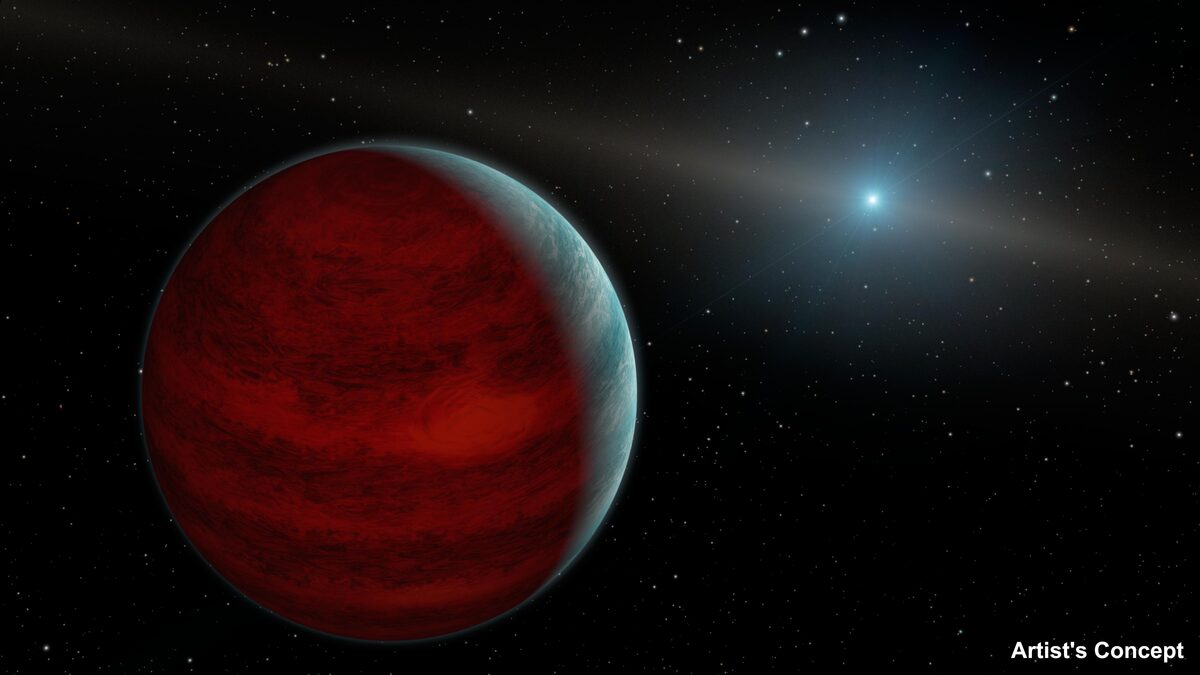
JWST Spots Methane on a Planet Orbiting a Dead Star — And It's a Preview of Our Own Solar System's Future
JWST has detected methane, haze, and heat in the atmosphere of a Jupiter-sized planet orbiting a white dwarf — the first atmosphere ever confirmed around a planet circling a dead star.
-
Missions
Robotic Servicer LINK Launches to Rescue NASA's Swift Observatory From Reentry
After three days of delays, a Pegasus XL rocket dropped from a jet over the Pacific deployed Katalyst Space's LINK spacecraft on a mission to grapple and reboost NASA's decaying Swift Observatory — and to close out the Pegasus program for good.
-
Astronomy
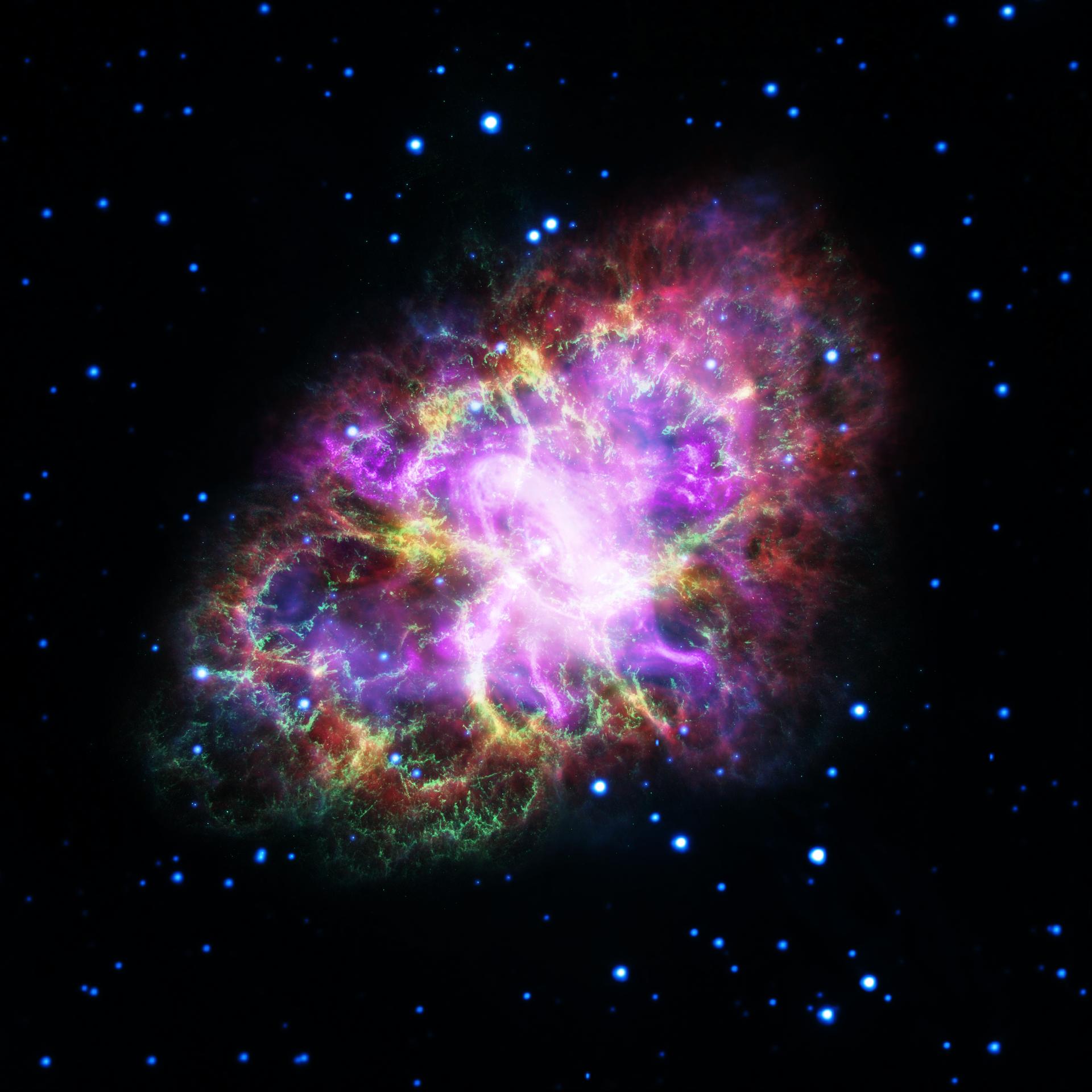
Chandra, Hubble and Webb Team Up for a 'Red, White and Blue' Universe on America's 250th
To mark America's 250th, NASA fused X-ray, infrared and optical data from Chandra, Webb and Hubble into four patriotic-toned composites — plus sound versions of the cosmos — released June 30 through July 4.
-
Science & Discovery
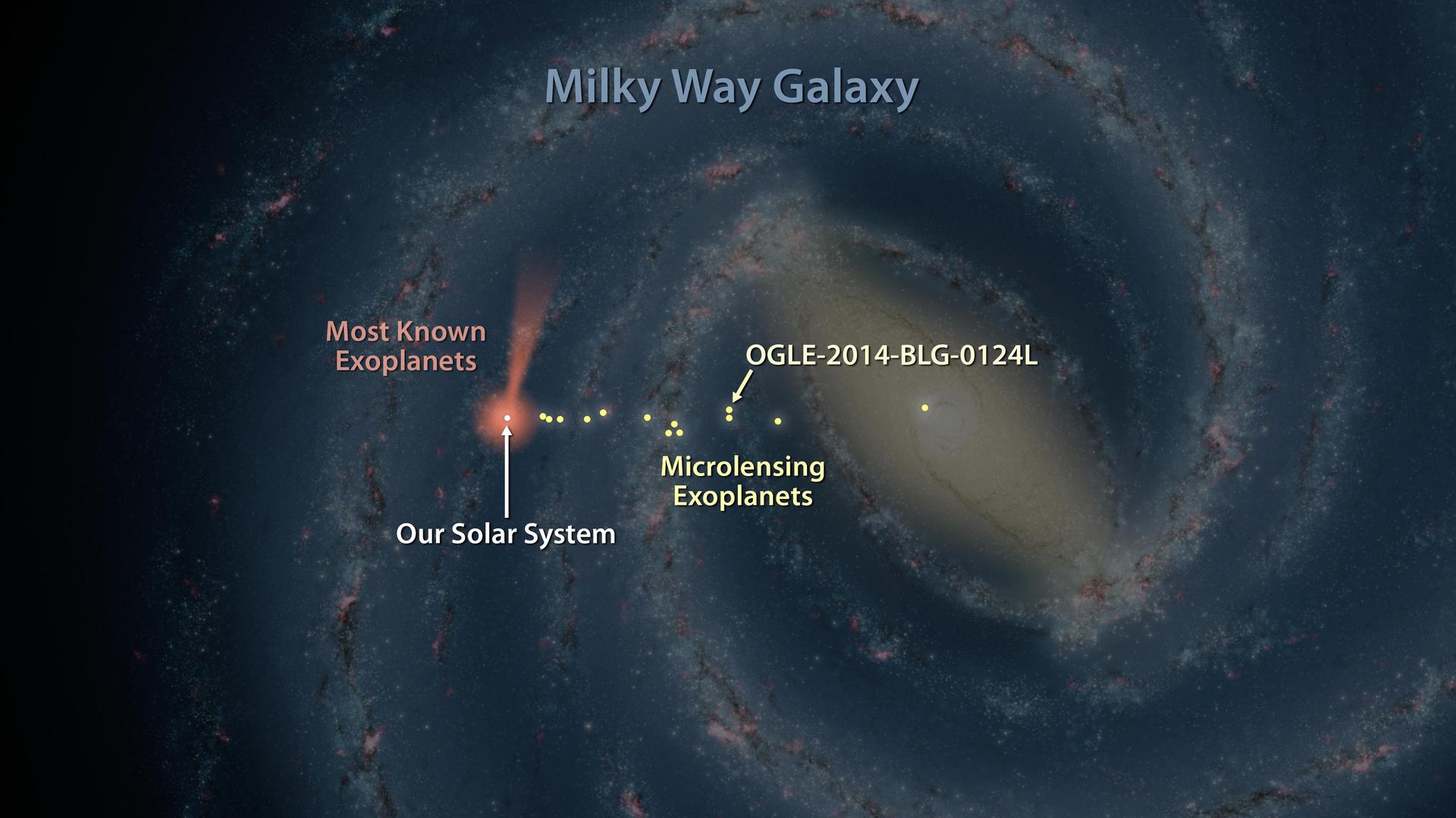
NASA's TESS Spots a Super-Jupiter 40,000 Light-Years Away Using a Trick From Einstein
Astronomers used gravitational microlensing to pull a super-Jupiter called Gaia23bra b out of TESS's archived data — a planet-hunting trick that reaches 260 times farther than the satellite's usual transit method.
-
Commercial
Blue Origin Charts a New Path Back to Flight for New Glenn After Pad Explosion
After late-May explosion destroyed a New Glenn being readied to fly NASA's Blue Moon 'Endurance' lander, Blue Origin says it won't rebuild the ruined pad as-is — instead adopting a hybrid horizontal-vertical integration concept at LC-36A and aiming to fly again in 2026.
-
NASA & Agencies
NASA Wants Volunteers to Spend a Year Pretending to Fly to the Moon and Mars
NASA has opened a volunteer call for a roughly yearlong ground analog at Johnson Space Center that, for the first time, fuses its HERA "spacecraft" and CHAPEA "base" into one integrated Moon-and-Mars mission starting no earlier than August 2027.
-
Missions
Weather and a Balky Pegasus Keep Katalyst's Swift Rescue Grounded
Katalyst Space's LINK servicing spacecraft, tasked with grappling and reboosting NASA's aging Swift observatory, has been scrubbed three days running — twice for weather and, per follow-up reporting, once when its Pegasus XL failed to deploy.