NASA
Every Cosmic Herald story on NASA — missions, launches, discoveries, and the business of space, newest first.
-
Stargazing
A Delicate Trio at Dusk: Moon, Venus, and Regulus Share the Sky July 15-17
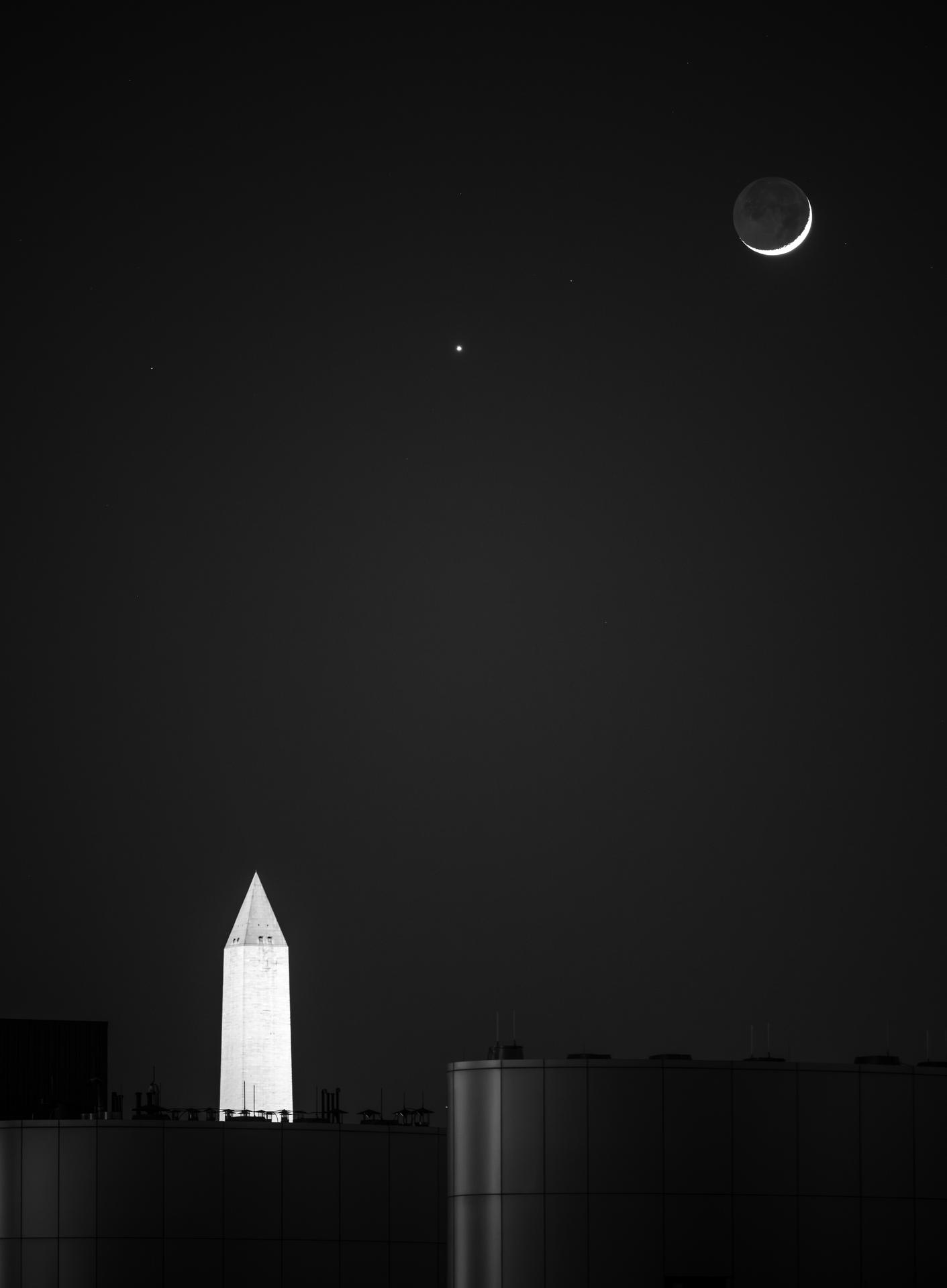
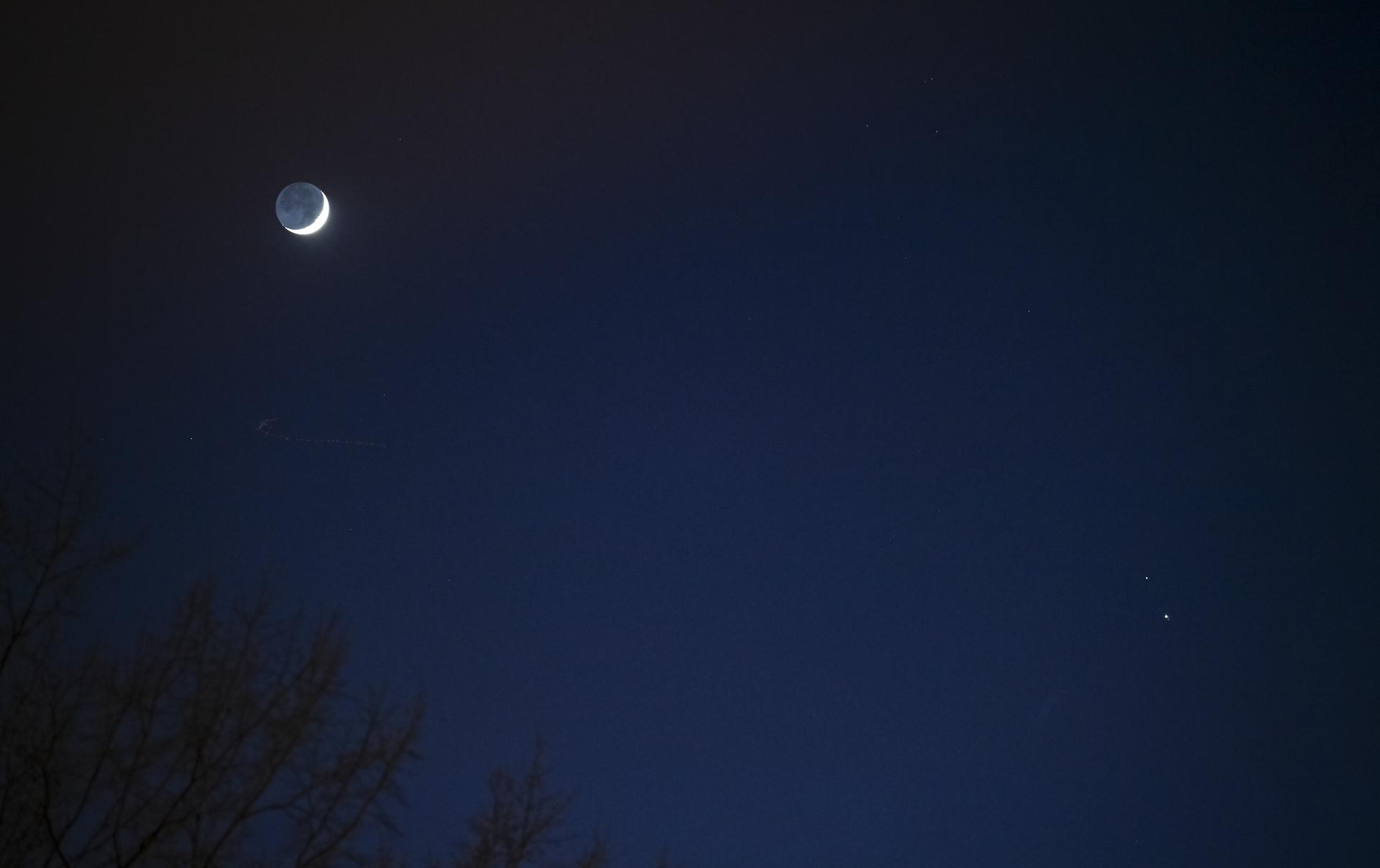
A waxing crescent Moon glides past Venus and Regulus on three straight evenings this week, brushing 0.5° from the heart of Leo on July 16 before closing to within 2° of Venus the next day.
-
Astronomy
Hubble and Webb Team Up to Find Omega Centauri's First Confirmed Black Hole
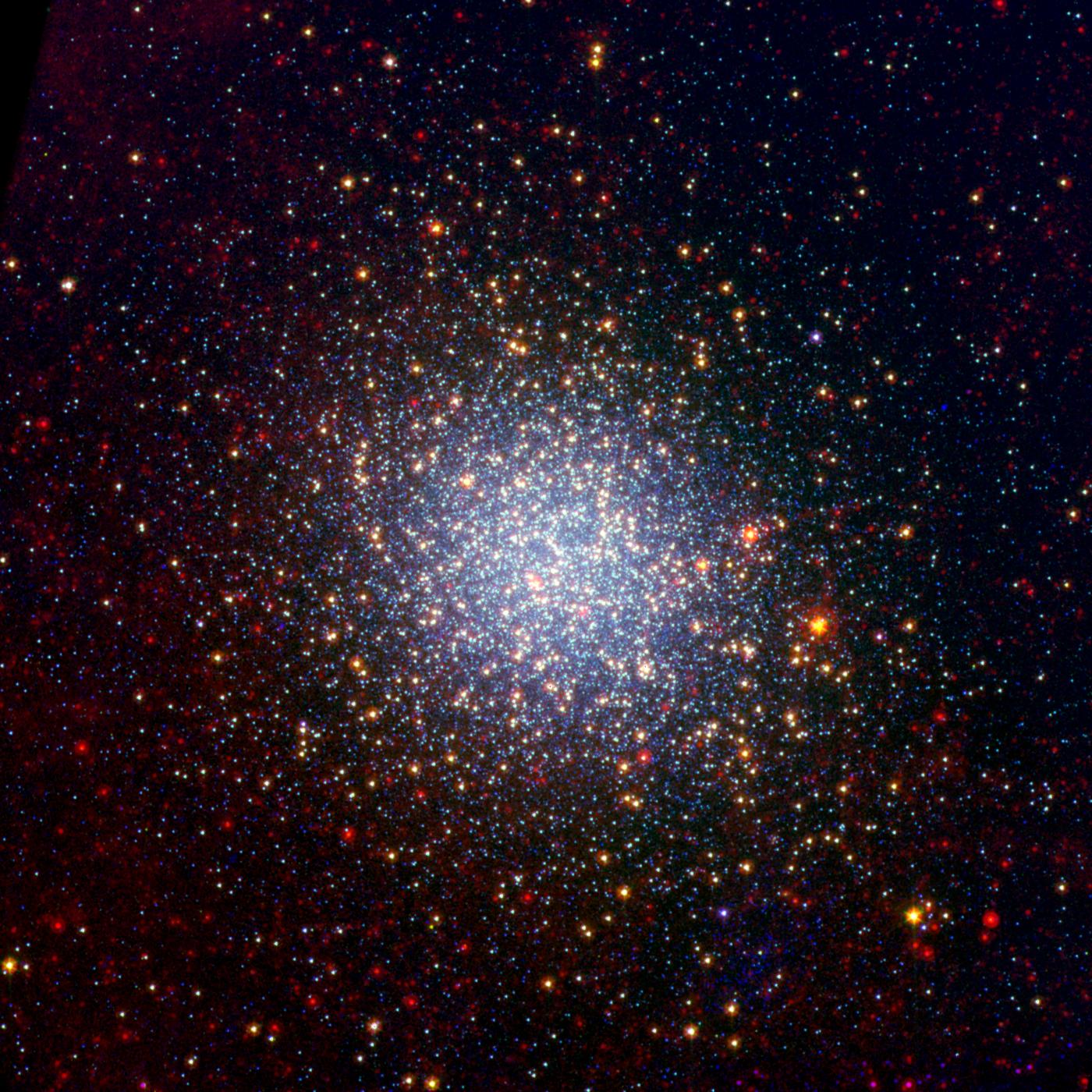
Twenty years of Hubble astrometry plus fresh James Webb data caught a 4.46-solar-mass black hole tugging a companion star in a record 94-year orbit inside Omega Centauri.
-
NASA & Agencies
Fifty Days Up: Shenzhou-23 Crew Deepens Microgravity Research Aboard Tiangong
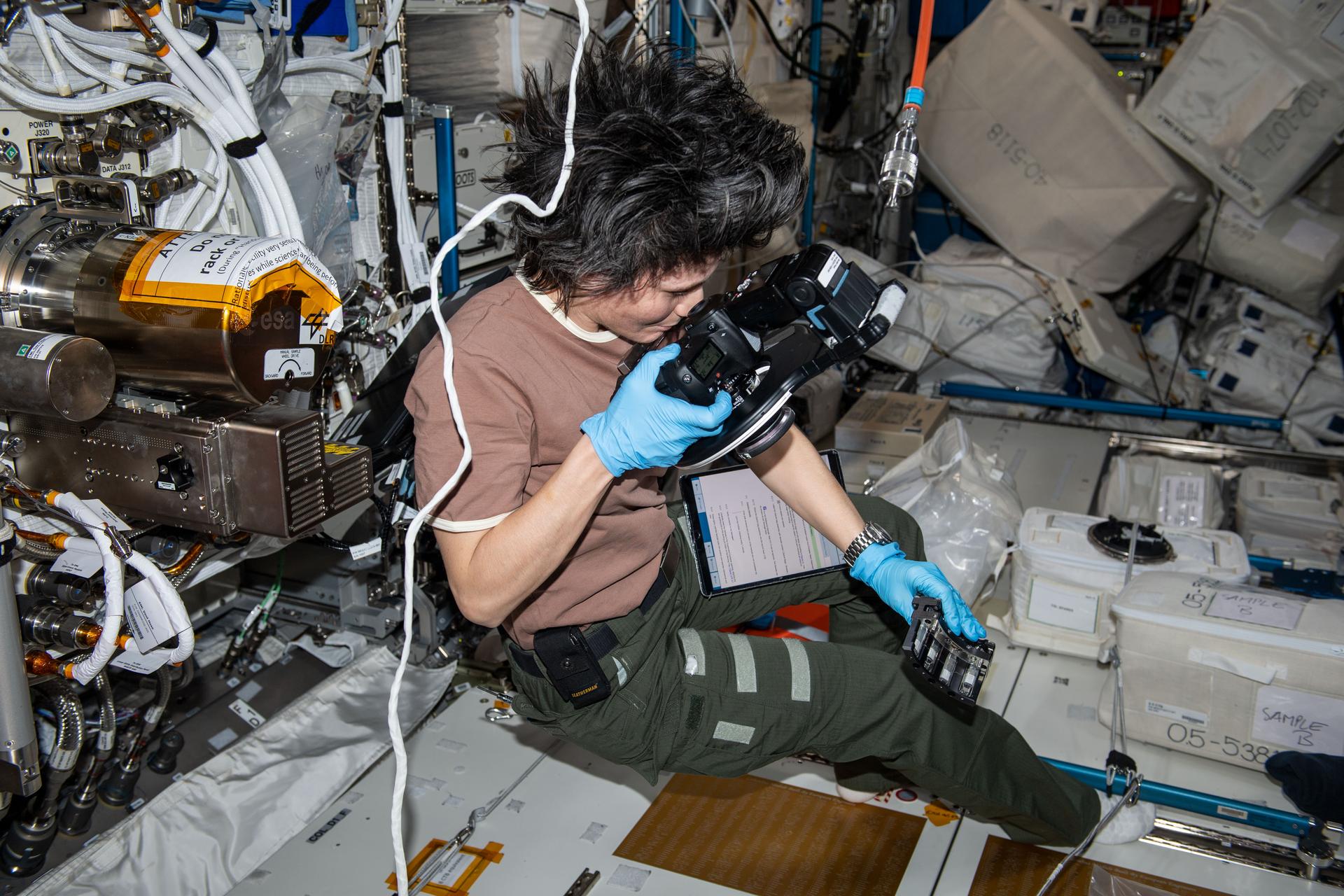
Nearly 50 days into a planned one-year stay, Shenzhou-23's three-person crew — including Hong Kong's first astronaut — is running biomechanics and brain-function studies aboard China's Tiangong space station.
-
Stargazing
Predawn Sky Guide: Moon Lines Up With Mars, Saturn and Uranus on July 11-12
A waning crescent Moon points the way to Mars, Saturn, and a binoculars-only Uranus in the predawn eastern sky on July 11-12, 2026, part of a busy month of lunar-planetary conjunctions.
-
Missions
NASA Moves Its Sun-Watching SmallSat Swarm From Vulcan Centaur to Falcon Heavy
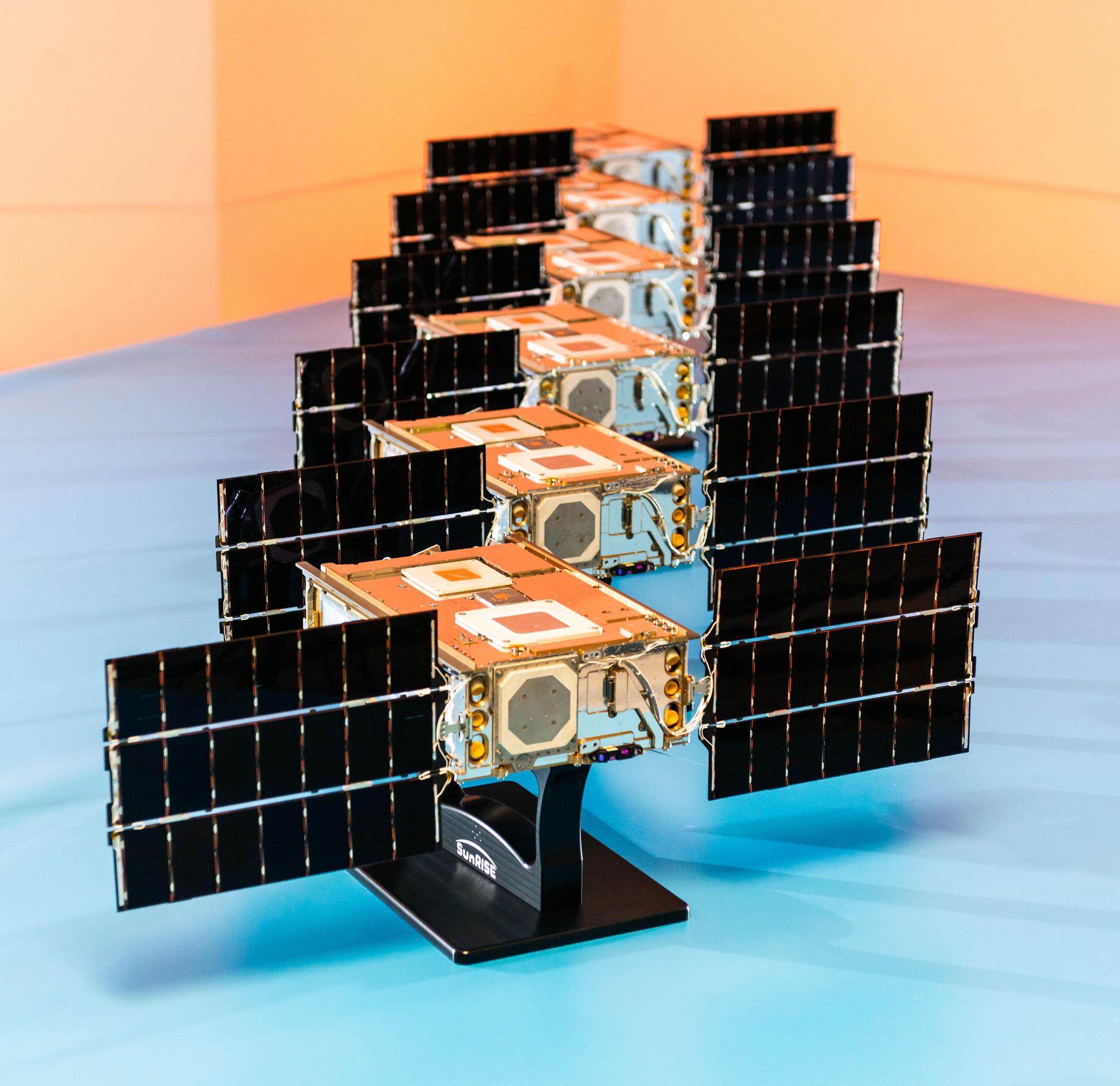
NASA has rebooked its six-satellite SunRISE solar radio observatory from a ULA Vulcan Centaur onto a SpaceX Falcon Heavy, a Space Force-sponsored rideshare that will fly the toaster-oven-size CubeSats to just above geosynchronous orbit.
-
Stargazing
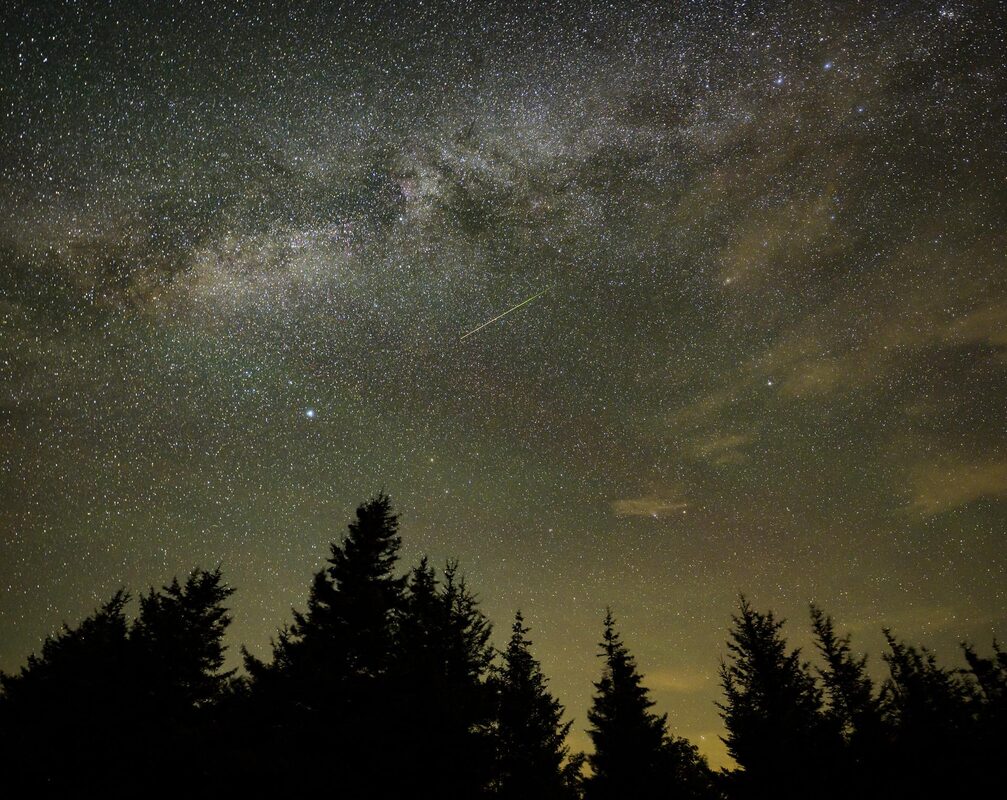
The August 2026 Night Sky Guide
August 2026 stacks a rare eclipse double-header around its best night: a moonless Perseid peak on Aug 12-13, Venus at its evening best, and a deep 93%-covered partial lunar eclipse lighting up the Sturgeon Moon on Aug 27-28.
-
Science & Discovery
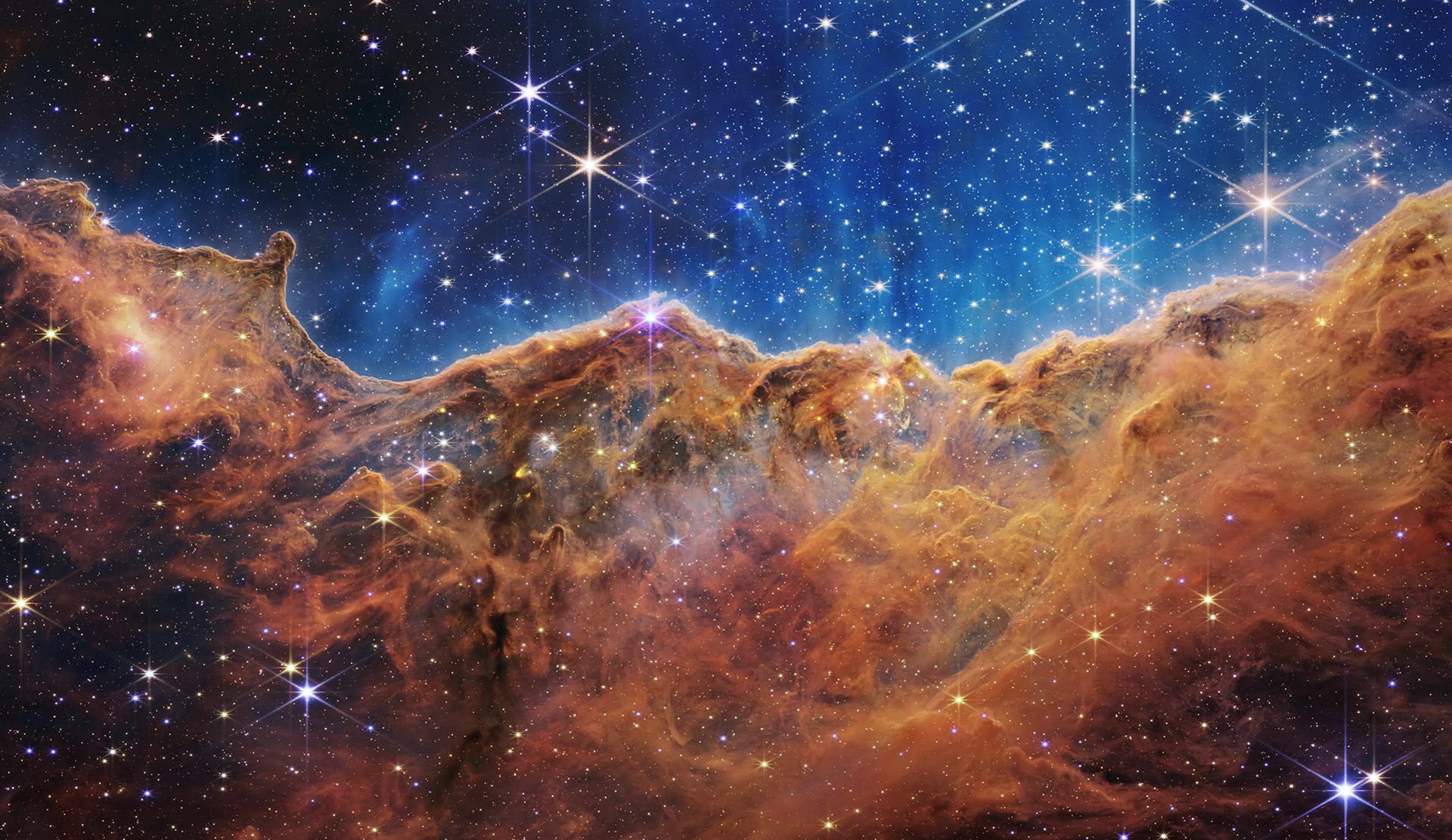
James Webb's Biggest Discoveries So Far
From the most distant confirmed galaxy to overmassive black holes, a disputed biosignature, and proof the Hubble tension is real, here are JWST's most significant verified findings, sourced to NASA, ESA, and peer review.
-
Commercial
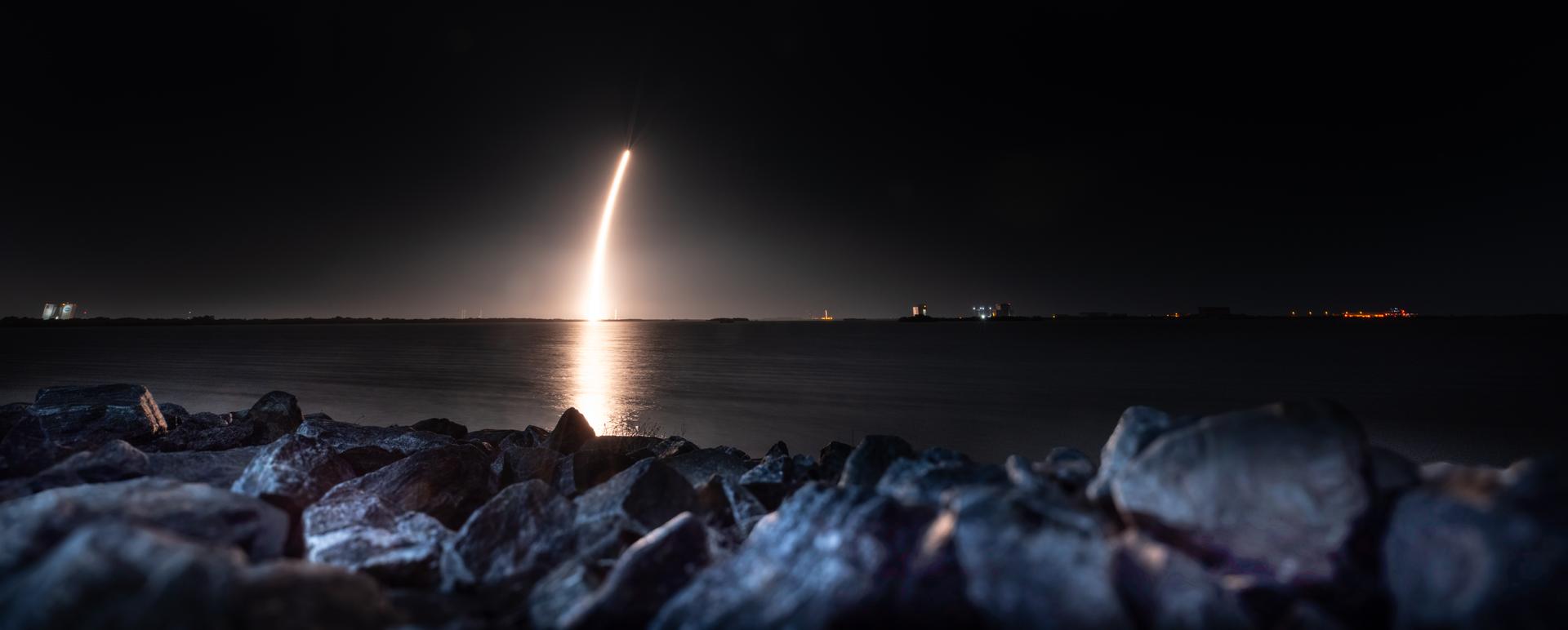
The World's Spaceports: Why Rockets Launch Where They Do
Latitude, launch azimuth, and downrange safety corridors dictate where a rocket can lift off. A tour of Cape Canaveral, Vandenberg, Baikonur, Kourou, Wenchang, and Mahia shows the physics — and the history — behind each choice.
-
Stargazing
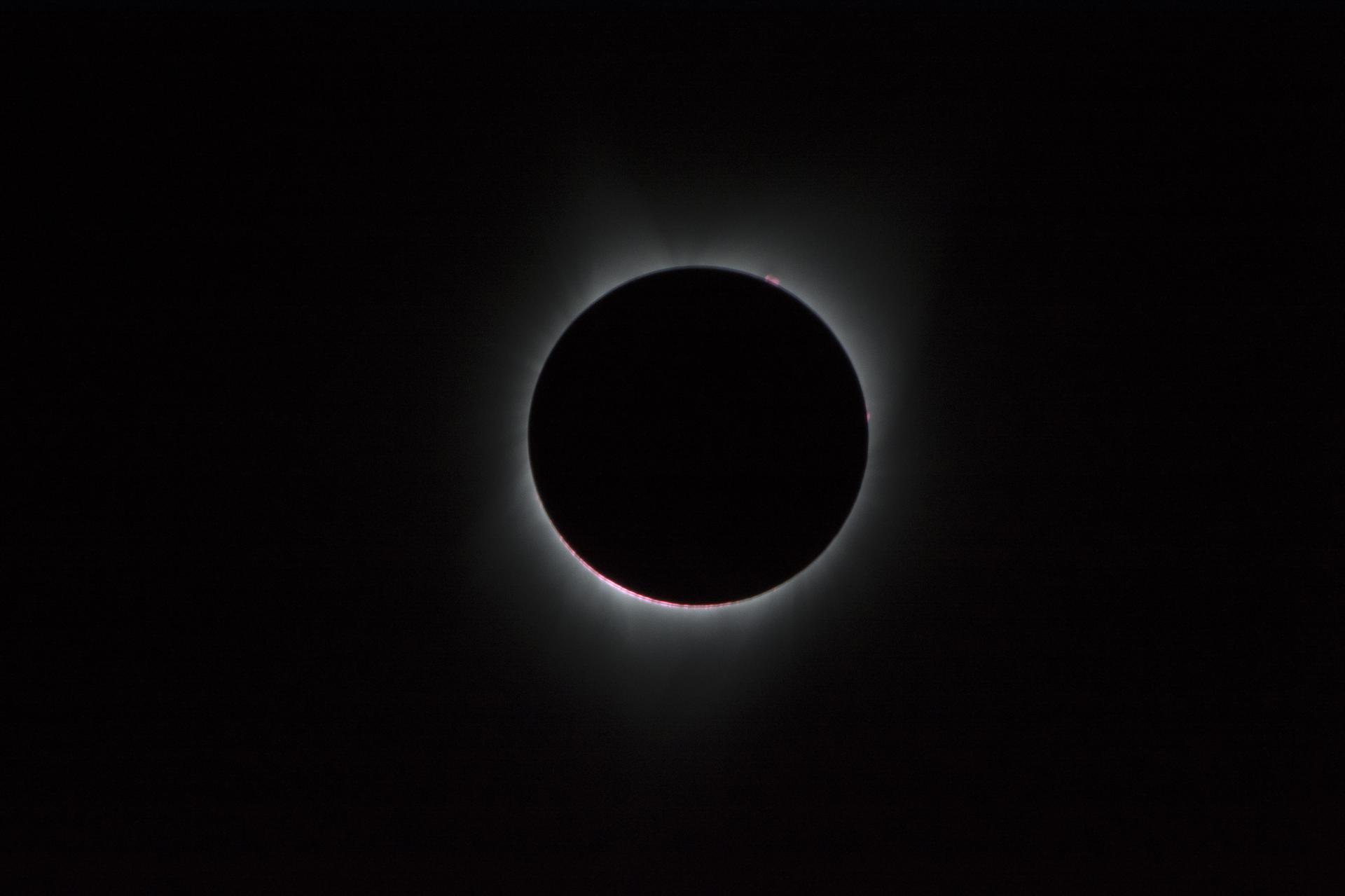
The Total Solar Eclipse of August 12, 2026: The Complete Viewing Guide
On August 12, 2026 the Moon's shadow sweeps from the Arctic across Greenland, Iceland, and Spain — the first total solar eclipse to reach mainland Europe since 1999. Exact times, best viewing spots, weather odds, safety rules, and what U.S. skywatchers will and won't see.
-
Commercial
Vast's Haven-1 in 2026: a 3D-printed space station preparing to host orbital manufacturing
Vast's Haven-1 station is now targeting Q1 2027 after its Haven Demo pathfinder flew 49 test objectives. The single-module outpost carries metal 3D-printed hardware — and its manufacturing network now spans orbital bioprinting, drug crystallization, and pharma production partners.
-
Commercial
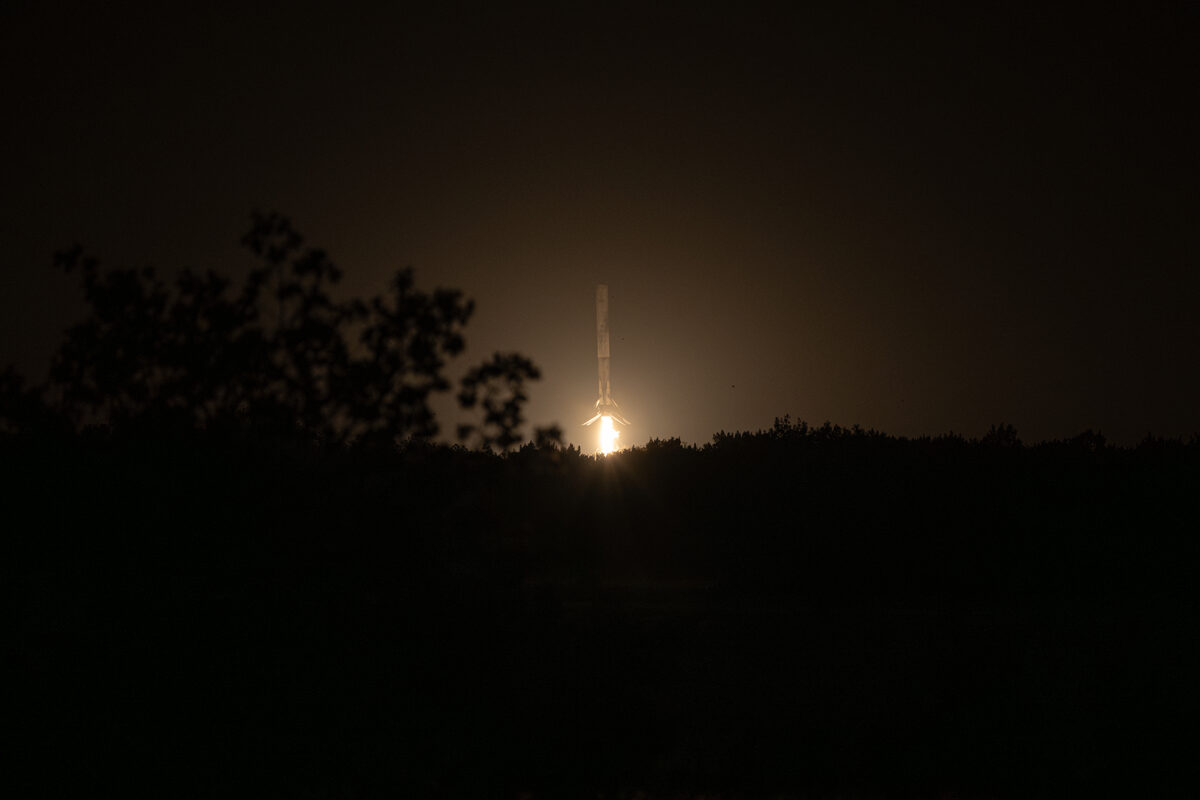
Rocket Launch Vehicles Compared: Payload, Cost, and Reusability in 2026
Falcon 9, Falcon Heavy, Starship, New Glenn, Vulcan Centaur, Neutron, Ariane 6, and six more launch vehicles compared on payload, cost per launch, and reusability, including China's Long March 10B, which on July 10 became just the third rocket in history to catch its own booster.
-
Astronomy
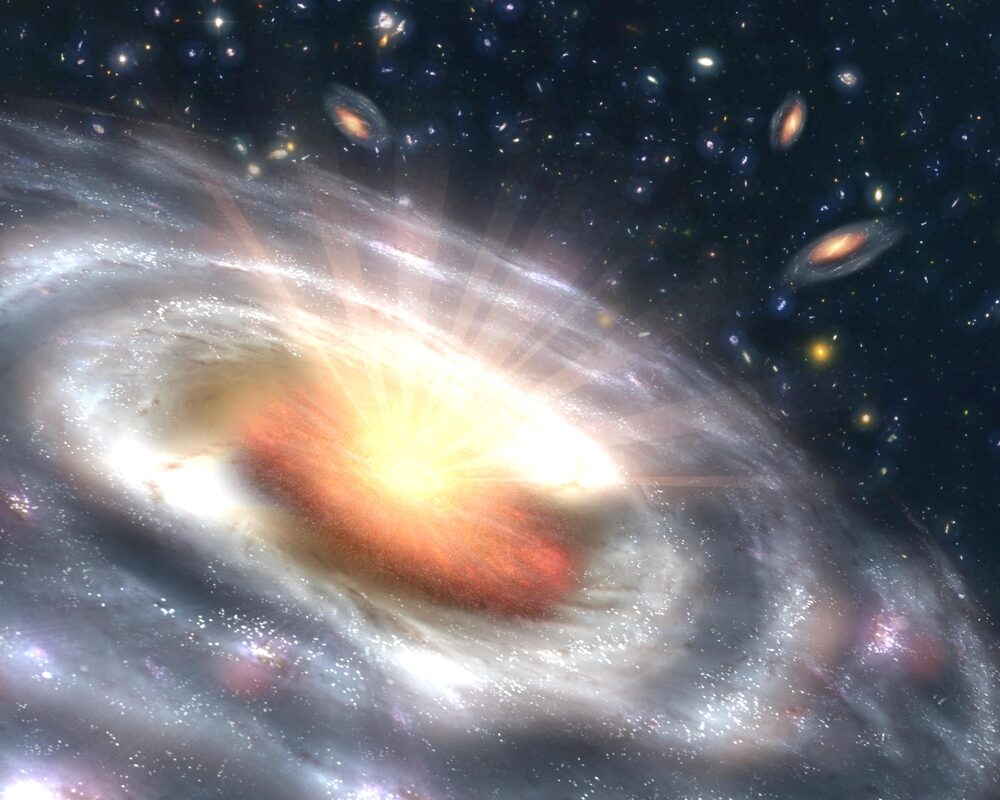
Euclid Doubles the Known Sample of the Universe's Most Ancient Quasars
ESA's Euclid telescope has found 31 new quasars from the cosmic dawn, including two record-breakers at redshifts 7.77 and 7.69, more than doubling the known sample from that era.