NASA
Every Cosmic Herald story on NASA — missions, launches, discoveries, and the business of space, newest first.
-
Missions
Dragon's 35th Cargo Run Brings the Last ISS Roll-Out Solar Arrays, Targeting an Oct. 13 Launch
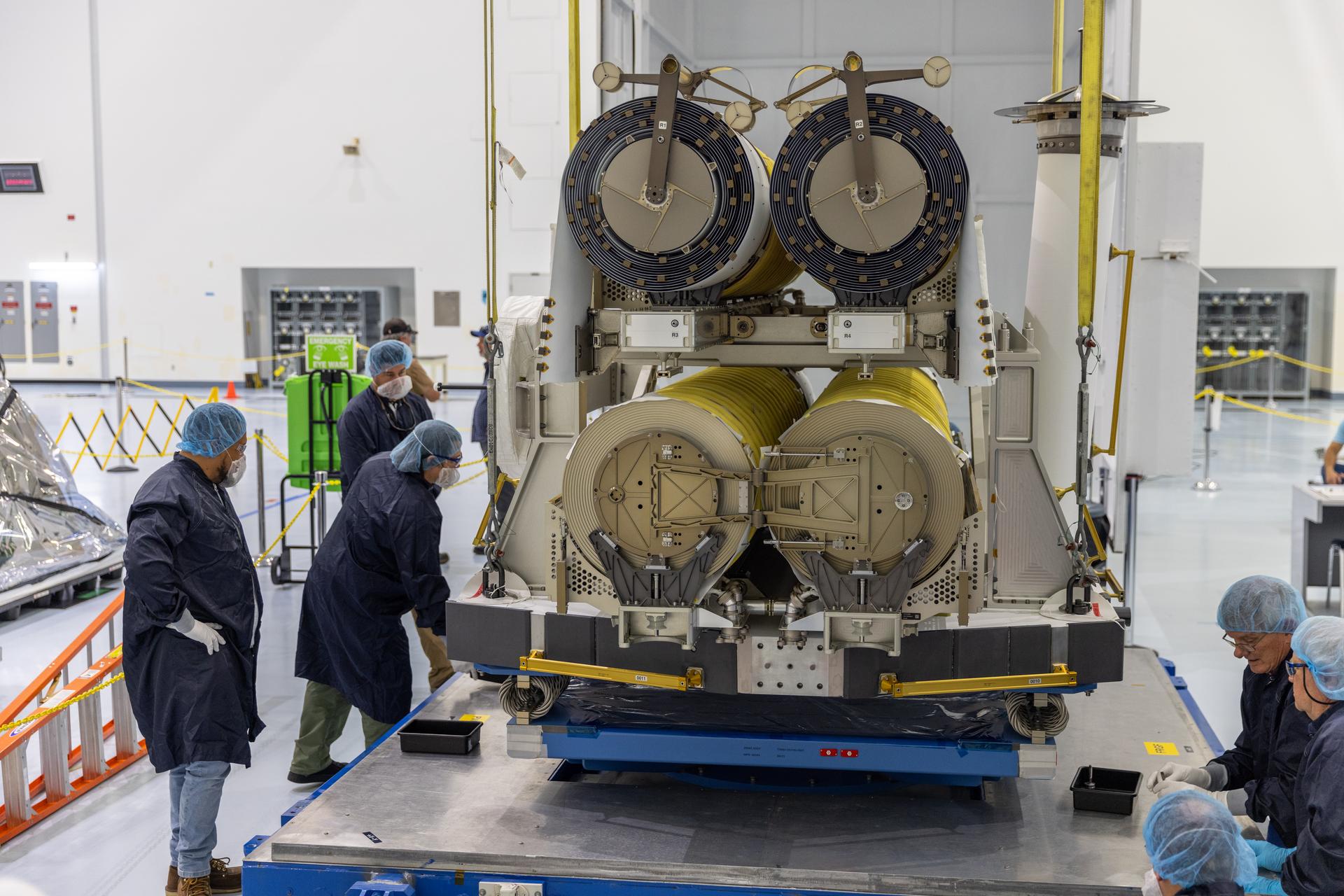
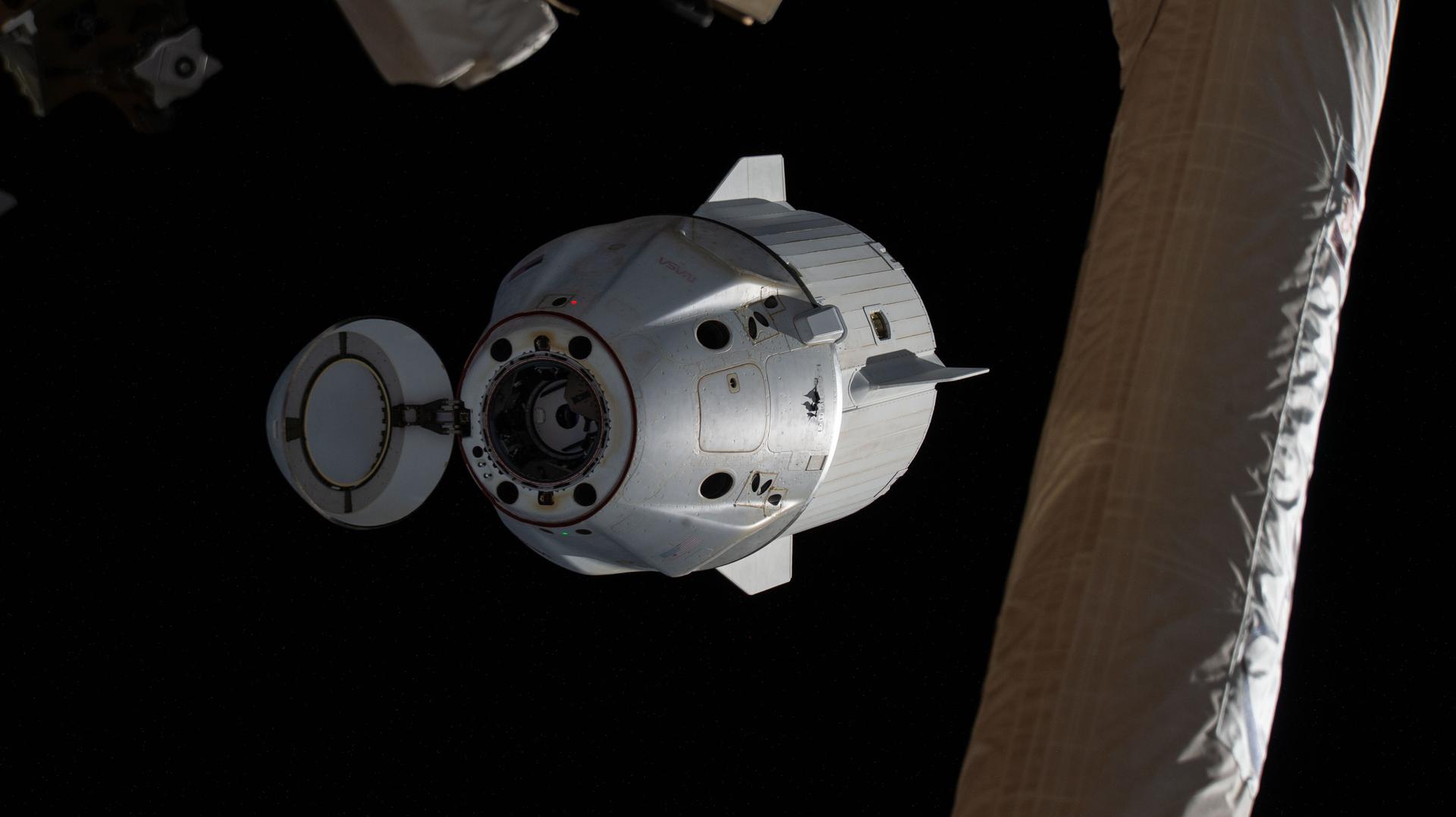
NASA and SpaceX are targeting 6:33 a.m. EDT Oct. 13 for CRS-35, a Cargo Dragon carrying more than 6,300 pounds to the ISS, including the last pair of roll-out solar arrays meant to keep the station powered through its controlled deorbit.
-
Commercial
NASA Hands Modulate Space $38 Million to Build 5G for the Moon
NASA has given Modulate Space a roughly $38 million fixed-price contract to build a 5G network with Wi-Fi 6, first as a lab "Network-in-a-Box" and then as a flight demonstration on the lunar surface in late 2028.
-
Astronomy
Webb Peers Into NGC 7129, a Dusty Stellar Nursery Full of Jets and Hidden Protostars
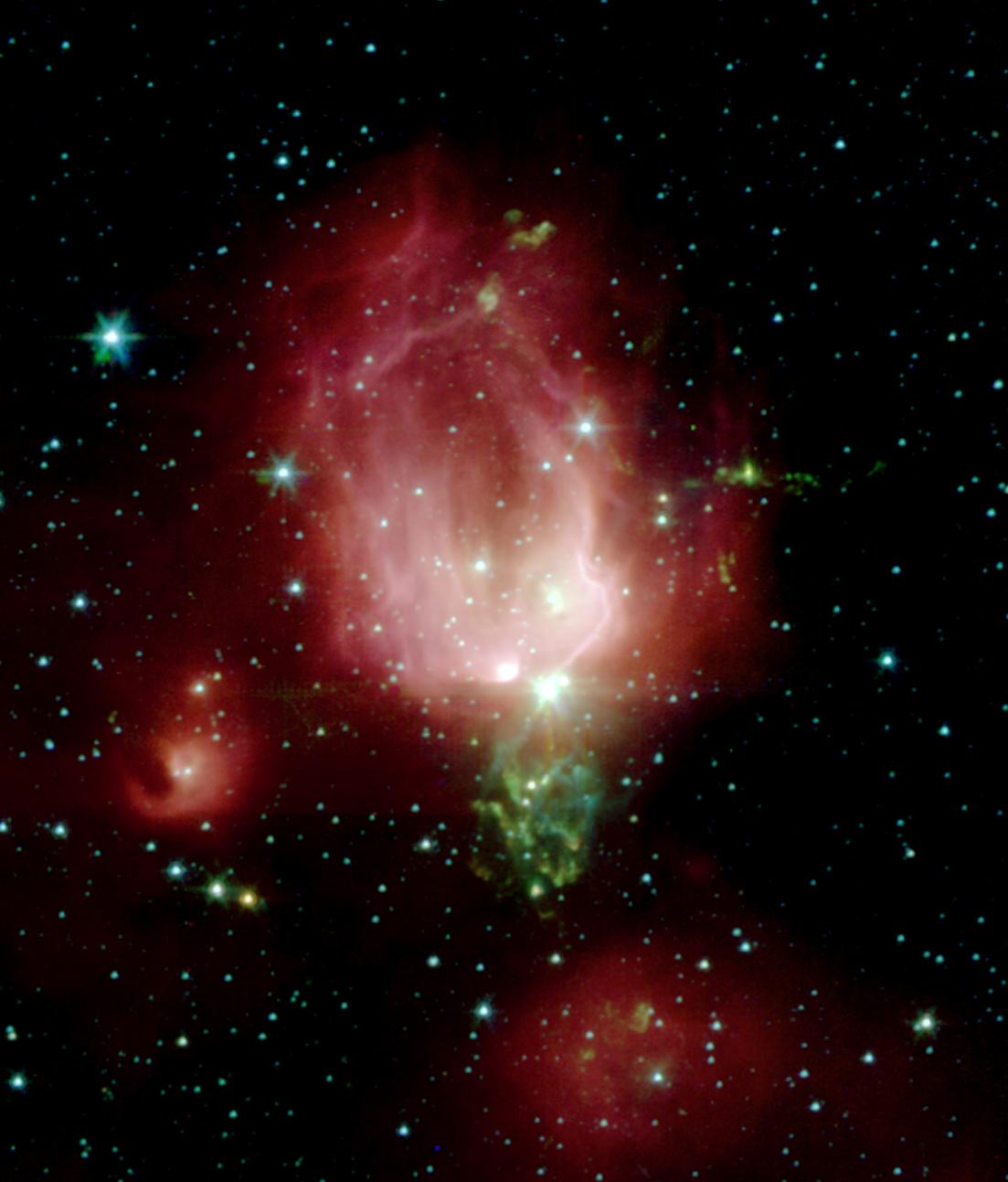
A new Webb image of NGC 7129, about 3,300 light-years away, cuts through the dust to show protostars, shocked gas, bow shocks and a 3.5-light-year cavity carved by the young 5-8 solar-mass star LkH-alpha 234.
-
NASA & Agencies
Crew-12 Heads Home: Dragon Undocking Set for Oct. 7 as Crew-13 Settles In Aboard the Station
NASA and SpaceX are targeting 8:05 a.m. EDT Wednesday, Oct. 7, to undock Crew-12 from the ISS, with a Pacific splashdown off California around 11:34 a.m. Thursday. Crew-13 arrived after an Oct. 1 launch, and ESA's Sophie Adenot heads home with three spacewalks totalling 19 h 42 min.
-
Astronomy
A 27-Year-Old Hubble Puzzle Points to a Planet Born From a Dying Star
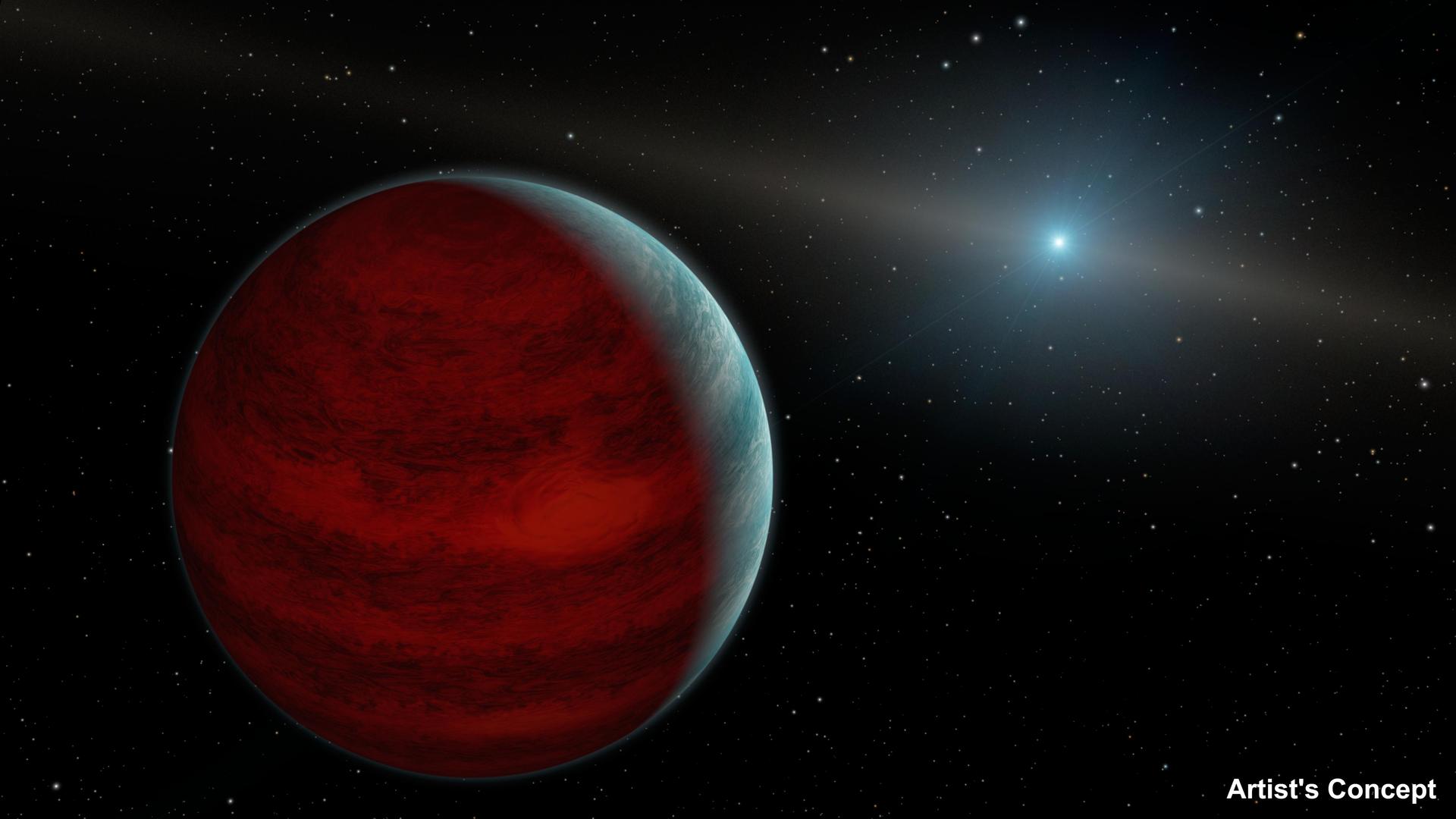
Unexplained lines in 1999 Hubble spectra of white dwarf HS 0209+0832 turn out to be niobium and other heavy elements, evidence for what may be the first planet around a white dwarf that formed from its star's death rather than its birth.
-
Stargazing
Saturn Reaches Opposition: The Ringed Planet Is at Its Best of 2026
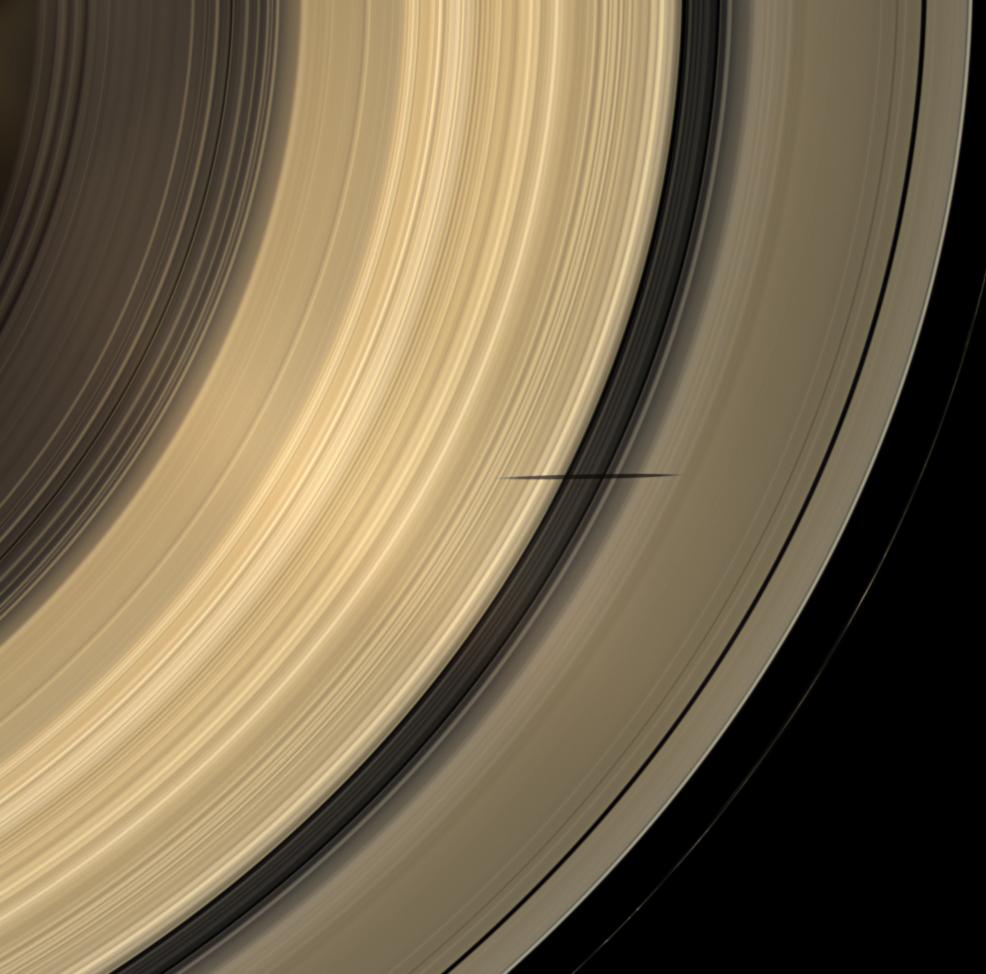
Saturn reached opposition on Oct. 4 at magnitude 0.3 and about 784 million miles away. It is the year's best window on the ringed planet, and the same week brings a predawn lunar occultation of Jupiter for eastern North America.
-
Astronomy
Hubble Logs Its 200,000th Orbit While Waiting for a Supernova to Happen Again
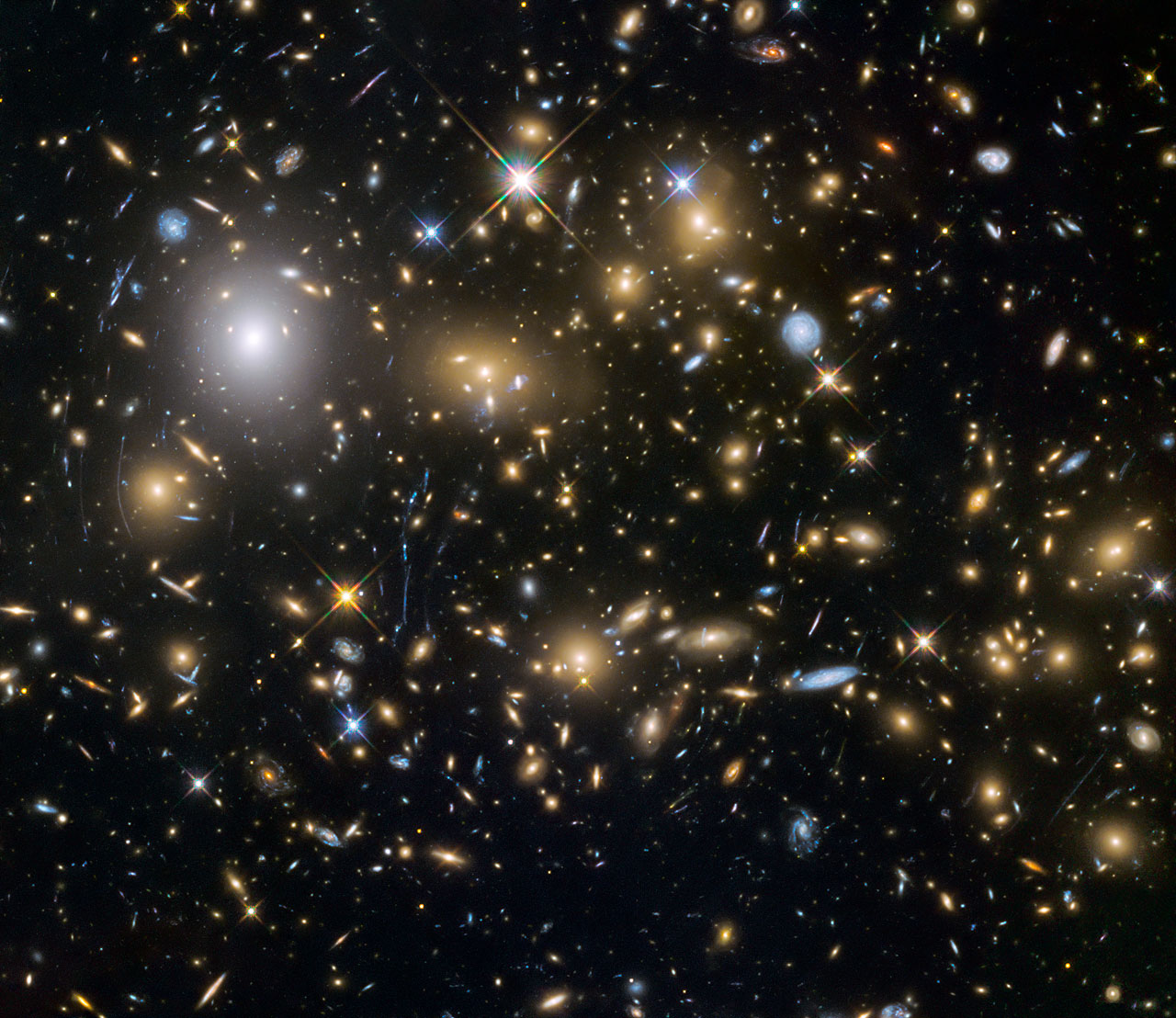
Hubble finished its 200,000th orbit on Sept. 19 while watching galaxy cluster MACS J0417, waiting for the lensed supernova Athena to reappear by early March 2027. The timing could help map the cluster's mass and refine the Hubble constant.
-
Missions
China Narrows Tianwen-3 Mars Sample-Return Landing Zone to Eight Candidates in Hunt for Ancient Life
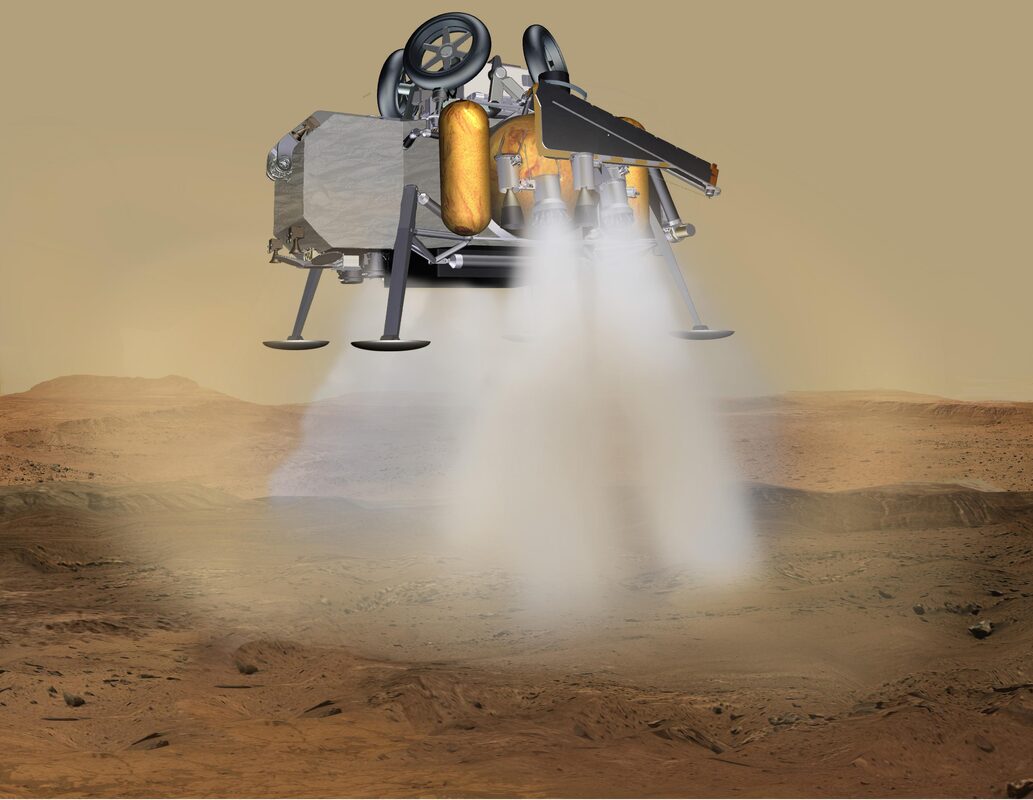
China's Tianwen-3 team has cut its Mars landing-site shortlist to eight candidates rich in ancient standing-water evidence, with three finalists due by the end of 2026 ahead of a roughly 2028 launch aimed at returning samples by 2031.
-
Missions
COSI Comes Together: NASA's Gamma-Ray Telescope Chasing the Galaxy's Antimatter Mystery Heads Toward a 2027 Launch
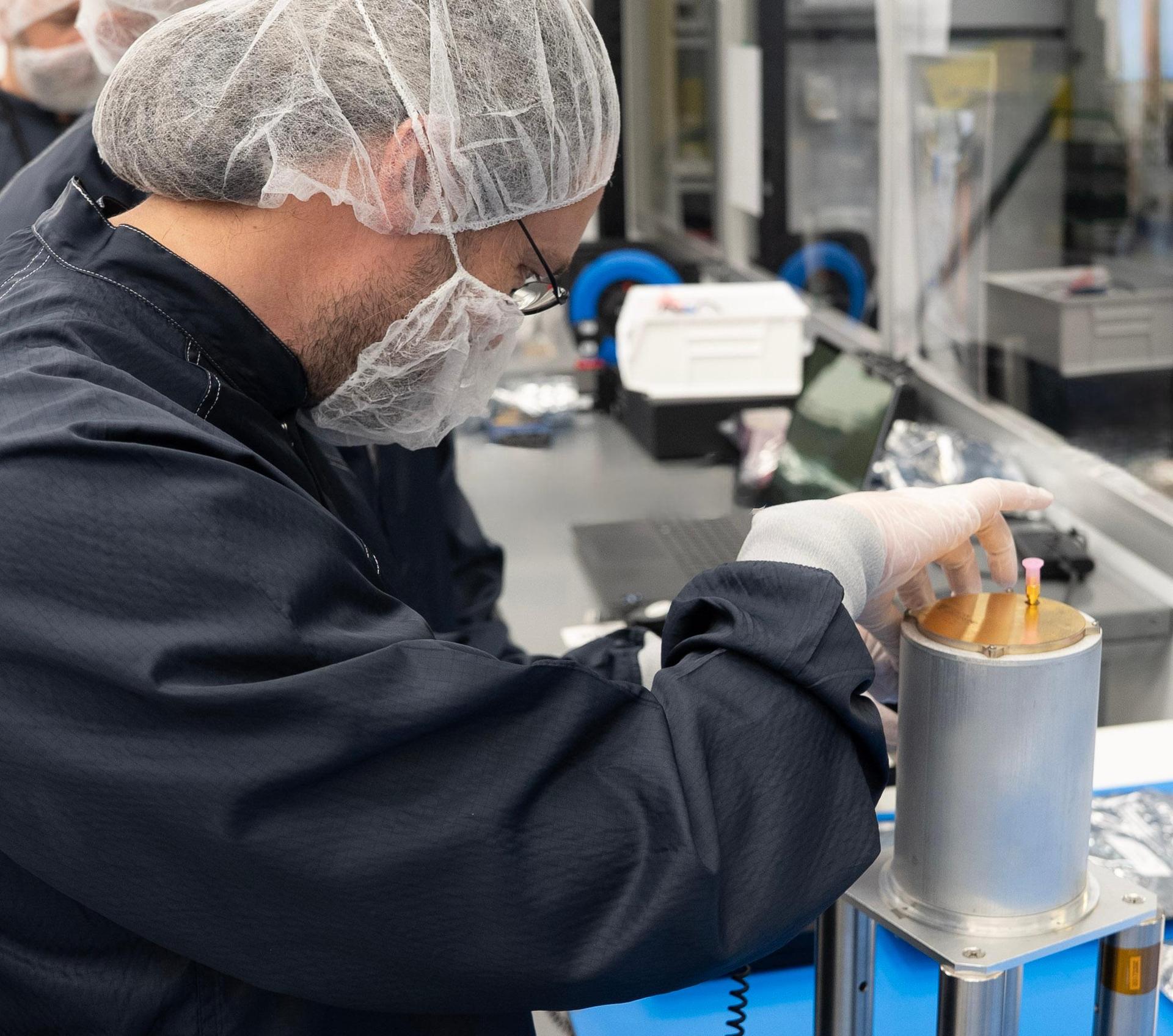
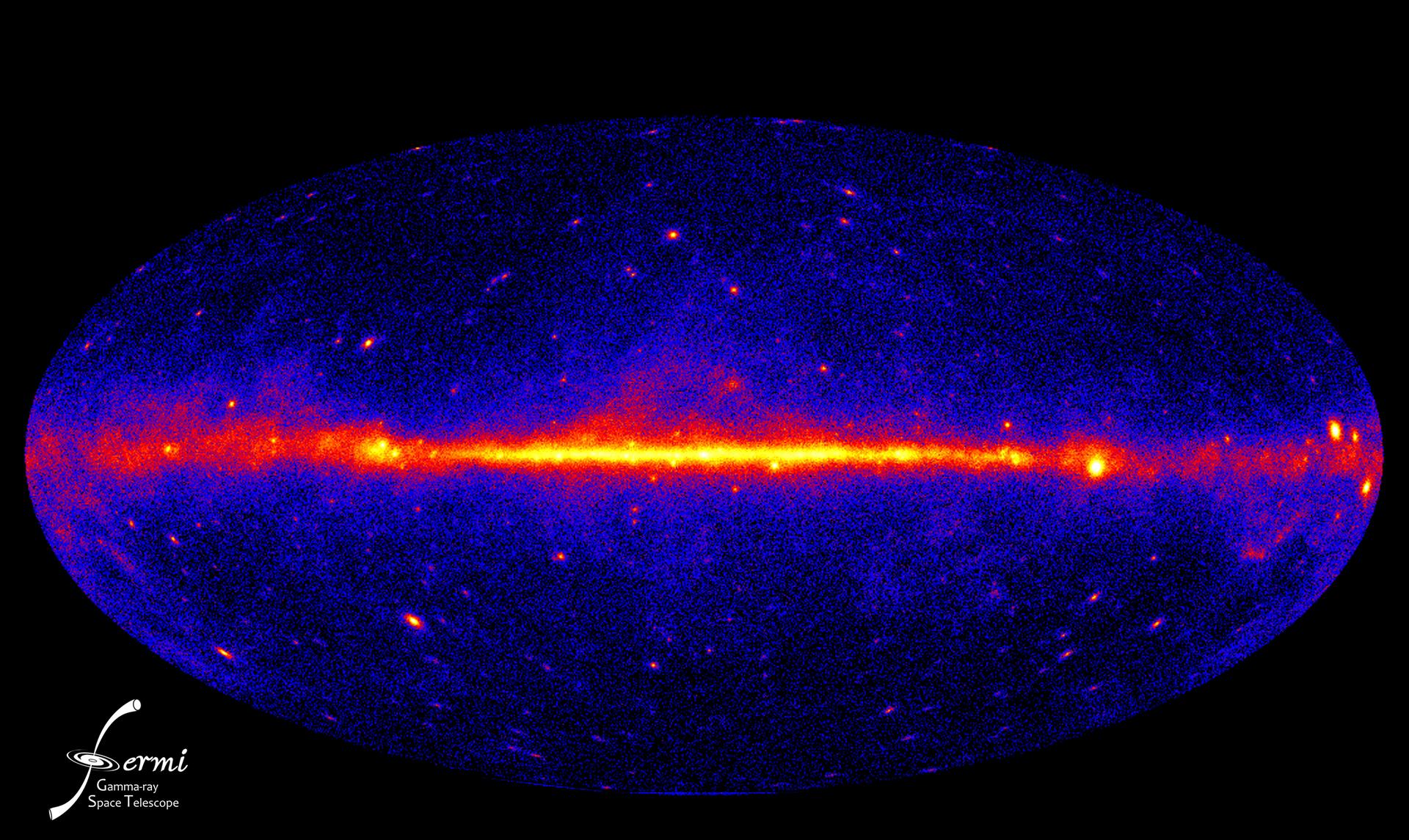
NASA has posted an image of engineers lifting COSI's detector assembly, a milestone for the gamma-ray Small Explorer built to trace the Milky Way's 511 keV antimatter glow and slated to fly on a Falcon 9 in 2027.
-
Astronomy
Hubble's Out-of-Sync Galaxy: NGC 4698 and the Bulge That Turned 90 Degrees
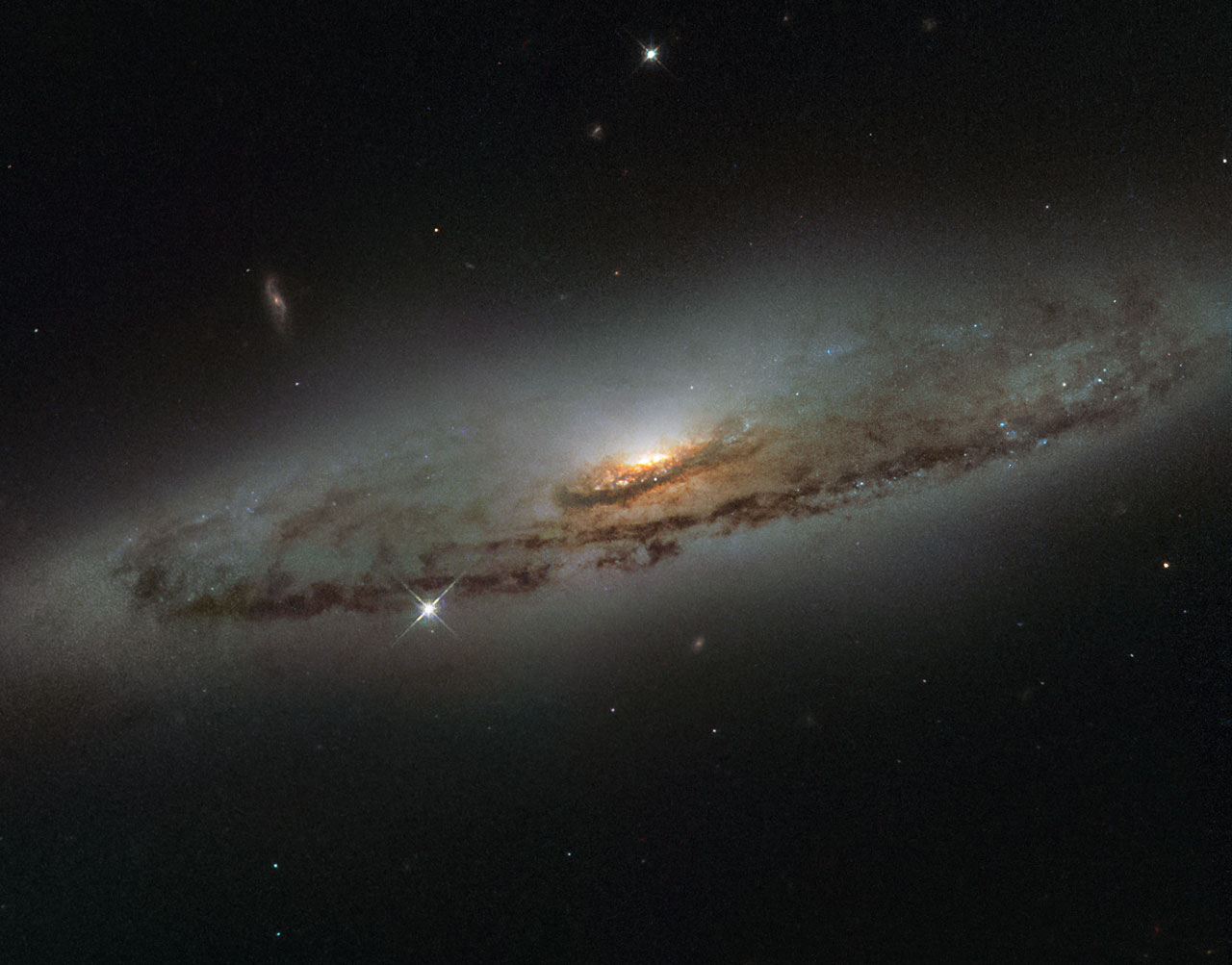
A new Hubble image of NGC 4698, a Virgo Cluster spiral about 55 million light-years away, shows a bulge jutting out at a right angle to its disc and a core rotating perpendicular to everything around it.
-
Stargazing
Jupiter's Moons Start Eclipsing Each Other: How to Watch the 2026-27 Mutual Event Season Before Dawn
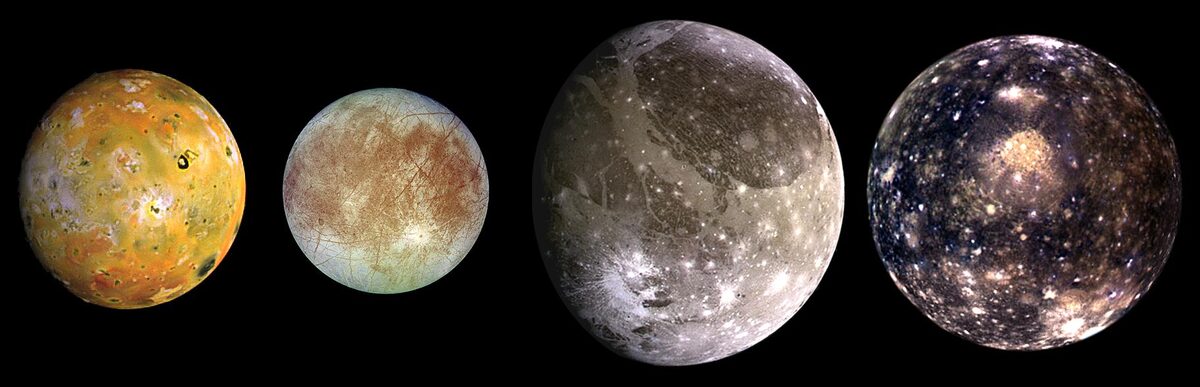
Every five years or so, Jupiter's Galilean moons line up edge-on from Earth and start passing in front of, or into the shadows of, one another. That season is underway now, and Jupiter is back in the pre-dawn sky.
-
Commercial
Katalyst's LINK Servicer Ends Its Bid to Save NASA's Swift Observatory
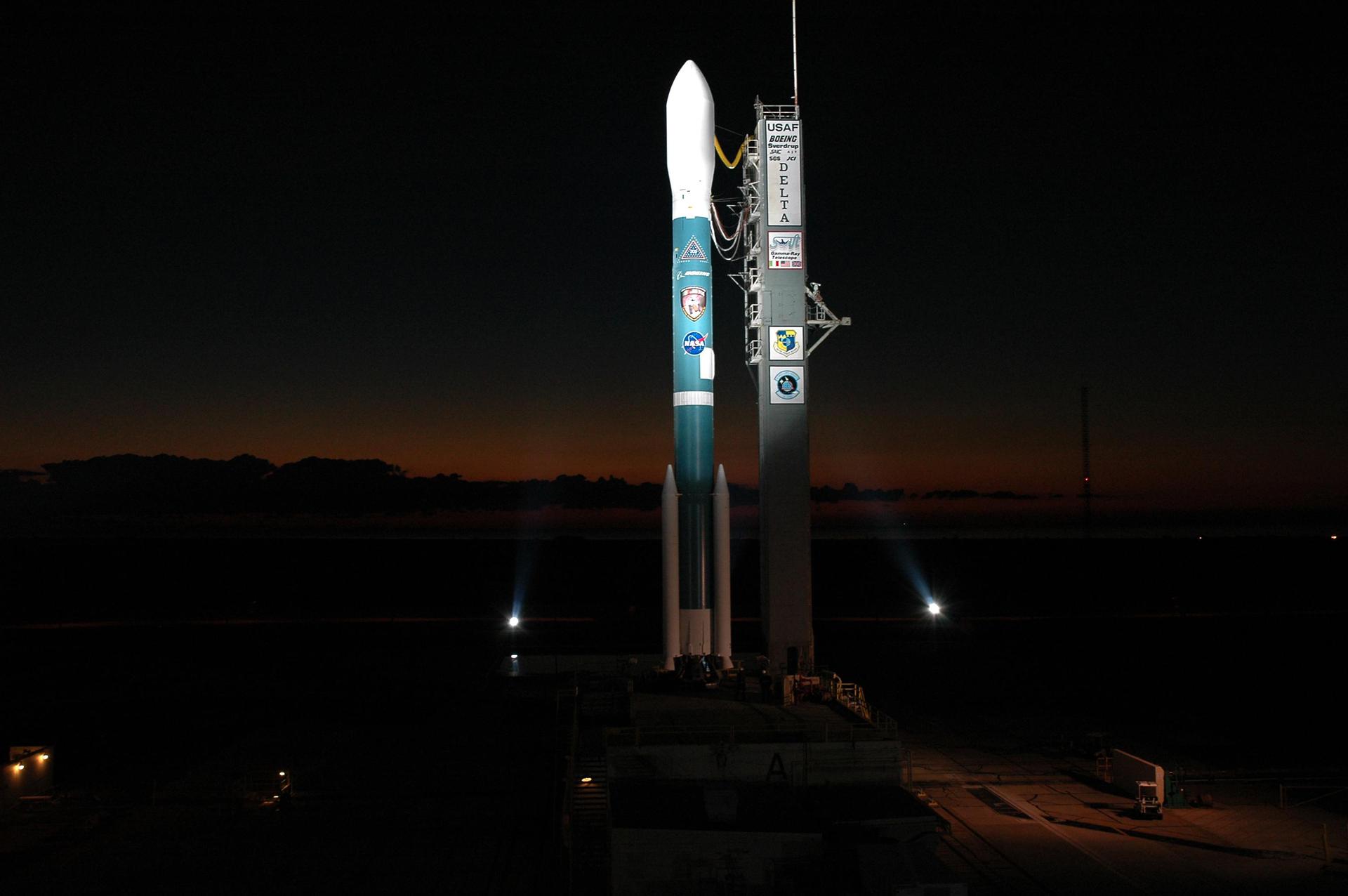
Katalyst's LINK spacecraft deorbited Sept. 25 after an 85-day, $30 million attempt to reboost NASA's Swift Observatory failed to reach capture — but Swift itself is back doing science as it sinks toward reentry.