NASA
Every Cosmic Herald story on NASA — missions, launches, discoveries, and the business of space, newest first.
-
Missions
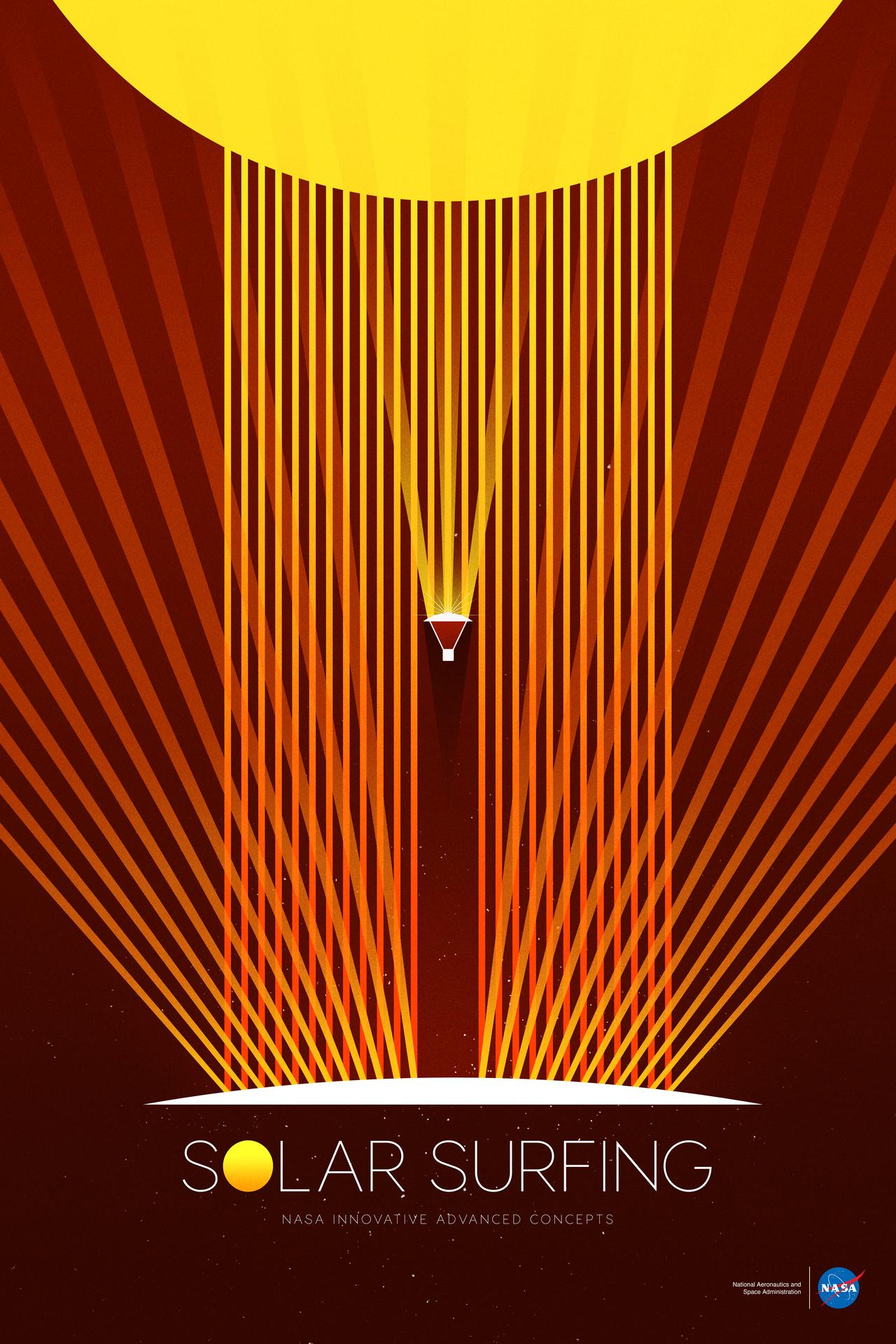
NASA Bets $3.2 Million on 18 Wild Ideas, From Sun-Dimming Dust Clouds to Lava-Tube Robots
NASA's NIAC program handed 18 teams up to $175,000 each to spend nine months proving out concepts ranging from a controllable sun-dimming dust cloud to hovering robots for lunar lava tubes.
-
NASA & Agencies
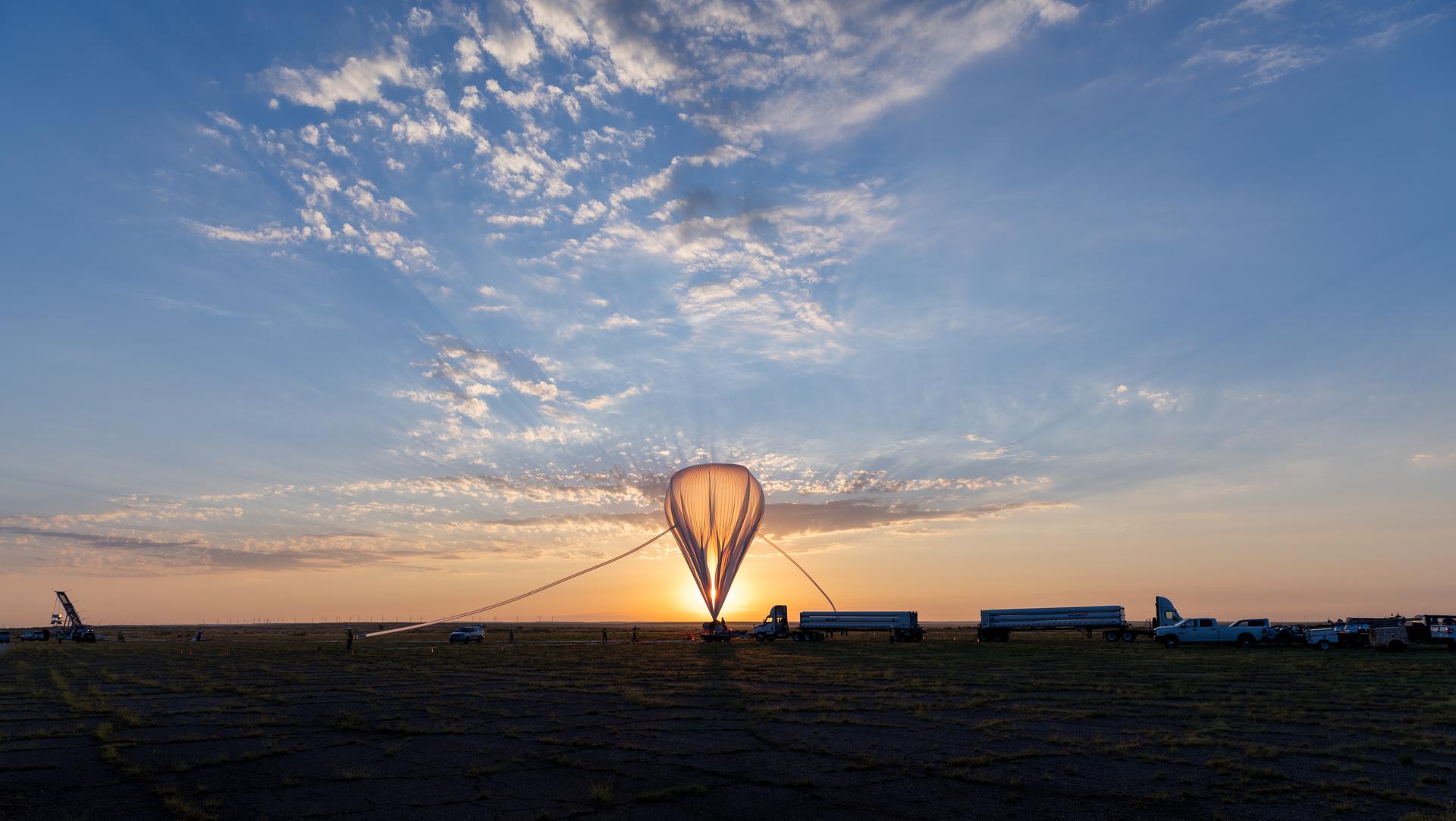
Five University Teams Are Flying Balloons Into an Eclipse's Shadow for NASA
NASA has set its coverage plan for the August 12, 2026 total solar eclipse over Greenland, Iceland and Spain, while five NASA-funded university teams launch roughly 80 balloons into the eclipse shadow to study how the atmosphere reacts when the Moon briefly cuts off the Sun.
-
NASA & Agencies
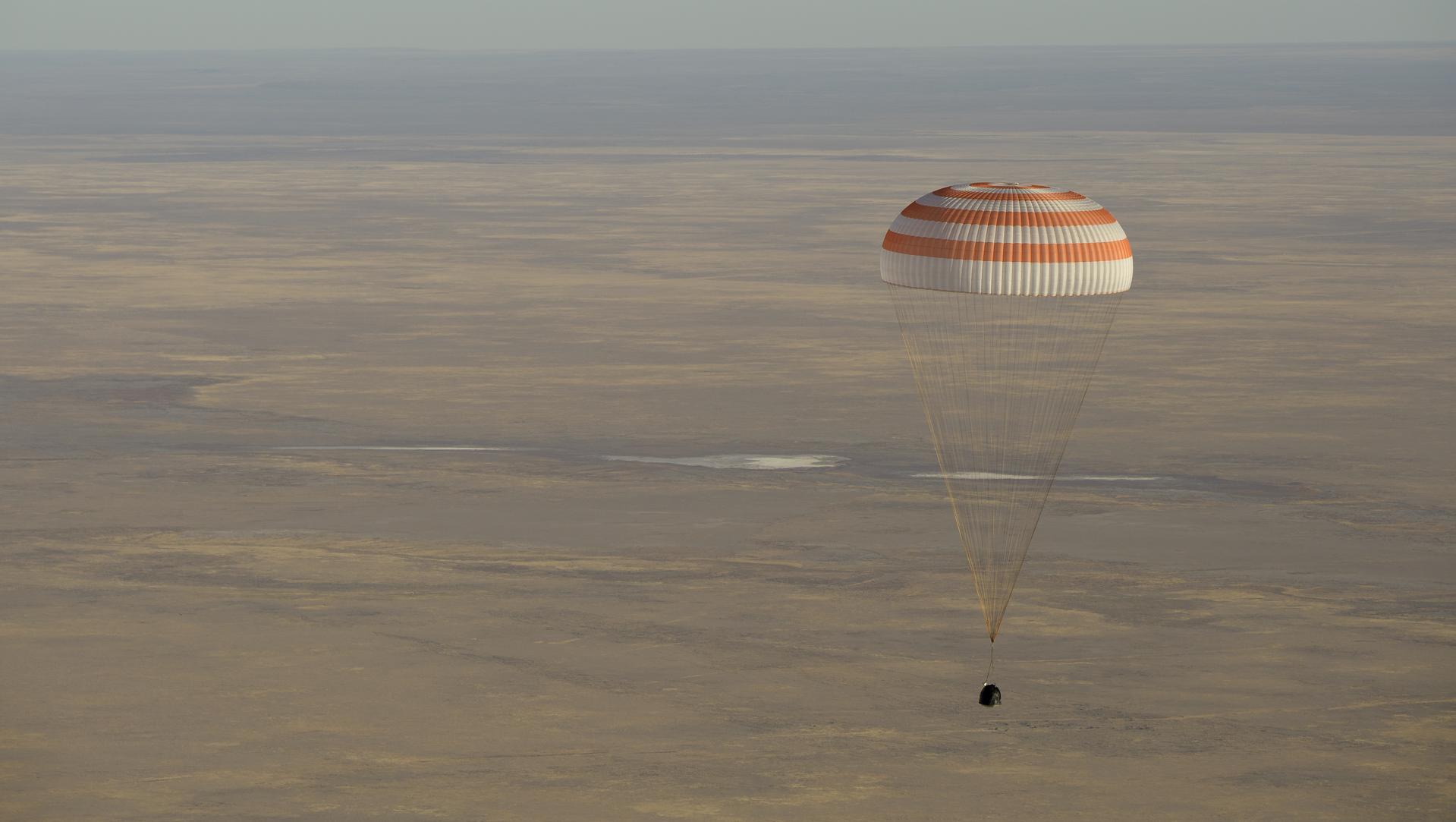
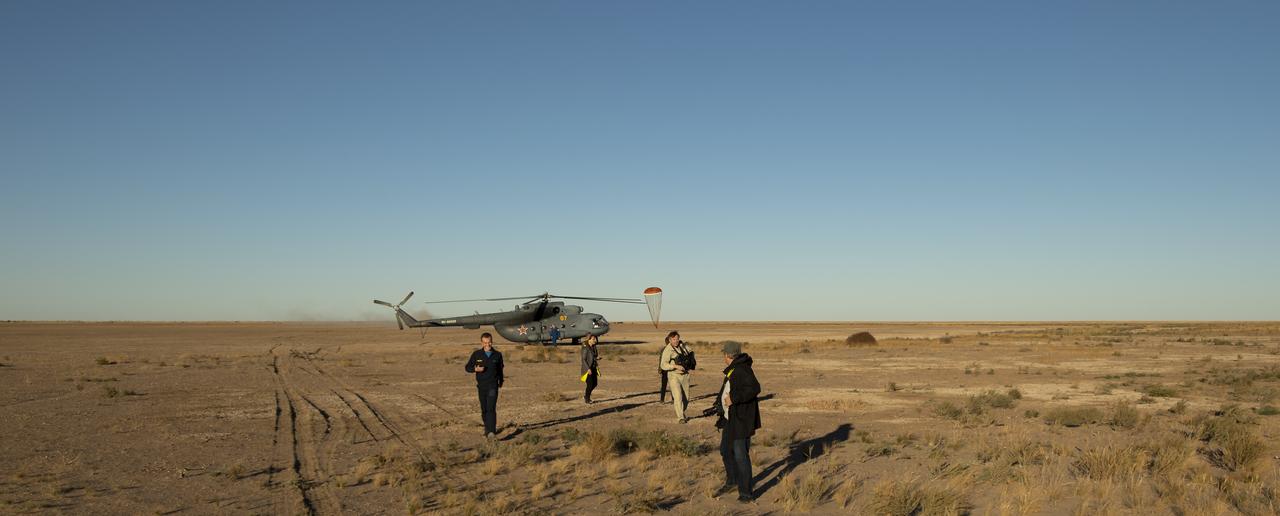
NASA Astronaut, Two Cosmonauts Land in Kazakhstan After 241-Day Mission
Soyuz MS-28 parachuted onto the Kazakh steppe on July 26, closing out a 241-day Expedition 73/74 stint that carried NASA's Chris Williams and two Roscosmos cosmonauts more than 102 million miles around Earth.
-
Stargazing
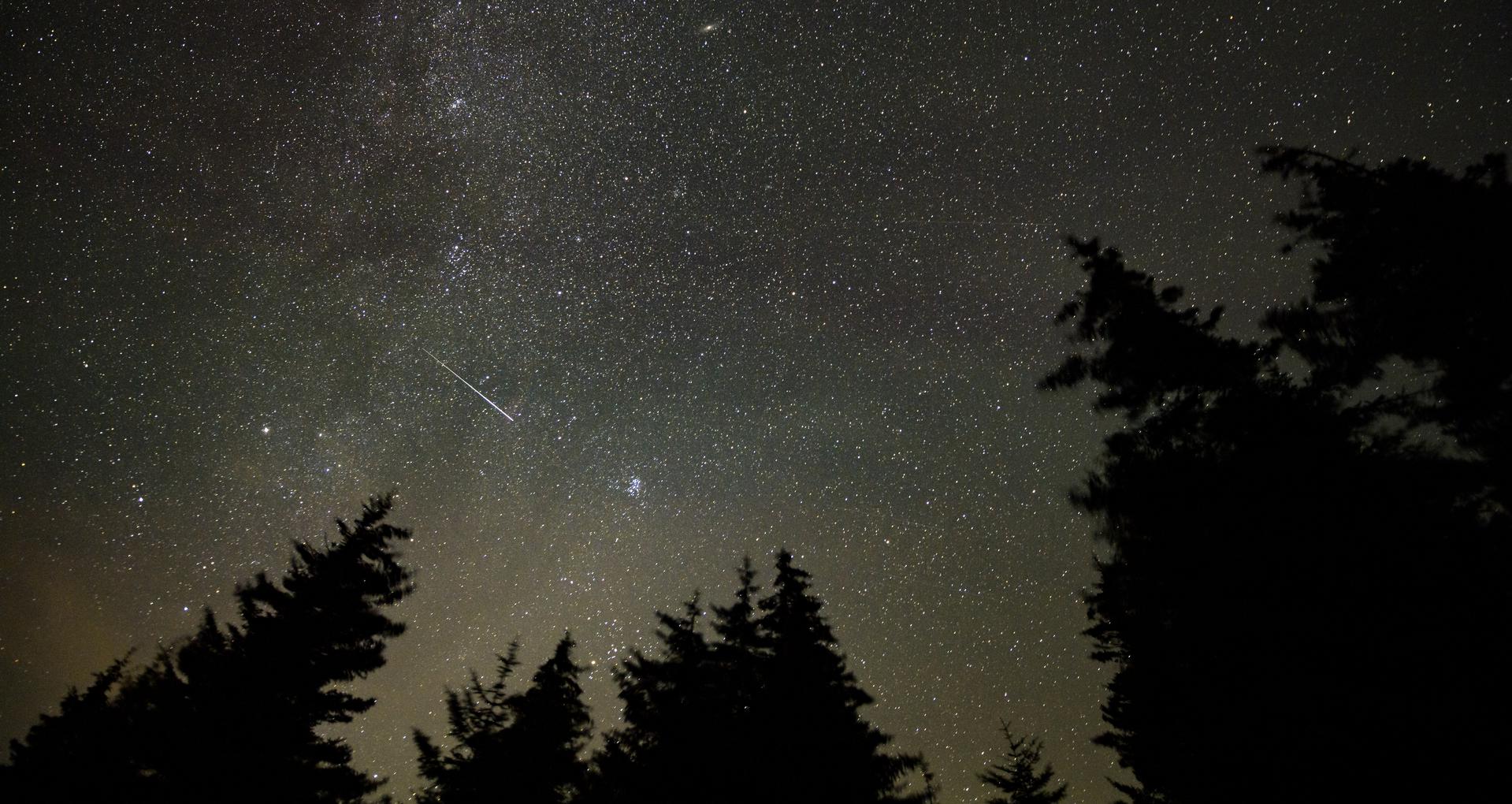
Full Moon to Wash Out Peak of Delta Aquariid–Alpha Capricornid Double Meteor Shower
A nearly full moon will drown out most of the Southern Delta Aquariids' July 28-29 peak, but the slower, brighter Alpha Capricornid fireballs that follow on July 30-31 should still cut through the glare.
-
Science & Discovery
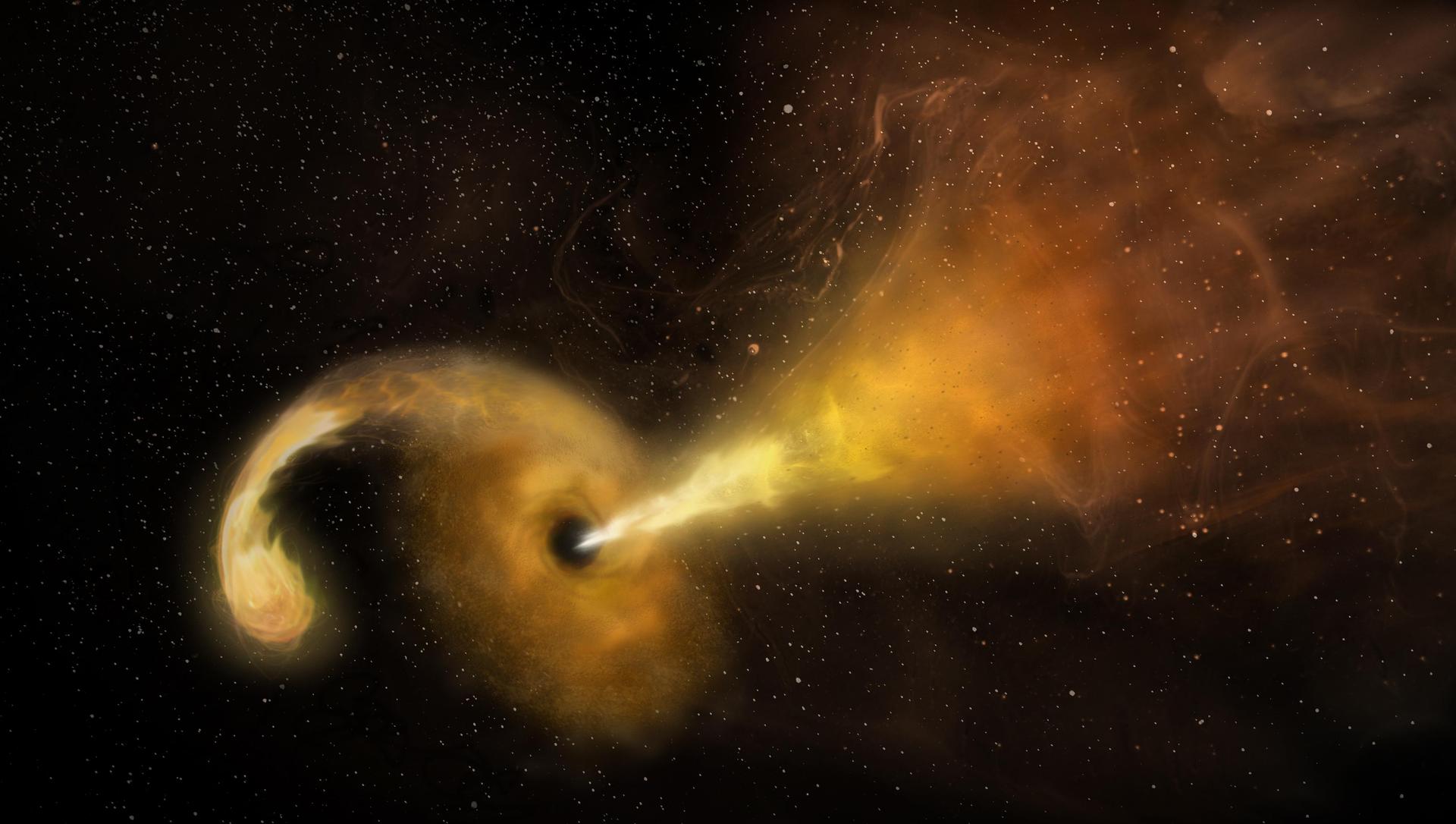
A Black Hole Wandered 30,000 Light-Years From Home — Then It Ate a Star
NASA's Swift Observatory and a UNC-Chapel Hill team caught a roughly million-solar-mass black hole shredding a star far outside its galaxy's core — the farthest such offset ever seen, and evidence that black holes can go wandering after galactic mergers.
-
Missions
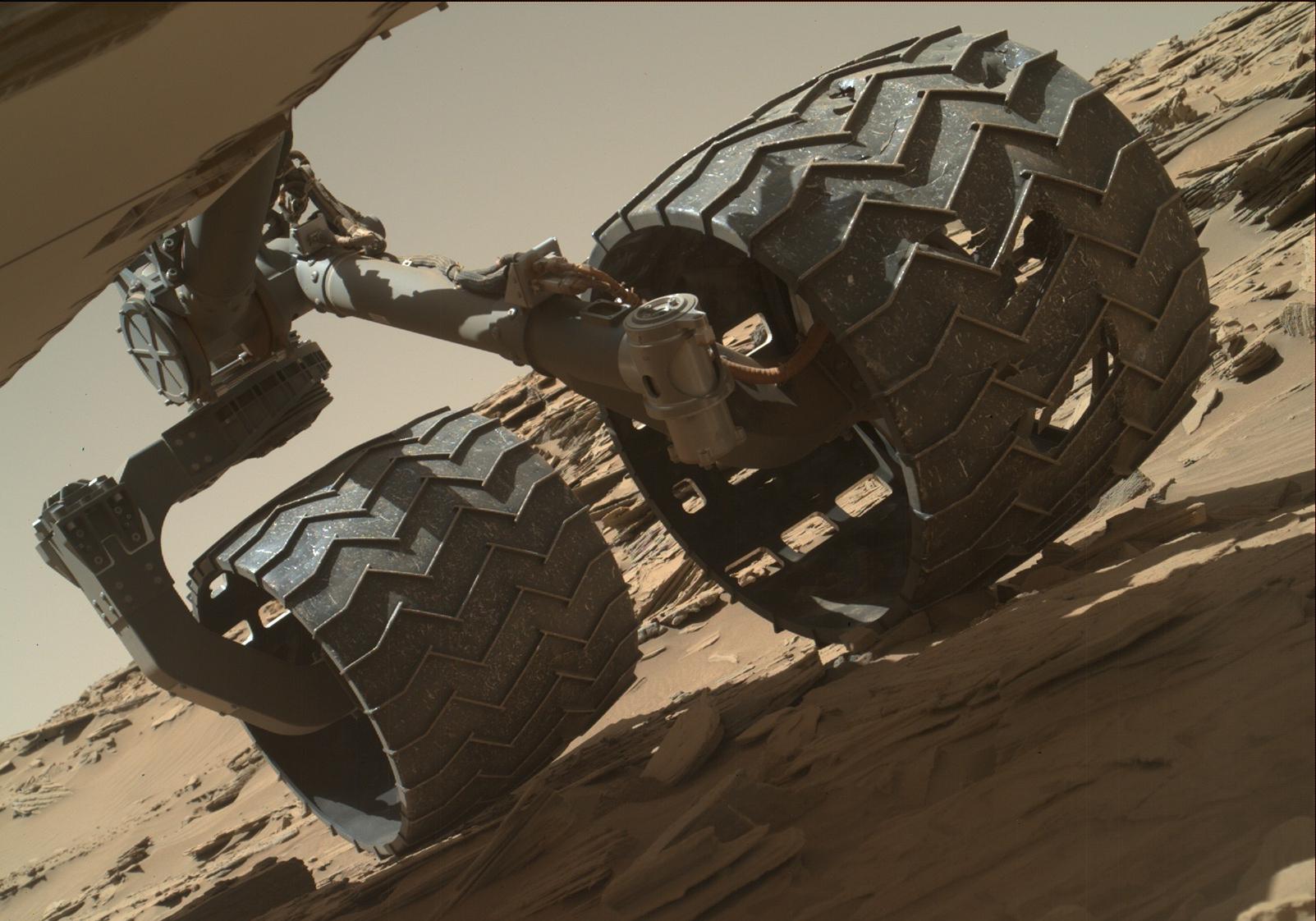
Fourteen Years, Twenty Miles: Curiosity's Wheels Show Their Age in New Close-Up
A new MAHLI close-up from Sol 4963 shows Curiosity's aluminum wheels riddled with cracks and holes after nearly 14 years and 20+ miles of driving across Gale Crater — and NASA says that's still within spec.
-
Astronomy
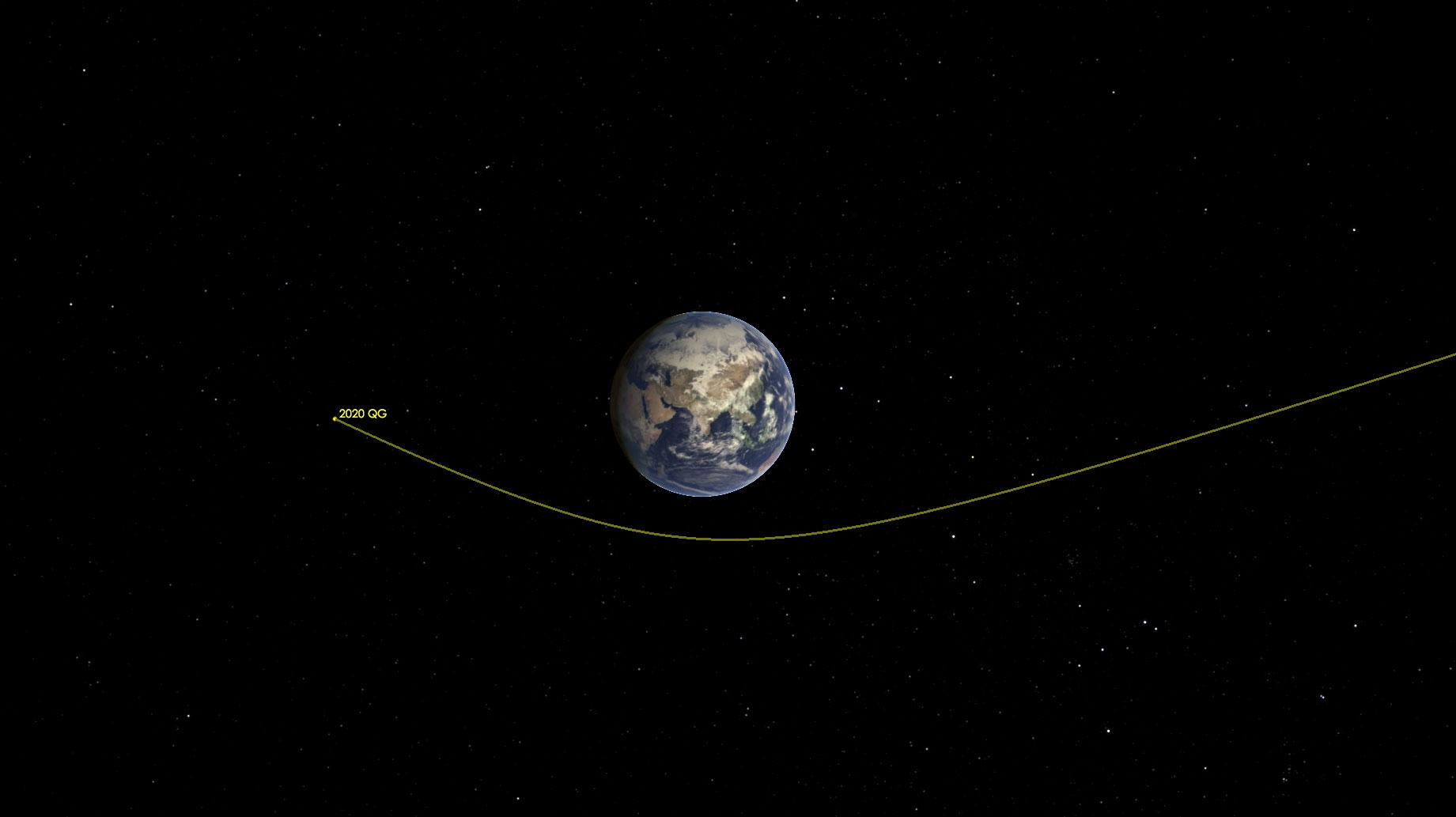
A House-Sized Asteroid Just Passed Closer to Earth Than the Moon
Newly discovered asteroid 2026 OD3 buzzed past Earth at 0.6 lunar distances on July 25, one of three close flybys this week that underscore how many small asteroids go undetected until days before arrival.
-
Commercial
Intel Unveils 'Starfire,' Its First Space-Grade System-on-Chip for Government Satellites
Intel Government Technologies is entering the orbital computing market with Starfire, an 18A-process SoC aimed at giving satellites the onboard horsepower for AI-driven image analysis and anomaly detection.
-
Science & Discovery
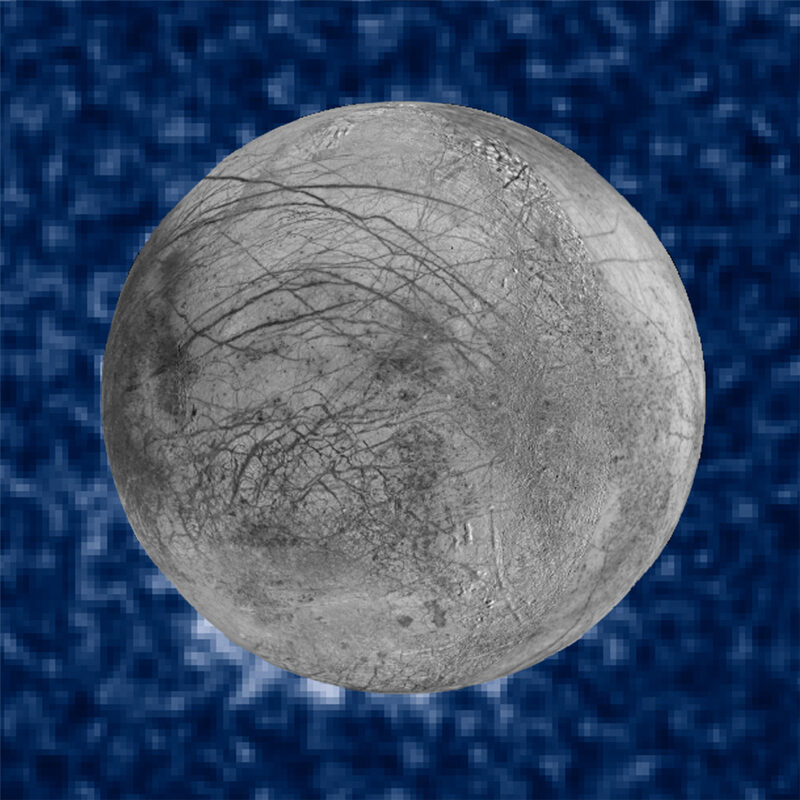
Europa's Ocean May Be Sealed Off: New Model Shows Cracks Freeze Shut Before Water Reaches the Surface
A Nature Astronomy study led by Rutgers' Lujendra Ojha finds that water rising through Europa's ice-shell fractures supercools and clogs with frazil ice, freezing narrow cracks shut within hours - reshaping where Europa Clipper and JUICE should hunt for habitable niches.
-
Missions
Expedition 74 Trio Rides Soyuz MS-28 Home After 241 Days in Orbit
NASA's Chris Williams and cosmonauts Sergey Kud-Sverchkov and Sergei Mikaev landed on the Kazakh steppe aboard Soyuz MS-28 on July 26, 2026, ending an eight-month mission as Jessica Meir took command of Expedition 75.
-
NASA & Agencies
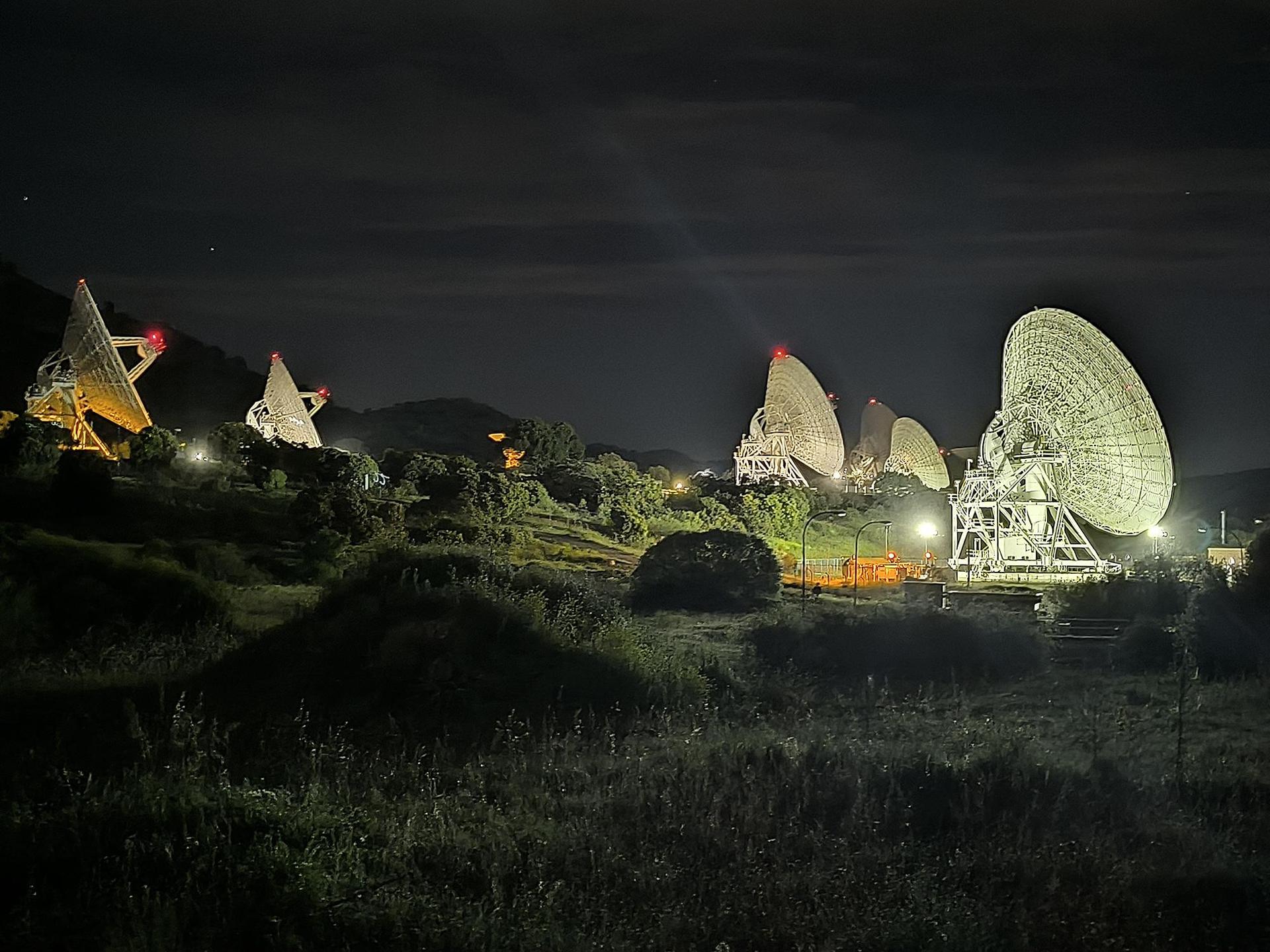
Wildfires Force NASA to Evacuate Its Madrid Deep Space Station, Shifting Voyager Tracking to California
Wildfires near Madrid forced NASA to evacuate one of only three Deep Space Network complexes on Friday; all 90 workers got out safely and mission support, including the Voyager 1 downlink, shifted seamlessly to Goldstone in California.
-
Commercial
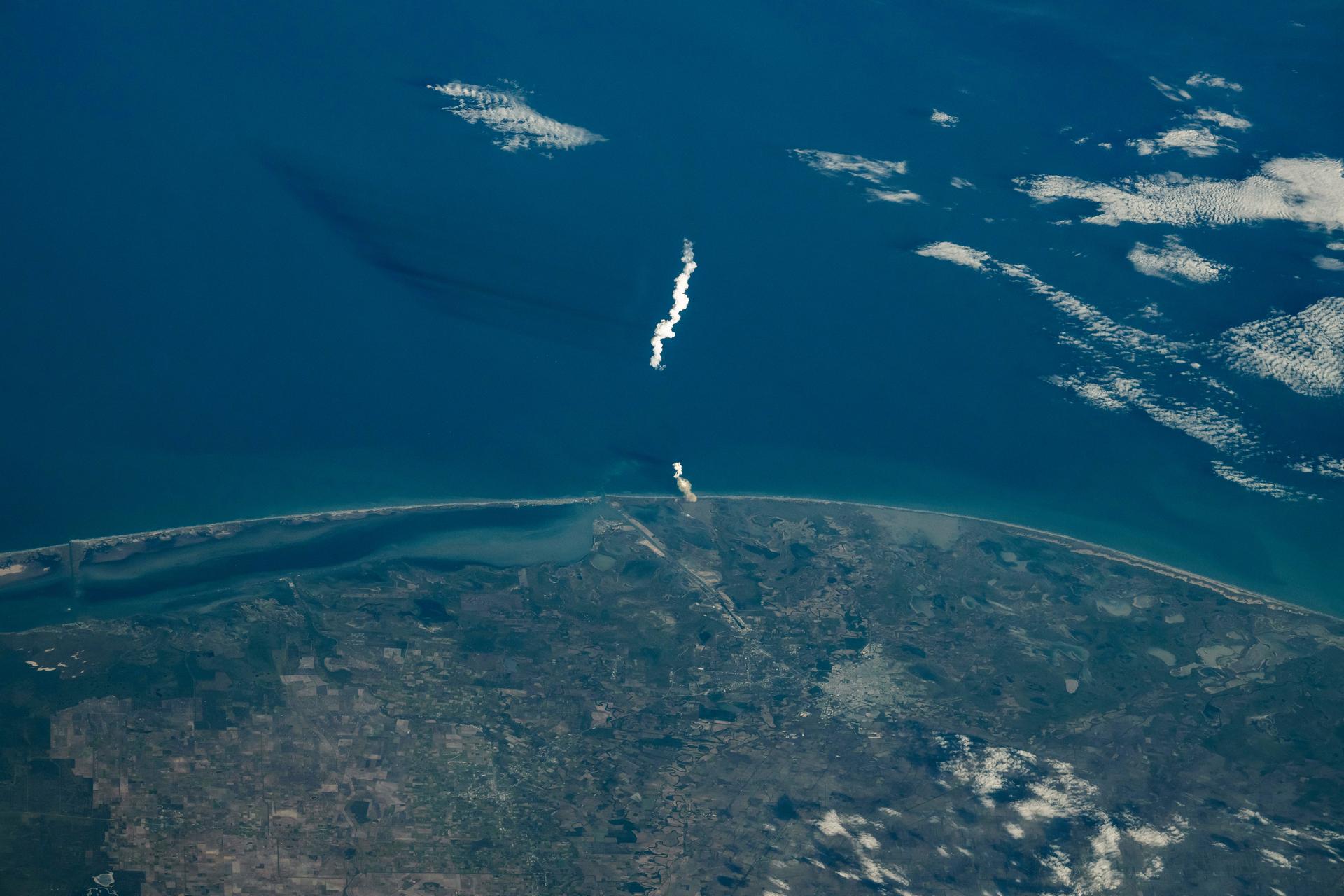
Starship Flight 13 Nails Its First Intact Splashdown — and Drops 20 Real Starlink Satellites
On Flight 13, SpaceX put an intact Starship in the water for the first time and deployed 20 working Starlink V3 satellites — its first real payloads — even as the Super Heavy booster came down hard after an incomplete landing burn.