NASA
Every Cosmic Herald story on NASA — missions, launches, discoveries, and the business of space, newest first.
-
Astronomy
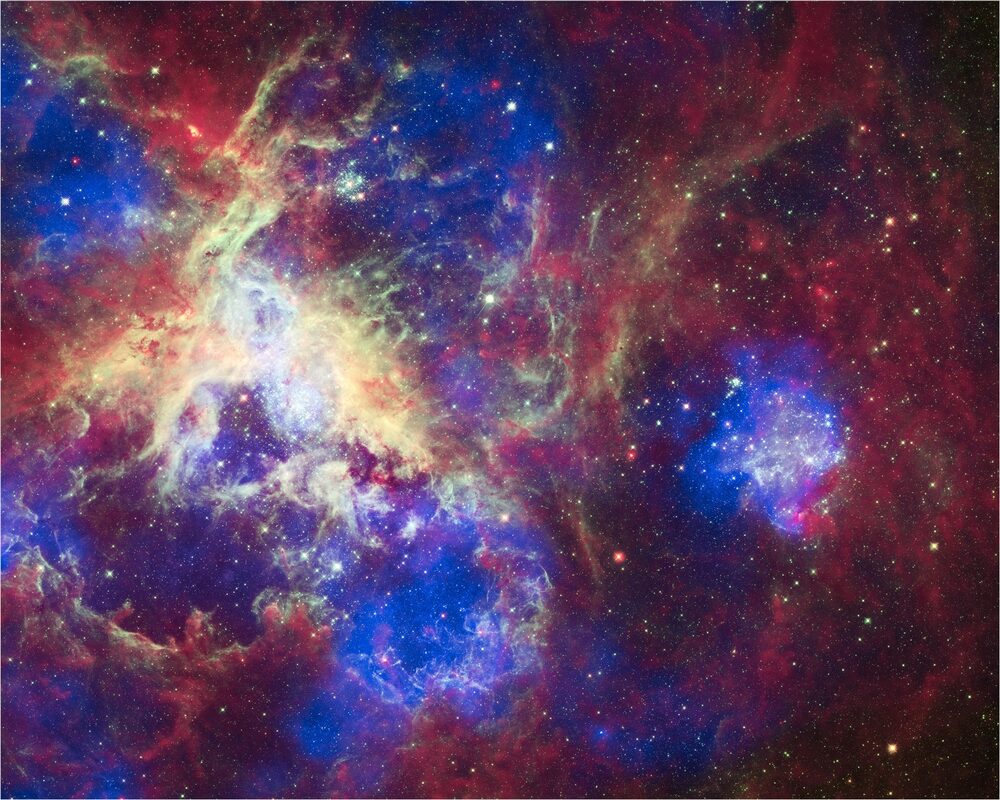
Three Space Telescopes Turn the Tarantula Nebula Into a Layered 'Craft' — and Solve an X-ray Mystery
NASA's new Chandra-Webb-Hubble composite of the Tarantula Nebula looks like stacked cellophane, and the science behind it explains why the region glows with far less X-ray light than star-formation models predicted.
-
NASA & Agencies
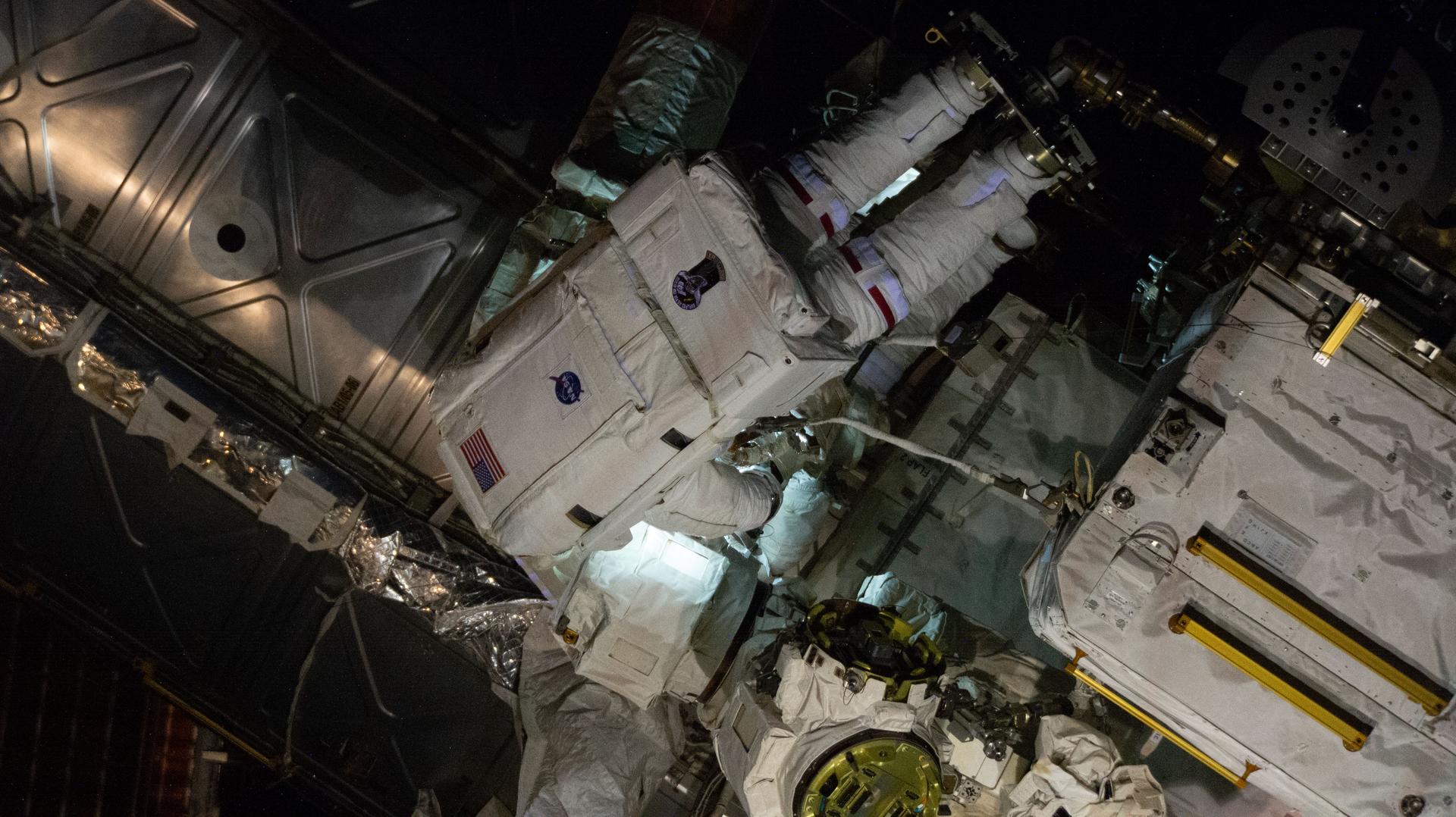
Station Crew Preps for Three-Agency Spacewalk to Swap Out a Balky Antenna
NASA says Expedition 75's Anil Menon and ESA's Sophie Adenot will step outside the ISS on August 18 for a 6.5-hour spacewalk to replace a space-to-ground antenna on the Z1 truss.
-
Stargazing
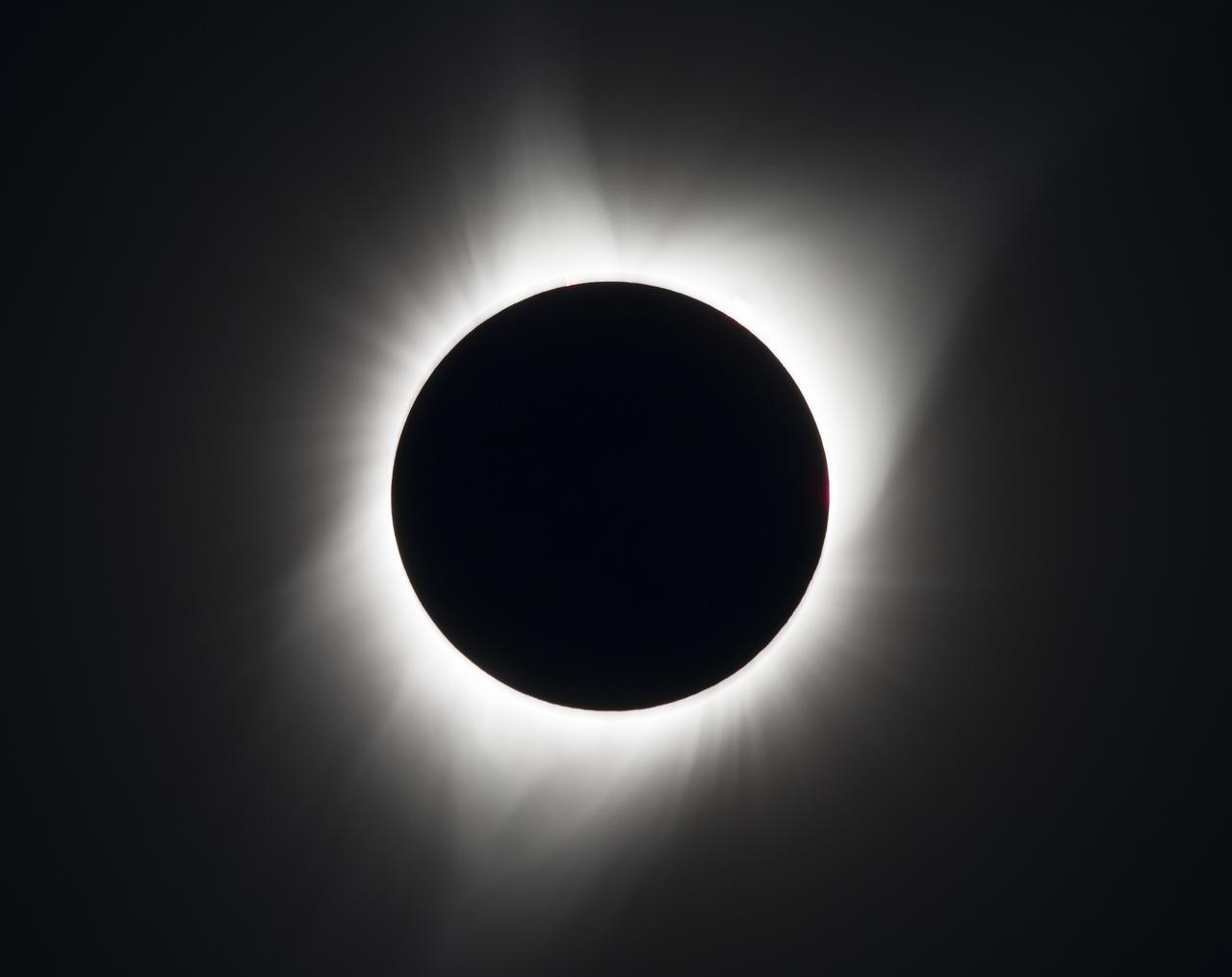
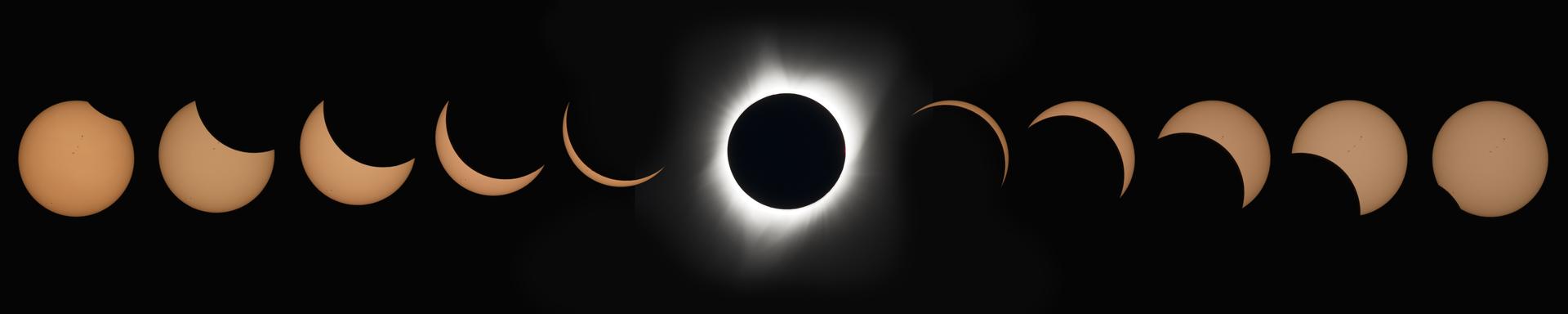
Total Solar Eclipse and Peak Perseids Collide Over Europe on August 12
A total solar eclipse crosses Greenland, Iceland, and Spain on August 12, 2026, then the New Moon lets that same night's Perseid peak deliver up to 100 meteors an hour with zero lunar glare.
-
Astronomy
Webb Telescope Reveals the Lion Nebula's Infrared Mane in Stunning New Detail
NASA's James Webb Space Telescope has imaged the "Lion Nebula" in infrared, exposing dust clumps and ionized gas invisible to Hubble and revealing the white dwarf that will finish dismantling the structure in about 10,000 years.
-
Missions
NASA Breaks Down the Physics of X-59's Quiet Sonic 'Thump' Ahead of Community Flights
NASA's August 10 Quesst blog explainer details how the X-59 turns a sonic boom into a delayed, car-door-like thump — data the agency will hand to regulators writing new supersonic-over-land noise rules.
-
Missions
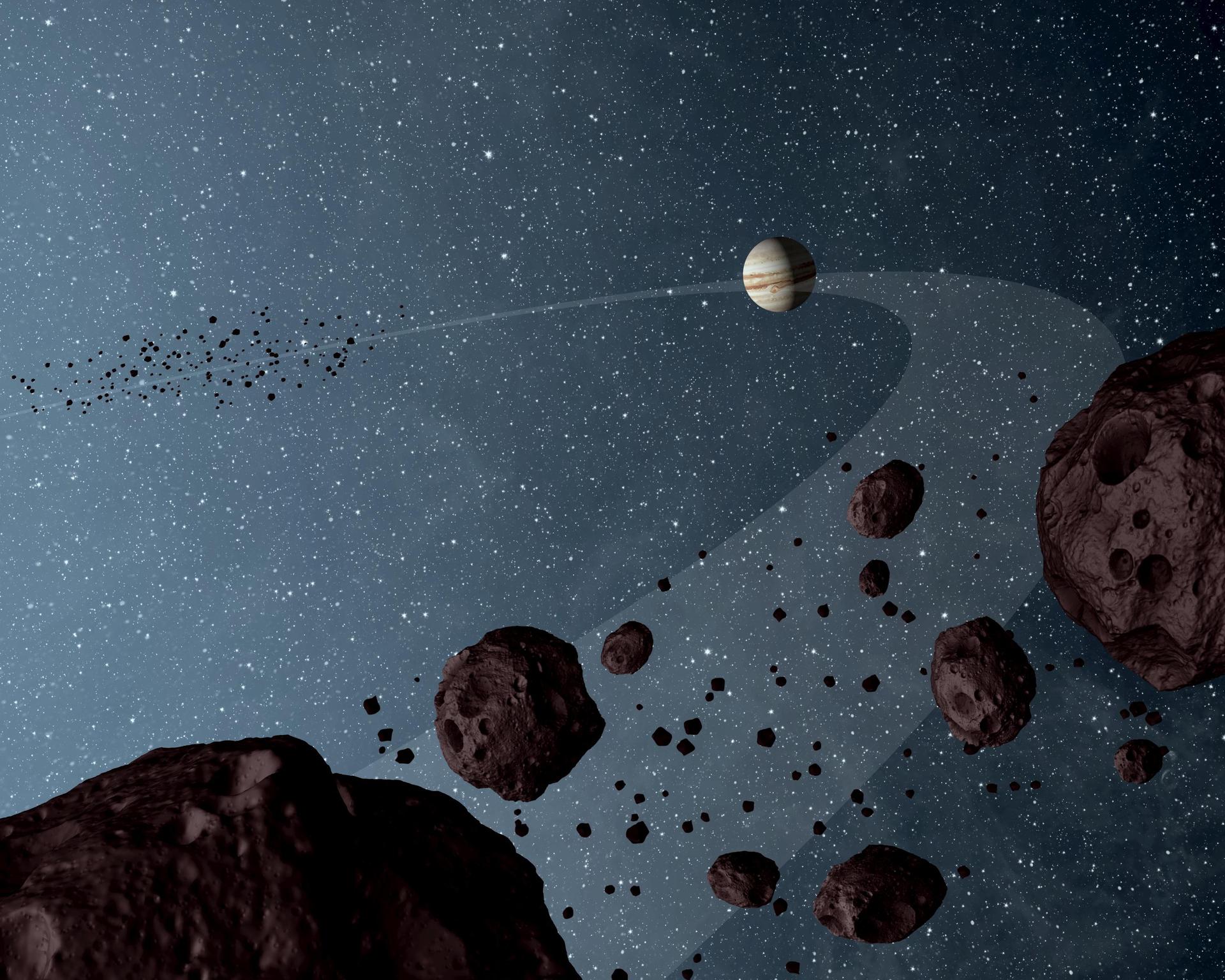
Lucy Turns Its Sharpest Camera on Four Trojan Targets in a Dress Rehearsal for the 2027 Flybys
NASA's Lucy spent spring 2026 photographing Eurybates, Polymele, Leucus and Orus from hundreds of millions of miles away — calibration shots under flyby-like lighting that Earth's telescopes can't reproduce, ahead of close passes at 300-600 miles starting August 2027.
-
Science & Discovery
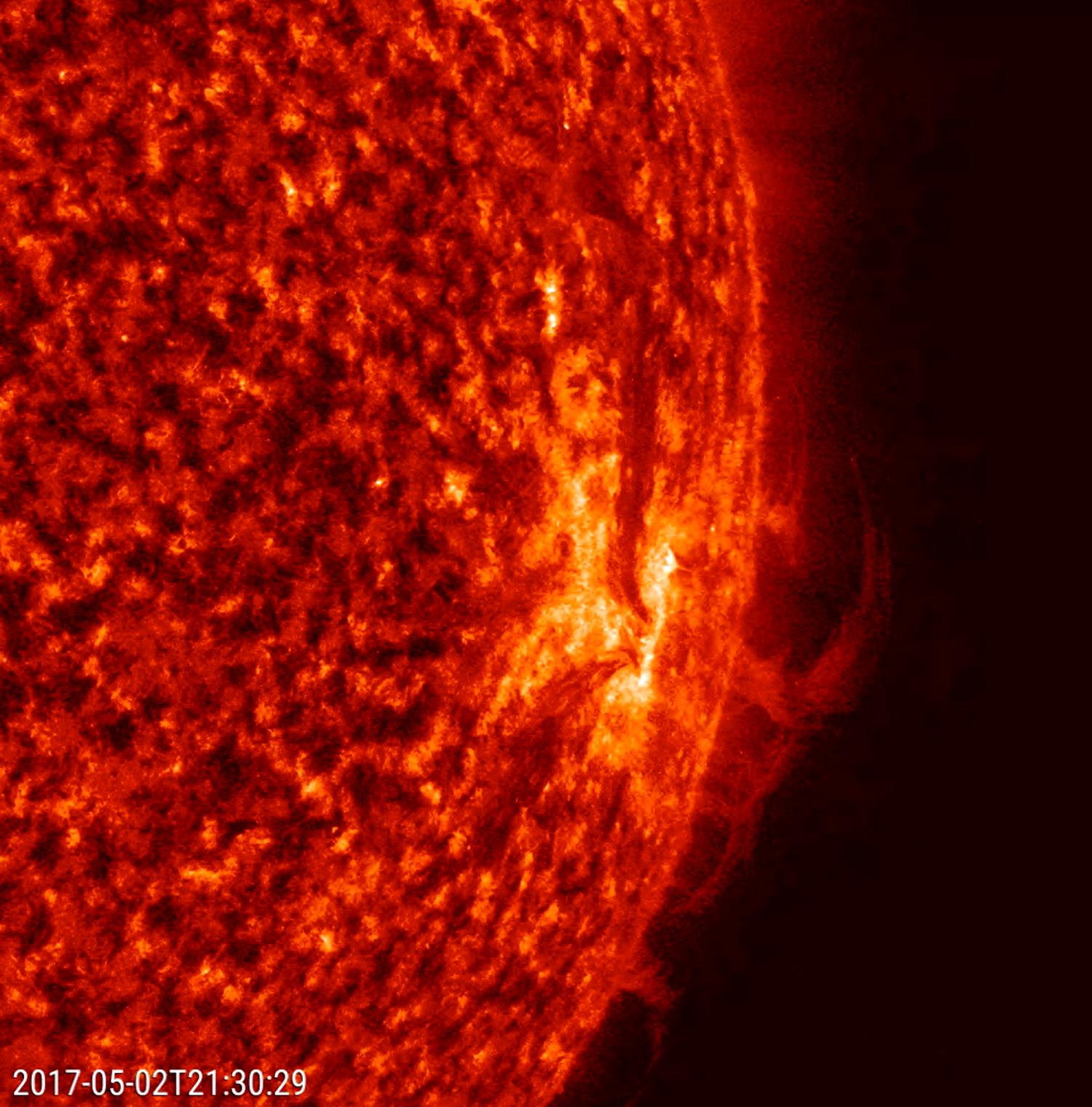
Sharpest-Ever Sun Images Reveal Swirling Instabilities Hiding in Plain Sight
The Inouye Solar Telescope's highest-resolution images yet show Kelvin-Helmholtz vortices are everywhere on the Sun's surface, not rare events — a discovery that may help crack the decades-old mystery of why the corona is millions of degrees hotter than the surface below it.
-
Missions
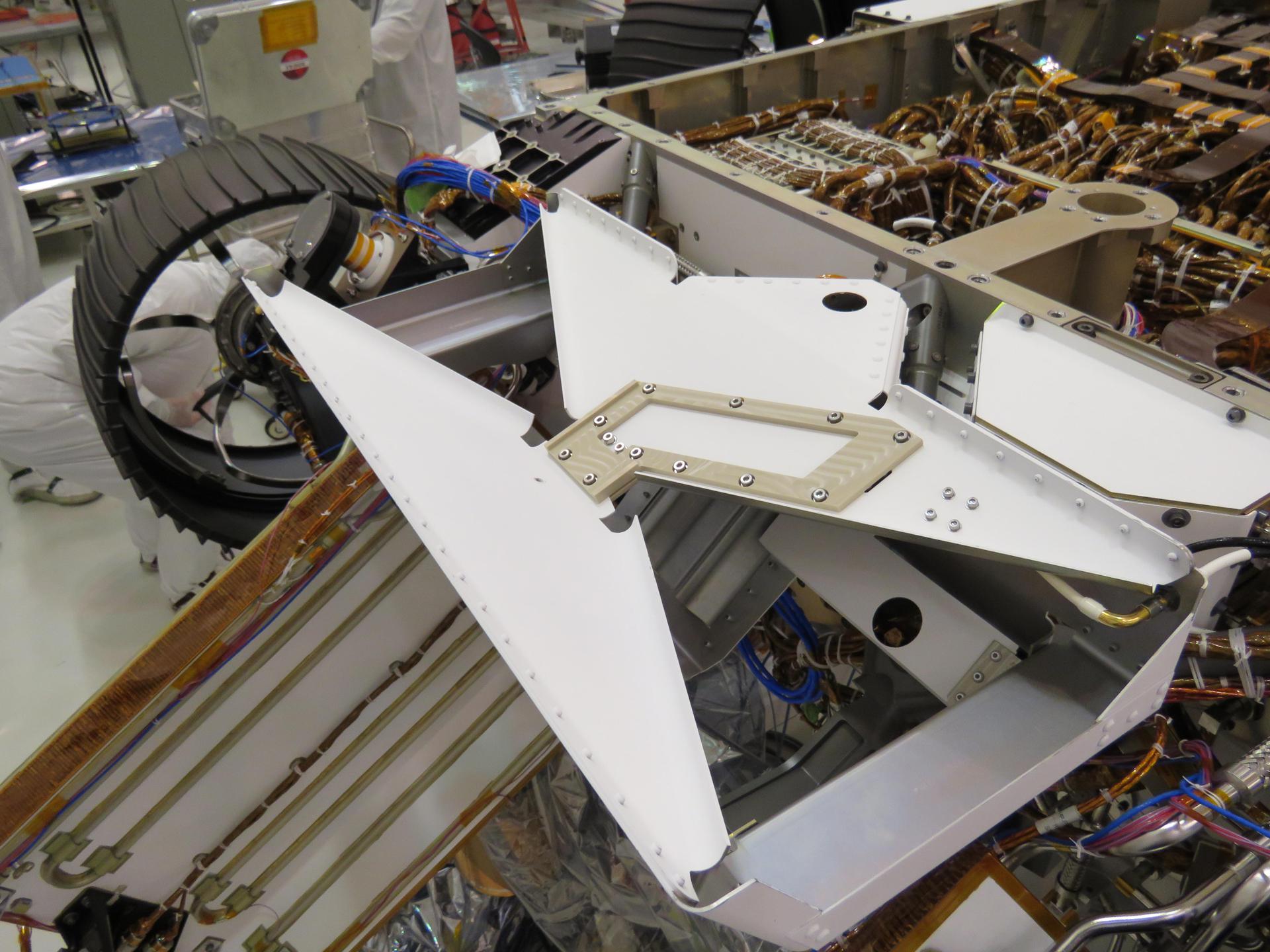
SkyFall's Ice-Hunting Radar Antenna Survives 200 Simulated Mars Landings
JPL put a featherweight fabric radar antenna for NASA's nuclear-delivered SkyFall Mars helicopters through 200 simulated landings without measurable performance loss, clearing a key hurdle ahead of a late-2028 launch.
-
Stargazing
August 12 Total Solar Eclipse Will Cross Greenland, Iceland and Spain — Then Hand Off to the Perseids
A total solar eclipse sweeps from the Denmark Strait through Iceland into northern Spain on August 12, 2026, then gives way to a moonless, "optimum" Perseid peak the same night.
-
Commercial
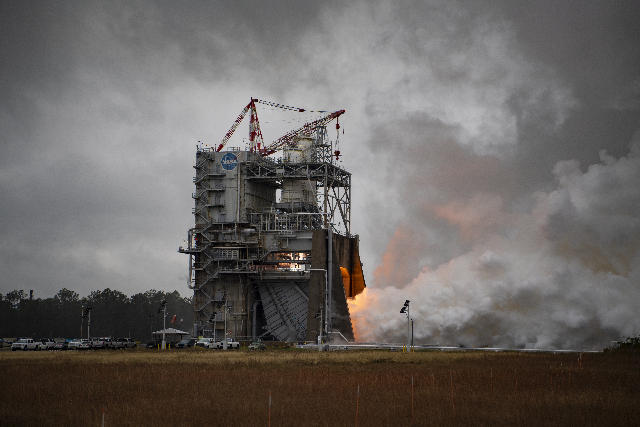
Blue Origin Pins New Glenn Pad Explosion on a BE-4 Oxygen Valve
Blue Origin says a single malfunctioning main oxygen valve on a BE-4 engine destroyed New Glenn and 48 Amazon Leo satellites in May, with fixed hardware due late August and flights targeted before year's end.
-
Science & Discovery
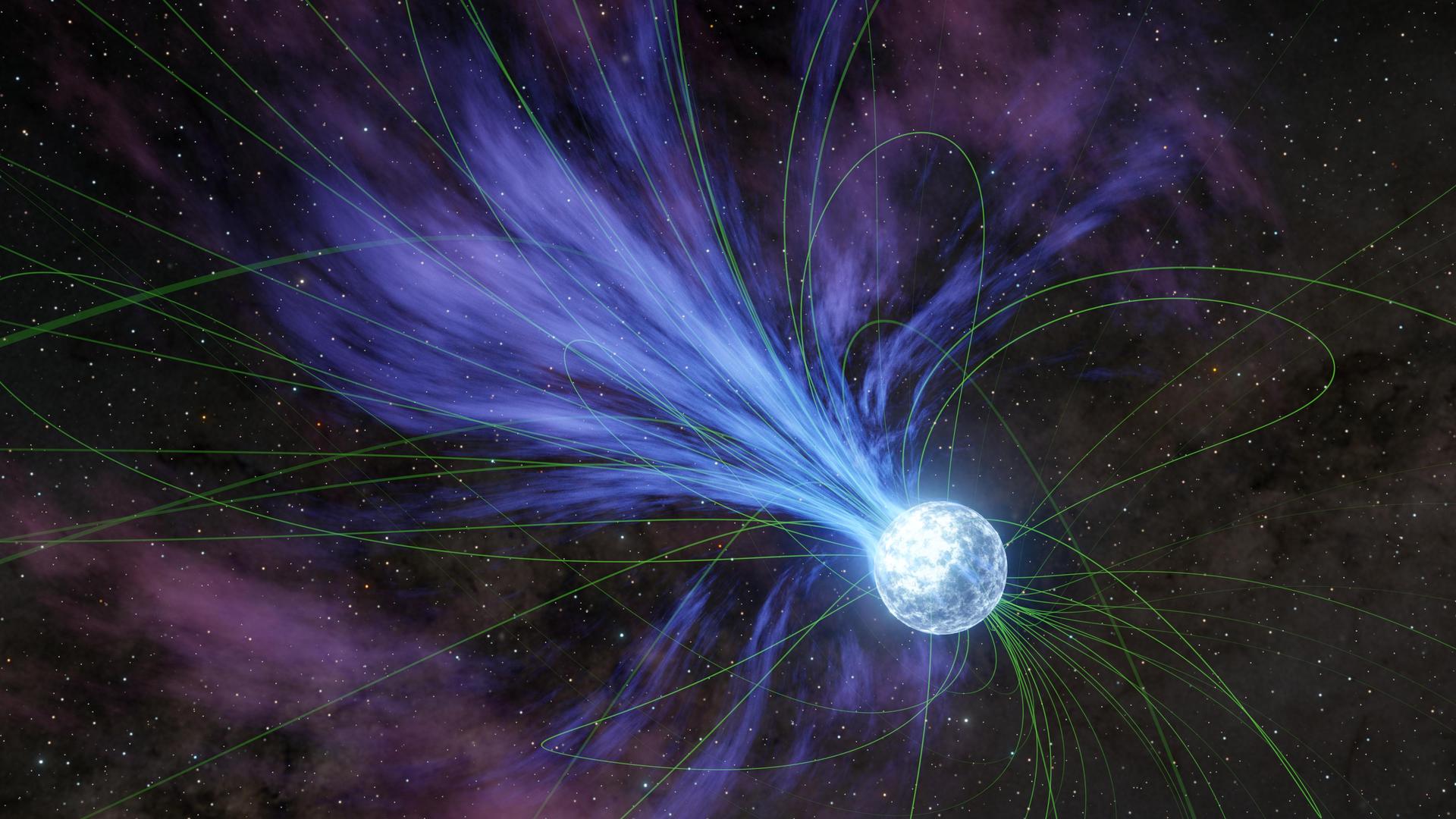
A Dead Star's X-rays May Have Just Confirmed a 90-Year-Old Prediction About Empty Space
NASA's IXPE spacecraft, paired with NICER and Australia's Murriyang radio telescope, caught magnetar 1E 1547.0-5408 emitting X-rays polarized up to ~80% — evidence that its trillion-times-Earth magnetic field bends empty space itself, as QED predicted in 1936.
-
NASA & Agencies
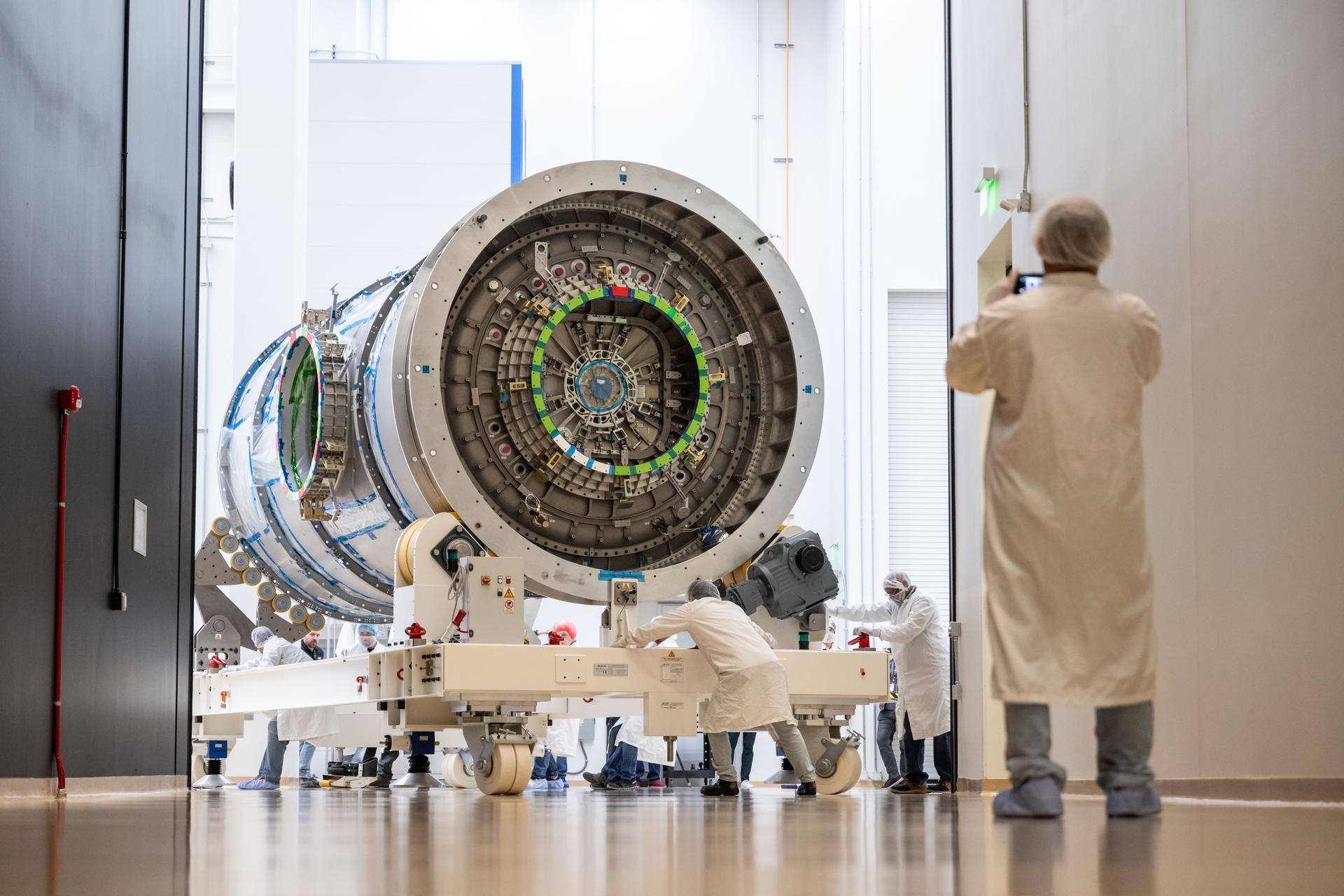
NASA and Northrop Grumman Repurpose Gateway's HALO Tech for Lunar South Pole Demo Missions
Facing scrutiny over Gateway's ballooning costs, NASA and Northrop Grumman are redirecting HALO module technology into three South Pole demo missions meant to prove out Moon Base hardware years before Gateway itself flies.