NASA
Every Cosmic Herald story on NASA — missions, launches, discoveries, and the business of space, newest first.
-
Science & Discovery
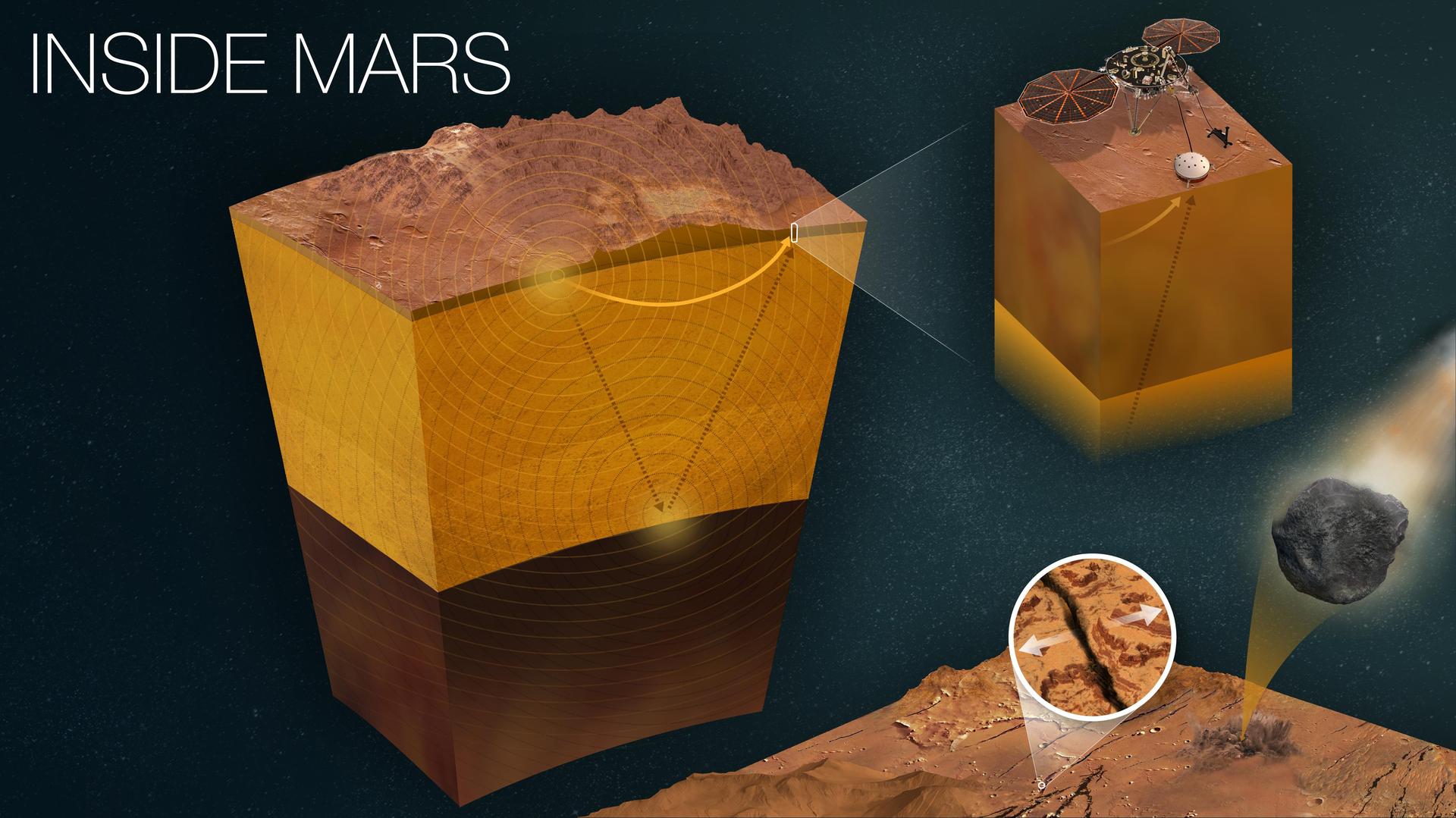
Marsquakes Reveal a Hidden Magma Engine Beneath the Red Planet's Crust
Seismic data from NASA's InSight lander points to vast, Earth-like magma systems deep inside Mars — built without plate tectonics, and possibly still fed by active mantle plumes.
-
NASA & Agencies
NASA and the SBA Sign a Deal to Funnel Small Businesses Into the Space Economy
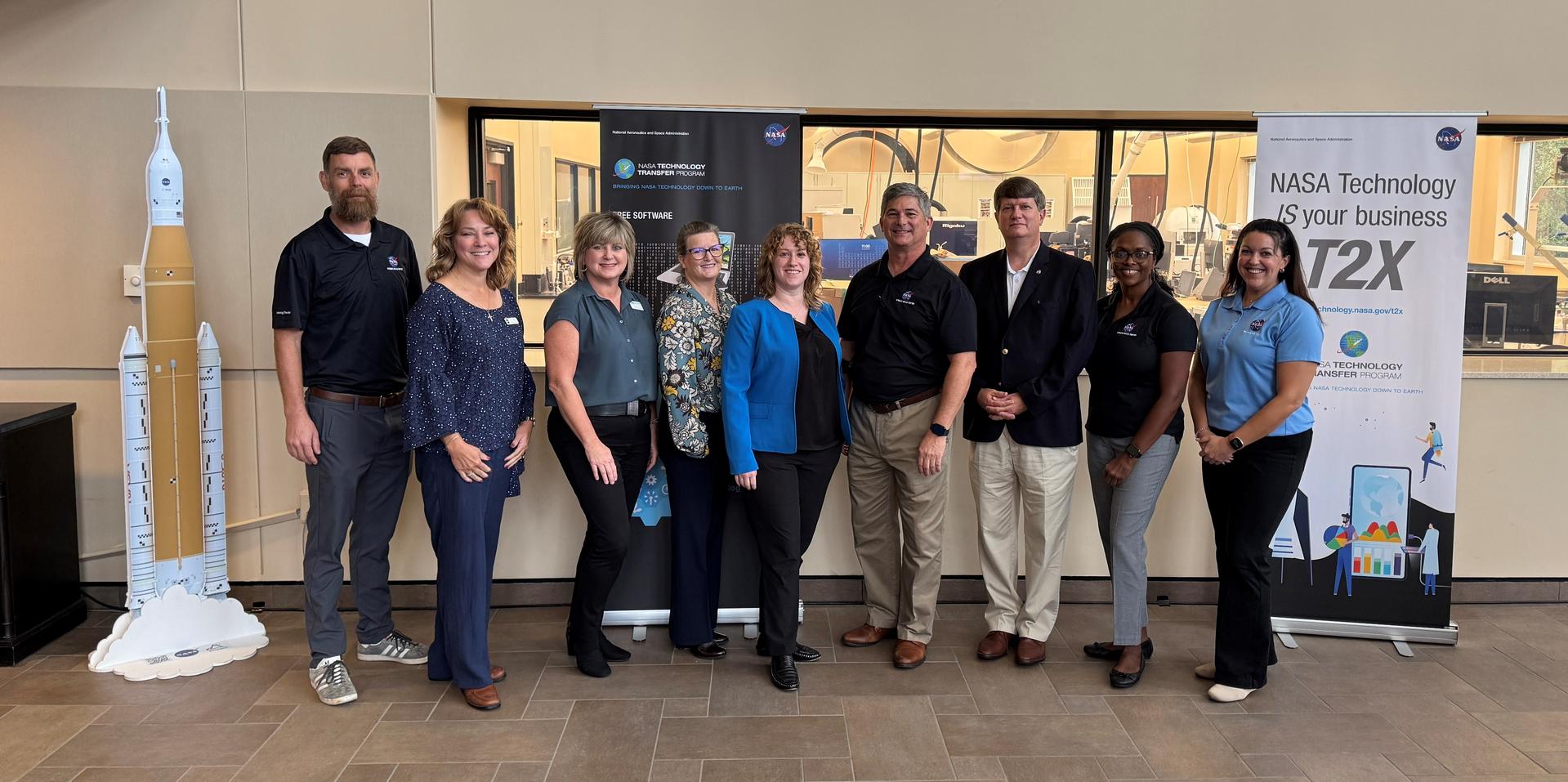
NASA and the Small Business Administration signed a memorandum of agreement on June 29, 2026, launching an interagency initiative to grow the American space economy under President Trump's National Space Policy.
-
Stargazing
This Week's Sky: Mars Slides Into the Pleiades as the Strawberry Moon Rises
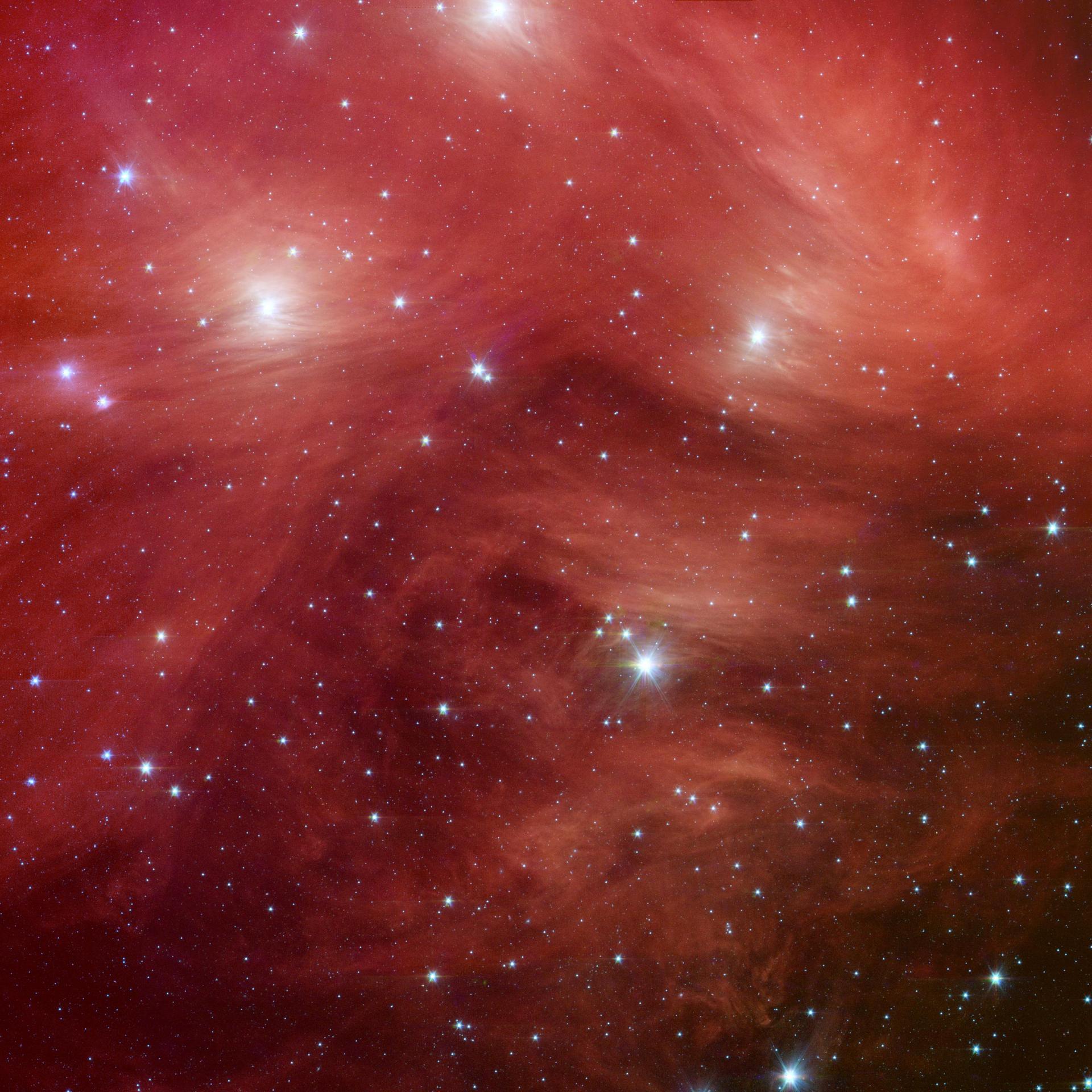
A dated late-June 2026 observing guide: Mars passes the Pleiades June 27-29 in the pre-dawn east, the Full Strawberry Moon rises June 29-30 near Sagittarius' Teapot, Mercury starts retrograde, and the Summer Triangle frames the season's best nebulae.
-
NASA & Agencies
Spacewalk 95: Two NASA Astronauts Head Outside to Give Canadarm2 a New Wrist
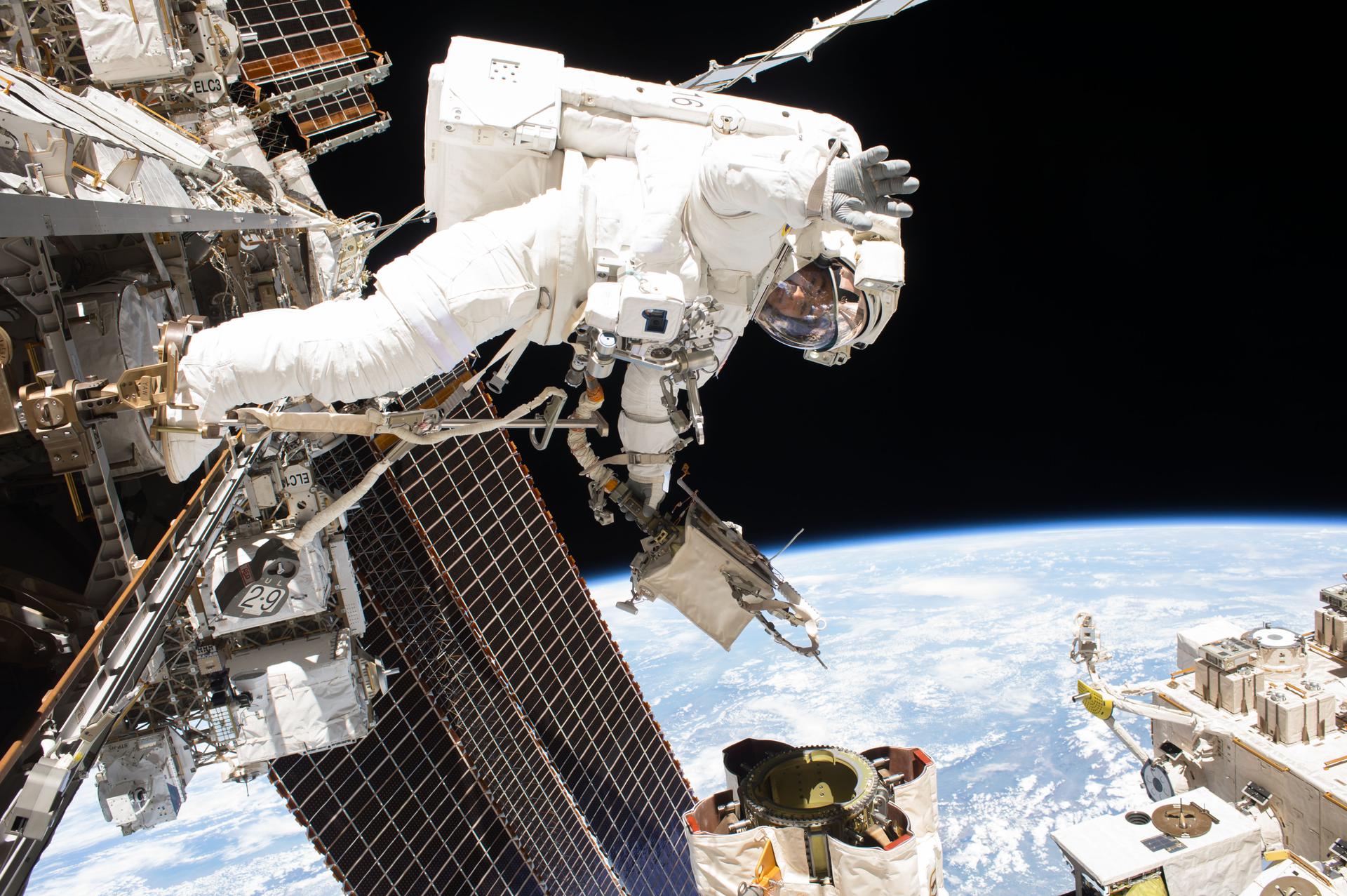
On June 30, NASA astronauts Chris Williams and Jessica Meir will spend roughly six and a half hours outside the ISS replacing a malfunctioning wrist roll joint on the 25-year-old Canadarm2, the robotic arm that captures and berths visiting cargo ships.
-
Stargazing
Your July 2026 Night Sky: A Daytime-Bright Venus, the Buck Moon, and a Fireball-Rich Meteor Finale
July 2026 hands naked-eye observers a brilliant magnitude -4 Venus near Regulus, a razor-thin 0.11-degree Mars-Uranus pairing before dawn on July 4, the Full Buck Moon on July 29, and twin meteor showers — including fireball-prone Alpha Capricornids — closing the month.
-
Commercial
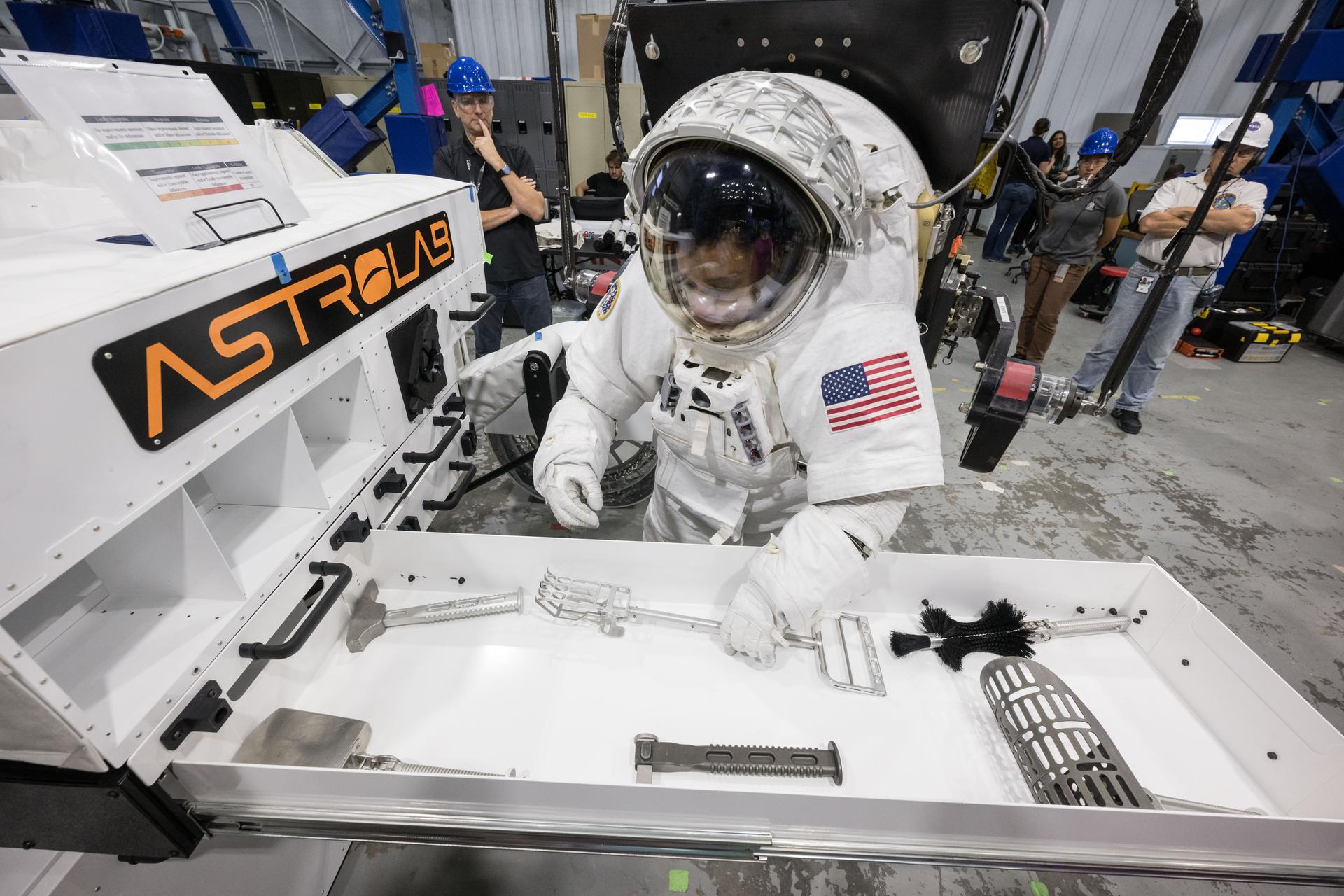
NASA's Moon Base Rovers Get Real: Astrolab and Lunar Outpost Race Toward a 2027 Delivery
NASA wants two commercially built crewed rovers parked near the lunar South Pole by November 2027, ahead of the Artemis 4 landing in early 2028. Here's how Astrolab's CLV-1 and Lunar Outpost's Pegasus aim to survive 150 days of dark at -400°F and still drive 400 km.
-
NASA & Agencies
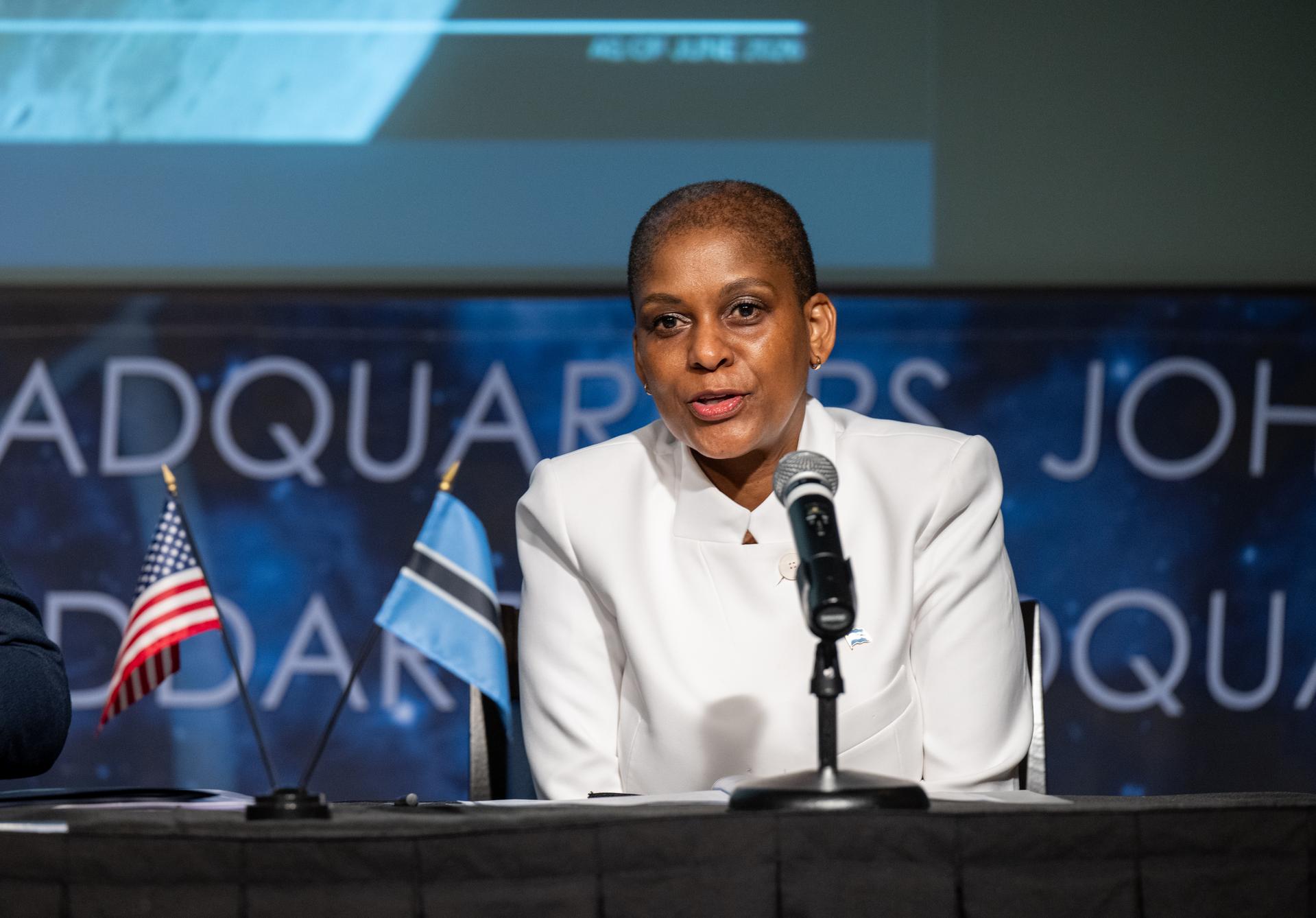
Botswana Signs the Artemis Accords, Becoming the 68th Nation and Sixth African Member
Botswana signed the Artemis Accords on June 25, 2026, becoming the 68th signatory and sixth African nation to join the U.S.-led framework — the ninth country to sign this year alone.
-
Astronomy
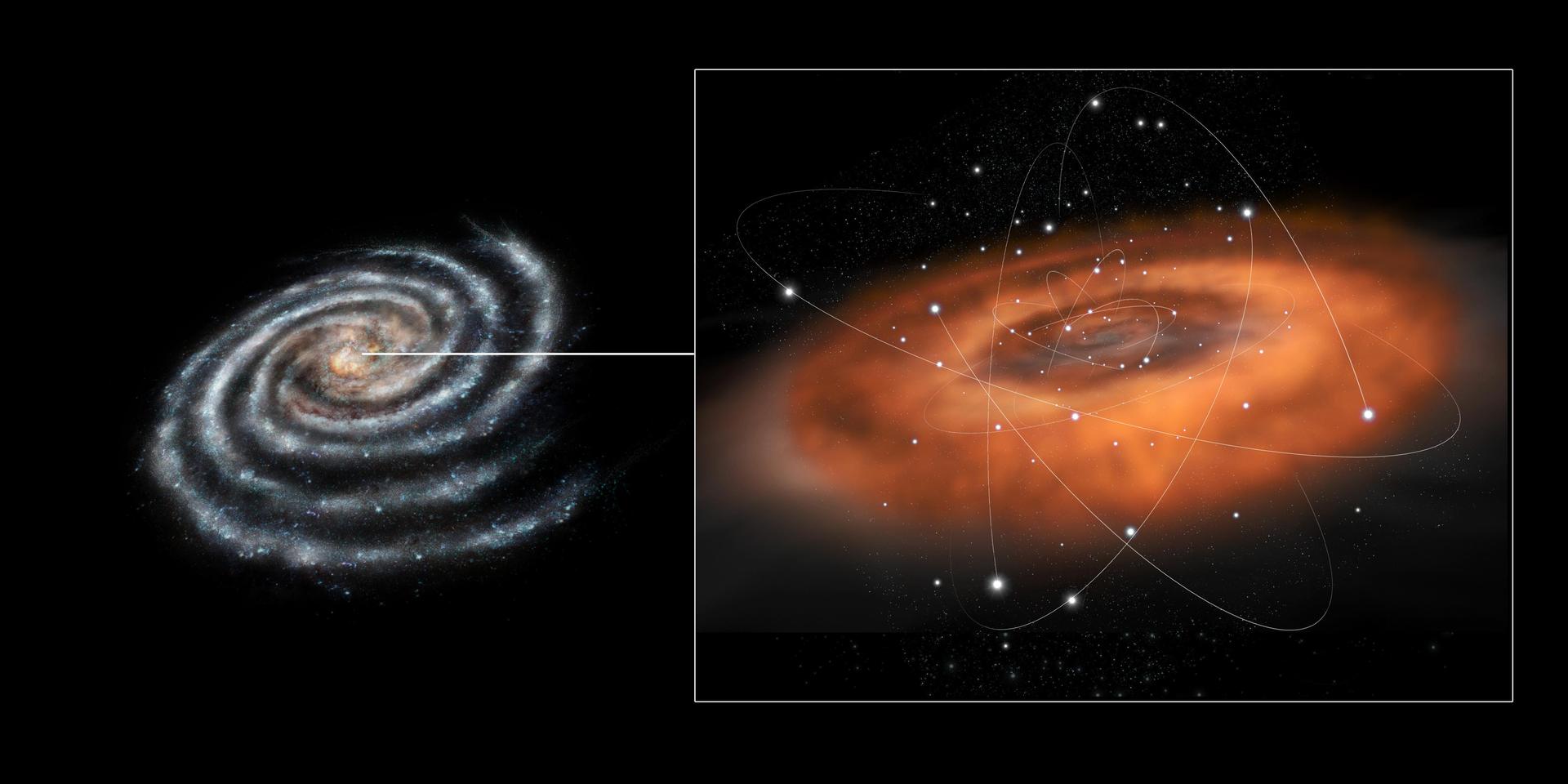
Euclid's 60-Million-Star Portrait of the Galactic Bulge Lays Groundwork for Roman
Euclid's new visible-light mosaic of the Milky Way's crowded center packs 60 million stars across 22 Moons of sky — and quietly hands NASA's Roman telescope a two-year head start on its planet hunt.
-
Science & Discovery
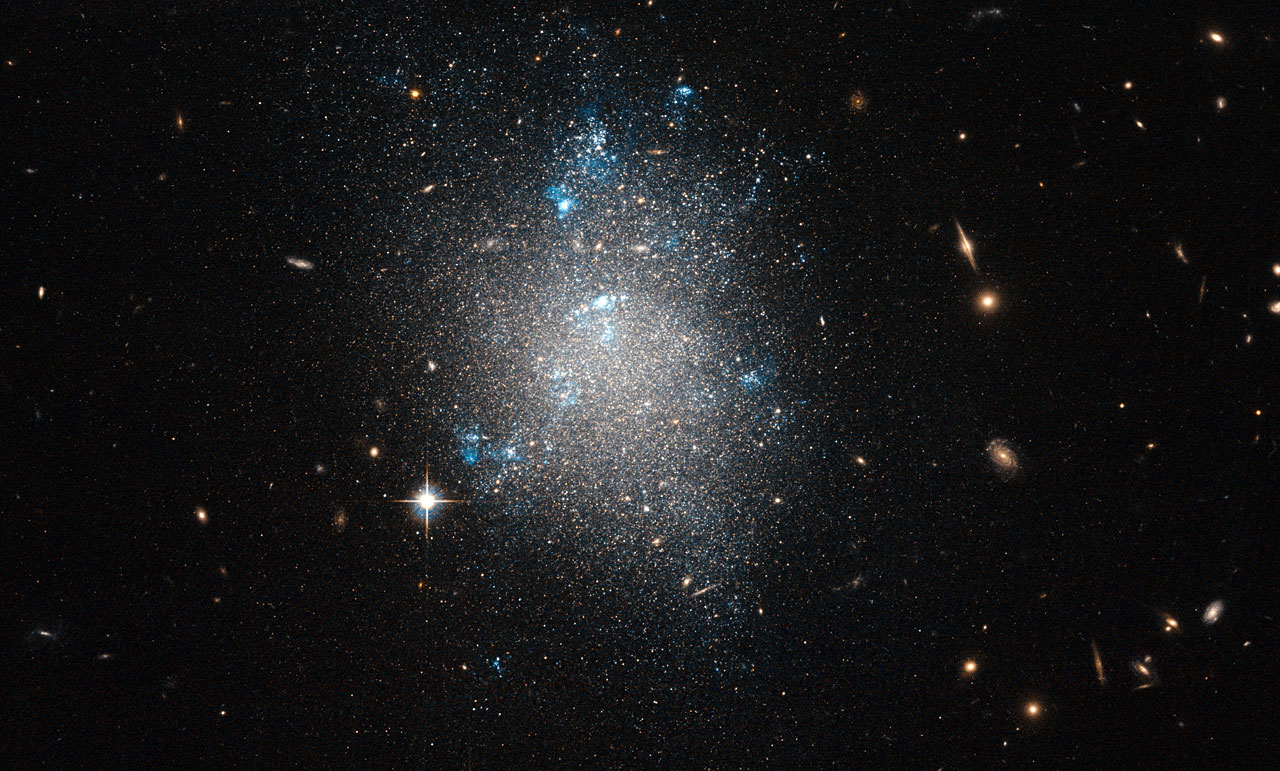
Hubble Catches a Tiny Galaxy Burning Off the Cosmic Fog, 1.4 Billion Years After the Big Bang
Astronomers used Hubble to catch ionizing UV light escaping a small, furiously star-forming galaxy in the reionization epoch — the first such detection, and direct evidence for how the early universe became transparent.
-
Missions
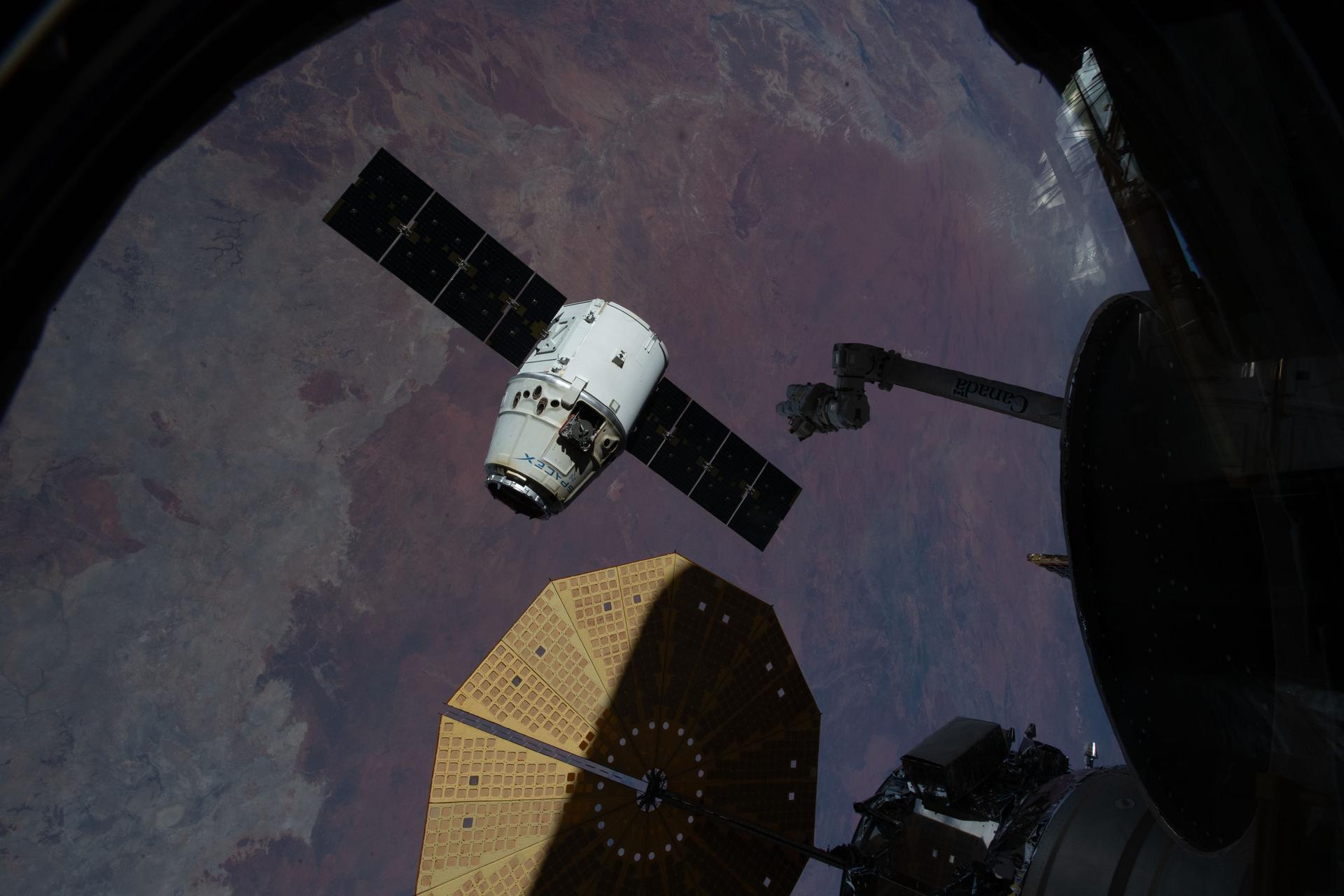
CRS-34 Dragon Heads Home With Bioprinted Tissue and Cancer-Research Cargo
SpaceX's CRS-34 Dragon undocked from the ISS on June 16 and splashed down off California early June 17, carrying thousands of pounds of finished experiments — bioprinted organ tissue, DNA-inspired cancer materials, cryogenic fuel data and more.
-
Missions
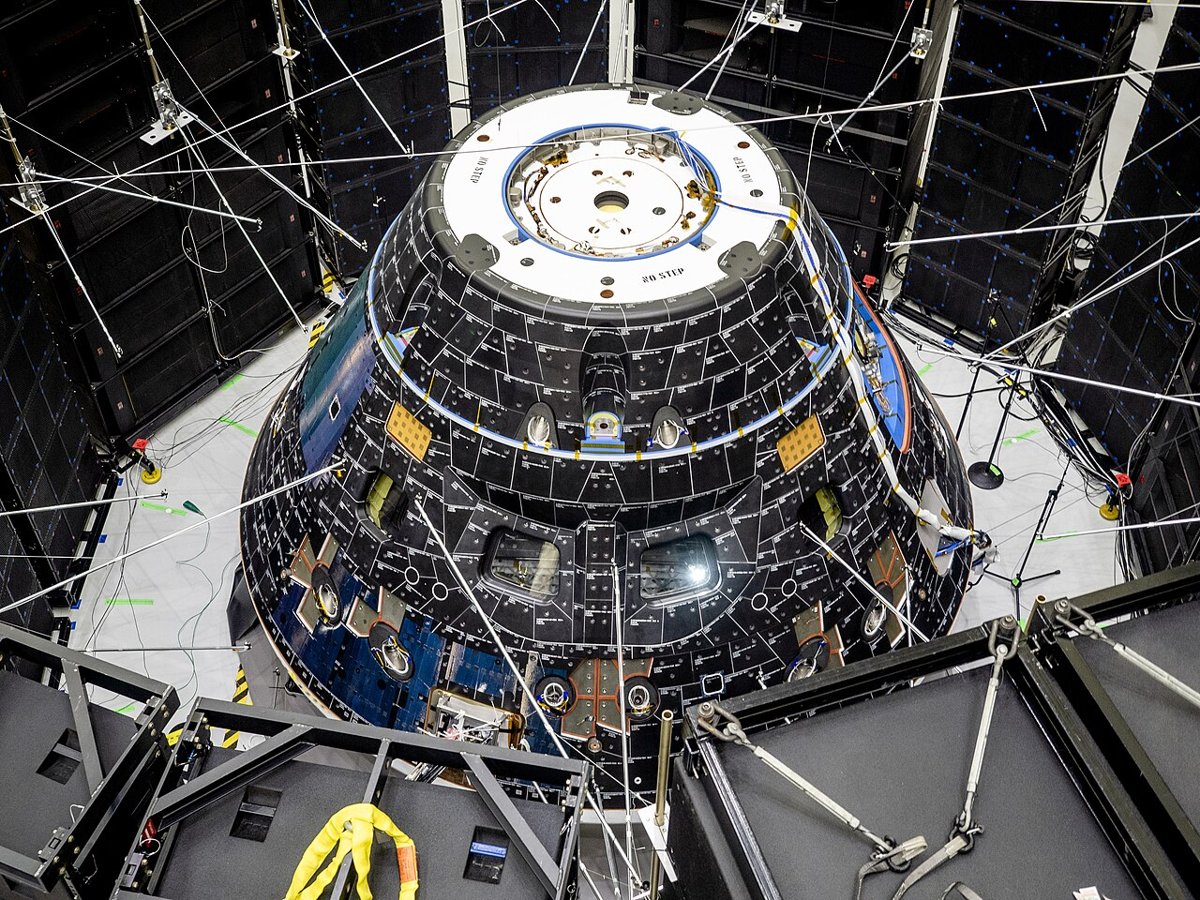
What Artemis II Taught NASA: Real Orion Flight Data Now Shapes the Moon-to-Mars Blueprint
Real Orion flight data from Artemis II is now directly shaping NASA's Moon-to-Mars architecture, as engineers apply lessons from Johnson Space Center's Ion venue to systems that will define how humans reach the Moon — and eventually Mars.
-
Commercial
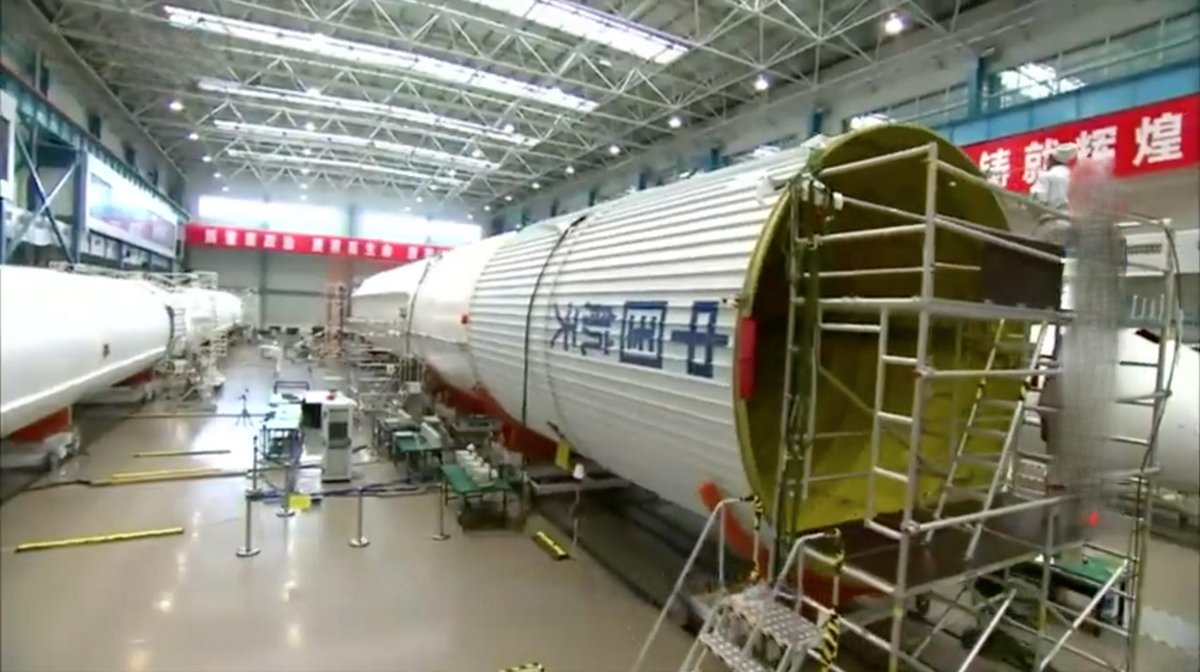
China Schedules Long March 10B Booster Recovery Test in Its Most Direct Challenge to Falcon 9
China has scheduled a Long March 10B launch and booster recovery attempt — Beijing's most ambitious step yet toward domestic reusable launch capability and a structural challenge to SpaceX's Falcon 9.