NASA
Every Cosmic Herald story on NASA — missions, launches, discoveries, and the business of space, newest first.
-
NASA & Agencies
Katalyst LINK Spacecraft Integrated for Swift Observatory Rescue Mission
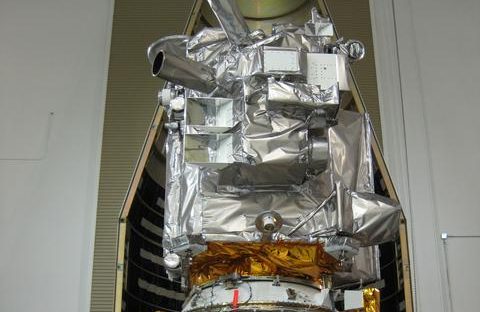
NASA's aging Swift Observatory faces imminent orbital reentry after decaying from 600km to 400km altitude. Katalyst Space's LINK robotic servicing spacecraft, integrated onto a Pegasus XL rocket, launches in late June to grip the telescope with lidar-guided arms and boost it back to operational orbit using ion thrusters.
-
Stargazing
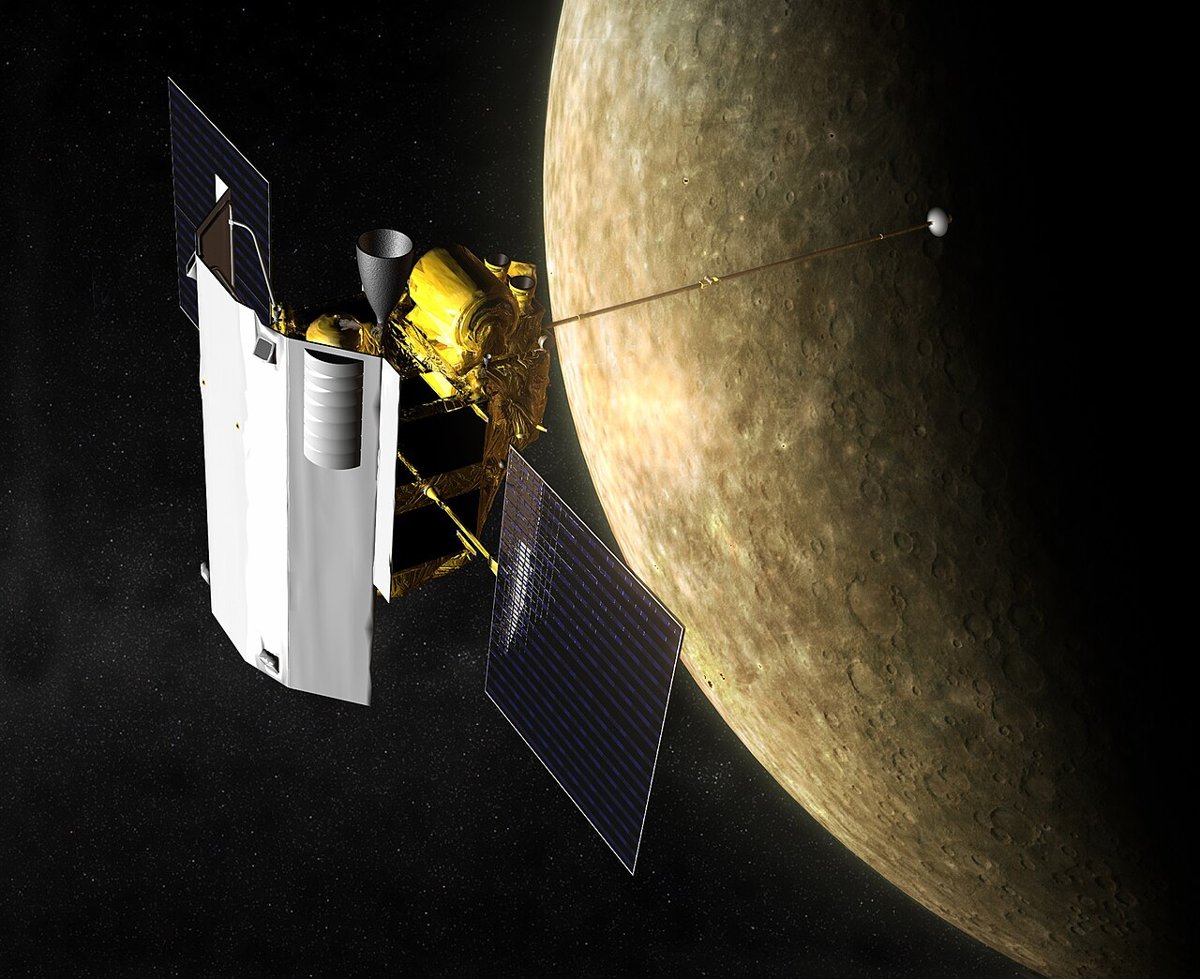
Mercury Reaches Peak Evening Visibility on June 15: Your Guide to the 2026 Viewing Window
Mercury hits its greatest elongation from the Sun on June 15, 2026, shining at magnitude 0.5 and appearing 25° from the solar disk—the best evening viewing window of the year paired with Venus and Jupiter.
-
Military Space
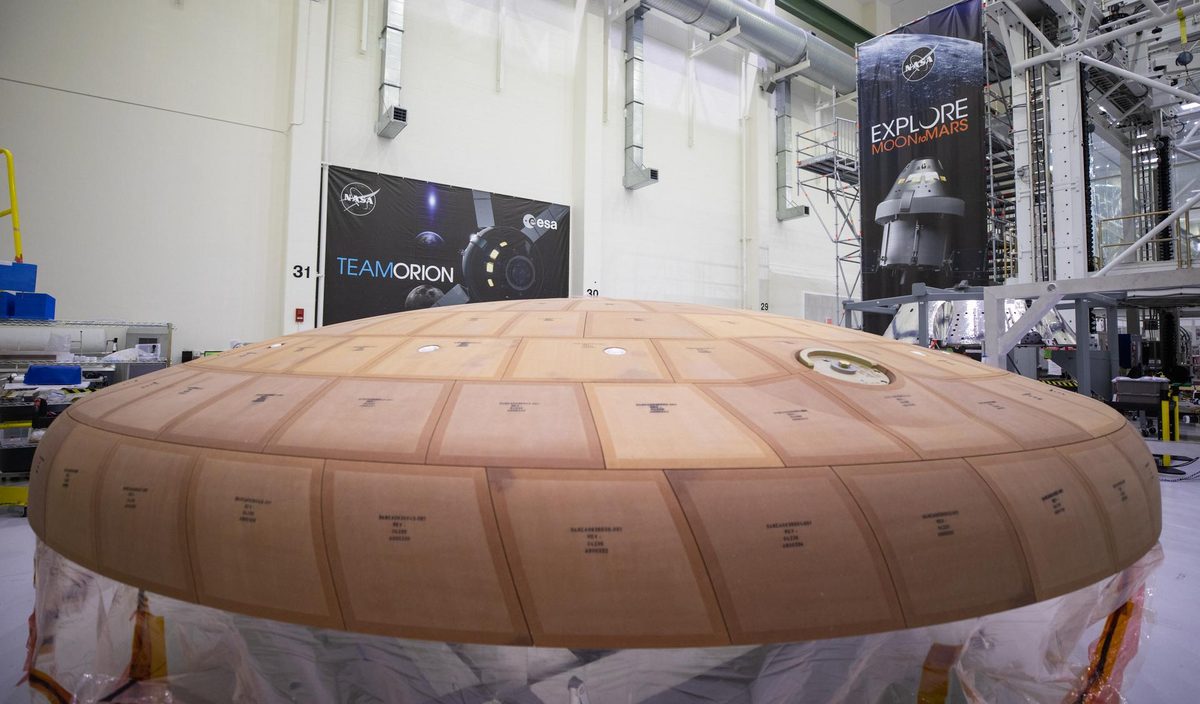
Combat Surgeon, Record-Setter, Next: Army's Col. Rubio Named to Artemis III Earth Orbit Test Crew
Col. Frank Rubio — who shattered the U.S. record for longest single spaceflight — has been named to the 2027 Artemis III crew alongside ESA astronaut Luca Parmitano, in a mission that will test lunar lander docking in Earth orbit as the final dress rehearsal before the Moon.
-
Science & Discovery
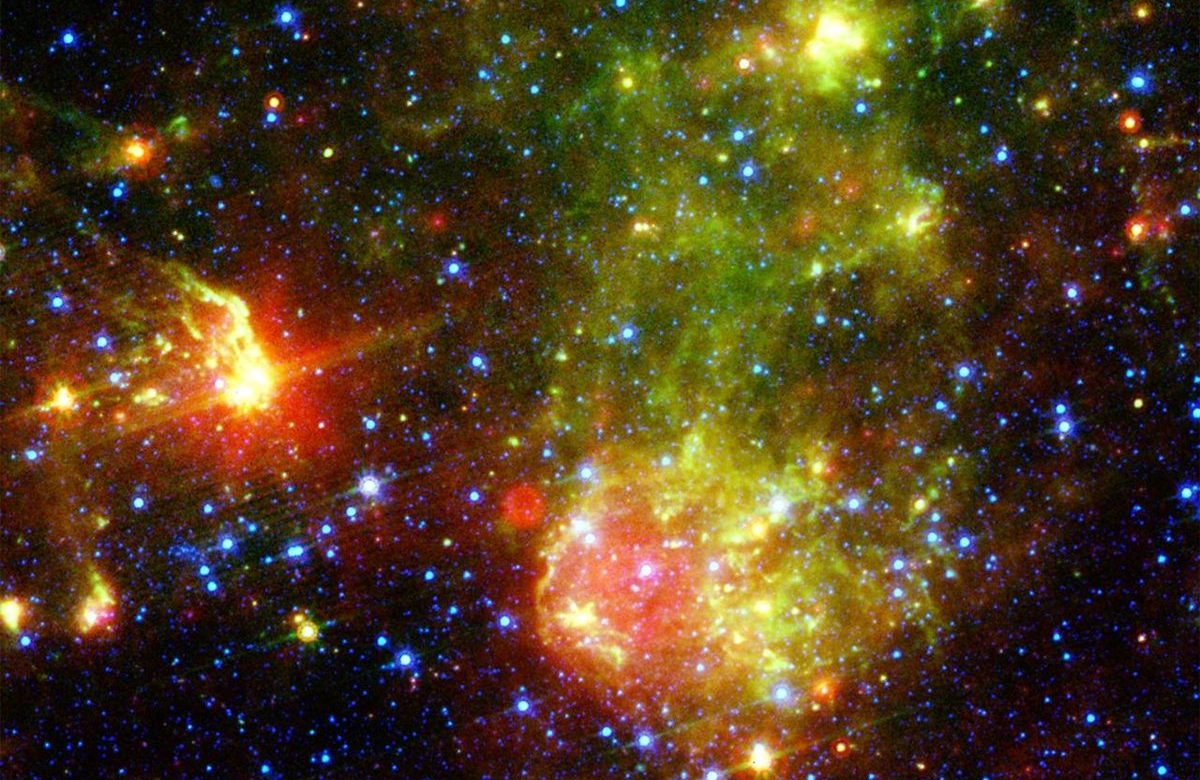
The CNO Cycle: How Massive Stars Burn Hydrogen Differently Than the Sun
The Sun fuses hydrogen through the proton-proton chain. Stars more than twice as massive use a completely different nuclear pathway — one that uses carbon, nitrogen, and oxygen as catalysts and burns hotter, faster, and far more violently.
-
NASA & Agencies
ExoMars Rosalind Franklin Rover: Still Alive, Still Going to Mars
ESA's ExoMars rover survived the loss of its Russian Roscosmos partnership and is being rebuilt for a European launch. If it gets to Mars, it will carry a drill no other mission has ever attempted.
-
Stargazing
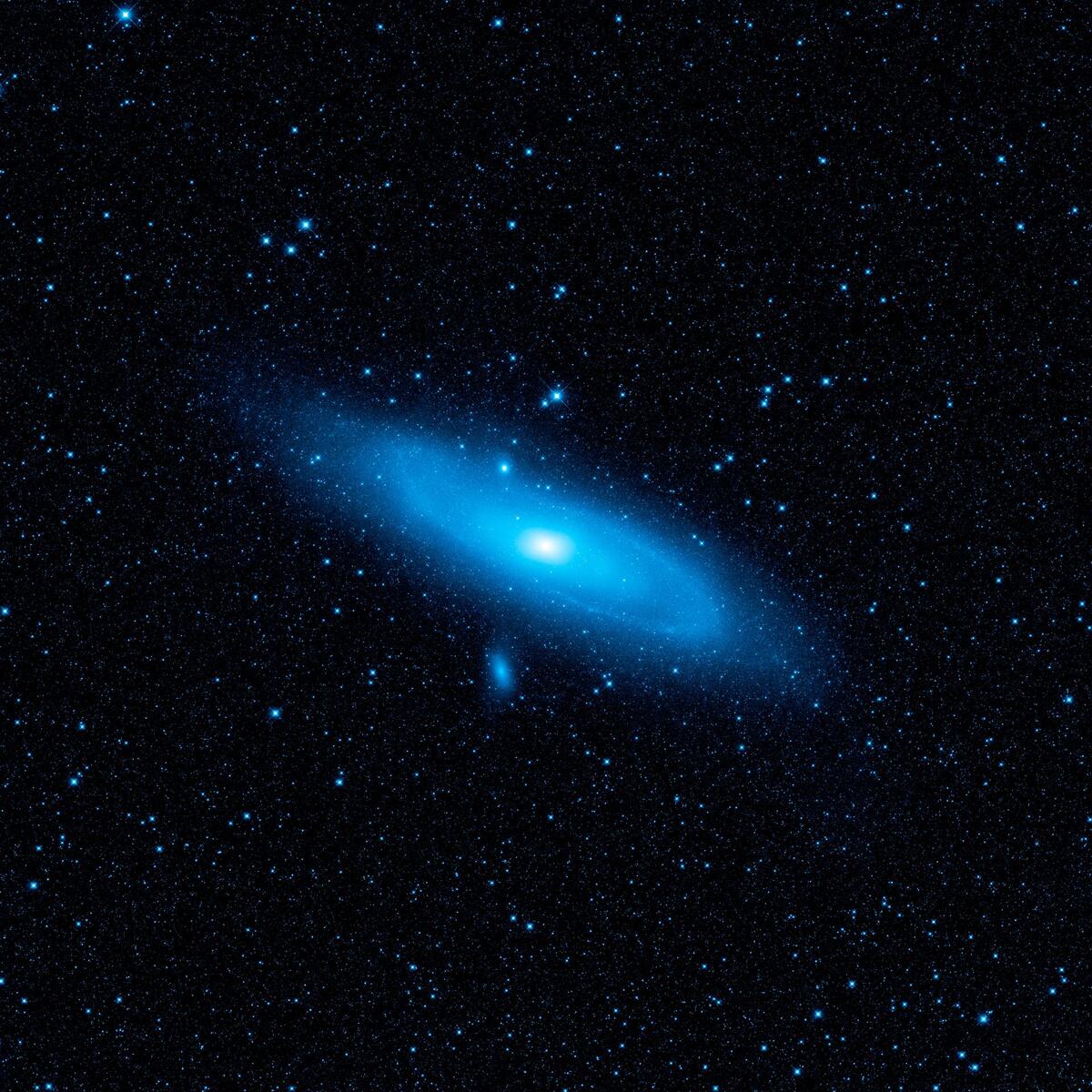
Galaxy Season: A Guide to Observing the Local Group This Autumn
Every autumn the great galaxies of the Local Group rise into prime viewing position. Here's how to find M31, M33, and their satellites — and what you're actually looking at when you do.
-
Missions
ESA's Hera Mission Is About to Rewrite What We Know About Asteroid Deflection
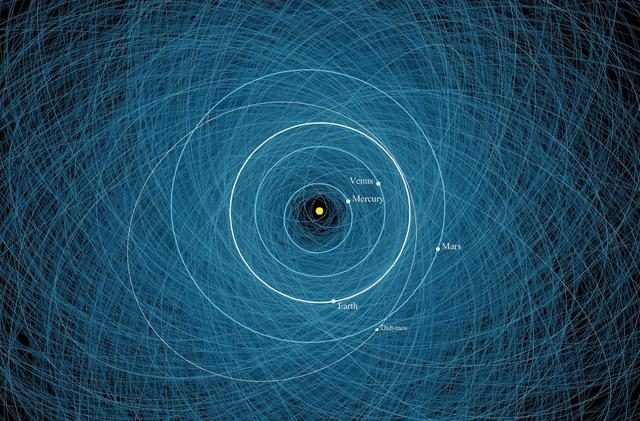
NASA's DART proved we can move an asteroid. Now ESA's Hera spacecraft is arriving at Didymos to find out exactly what happened — and whether planetary defense is ready for a real threat.
-
Commercial
The Upper Stage Problem: Why Reusable Second Stages Are Harder Than They Look
Recovering and reusing first stages was the revolution. But upper stages — which must survive orbital velocities and reentry — are a fundamentally harder problem, and the industry's three main bets are taking very different approaches.
-
Missions
VIPER Is Cancelled. Here's Why NASA's Ice-Hunting Rover Mattered.
NASA cancelled the VIPER rover in 2024 after costs ballooned and schedules slipped. The science it was supposed to do — characterizing water ice at the lunar south pole — still needs to be done before Artemis astronauts go there.
-
Military Space
Anti-satellite weapons are real, tested, and leaving debris clouds that threaten everyone
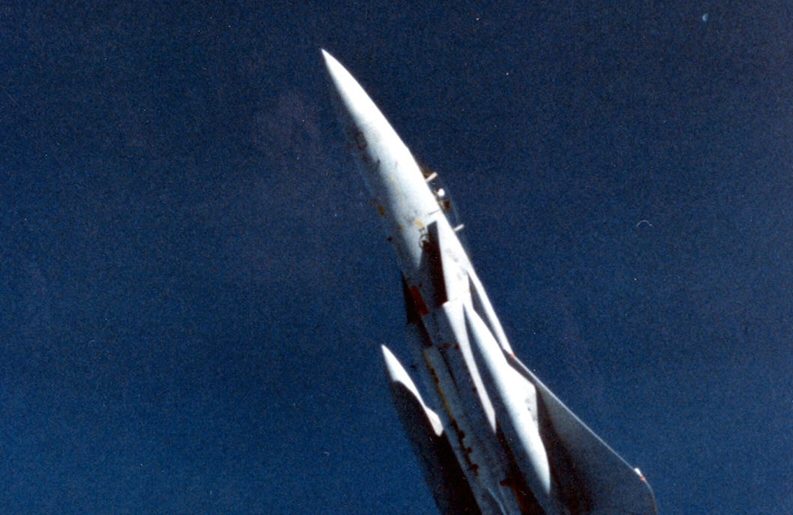
China, Russia, the US, and India have all tested direct-ascent anti-satellite missiles. The debris those tests create persists for decades. The tension between military necessity and orbital sustainability is becoming one of the defining strategic problems of the 2020s.
-
Missions
NASA's DAVINCI mission will drop a probe through Venus's atmosphere. Here's what it's looking for.
DAVINCI is a spherical probe designed to fall through Venus's corrosive atmosphere for about an hour, sampling the air at every altitude. It's looking for evidence that Venus once had oceans — and why it lost them.
-
NASA & Agencies
India's space program is moving faster than anyone expected. Here's where it stands.
ISRO's Chandrayaan-3 south pole landing in 2023 and Aditya-L1 solar observatory marked a turning point. With Gaganyaan crewed flights approaching and a Venus mission on the books, India is building the infrastructure of a major spacefaring nation.