NASA
Every Cosmic Herald story on NASA — missions, launches, discoveries, and the business of space, newest first.
-
Commercial
Low Earth orbit has a garbage problem. Here's who's trying to clean it up.
There are roughly 27,000 tracked pieces of debris in orbit, and hundreds of thousands more too small to track. Two companies — Astroscale and ClearSpace — are building the first commercial debris removal spacecraft. The engineering is harder than it sounds.
-
Astronomy
The missing planets: why there's a gap in the size distribution of worlds around other stars
Kepler data revealed a strange gap in exoplanet sizes: planets between 1.5 and 2 Earth radii are surprisingly rare. The leading explanation involves atmospheric loss driven by stellar radiation, and JWST is now testing that theory directly.
-
Missions
Five years of Perseverance: what the rover has actually changed about how we think about Mars
NASA's Perseverance rover has spent five years in Jezero Crater, coring ancient lake sediments and producing oxygen from thin Martian air. The science is more nuanced than the headlines suggest — and the sample cache it's building may be the most important thing it does.
-
Commercial
Private companies are landing on the Moon. Here's what the scoreboard actually looks like.
NASA's CLPS program has funded multiple private lunar landers with mixed results. Intuitive Machines stuck the landing sideways; Astrobotic's Peregrine did not reach the surface. A clearer picture of commercial lunar capability is forming, and it's more complicated than press releases suggest.
-
NASA & Agencies
Russia in space, 2026: what's left of the program after four years of isolation
Roscosmos has shed international partners, lost Soyuz commercial launch contracts, and watched its GLONASS constellation degrade. What remains is a human spaceflight program, a military reconnaissance constellation, and ambitious plans whose funding remains unclear.
-
Stargazing
America's Astronomy Clubs: A State-by-State Guide
From Stellafane in Vermont to the Houston Astronomical Society, 203 amateur astronomy clubs span all 50 U.S. states — and what they offer goes far beyond monthly meetings under the stars.
-
Commercial
The first private module is going to the ISS. It's a down payment on something bigger.
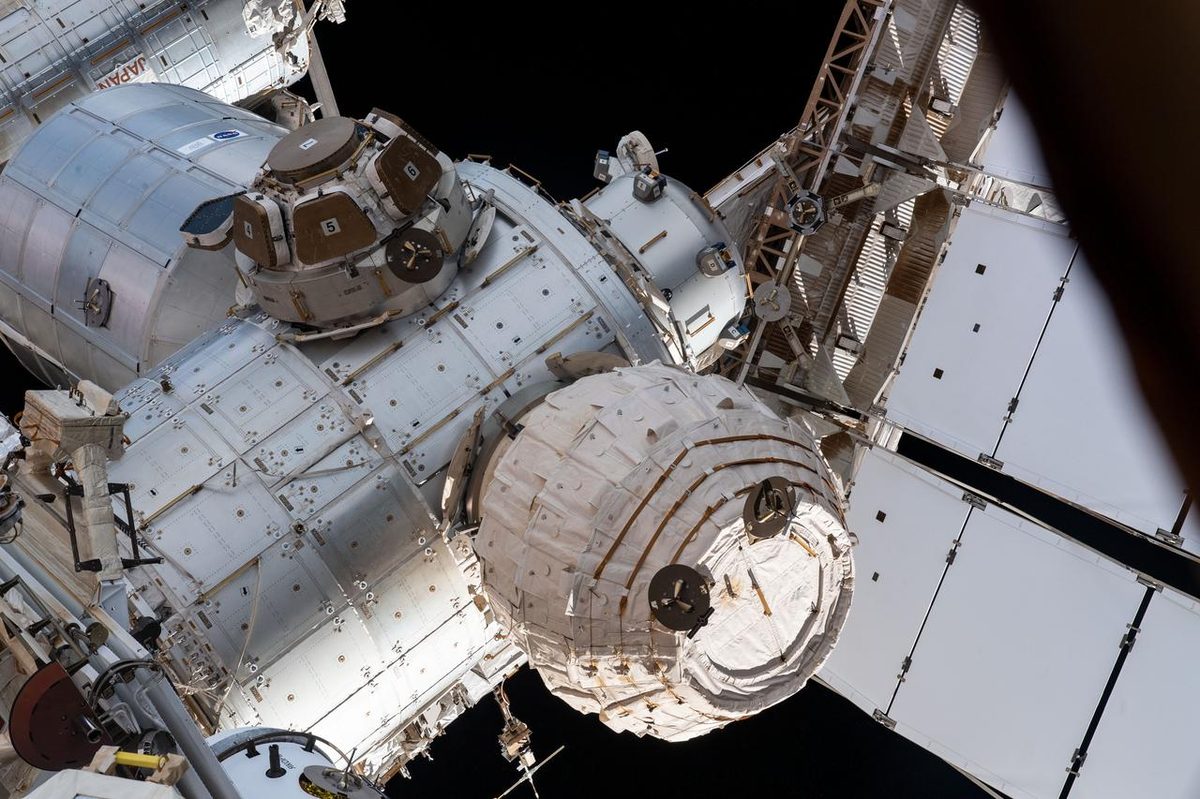
Axiom Space is attaching a commercial module to the International Space Station — and it's designed to eventually detach and operate as an independent station after the ISS is decommissioned. The module going up now is the foundation for the first fully private orbital outpost.
-
Astronomy
Webb is finding brown dwarfs we didn't know existed. There may be as many as stars.
The James Webb Space Telescope's infrared sensitivity is revealing a population of brown dwarfs — objects too small to fuse hydrogen, too large to be planets — lurking near the Sun that previous surveys missed entirely. The implications for our census of the galaxy are significant.
-
Missions
China is heading to the Moon's south pole. What Chang'e 7 is actually trying to do.
China's Chang'e 7 mission is targeting the lunar south pole — the same region NASA's Artemis program is aiming for. The mission is more than a flag plant: it's the most technically complex robotic lunar mission ever attempted.
-
NASA & Agencies
China's space station is done. Now it's being used.
Tiangong — China's modular space station — has completed its core assembly and is now hosting regular rotating crews for science, materials research, and technology demonstration. Understanding what China is actually doing in orbit matters as competition for the high ground intensifies.
-
Missions
Europa Clipper is on its way, and its first look at an ocean world will be worth the wait
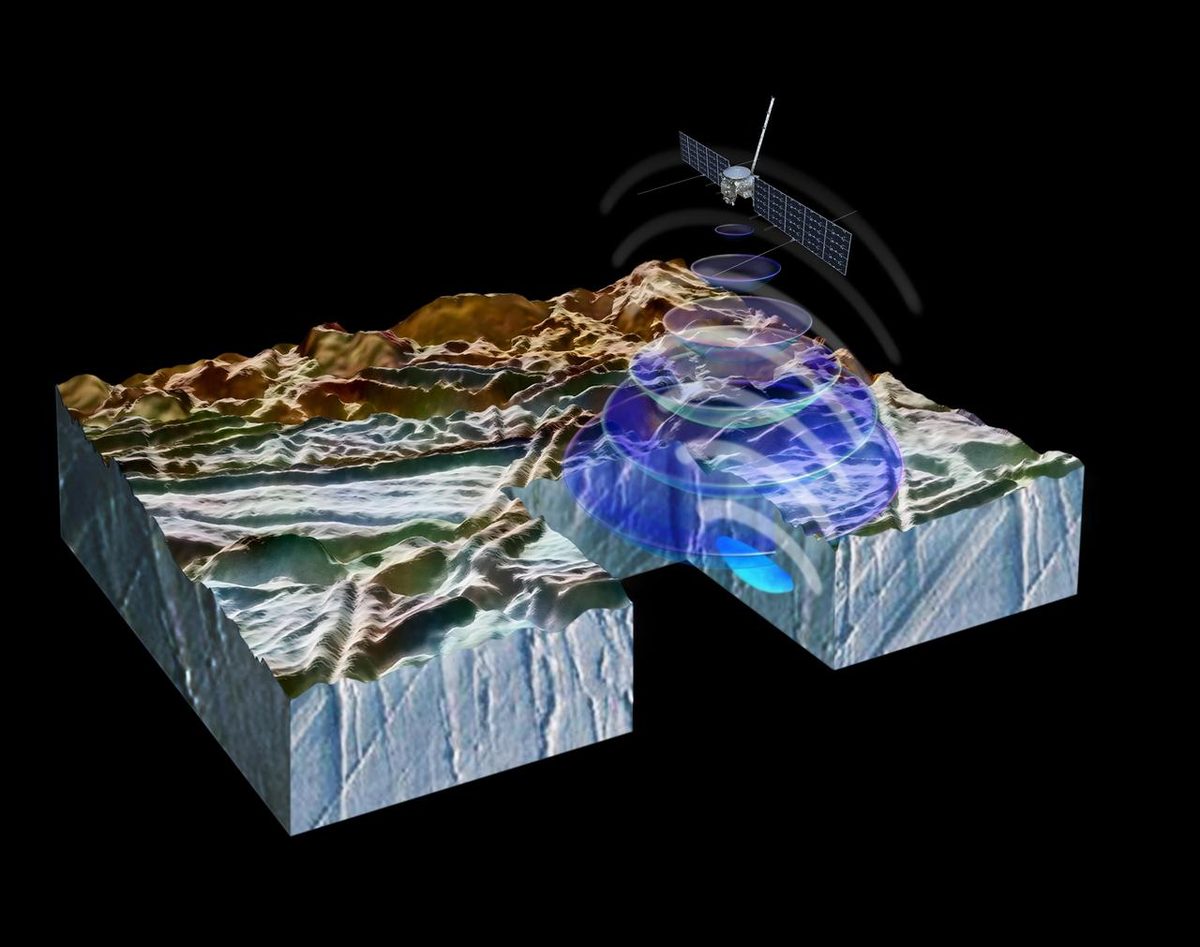
NASA's Europa Clipper is currently in cruise toward Jupiter, its nine science instruments deployed and checked out. When it arrives in 2030 and begins its 49 planned close flybys of Europa, it will deliver the most detailed look scientists have ever had at one of the solar system's most compelling targets.
-
NASA & Agencies
India is about to send humans to space for the first time. Here's where Gaganyaan stands.
India's Gaganyaan program — the country's first crewed spaceflight mission — has completed its uncrewed test flights and is closing in on a crew launch. A successful mission would make India only the fourth nation to independently send humans to orbit.