NASA
Every Cosmic Herald story on NASA — missions, launches, discoveries, and the business of space, newest first.
-
Astronomy
The brightest gamma-ray burst ever seen broke our models. Now we're rebuilding them.
GRB 221009A — dubbed the BOAT, for Brightest Of All Time — was detected in October 2022 and is still being studied. The burst was so energetic it briefly overwhelmed detectors across the solar system and challenged decades of theory about how these explosions work.
-
Astronomy
Astronomers can't agree on how old the universe is. That's actually exciting.
Two different methods of measuring the expansion rate of the universe give two different answers — and the gap between them is too large to be a measurement error. Known as the Hubble tension, this disagreement might be pointing toward new physics that nobody has found yet.
-
Science & Discovery
Life on icy moons: what extremophiles on Earth are teaching us to look for
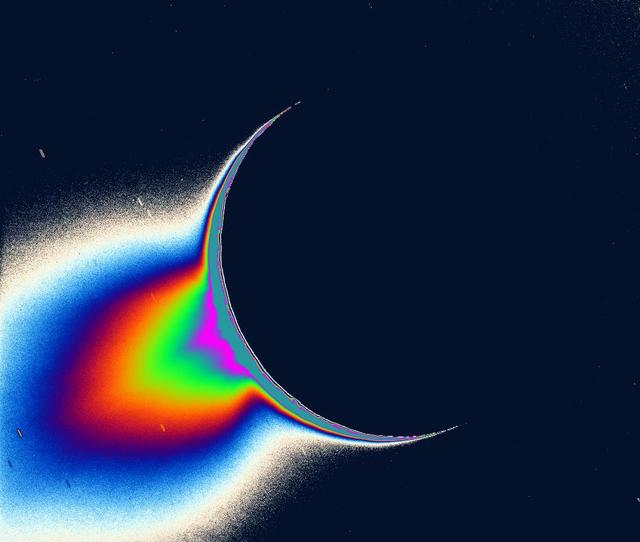
The search for life beyond Earth is increasingly focused on the subsurface oceans of moons like Europa and Enceladus. Understanding what that search requires means understanding life's extremes here first — and Earth's most extreme environments keep revealing biology that expands the definition of habitable.
-
Commercial
People keep saying we'll manufacture things in space. Here's what's actually happening.
The promise of manufacturing in microgravity has been discussed for decades — purer crystals, exotic alloys, biological structures that can't be made on Earth. In 2026, that promise is starting to become a real, if small, industry. This is what's actually coming off the production line.
-
Missions
ESA's JUICE mission is on its way to Jupiter. The science starts long before arrival.
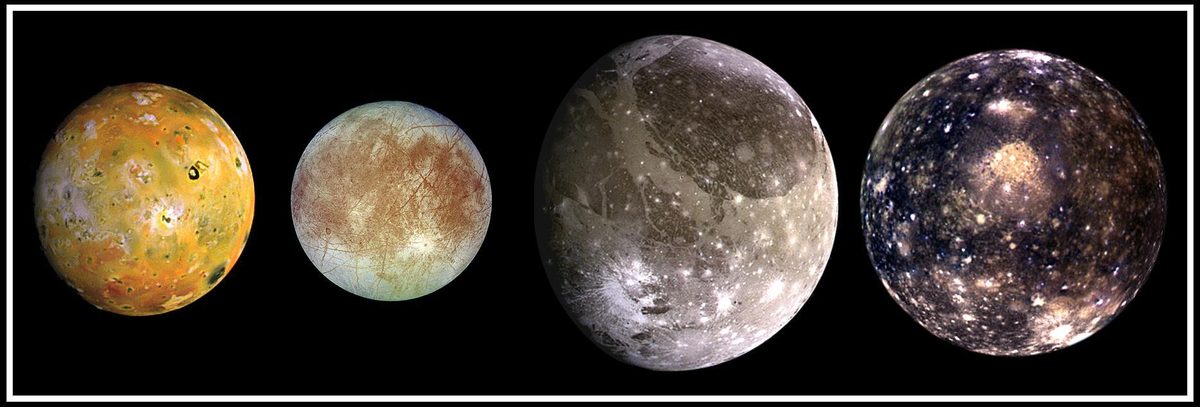
The Jupiter Icy Moons Explorer — JUICE — is now on a seven-year trajectory to the Jovian system. Its mission is ambitious: orbit Jupiter, make close flybys of Callisto and Europa, then slip into orbit around Ganymede, the first spacecraft ever to orbit a moon other than our own.
-
Science & Discovery
Mars had an ocean. New evidence is filling in how long it lasted.
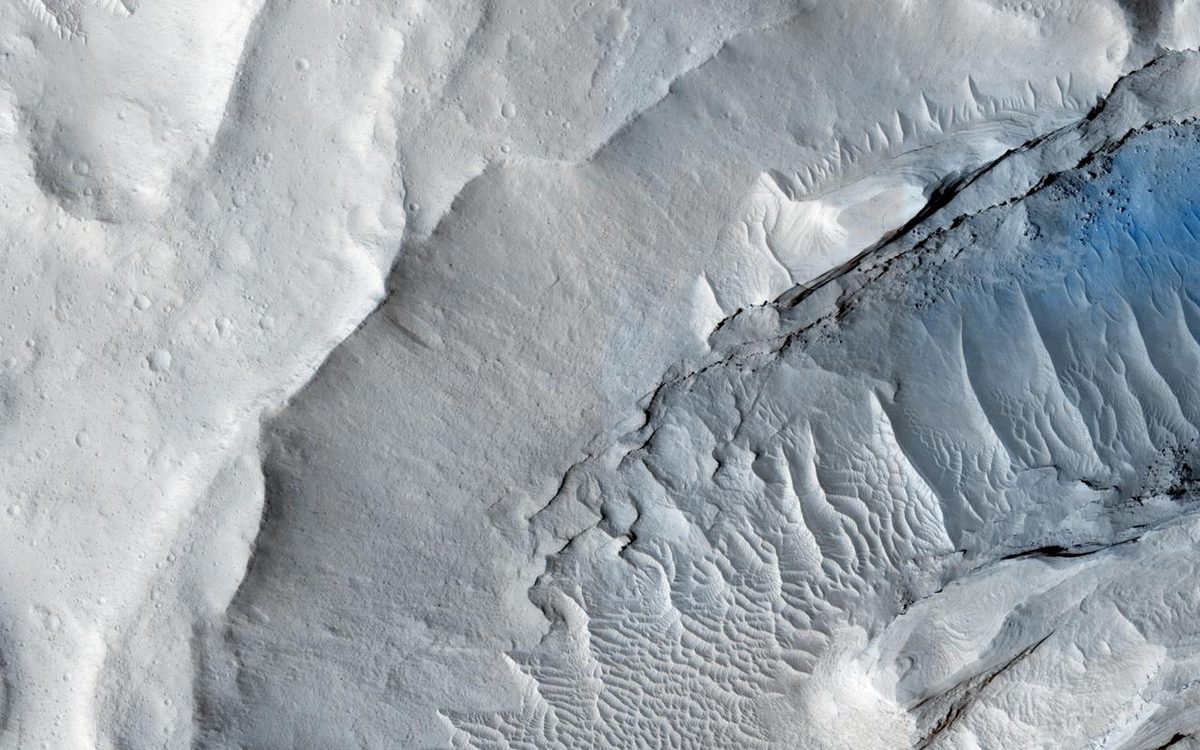
Decades of Mars exploration have assembled strong evidence that the northern lowlands once held a vast ocean of liquid water. New analysis of orbital data and rover measurements is sharpening our picture of when that ocean existed, how deep it ran, and when it disappeared — which narrows the window when life might have been possible.
-
Stargazing
How to see the Milky Way's core — and why it's harder than it used to be
The central bulge of our galaxy rises above the southern horizon in summer, a dense river of light that was once visible to everyone everywhere. Light pollution has made it a journey for most observers now — but this practical guide covers when, where, and how to actually see it.
-
NASA & Agencies
NASA is being asked to do less with less. What actually gets cut first?
NASA faces its most constrained budget environment in a generation. When the money tightens, choices have to be made — and understanding which missions survive and which get cancelled reveals a great deal about the agency's priorities, its politics, and the tradeoffs built into human versus robotic exploration.
-
Missions
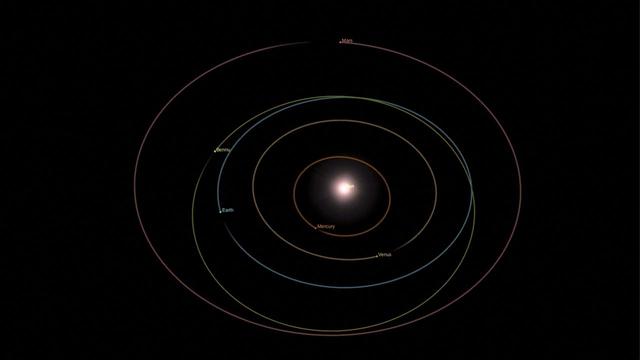
OSIRIS-APEX is racing toward Apophis, and 2029 is going to be extraordinary
The spacecraft formerly known as OSIRIS-REx is en route to Apophis, the asteroid that will pass closer to Earth than our own satellites in April 2029. After a successful Earth gravity assist in September 2025, OSIRIS-APEX is on track to arrive at Apophis months before the historic close approach — where it will watch how Earth's gravity reshapes the rock in real time.
-
Science & Discovery
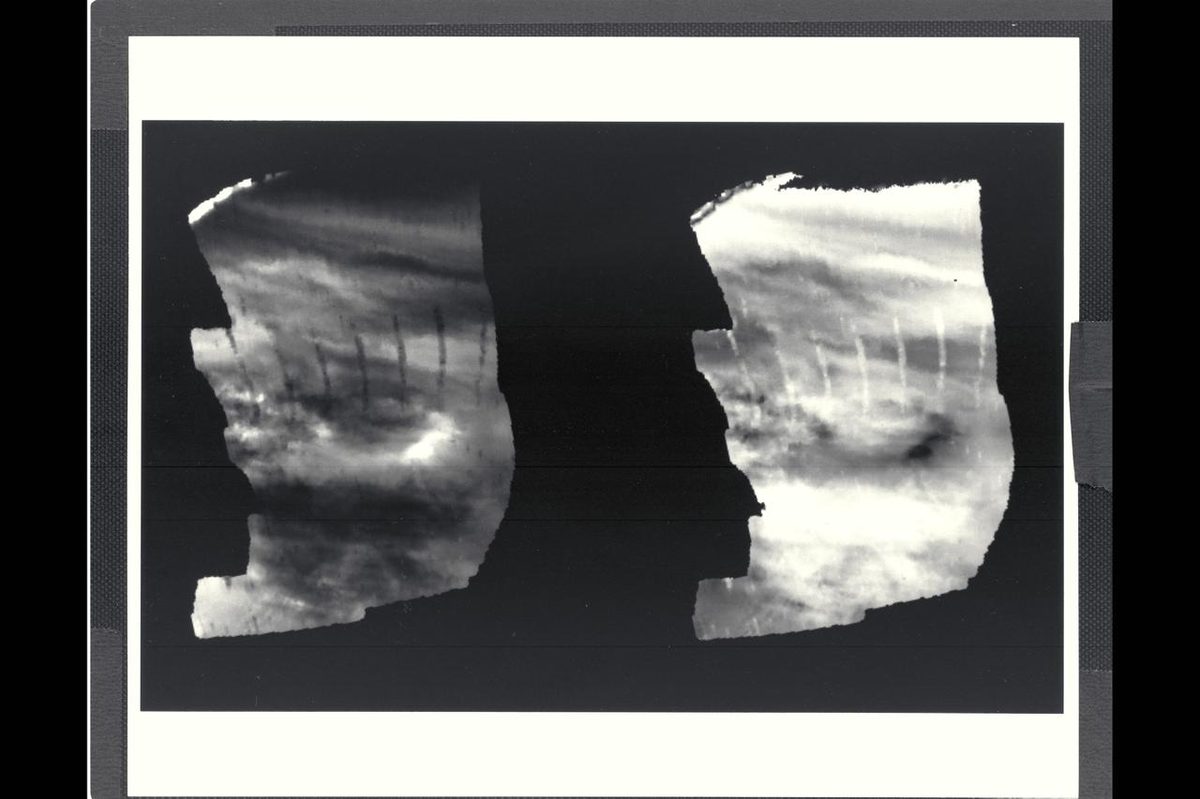
Phosphine on Venus: four years later, what the research actually says
The 2020 claim that phosphine — a potential biosignature gas — had been detected in Venus's atmosphere sparked one of the most contentious debates in recent planetary science. Years of follow-up observations and analysis have clarified the picture, though not fully resolved it.
-
Missions
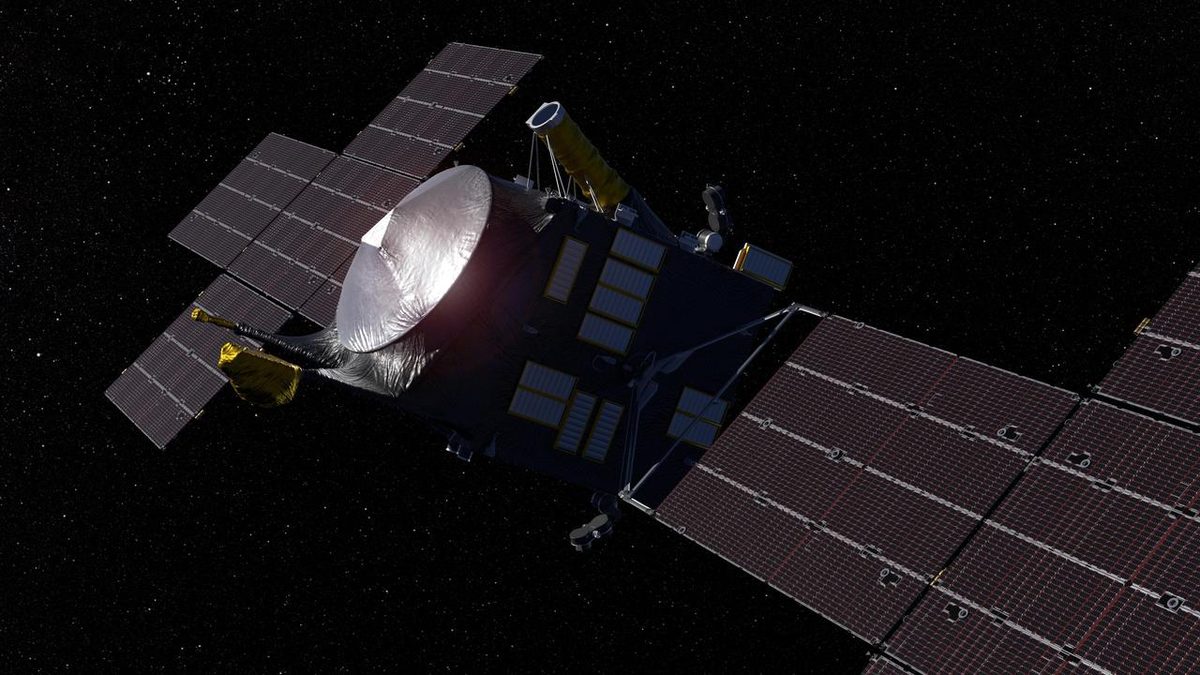
The metal world Psyche is stranger than anyone expected
NASA's Psyche spacecraft has been orbiting the asteroid 16 Psyche — once thought to be the exposed iron core of a broken planet — and the early results are upending assumptions. The asteroid may not be what planetary scientists thought at all.
-
Science & Discovery
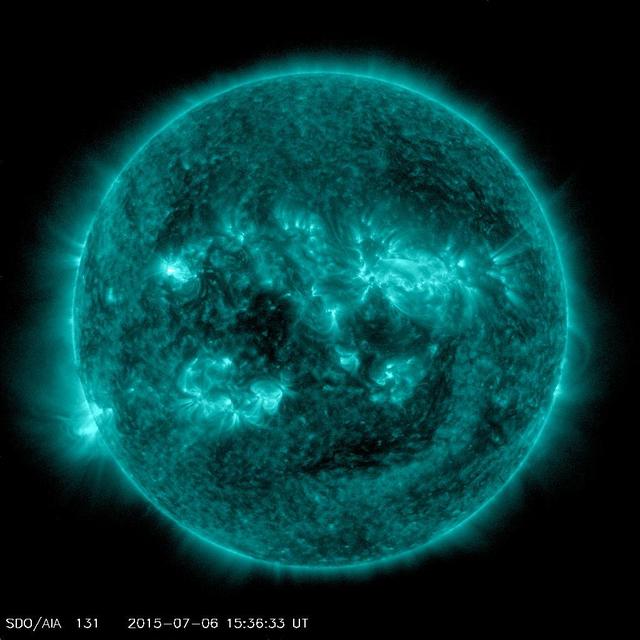
The Sun is at its most active in two decades. What solar maximum actually means.
Solar Cycle 25 has been more active than forecasters predicted, delivering some of the strongest geomagnetic storms in years and producing aurora visible at unusually low latitudes. What solar maximum means for technology, satellites, and power grids — and how we prepare — is more relevant now than it has been in a generation.