NASA
Every Cosmic Herald story on NASA — missions, launches, discoveries, and the business of space, newest first.
-
Commercial
Space tourism in 2026: who's actually going, and what it costs them
A few years after the first wave of commercial passengers reached space, the market has settled into something more defined. The flights are still rare and the prices are still very high, but the customer base has grown beyond billionaires and the competitive dynamics are shifting.
-
Commercial
Starship made it to orbit. What that actually means for space access.
SpaceX's Starship — the largest rocket ever built — has now completed an orbital test flight with both stages recovered. The implications for what space access could cost over the next decade are difficult to overstate, and the aerospace industry is quietly reorganizing around that possibility.
-
Commercial
ULA's Vulcan rocket is flying. What it means for the launch market.
United Launch Alliance's Vulcan Centaur has completed its certification flights and is entering regular commercial service. The rocket is designed to handle everything ULA's Atlas V and Delta IV carried — and it's arriving at a moment when the launch market is more competitive than it has ever been.
-
Commercial
New Glenn flew. Now Blue Origin has to prove it can do it again.
Blue Origin's New Glenn rocket reached orbit on its first attempt — a significant achievement for a company that spent years being compared unfavorably to SpaceX. But a single successful launch is a beginning, not a business. What comes next will define whether New Glenn becomes a serious player.
-
Stargazing
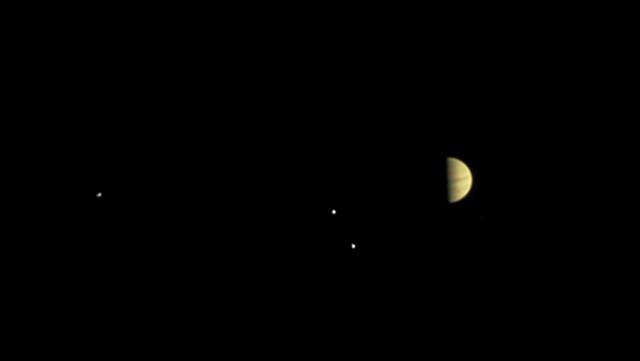
Jupiter is at its biggest and brightest of the year. How to make the most of it.
Every thirteen months, Earth laps Jupiter in their orbits around the Sun, bringing the giant planet to opposition — closest approach, fully illuminated, visible all night. Jupiter's 2026 opposition puts it in a favorable position for northern observers, and a modest telescope will show you cloud bands, the Great Red Spot, and four moons that.
-
Commercial
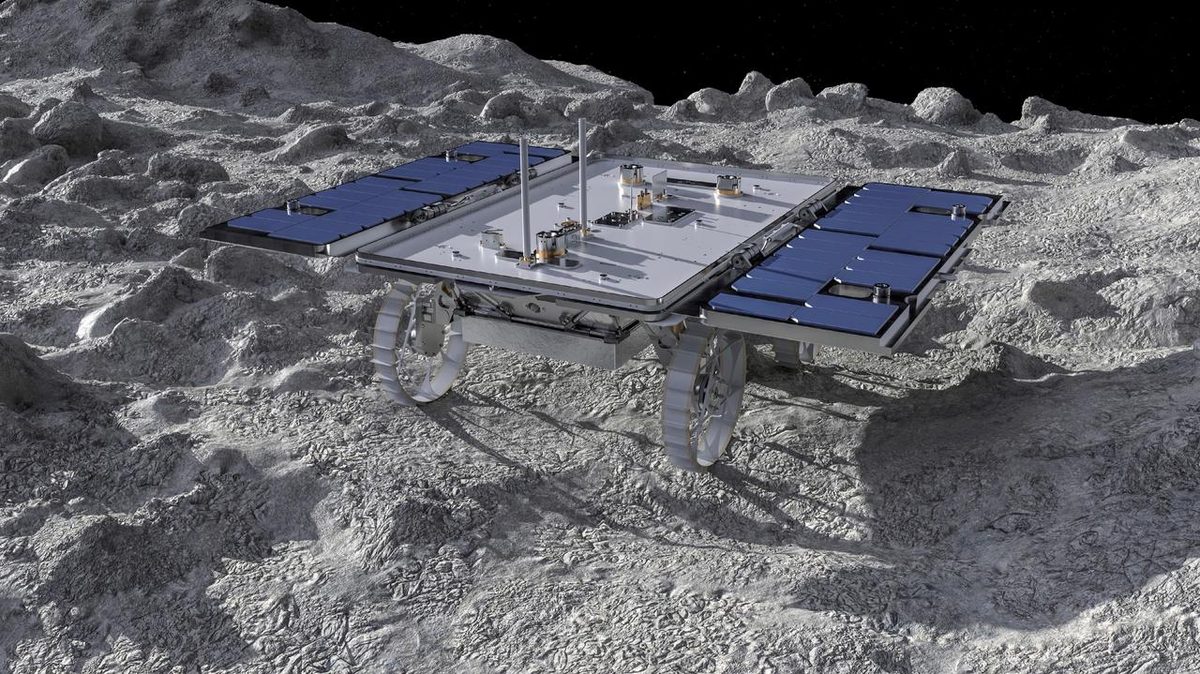
A startup is building a space station. Haven-1 is closer than most people realize.
Vast Space is developing Haven-1, a small commercial space station aimed at hosting private astronauts and eventually science payloads. SpaceX is launching it. The timeline is aggressive and the company is a newcomer, but the hardware is real and the contracts are signed.
-
Missions
Artemis II keeps slipping. Here's what's actually holding it back.
NASA's crewed lunar flyby mission has been delayed again. The reasons are technical, financial, and organizational — and understanding them reveals how difficult it is to run a government human spaceflight program in 2026.
-
Science & Discovery
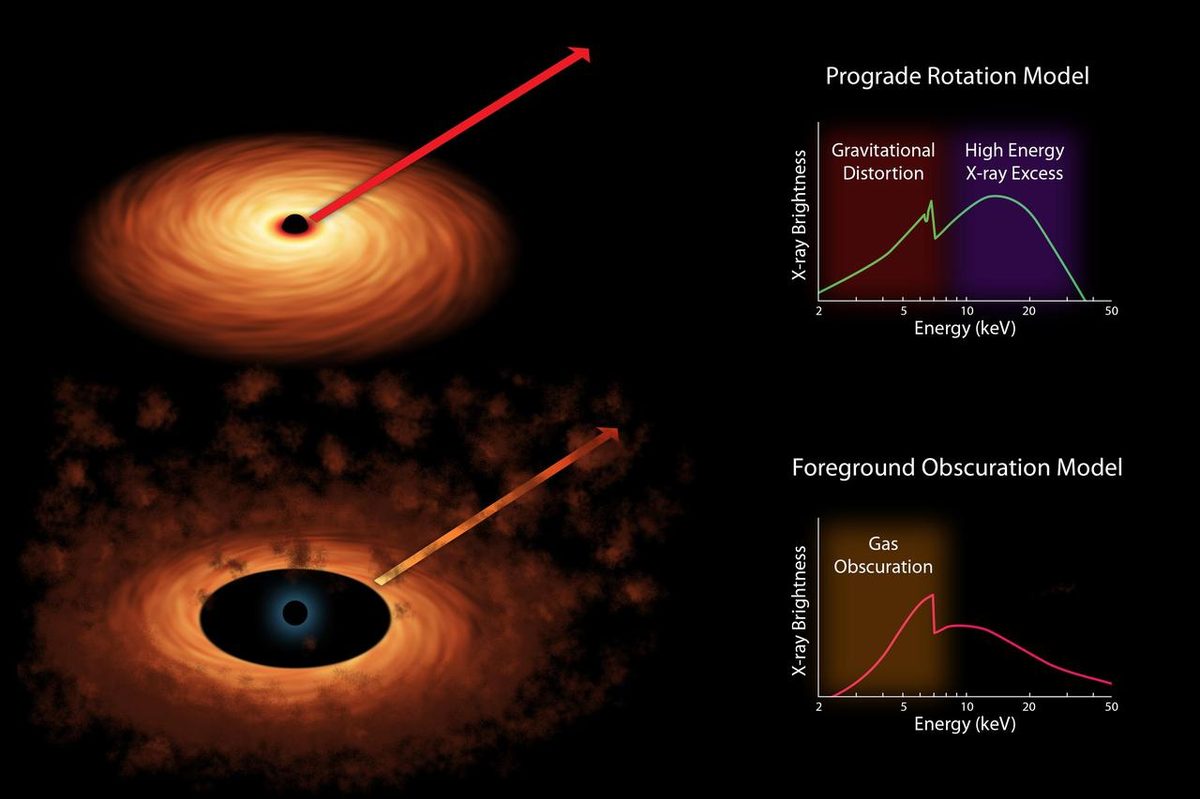
How black holes actually grow: new X-ray observations are filling in the picture
Black holes grow by consuming nearby gas and dust — but the details of how that accretion works, and how it produces the relativistic jets that extend for millions of light-years, are still being worked out. A new generation of X-ray telescopes is catching the process in action.
-
Missions
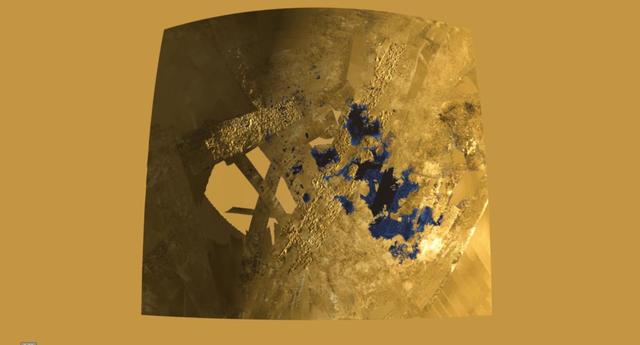
Dragonfly is going to Titan. Here's why that's one of the boldest planetary missions ever designed.
NASA's Dragonfly mission will send a nuclear-powered rotorcraft to fly across the surface of Saturn's moon Titan — a world with lakes of liquid methane, organic chemistry everywhere, and possibly the ingredients for life. The mission is years away, but it's being built now.
-
Stargazing
Saturn's rings are nearly edge-on. Here's why that's worth watching.
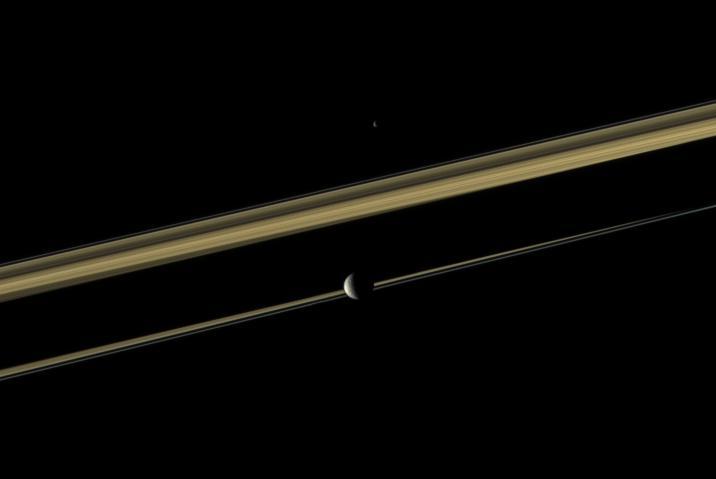
Saturn's rings appear to open and close as the planet orbits the Sun, presenting a full face every fifteen years or so — and then nearly vanishing as they tilt edge-on. We are approaching one of those disappearing acts. Understanding the geometry, and how to watch it unfold, makes an ordinary telescope into a front-row seat for orbital mechanics.
-
Missions
NASA crashed a spacecraft into an asteroid on purpose. It worked better than the models said it would.
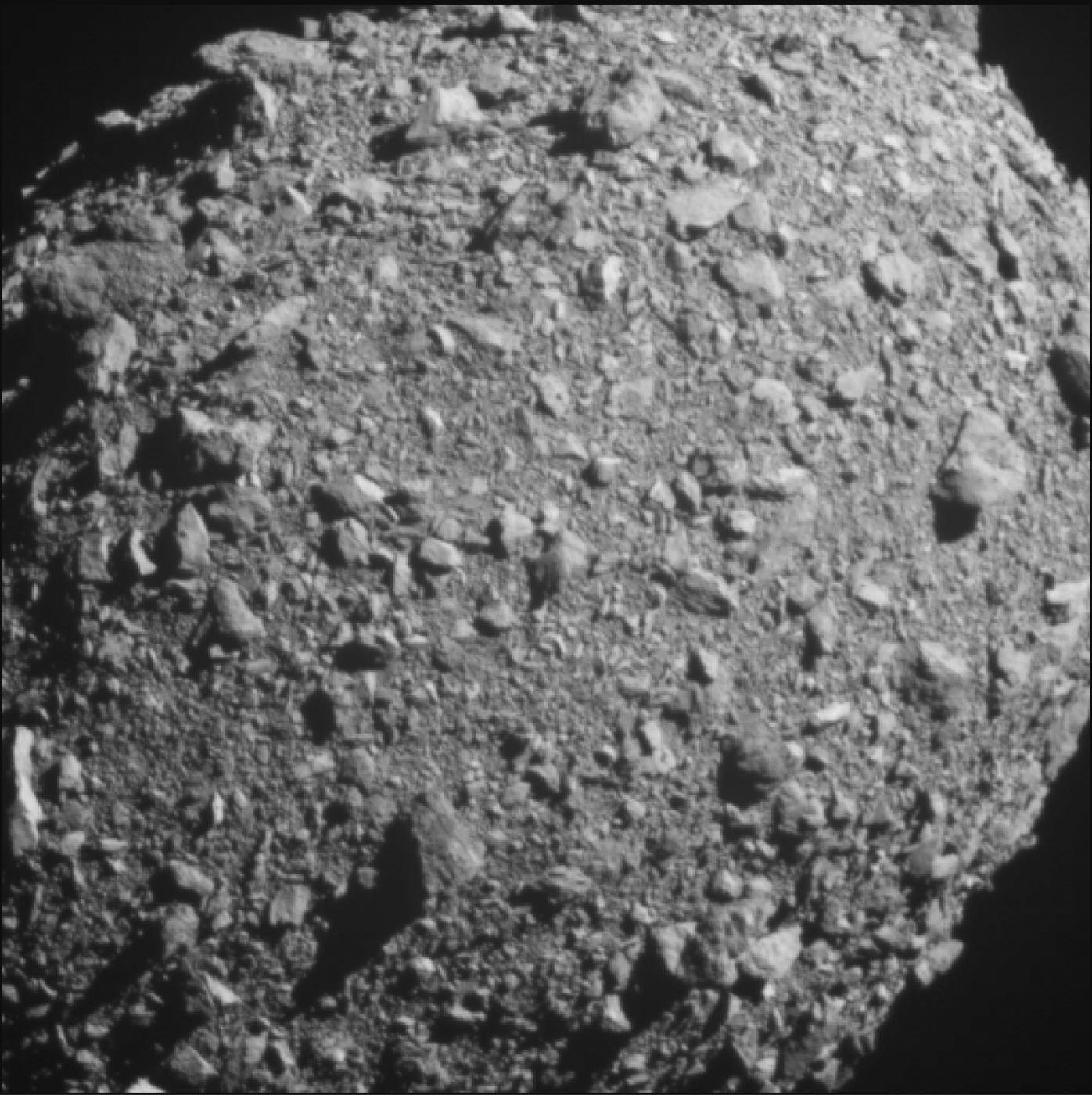
The DART spacecraft impacted asteroid Dimorphos on September 26, 2022, reducing its orbital period by 33 minutes — far more than the minimum 73-second threshold for mission success. The result has permanently changed how planetary defense is planned.
-
Missions
China just brought back rocks from the side of the Moon we've never sampled. Here's why that matters.
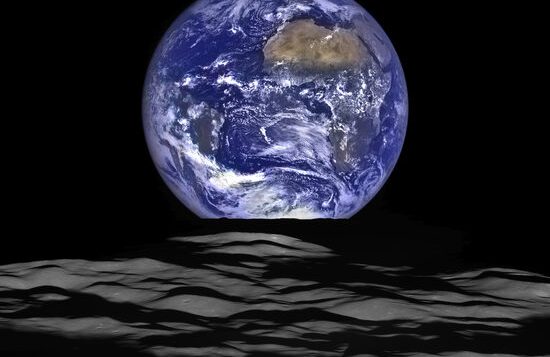
Chang'e-6 landed in the South Pole–Aitken Basin on the Moon's far side in June 2024 — the first mission to return samples from this ancient region. The rocks it brought back may finally explain why the near and far sides of the Moon are so different.