
All articles
-
Military Space
GAO: Space Force Doesn't Know How Many Guardians It Actually Needs
A new GAO report finds the Space Force filled only 75% of its identified FY2025 positions and has no standardized way to calculate how many Guardians it actually requires — a gap opening just as the service plans to roughly double in size.
-
Astronomy
Hubble Finds Andromeda's Star Formation Has Dropped 80% in 500 Million Years
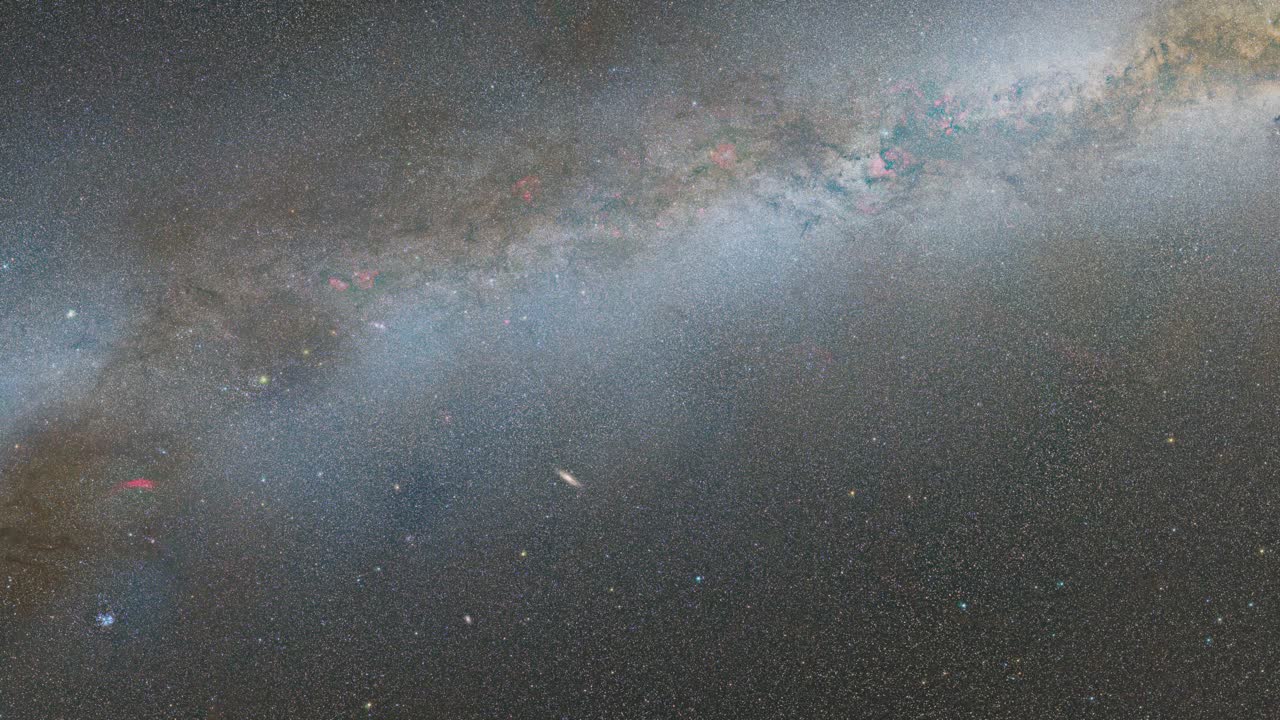
A new Hubble-based study mapping 200 million stars across Andromeda shows its star-formation rate has fallen 80% in 500 million years, with the steepest drop in just the last 40 million.
-
NASA & Agencies
NASA Astronaut, Two Cosmonauts Land in Kazakhstan After 241-Day Mission
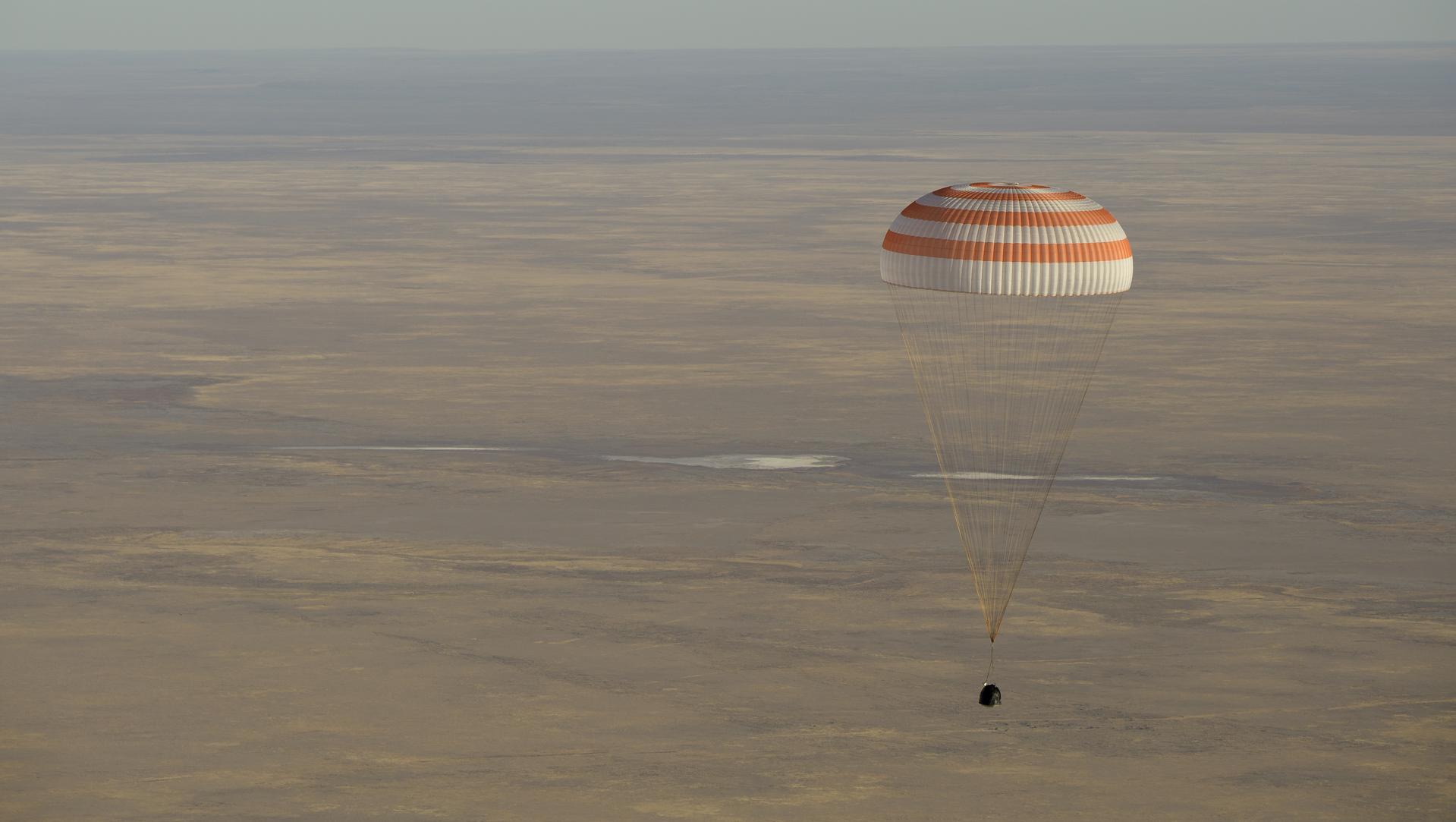
Soyuz MS-28 parachuted onto the Kazakh steppe on July 26, closing out a 241-day Expedition 73/74 stint that carried NASA's Chris Williams and two Roscosmos cosmonauts more than 102 million miles around Earth.
-
Stargazing
Full Moon to Wash Out Peak of Delta Aquariid–Alpha Capricornid Double Meteor Shower
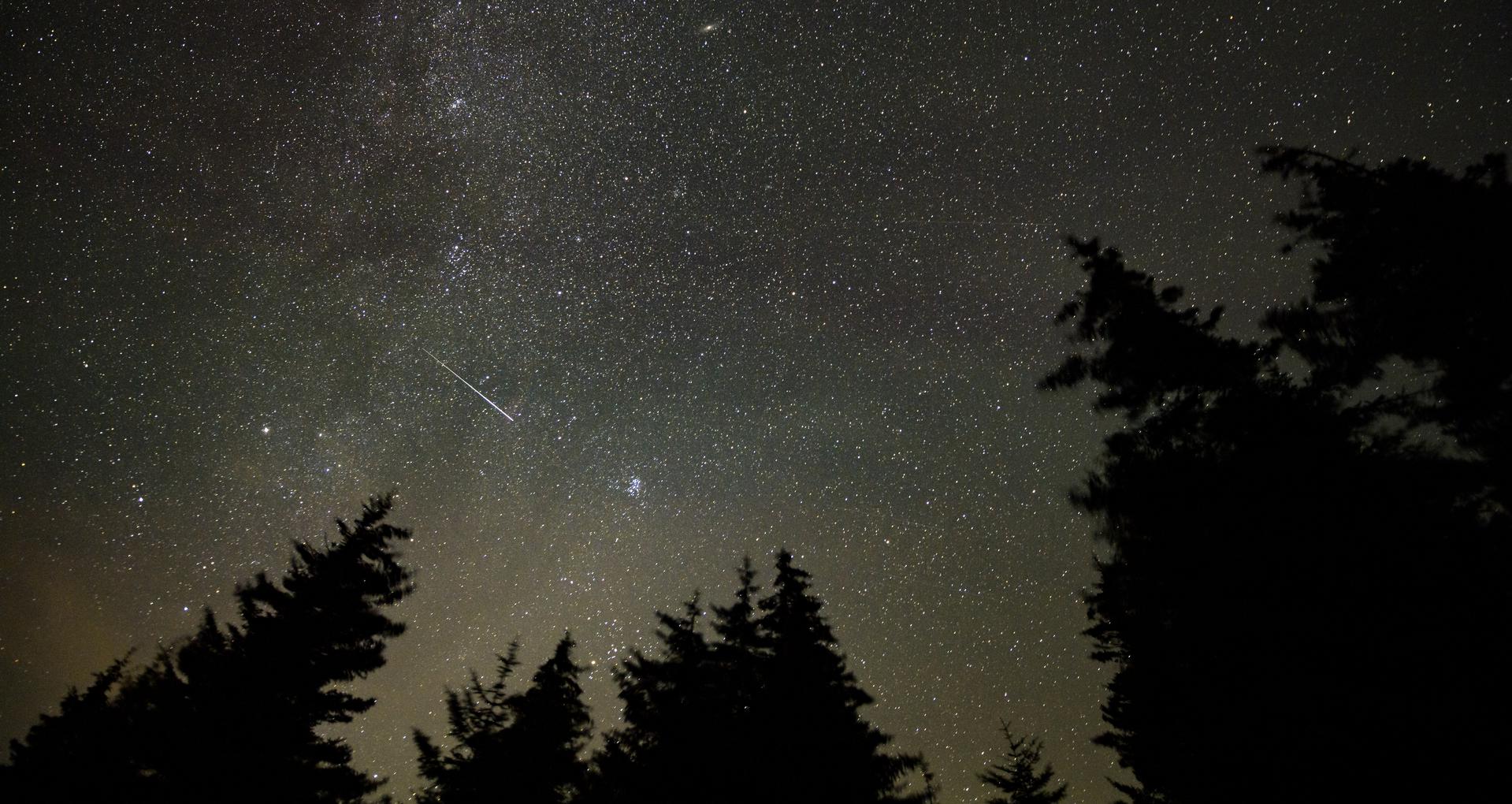
A nearly full moon will drown out most of the Southern Delta Aquariids' July 28-29 peak, but the slower, brighter Alpha Capricornid fireballs that follow on July 30-31 should still cut through the glare.
-
Commercial
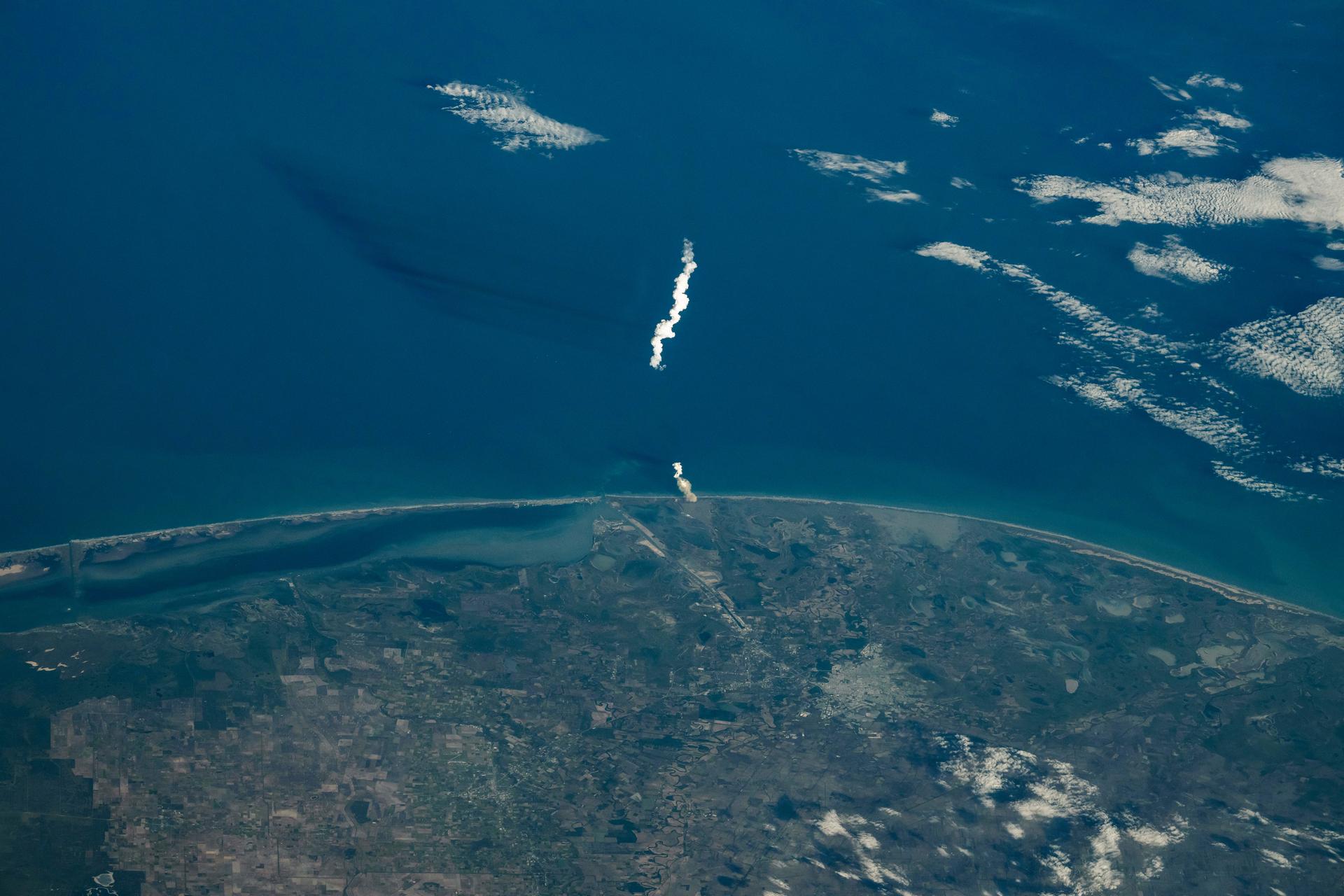
Starship Flight 13 Deploys First Operational Starlinks, but Booster Splashdown Gets Rough
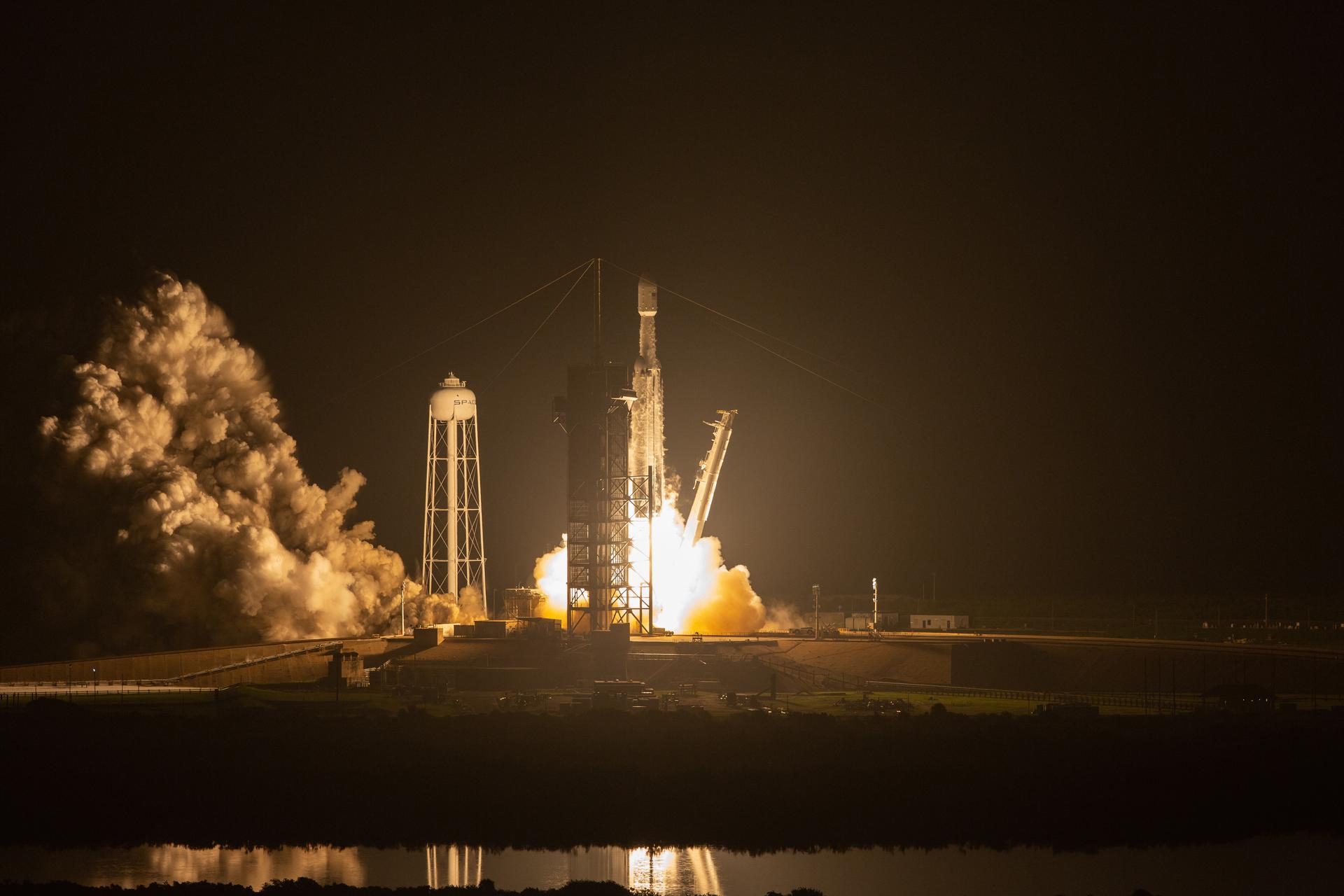
SpaceX's Starship Flight 13 delivered 20 production Starlink satellites and an in-space Raptor relight, but Super Heavy limped to a hard splashdown on just five of 13 engines.
-
Astronomy
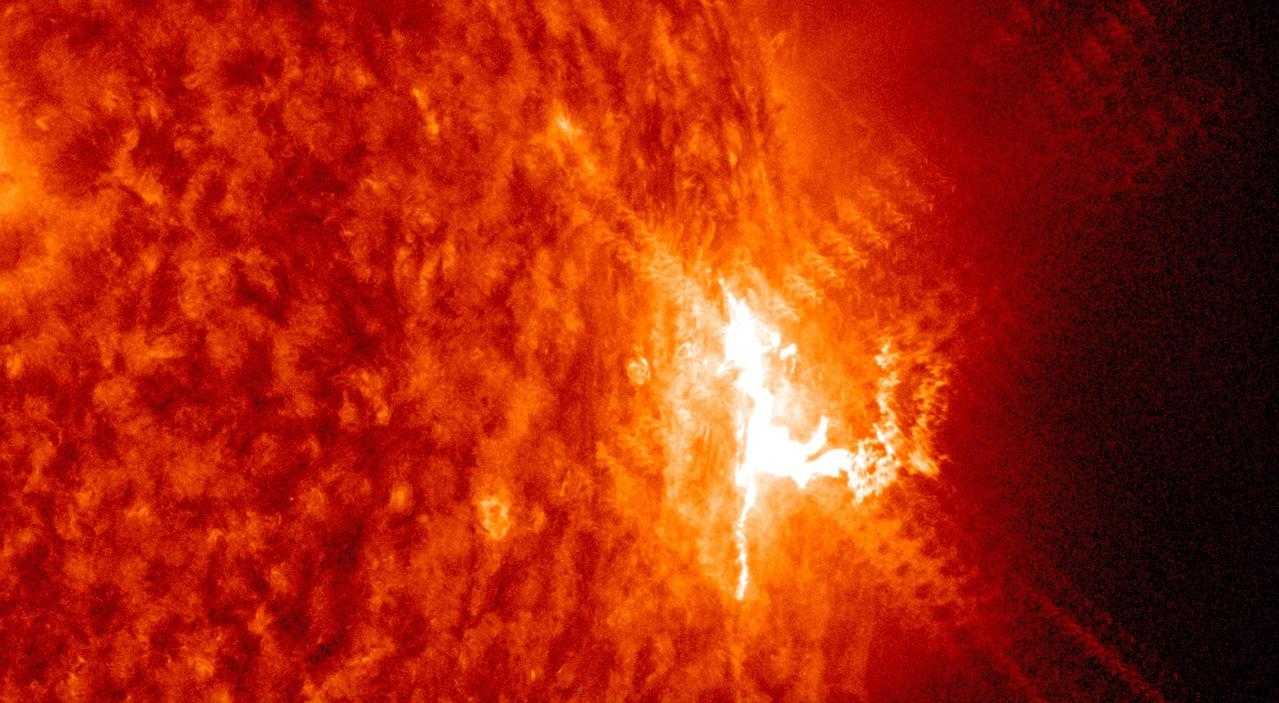
The Sun Fired Two Eruptions at Once, and One Just Missed Us
A central-meridian filament blast and a far-side prominence erupted in near-perfect sync on July 28, while AR4494 kept flaring and a G1 storm carried over from an incoming CME due July 30.
-
Science & Discovery
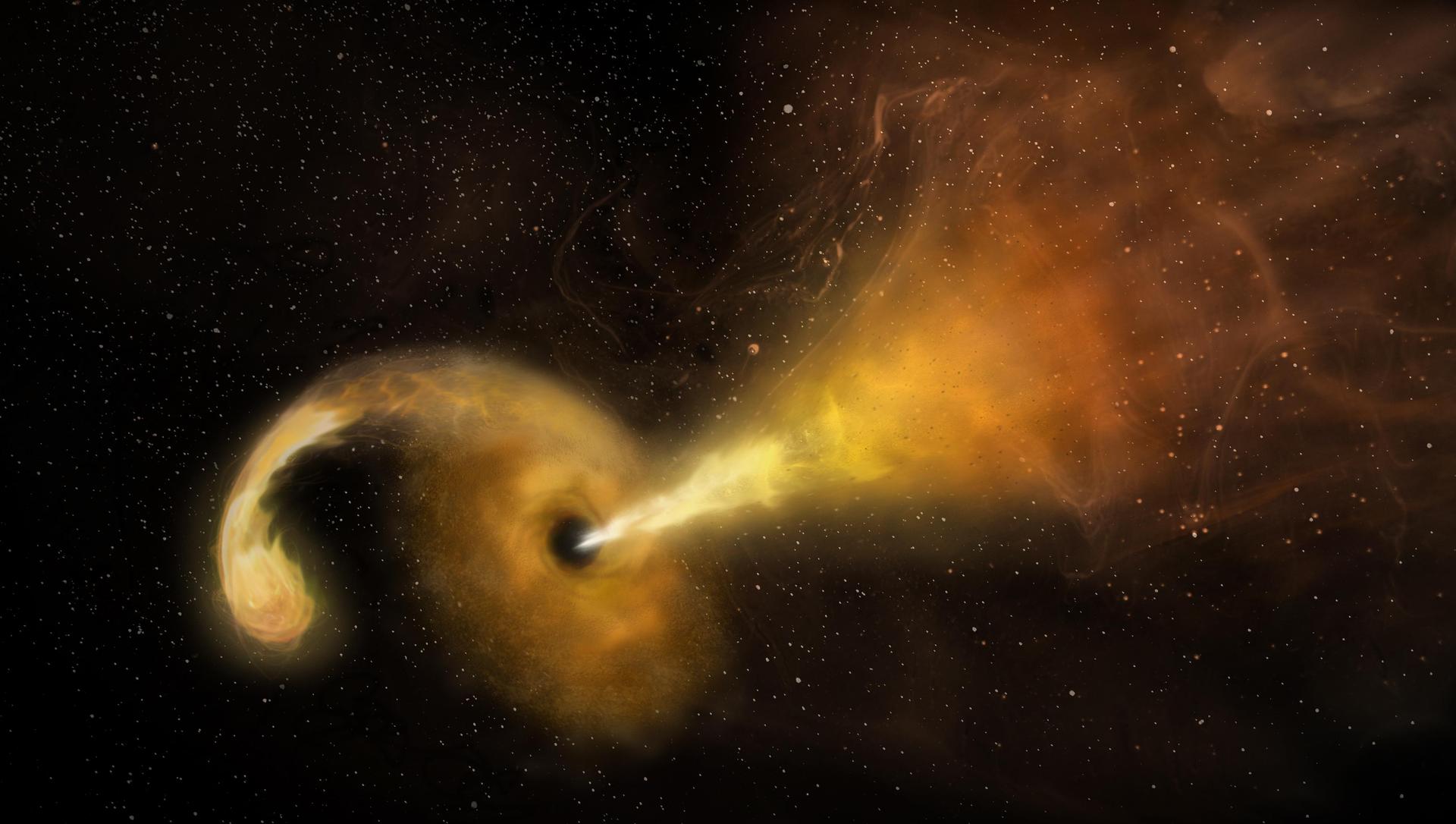
A Black Hole Wandered 30,000 Light-Years From Home — Then It Ate a Star
NASA's Swift Observatory and a UNC-Chapel Hill team caught a roughly million-solar-mass black hole shredding a star far outside its galaxy's core — the farthest such offset ever seen, and evidence that black holes can go wandering after galactic mergers.
-
Missions
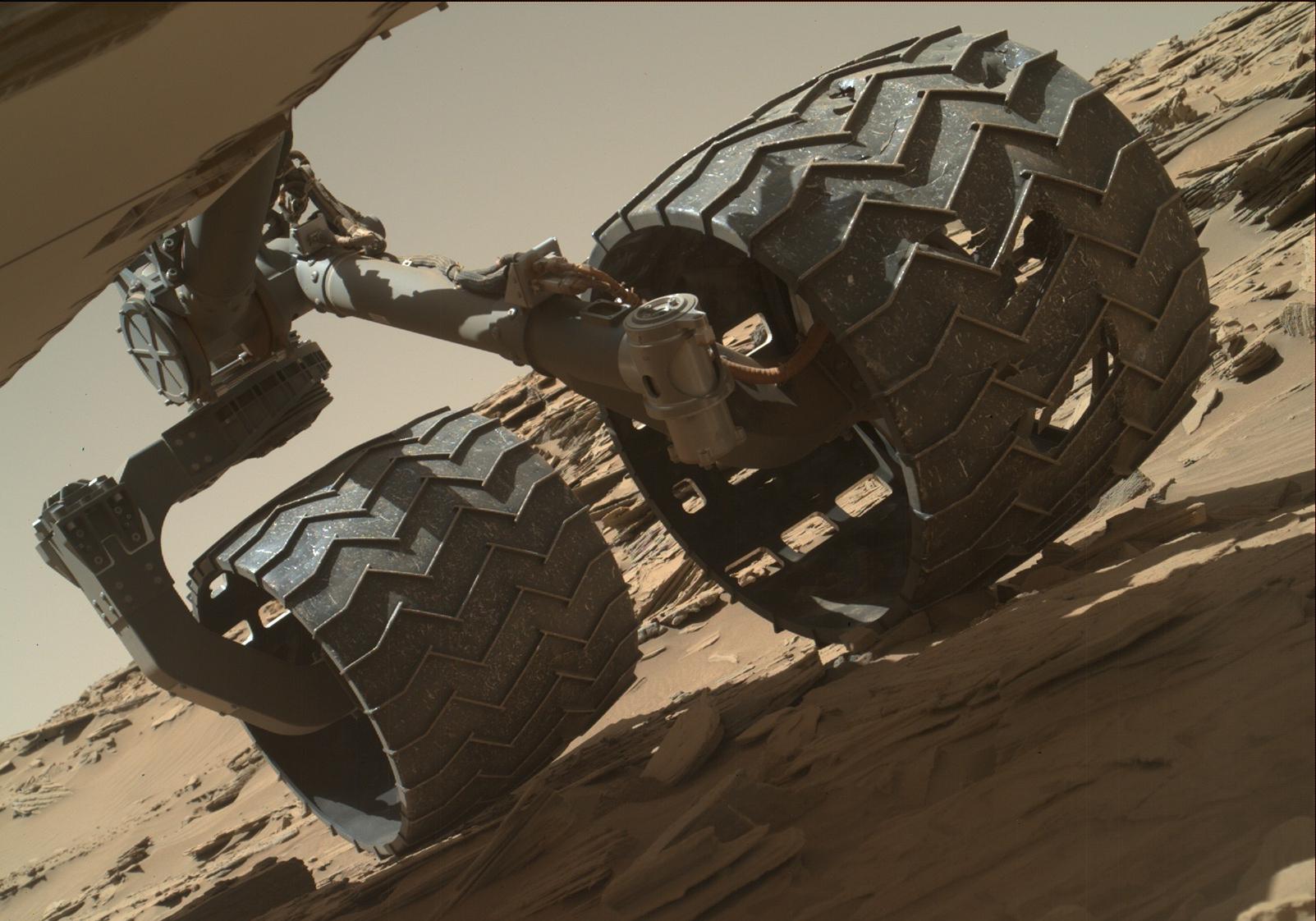
Fourteen Years, Twenty Miles: Curiosity's Wheels Show Their Age in New Close-Up
A new MAHLI close-up from Sol 4963 shows Curiosity's aluminum wheels riddled with cracks and holes after nearly 14 years and 20+ miles of driving across Gale Crater — and NASA says that's still within spec.
-
NASA & Agencies
Two New Galileo Satellites Officially Join Europe's Navigation Constellation
SAT 33 and SAT 34 — the final pair of first-generation Galileo satellites — have officially entered service, with SAT 34 cleared on July 23, 2026, as Europe's aging satnav fleet heads toward a heavier, electric-propulsion successor.
-
Astronomy
A House-Sized Asteroid Just Passed Closer to Earth Than the Moon
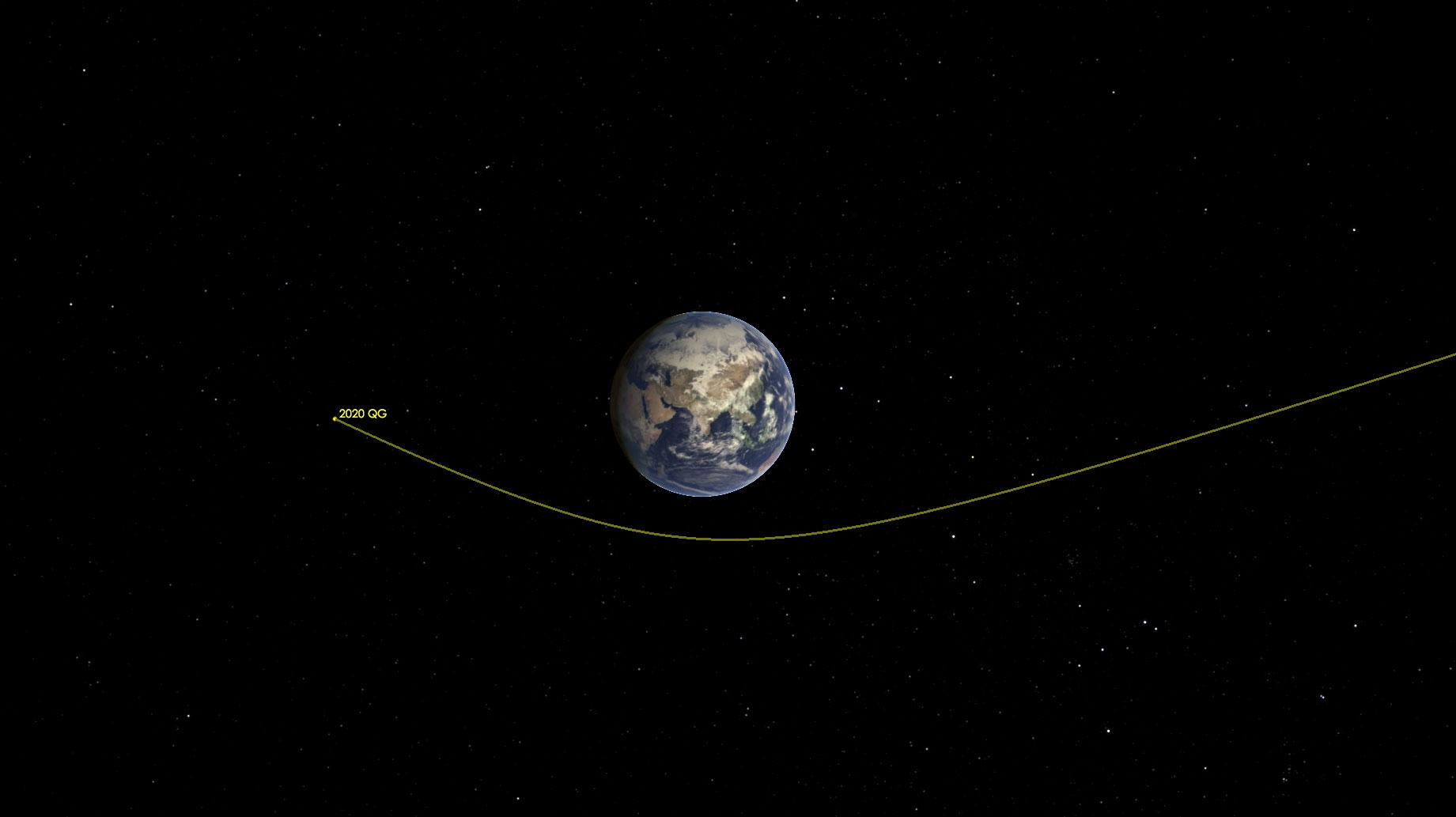
Newly discovered asteroid 2026 OD3 buzzed past Earth at 0.6 lunar distances on July 25, one of three close flybys this week that underscore how many small asteroids go undetected until days before arrival.
-
Commercial
Intel Unveils 'Starfire,' Its First Space-Grade System-on-Chip for Government Satellites
Intel Government Technologies is entering the orbital computing market with Starfire, an 18A-process SoC aimed at giving satellites the onboard horsepower for AI-driven image analysis and anomaly detection.
-
Science & Discovery
LIGO's Latest Catalog Sorts Black-Hole Mergers Into Four Distinct Families
A new analysis of LIGO-Virgo-KAGRA's fifth transient catalog finds statistical evidence for four separate black-hole merger populations — including a rare group of black holes built from earlier mergers.
Page 16 of 57