All articles
-
Missions
Moon Rocks Remember Earth's Shield: Chang'e-6 Far-Side Samples Show Our Magnetosphere Slows the Solar Wind
Noble gases in the ~2 grams of far-side soil Chang'e-6 returned reveal the Moon's near side is struck by solar wind slowed to ~200 km/s after passing through Earth's magnetosphere, while the far side takes the wind at nearly full speed.
-
Stargazing
Late July 2026: A Fattening Moon, Edge-On Saturn, and a Meteor Shower Fighting the Light
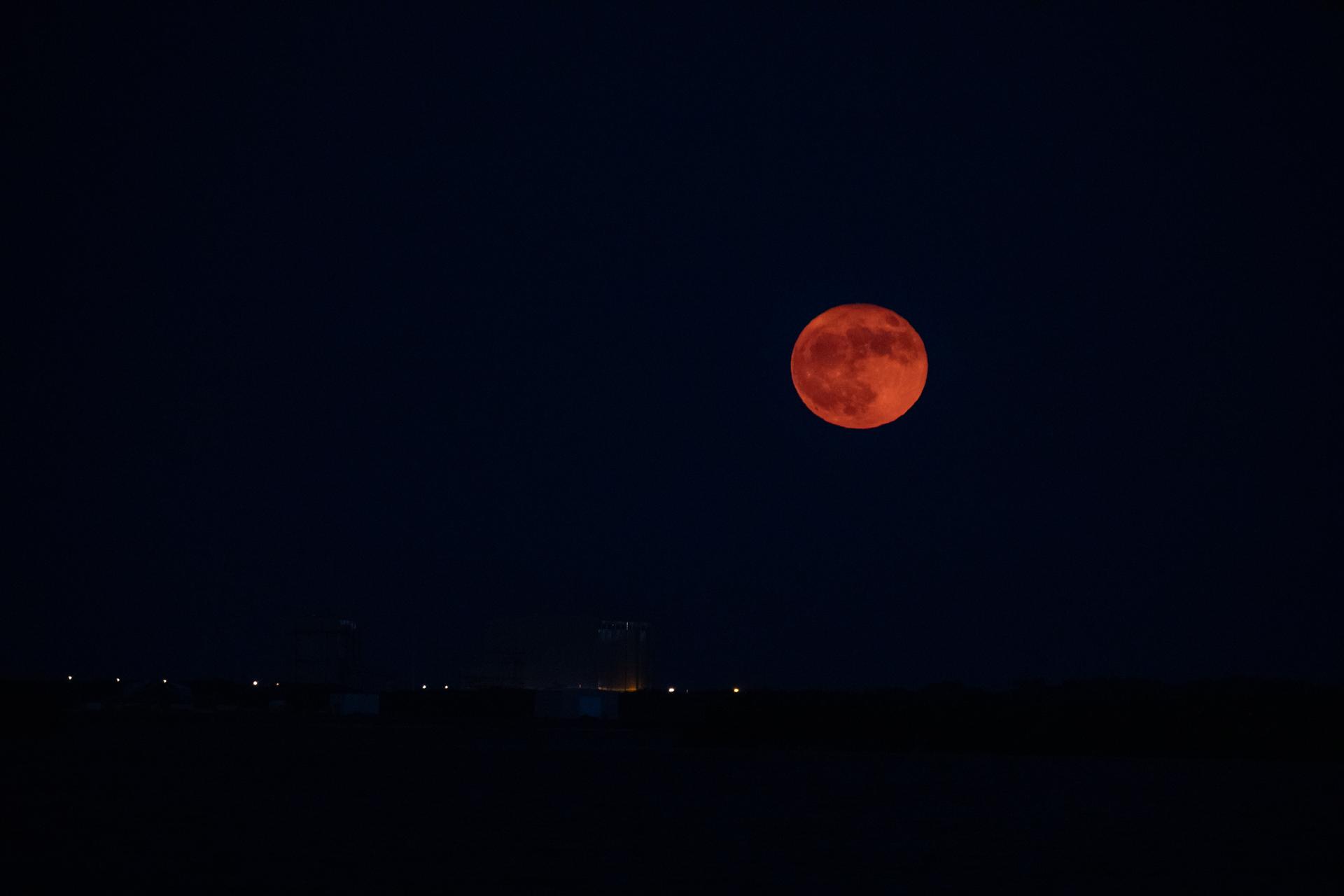
The last ten days of July 2026 hand skywatchers a First Quarter Moon growing into the Full Buck Moon on 29 July, a nearly edge-on Saturn, evening Venus in Leo, and Delta Aquariid meteors that a near-full Moon will mostly drown out.
-
Astronomy
The Milky Way Flipped on Its Side: Simulations Tie Our Galaxy's Slow-Spinning Halo to an Ancient Collision
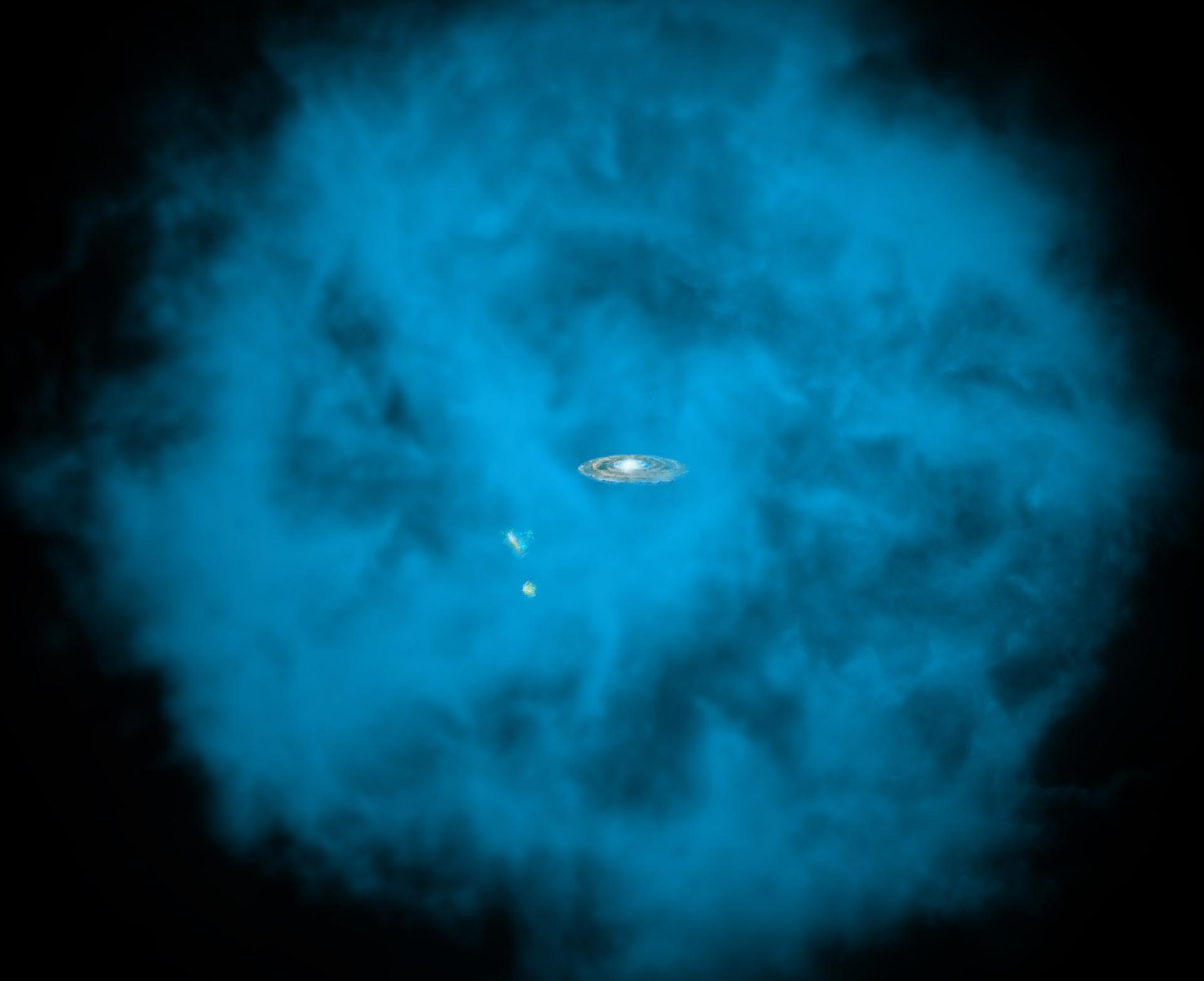
Durham University simulations presented at NAM 2026 suggest the Milky Way's disc reoriented by more than 90 degrees after its head-on collision with Gaia-Sausage-Enceladus, with our galaxy's slowly rotating stellar halo as the tell-tale fingerprint.
-
Commercial
America's First In-Orbit Mechanic Is on Its Way to GEO
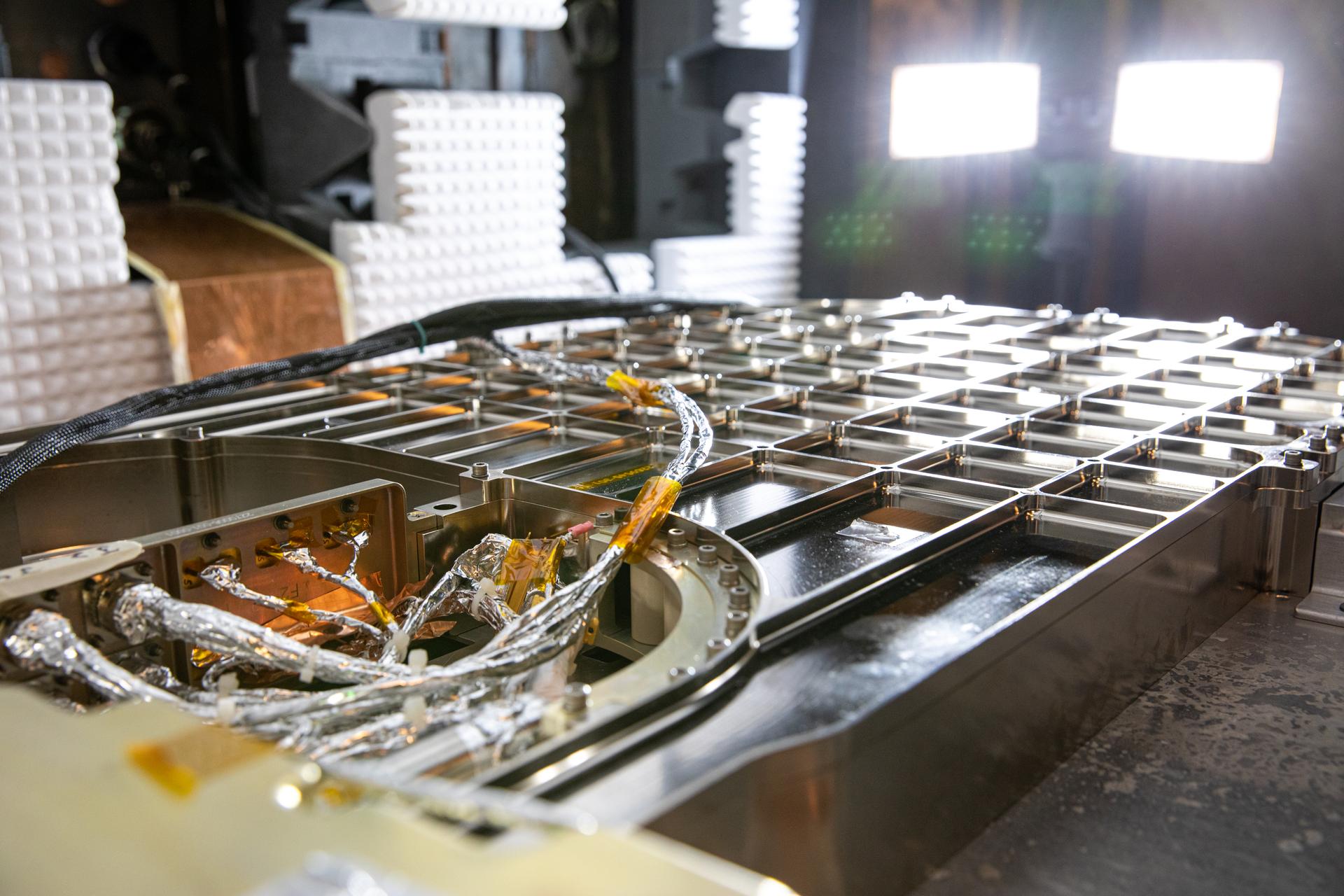
A Falcon 9 launched Northrop Grumman's Mission Robotic Vehicle on 21 July 2026, carrying DARPA/NRL's RSGS robotic arms to geosynchronous orbit to inspect, repair, relocate and life-extend aging satellites.
-
Science & Discovery
The Sun's Sudden 'Switch-Off': A Hidden Signal That Forecasts the Next Solar Cycle Years in Advance
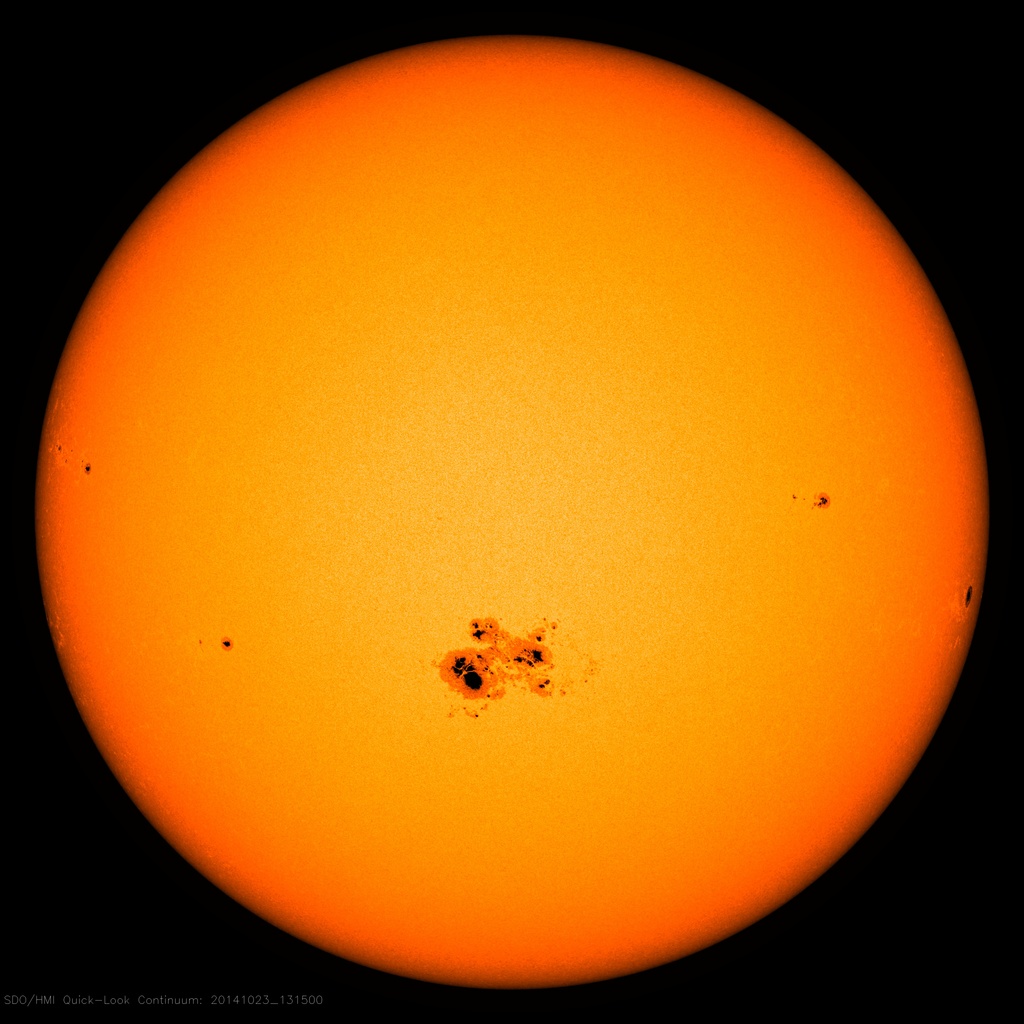
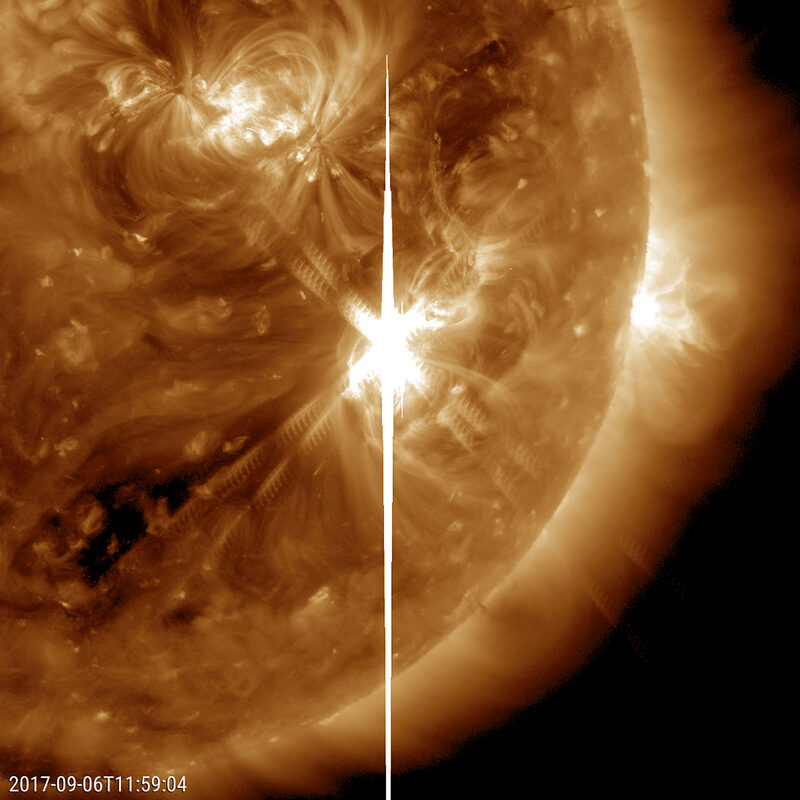
University of Warwick physicist Sandra Chapman told NAM 2026 that the Sun's fiercest space weather ends not with a whimper but a sudden 'switch-off' - and the sunspots left behind at that moment forecast the next cycle six to seven years early.
-
Stargazing
This Week's Sky: An Apollo-11 Twin Moon, a Stalling Mercury, and Titan Circling Saturn (July 20-24)
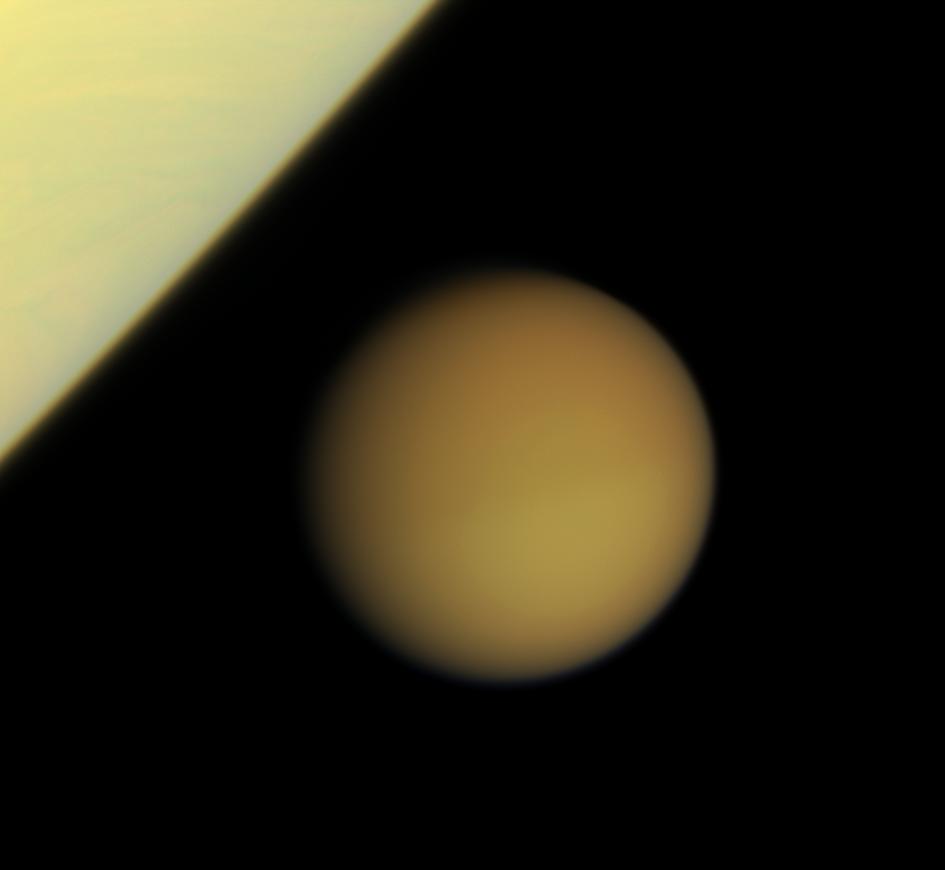
From July 20-24, 2026, the Metonic cycle serves up a Moon that echoes Apollo 11's landing night, Mercury stalls to end its retrograde in Gemini, and Titan hangs easily beside Saturn.
-
Science & Discovery
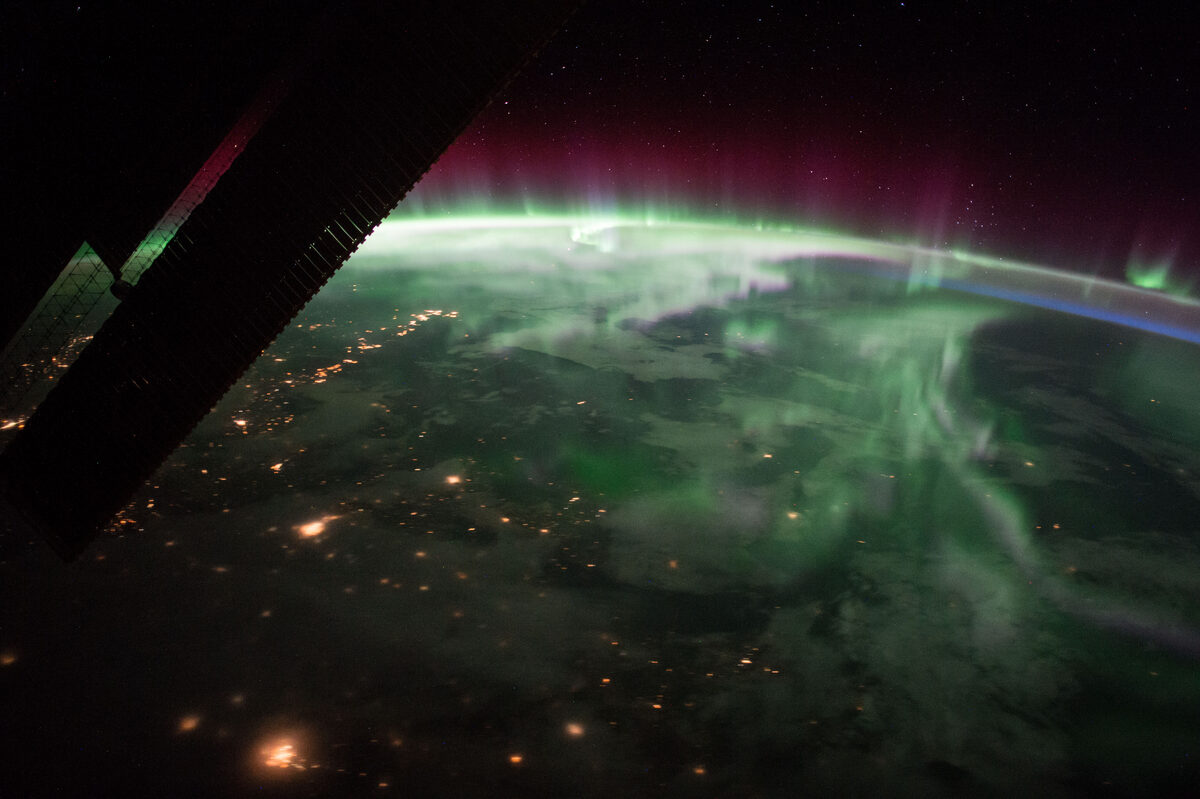
A Fresh Sunspot and an Incoming Coronal-Hole Wind Set Up a G1 Aurora Window for July 21-22
New sunspot AR4493 fired an M3.4 flare and 17 others in 24 hours as a fast coronal-hole wind stream heads for Earth, setting up a G1 geomagnetic storm and aurora chances July 21-22.
-
Astronomy
Van Gogh in the Sky: How the Dark Energy Camera Painted the Nearest Stellar Nursery
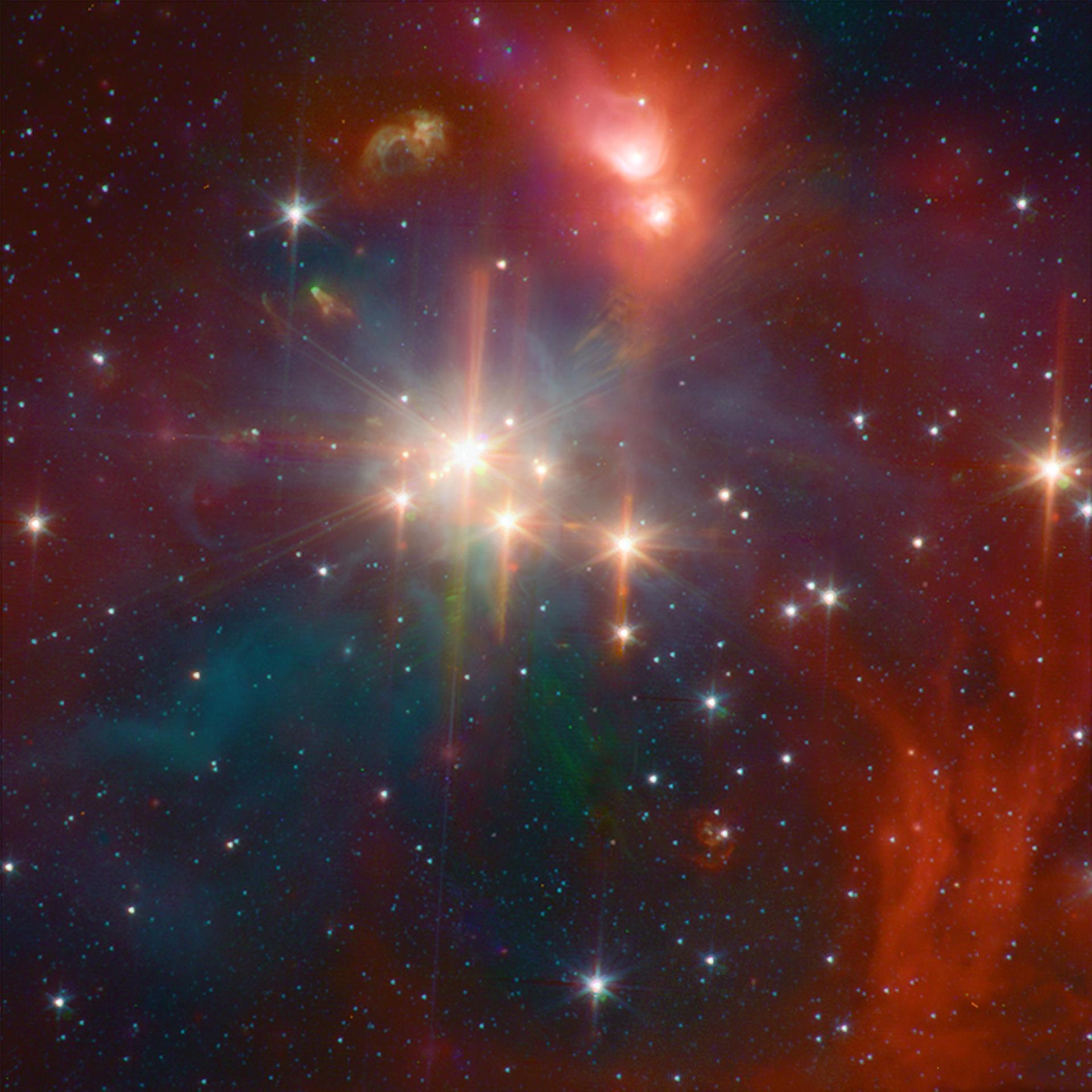
NSF NOIRLab's Dark Energy Camera has captured a 570-megapixel mosaic of the Corona Australis Molecular Cloud, the closest active star-forming region to the Sun, with dust lanes so swirling that astronomers reached for Van Gogh's 'The Starry Night' to describe it.
-
Commercial
America's First Robotic Satellite Mechanic Reaches the Pad
A Falcon 9 is set to launch Northrop Grumman's MRV-1 and three Mission Extension Pods on July 21, carrying DARPA's RSGS payload — the first U.S. multi-mission robot built to inspect, repair, upgrade, relocate and refuel satellites in geosynchronous orbit.
-
Military Space
SDA's Mesh Grows: Third Tranche 1 Launch Puts 21 York Satellites in Orbit — and All 21 Phone Home
A July 16 Falcon 9 lofted 21 York-built data-transport satellites for the Space Development Agency, resuming Tranche 1 flights after a roughly nine-month pause — and York confirmed contact with all 21 within hours, pushing the on-orbit count to 63.
-
NASA & Agencies
Mauritius Signs the Artemis Accords, and Talks About the Ocean Instead of the Moon
Mauritius became the 70th Artemis Accords signatory on July 17, 2026 — the seventh African nation and the 11th country to sign this year — and framed its accession around protecting oceans and coastlines rather than lunar exploration.
-
Science & Discovery
Nickel Isotopes Finally Name the Rock That Killed the Dinosaurs — and It's an Oddball
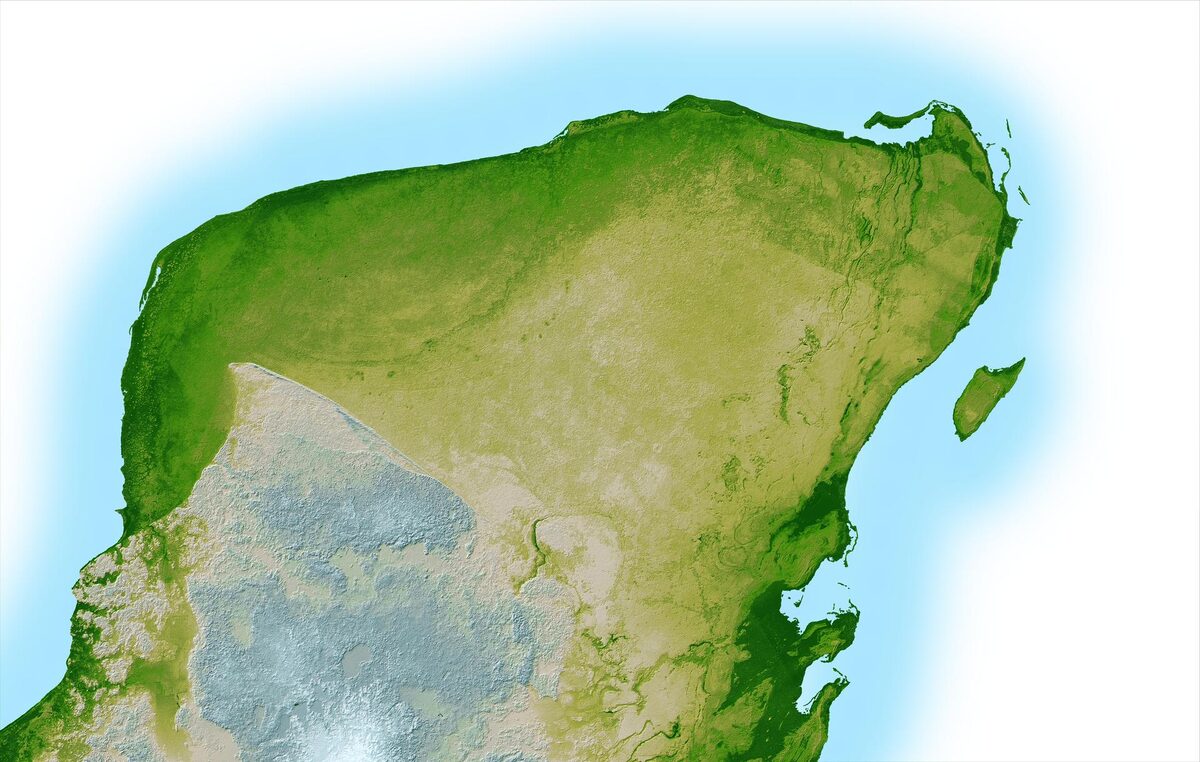
Nickel isotopes in K–Pg boundary clay identify the Chicxulub impactor as a rare CO chondrite — so poor in sulfur, carbon and water that atmospheric debris, not impactor sulfur, likely drove the extinction.
Page 19 of 57