
All articles
-
Commercial
A Falcon 50 and a Big Bet: Mu-g Technologies Wants to Fill the Gap in Commercial Parabolic Flight
With Zero-G Corp grounded and NASA buying its own 737, a self-funded startup armed with a Dassault Falcon 50 is stepping into the commercial parabolic flight market to serve researchers left without a ride.
-
NASA & Agencies
NASA Just Handed 14 Companies a $476 Million Contract to Watch the Earth
NASA expanded its Commercial Satellite Data Acquisition program with 8 new vendors and 6 returning ones, pushing the contract ceiling to $476M through 2028.
-
NASA & Agencies
NASA Greenlights Twin-Satellite Mission to Crack the Code of Space Weather's Atmospheric Grip
NASA's DAPHNE mission will send two identical satellites to study how Earth's lower atmosphere shapes conditions in space — and why that matters for GPS, satellites, and astronauts.
-
Missions
NASA's ERNEST Rover Just Tore Through 16 Miles of California Desert — and It's Headed for the Moon
JPL's four-wheeled ERNEST prototype covered 16 miles in 37 hours during a March desert trial, moving an order of magnitude faster than any rover NASA has put on another world.
-
Missions
Hubble, Chandra, Spitzer, Compton: The Strategy Behind NASA's Great Observatories
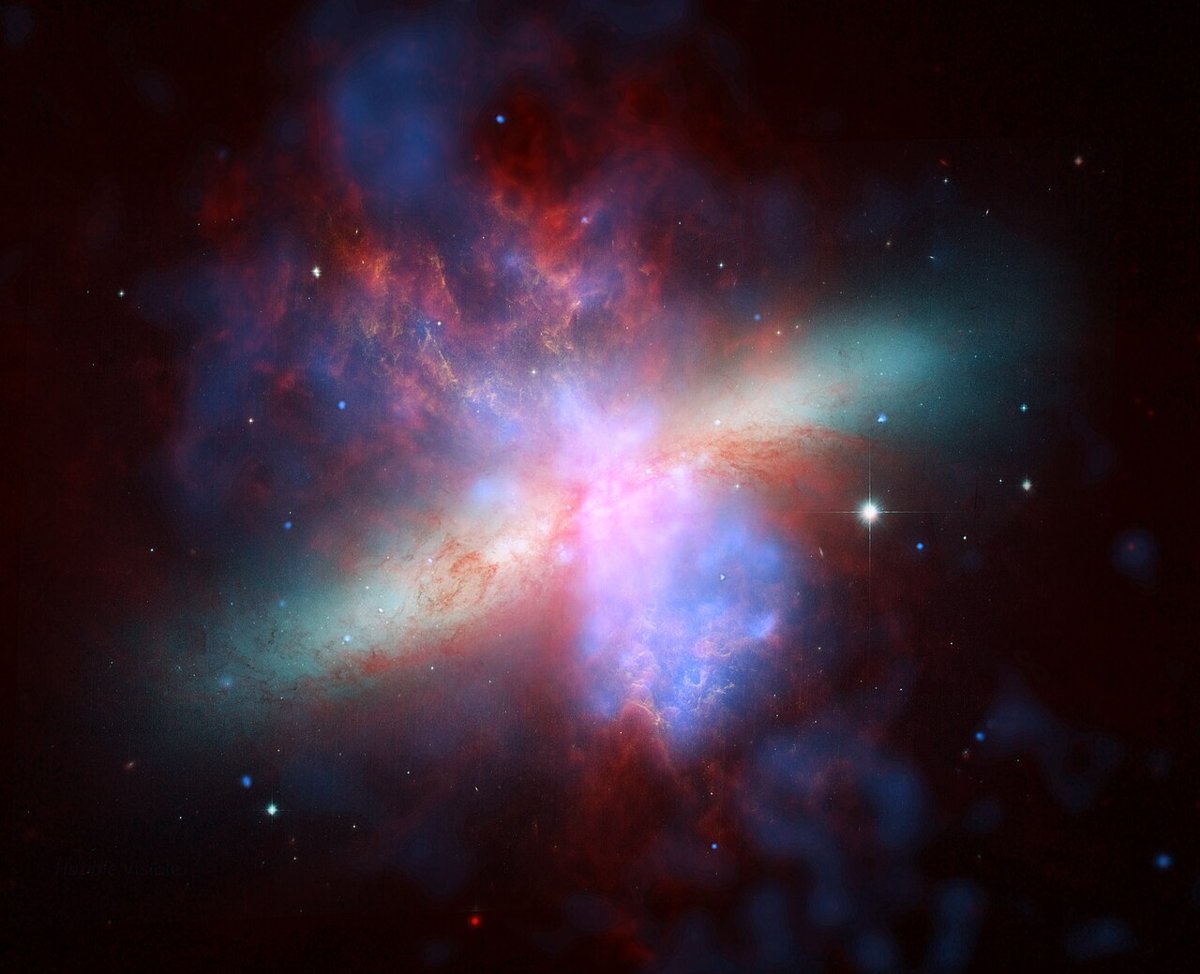
Four telescopes, four wavelength bands, one coherent strategy. How NASA designed a multi-wavelength fleet — Hubble for visible and ultraviolet, Compton for gamma rays, Chandra for X-rays, Spitzer for infrared — that transformed astrophysics by revealing what no single observatory could see alone.
-
Science & Discovery
From Cold Gas to Nuclear Fire: NASA Maps Every Step of How Stars Ignite
A new NASA visualization traces star formation from the first gravitational stirrings in a molecular cloud all the way to main-sequence ignition — a single diagram synthesizing decades of multi-mission observations.
-
Military Space
Northrop Grumman Says It Can Scale Solid Rocket Production — But Washington Has to Commit First
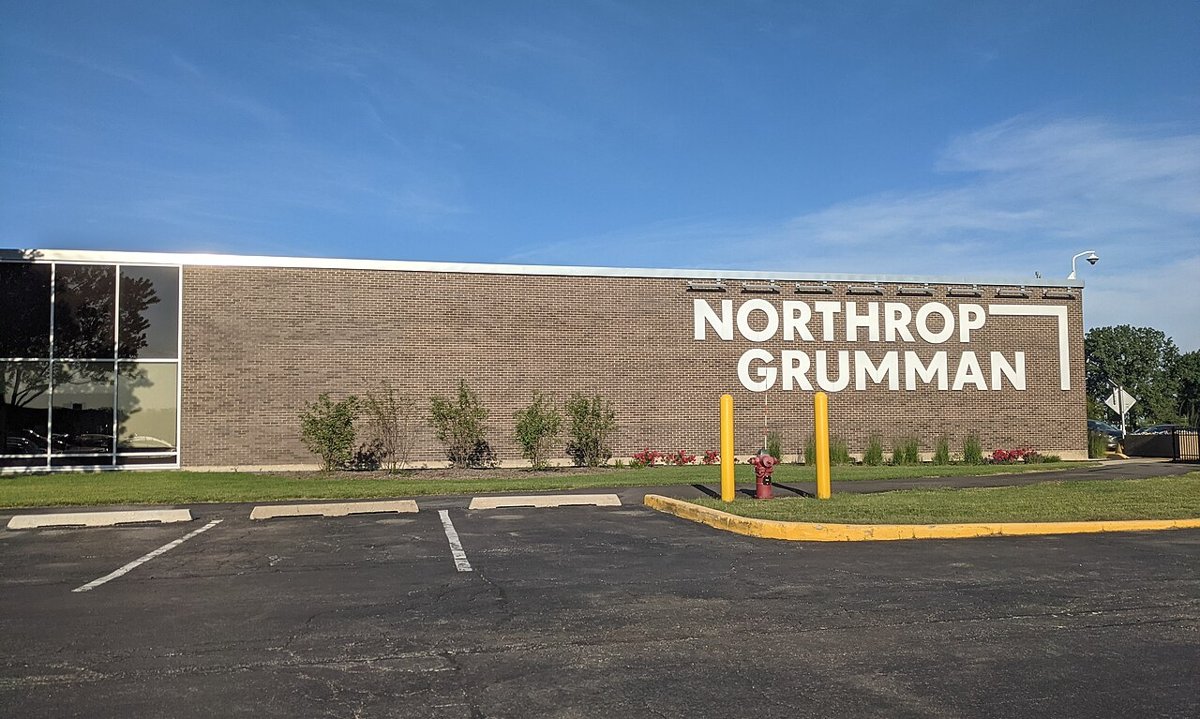
The solid rocket motor maker argues the industrial base is ready to ramp up, but short-term government contracts make it nearly impossible to justify the capital investment needed to do so.
-
NASA & Agencies
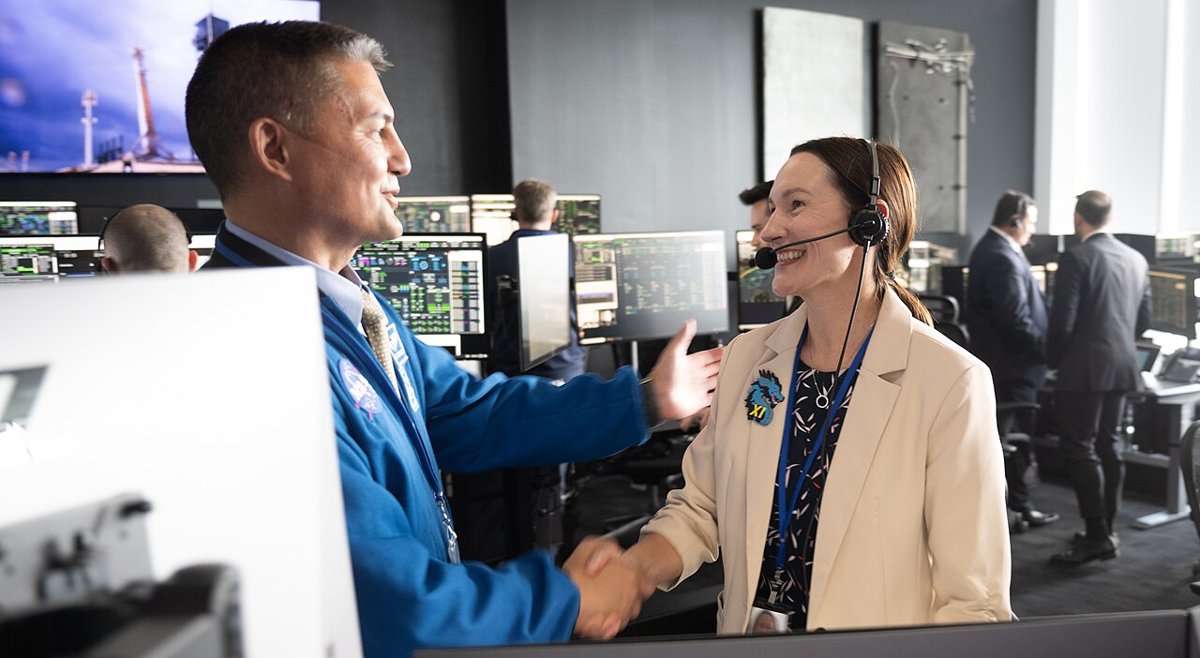
From Suriname to NASA Kennedy: Rohit Goeptar's Unlikely Path to the Launch Pad
A childhood in poverty, six years in the Marines, homelessness in Florida — and now Rohit Goeptar analyzes electromagnetic compatibility for NASA rockets at Kennedy Space Center.
-
Military Space
Space Force's Top Rapid-Acquisition Leader Decamps for Nuclear Weapons Center as Congress Rewrites the Playbook
Kelly Hammett's move from the Space Rapid Capabilities Office to Kirtland AFB comes as both chambers of Congress prepare to fold the agile procurement shop into a broader acquisition framework.
-
Military Space
SpaceX Sends Classified NRO Payload to Orbit, Cementing Its Role as America's Go-To Military Launch Provider
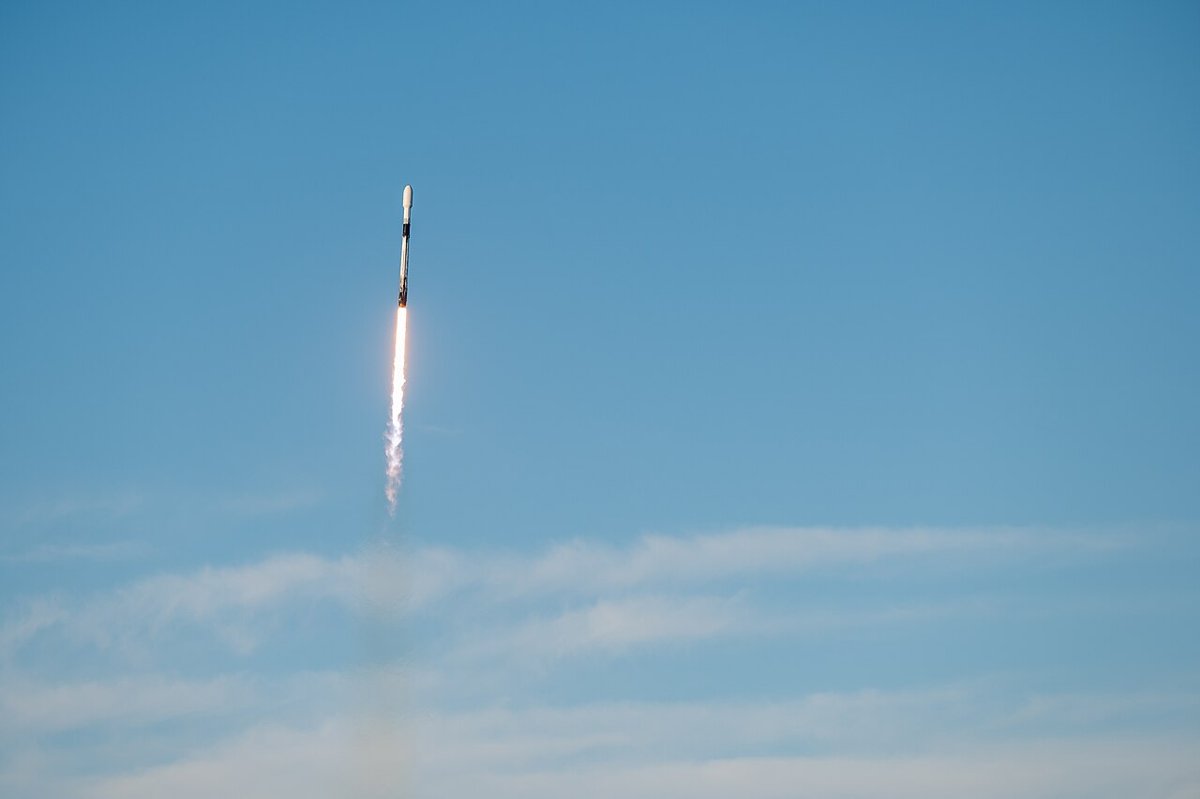
A Falcon 9 launched intelligence-gathering satellites for the National Reconnaissance Office on June 18, underscoring how deeply the U.S. intelligence community now depends on commercial rockets.
-
Commercial
China's Spark Space Bets on Electric-Pump Engines to Carve Out a Niche in the Small-Sat Launch Race
Two-year-old Hefei startup Spark Space has test-fired its Lieyan-2 kerosene-LOX engine and closed back-to-back funding rounds totaling over $14.8M, racing to debut its Jinhua-1 rocket by 2027.
-
Stargazing
Your First Telescope: What to Buy, What to Skip, and What to Look at First
Aperture matters more than magnification, Dobsonians beat department-store refractors, and the Moon is the best first target. A no-nonsense buying guide for your first serious look at the night sky.
Page 37 of 57