
All articles
-
Military Space
Combat Surgeon, Record-Setter, Next: Army's Col. Rubio Named to Artemis III Earth Orbit Test Crew
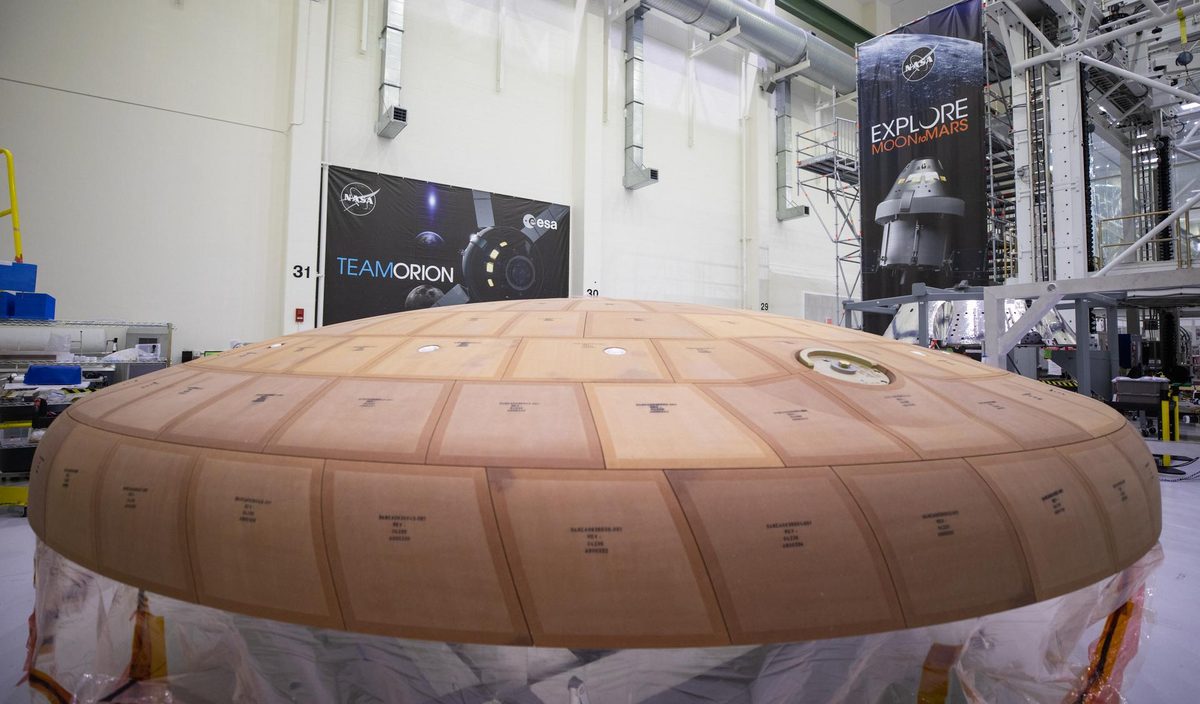
Col. Frank Rubio — who shattered the U.S. record for longest single spaceflight — has been named to the 2027 Artemis III crew alongside ESA astronaut Luca Parmitano, in a mission that will test lunar lander docking in Earth orbit as the final dress rehearsal before the Moon.
-
Science & Discovery
Beyond Pluto: What the Kuiper Belt Is Teaching Us About the Solar System's Deep Freeze
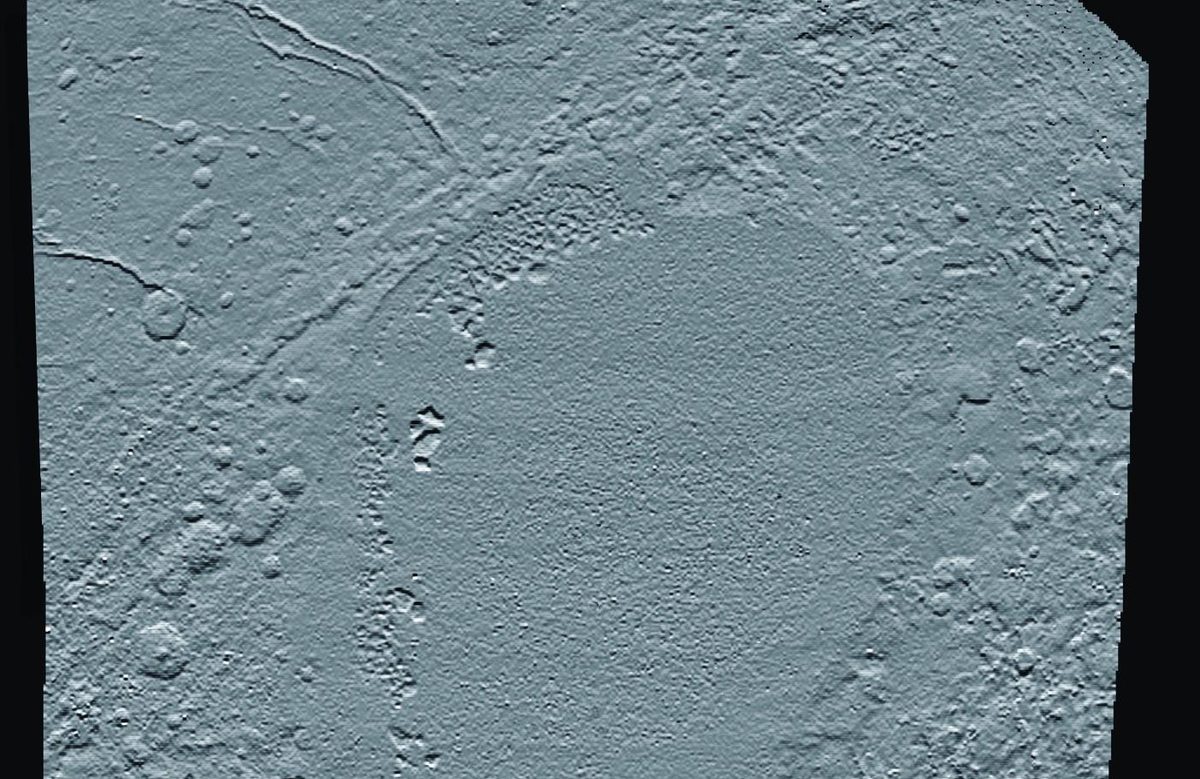
New Horizons' flyby of Arrokoth — a pristine contact binary 4.1 billion miles from the Sun — revealed a solar system relic frozen since the dawn of planetary formation. Now scientists want to go deeper, and the Kuiper Belt's secrets are proving stranger than anyone expected.
-
Science & Discovery
Magnetars: The Universe's Most Magnetic Objects Are Also Among Its Rarest and Most Violent
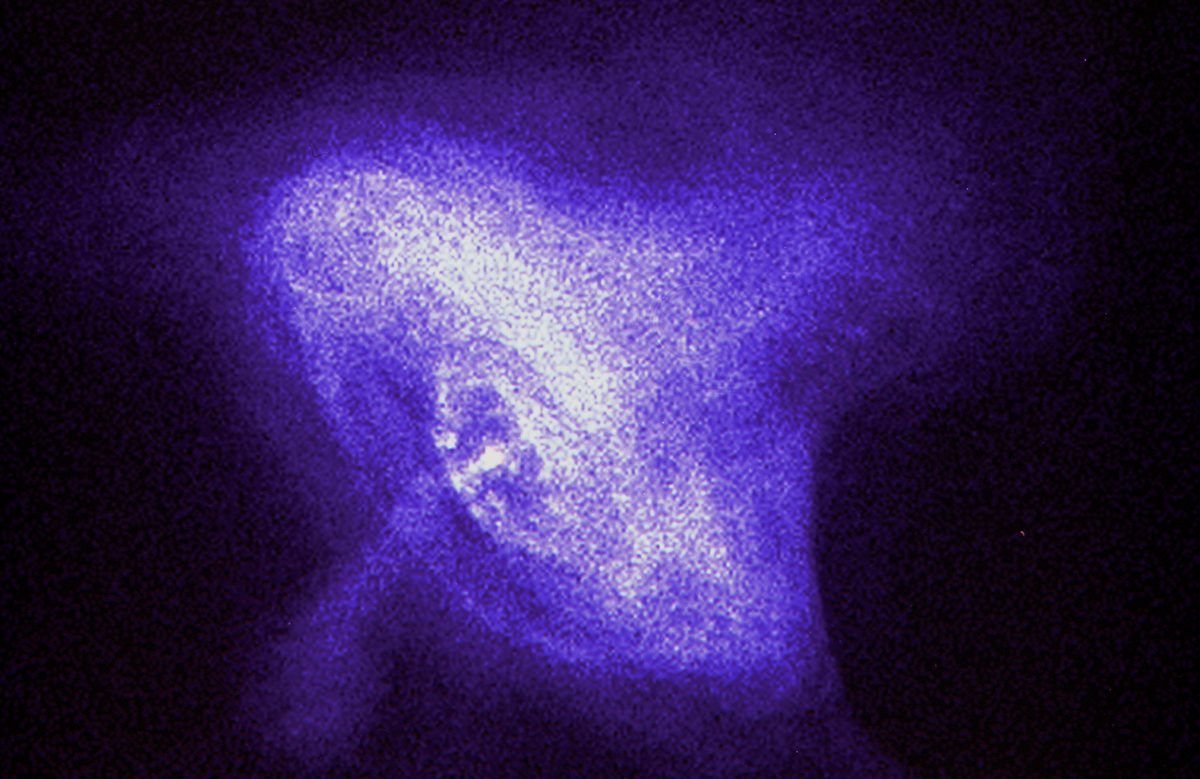
With magnetic fields a quadrillion times stronger than Earth's, magnetars are neutron stars pushed to a physical extreme that bends spacetime, cracks their crusts, and briefly outshines entire galaxies — and astrophysicists are still working out how they form.
-
Military Space
One Outage Stopped Navy Drone Tests. The Pentagon's SpaceX Problem Is Bigger Than That.
When a Starlink outage last August left Navy unmanned surface vessels bobbing uselessly off the California coast, it crystallized a strategic anxiety the Pentagon had been managing quietly: the U.S. military is profoundly dependent on a commercial satellite network it does not own or control.
-
Science & Discovery
The CNO Cycle: How Massive Stars Burn Hydrogen Differently Than the Sun
The Sun fuses hydrogen through the proton-proton chain. Stars more than twice as massive use a completely different nuclear pathway — one that uses carbon, nitrogen, and oxygen as catalysts and burns hotter, faster, and far more violently.
-
Astronomy
The Coma Cluster: Where Dark Matter Was First Weighed and Found Wanting
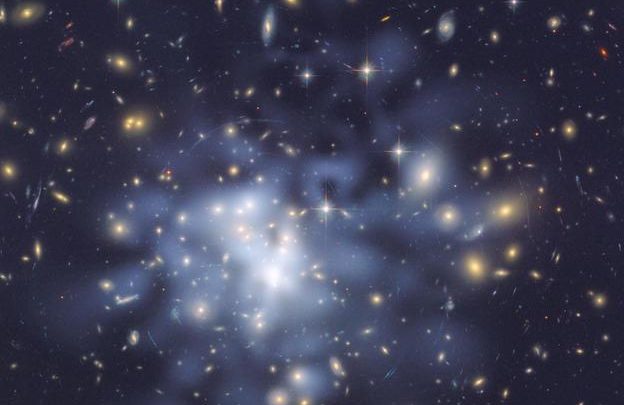
In 1933, Fritz Zwicky calculated the mass of the Coma Cluster from its galaxies' motions and found a discrepancy of a factor of 400. He called the missing mass 'dunkle Materie.' The mystery hasn't been solved in the ninety years since.
-
NASA & Agencies
ExoMars Rosalind Franklin Rover: Still Alive, Still Going to Mars
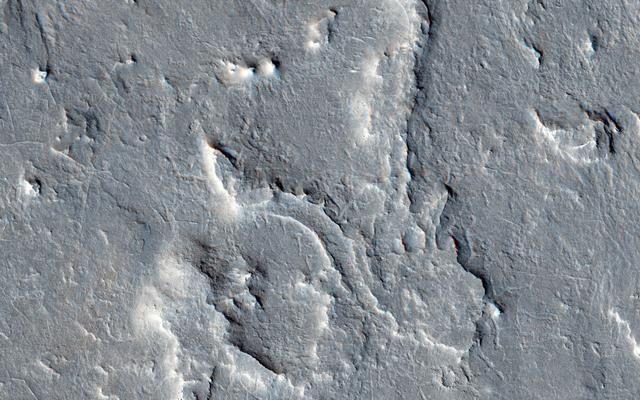
ESA's ExoMars rover survived the loss of its Russian Roscosmos partnership and is being rebuilt for a European launch. If it gets to Mars, it will carry a drill no other mission has ever attempted.
-
Stargazing
Galaxy Season: A Guide to Observing the Local Group This Autumn
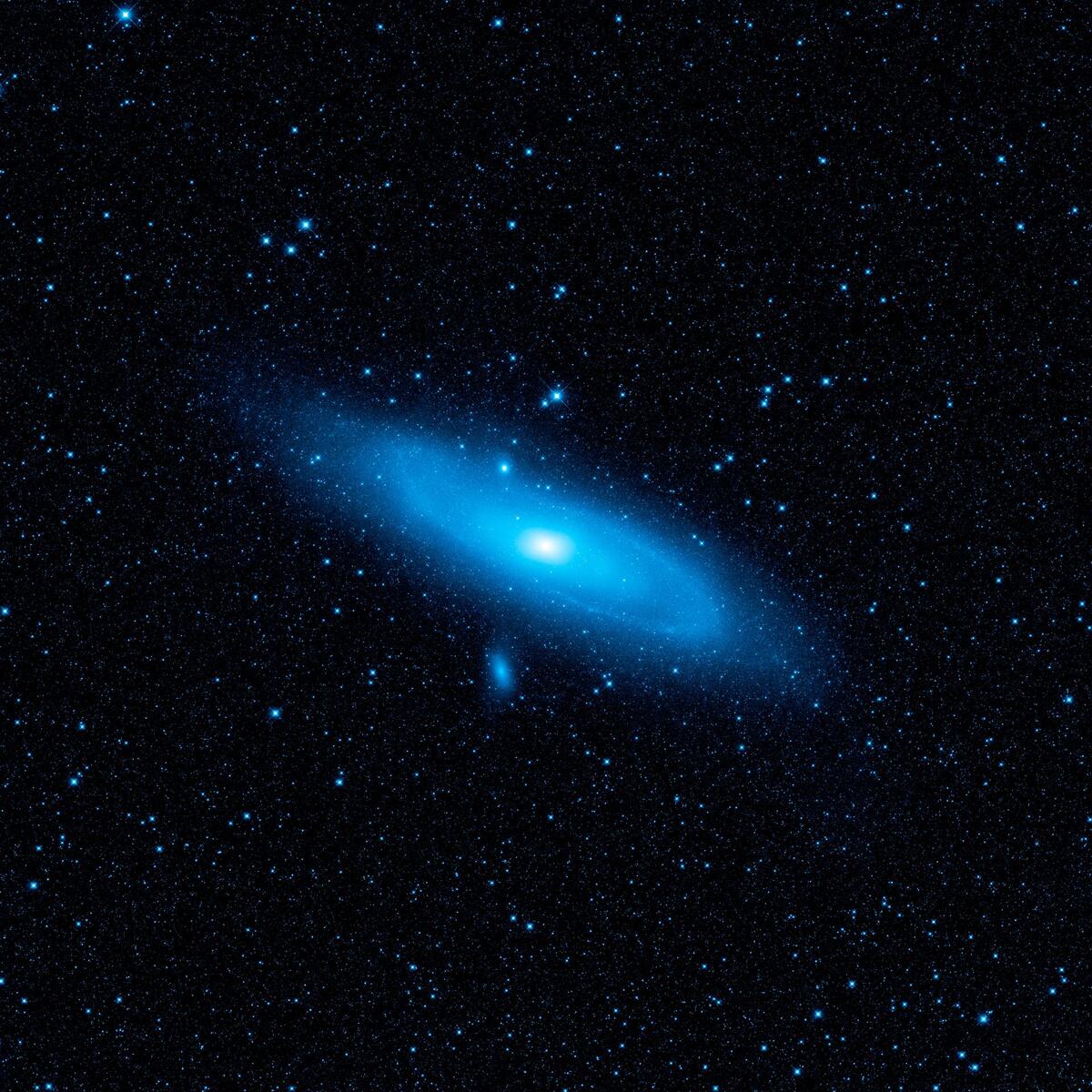
Every autumn the great galaxies of the Local Group rise into prime viewing position. Here's how to find M31, M33, and their satellites — and what you're actually looking at when you do.
-
Missions
ESA's Hera Mission Is About to Rewrite What We Know About Asteroid Deflection
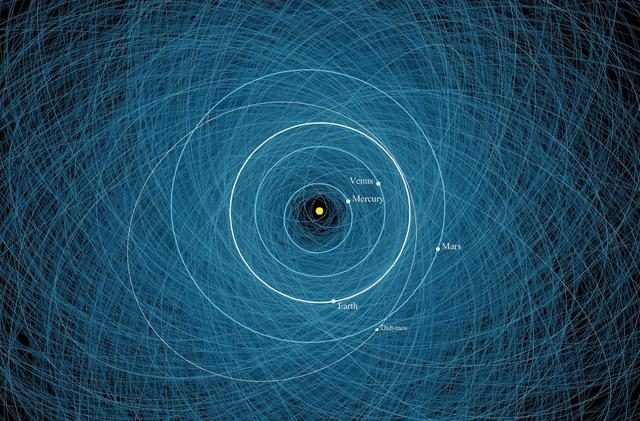
NASA's DART proved we can move an asteroid. Now ESA's Hera spacecraft is arriving at Didymos to find out exactly what happened — and whether planetary defense is ready for a real threat.
-
Science & Discovery
When Neutron Stars Collide: How Kilonovae Forge the Universe's Heavy Elements
Gold, platinum, uranium — the heaviest elements in the periodic table weren't forged in ordinary stars. They were made in the violent milliseconds of neutron star mergers, and in 2017, we watched it happen for the first time.
-
Astronomy
Inside a Stellar Nursery: How the Orion Molecular Cloud Builds Stars
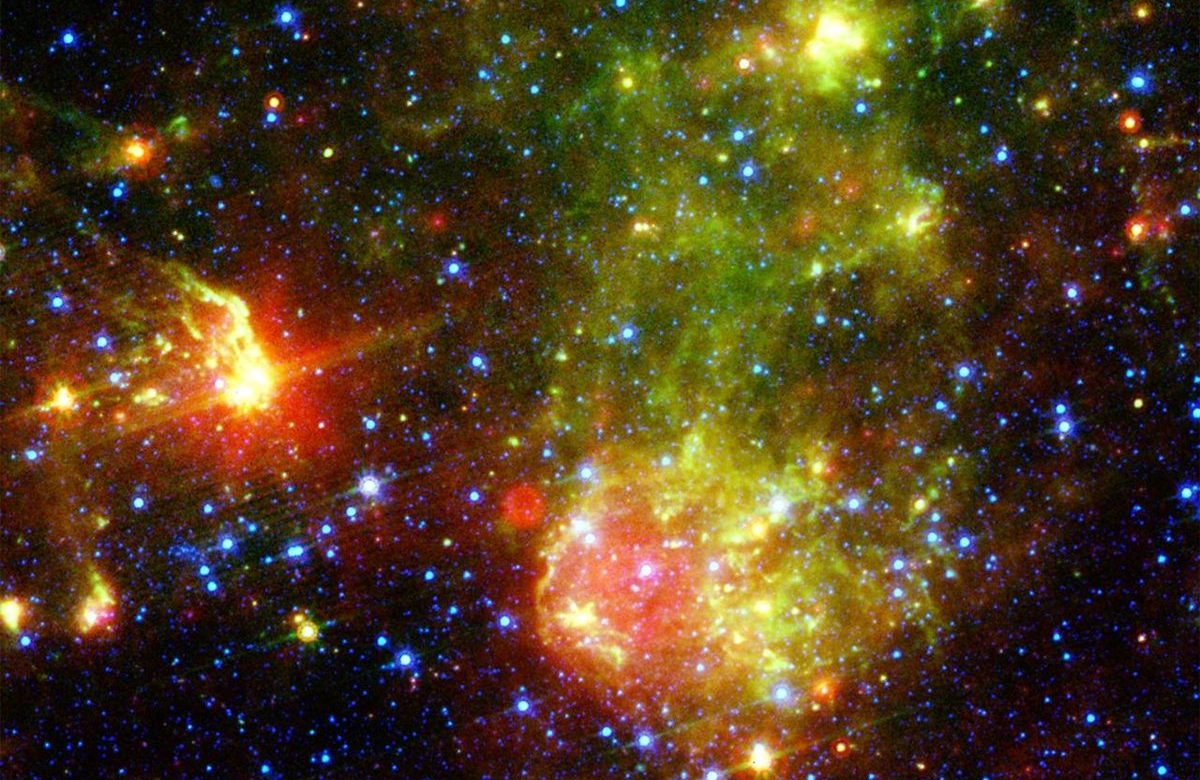
The Orion Molecular Cloud is the nearest massive star-forming region to Earth — a turbulent, ultraviolet-blasted environment where new solar systems are assembling right now, and JWST has given us our sharpest look yet.
-
Commercial
The Upper Stage Problem: Why Reusable Second Stages Are Harder Than They Look
Recovering and reusing first stages was the revolution. But upper stages — which must survive orbital velocities and reentry — are a fundamentally harder problem, and the industry's three main bets are taking very different approaches.
Page 40 of 57