
All articles
-
Science & Discovery
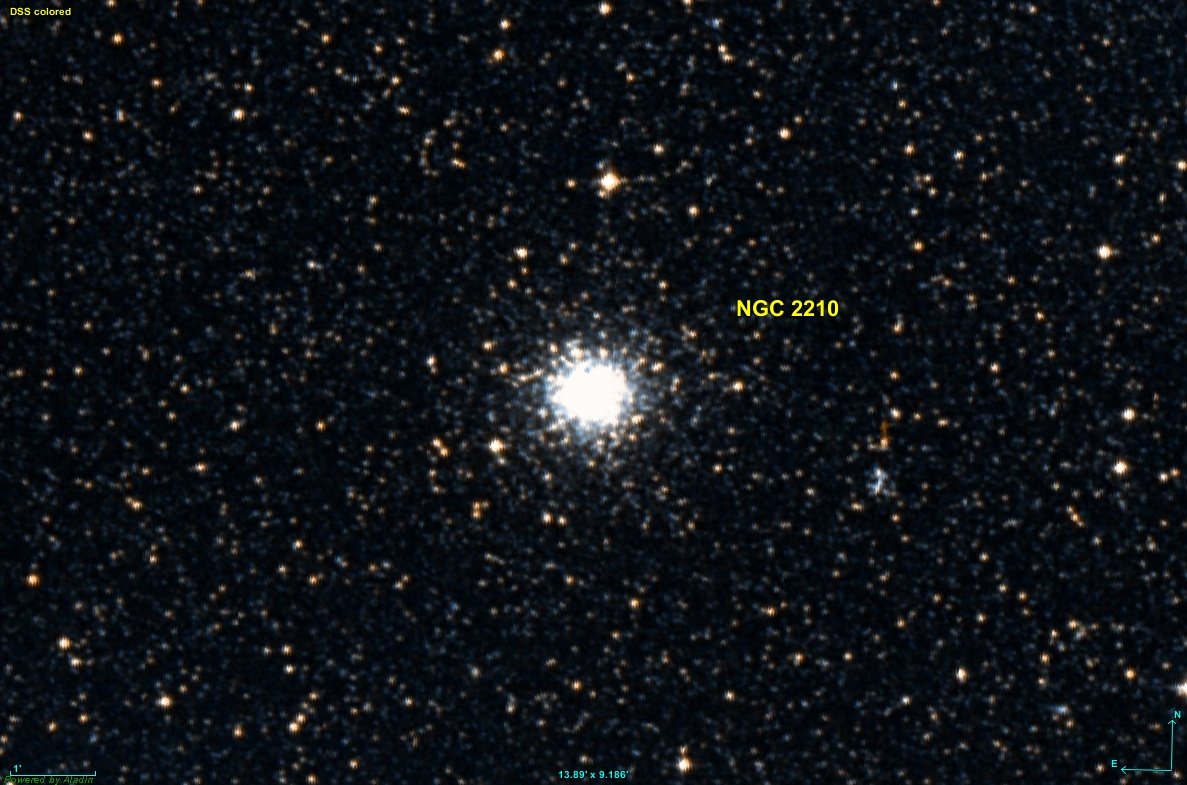
Webb and Hubble Team Up to Reveal an Ancient Relic of the Milky Way's Formation
Terzan 5 isn't a globular cluster after all. Webb and Hubble data reveal four generations of stars spanning 10 billion years, reclassifying it as a rare 'bulge fossil fragment' that survived the Milky Way's chaotic assembly.
-
Commercial
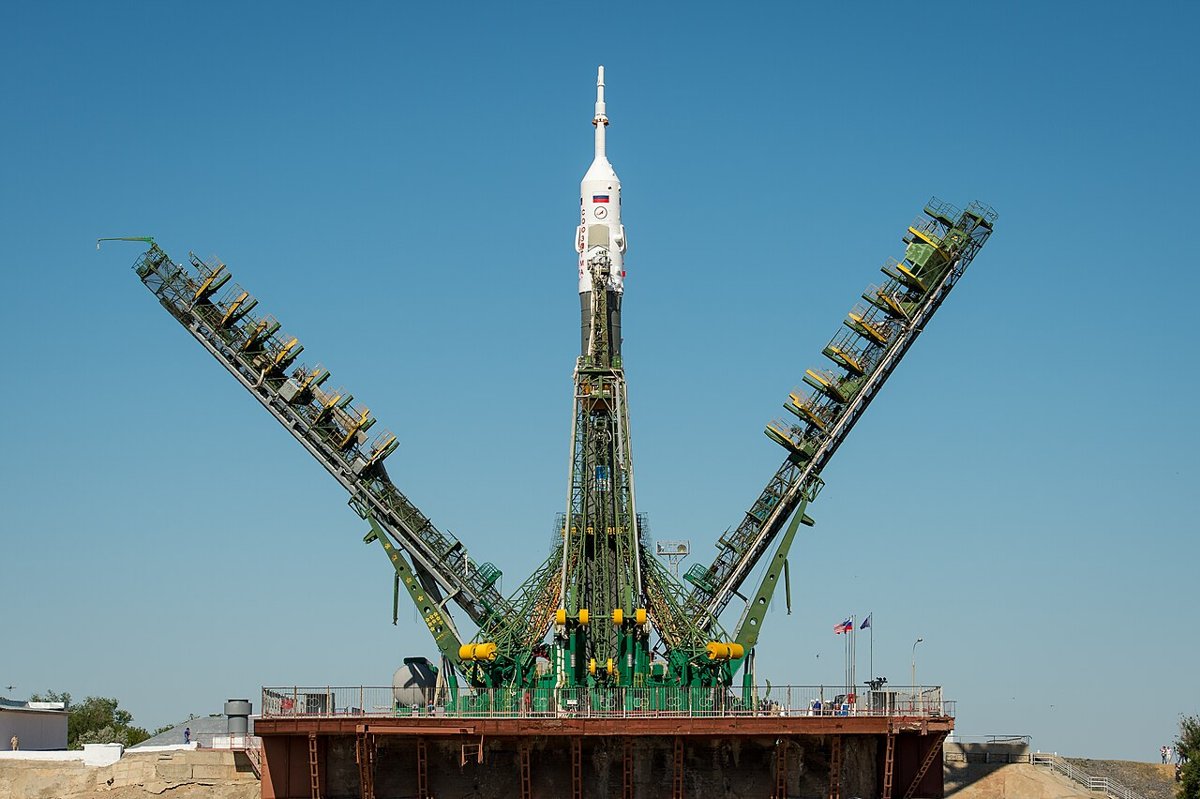
AST SpaceMobile's Block 2 BlueBirds Are in Orbit — and the Race for Direct-to-Cell Just Got Real
SpaceX lofted three Block 2 BlueBird satellites for AST SpaceMobile, expanding a constellation built on the audacious premise that your existing phone can talk directly to orbit.
-
Missions
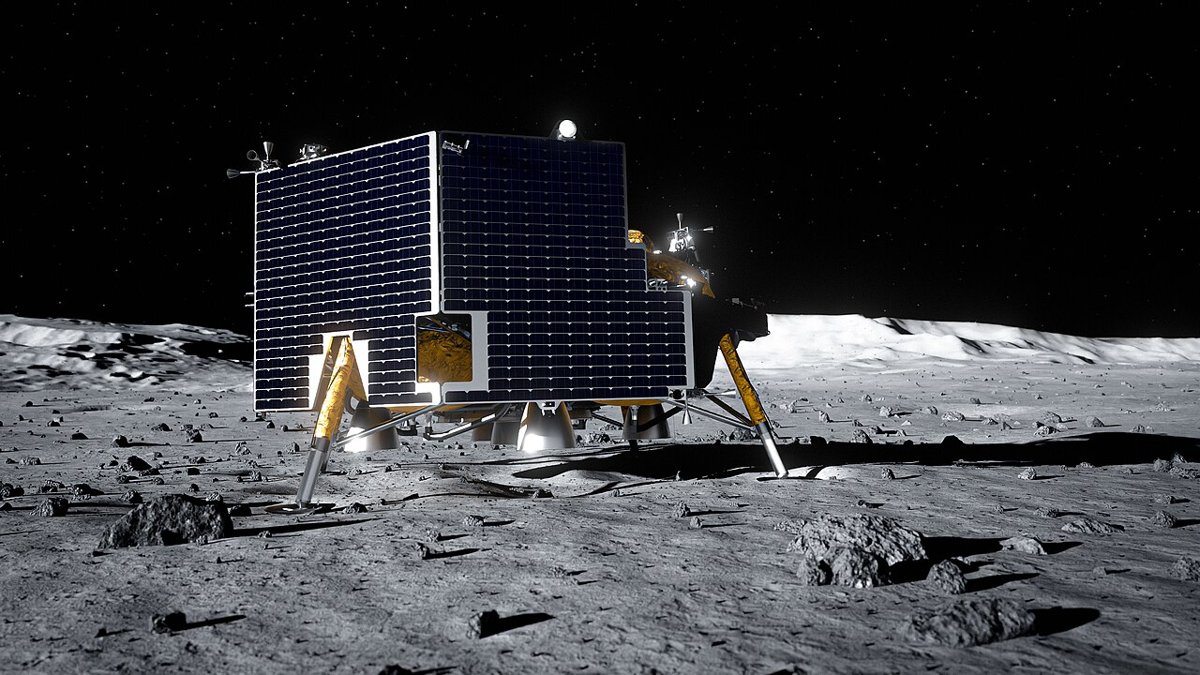
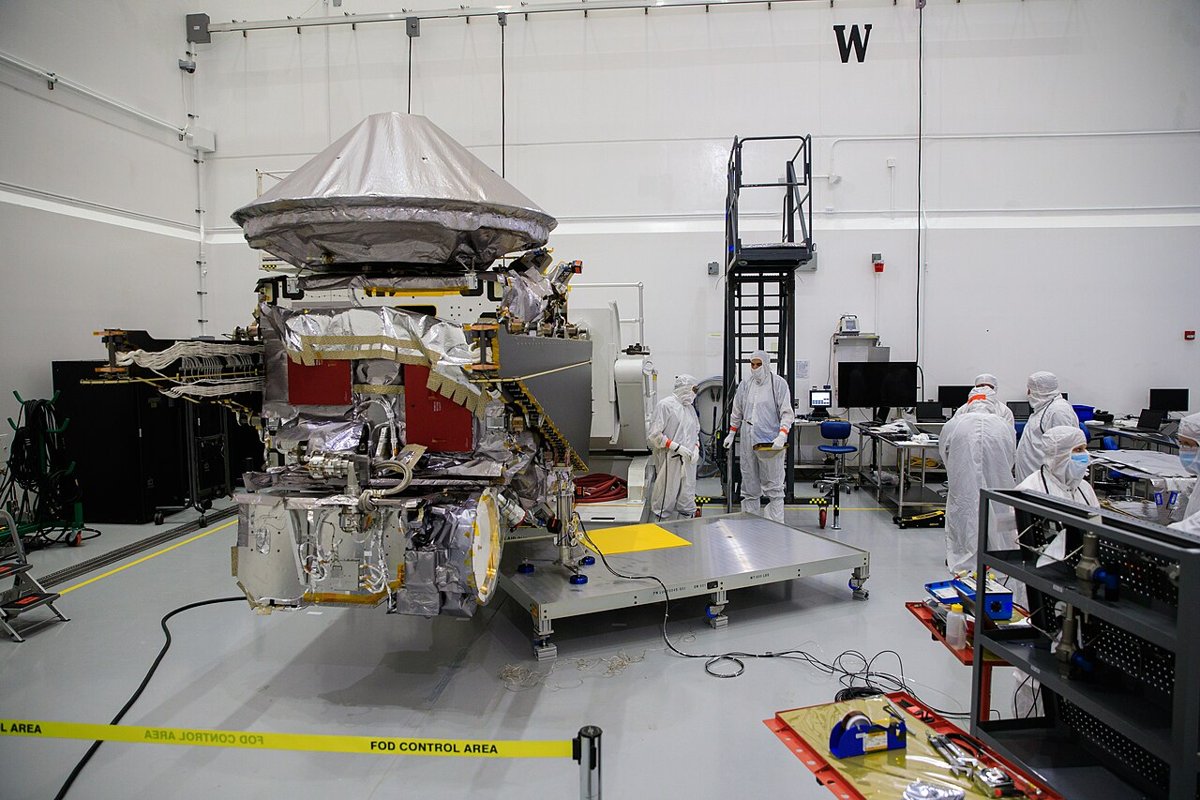
Astrobotic's Griffin-1 Lunar Lander Heads to California for Environmental Testing
Astrobotic has unveiled its Griffin-1 lunar lander and shipped it to California for environmental testing, marking a critical milestone in the company's Moon delivery ambitions.
-
Missions
A Chinese University Is Building a $2.8 Million Spacecraft to Chase Asteroid Apophis
Tsinghua University students are developing START, a 200-kg spacecraft that will fly within 7 km of asteroid Apophis during its dramatic 2029 Earth flyby — on a budget smaller than most faculty buildings.
-
Missions
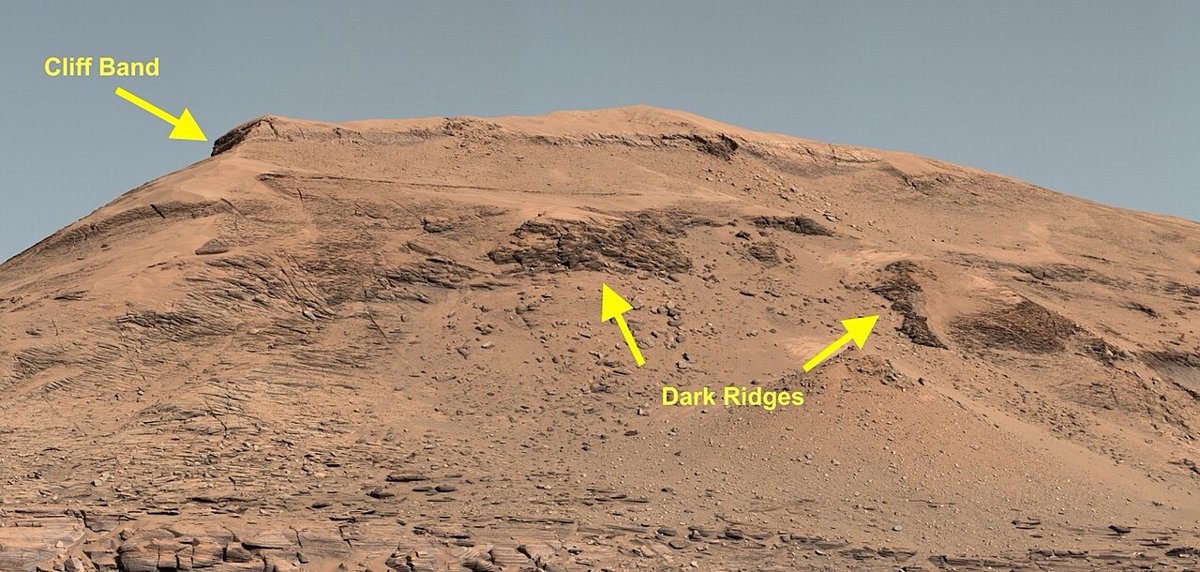
Curiosity Rover Surveys Mysterious Geological Bands on Mars, Adding New Data to the Planet's Stratigraphic Record
NASA's Curiosity rover commits multiple sols to documenting mysterious geological band formations on Mars, while next-gen rover prototypes undergo desert testing on Earth.
-
Commercial
ElevationSpace Banks $40 Million to Chase the Factory-in-Orbit Dream
Japanese startup ElevationSpace closed a $40M Series B, pushing total funding to $63.5M as it builds a reentry-capable platform for manufacturing and research in microgravity.
-
Commercial
EQT to Acquire Exolaunch as Space-Industry Consolidation Picks Up Speed
Swedish investment firm EQT is snapping up rideshare specialist Exolaunch, the latest in a string of acquisitions reshaping the commercial space services landscape.
-
Commercial
An Austrian Propulsion Startup Just Landed €6.3 Million From Europe's Sovereign Space Push
Gate Space, a Vienna-born satellite propulsion firm, secured €6.3M from the European Innovation Council — the only space company in a 38-firm cohort — as Europe doubles down on homegrown launch and in-orbit capabilities.
-
NASA & Agencies
How Do You Become a NASA Astronaut? The Process, the Odds, and What They Actually Look For
NASA selects roughly a dozen astronauts from thousands of applicants each cycle. The qualifications, the grueling two-year training pipeline, what actually disqualifies you, and why the evolving selection criteria signal the future of human spaceflight.
-
Missions
NASA's Lucy Catches a 155-Million-Year-Old Asteroid Tumbling Through Space Like a Cosmic Peanut
Lucy's flyby of asteroid Donaldjohanson reveals a bilobate, wobbling body born from ancient collision debris — and it's nothing like the near-Earth asteroids we've sampled before.
-
Commercial
MDA Space Moves to Acquire Blue Canyon Technologies, Planting a Flag in the U.S. Smallsat Market
Canadian space firm MDA Space is buying Blue Canyon Technologies, securing a direct foothold in the booming U.S. small satellite bus and components market amid a wave of industry consolidation.
-
Science & Discovery
The MEO Durability Crisis: Why LEO-Designed Hardware Will Fail the New Orbital Economy
Satellites built with LEO-grade components face premature failure in medium Earth orbit's punishing radiation belt, threatening the economics of planned MEO constellations and servicing hubs.

Page 36 of 57