
All articles
-
Missions
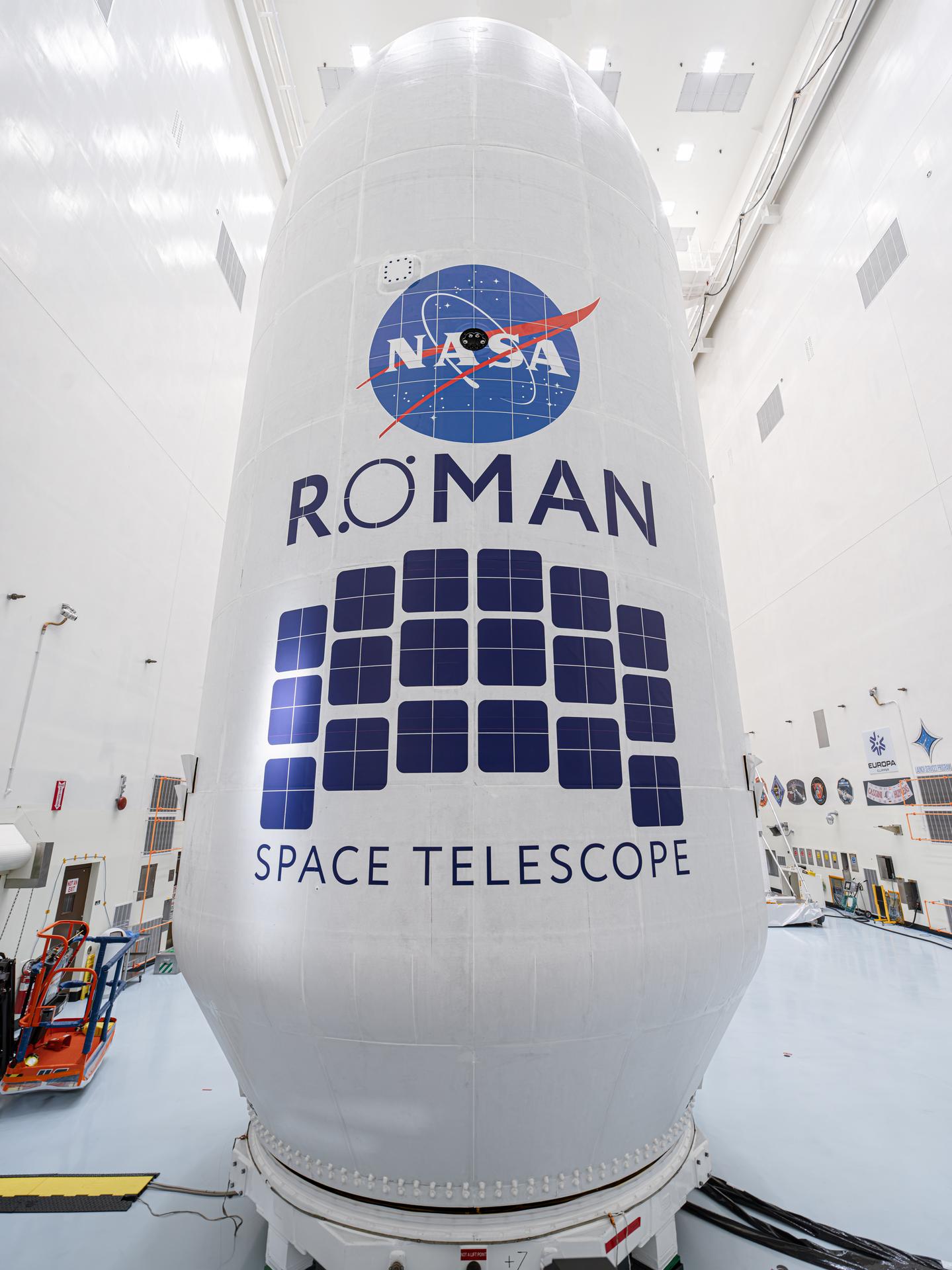
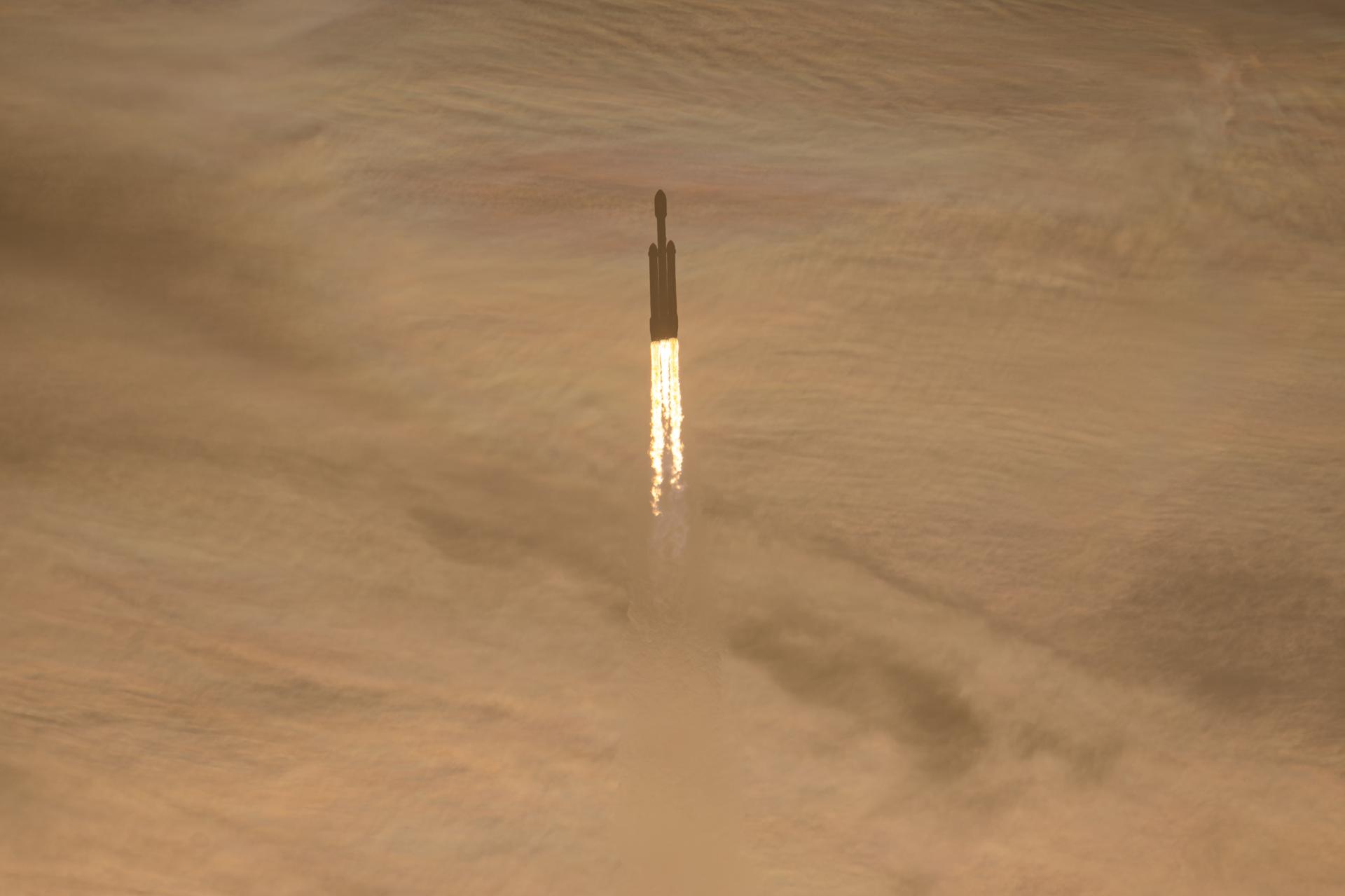
Roman Space Telescope Launches Toward L2, Kicking Off a Dark-Universe Survey 1,000 Times Faster Than Hubble
NASA's Nancy Grace Roman Space Telescope launched on a Falcon Heavy Aug. 30, 2026, beginning a three-month cruise to L2 where its 300-megapixel camera will survey the sky 1,000x faster than Hubble in search of dark matter, dark energy, and exoplanets.
-
Stargazing
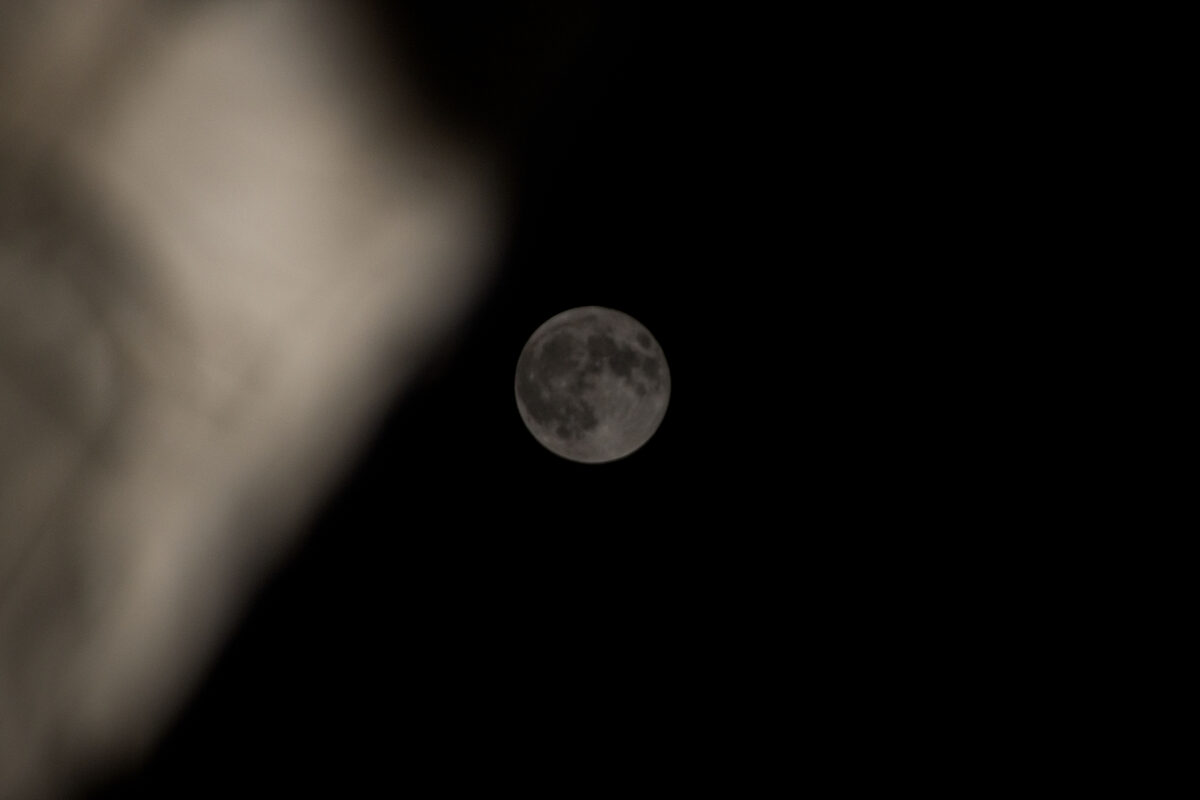
September's Sky: A Harvest Moon, Venus at Its Brightest, and the Equinox Arrives Right on Schedule
September 2026 stacks a Moon-Jupiter pairing, Venus's brightest night of the year, a dark New Moon, the precise equinox moment, and a Harvest Moon passing Saturn into one easy month of naked-eye skywatching.
-
Missions
The Pentagon Called It Its Most Spectacular Failure. NASA Just Launched the Wreckage Toward the Edge of the Universe — Under the Name of a Woman Astronomy Once Said Didn't Belong
A telescope built in secret to spy on adversaries, abandoned as a half-billion-dollar Cold War-style failure, launched August 30 to hunt dark energy — carrying the name of a woman denied a seat in the field it was denied a role in.
-
Science & Discovery
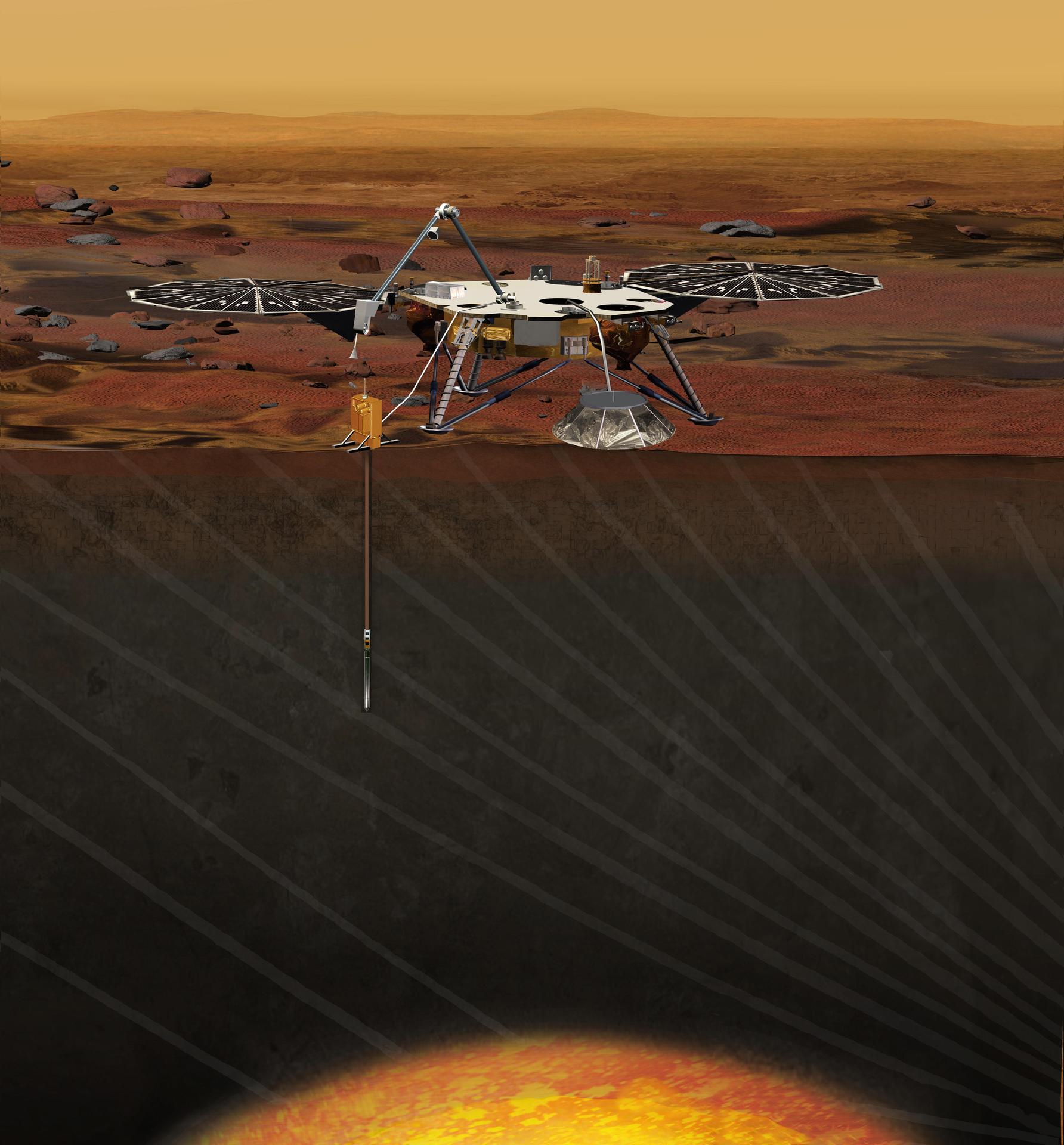
Mars May Be Hiding a Molten Hot Spot Beneath Its South Pole
A gravity-based "tidal tomography" study in Nature finds the interior under Mars's south finds runs 200–400°C hotter than the north and may be partly molten, reshaping ideas about the planet's lopsided magnetism and ancient water.
-
Military Space
Trump Signs Order to Create a U.S. Space Academy
A new executive order tasks a NASA-chaired commission with designing, in just 120 days, a federal academy meant to train engineers, operators, and future Space Force Guardians.
-
NASA & Agencies
Turkey Becomes 71st Nation to Sign the Artemis Accords
Turkey signed the Artemis Accords at NASA Headquarters on August 31, 2026, becoming the 71st nation to join the U.S.-led framework for norms in civil space exploration.
-
Science & Discovery
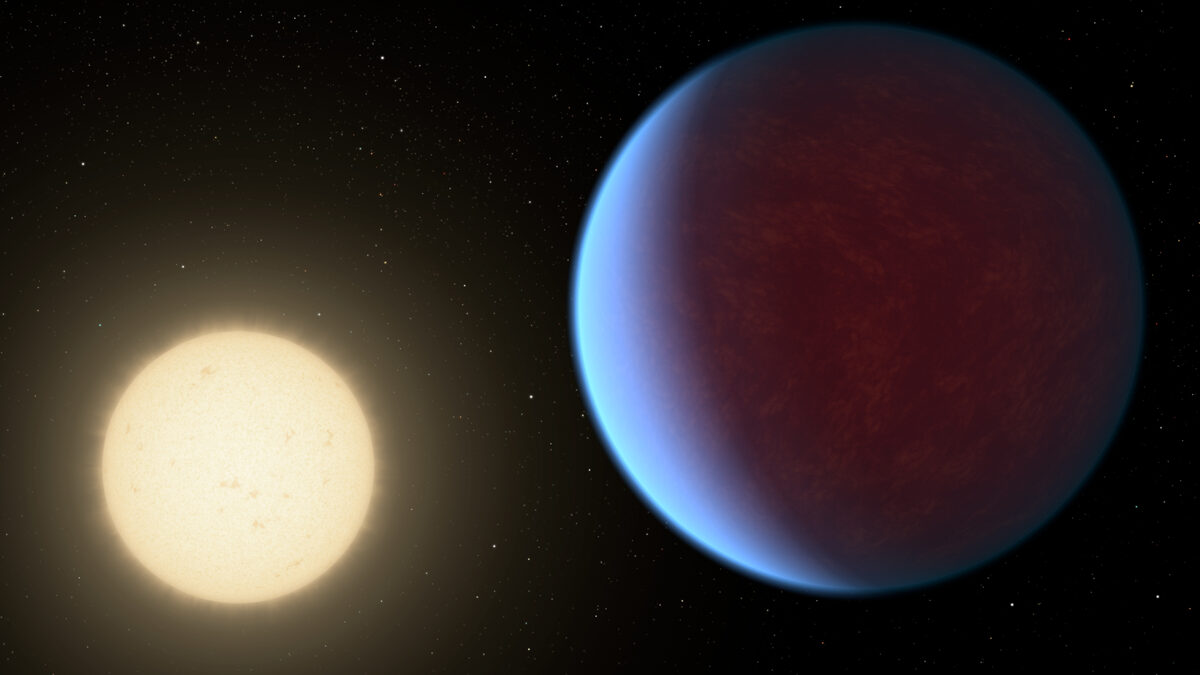
Stanford's 'Cosmic Sandbar' Model Explains Why Some Lava Worlds Keep Their Atmospheres
A Stanford model shows sloshing molten rock on scorched, close-in super-Earths can outgas fast enough to replenish atmospheres that stellar radiation is simultaneously stripping away.
-
Military Space
Golden Dome's First Big Tests Checked the Software, Not the Missiles
Pentagon officials reveal that Golden Dome's first large-scale test, held in June at White Sands, validated command-and-control software rather than interceptors — with outside industry watching.
-
Missions
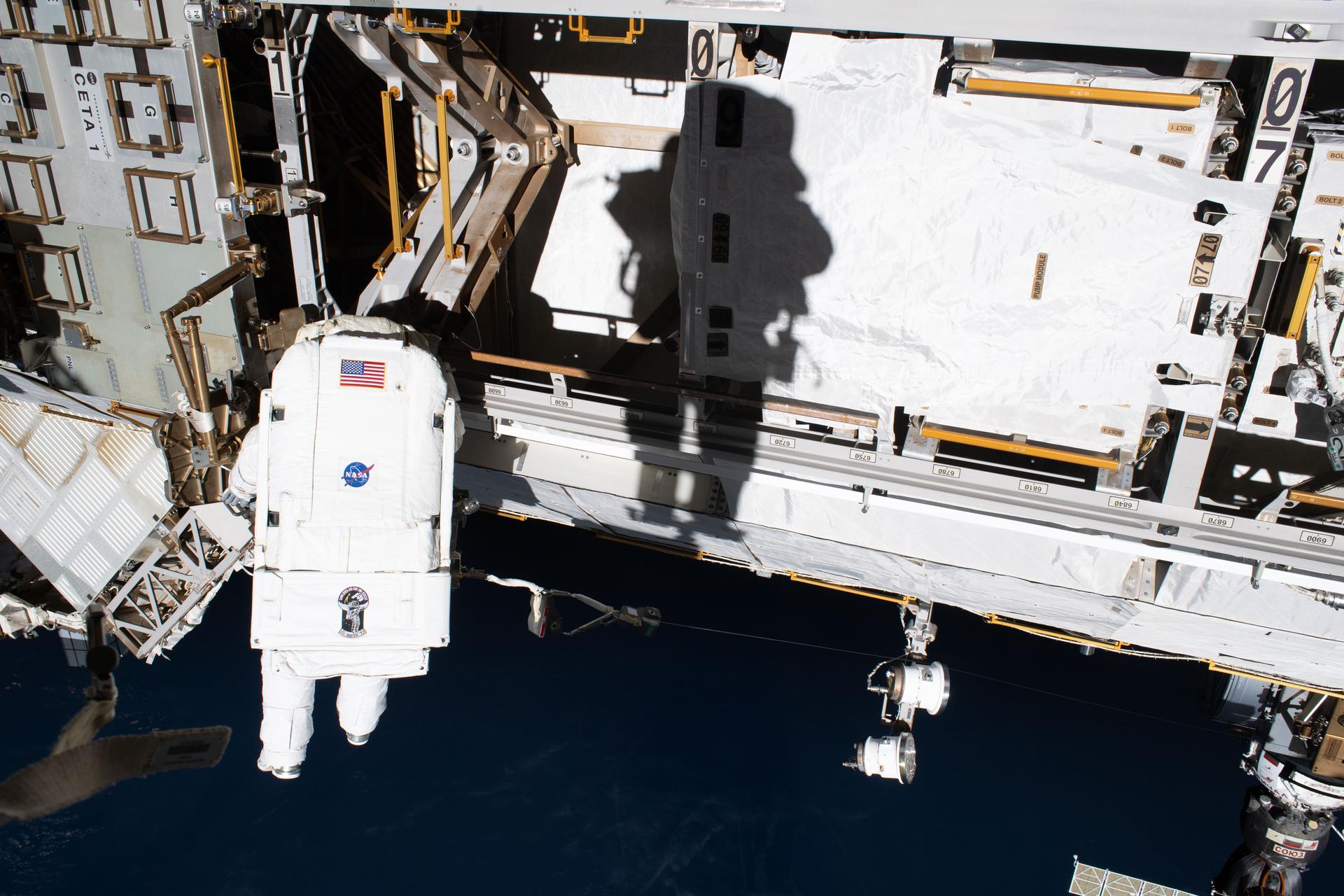
Station Boosts Orbit and Repairs Its Comm Link as ISS Preps for a September Spacewalk
NASA and ESA astronauts finished a two-part antenna repair spacewalk while Cygnus XL fired its engine for 21 minutes to reboost the ISS ahead of a Progress 96 docking and a third EVA in September.
-
NASA & Agencies
NASA's LunaRecycle Challenge Crowns Winners of Its $3 Million Lunar Trash Contest
At a Tuscaloosa finale on Aug. 28, 2026, NASA and the University of Alabama handed out $1.325 million to teams that turned foam, plastic, and textile waste into materials astronauts could actually use on the Moon.
-
Stargazing
A Fresh Nova Just Lit Up Sagitta — Bright Enough to Catch in Binoculars
A newly confirmed classical nova in Sagitta, V488 Sge, has brightened to magnitude 7.42 and is one of at least four novae visible simultaneously this unusually active season.
-
Astronomy
ALMA's Sharpest-Ever Look at Betelgeuse Finds Hot Spots That Won't Quit
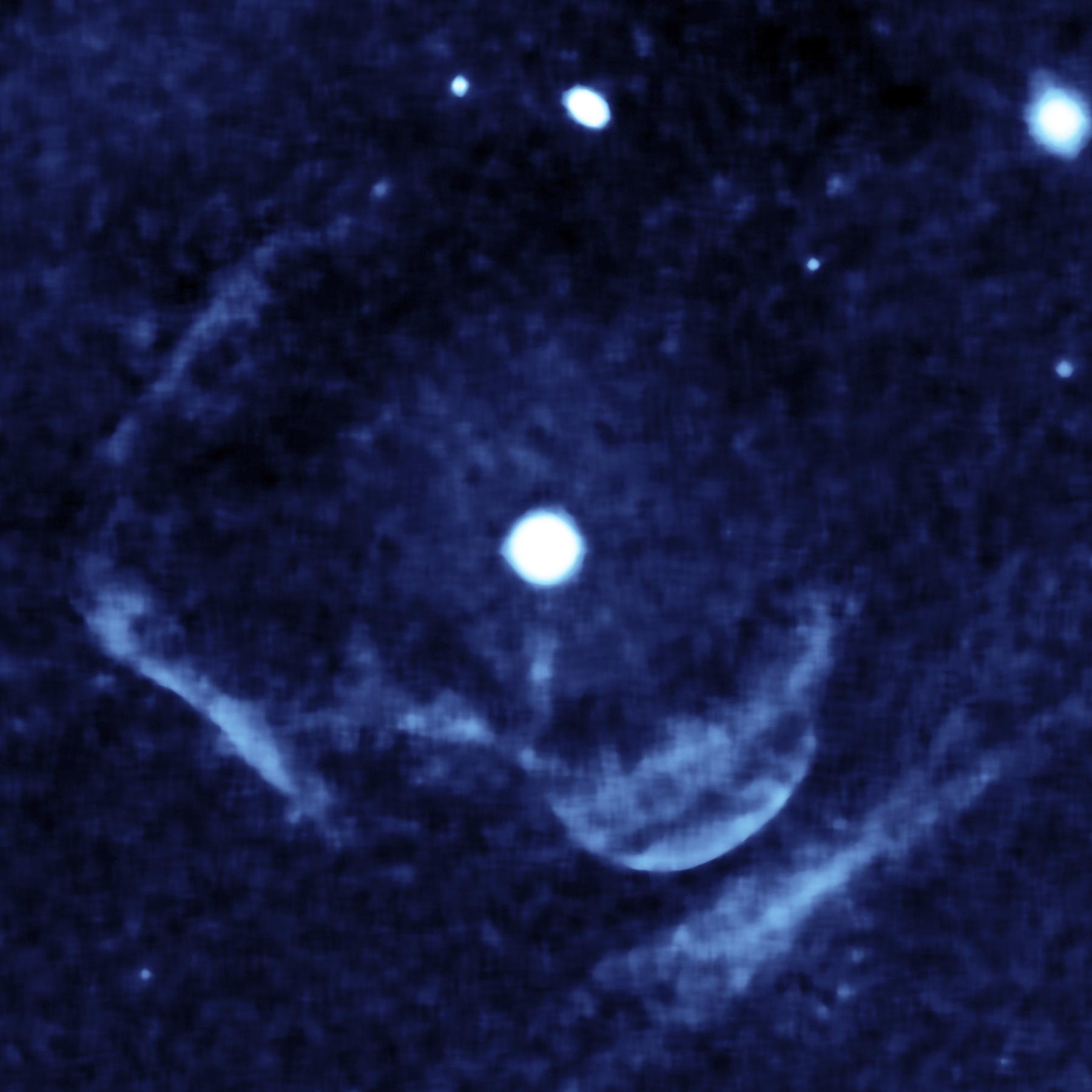
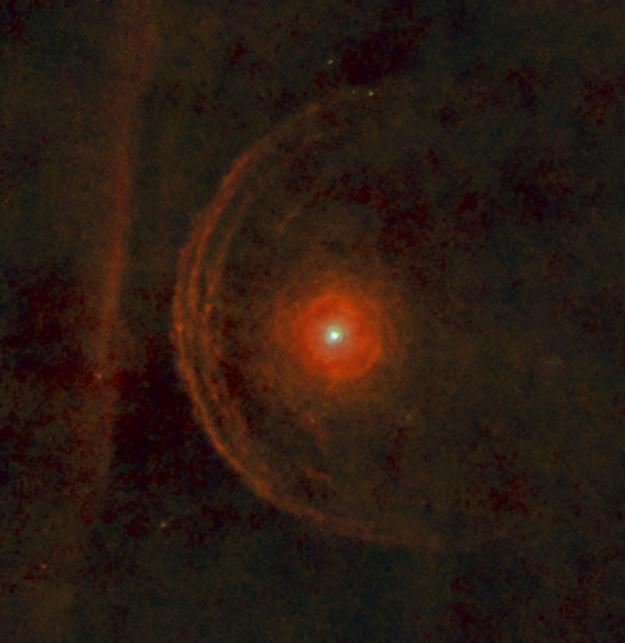
New ALMA radio imaging shows two 2,000°C-hotter patches on Betelgeuse's surface that have barely budged in seven years, defying standard convection models and raising questions about the star's newly imaged companion.

Page 8 of 57