
All articles
-
Missions
NASA Bets on Private Sector to Crack Mars: Inside the Agency's New Public-Private Partnership
NASA is reshaping its Mars exploration strategy with a new public-private partnership, signaling a fundamental shift in how the agency plans to tackle the Red Planet's biggest scientific questions.
-
Commercial
Relativity Space Wants to Build a Mars Orbiter — And It's Not Waiting for NASA to Ask
Relativity Space announces plans to privately develop a Mars orbiter, signaling that commercial ambitions in deep space are no longer theoretical.
-
Astronomy
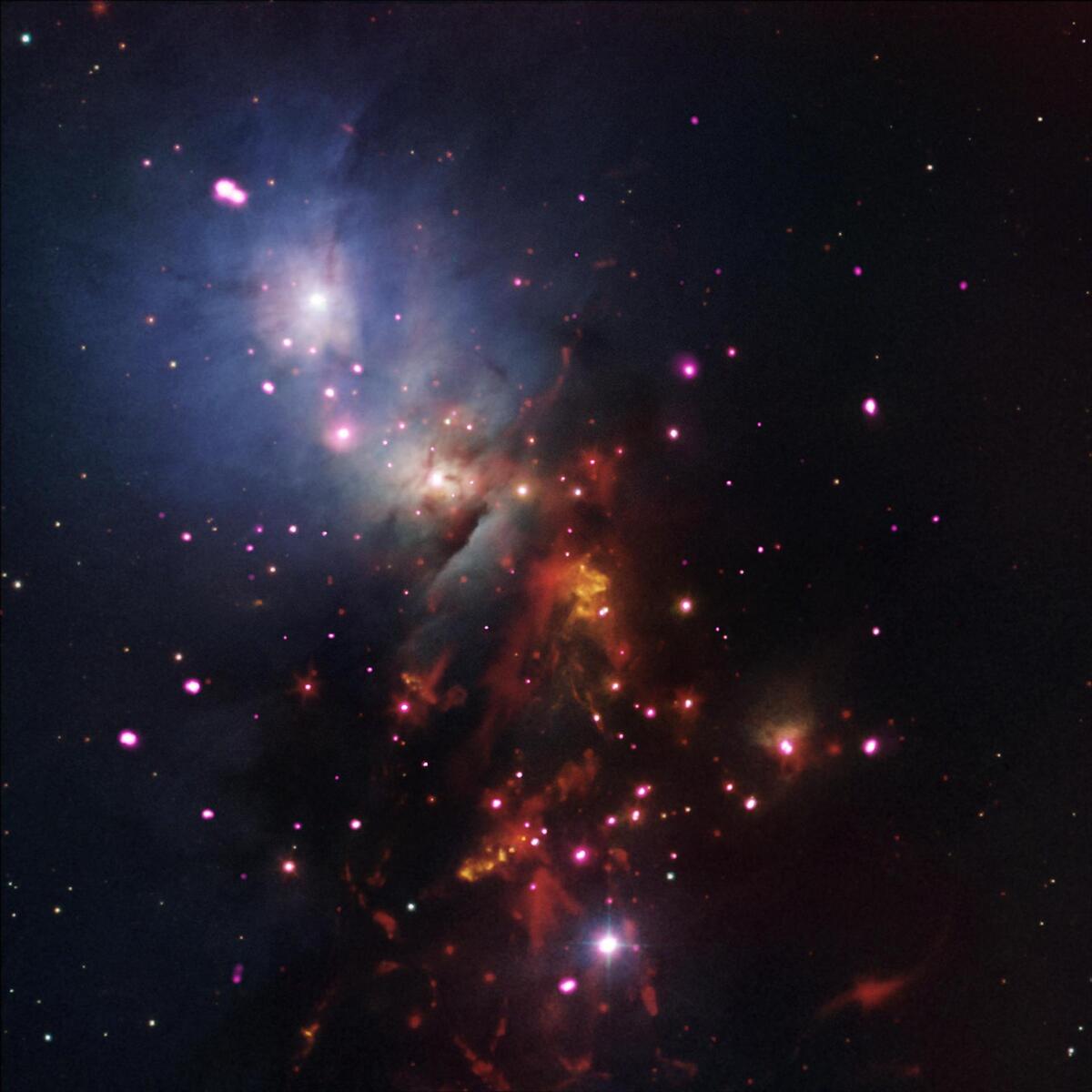
Chandra's Deep Look at NGC 6540: How a Mysterious X-Ray Flare Became Three Distinct Sources
A catastrophic X-ray flare from globular cluster NGC 6540 that blazed for just 300 seconds in 2005 has finally been resolved into three separate sources. Chandra's improved sensitivity revealed what decades of earlier observations missed—but the flare's true origin remains elusive.
-
Science & Discovery
NASA's Cold Atom Lab Gets Its Fourth Major Upgrade to Study Quantum Gases in Space
NASA activated an upgraded Cold Atom Lab aboard the ISS with new magnetic systems and electronics, cooling atoms below -459°F to create Bose-Einstein condensates and test quantum technologies in microgravity.
-
Missions
Swift Gets a Second Chance: How Commercial Servicing Is Saving NASA's Gamma-Ray Observatory
After 22 years in orbit, Swift faces imminent reentry from solar-driven decay. Katalyst Space's LINK robotic spacecraft will perform NASA's first commercial orbital rescue, boosting the aging but productive observatory to a stable orbit.
-
Science & Discovery
Physicists Propose Gravastars as Singularity Alternative: Collapsing Stars May Birth Miniature Universes
Researchers propose that dying stars avoid black hole singularities by spawning tiny universes within themselves. Dark energy expansion counters gravity, creating stable gravastars—and answering a 25-year-old physics debate.
-
Astronomy
Asteroid 2026 JH2's Surprise Close Approach Exposes Detection Gaps in Planetary Defense
A 62-foot asteroid discovered just days before its closest approach demonstrates how near-Earth objects can slip past detection systems—and why autonomous surveys matter for planetary safety.
-
NASA & Agencies
Katalyst LINK Spacecraft Integrated for Swift Observatory Rescue Mission
NASA's aging Swift Observatory faces imminent orbital reentry after decaying from 600km to 400km altitude. Katalyst Space's LINK robotic servicing spacecraft, integrated onto a Pegasus XL rocket, launches in late June to grip the telescope with lidar-guided arms and boost it back to operational orbit using ion thrusters.
-
Science & Discovery
South Africa's MeerKAT Detects Most Distant Hydroxyl Megamaser at Universe's Halfway Point
MeerKAT detects the most distant hydroxyl megamaser ever observed—a record-bright natural space laser in a merging galaxy 8 billion light-years away, revealing how galaxies collided and evolved in the early universe.
-
Stargazing
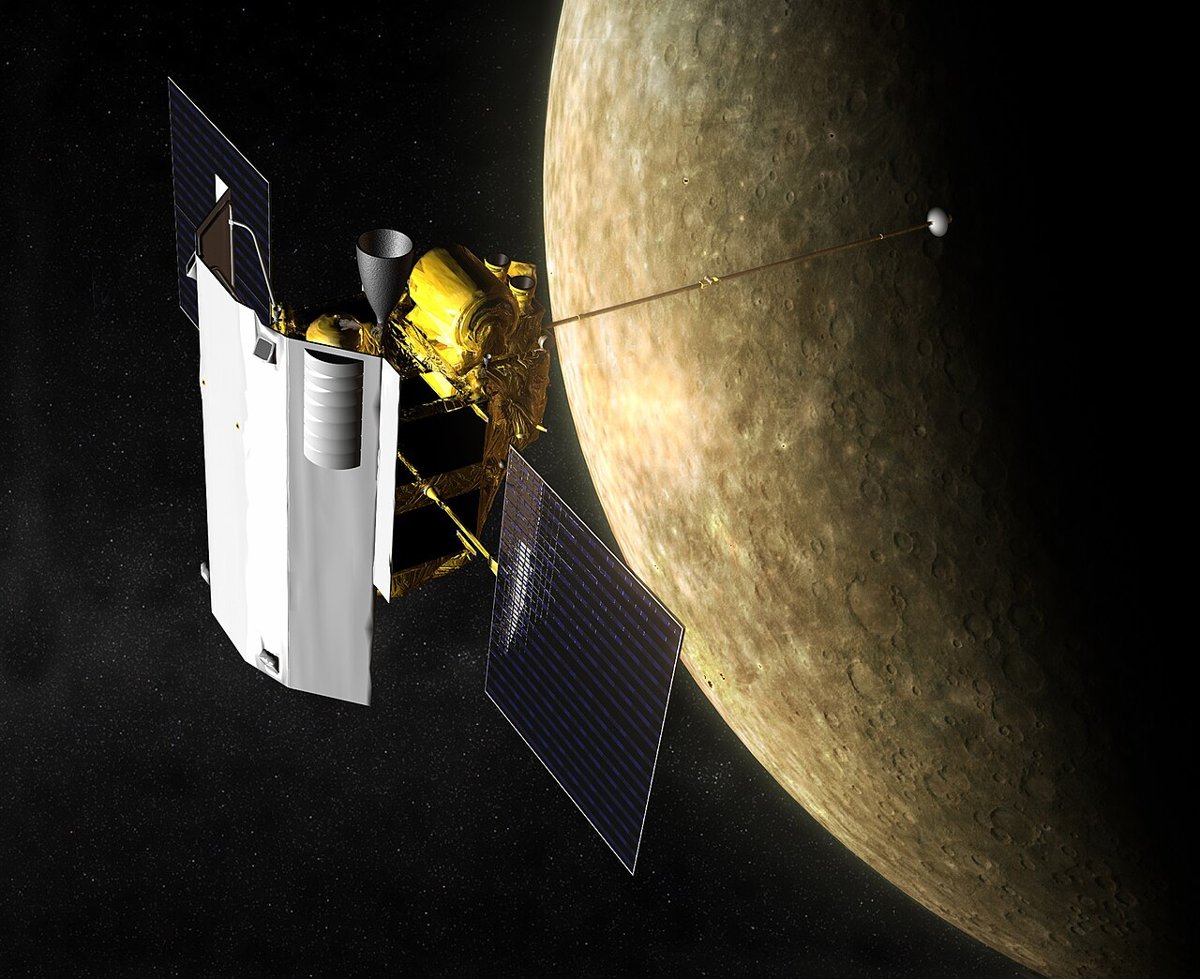
Mercury Reaches Peak Evening Visibility on June 15: Your Guide to the 2026 Viewing Window
Mercury hits its greatest elongation from the Sun on June 15, 2026, shining at magnitude 0.5 and appearing 25° from the solar disk—the best evening viewing window of the year paired with Venus and Jupiter.
-
Missions
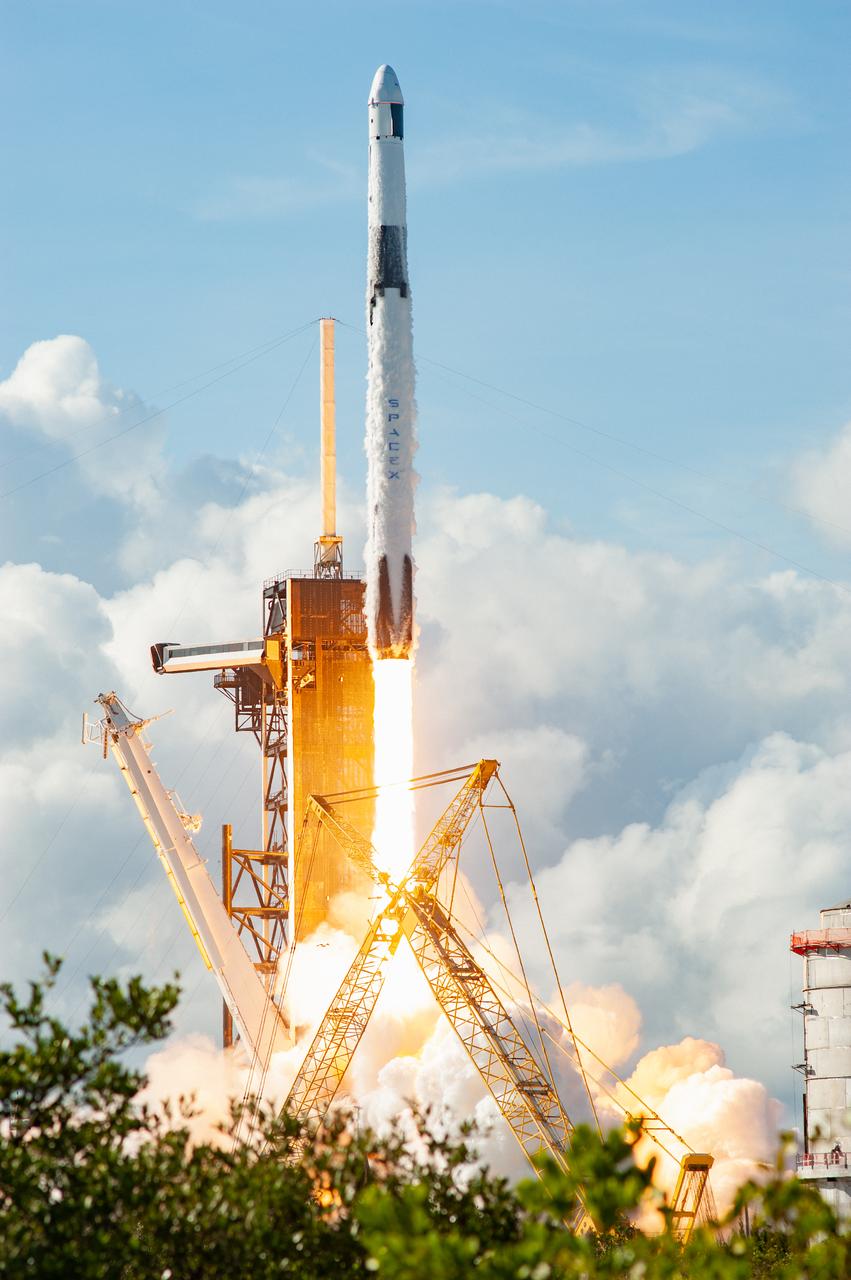
SpaceX Dragon Returns From ISS With Bioprinted Tissues and Cancer Research Data
SpaceX's Dragon cargo capsule undocked from the ISS on June 16, returning nearly 6,500 pounds of research including bioprinted organ tissues, cancer treatment compounds, and critical stem cell samples requiring immediate ground analysis.
-
Military Space
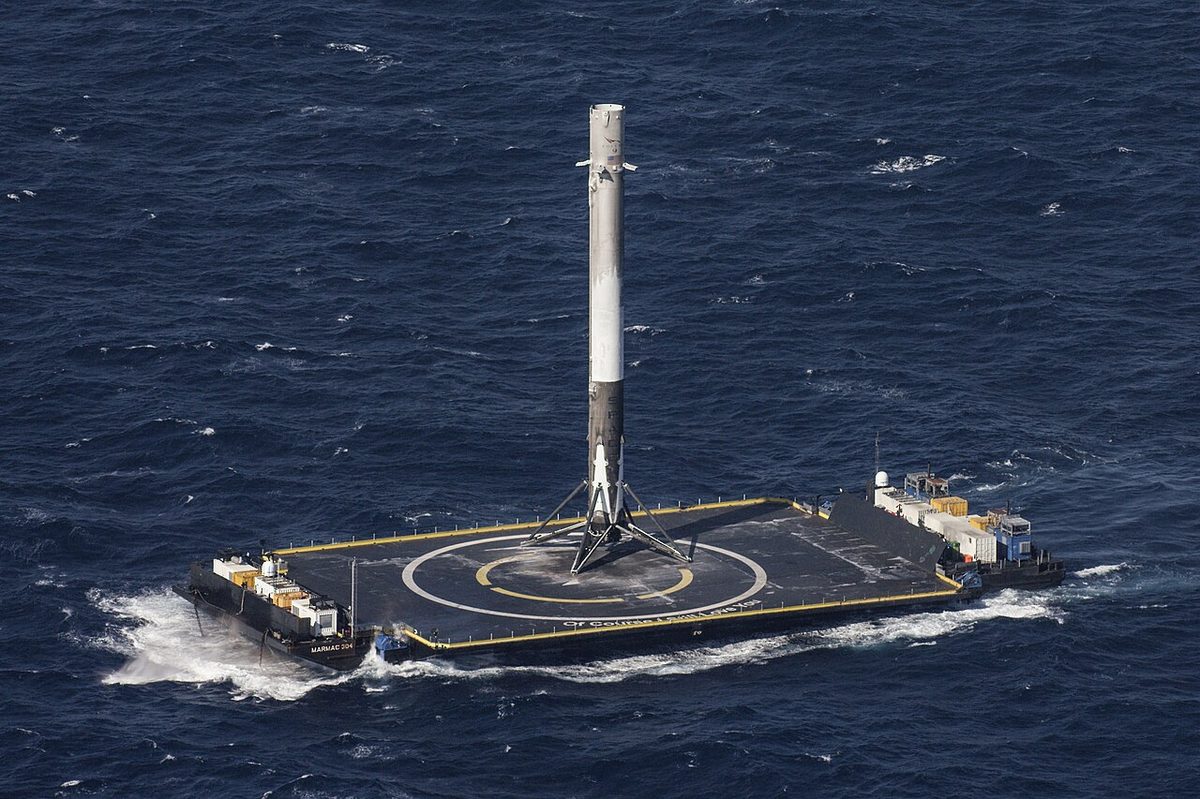
The Air Force Wants to Launch and Catch Rockets from Old Oil Platforms at Sea
A new Air Force initiative would transform decommissioned offshore oil rigs into sea-based rocket recovery stations — extending Space Force launch flexibility and reducing dependence on a handful of fixed land-based pads.

Page 39 of 57