
All articles
-
Astronomy
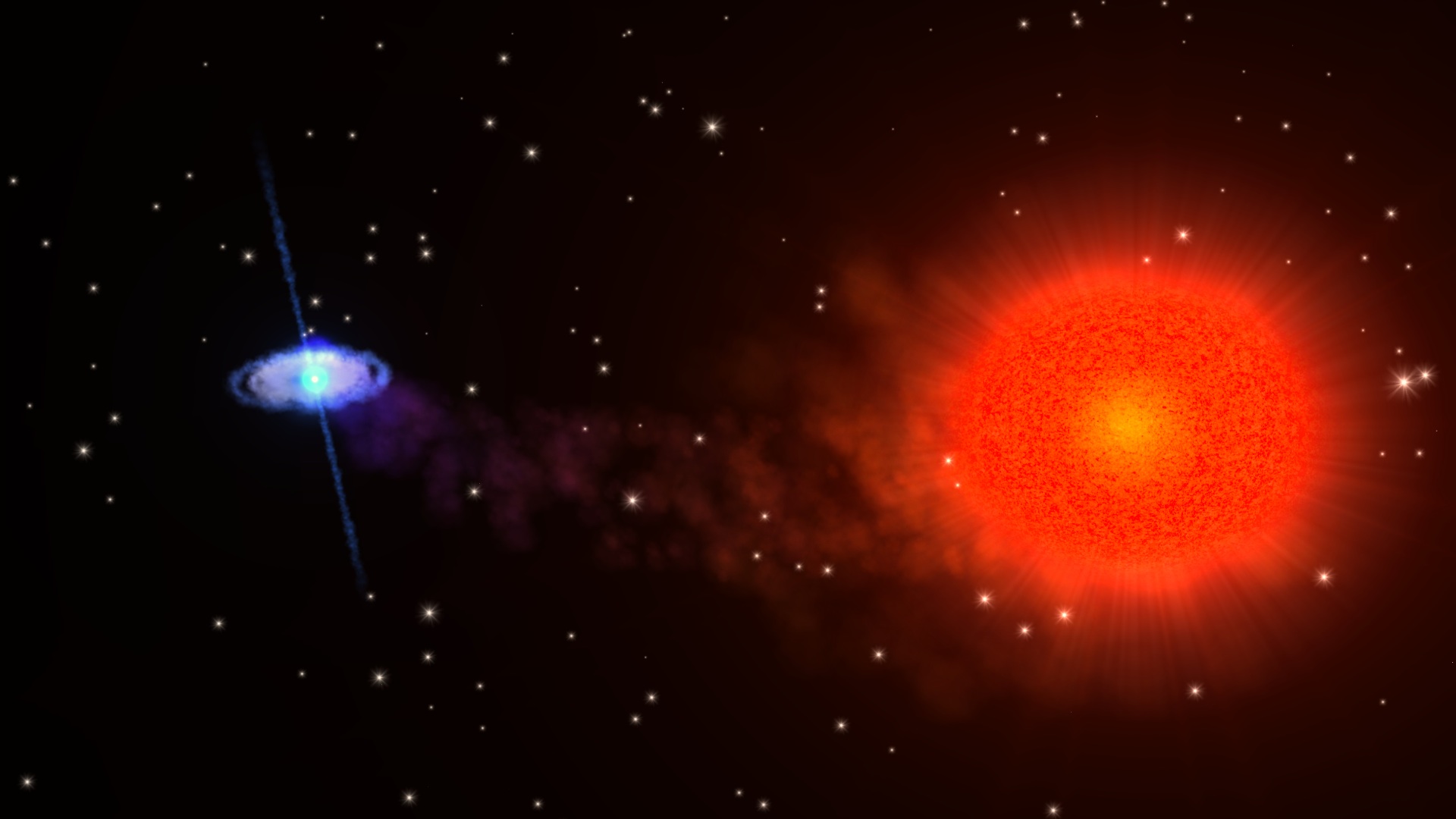
XRISM Catches a Hypergiant's Wind Falling Onto a Pulsar, Line by Line
XRISM's Resolve instrument watched iron lines flip from absorption to emission during a flare from GX 301-2, giving the first direct spectroscopic evidence of stellar-wind plasma falling onto a neutron star.
-
Missions
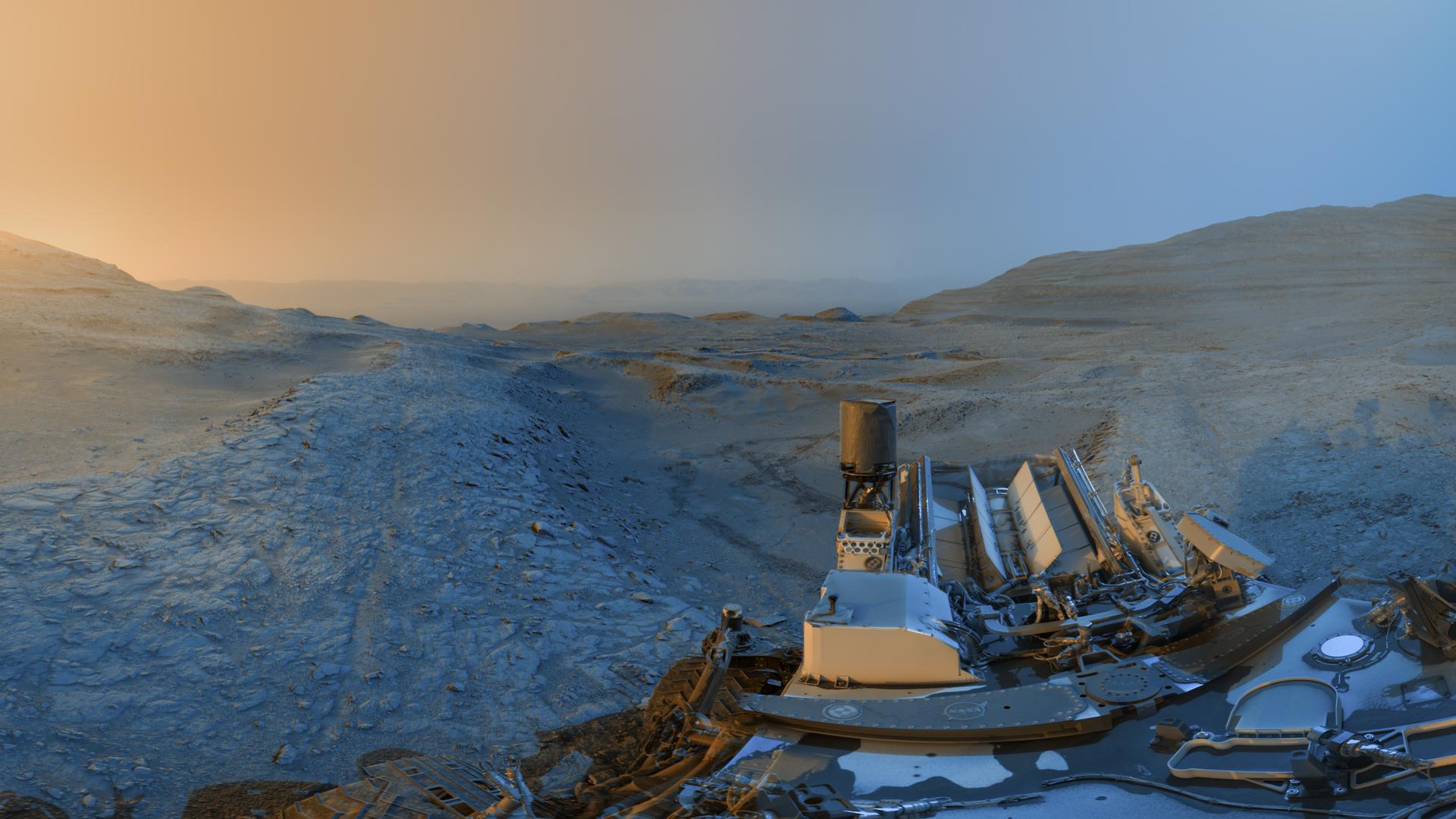
Curiosity Marks 5,000 Sols on Mars With a Two-Tone Postcard
NASA's Curiosity rover hit its 5,000th Martian day on Aug. 30, 2026, and the team marked it with a blue-and-yellow composite panorama shot from a Mount Sharp ridge nicknamed 'Chocolatal.'
-
Stargazing
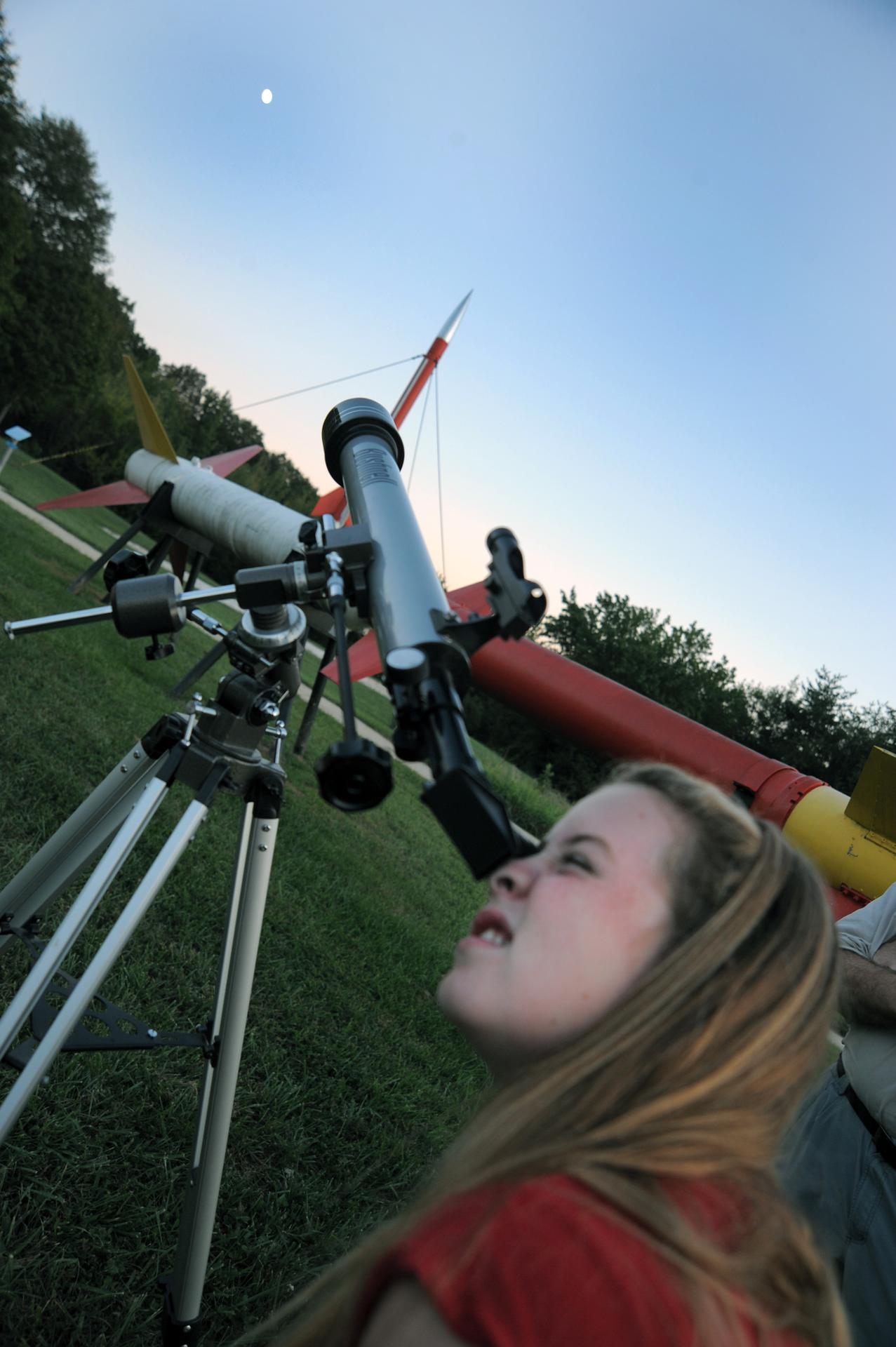
International Observe the Moon Night Returns September 19, with Artemis II on the Agenda
NASA's global Moon-watching night lands Sept. 19, 2026 under a waxing gibbous Moon perfect for crater-spotting, anchored by a Huntsville flagship event tied to the Artemis II crew and echoed by local telescope nights from the US to Spain.
-
Astronomy
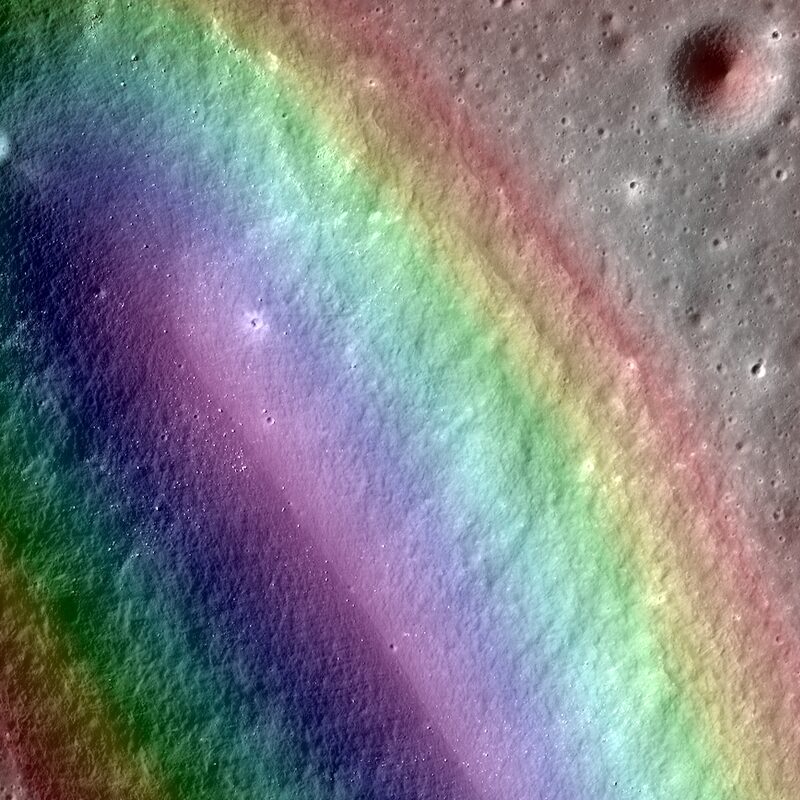
LRO Spots a Once-in-a-Century Fresh Crater Named McGetchin
NASA's Lunar Reconnaissance Orbiter caught a freshly formed lunar crater the size of the Colosseum, blasted open in 2024 by a building-sized impactor and only noticed in October 2025.
-
Science & Discovery
Astronomers Confirm the Youngest Exoplanet Ever Found
A Jupiter-sized world less than a million years old, still embedded in its birth disk 450 light-years away, has smashed the record for youngest known exoplanet and challenged giant-planet formation timelines.
-
Stargazing
Dueling Solar Wind Streams Set Up Weekend Aurora Chances
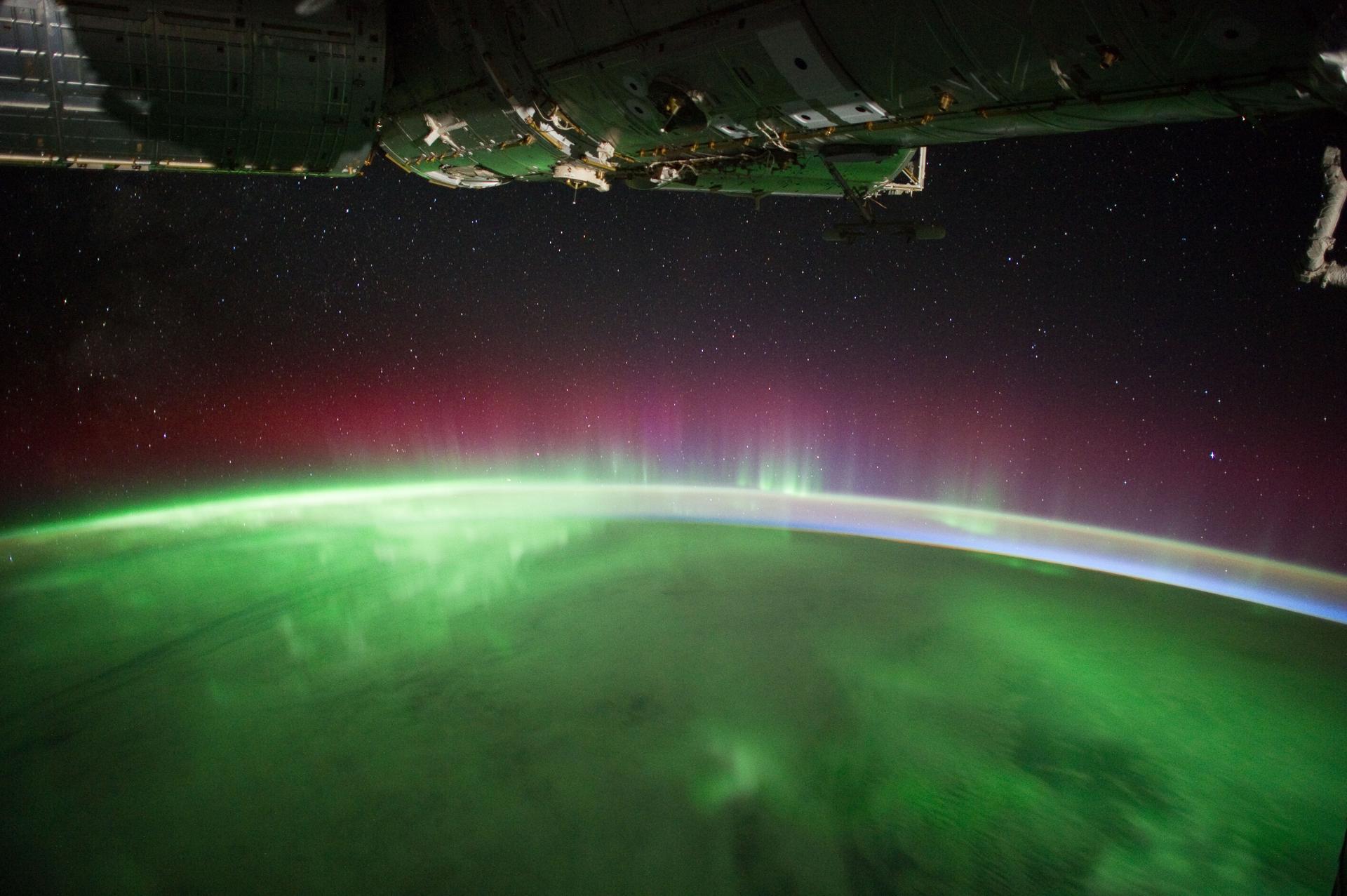
Two CMEs and a filament eruption from an active sunspot region are due to strike Earth's magnetic field September 16-17, and NOAA's storm watch means the aurora could sneak into mid-latitude skies this weekend.
-
Science & Discovery
A Red Dwarf's Double Jackpot: Microlensing Turns Up a Rare Two-Giant-Planet System
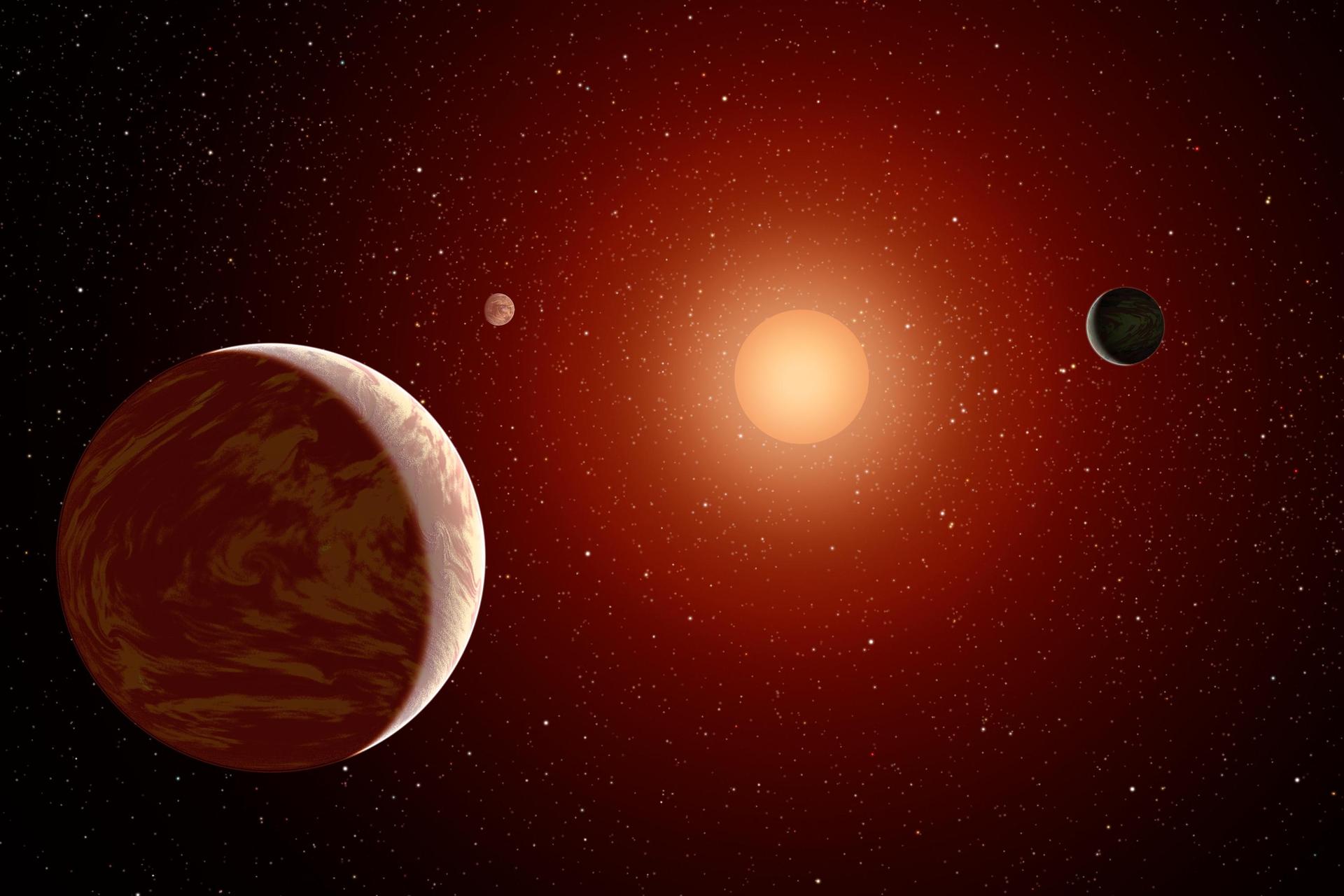
A newly posted study of microlensing event KMT-2026-BLG-0083, caught independently by four survey teams, finds an M-dwarf star hosting two Jupiter-class planets — only the seventh multi-planet system microlensing has ever confirmed.
-
Military Space
The Pentagon Just Admitted the US Has Weapons in Orbit
Air Force Secretary Troy Meink told a September 14 conference that the US now operates "on-orbit space control weapons," the most direct public acknowledgment yet of an armed American presence in space.
-
Missions
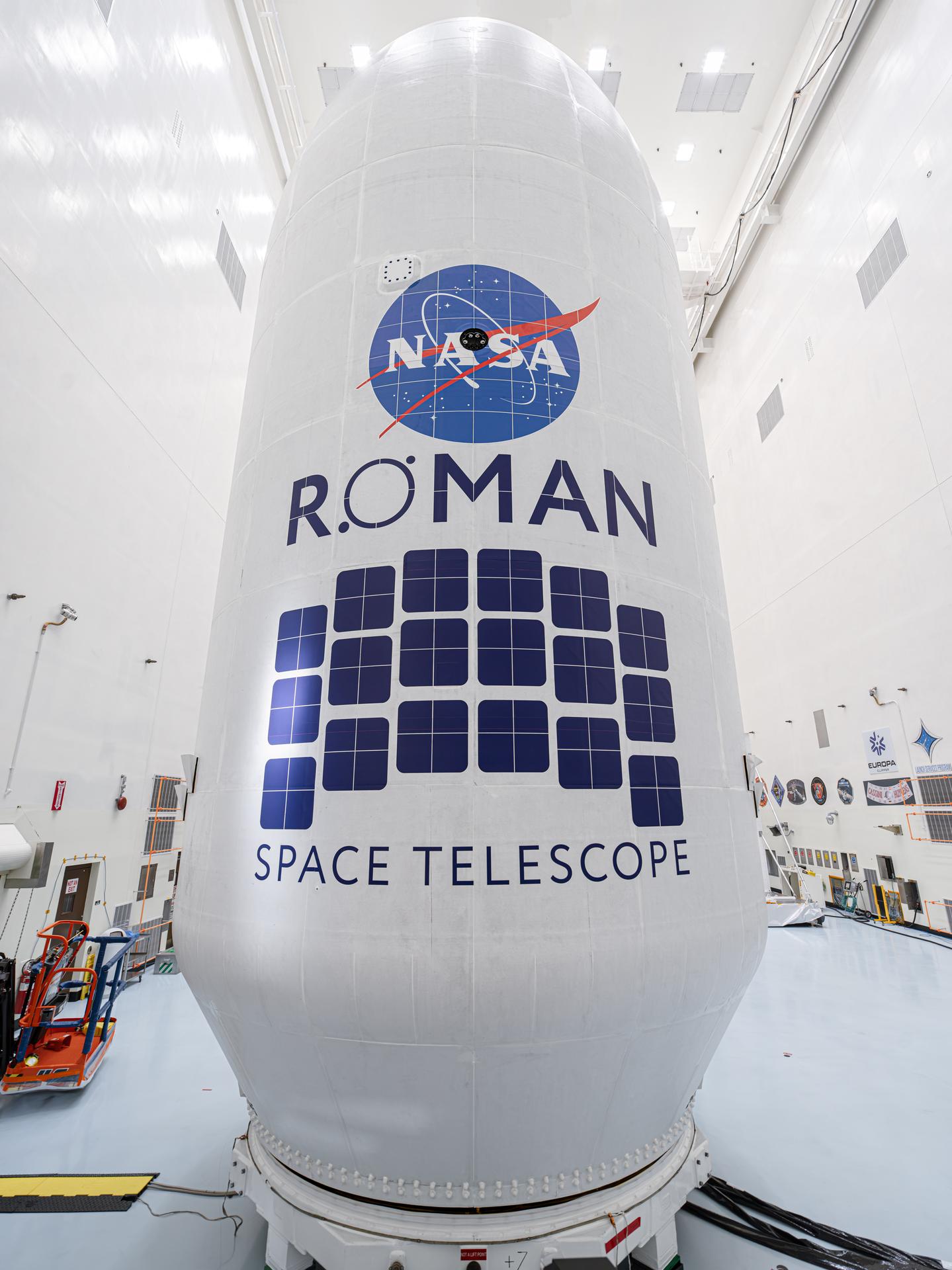
Roman Space Telescope Activates Its 300-Megapixel Eye
NASA has powered on the Roman Space Telescope's 300-megapixel Wide Field Instrument and begun checkout of its planet-hunting Coronagraph, with first science images still roughly a year away.
-
NASA & Agencies
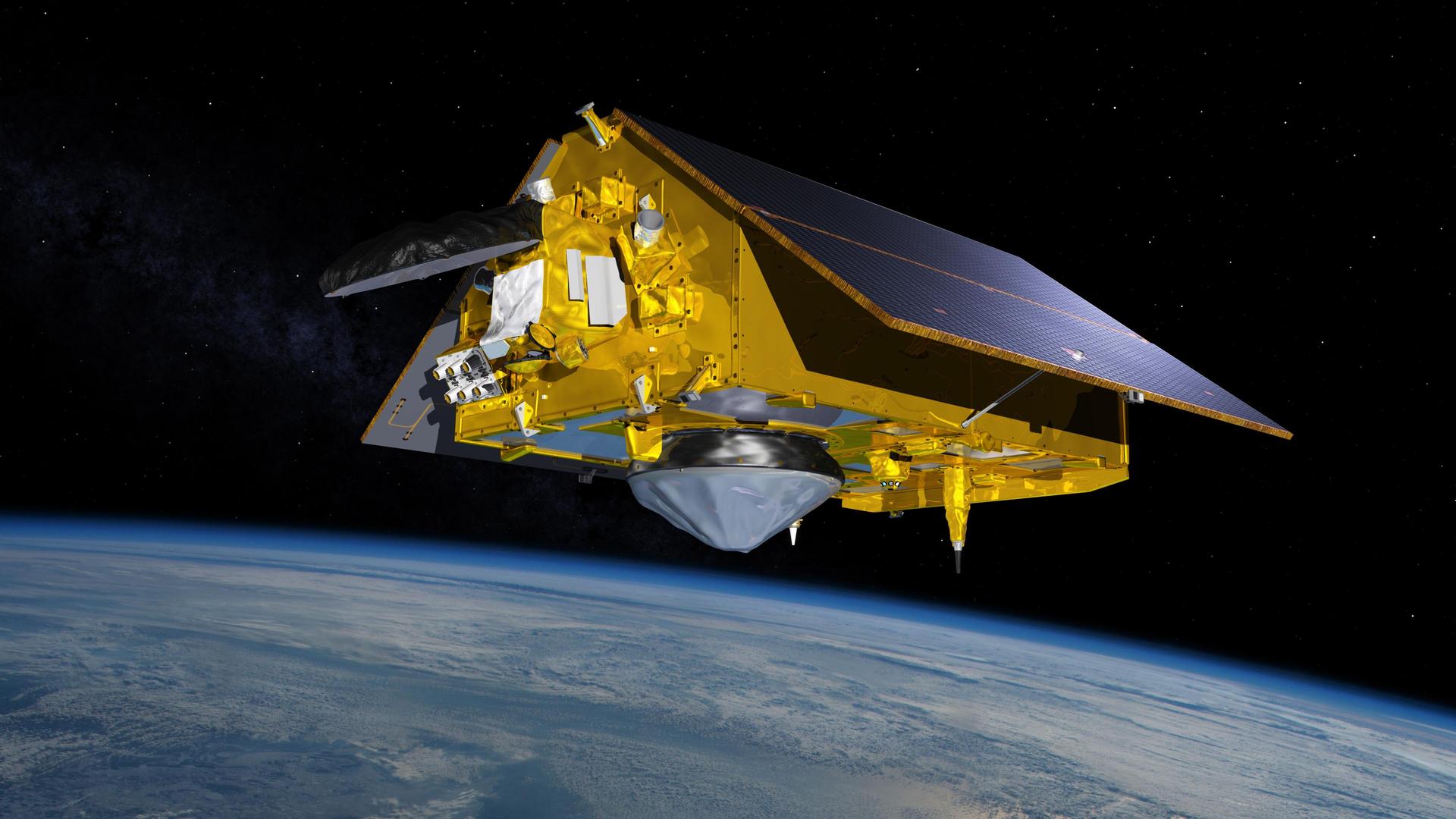
Vega-C Carries a Plant-Fluorescence Hunter and an Ocean Watcher to Orbit — Together, For the First Time
Europe's Vega-C flew two Earth Explorers at once for the first time on September 15, deploying ESA's fluorescence-mapping FLEX satellite and the Sentinel-3C ocean-and-atmosphere monitor from French Guiana.
-
Commercial
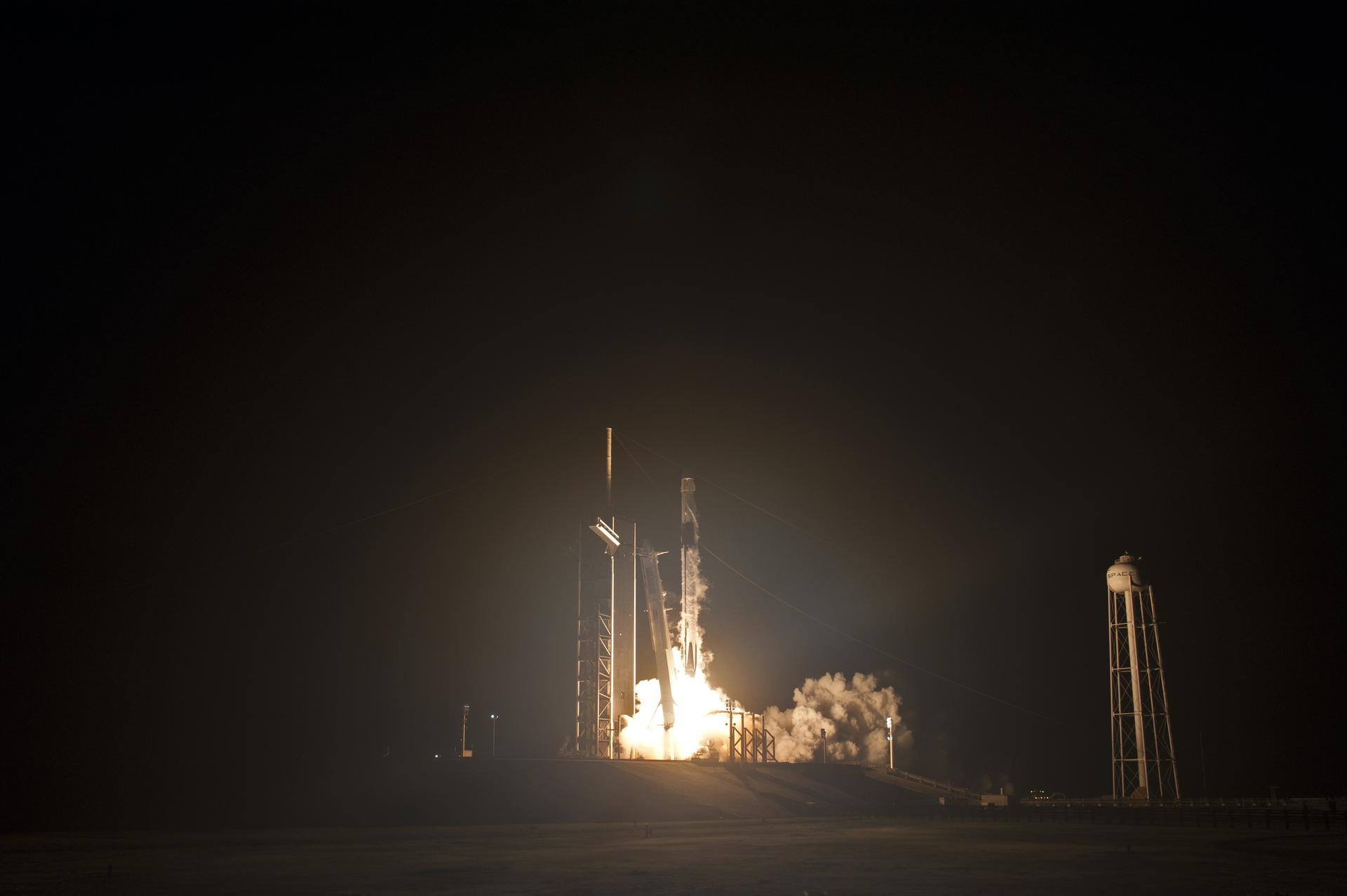
SpaceX's 700th Falcon Launch Completes SES's O3b mPOWER Broadband Constellation
SpaceX's 700th Falcon flight delivered the final three O3b mPOWER satellites for SES, completing a 13-satellite medium-Earth-orbit broadband constellation set to be fully operational by mid-2027.
-
Astronomy
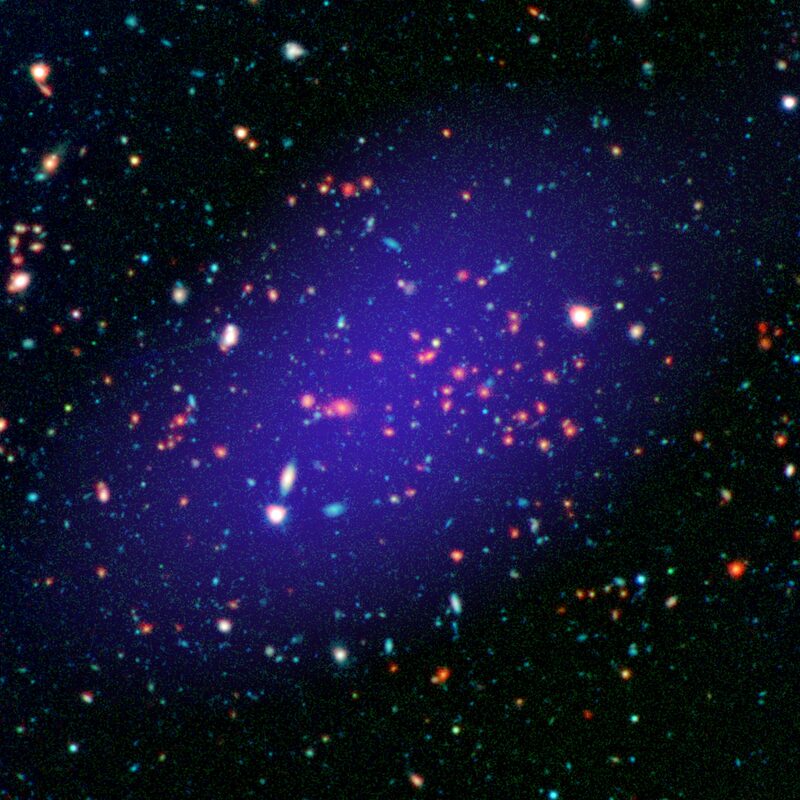
Fast Radio Bursts Are Turning Into a Census Tool for the Universe's Missing Gas
Caltech researchers used dispersion measures from 130 localized fast radio bursts to detect galactic feedback reshaping the cosmic web at 6.5-sigma, a technique poised to scale into the tens of thousands of bursts DSA-110's successor is expected to find after 2029.
Page 2 of 57