
All articles
-
NASA & Agencies
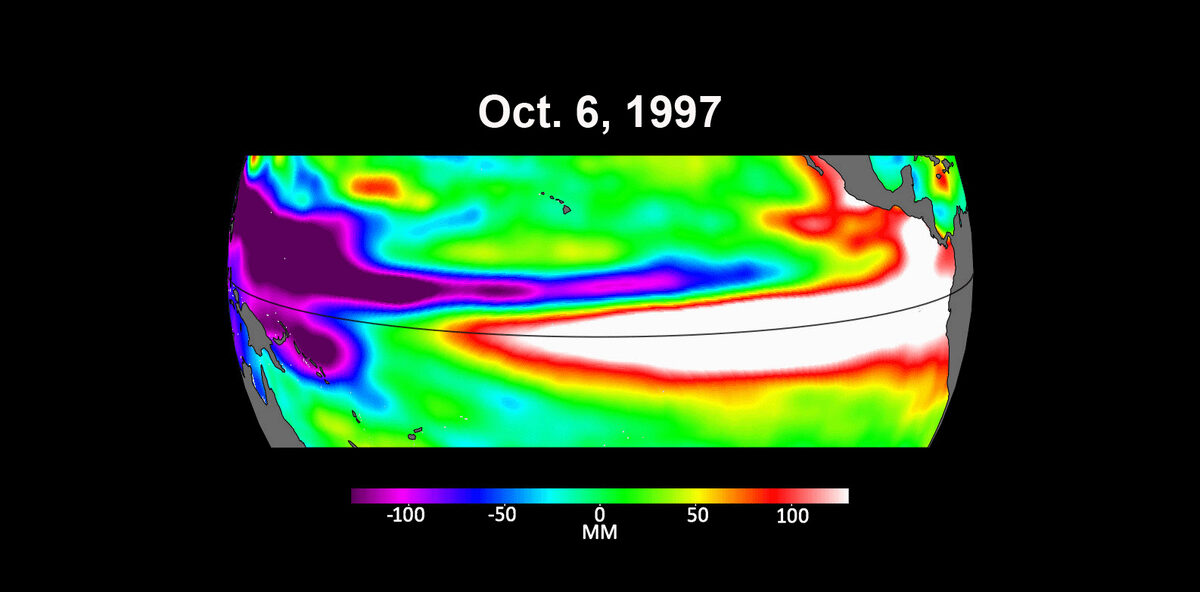
Two Satellites, One Ocean: Sentinel-6 Duo Times a Late-Blooming El Niño for Hurricane Forecasters
NASA says its Sentinel-6 satellite pair, flying 30 seconds apart, is cross-checking ocean-height data during a strong, late-arriving 2026 El Niño just as hurricane season peaks.
-
Science & Discovery
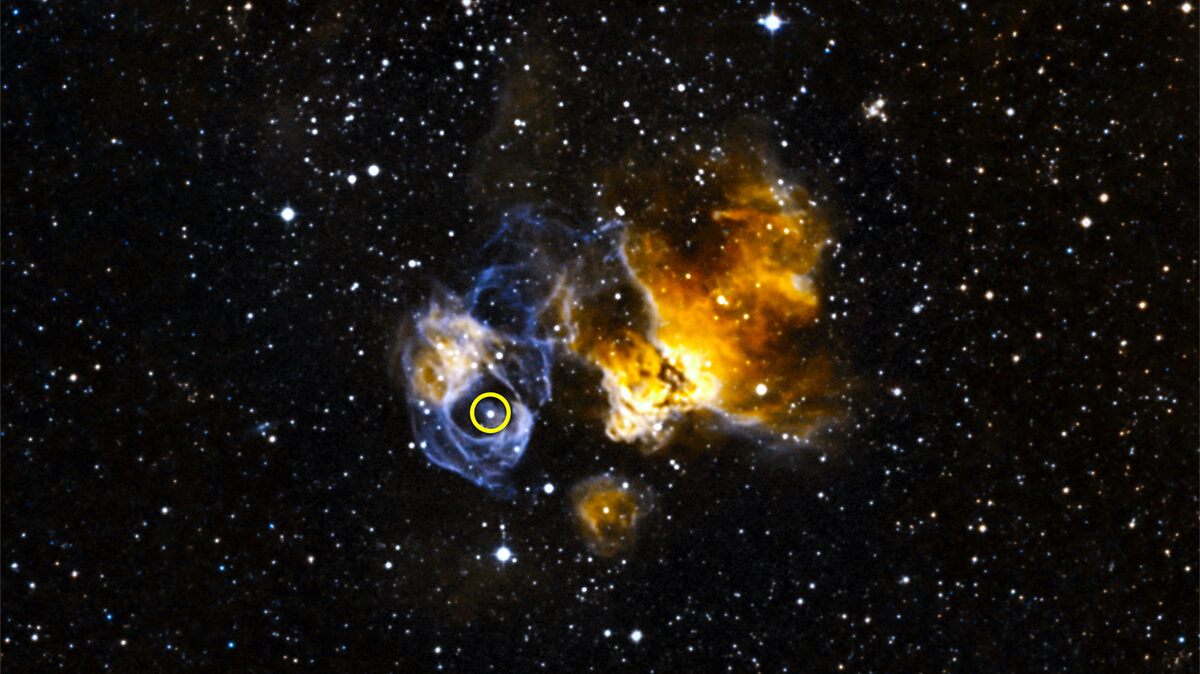
Chandra Catches a 'Supernova Impostor' Feeding a Hidden Black Hole or Neutron Star
Astronomers predicted and then caught a periodic X-ray outburst from AT 2016blu, proving the famous "supernova impostor" is actually a massive star being drained by a hidden neutron star or black hole every 113 days.
-
Stargazing
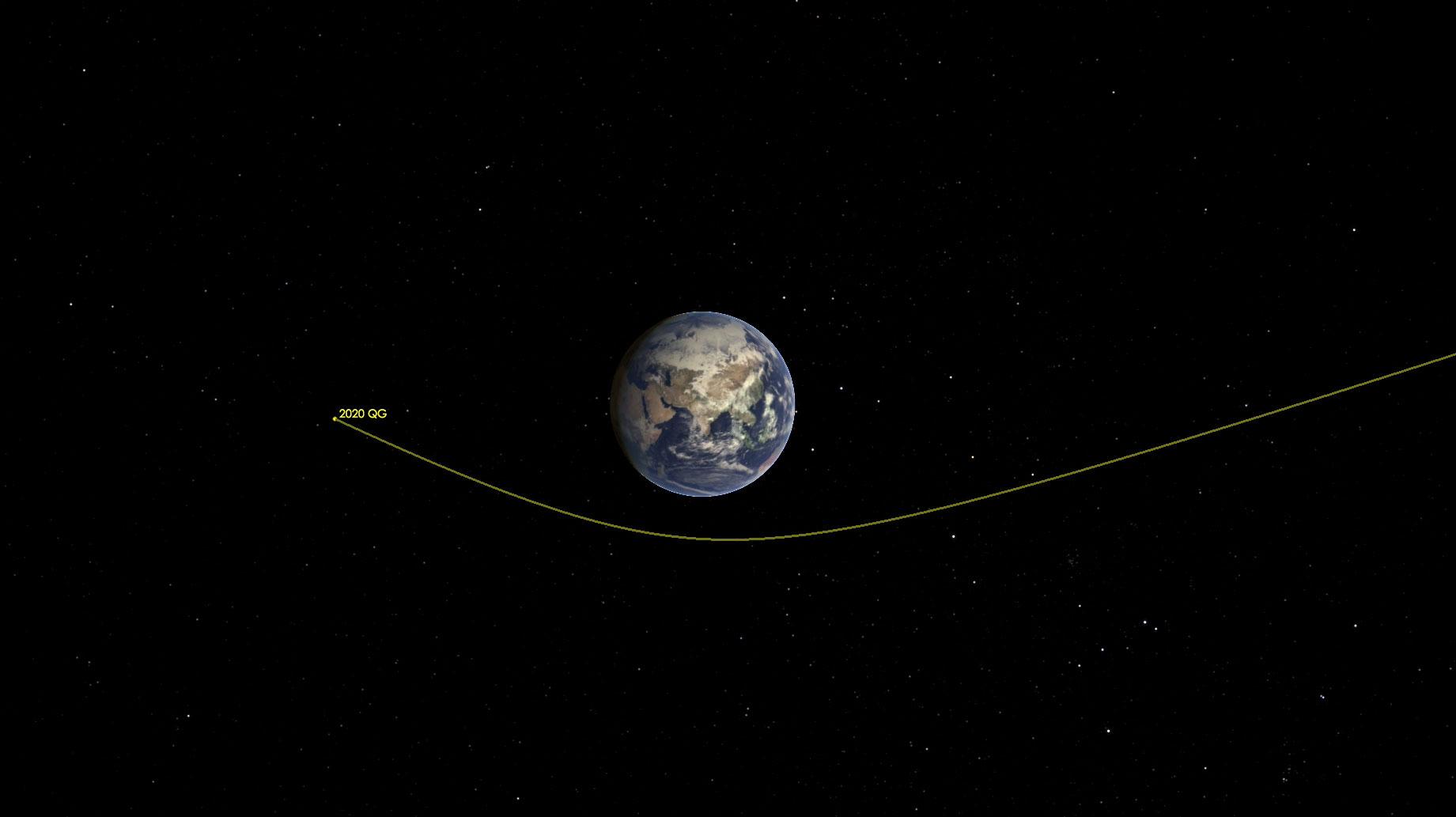
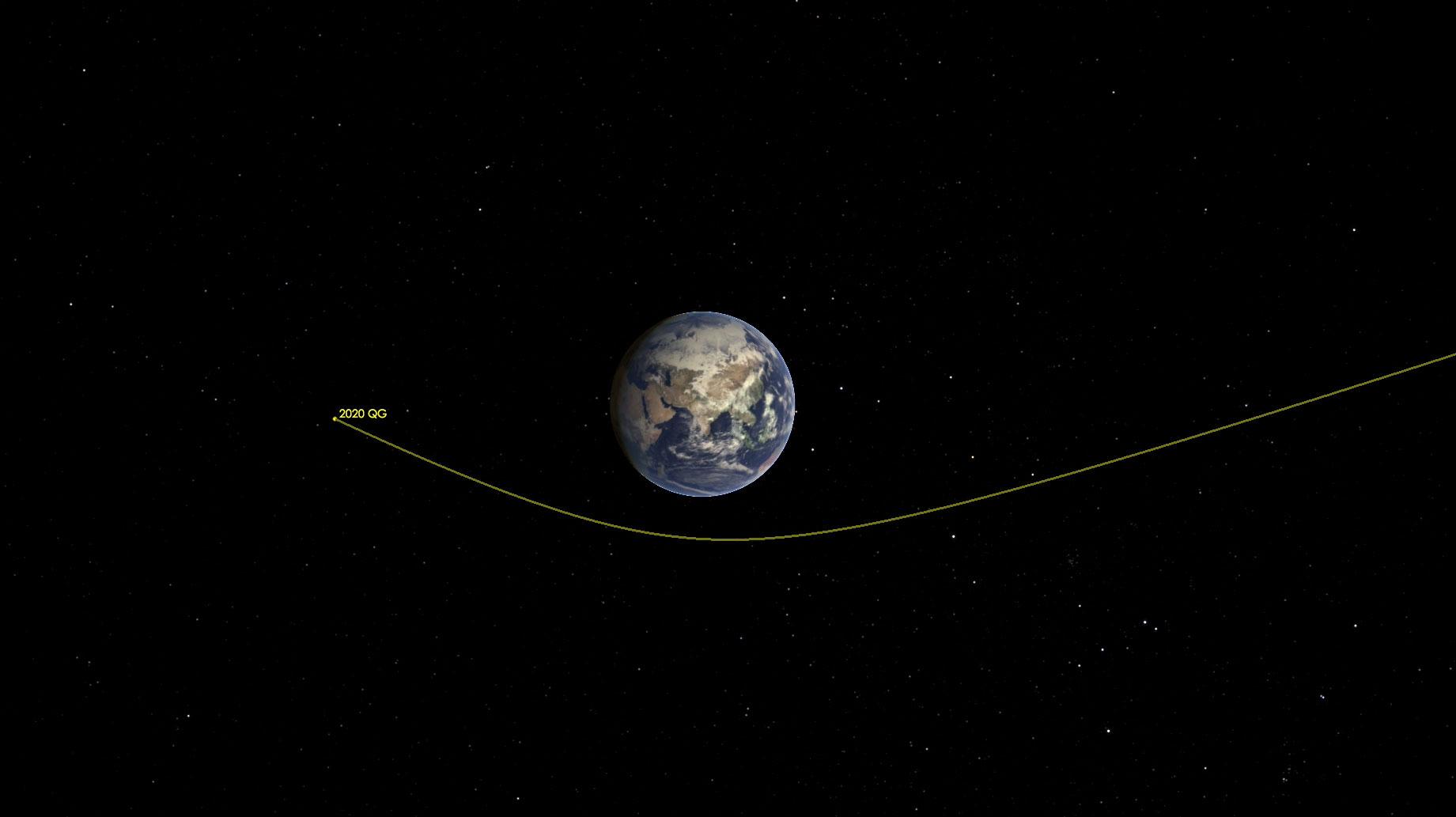
Six-Hour Warning: Asteroid 2026 RW1 Becomes the 13th Impactor Ever Spotted Before It Hit
A city-bus-sized asteroid was spotted over Arizona just six hours before it burned up over the Indian Ocean—becoming only the 13th impactor ever caught in advance, and the first on an orbit inside Earth's own.
-
Military Space
Inside Apollo Maneuvers: Space Command Takes Orbital 'Dogfighting' Live for the First Time
In the first week of September 2026, U.S. Space Command ran its first live-fly exercise, moving real satellites across LEO, MEO and GEO to test maneuver warfare instead of just simulating it on paper.
-
Missions
Artemis II's Commander and Pilot Step Into NASA's Emeritus Program
Five months after their lunar flyby splashdown, Artemis II's Reid Wiseman and Victor Glover become the first astronauts named to NASA's emeritus program, trading flight status for mentorship roles.
-
NASA & Agencies
ESA and Vast Agree to Fly Greece's First Astronaut to the ISS
ESA and commercial station firm Vast signed an agreement in Paris to fly Greek flight surgeon Adrianos Golemis to the ISS in 2027, pending medical certification, aboard a mission commanded by Thomas Pesquet.
-
Astronomy
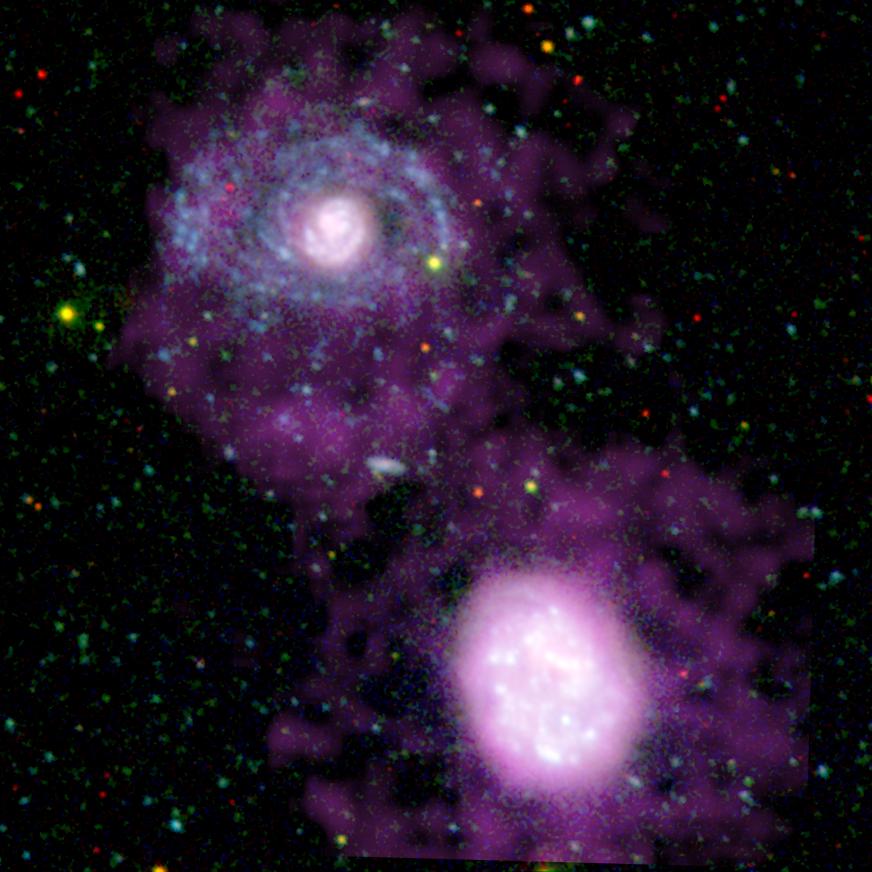
ALMA Catches Two Massive Baby Stars Colliding Into an Eccentric Binary
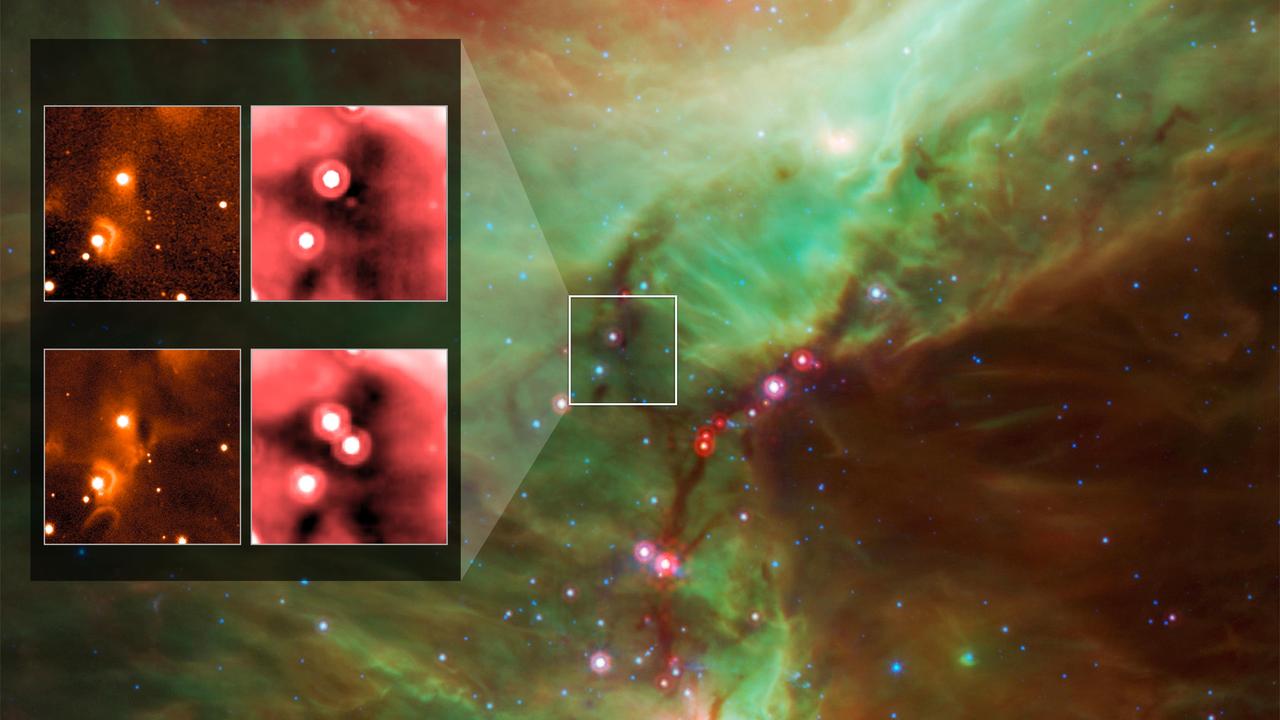
Eight years of ALMA, VLA, JWST and VLT data show a massive protobinary 5,300 light-years away didn't form from one collapsing disk — it assembled 60 years ago when two separately-born stars gravitationally captured each other.
-
Commercial
NASA Adds the Unflown Terran R to Its Launch Services Bench
NASA has added Relativity Space's not-yet-flown Terran R rocket to its NLS II launch contract, giving the company a shot at government payloads before it has even reached orbit.
-
Missions
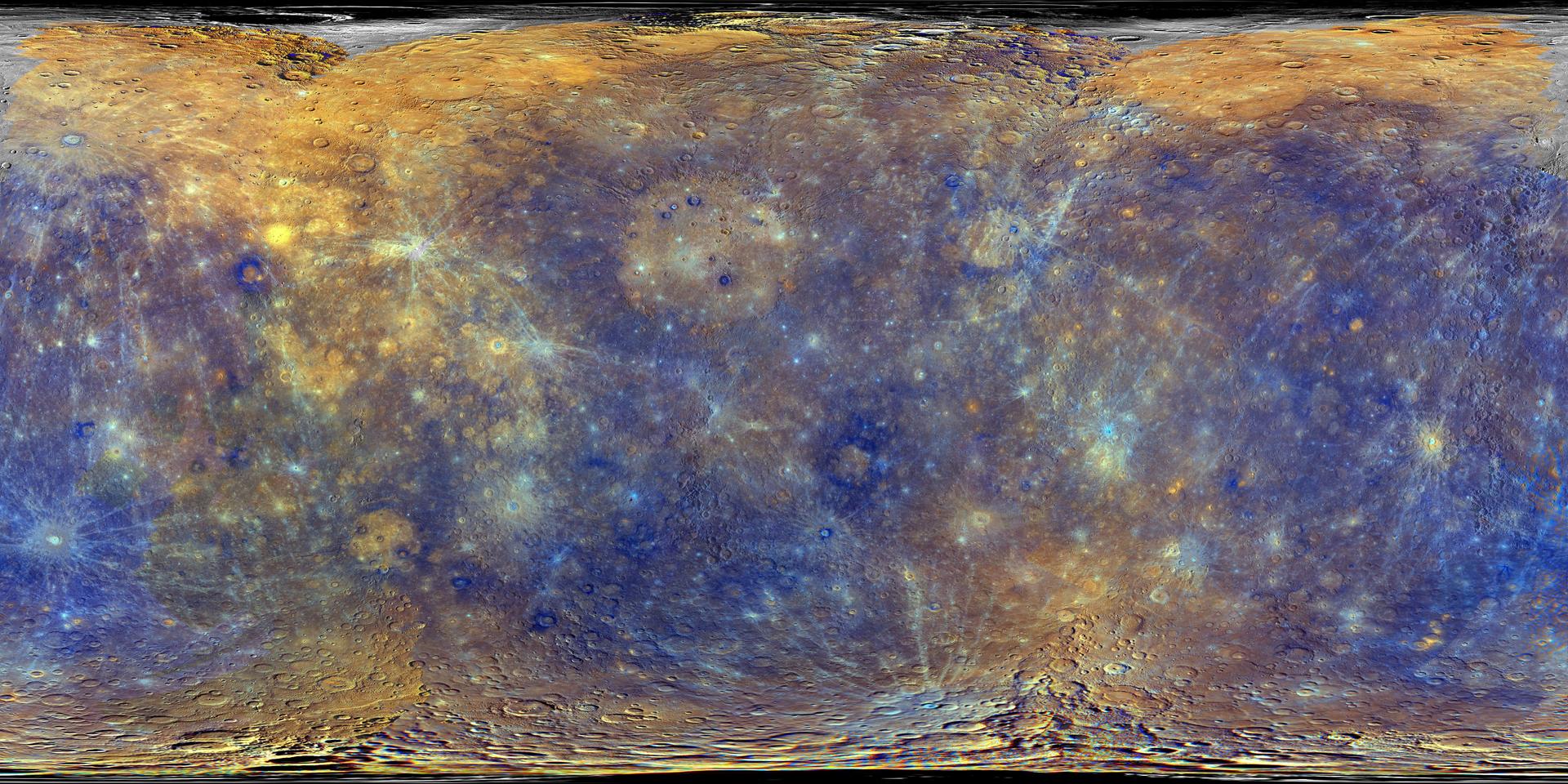
BepiColombo Sheds Its Ferry and Begins the Final Descent to Mercury
After an eight-year, 9.9-billion-kilometer journey and nine planetary flybys, BepiColombo jettisoned its transfer module on Sept. 3, 2026, starting the final approach to a Nov. 21 Mercury orbit insertion.
-
Astronomy
MeerKAT Hears the Universe's Faintest Hydrogen Whisper
Using 96 hours of MeerKAT radio data, astronomers directly detected the faint 21-cm hydrogen signal from galaxies billions of light-years away, validating a technique that could remap the universe's structure without resolving a single galaxy.
-
Stargazing
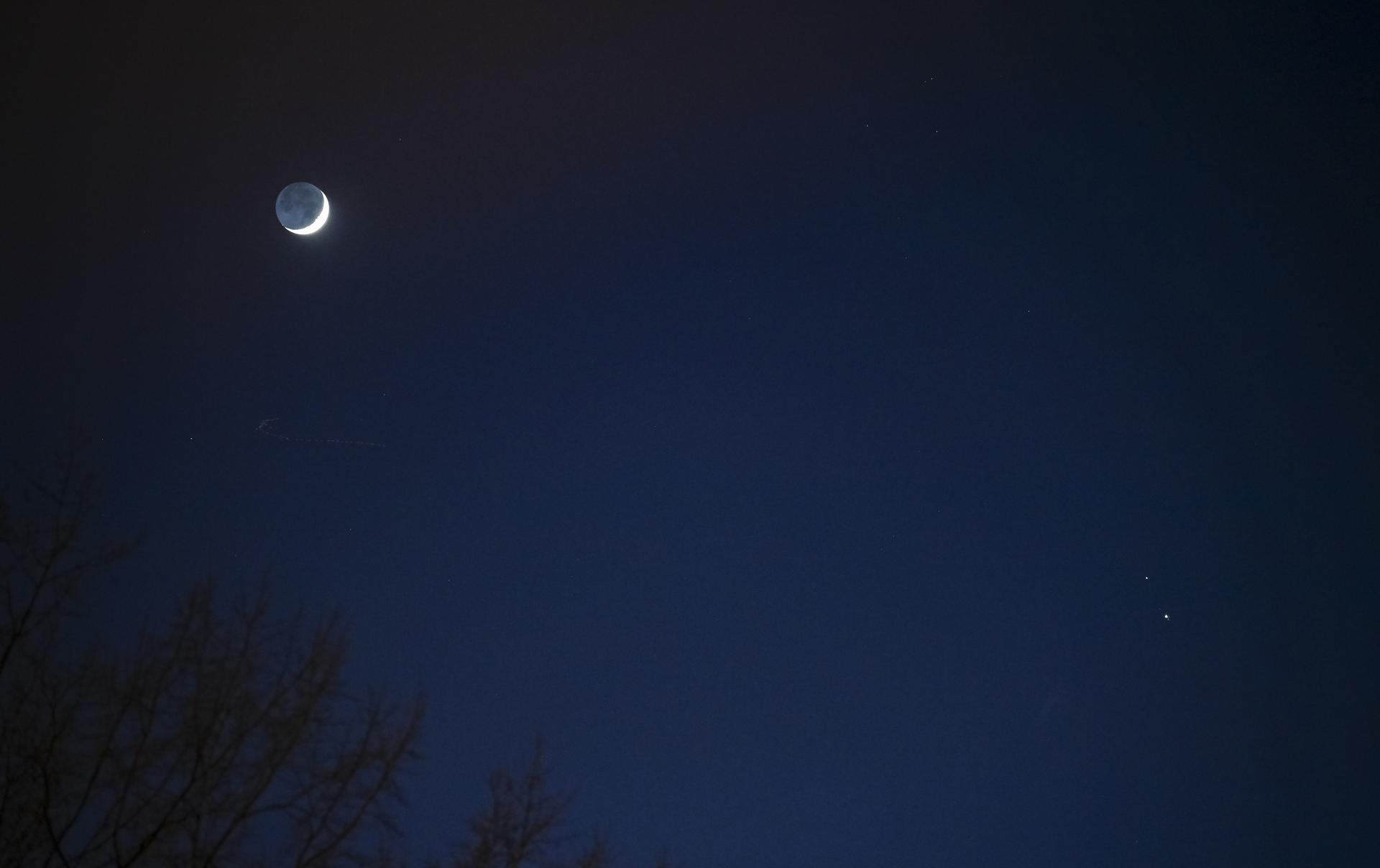
This Week's Sky: Moon Meets Jupiter, Venus Nears Its Peak
The Moon paired with Jupiter before dawn on Sept. 8, and NASA's September guide lines up the Sagittarius Teapot, peak Venus brightness on Sept. 18, and a Saturn-Neptune Harvest Moon on Sept. 26.
-
Science & Discovery
A Meter-Wide Asteroid Was Found, Tracked, and Burned Up — All Within Seven Hours
Asteroid 2026 RW1 was discovered by Arizona's Mount Lemmon Survey and struck the atmosphere over the Indian Ocean just 7 hours 22 minutes later, becoming the 13th asteroid ever caught before impact.
Page 4 of 57