
All articles
-
NASA & Agencies
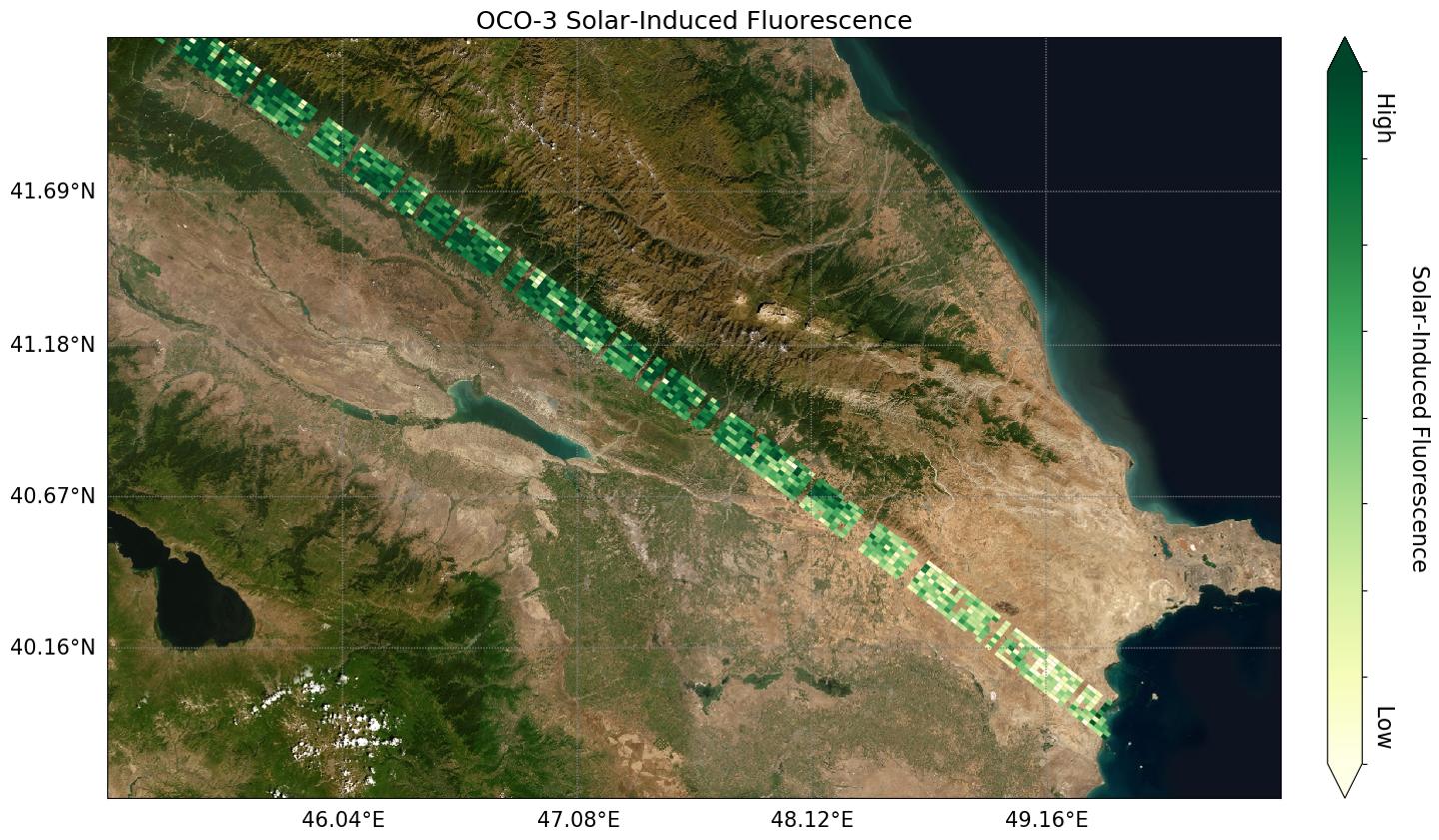
ESA Opens Launch Campaign for FLEX, the First Satellite Built to Watch Plants Glow
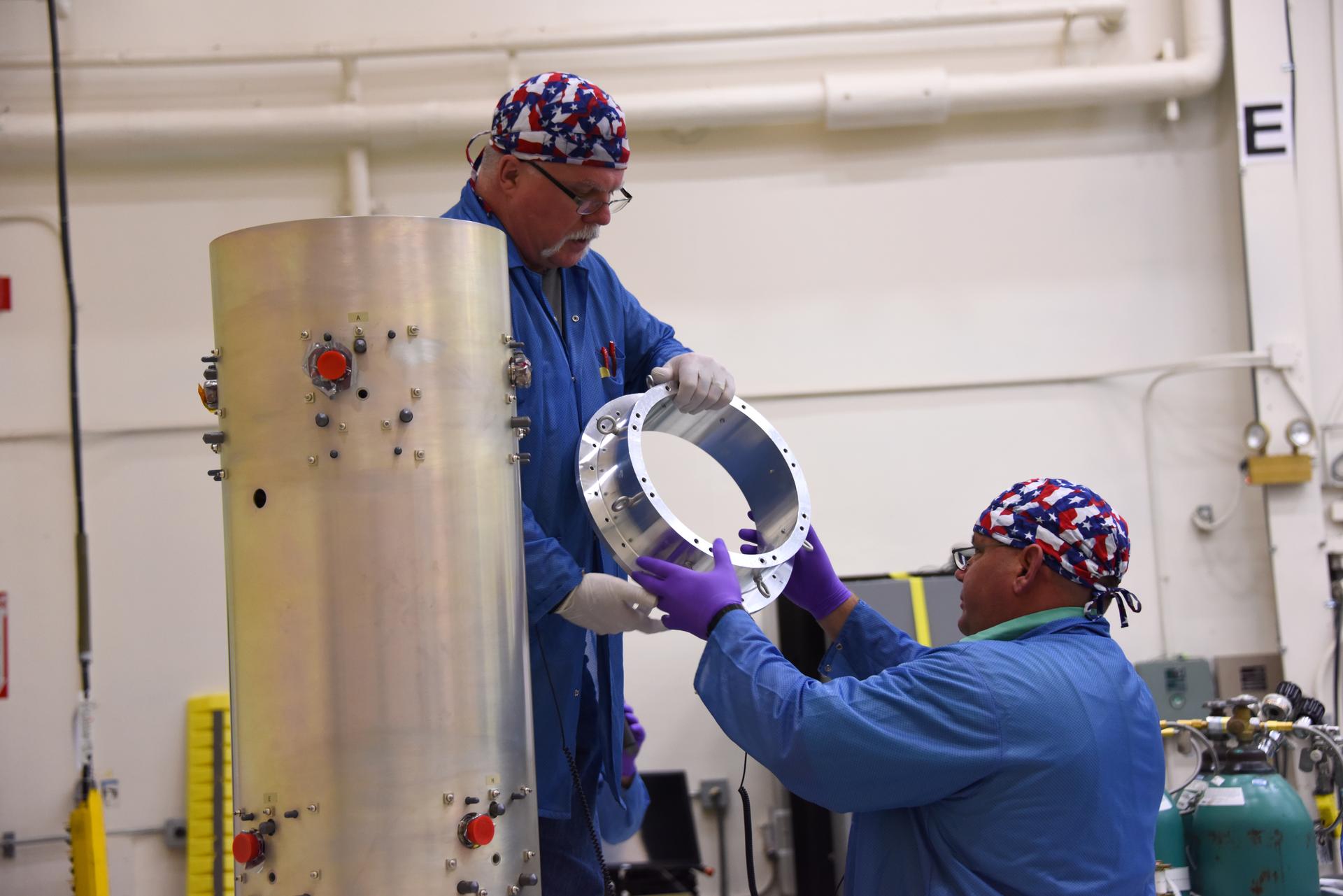
ESA is preparing FLEX, the first satellite dedicated to measuring the faint fluorescence plants emit during photosynthesis, for a September 2026 Vega-C launch alongside Copernicus Sentinel-3C from Kourou.
-
Science & Discovery
Black Holes With Past Lives: GWTC-4 Reveals a Hidden Population of Second-Generation Mergers
Mining the LIGO-Virgo-KAGRA GWTC-4 catalog, an MIT-led team finds that roughly 14% of merging black holes are themselves products of earlier collisions, with a spin-driven transition near 46 solar masses.
-
Missions
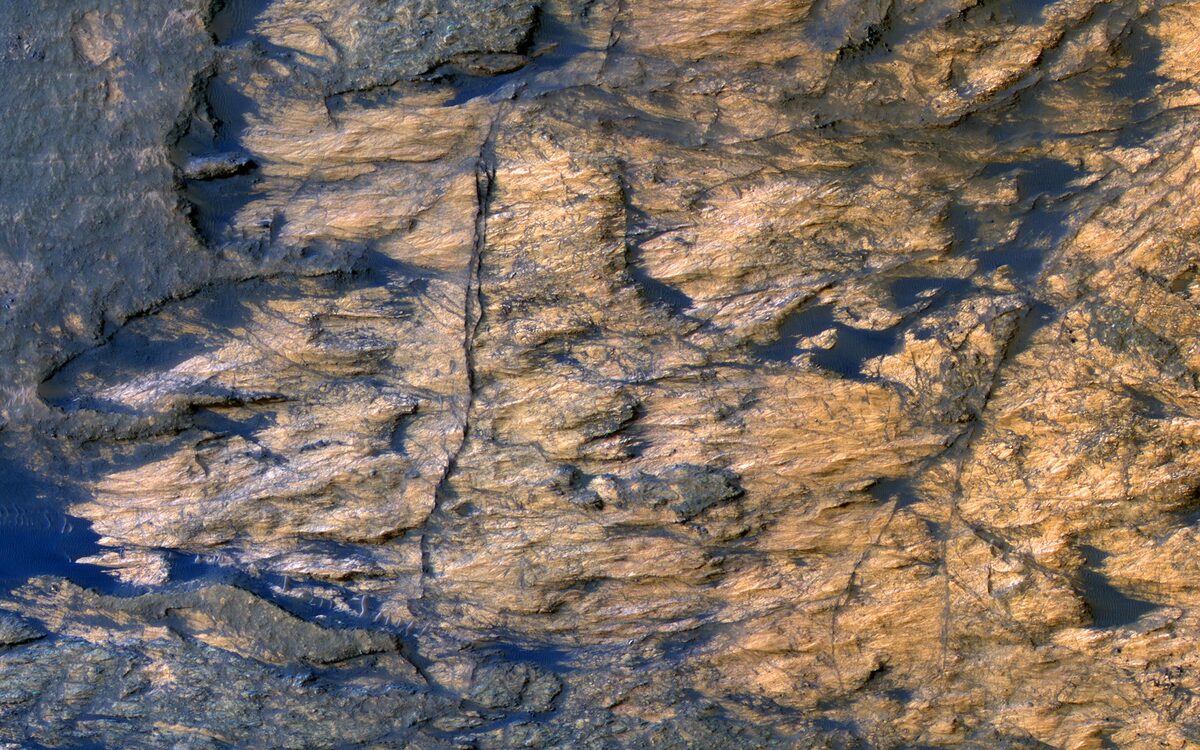
The 'Metallic Waves' of Kaiser Crater Are an Optical Trick — Here's the Geology Underneath
Mars Express imaged a shimmering, metallic-looking dune field on the floor of Kaiser Crater. It's an illusion: bright winter hoarfrost draped over 100-meter dark basaltic dunes, with clays and gullies hinting at a wetter past.
-
Astronomy
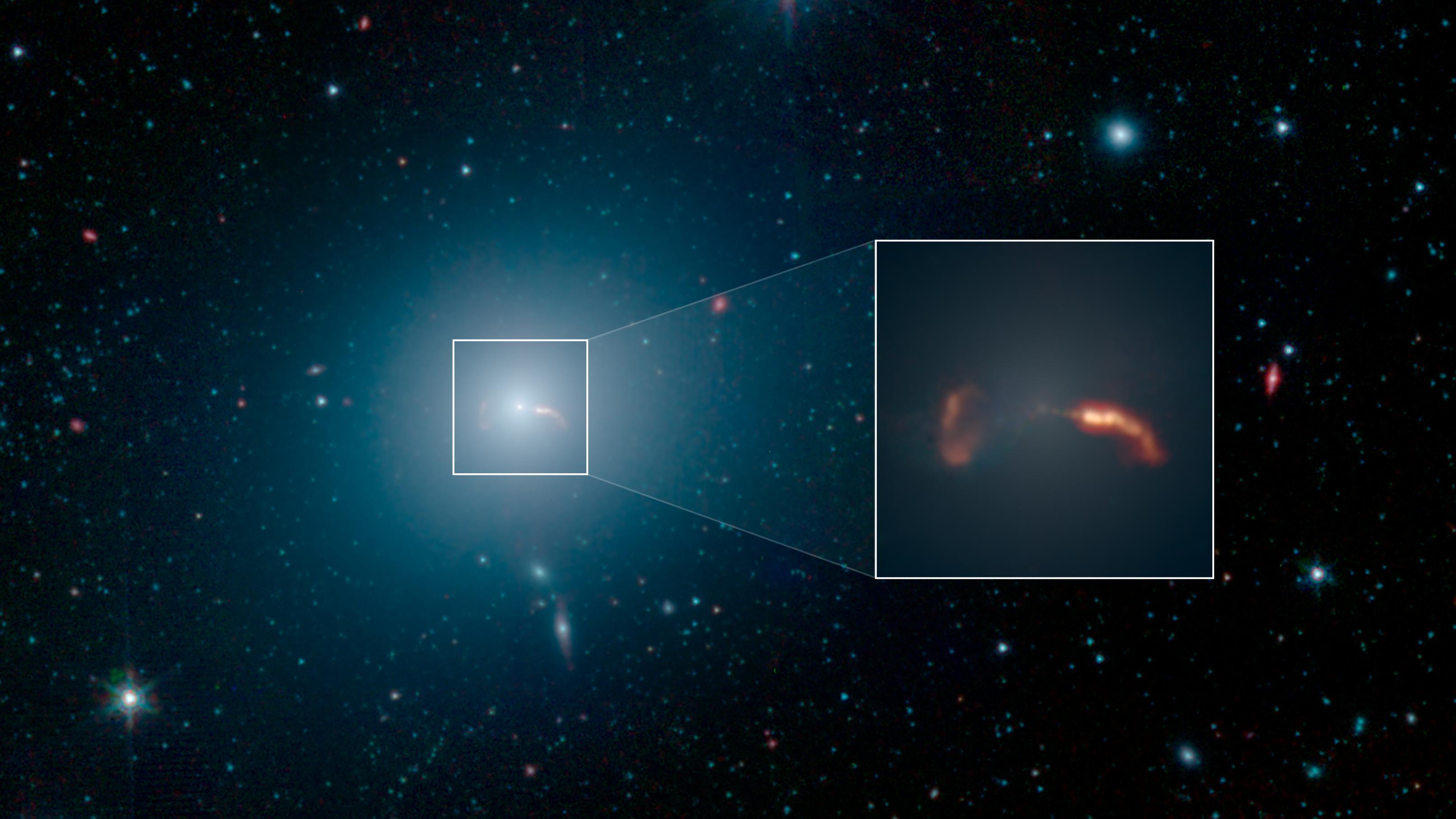
Reading the Plasma Around M87*: The First Resolved, Dual-Frequency Map of the Giant's Shadow
A SHAO-led team used the Event Horizon Telescope and the GMVA to build the first spatially resolved, dual-frequency spectral map of M87*, tying the famous 2019 ring to the physical state of plasma near the event horizon at a ~30-microarcsecond transition.
-
Stargazing
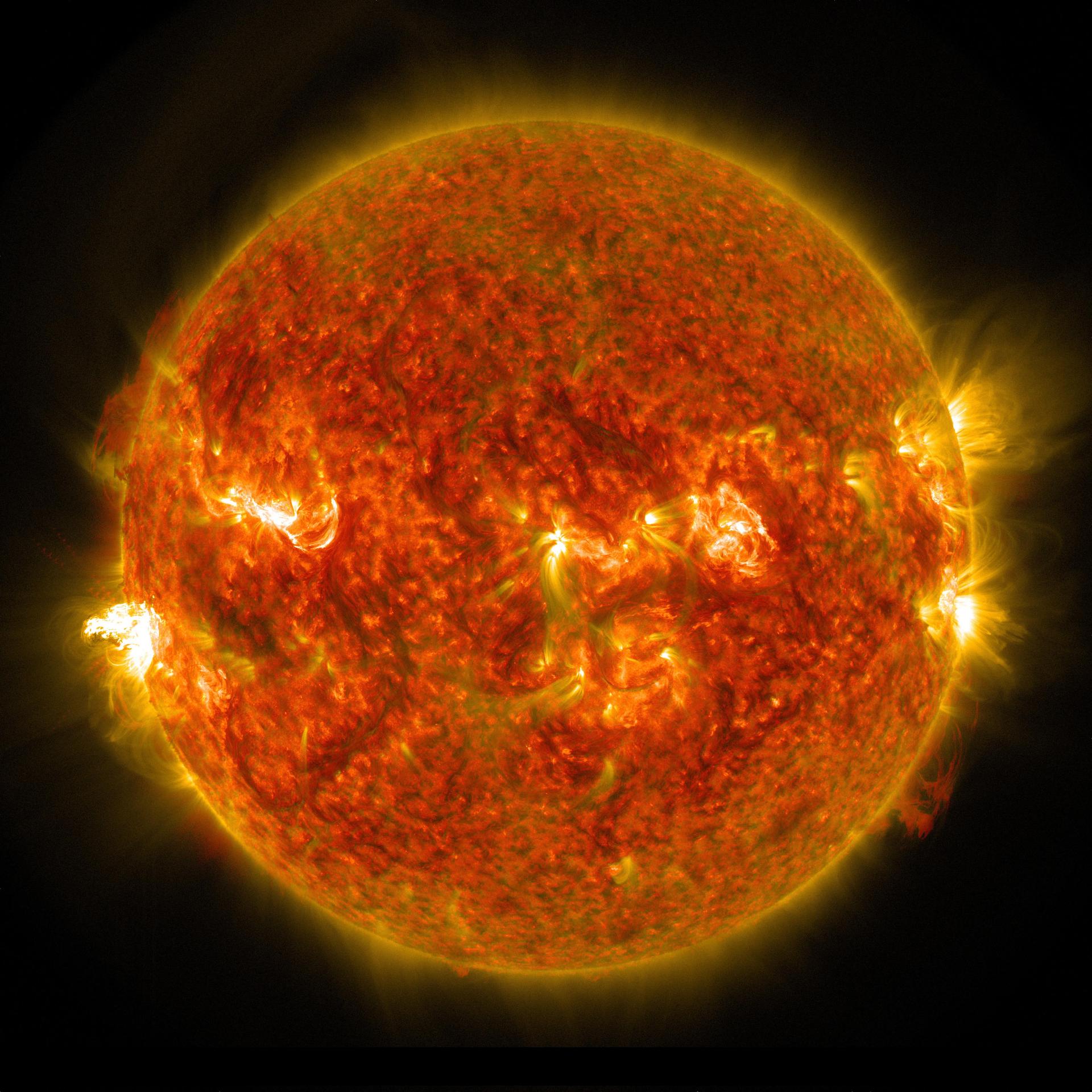
The Sun Stirs Again: Sunspot AR4494 Fires an M3 Flare as Three Regions Crackle Into Late July
Sunspot AR4494 threw an M3.2 flare on July 26 while regions 4495 and 4496 added C-class pops. Earth's magnetic field stayed quiet, but forecasters put the odds at 45% for another M-flare and 10% for an X-flare over the next 24-48 hours.
-
Science & Discovery
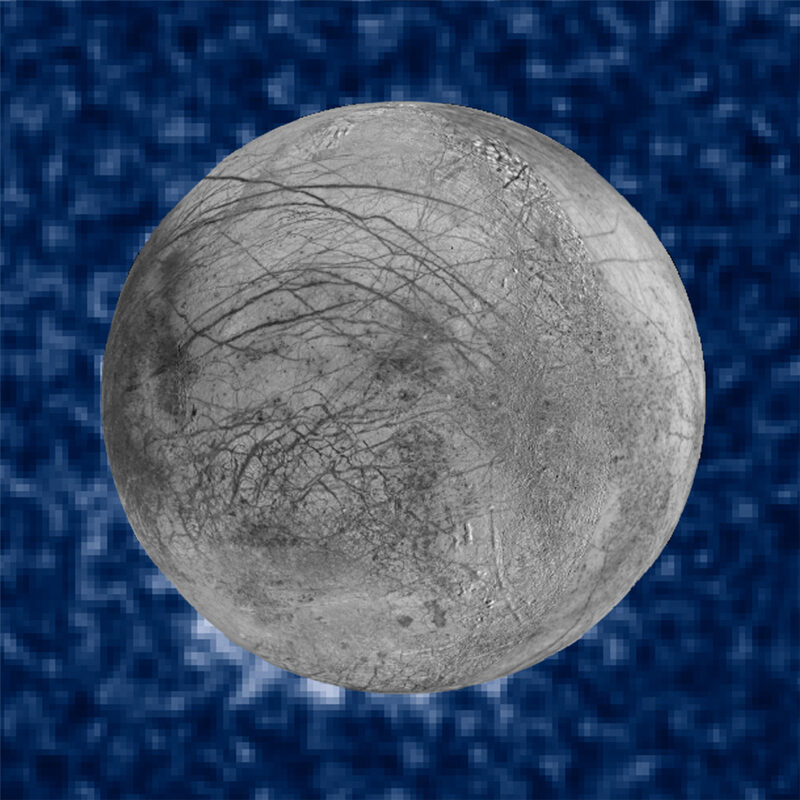
Europa's Ocean May Be Sealed Off: New Model Shows Cracks Freeze Shut Before Water Reaches the Surface
A Nature Astronomy study led by Rutgers' Lujendra Ojha finds that water rising through Europa's ice-shell fractures supercools and clogs with frazil ice, freezing narrow cracks shut within hours - reshaping where Europa Clipper and JUICE should hunt for habitable niches.
-
Missions
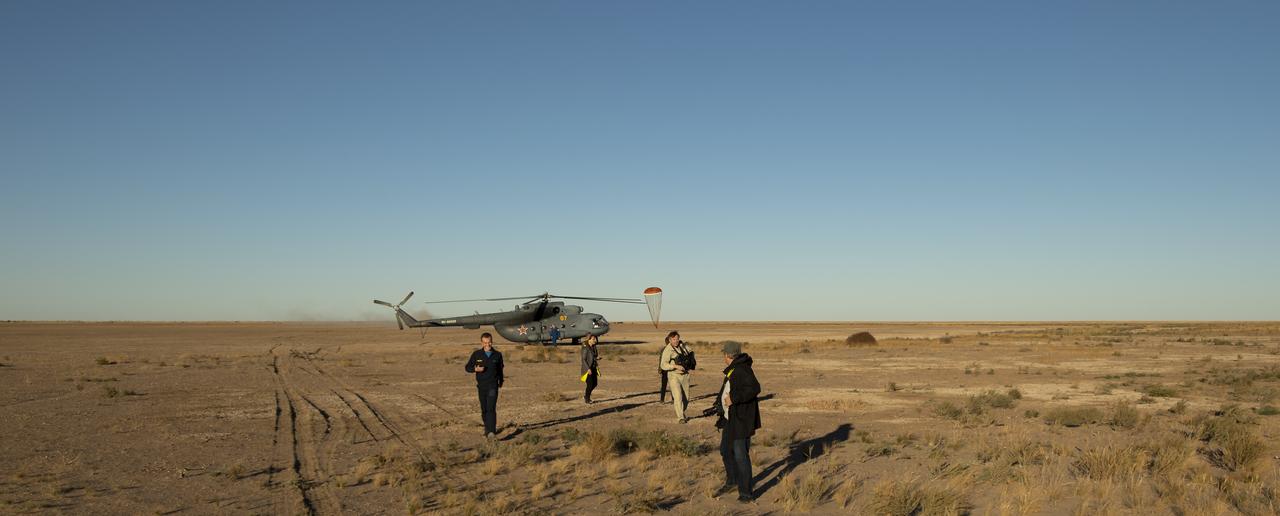
Expedition 74 Trio Rides Soyuz MS-28 Home After 241 Days in Orbit
NASA's Chris Williams and cosmonauts Sergey Kud-Sverchkov and Sergei Mikaev landed on the Kazakh steppe aboard Soyuz MS-28 on July 26, 2026, ending an eight-month mission as Jessica Meir took command of Expedition 75.
-
Astronomy
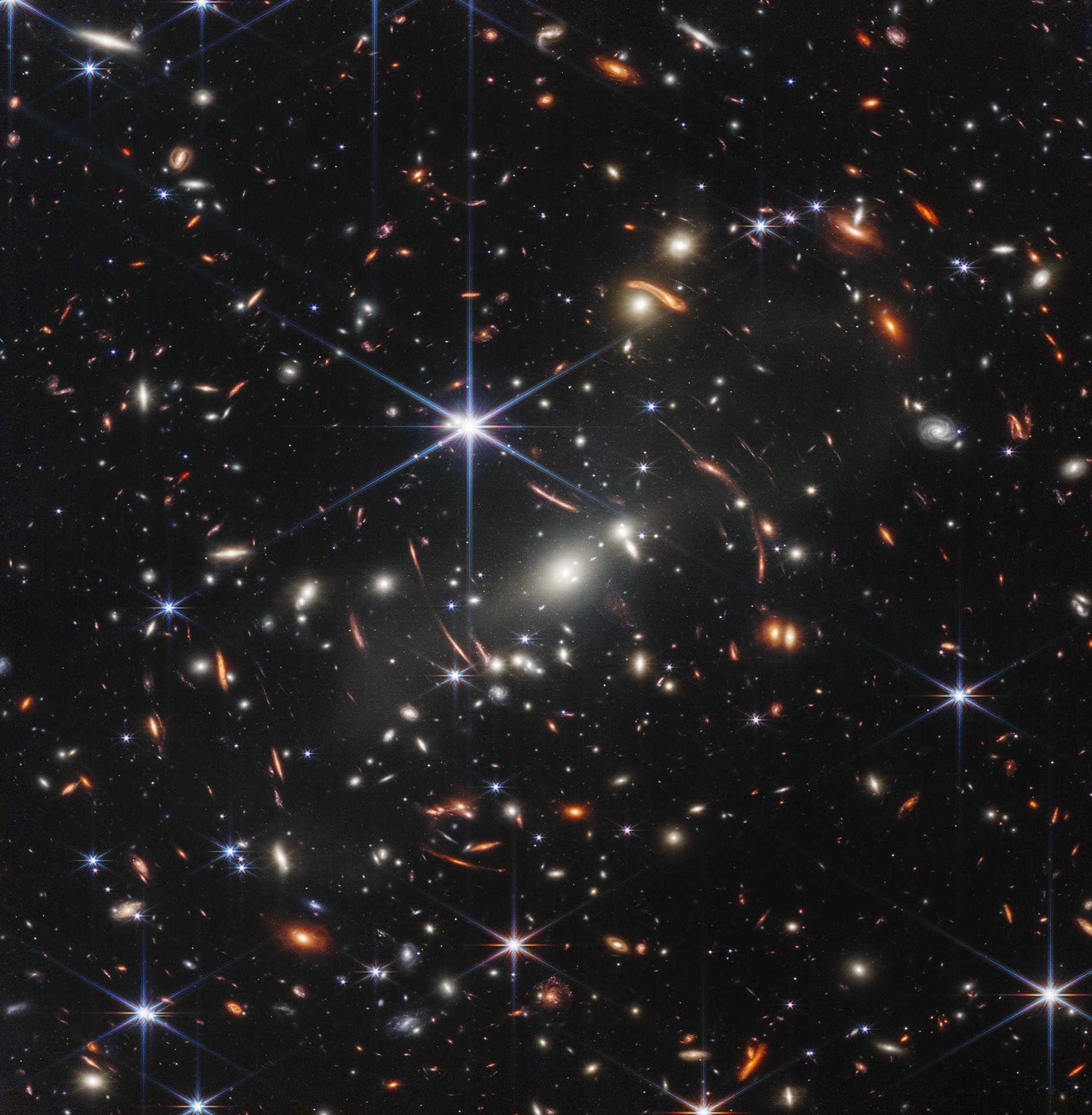
Six Galaxies, One Future Giant: JWST Catches a Massive Galaxy Mid-Assembly
JWST's SAPPHIRES survey has caught a compact proto-group of six galaxies at z=4.97 — 1.2 billion years after the Big Bang — that models say will merge into a single ~100-billion-solar-mass galaxy.
-
NASA & Agencies
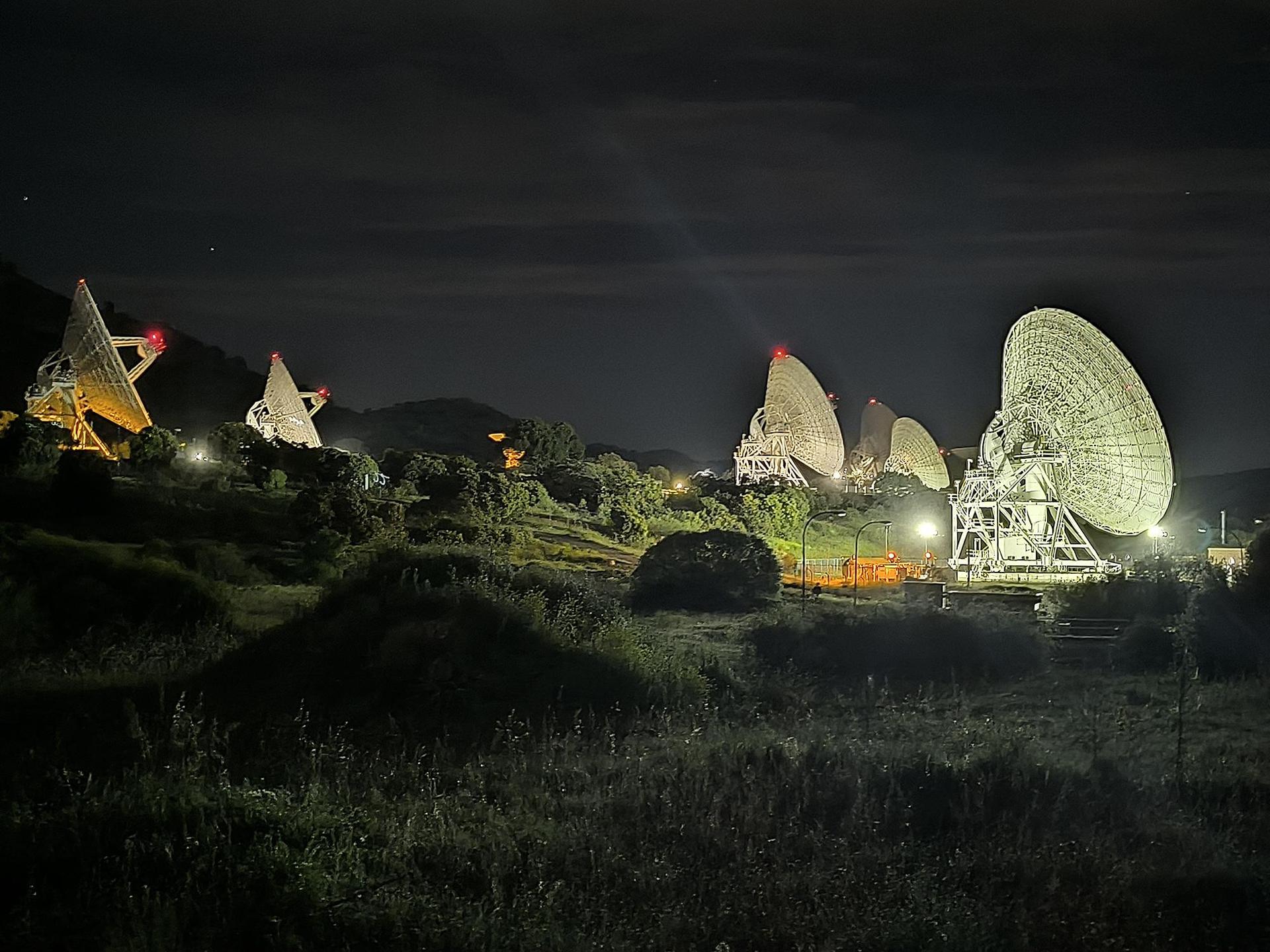
Wildfires Force NASA to Evacuate Its Madrid Deep Space Station, Shifting Voyager Tracking to California
Wildfires near Madrid forced NASA to evacuate one of only three Deep Space Network complexes on Friday; all 90 workers got out safely and mission support, including the Voyager 1 downlink, shifted seamlessly to Goldstone in California.
-
Commercial
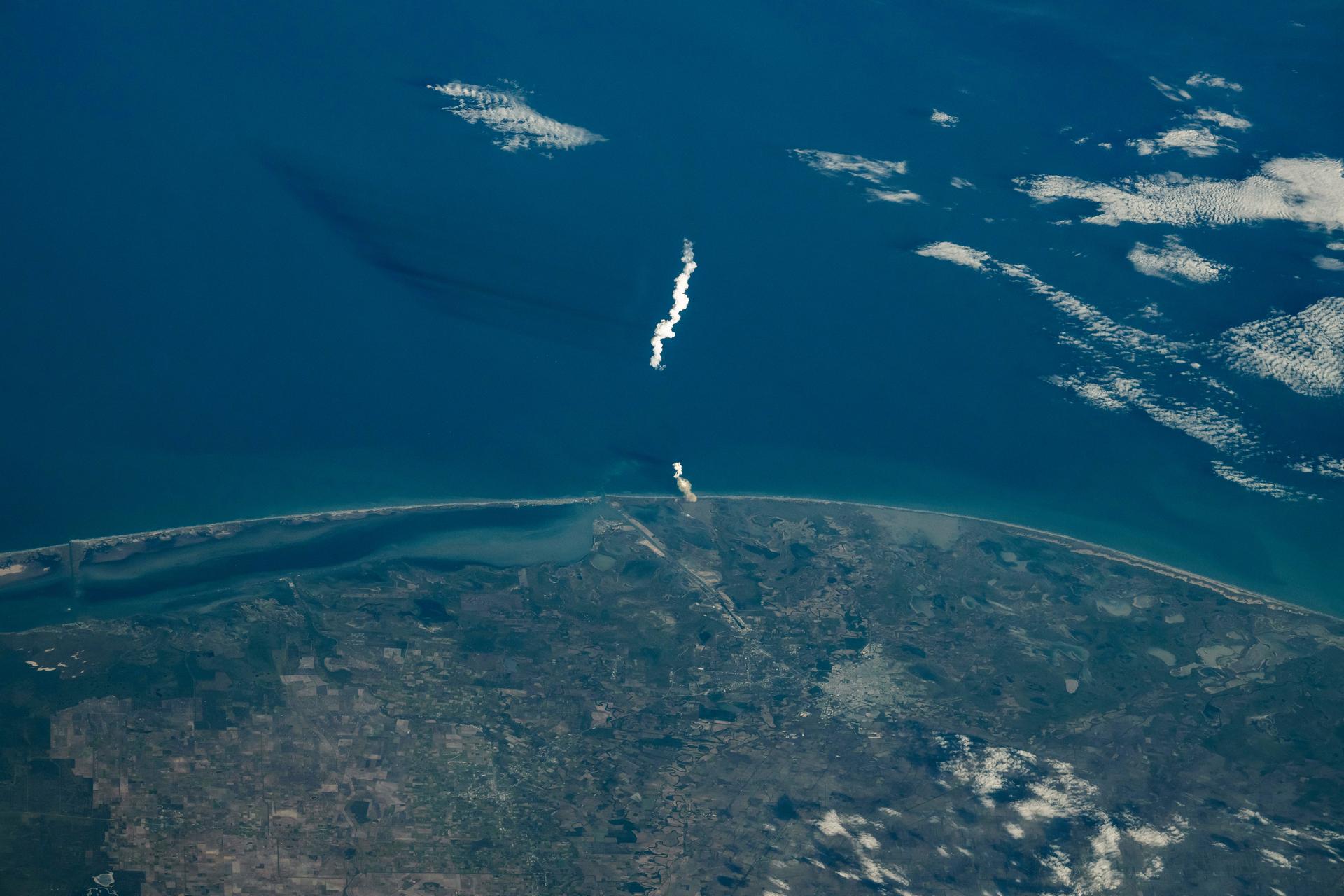
Starship Flight 13 Nails Its First Intact Splashdown — and Drops 20 Real Starlink Satellites
On Flight 13, SpaceX put an intact Starship in the water for the first time and deployed 20 working Starlink V3 satellites — its first real payloads — even as the Super Heavy booster came down hard after an incomplete landing burn.
-
Military Space
Air Force Inherits the Military's Troubled M-Code GPS Receiver Program from Space Force
The Air Force Life Cycle Management Center took over the delay-plagued MGUE program on July 23, 2026, absorbing the jam-resistant M-code receiver effort that the Space Force developed but struggled to field on schedule.
-
Astronomy
Hubble Watches a Nova Fire 'Bullets' Through the Milky Way at 20 Million MPH
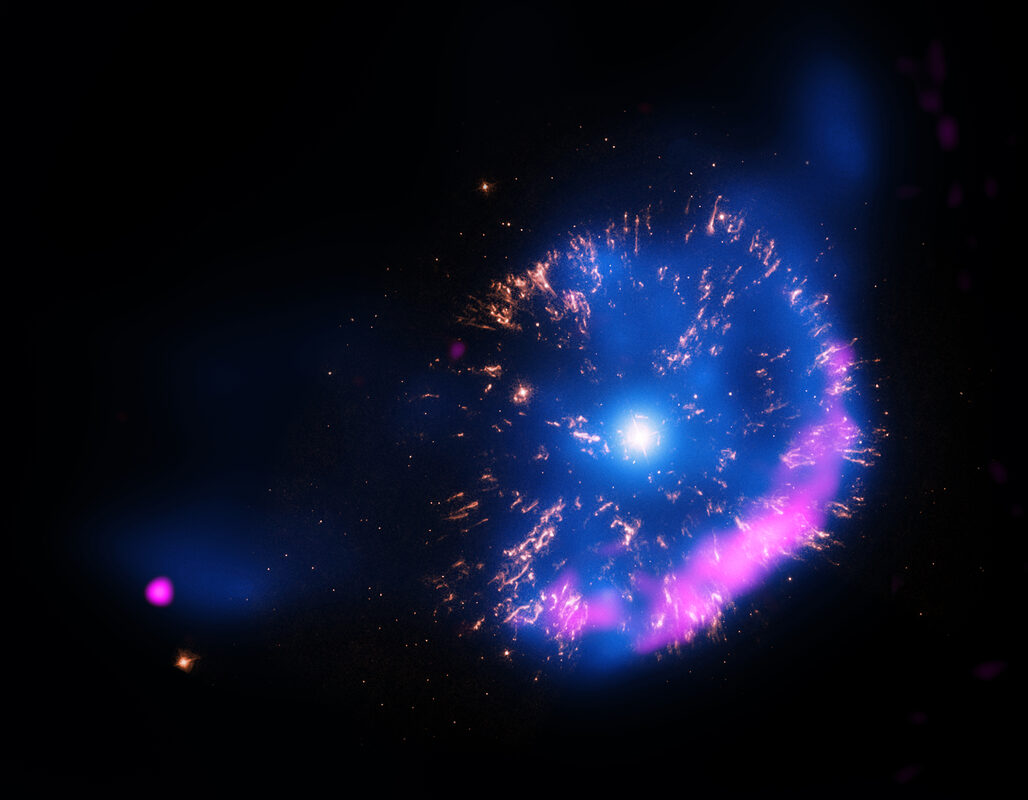
Hubble imagery reported July 24, 2026 shows a nova launching dense clumps of ejected material across the galaxy at roughly 20 million mph — and astronomers still can't explain where the projectiles come from.
Page 17 of 57