
All articles
-
Astronomy
The Universe Still Has the Gas. So Why Did It Stop Making Stars?
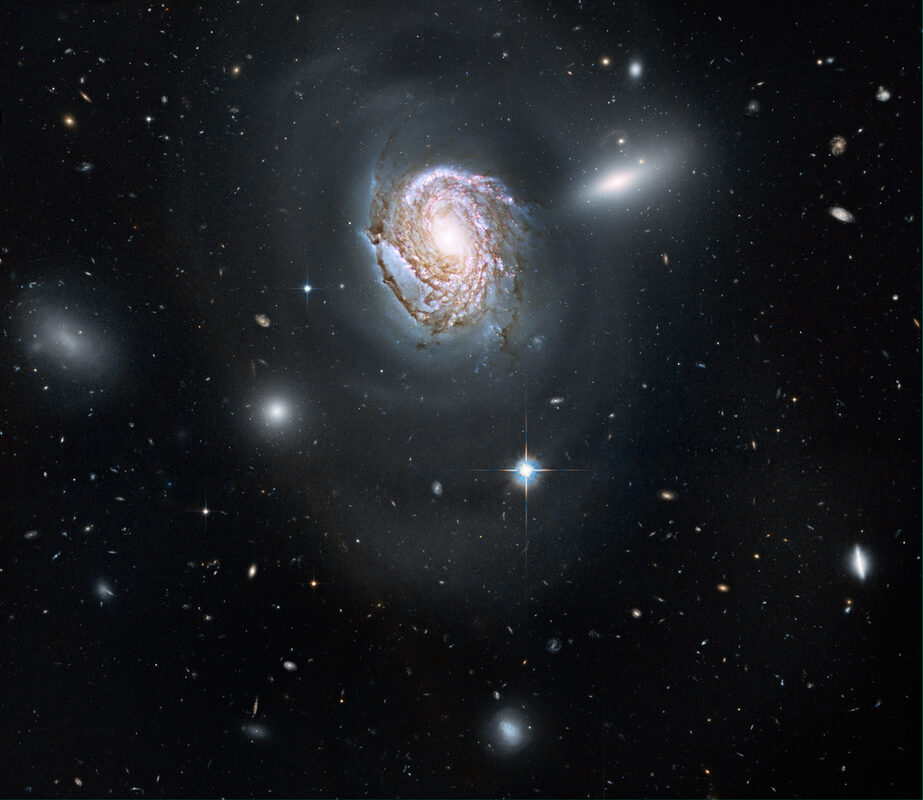
FAST stacked 21-cm signals from 2.5 million DESI galaxies and found the universe's atomic hydrogen barely budged while star formation fell by more than half. The fuel is there; galaxies just stopped burning it.
-
Commercial
NASA Hands Blue Origin $700 Million to Build a Mars Communications Orbiter
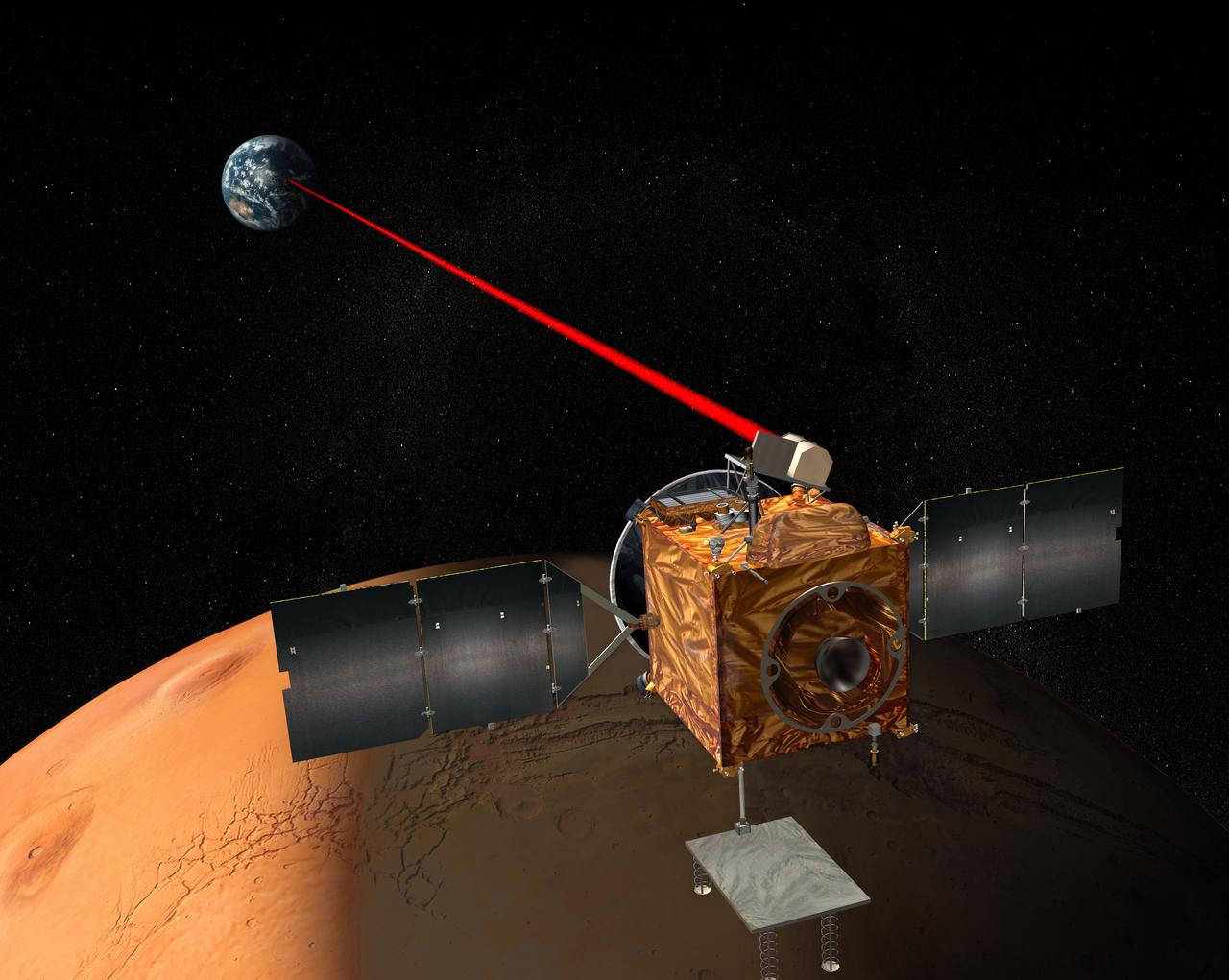
NASA picked Blue Origin over a competing Rocket Lab bid for a ~$700 million contract to build a Blue Ring-based Mars telecom orbiter due at the Red Planet by 2030.
-
Missions
ISRO's GSLV-F17 Lofts EOS-05, Ending an Eight-Month Launch Drought
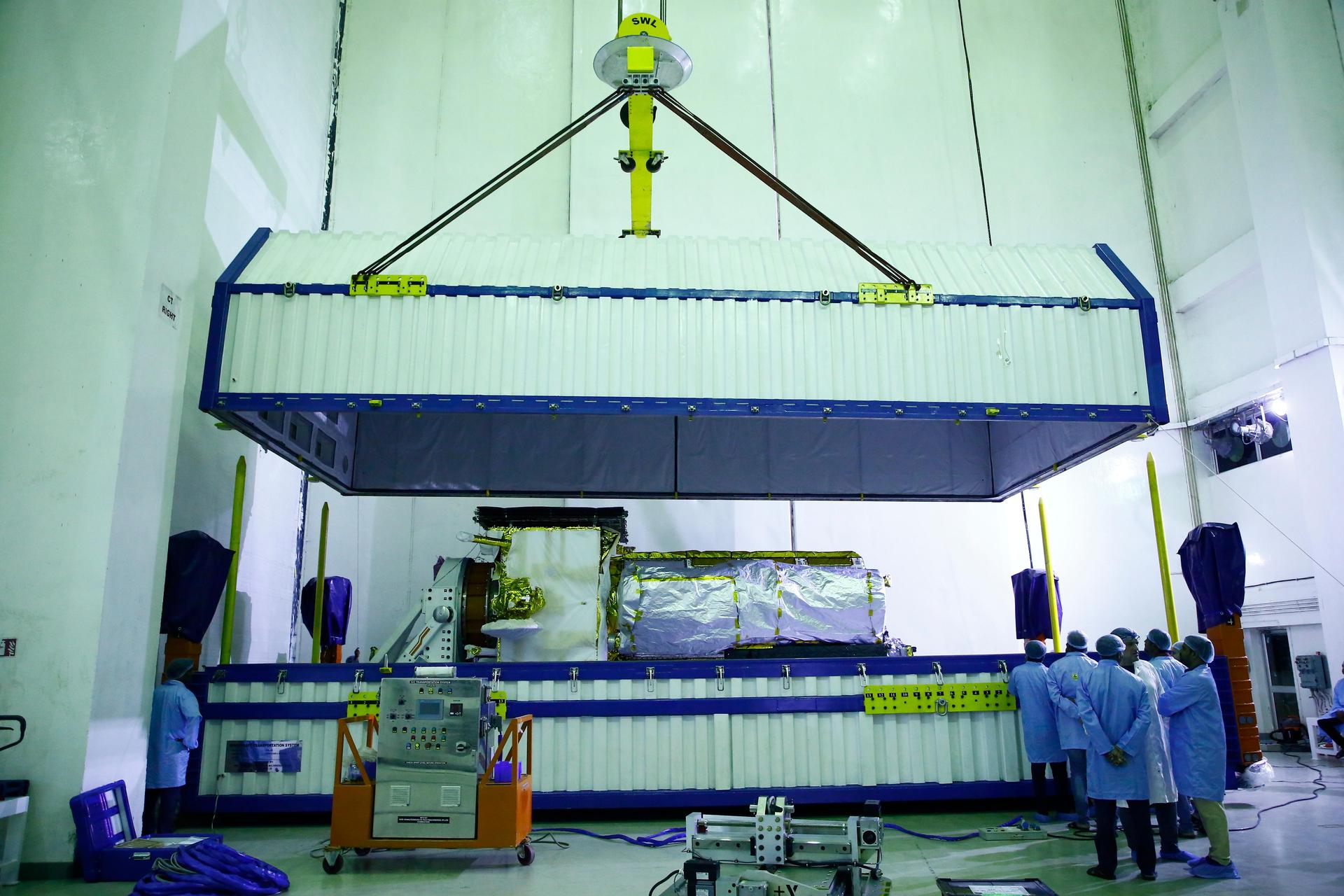
ISRO's GSLV-F17 successfully placed the EOS-05 Earth observation satellite into orbit, marking the agency's first launch since January and restarting its 2026 cadence.
-
Stargazing
A Minor Radiation Storm and an Inbound CME Set Up a Weekend Aurora Watch
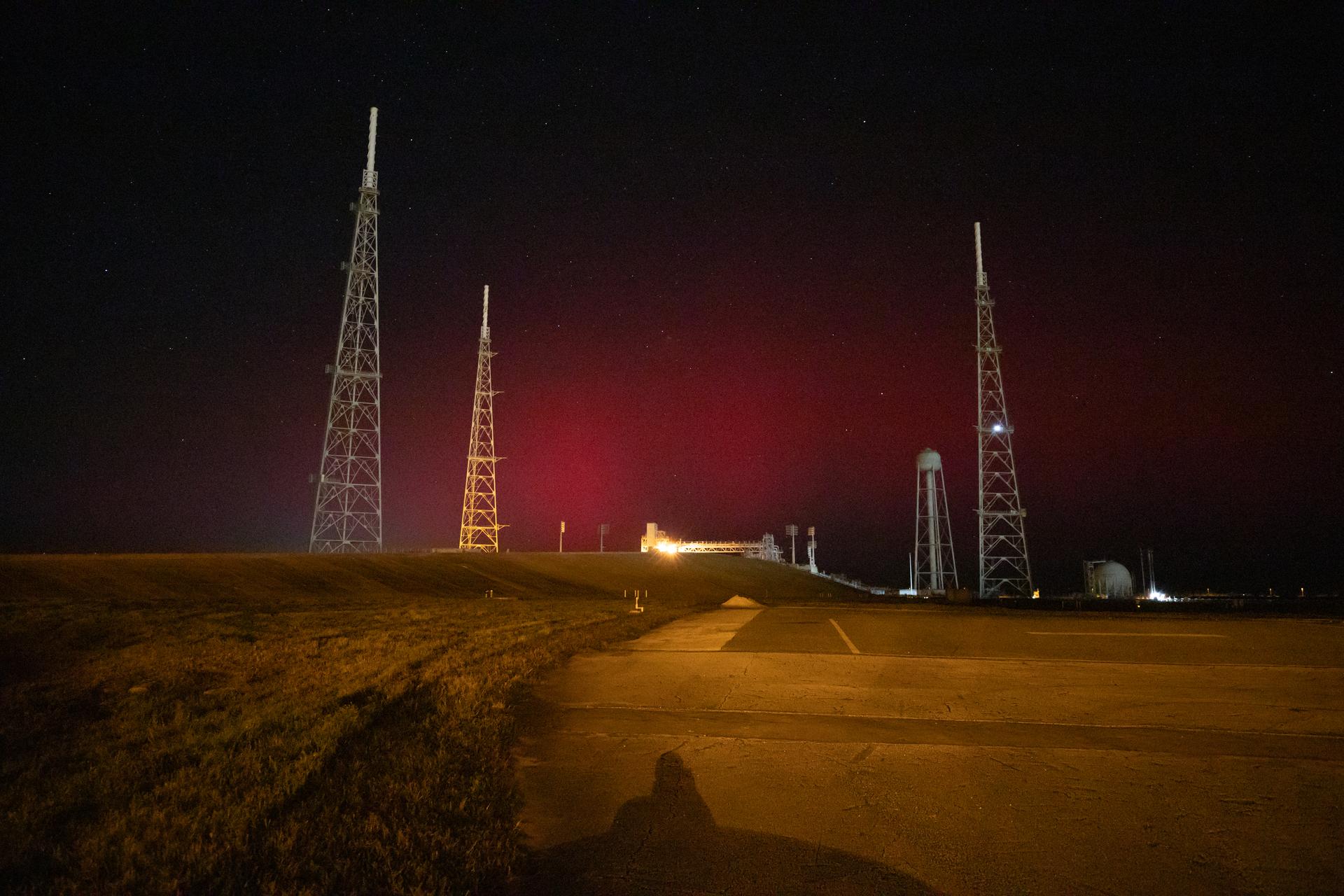
NOAA logged repeated S1-minor proton storm alerts on September 5 as a coronal mass ejection from sunspot AR4524 heads for Earth, with arrival expected September 8 and a shot at G1-level auroras.
-
Astronomy
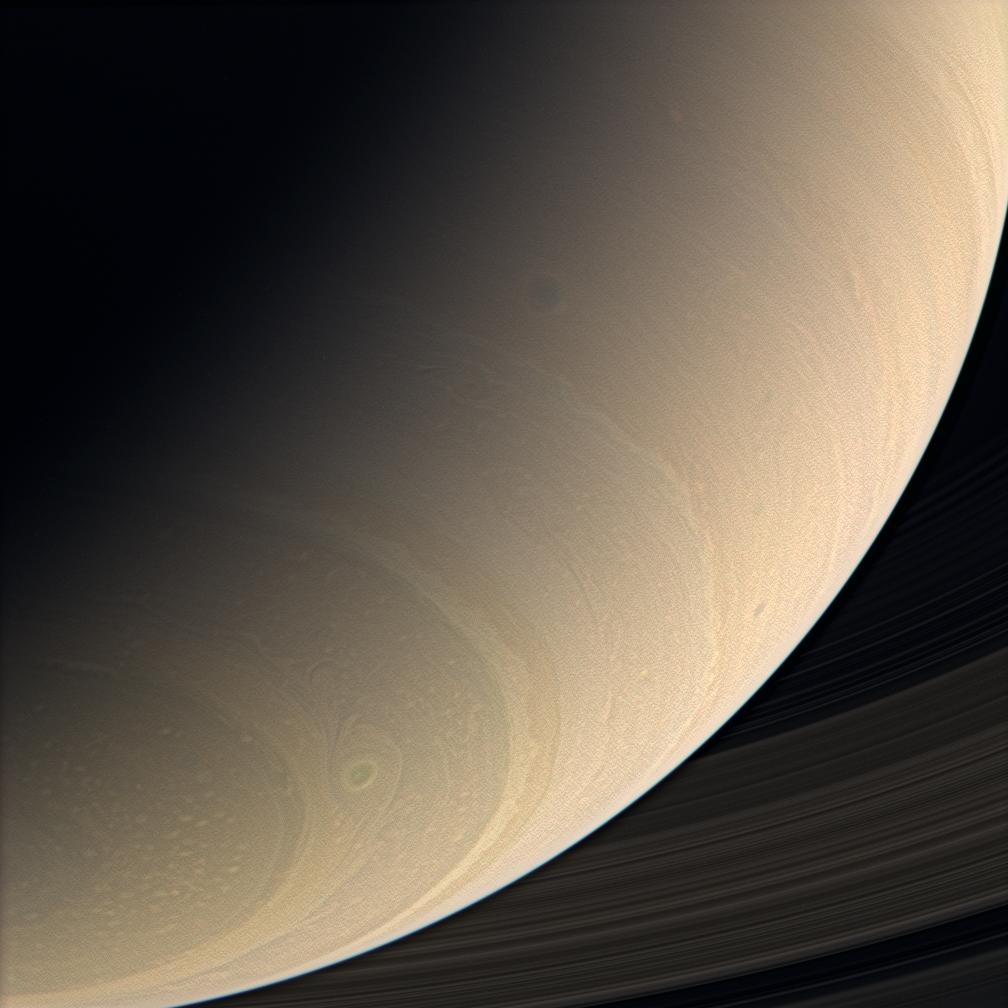
Hubble Finds a New Decagon Guarding Saturn's South Pole
Hubble archival data reveal a strengthening 10-sided vortex ringing Saturn's south pole — a feature Cassini never saw in 13 years at the planet, and a strange new sibling to its famous northern hexagon.
-
Science & Discovery
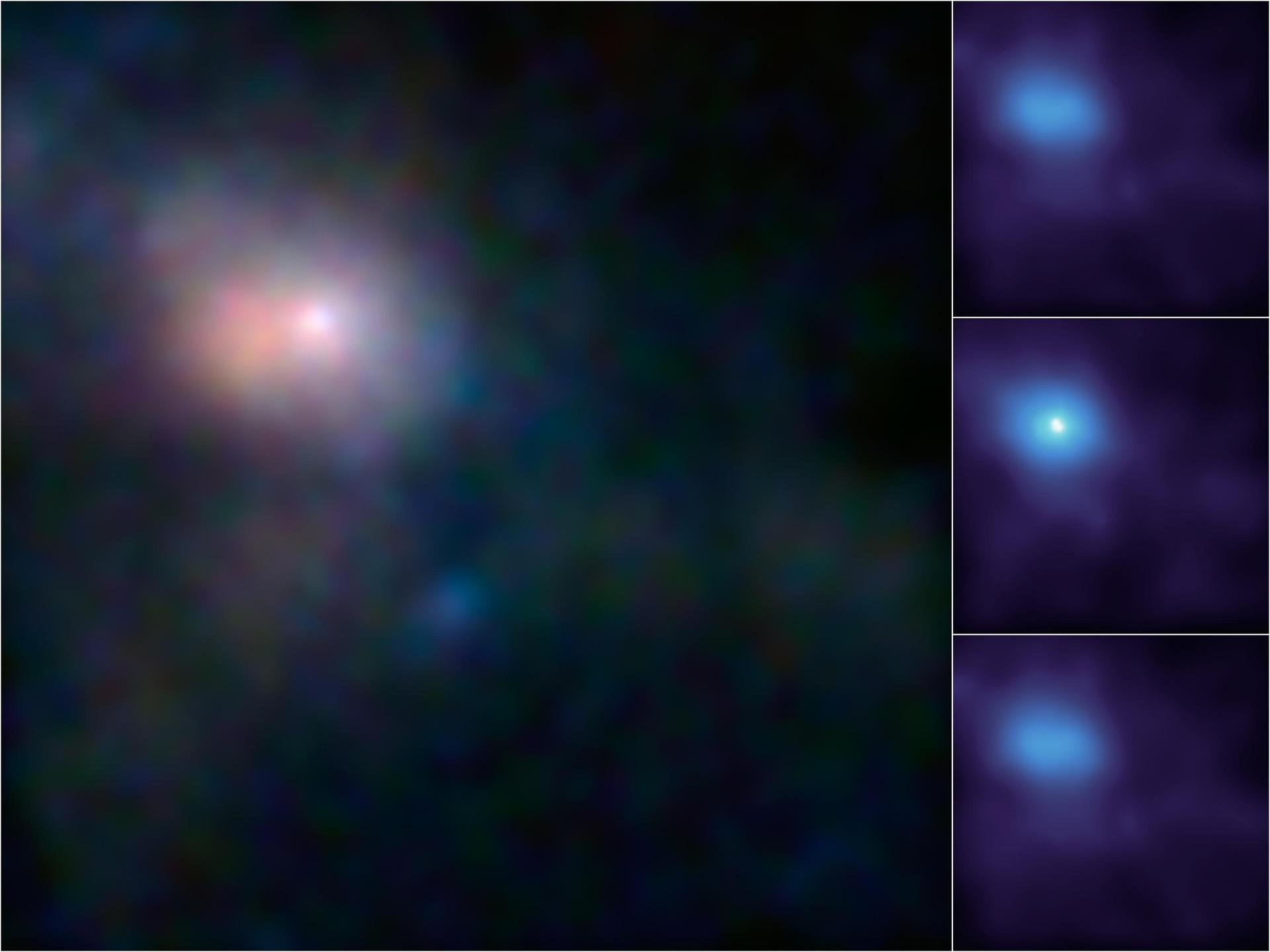
Is Our Galaxy's Black Hole Flinging Particles to PeV Energies? A New Study Says Maybe
A new theoretical model suggests Sagittarius A* accelerates neutrons to PeV energies via the magnetic Penrose process, while a companion UCLA astrometry paper pins down the black hole's motion and rules out a hidden intermediate-mass companion.
-
Astronomy
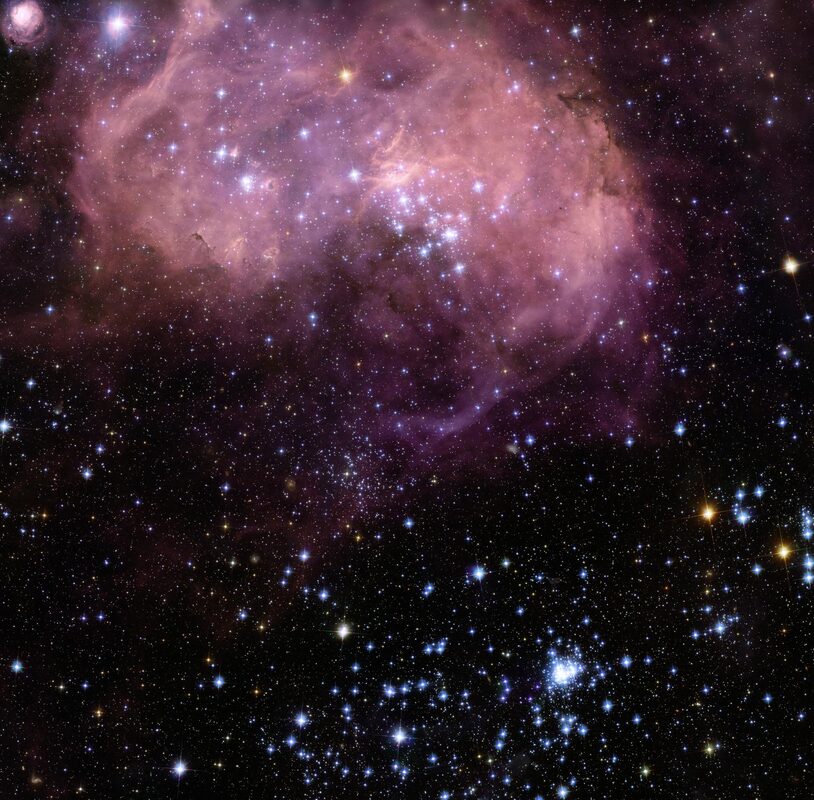
Hubble Spots a 210-Light-Year Superbubble Carved Into a Star Nursery in the Large Magellanic Cloud
A new Hubble image reveals a 210-by-140-light-year cavity blown into the N44 nebula by massive stars, with nearly 30,000 still-forming stars catalogued in the surrounding shell.
-
Commercial
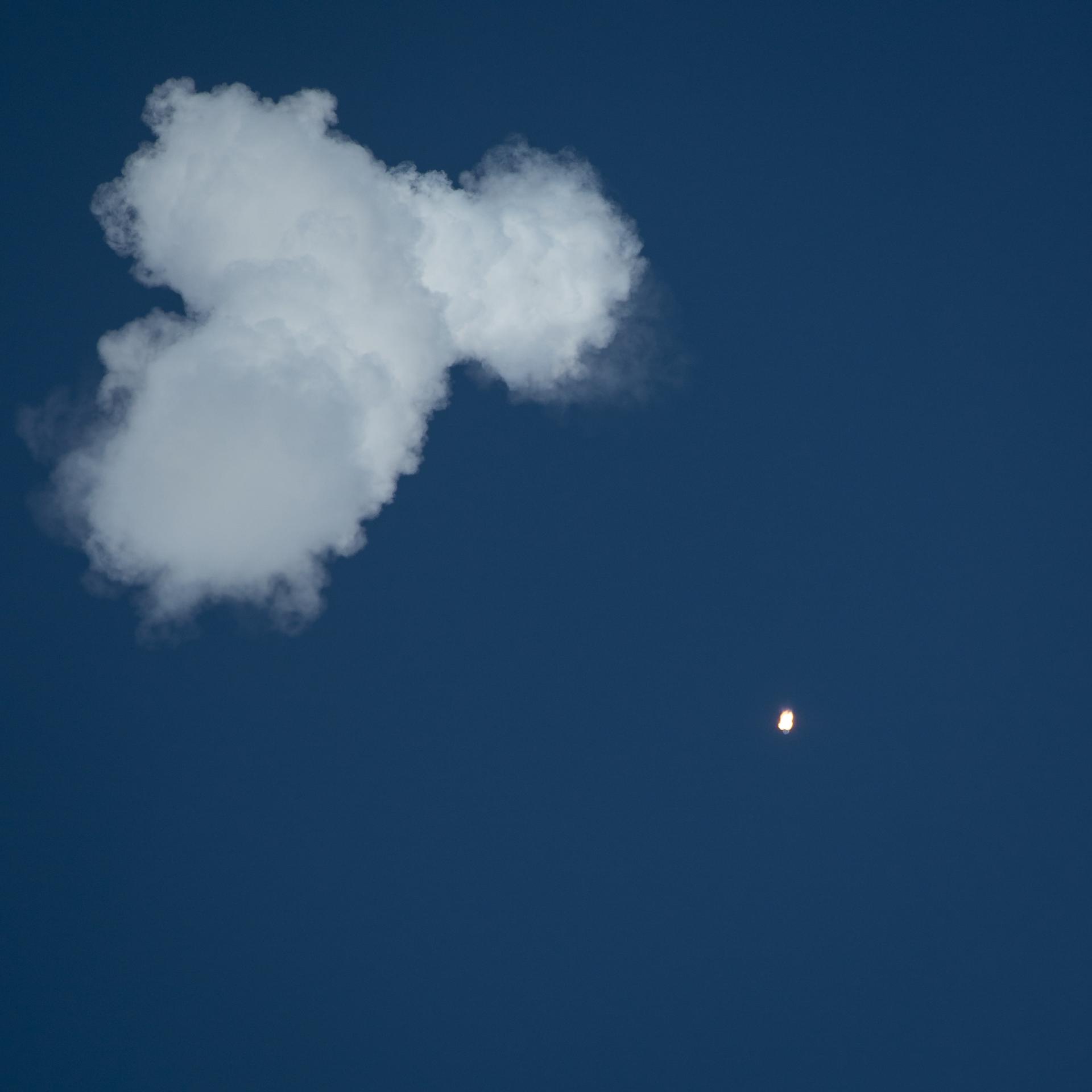
Isar Aerospace's Spectrum Becomes First Rocket to Reach Orbit From Western European Soil
Germany's Isar Aerospace flew its Spectrum rocket to orbit from Norway's Andøya Spaceport on September 5, the first orbital launch ever from mainland Western Europe, 18 months after its debut ended in a pad-side crash.
-
Military Space
Gen. Douglas Schiess Sworn In as Space Force's Third — and First Four-Star — Chief of Space Operations
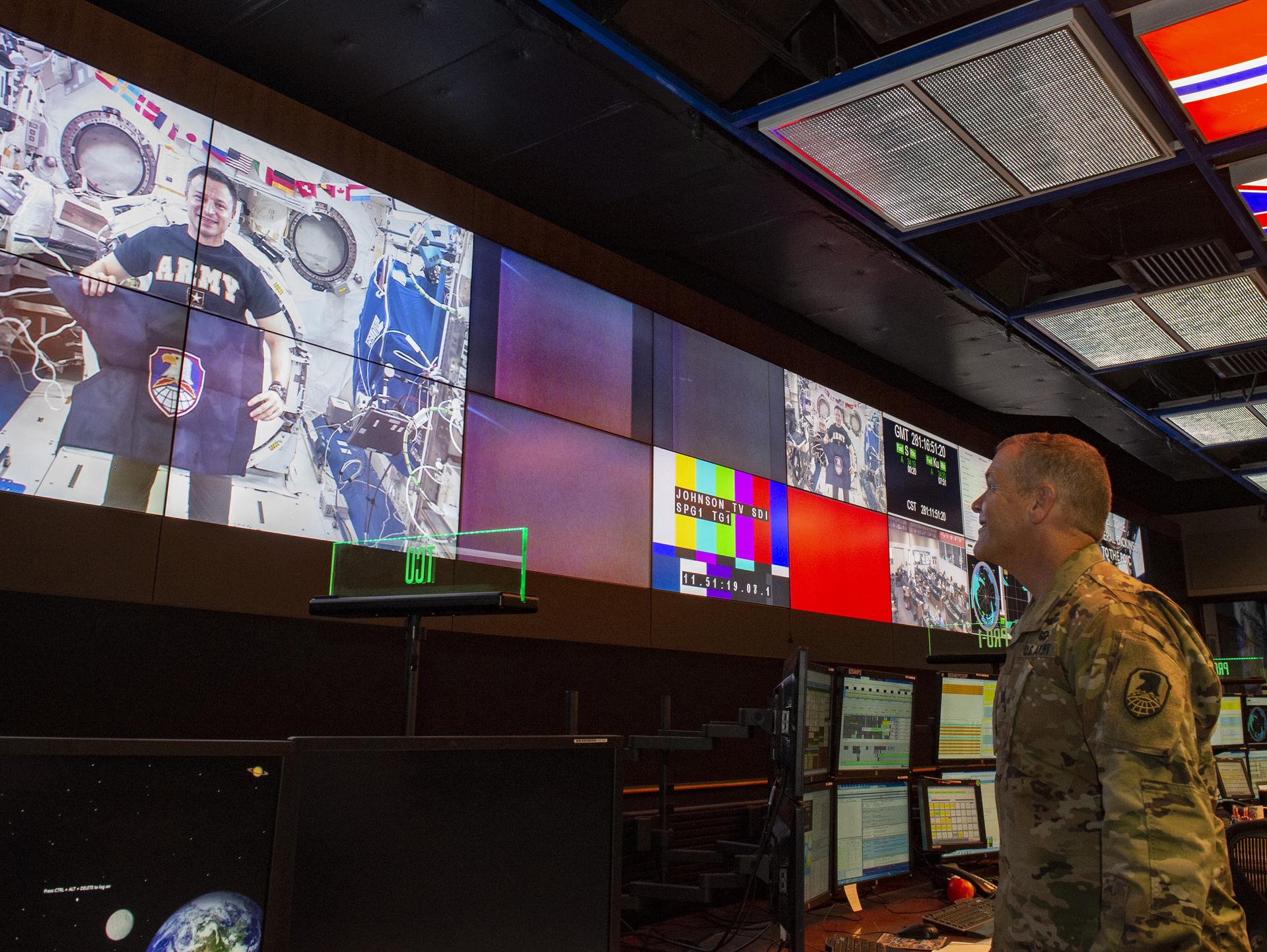
Gen. Douglas Schiess became the Space Force's third Chief of Space Operations and first four-star general in a Sept. 3 ceremony at Joint Base Andrews, succeeding Gen. Chance Saltzman.
-
Science & Discovery
Without Jupiter's Gravity Assist, NASA Engineers Turn to Solar Electric Propulsion to Reach Uranus
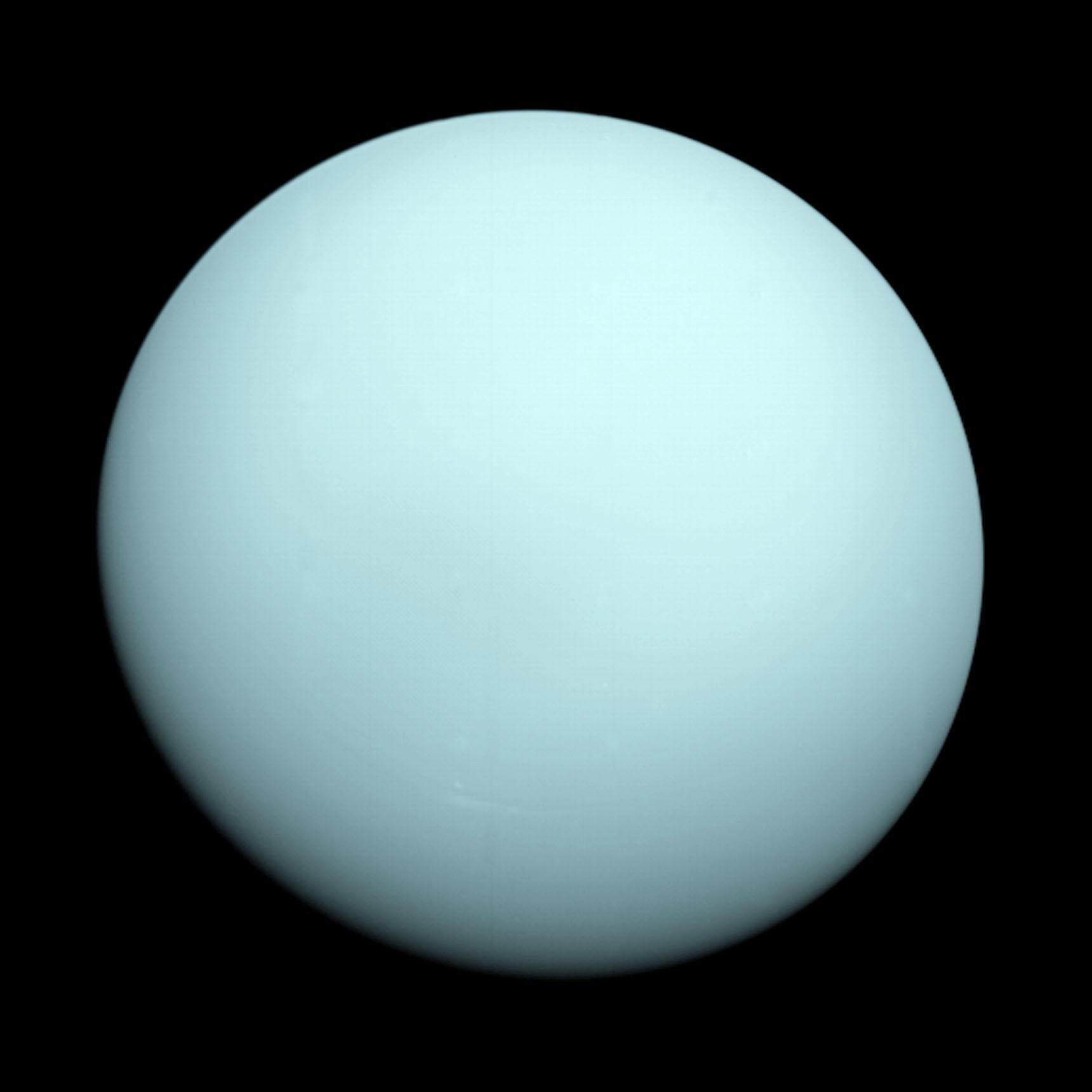
A slipped launch window cost NASA's flagship Uranus mission its Jupiter gravity assist, so a new Planetary Science Journal paper swaps in solar electric propulsion to still reach the ice giant in about 13 years.
-
Missions
Dragonfly Gets Its Nervous System, and Its Titan Landing Zone Finally Gets a Name
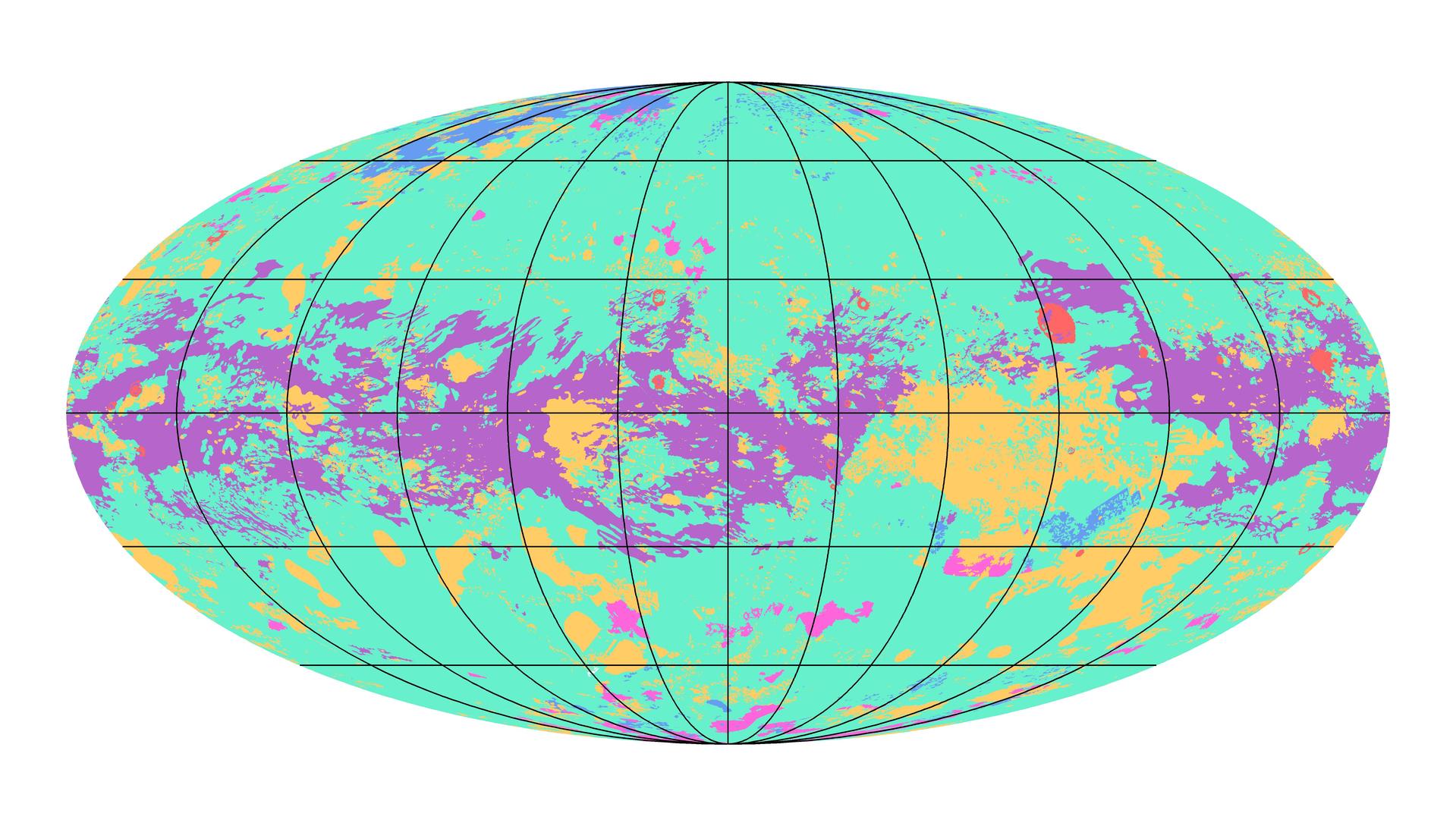
NASA's nuclear rotorcraft just got 17,315 feet of wiring installed at Johns Hopkins APL, and its 500-mile dune-field landing zone on Titan now has an official name: Ahmakiq Undae.
-
Stargazing
NASA's September Skywatching Guide: Venus, the Teapot, and a Harvest Moon
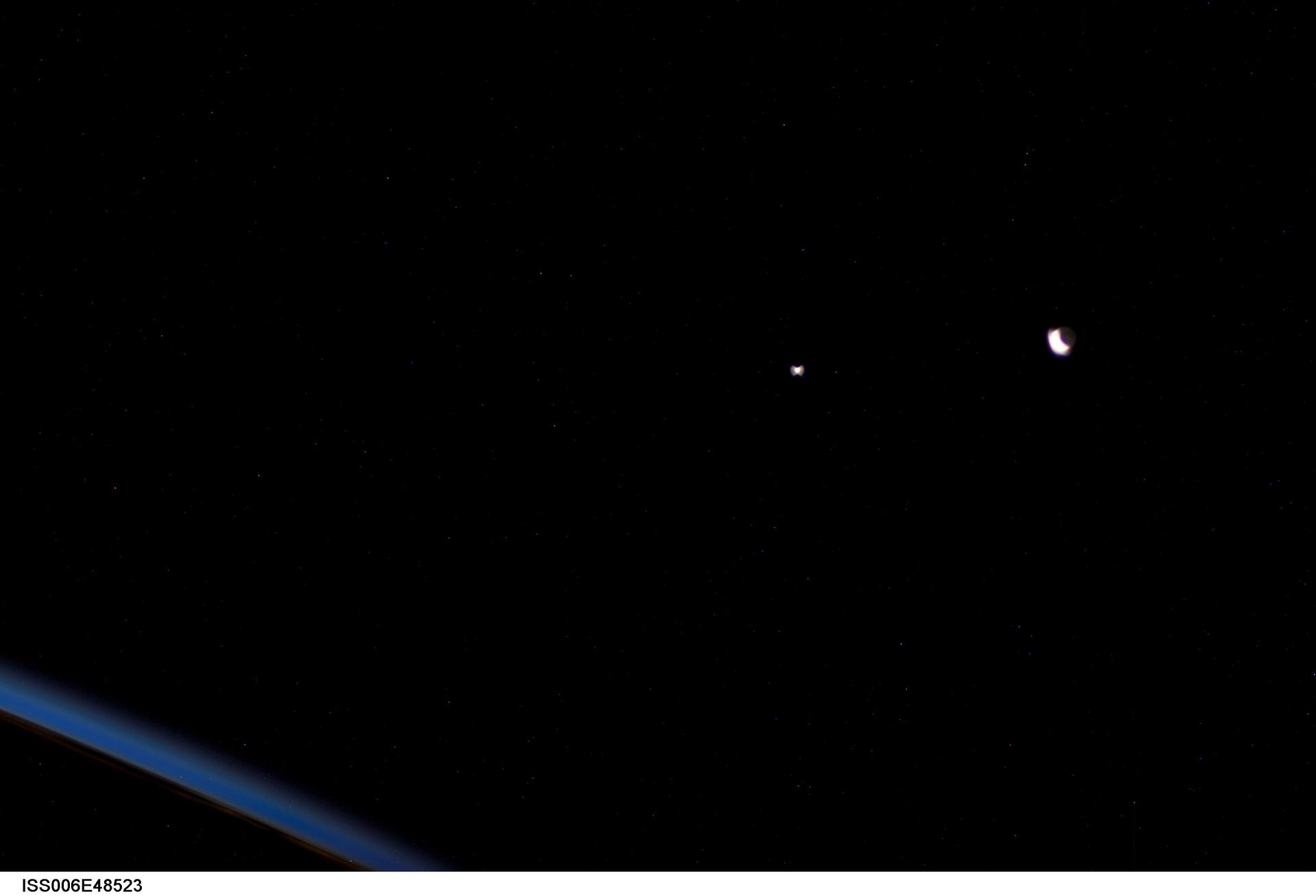
NASA's September 2026 sky guide runs from a modest meteor shower and a string of Moon conjunctions to Venus's peak brilliance, the fall equinox, and a Harvest Moon sharing the evening with Saturn and Neptune.
Page 6 of 57