
All articles
-
Stargazing
Mars and Uranus Just Had Their Closest Meeting Until 2053
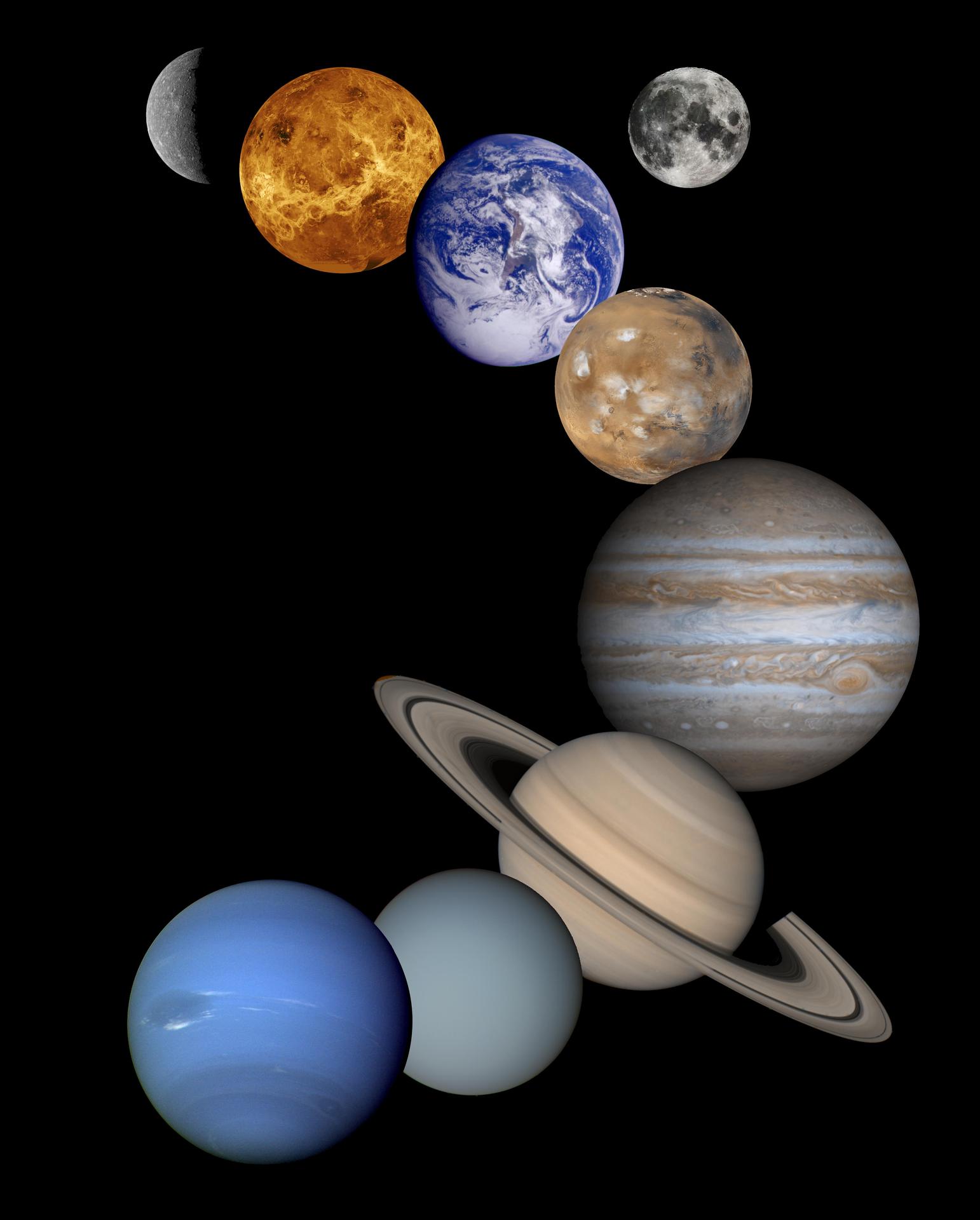
Before dawn on July 4, 2026, Mars and Uranus squeezed to just 0.1° apart in Taurus — their tightest conjunction until 2053 — with bright Mars acting as a signpost to the far dimmer ice giant.
-
Commercial
NASA's $30 Million Gambit to Save the Falling Swift Observatory
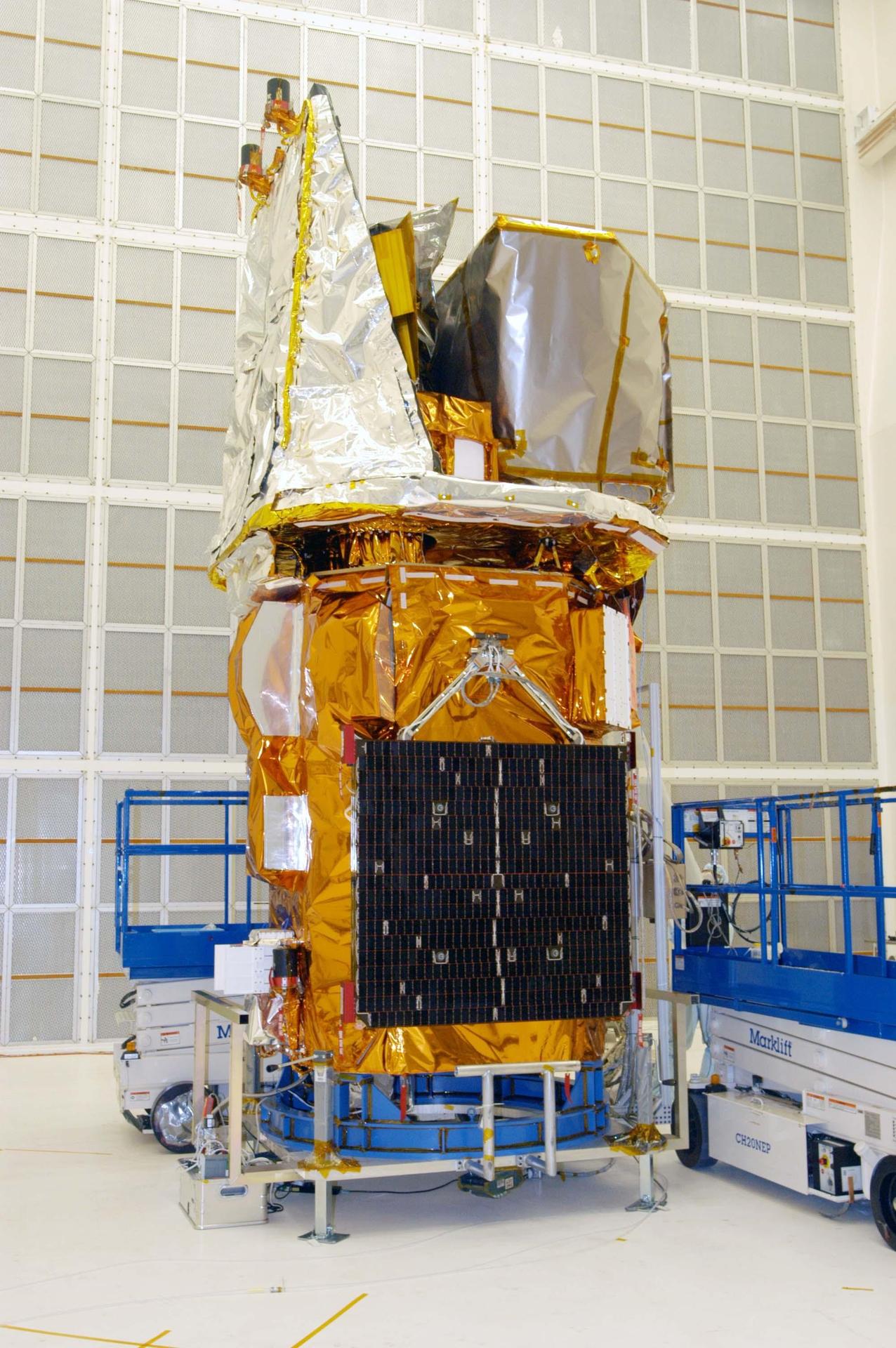
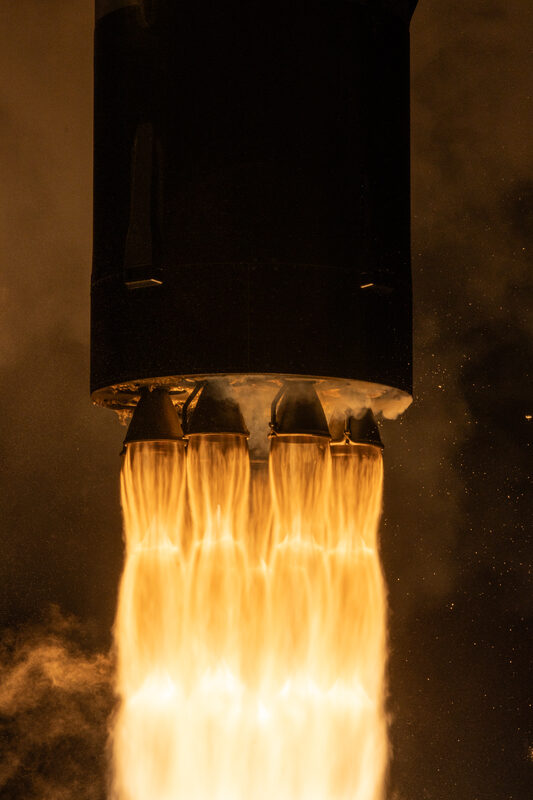
A commercial spacecraft built in nine months just launched to catch a decaying NASA telescope before it burns up — the first attempt ever to dock with a government satellite never designed for servicing.
-
Missions
In the Land of the Polygons: Curiosity Hunts Nickel-Rich 'Meteorite' Candidates in a Martian Honeycomb
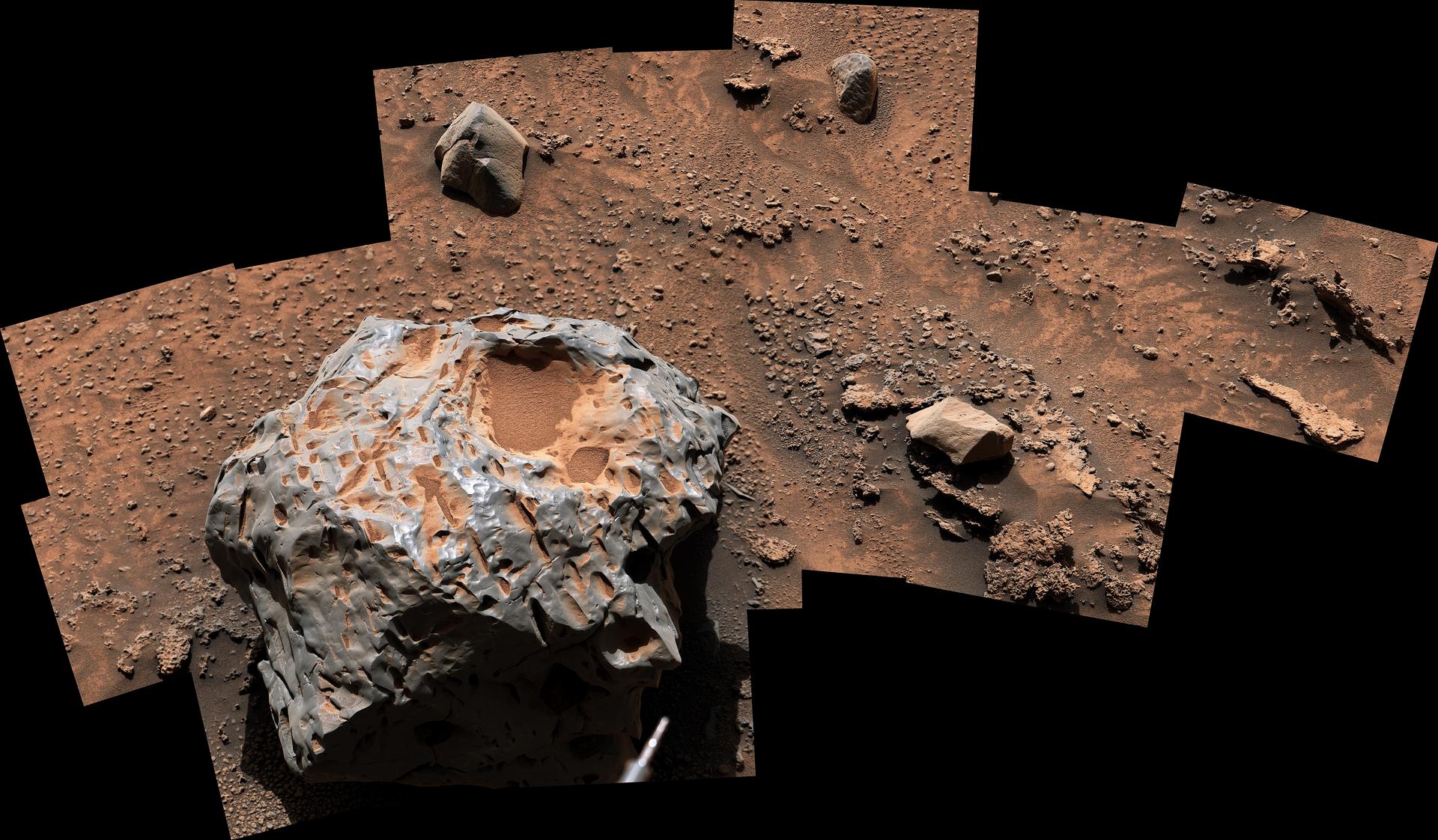
Curiosity is picking through a honeycomb-textured slice of Gale Crater, probing dark, nickel-bearing rocks that might be meteorites, distant impact debris, or just weird Mars rock.
-
Astronomy
Webb Catches Baby Stars Feeding in Fits and Starts: New Evidence for Episodic Accretion in FS Tau
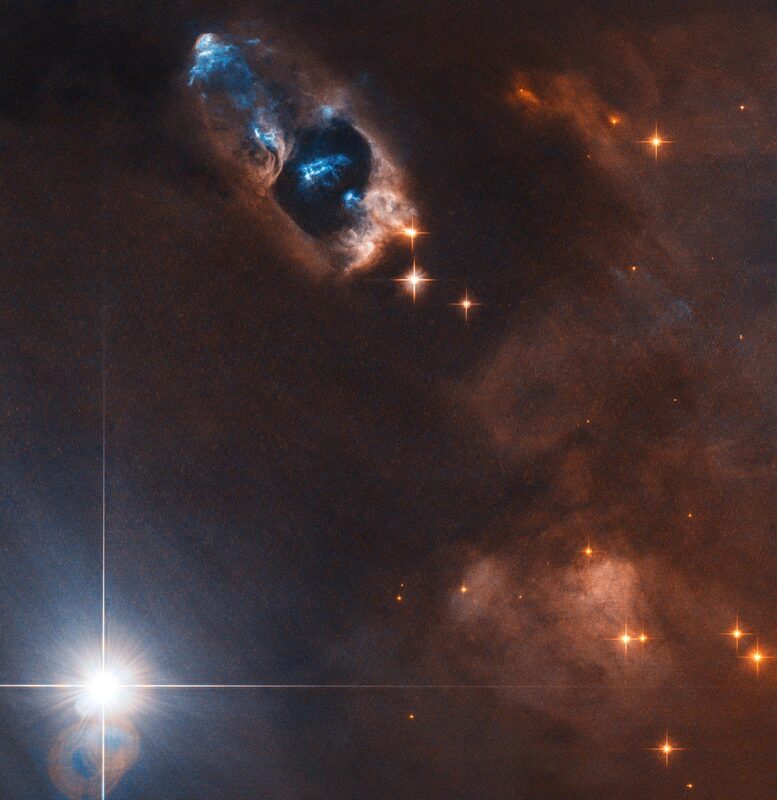
A new Webb infrared image of the FS Tau protostar system reveals gaps in its gas outflows — evidence that young stars gain mass in sudden bursts rather than a steady stream.
-
NASA & Agencies
Europe Sets the Media Call for MTG-I2: The Satellite That Will Watch 80% of Earth for Lightning
ESA and EUMETSAT have opened media accreditation for the late-August 2026 Ariane 6 launch of MTG-I2, a geostationary weather satellite whose Lightning Imager will watch storms form across 80% of the planet in real time.
-
NASA & Agencies
Congress Presses NASA and NOAA on Space Weather Readiness as Solar Cycle 25 Peaks
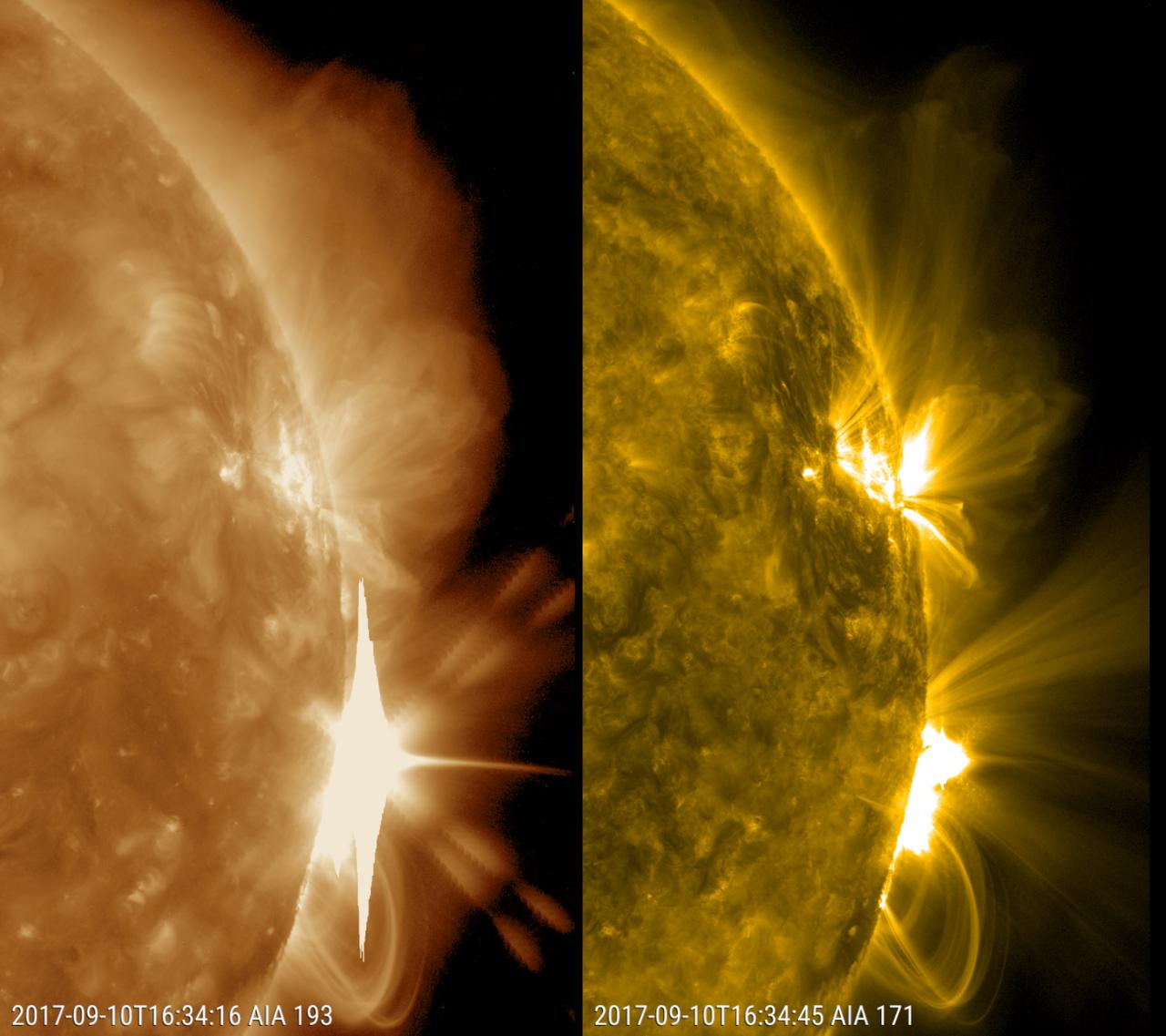
Lawmakers grilled NASA's and NOAA's top space weather officials on grid, GPS, and communications risks the same week an X1.1 flare and G3 storms lit up July 4th skies with aurora.
-
Military Space
GAO Watchdog: Pentagon Weapons Now Take 12 Years to Deliver, and Space Programs Are Feeling It Too
A July 2, 2026 GAO report finds Pentagon weapons now take over 12 years to field on average, with a missile-warning satellite delay and Space Force staffing shortages among the warning signs.
-
Science & Discovery
An Ultra-Black Coating Could Save Astronomy From 60,000 Satellites
University of Surrey researchers say coating satellites in Vantablack 310, which reflects just 2% of incoming light, could bring megaconstellation brightness near IAU limits—and it gets its first orbital test next year.
-
Commercial
Germany Bets on an Unproven Rocket: Planet and Isar Aerospace Sign All-German Launch Deal
Planet Labs Germany will fly a Pelican imaging satellite on Isar Aerospace's Spectrum rocket within a year — a milestone all-German mission riding on a launcher that has yet to reach orbit.
-
Astronomy
TESS Just Mapped Rotation Periods for a Million Nearby Stars
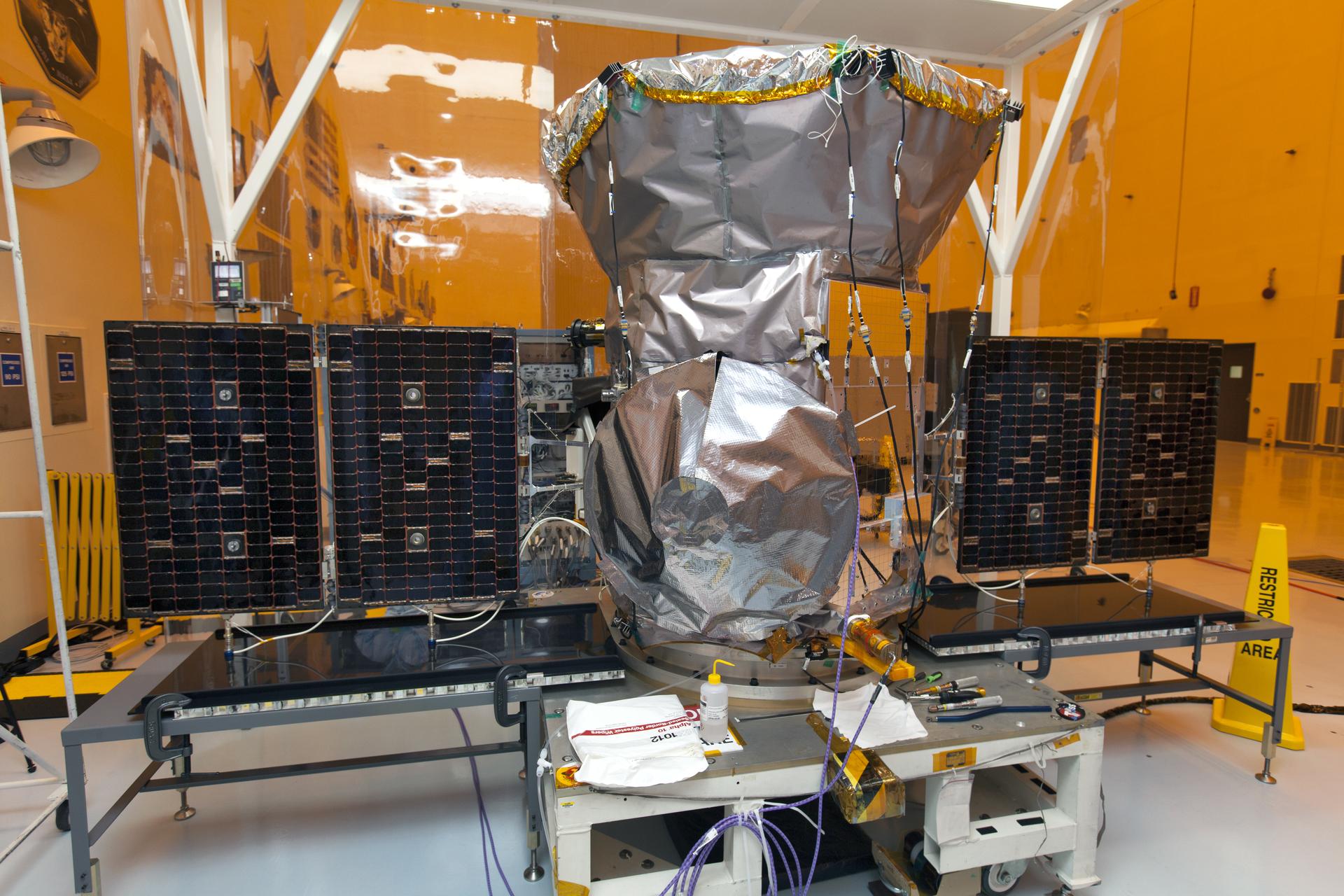
A new TESS-based catalog measures rotation periods for over a million stars within 1,600 light-years, quadrupling the known sample and sharpening the map of young stellar associations.
-
Science & Discovery
X-Ray Light Echoes From Old Gamma-Ray Bursts Show the Milky Way's Arms Are Bigger Than We Thought
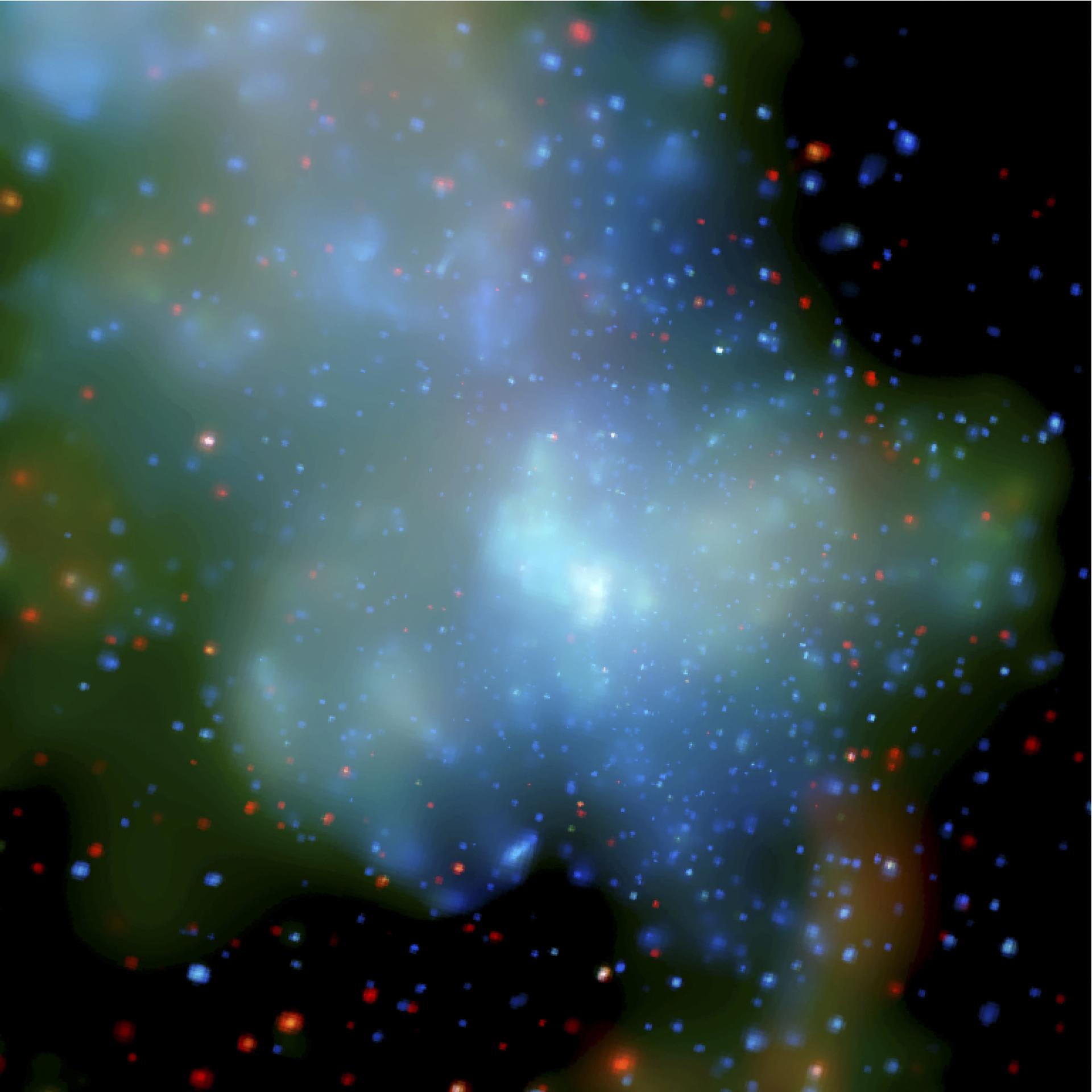
By timing X-ray rings that three historic gamma-ray bursts scattered off interstellar dust, astronomers measured purely geometric distances showing the Milky Way's outer spiral arms sit about 10% farther out than previously believed.
-
Astronomy
JWST Spots Methane on a Planet Orbiting a Dead Star — And It's a Preview of Our Own Solar System's Future
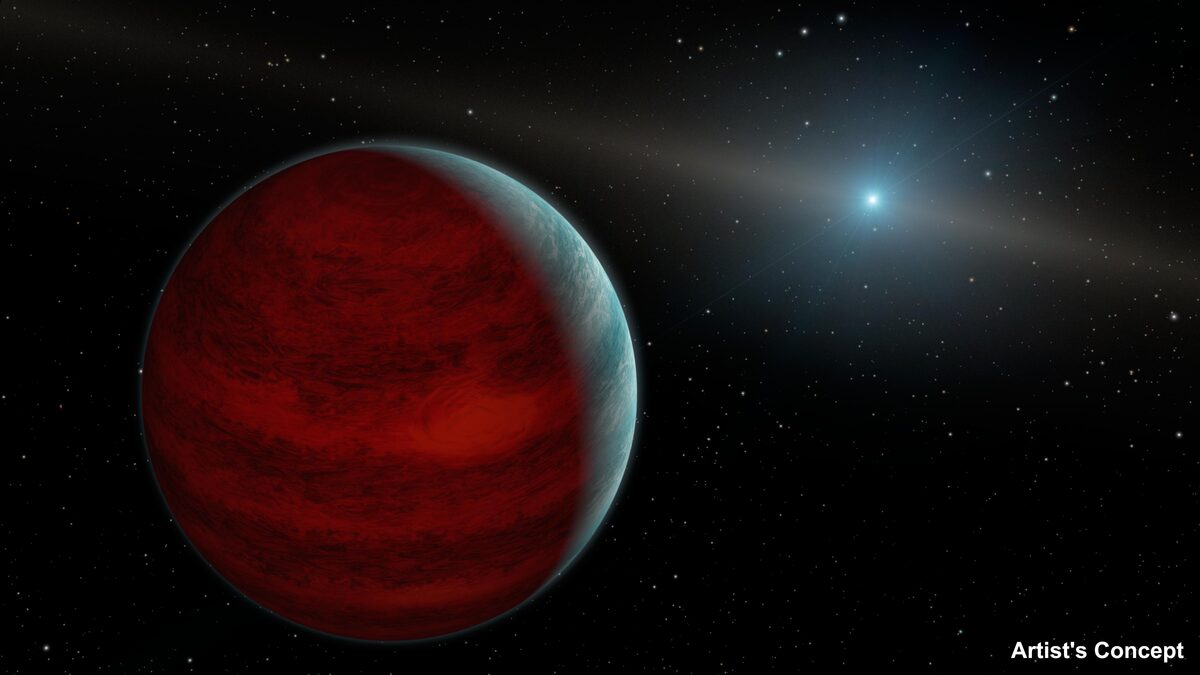
JWST has detected methane, haze, and heat in the atmosphere of a Jupiter-sized planet orbiting a white dwarf — the first atmosphere ever confirmed around a planet circling a dead star.
Page 28 of 57