
All articles
-
NASA & Agencies
Botswana Signs the Artemis Accords, Becoming the 68th Nation and Sixth African Member
Botswana signed the Artemis Accords on June 25, 2026, becoming the 68th signatory and sixth African nation to join the U.S.-led framework — the ninth country to sign this year alone.
-
Astronomy
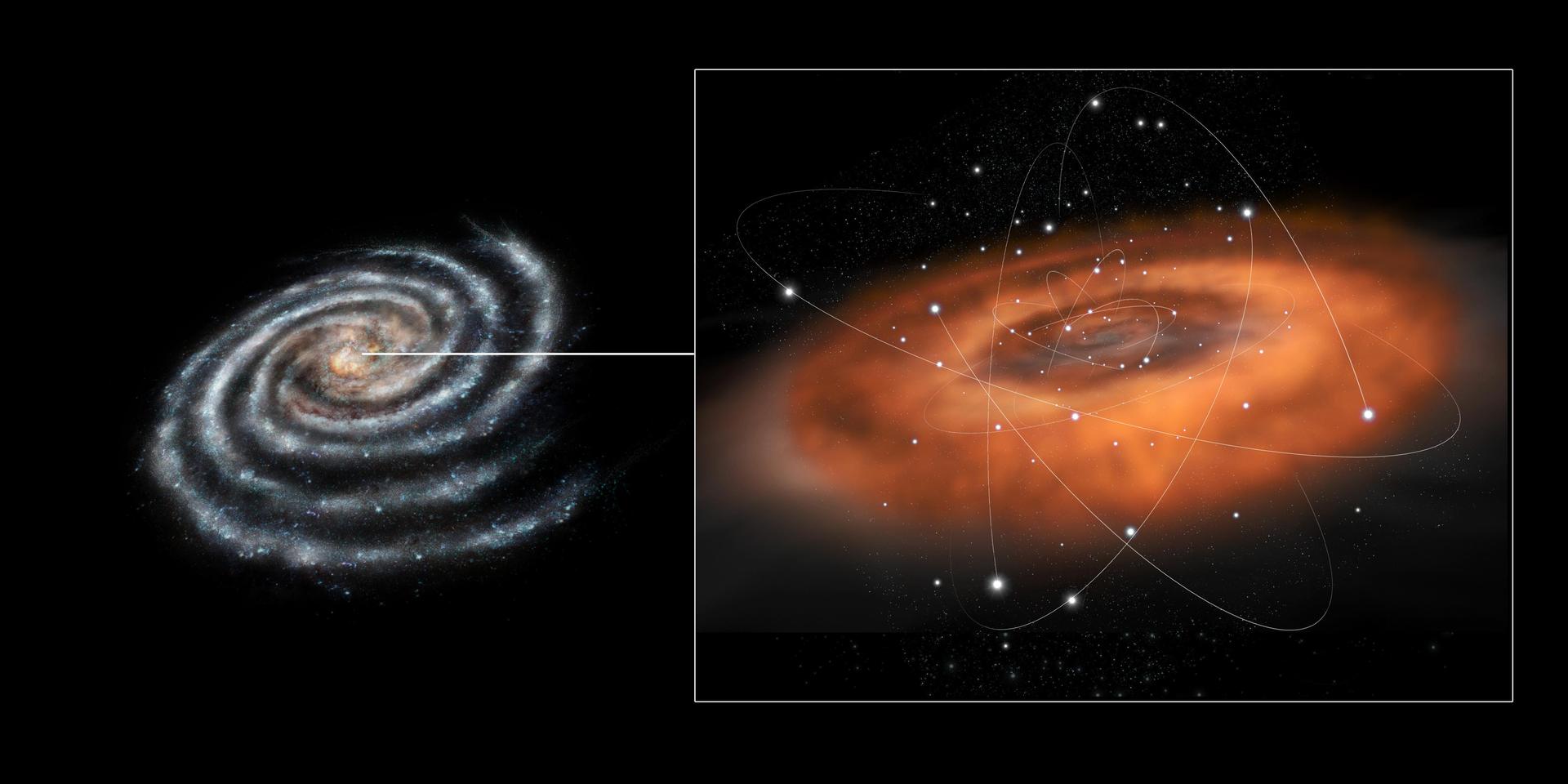
Euclid's 60-Million-Star Portrait of the Galactic Bulge Lays Groundwork for Roman
Euclid's new visible-light mosaic of the Milky Way's crowded center packs 60 million stars across 22 Moons of sky — and quietly hands NASA's Roman telescope a two-year head start on its planet hunt.
-
Science & Discovery
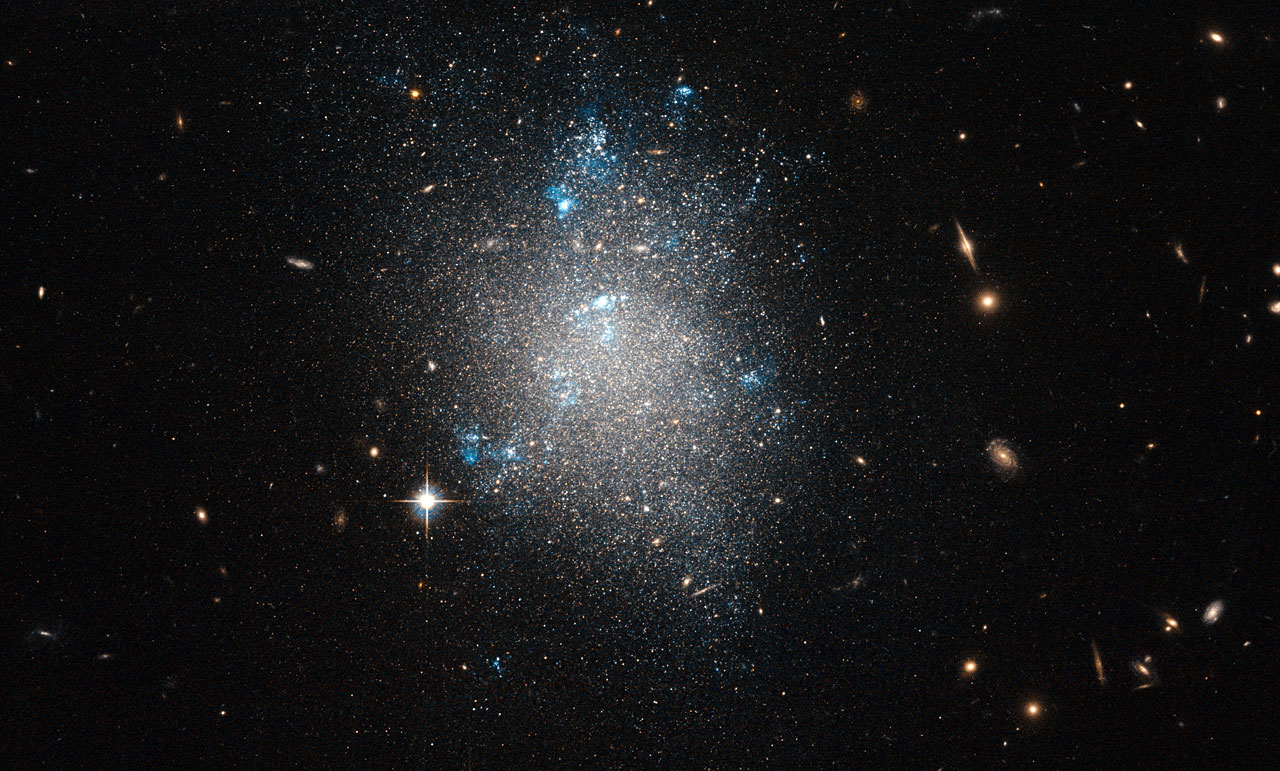
Hubble Catches a Tiny Galaxy Burning Off the Cosmic Fog, 1.4 Billion Years After the Big Bang
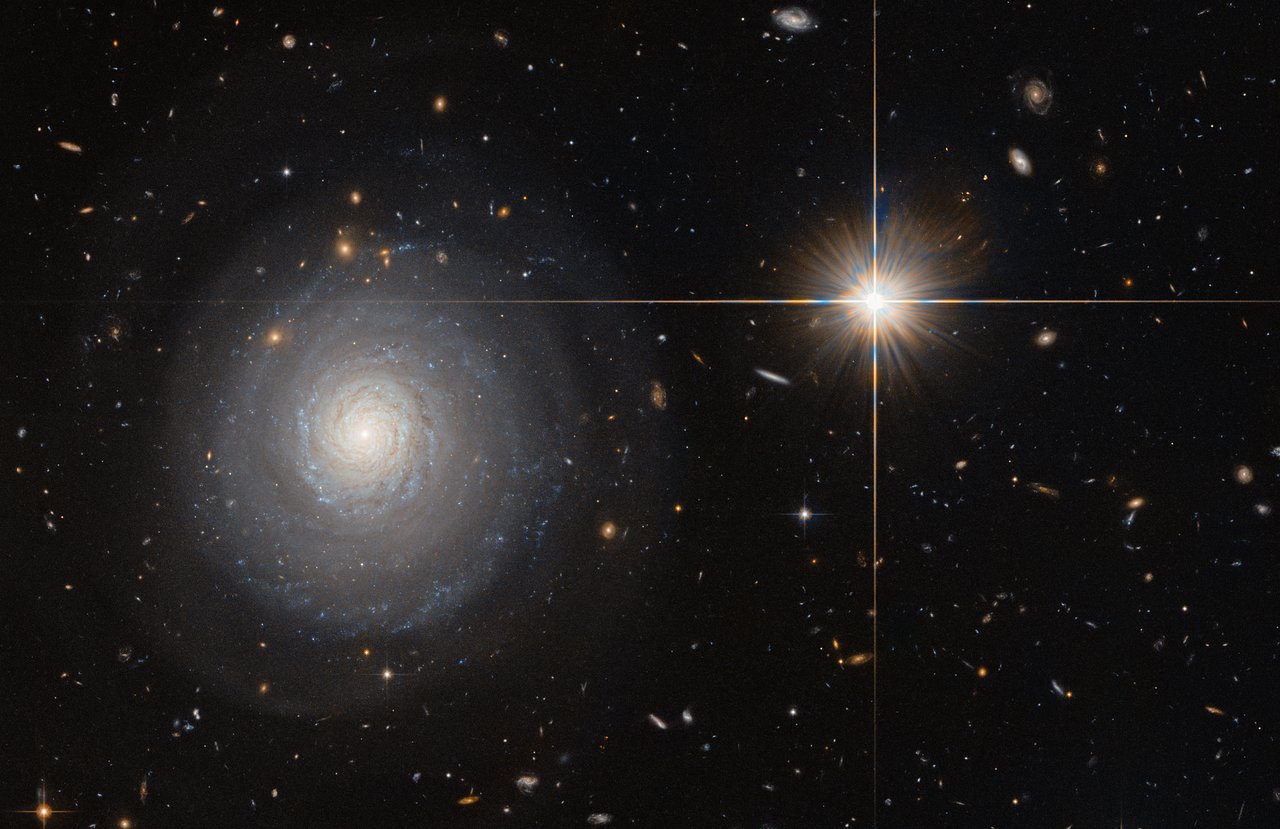
Astronomers used Hubble to catch ionizing UV light escaping a small, furiously star-forming galaxy in the reionization epoch — the first such detection, and direct evidence for how the early universe became transparent.
-
Stargazing
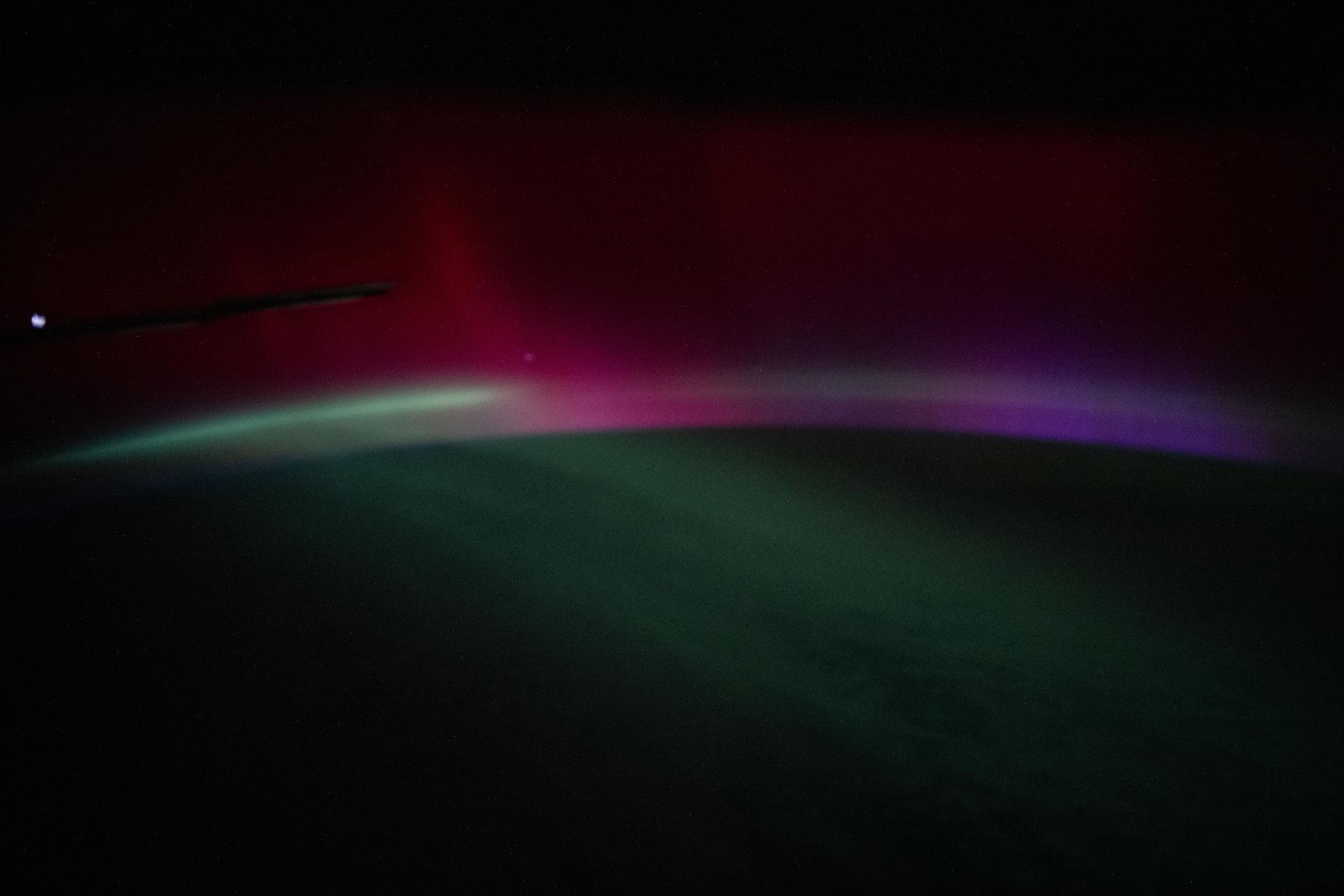
A Surprise G1 Geomagnetic Storm Lit Up June 25 as a New Sunspot Woke Up
A G1 geomagnetic storm crossed the threshold at 4:43 UTC on June 25, 2026, driven by coronal-hole solar wind and a possible glancing CME, as new sunspot region AR4478 fired most of the day's 16 C-class flares.
-
Missions
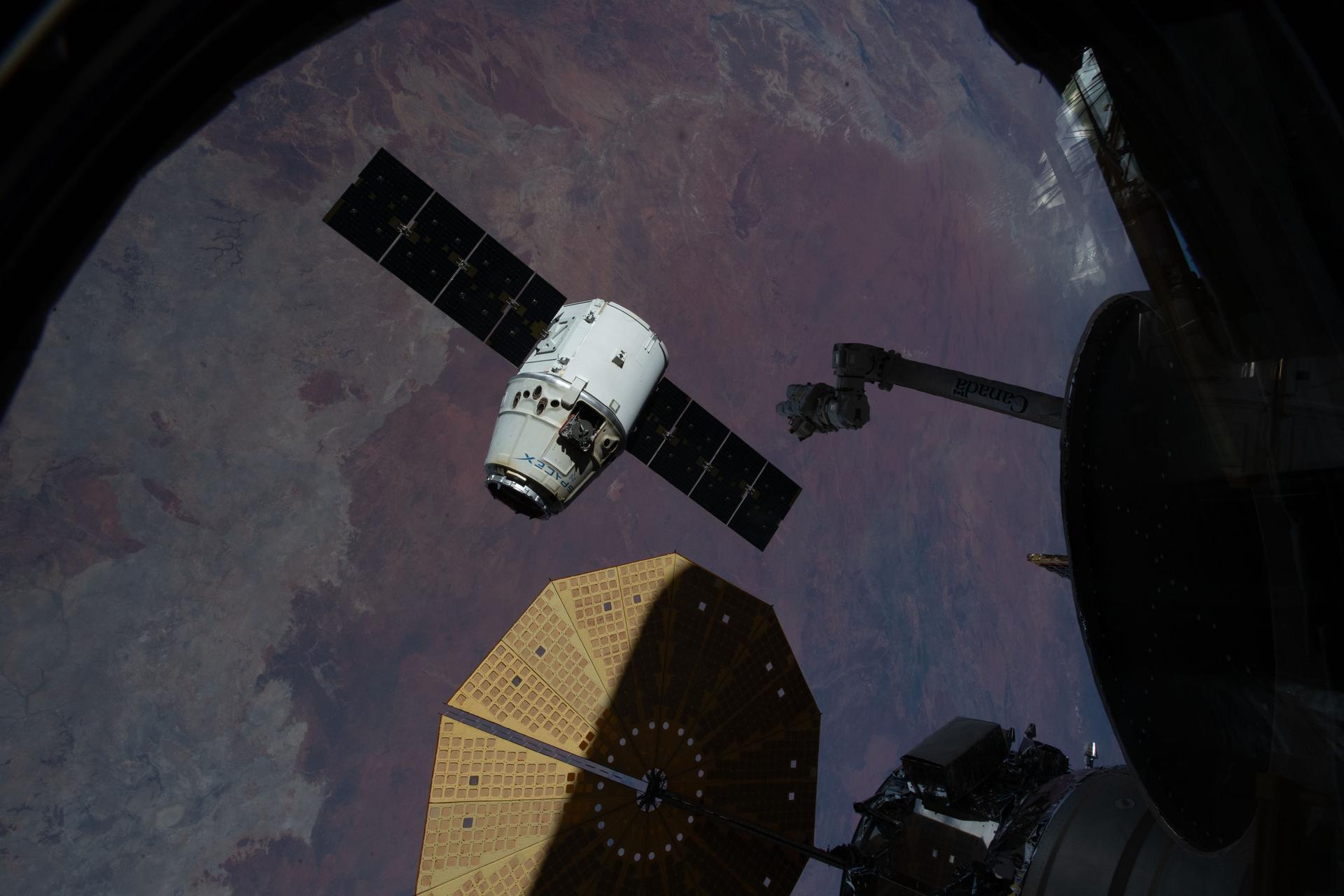
CRS-34 Dragon Heads Home With Bioprinted Tissue and Cancer-Research Cargo
SpaceX's CRS-34 Dragon undocked from the ISS on June 16 and splashed down off California early June 17, carrying thousands of pounds of finished experiments — bioprinted organ tissue, DNA-inspired cancer materials, cryogenic fuel data and more.
-
NASA & Agencies
Behind Closed Doors: ESA's 347th Council Sets the Table for Europe's 2026 Ministerial
ESA's governing Council wrapped its 347th meeting on 16-17 June 2026 with decisions on agency governance, programmes and international partnerships, feeding directly into preparations for the CM26 ministerial later this year.
-
Astronomy
A Ghostly Neutrino Leads Astronomers to 'Shadow Blaster,' a Starburst Galaxy 11 Billion Light-Years Away
A 2021 IceCube high-energy neutrino has been traced to JCMT0402-0424, a gravitationally lensed starburst galaxy 11 billion light-years away — the strongest evidence yet that distant dusty star-forming galaxies forge the universe's most elusive particles.
-
Science & Discovery
Sub-Neptunes May Be 'Soot Factories' Running on Natural Diesel Engines, JWST Data Suggests
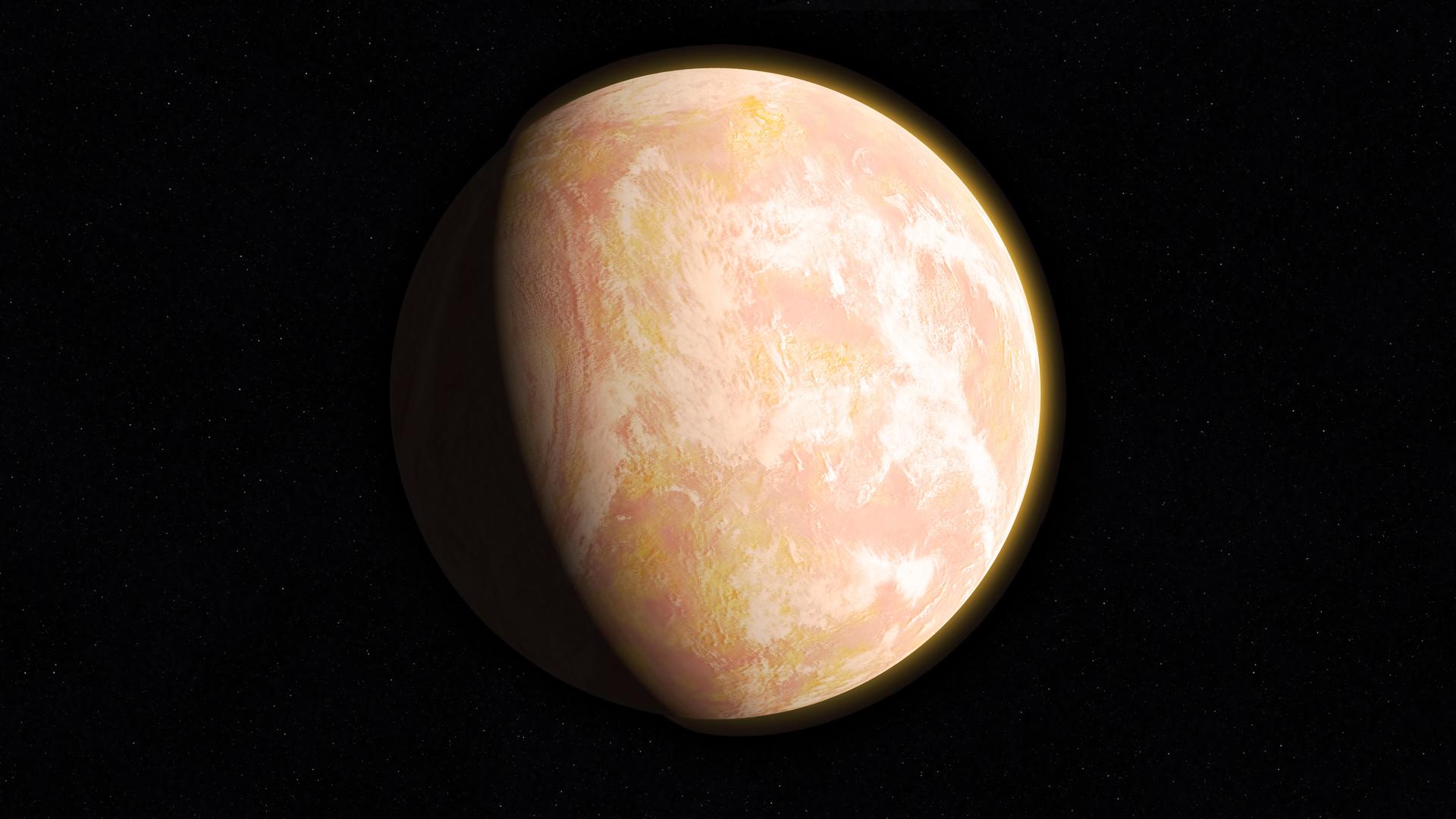
A UChicago team led by a former combustion chemist argues sub-Neptune atmospheres breed PAHs — the soot of diesel exhaust — peaking near 600 K and matching JWST and Hubble's puzzling haze trend.
-
Missions
What Artemis II Taught NASA: Real Orion Flight Data Now Shapes the Moon-to-Mars Blueprint
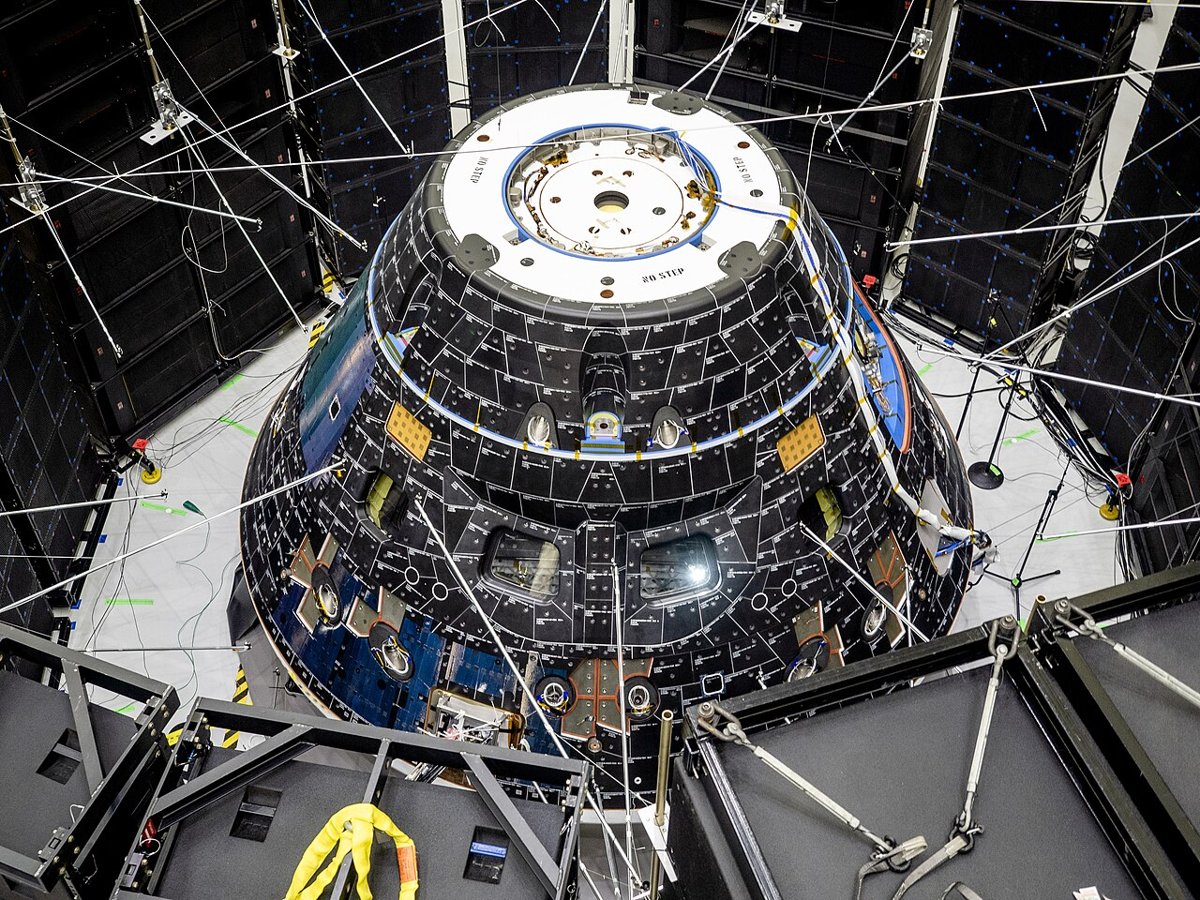
Real Orion flight data from Artemis II is now directly shaping NASA's Moon-to-Mars architecture, as engineers apply lessons from Johnson Space Center's Ion venue to systems that will define how humans reach the Moon — and eventually Mars.
-
Commercial
China Schedules Long March 10B Booster Recovery Test in Its Most Direct Challenge to Falcon 9
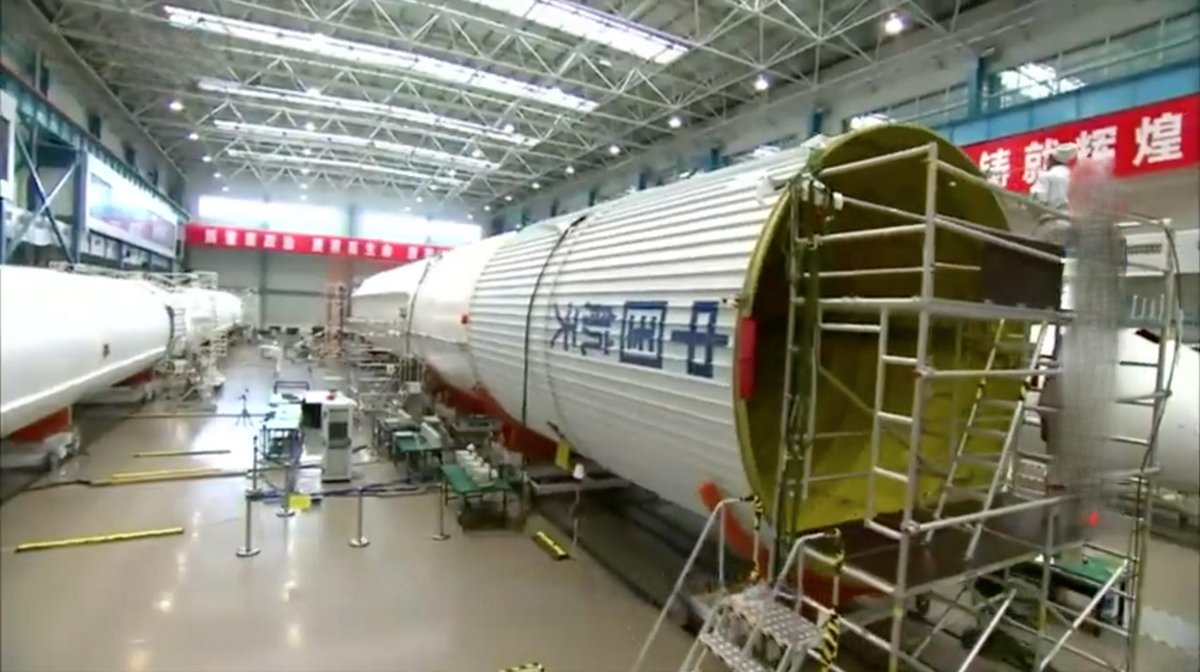
China has scheduled a Long March 10B launch and booster recovery attempt — Beijing's most ambitious step yet toward domestic reusable launch capability and a structural challenge to SpaceX's Falcon 9.
-
Military Space
Congress Eyes $55.5 Billion for Space Force — and the Service Is Already Spending It
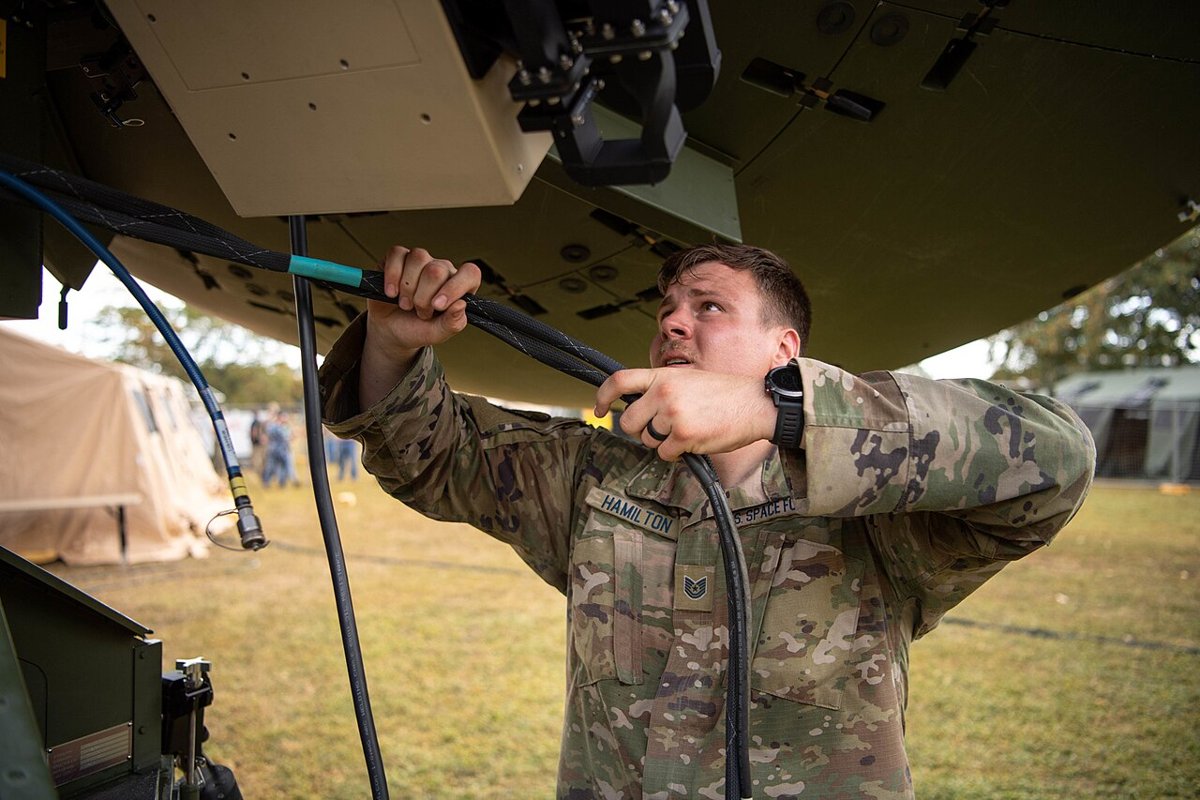
The House Appropriations Committee approved $55.5 billion for U.S. Space Force while the service reopens competition for satellite-control antennas — a signal the branch is accelerating ground modernization before the budget is even final.
-
NASA & Agencies
NASA's Billion-Dollar Graveyard: How Canceled Exploration Projects Burned the Budget
A new accounting of canceled NASA exploration programs documents billions in combined cost overruns before termination, reigniting pointed questions about project management reform as the agency presses forward with new lunar ambitions.

Page 33 of 57