
All articles
-
Missions
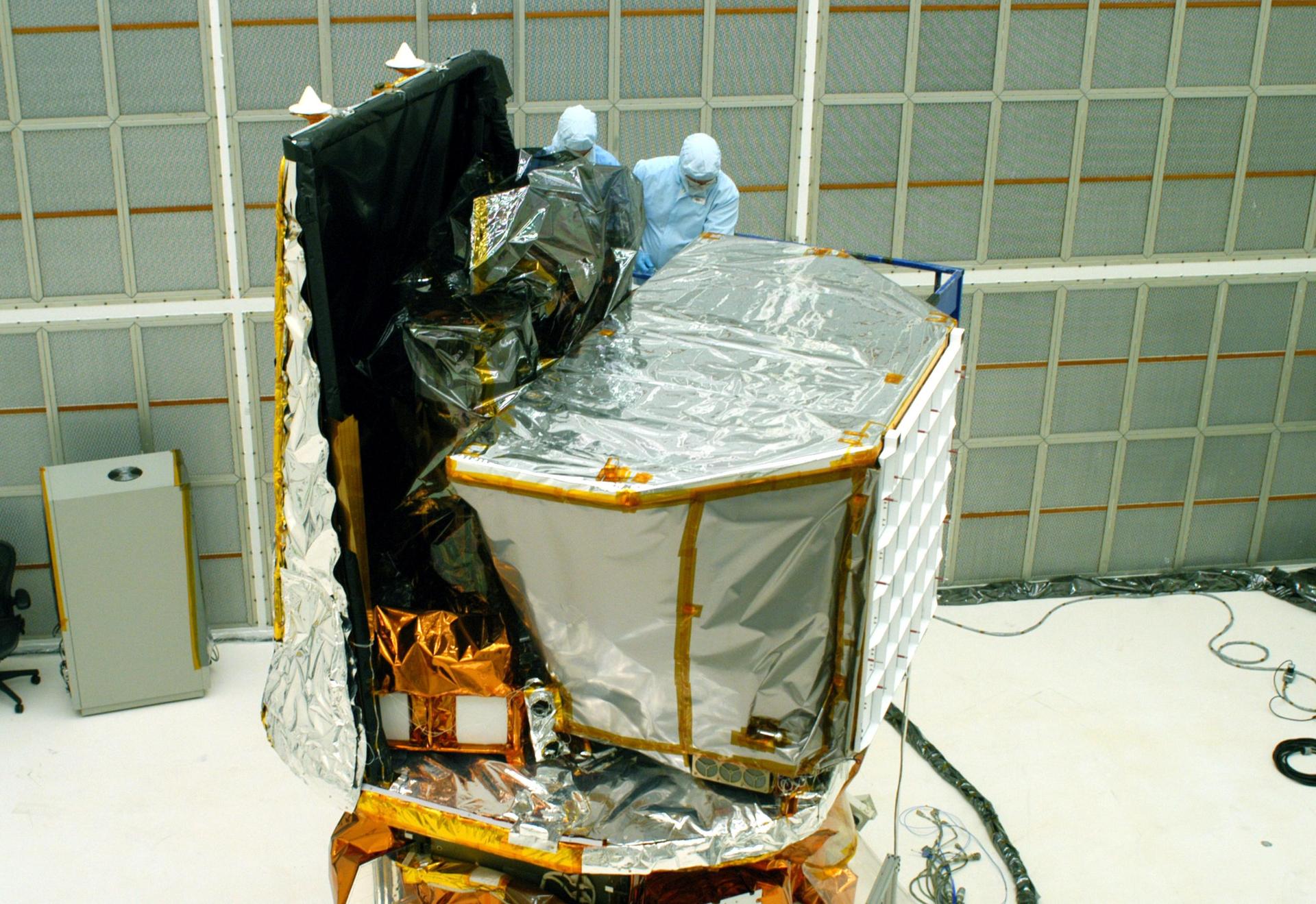
Robotic Servicer LINK Launches to Rescue NASA's Swift Observatory From Reentry
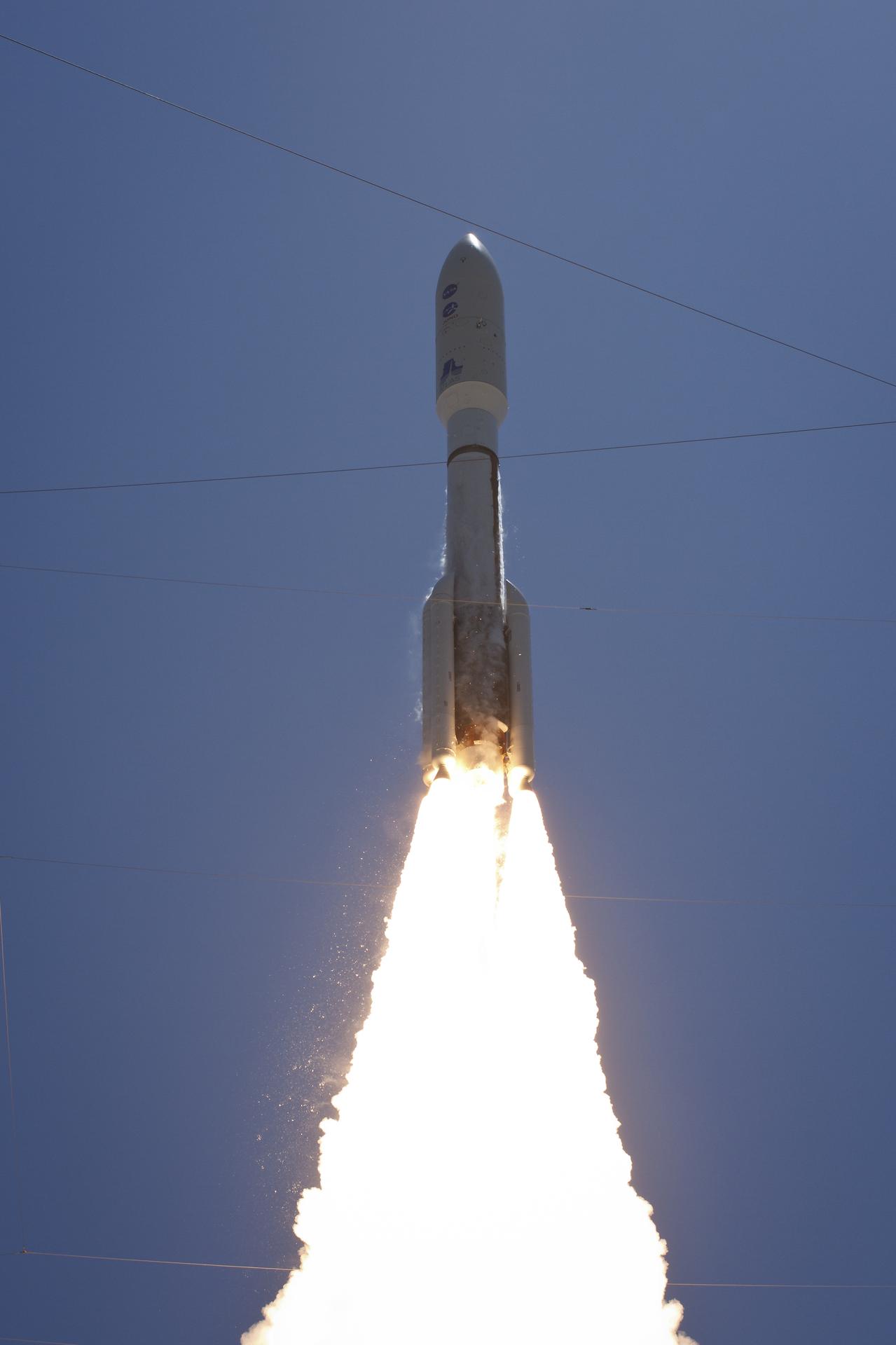
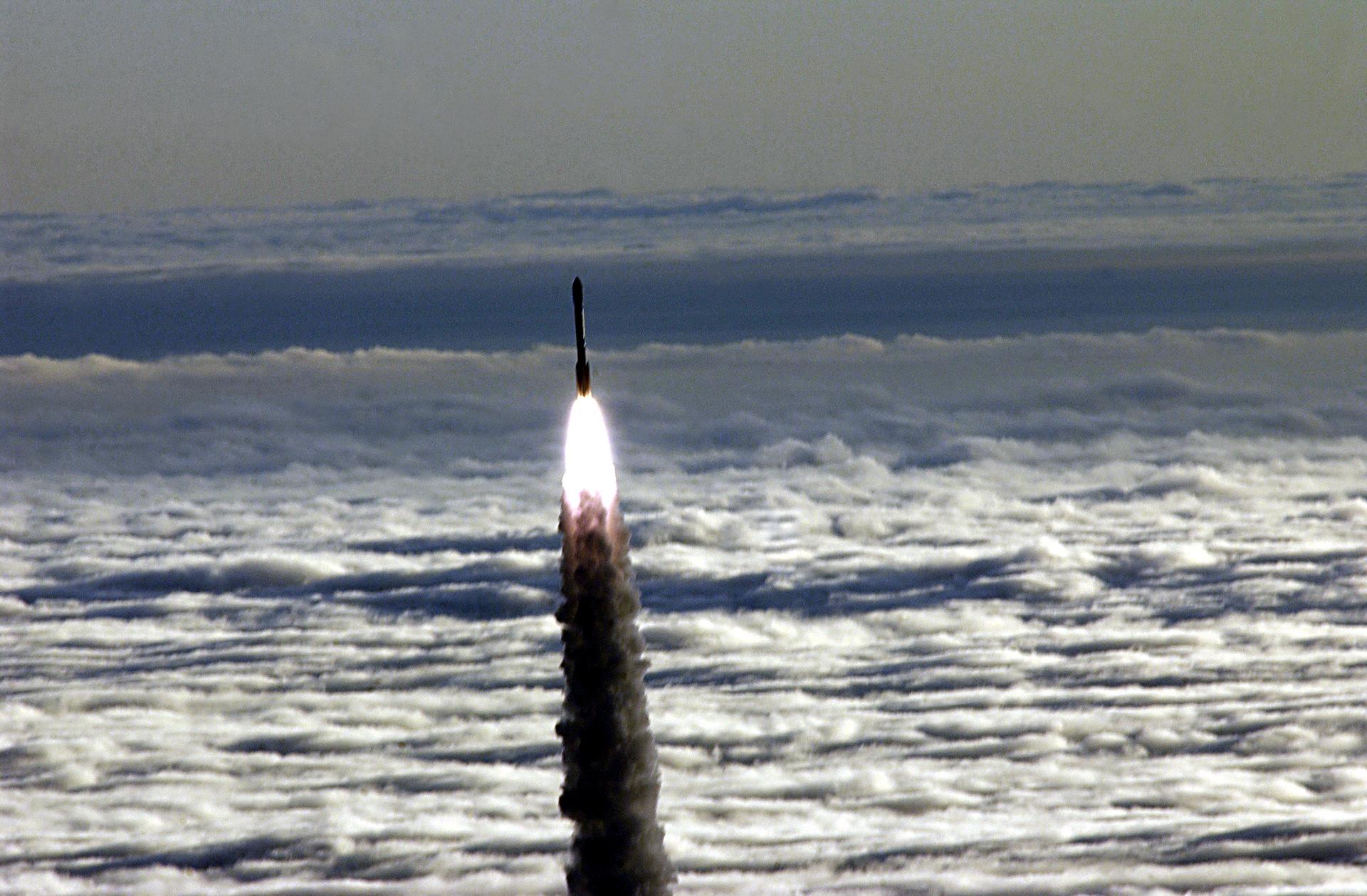
After three days of delays, a Pegasus XL rocket dropped from a jet over the Pacific deployed Katalyst Space's LINK spacecraft on a mission to grapple and reboost NASA's decaying Swift Observatory — and to close out the Pegasus program for good.
-
Military Space
Victus Haze: How the Space Force Just Proved It Can Hunt Satellites on Hours' Notice
Rocket Lab's Puma launched 16 hours after notice and, guided only by its own sensors, tracked down and photographed True Anomaly's orbiting Jackal-0004 satellite — a rehearsal for spotting adversary spacecraft with almost no warning.
-
Commercial
ULA Flies Its Last Atlas V 551 as Amazon Leo Races an FCC Deployment Deadline
United Launch Alliance closed out the Atlas V 551's 20-year career hauling 29 more Amazon Leo satellites to orbit, just weeks before Amazon's FCC deadline to deploy half its broadband constellation.
-
Astronomy
Chandra, Hubble and Webb Team Up for a 'Red, White and Blue' Universe on America's 250th
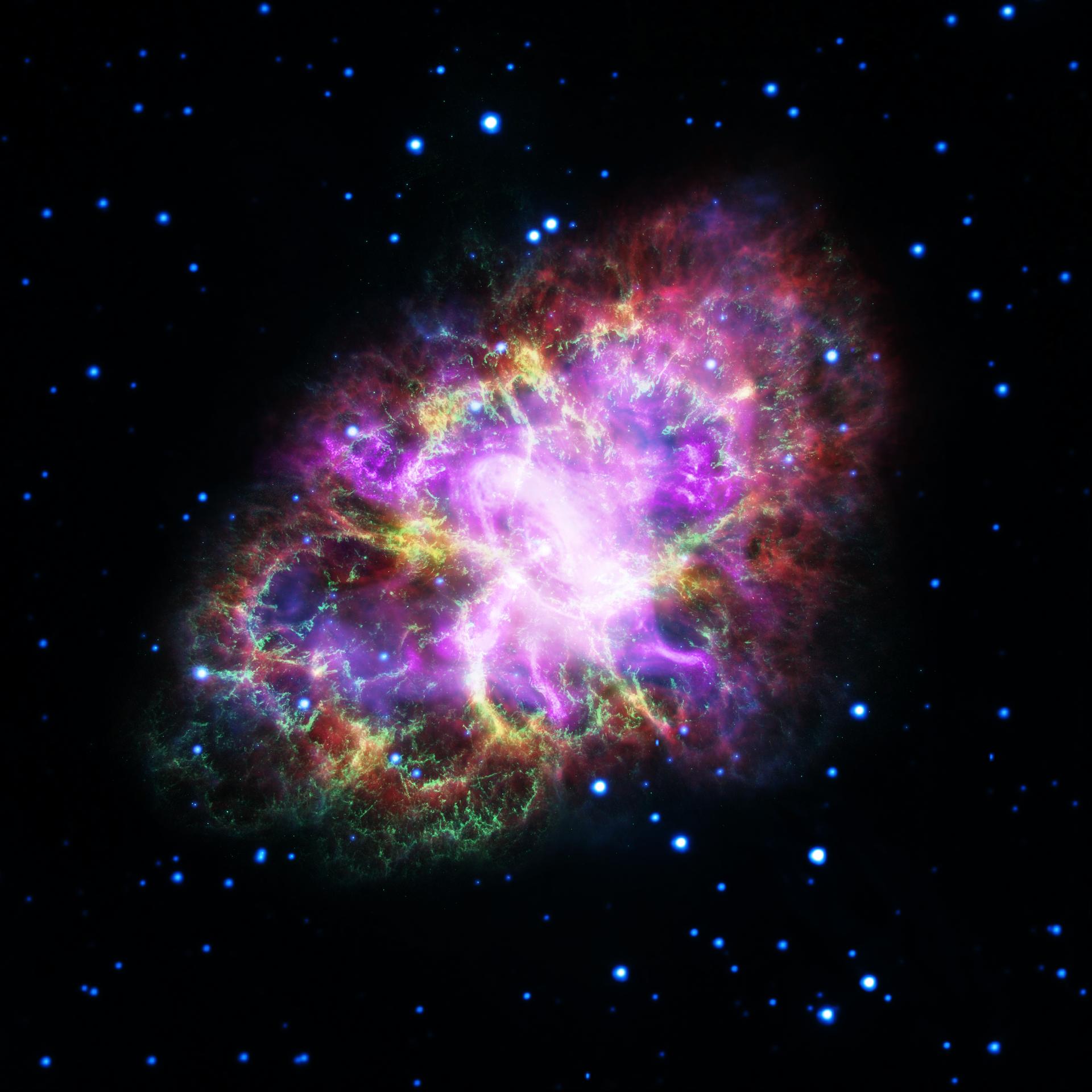
To mark America's 250th, NASA fused X-ray, infrared and optical data from Chandra, Webb and Hubble into four patriotic-toned composites — plus sound versions of the cosmos — released June 30 through July 4.
-
Stargazing
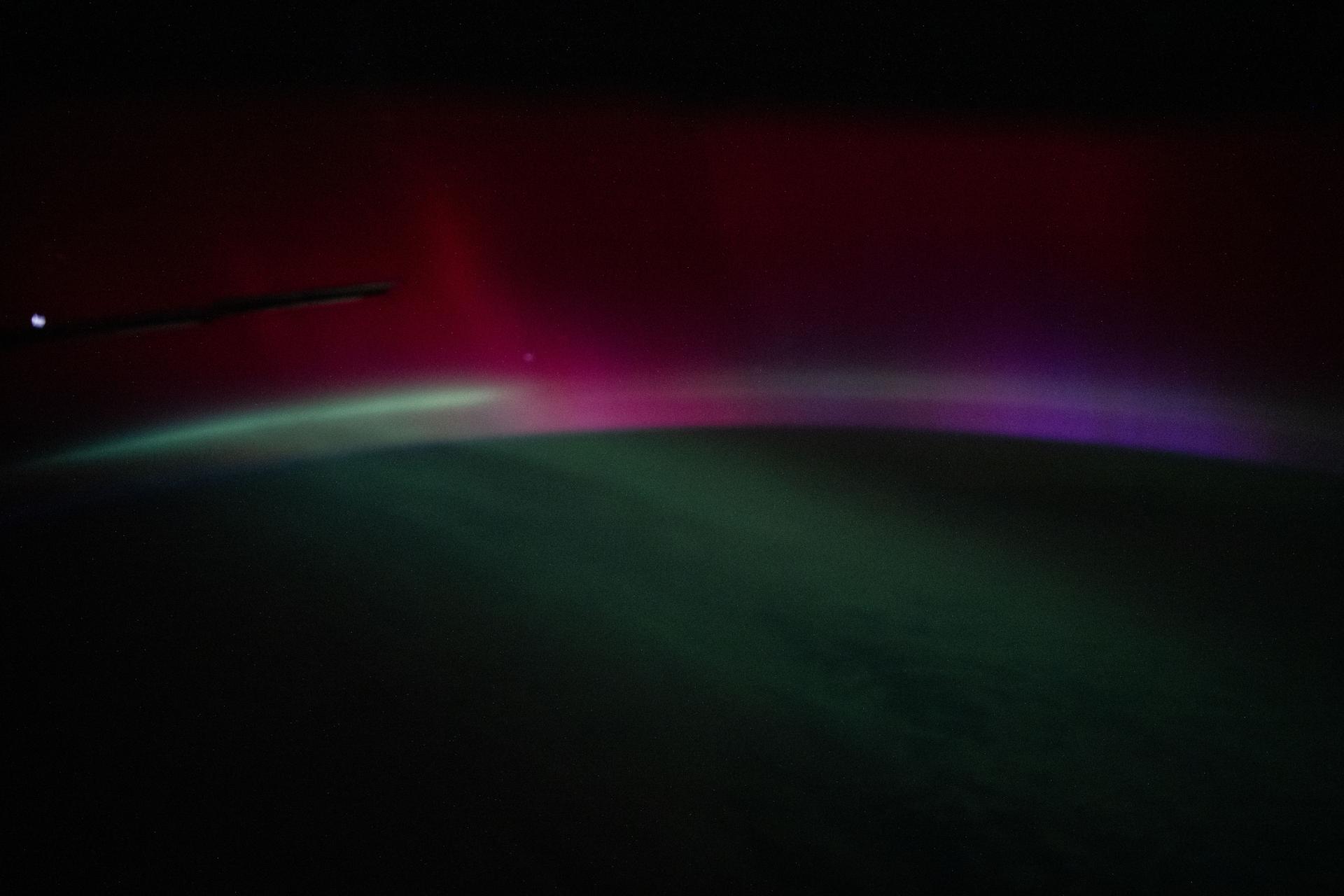
Sun Unleashes Surprise G3 Storm on July 4th, Pushing Auroras Into Utah and Nevada
A CME from a June 30 X1.1 flare overperformed its forecast, hitting G3 (Strong) and dragging the aurora as far south as Utah, Colorado and Nevada on Independence Day.
-
Military Space
Space Force Fields 'Meadowlands' Satellite Jammer, Cutting Deployment Gear by Two-Thirds
The Space Force has operationally accepted Meadowlands, an L3Harris-built jammer that shrinks its satellite-warfare kit from 23 cases to seven while matching the anti-satellite push from China and Russia.
-
Science & Discovery
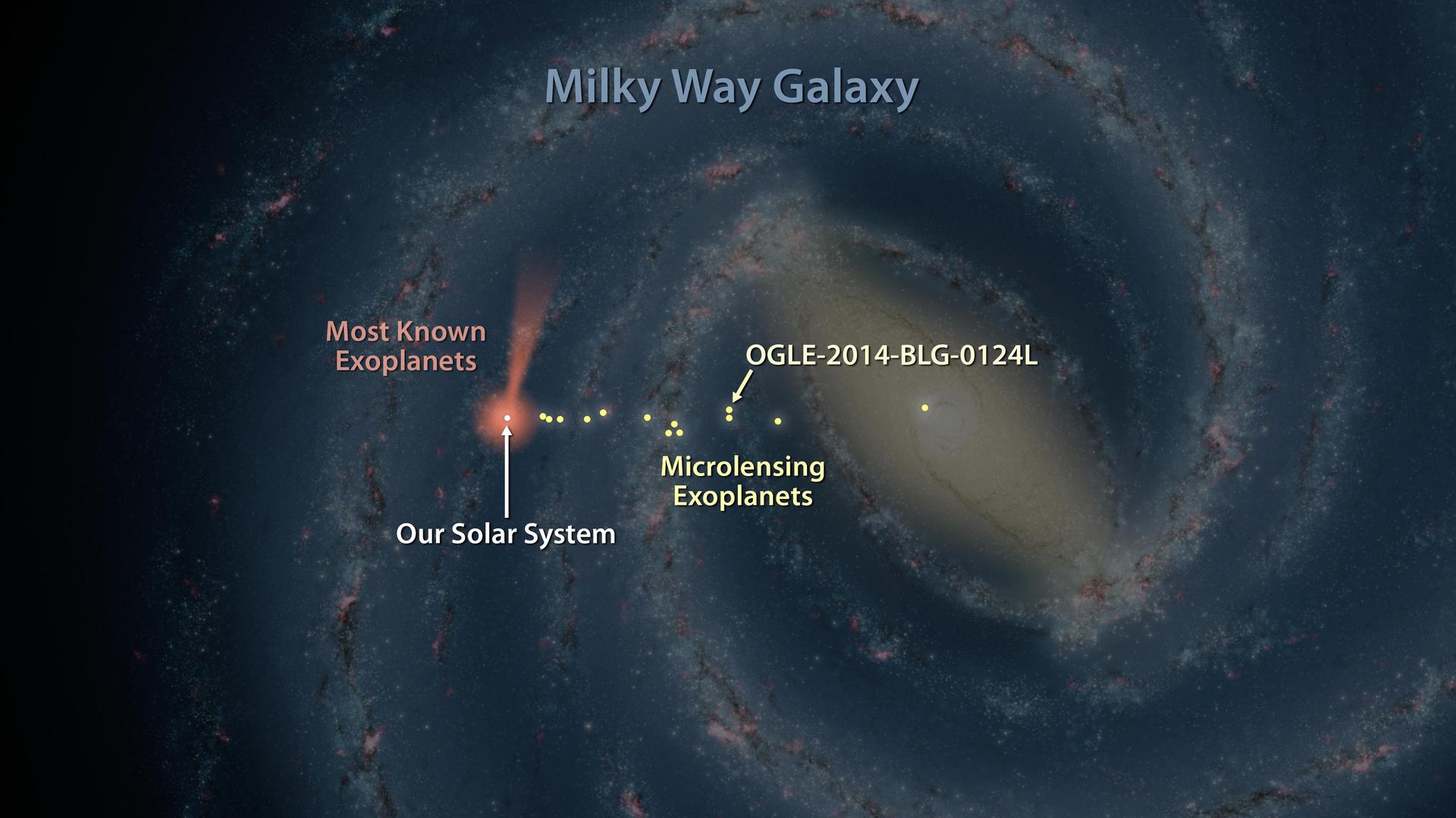
NASA's TESS Spots a Super-Jupiter 40,000 Light-Years Away Using a Trick From Einstein
Astronomers used gravitational microlensing to pull a super-Jupiter called Gaia23bra b out of TESS's archived data — a planet-hunting trick that reaches 260 times farther than the satellite's usual transit method.
-
Commercial
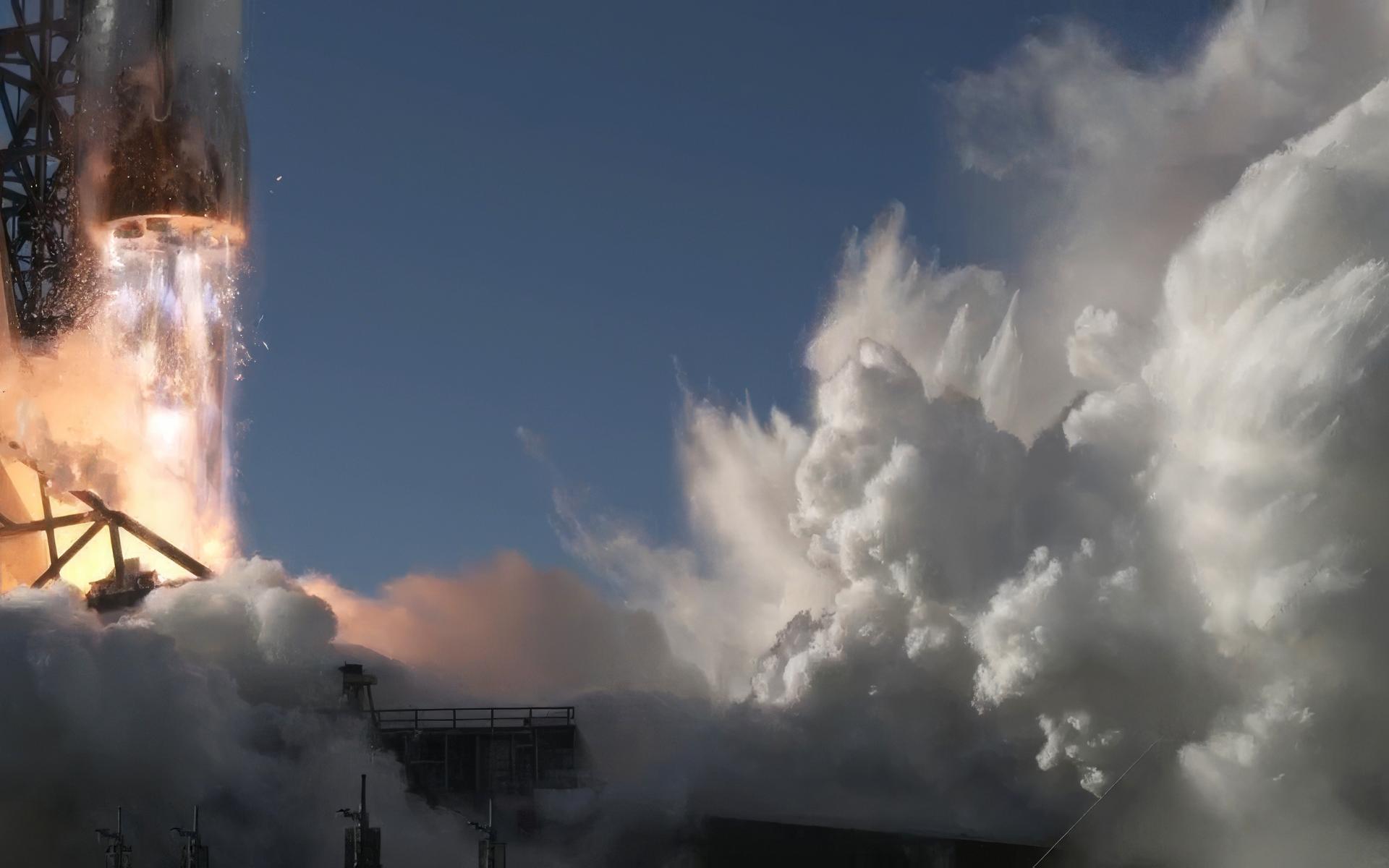
Blue Origin Charts a New Path Back to Flight for New Glenn After Pad Explosion
After late-May explosion destroyed a New Glenn being readied to fly NASA's Blue Moon 'Endurance' lander, Blue Origin says it won't rebuild the ruined pad as-is — instead adopting a hybrid horizontal-vertical integration concept at LC-36A and aiming to fly again in 2026.
-
Science & Discovery
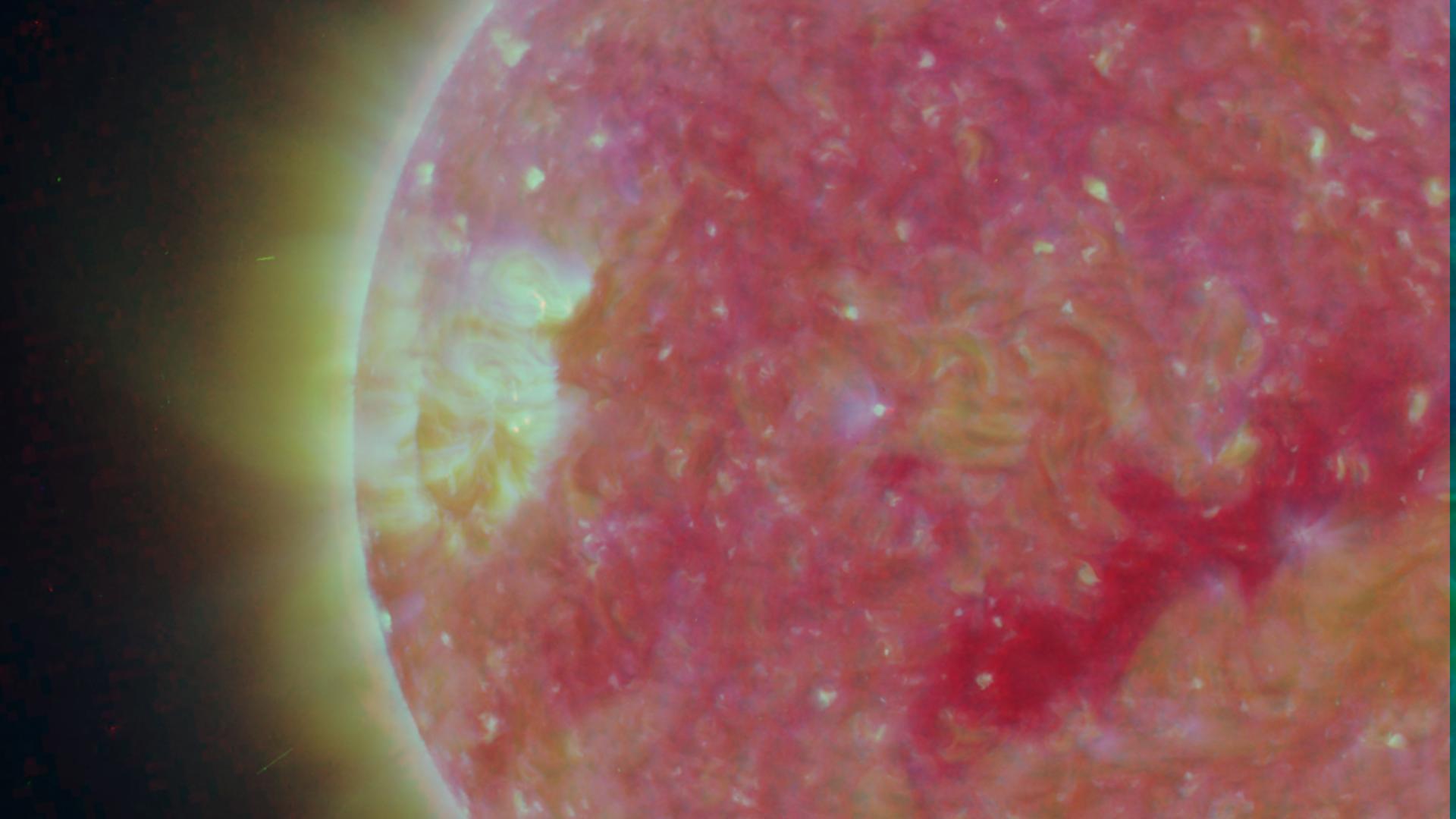
A New Suspect in the Sun's Hottest Mystery: Charged Cosmic Dust
A University of Alabama in Huntsville study in The Astrophysical Journal proposes that charged dust grains near the Sun reshape the plasma waves carrying energy into the corona, adding a new suspect to the decades-old coronal heating mystery.
-
NASA & Agencies
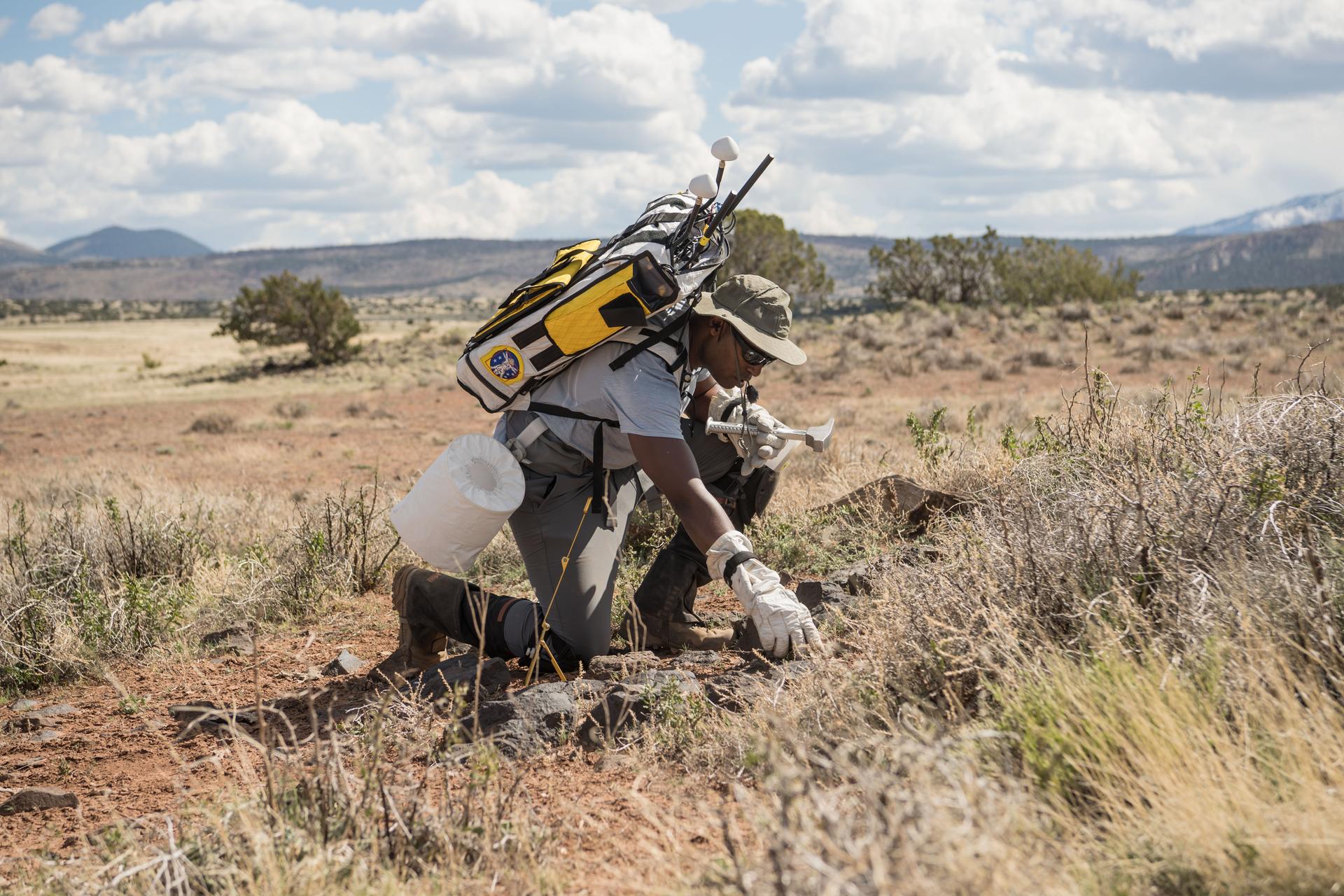
NASA Wants Volunteers to Spend a Year Pretending to Fly to the Moon and Mars
NASA has opened a volunteer call for a roughly yearlong ground analog at Johnson Space Center that, for the first time, fuses its HERA "spacecraft" and CHAPEA "base" into one integrated Moon-and-Mars mission starting no earlier than August 2027.
-
Missions
Weather and a Balky Pegasus Keep Katalyst's Swift Rescue Grounded
Katalyst Space's LINK servicing spacecraft, tasked with grappling and reboosting NASA's aging Swift observatory, has been scrubbed three days running — twice for weather and, per follow-up reporting, once when its Pegasus XL failed to deploy.
-
Astronomy
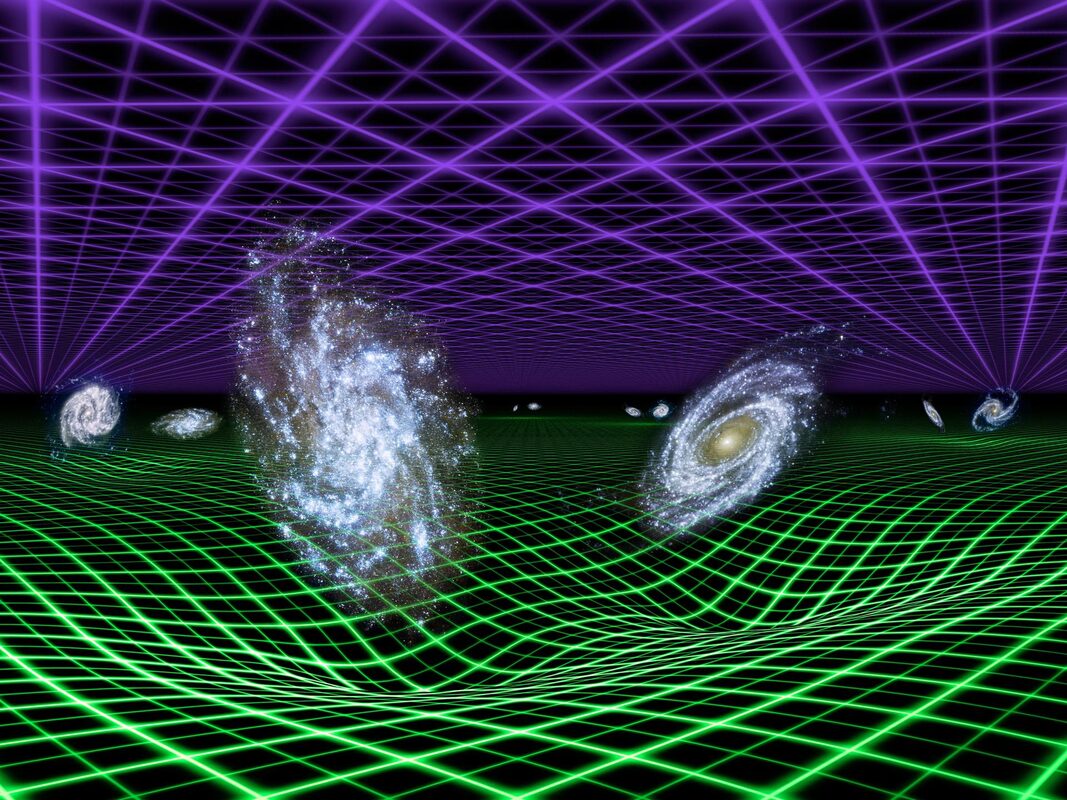
The Universe May Be Lopsided: DESI and Euclid Data Challenge Cosmology's Bedrock Assumption
A Nature paper published June 30, 2026 finds galaxies stay aligned into coherent structures across billions of light years — more strongly than Lambda-CDM predicts, and potentially in violation of the cosmological principle.
Page 29 of 57