
All articles
-
Astronomy
TESS Discovers the Puffiest Planets on Record—and They Challenge Everything We Know About Gas Giants
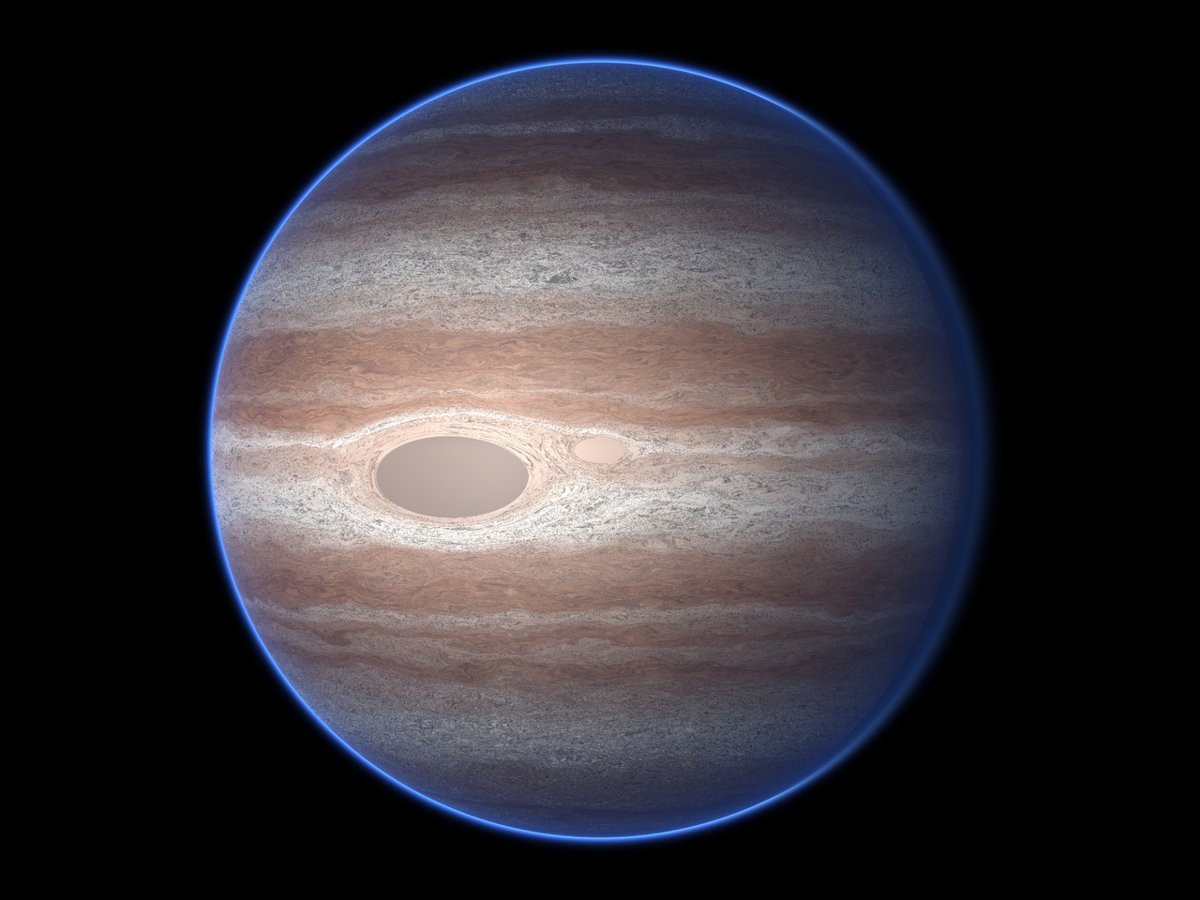
NASA's TESS mission has catalogued TOI-791 b and c, two gas giants orbiting a Sun-like star 1,113 light-years away so inflated relative to their mass that one has the density of cotton candy—shattering records and straining planet-formation theory.
-
Commercial
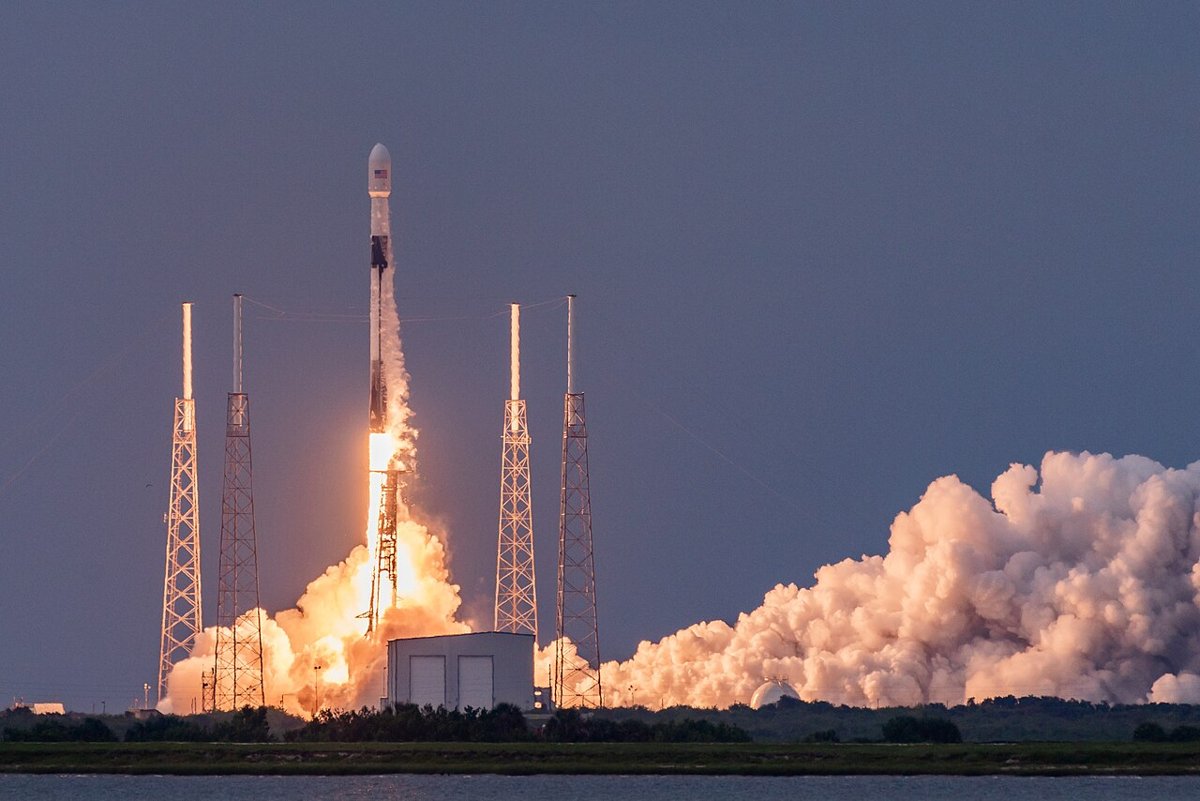
Phones, Meet Space: AST SpaceMobile Lofts Its First Block 2 BlueBirds
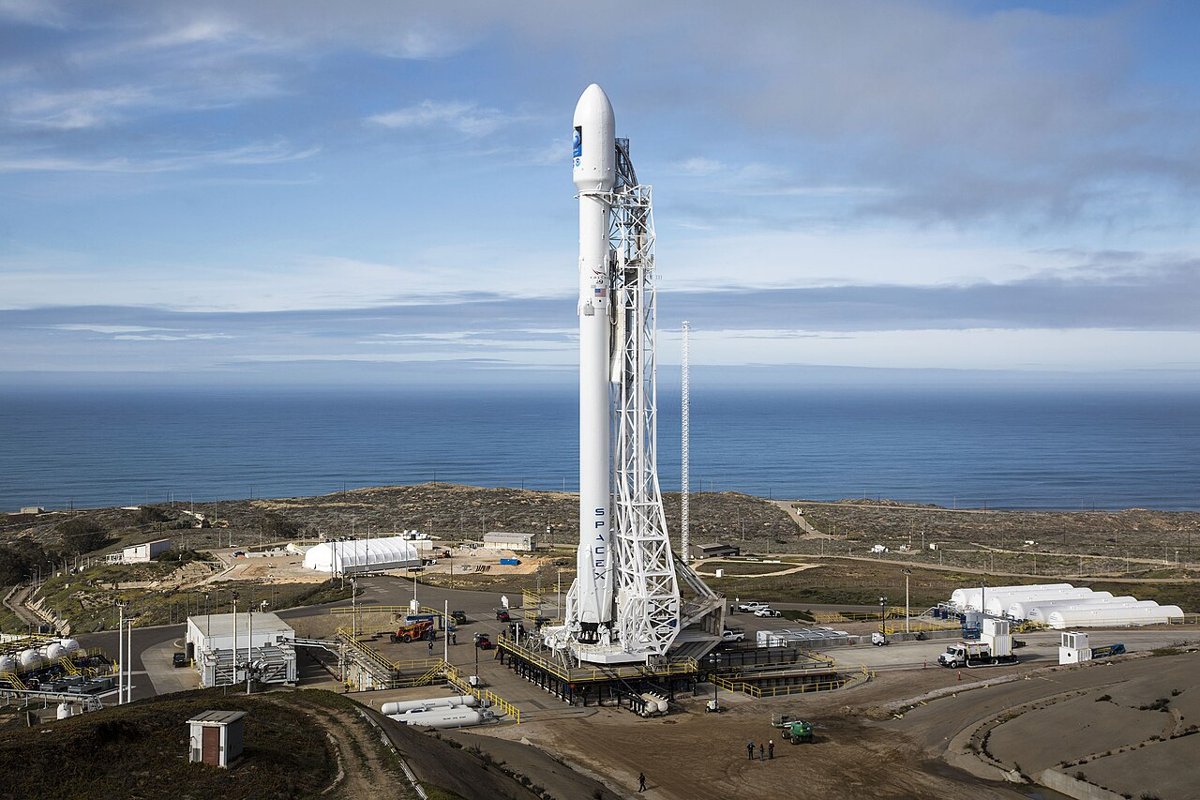
A pre-dawn Falcon 9 carried BlueBirds 8, 9 and 10 — AST SpaceMobile's first operational Block 2 satellites, built to beam broadband straight to ordinary 4G and 5G phones — marking the company's pivot from testing toward live direct-to-cell service.
-
Missions
Pittsburgh's Moonshot: Astrobotic Unveils Griffin-1 Before Shipping NASA's 'Moon Base 2' Lander to JPL
Astrobotic unveiled its nearly complete Griffin-1 lunar lander — NASA's newly designated 'Moon Base 2' — in Pittsburgh on June 15-16, 2026, before shipping it to JPL for testing ahead of a Q4 2026 Falcon Heavy launch carrying the largest commercial payload ever sent to the Moon.
-
Astronomy
Why Giant Planets Spin Faster Than 'Failed Stars': Keck's Largest Spin Survey Draws the Line
Keck's KPIC instrument measured the rotation of 32 directly imaged worlds and found giant planets spin up to three times faster than heavier brown dwarfs — turning spin into a tool that tells real planets from 'failed stars.'
-
Military Space
Space Force Bets on a Jam-Resistant Swarm: First Two PTS-G Satellites Ordered for $437.7M
The U.S. Space Force awarded Viasat and Intelsat General contracts totaling $437.7 million to build the first two operational PTS-G 'Swarm 1' satellites — small, maneuverable, dual-band anti-jam spacecraft meant to replace the aging AEHF fleet, with launch slated for 2028.
-
Science & Discovery
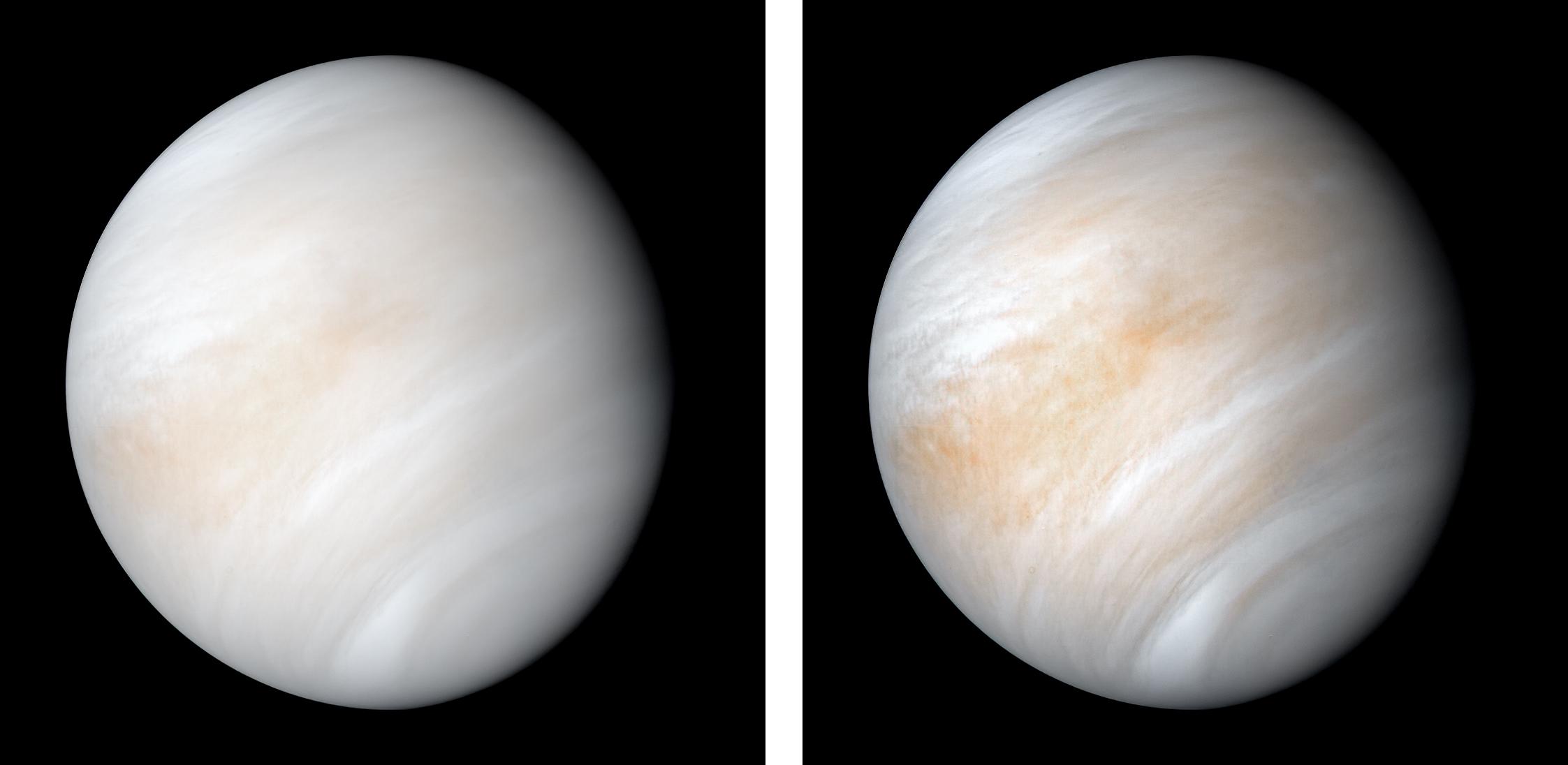
How Venus Got Its Backward Day: A Moon-Sized Impactor May Have Flipped the Planet
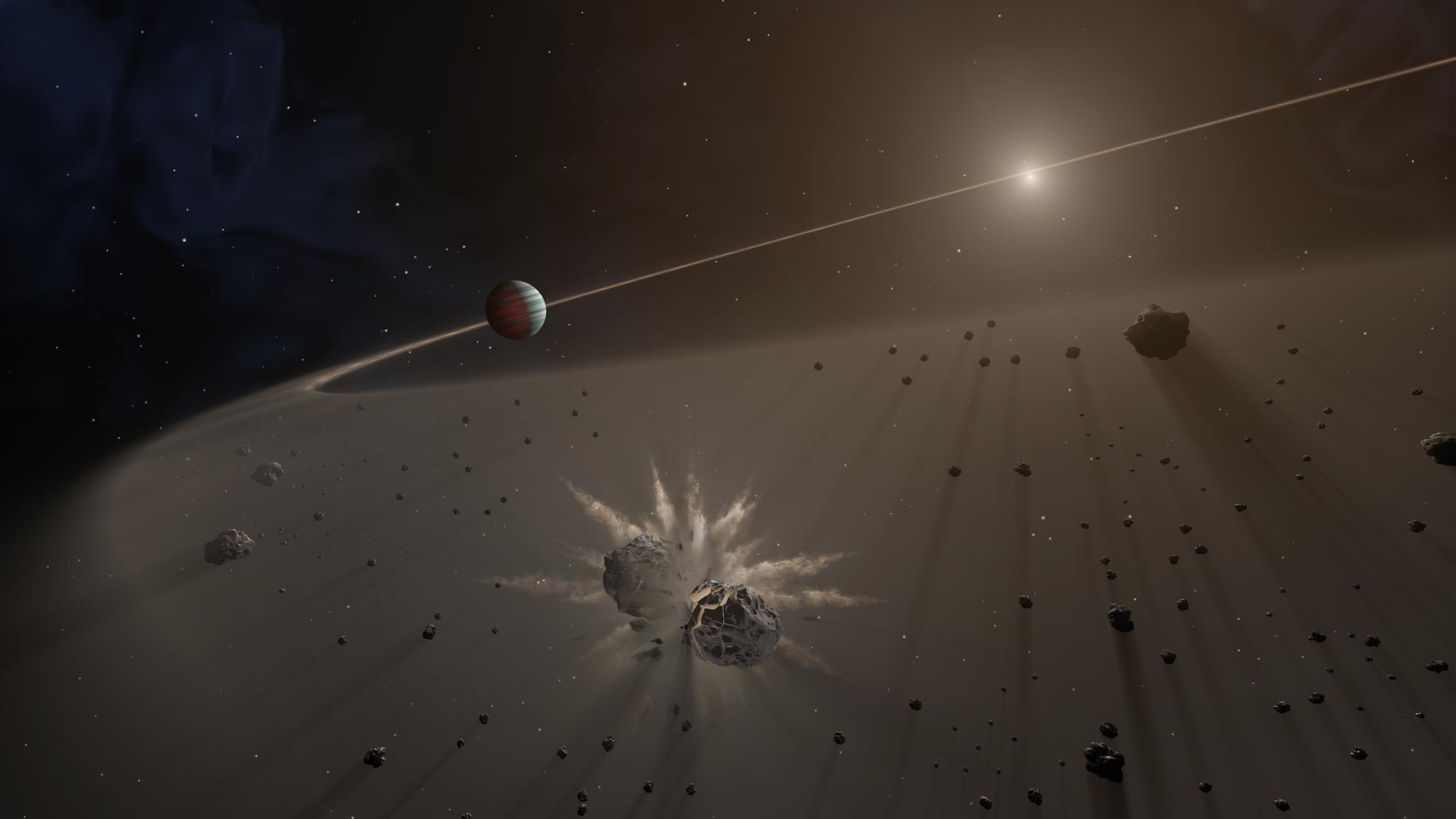
New impact simulations presented at EGU 2026 argue a single moon-sized, high-velocity impactor striking young Venus at a steep angle could explain the planet's bizarre 248-day retrograde spin — and why it has no moon.
-
Missions
Boeing and NASA Stay Committed to Starliner-1 While a Launch Date Remains Nowhere in Sight
NASA and Boeing reaffirmed their commitment to the Starliner-1 crewed ISS mission, but with no firm launch date set and infrastructure constraints mounting, the program's path forward remains deliberately vague.
-
NASA & Agencies
America's Spaceports Are Running Out of Runway: NASA's Inspector General Sounds the Alarm
NASA's Inspector General warns US launch sites are nearing capacity as record commercial and government launch cadence strains America's spaceport infrastructure.
-
Commercial
Rival Satellite Operators Launch Their Own NGSO Trade Group — Without SpaceX
Rival satellite operators just formed their own industry trade group — and they made a point of leaving SpaceX out. The exclusion reveals a structural fault line over spectrum policy and orbital rights.
-
Science & Discovery
SpaceX Launches Secretive 'Starfall' Reentry Demo — What the Silence Signals
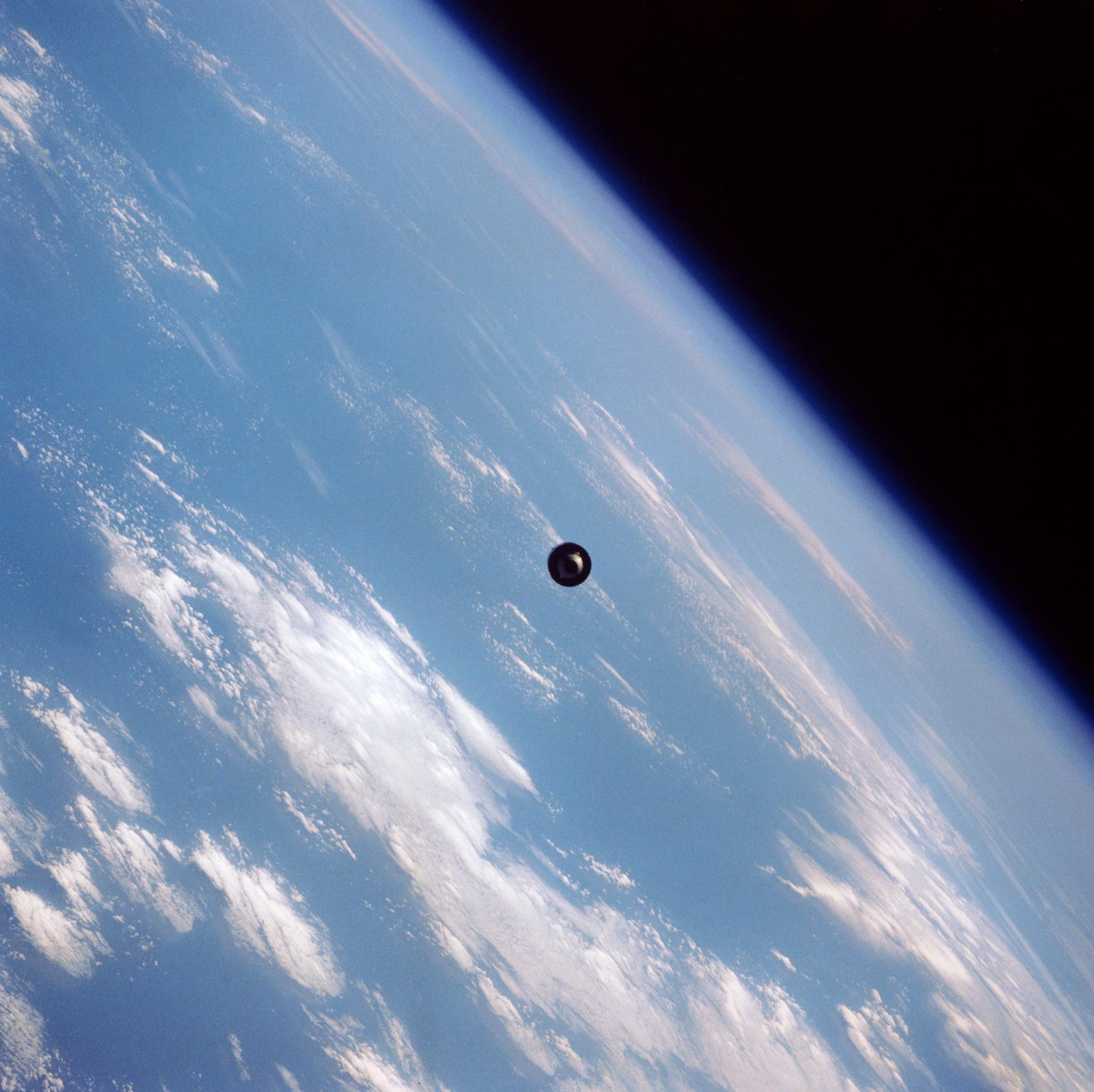
SpaceX flew a Falcon 9 mission called Starfall — described only as a reentry capsule demonstration — and disclosed almost nothing about it. The deliberate operational security around a clearly serious program may signal something significant ahead.
-
Military Space
Vantor Picks BAE Systems to Build the Satellites Behind Its Growing Surveillance Constellation
Colorado-based Earth intelligence firm Vantor has awarded BAE Systems a contract to build its next-generation Vantage imaging satellites — 20-centimeter-class spacecraft that reunite the company with the builder of its original WorldView fleet.
-
Stargazing
GalileoSharp Puts Real Astrophotography Sharpening in Your Pocket
GalileoSharp is a free, fully offline Android app that sharpens Moon, planetary, and deep-sky photos using the same algorithms desktop astrophotographers rely on — Richardson-Lucy deconvolution, wavelets, unsharp mask and more — with live preview and batch processing.

Page 34 of 57